
What an Amazing Tribal College & University (TCU) Fair!
We’re grateful to all the students, families, and colleges who joined us online for this year’s fair. Your energy and enthusiasm made it unforgettable!
Did you miss one of our live sessions?
No problem! You can still watch the recordings and review the presentation slide decks below at any time.

Day 1 Presentations
- Bay Mills Community College Presentation Slide Deck
- Keweenaw Bay Ojiba Community College Presentation Slide Deck
- Fort Peck Community College Presentation Slide Deck
- Little Priest Tribal College Presentation Slide Deck
- Developing Success Cultivating Academic and Personal Growth Presentation Slide Deck
Day 2 Presentations
- Institute of American Indian Arts Presentation
- Salish Kootenai College Presentation
- Tohono O’odham Community College Presentation
- Navajo Technical University Presentation
- Get It Done Financial Aid Presentation
Day 3 Presentations
- Northwest Indian College Presentation Slide Deck
- Aaniiih Nakoda College Presentation
- Stone Child College Presentation Slide Deck
- Why a Degree Checklist is Important Presentation
Day 4 Presentations
- Nebraska Indian Community College Presentation
- College of Menominee Nation Presentation
- College of the Muscogee Nation Presentation Slide Deck
- Little Big Horn College Presentation
See you next year in 2026!
Our Tribal College & University Fair is an annual event. Stay tuned for announcements about next year’s online TCU Fair!
Are you a Tribal College or University interested in presenting at our 2026 TCU Fair? Connect with our team today!
Featured Tribal Colleges
Bay Mills Community College | Brimley, Michigan

What is this TCU known for?
A tribal land-grant college in Michigan’s Upper Peninsula, focused on culturally relevant education for Native and non-Native students; offers both associate AND (recently) some bachelor’s degrees (e.g. Business Administration, Computer Information Systems)
What is the student population like at this TCU?
Approximately 577 students enrolled (2023-24), all undergraduates
222 full-time students
355 part-time students
What is the average class size at this TCU?
Students to faculty ratio is about 9:1
Why do students love this TCU?
One standout is that Bay Mills Community College offers free tuition to U.S. federally recognized Tribal Members, along with strong retention and graduation rates, and is rooted in Anishinaabe culture. At Bay Mills Community College we believe, “You belong here.”
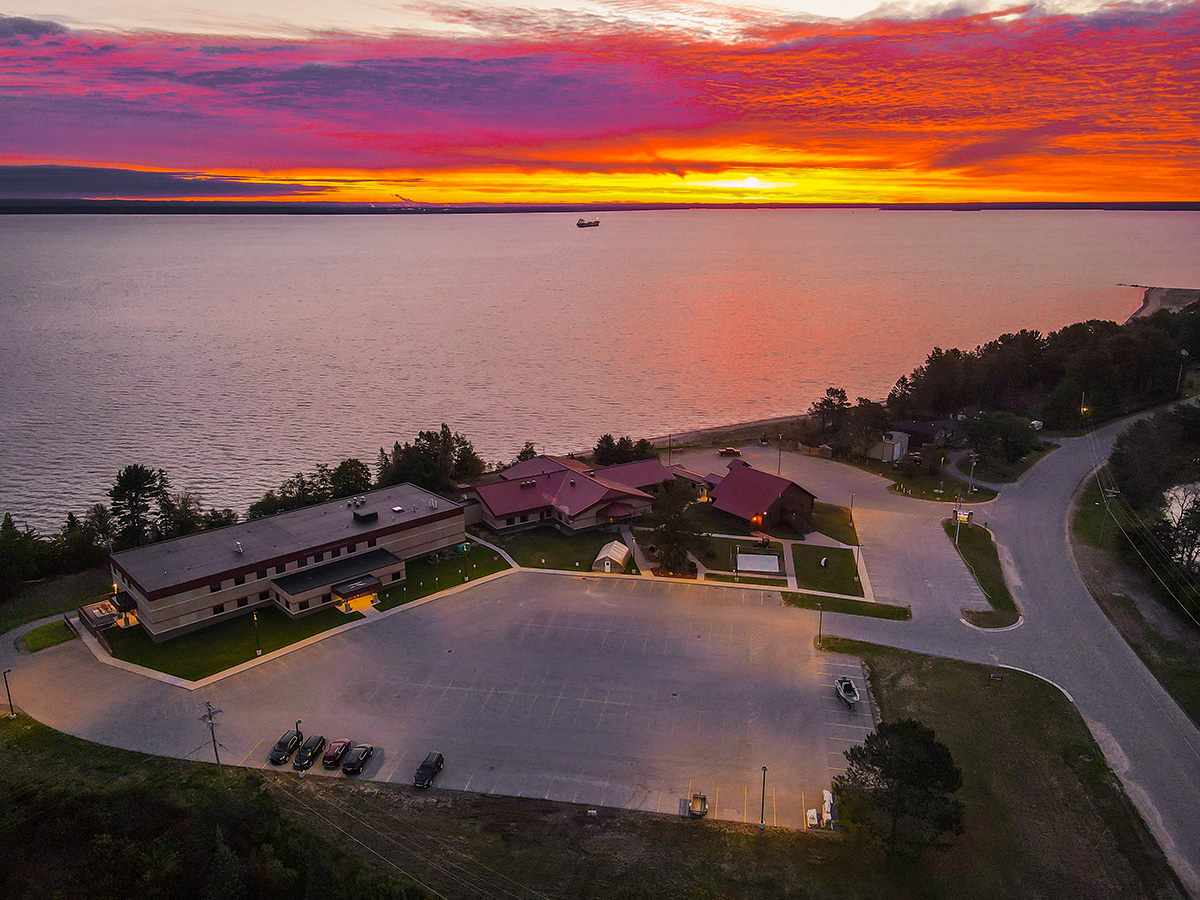
Keweenaw Bay Ojibwa Community College | L’Anse, Michigan
What is this TCU known for?
Serving the Keweenaw Bay area of Michigan, with strong ties to Ojibwa heritage; offering associate degrees, certificates; supportive of local and Tribal community needs.
What is the student population like at this TCU?
Approximately 222 students enrolled, all undergraduates
40 full-time students
182 part-time students
What is the average class size at this TCU?
TBA
Why do students love this TCU?
Keweenaw Bay Ojibwa Community College is a small and intimate campus. Its small size lets faculty know you by name, and allows for classes to be personalized for every student.
Fort Peck Community College | Poplar, Montana

What is this TCU known for?
Serving the Fort Peck Assiniboine & Sioux Tribes; strong emphasis on providing post-secondary education on the reservation so that students don’t have to leave home; preserving culture, history, tribal traditions. Offers many vocational, certificate, and associate degree programs
What is the student population like at this TCU?
Approximately 697 students enrolled, all undergraduates With a full mix of full-time and part-time students
What is the average class size at this TCU?
Students to faculty ratio is about 15:1
Why do students love this TCU?
Students at Fort Peck Community College highlighted in a review that, “small class sizes allow for more personalized attention from instructors” and the cultural environment is strong, with active Native American tradition, events, and support.
Little Priest Tribal College | Winnebago, Nebraska
What is this TCU known for?
Named after Chief Little Priest of the Winnebago Tribe, chartered by the Winnebago Tribe of Nebraska; land-grant institution; focus on two-year associate degrees and certification; emphasis on HoChunk (Winnebago) language, culture, transferability to 4-year schools; strong community and cultural foundation.
What is the student population like at this TCU?
Approximately 208 students enrolled, all undergraduates
81 full-time students
127 part-time students
What is the average class size at this TCU?
Students to faculty ratio is about 15:1
Class sizes are small and dedicated faculty members readily offer assistance.
Why do students love this TCU?
From their mission: “Be Strong and Educate My Children” captures the grounding in cultural identity. Students appreciate the free tuition, the personal attention, and the cultural programming (language, culture) combined with transfer opportunities available at Little Priest Tribal College.
Institute of American Indian Arts | Santa Fe, New Mexico
What is this TCU known for?
Known as the only higher-education institution dedicated exclusively to contemporary Native American and Alaska Native art and culture. It has strong programs in visual arts, applied arts, creative writing, film, and design
What is the student population like at this TCU?
Approximately 755 enrolled students, all undergraduates
What is the average class size at this TCU?
Students to faculty ratio is about 8:1
Why do students love this TCU?
A quote from a current student, Ethan, at the Institute of American Indian Arts, “I believe… these experiences give me the confidence to follow my heart and pursue my passions… to give back to our people and to the world that we come from.”
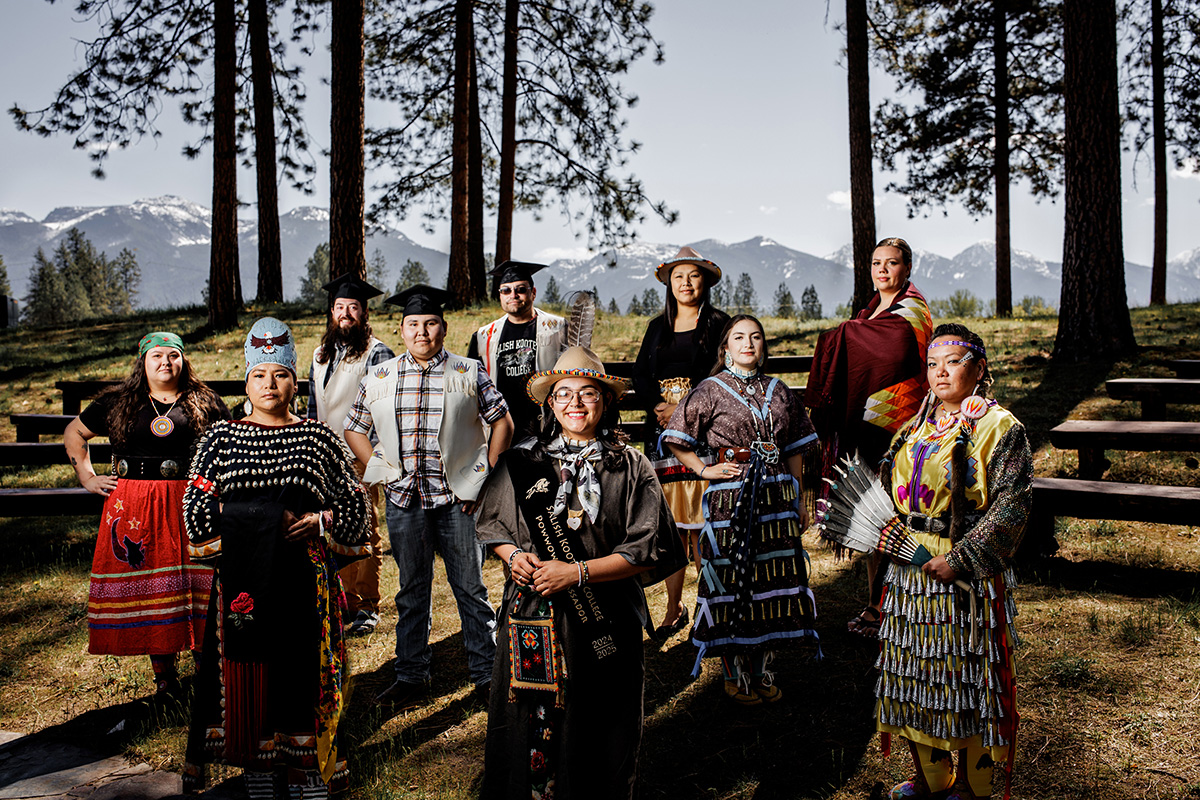
Salish Kootenai College | Pablo, Montana
What is this TCU known for?
Salish Kootenai College is known for providing quality post-secondary education ranging from Workforce certifications to now three(3) Masters degrees.
What is the student population like at this TCU?
Approximately 650-700 enrolled students annually, all undergraduates
What is the average class size at this TCU?
Students to faculty ratio is about 10:1, with an average class size of 10-20 students
Why do students love this TCU?
Students at Salish Kootenai College appreciate the small, personal classes with attention from faculty, a culturally supportive environment, and being part of a place that values indigenous traditions. At Salish Kootenai College they believe in, “A personal connection …” emphasizing their dedication and commitment to small classes, personalized attention, and hands-on learning.
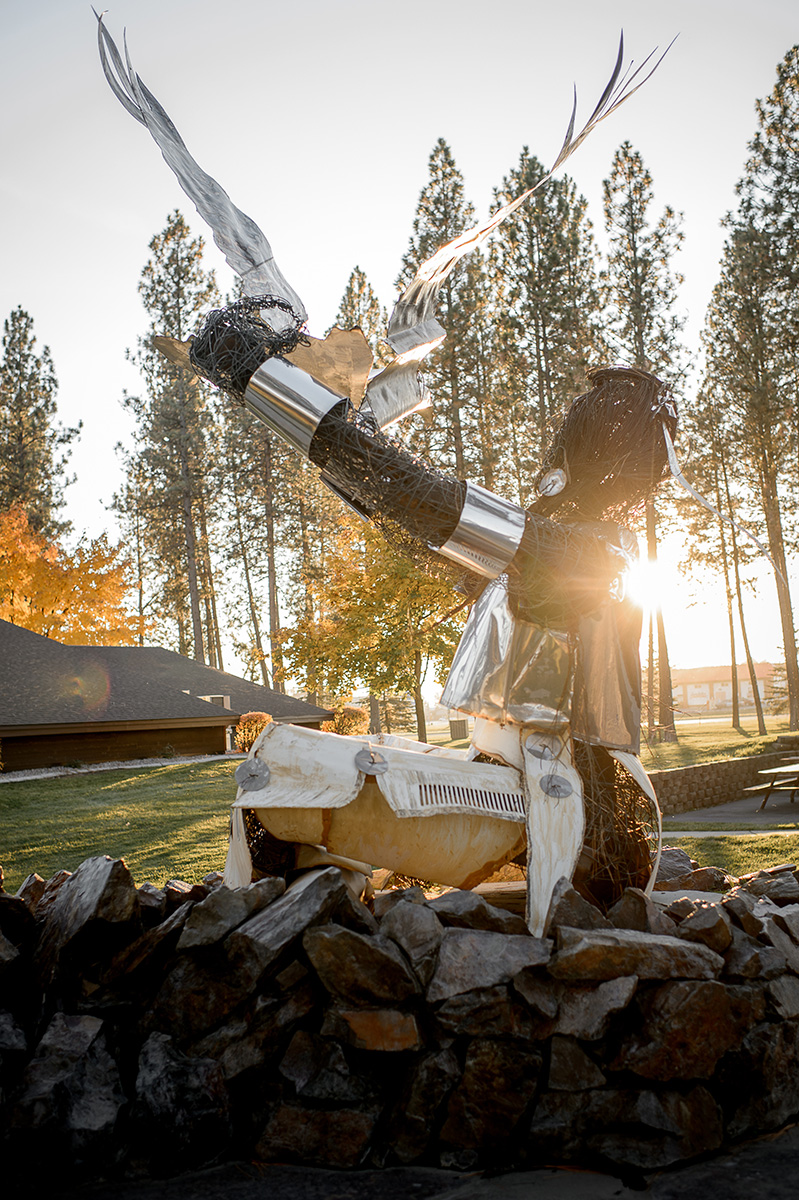
Tohono O’odham Community College | Sells, Arizona
What is this TCU known for?
Tohono O’odham Community College provides affordable, quality higher education rooted in the Tohono O’odham Himdag.
What is the student population like at this TCU?
Approximately 1,000+ enrolled students annually, all undergraduates
What is the average class size at this TCU?
10-25 students per class
Why do students love this TCU?
What makes Tohono O’odham Community College special is the deep connection to O’odham culture and community, accessibility for local students, and strong cultural grounding. Their motto “See, our dream fulfilled” suggests the college is viewed as fulfilling community hopes and dreams.
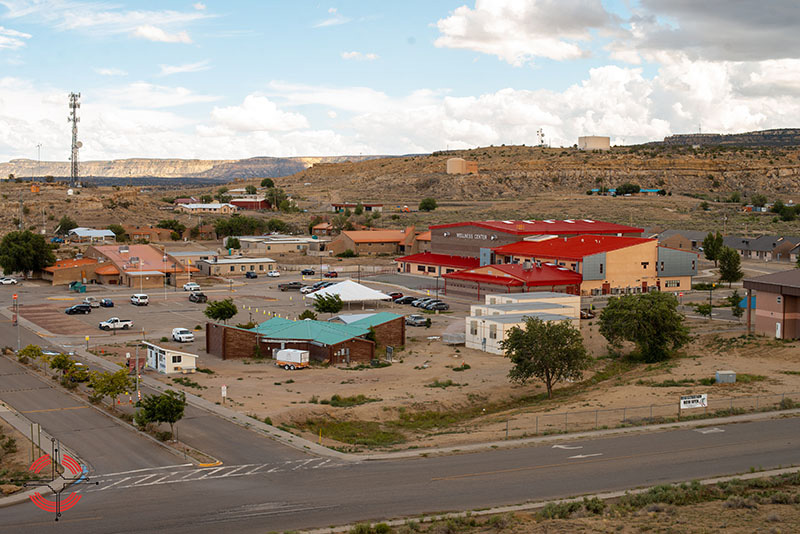
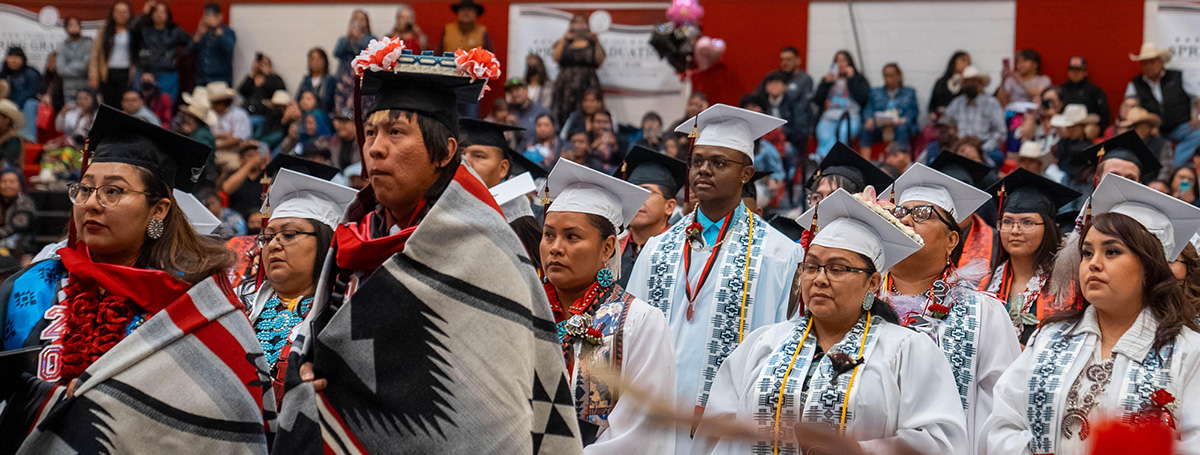
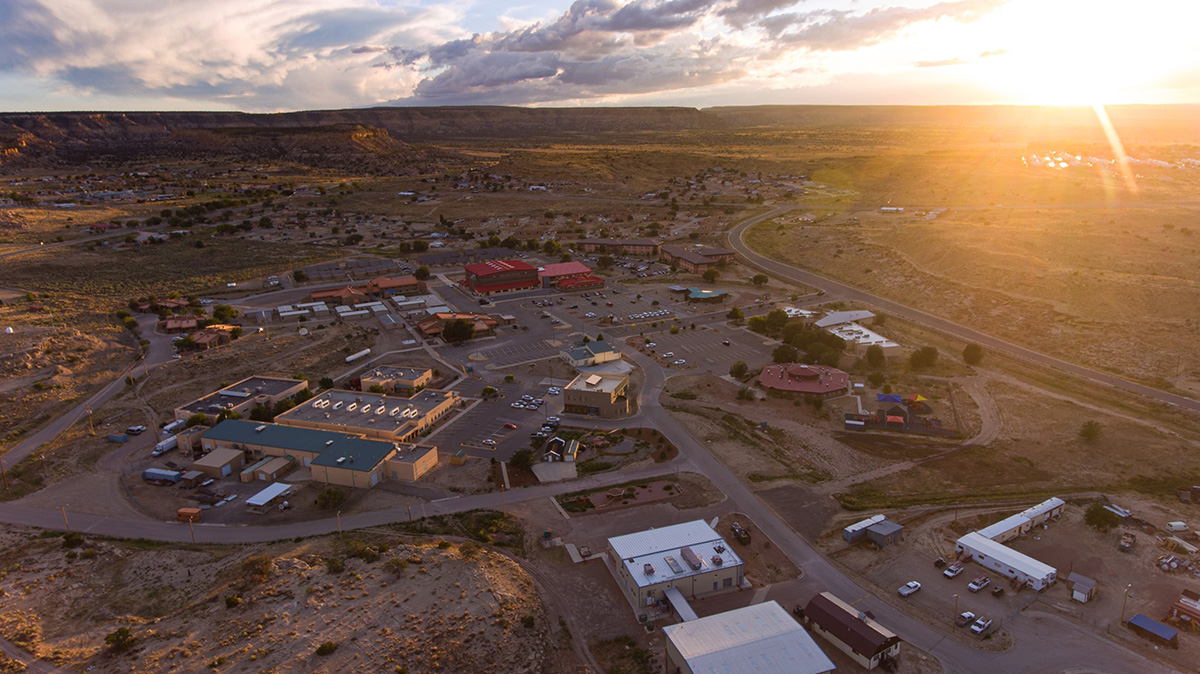
Navajo Technical University | Crownpoint, New Mexico
What is this TCU known for?
Navajo Technical University is the largest tribal college / university in the U.S., offers a wide array of certificates, associate, bachelor’s, and graduate programs including being the first TCU to offer a Doctoral Program.
What is the student population like at this TCU?
Approximately 1,700 enrolled students, a mix undergraduates and graduate students
What is the average class size at this TCU?
25-30 students per class
Why do students love this TCU?
Navajo Technical University is a unique institution because their staff cares about every one of their students, they are dedicated to small class sizes, and have fewer to no distractions compared to a mainstream university.
Northwest Indian College | Bellingham, Washington
What is this TCU known for?
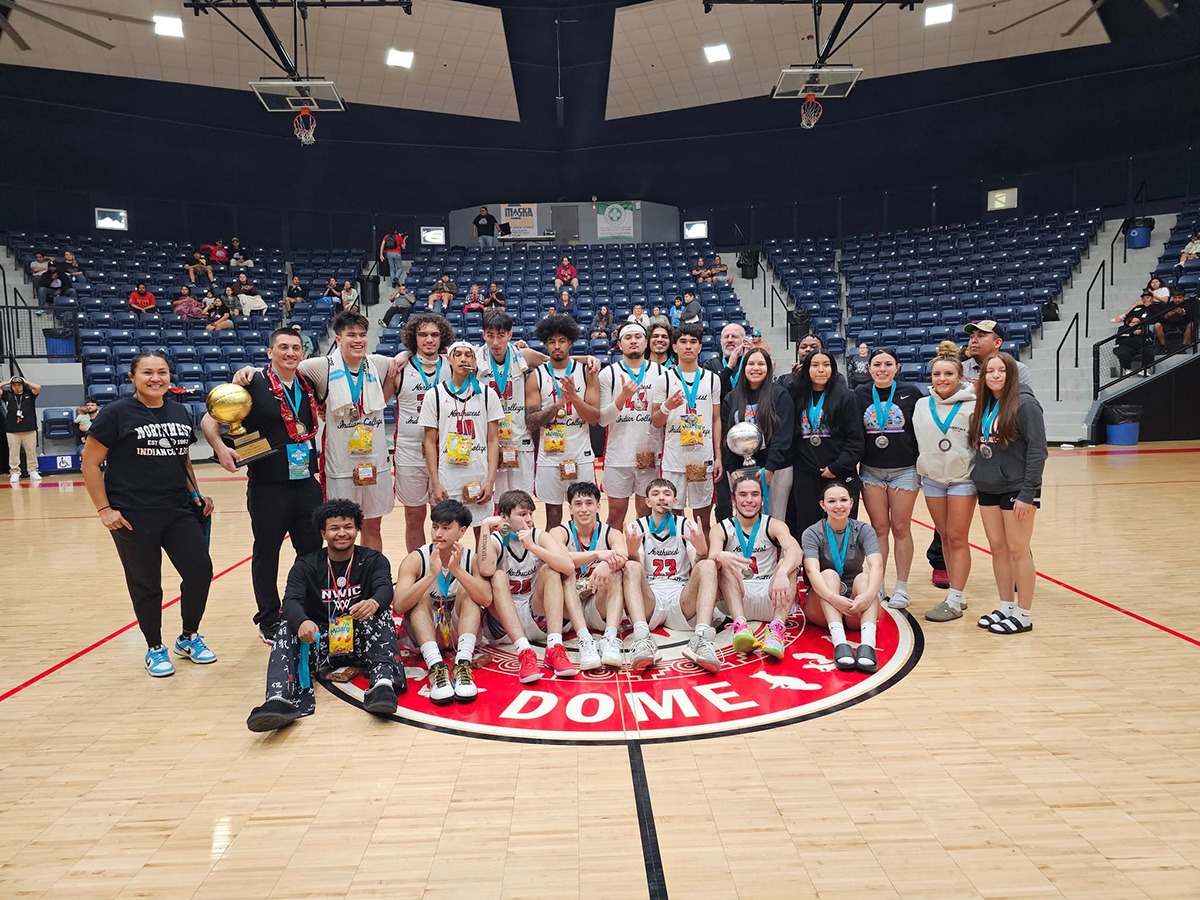
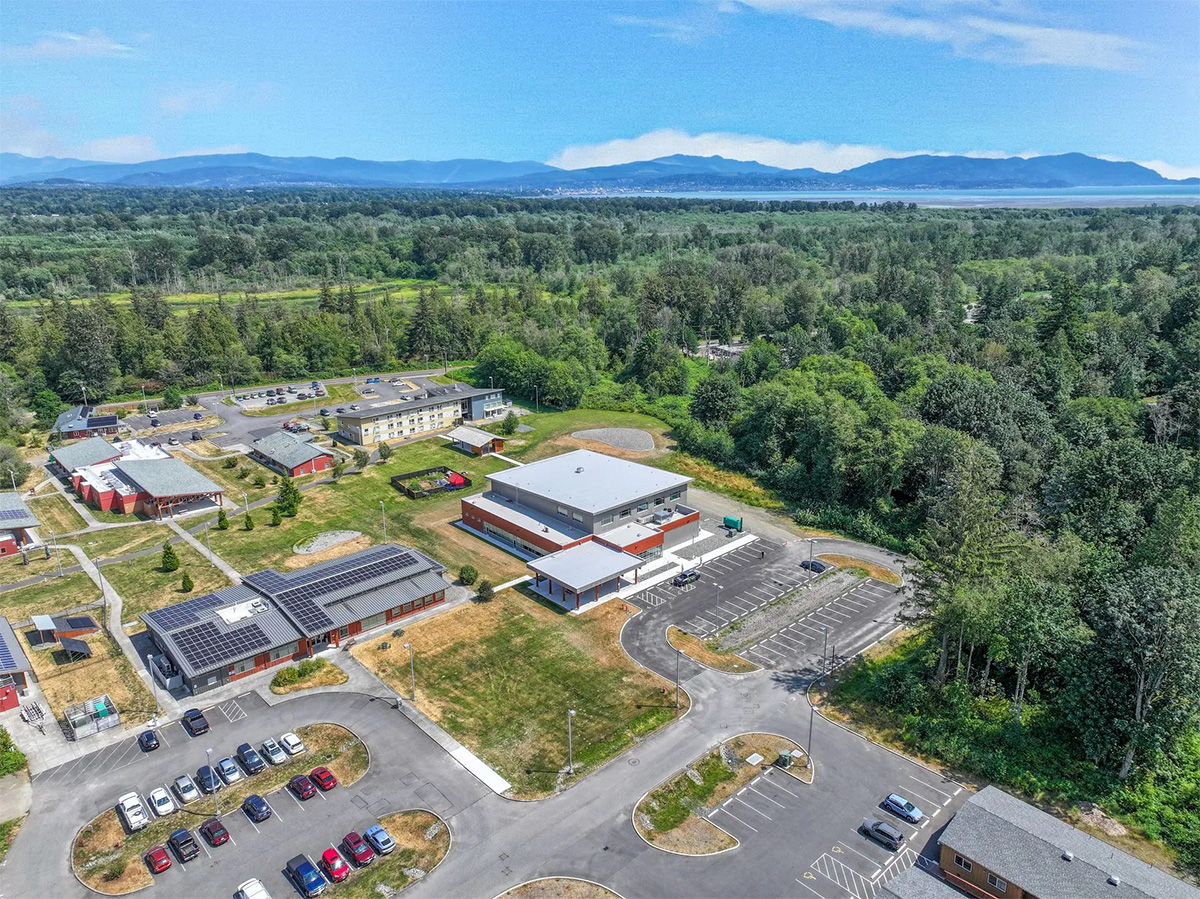
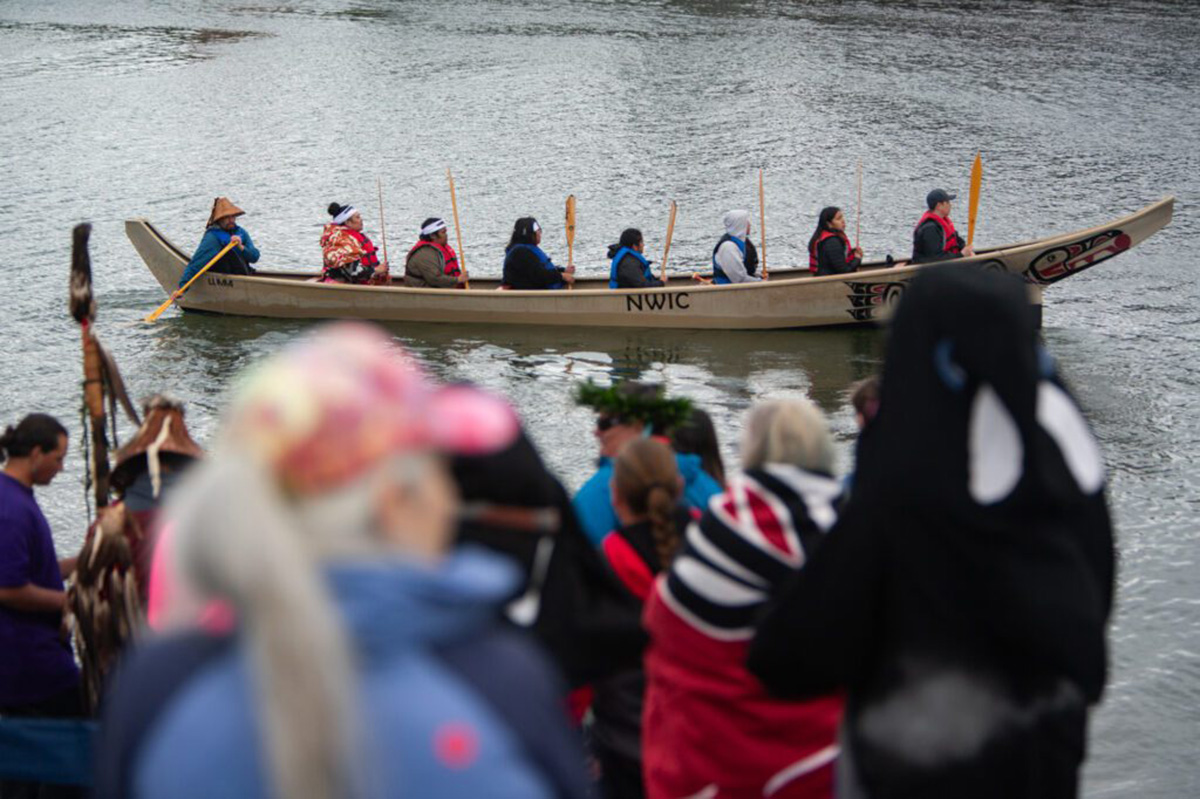
Northwest Indian College is known for promoting Indigenous self-determination through higher education. They center Coast Salish culture, language, and ways of knowing in their teaching and learning, and they serve Tribal Nations across the Pacific Northwest with a strong commitment to land, water, and community wellness.
What is the student population like at this TCU?
Approximately 700-1,000 students, including both degree-seeking and certificate students across the Lummi main campus and their five(5) extended sites.
What is the average class size at this TCU?
12–15 students, ensuring personalized attention, culturally relevant teaching, and strong faculty-student connections.
Why do students love this TCU?
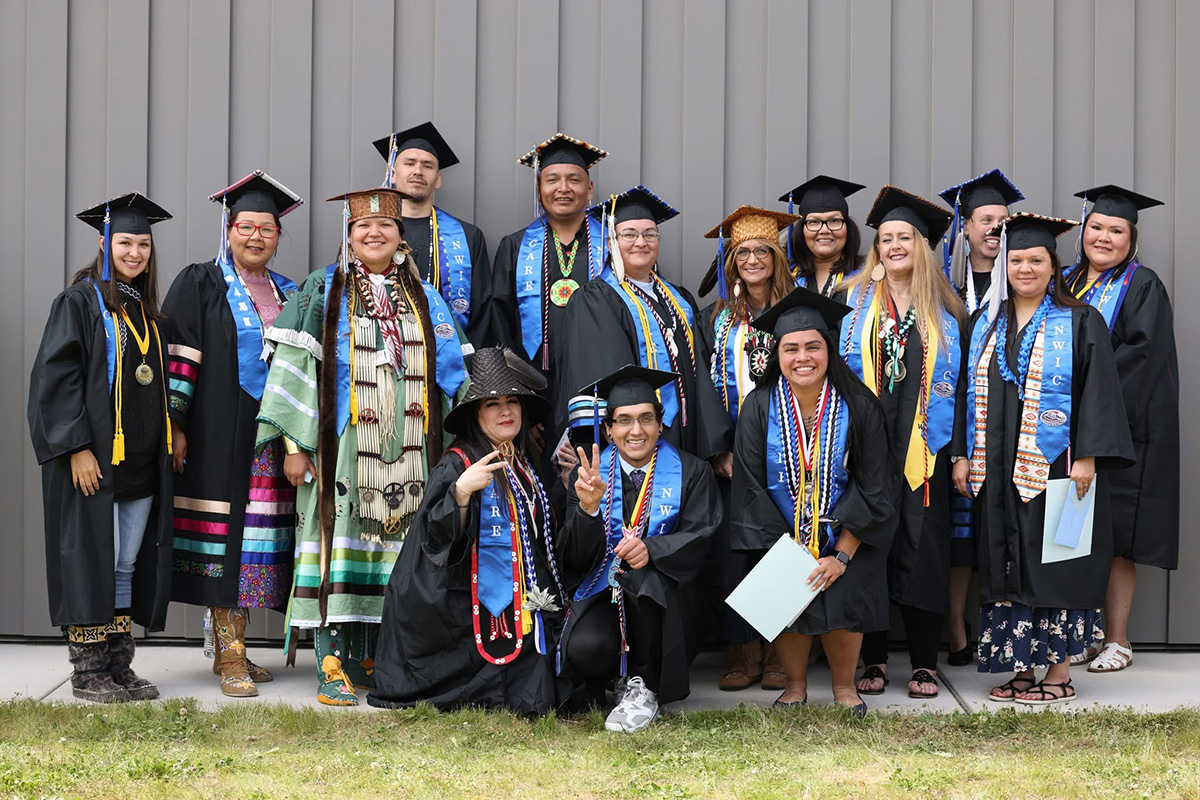
Students love North West Indian College because it is a place where they can bring their whole selves; where their stories, histories, families, and knowledge are valued. Some students are deeply connected to their Indigenous roots while some are just beginning to understand where they come from, and they all find belonging here.
Leech Lake Tribal College | Cass Lake, Minnesota
What is this TCU known for?
A small, community-focused tribal college (land-grant) that centers Anishinaabe values and offers associate degrees and technical programs tailored to the Leech Lake region.
What is the student population like at this TCU?
Approximately 240 total students
What is the average class size at this TCU?
Student-to-faculty ratio around 10–12:1
Why do students love this TCU?
A quote from a student, “Leech Lake Tribal College feels like family — classes are small, culturally grounded, and focused on community needs.”
Aaniiih Nakoda College | Harlem, Montana
What is this TCU known for?
A reservation-based tribal college serving the Fort Belknap community with career-technical programs and associate-level offerings focused on local workforce and cultural needs
What is the student population like at this TCU?
Approximately 130 total students
What is the average class size at this TCU?
Student-faculty ratio is approximately, 10:1
Why do students love this TCU?
A quote from this TCU, “Students value ANC for its supportive, culturally-centered campus and direct pathways into local careers and technical fields.”
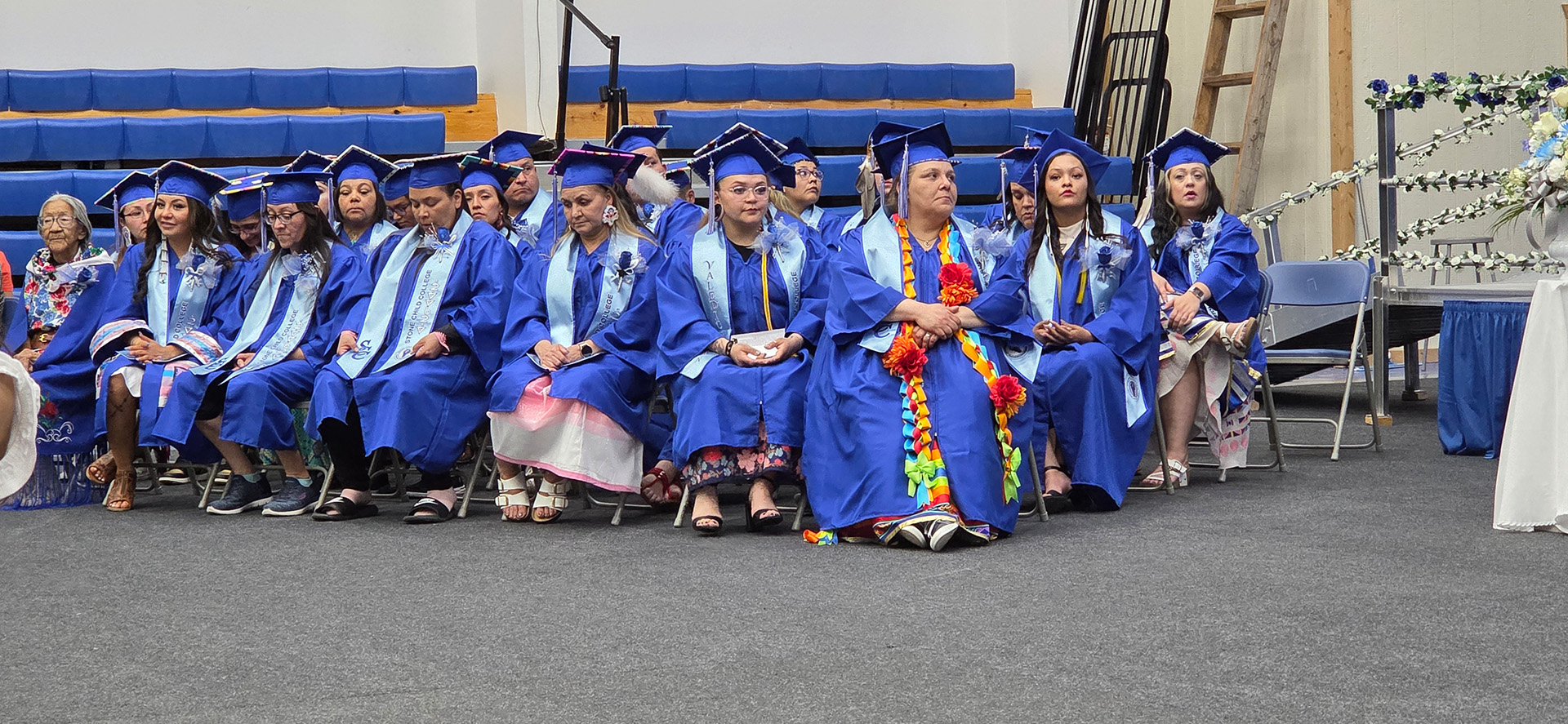
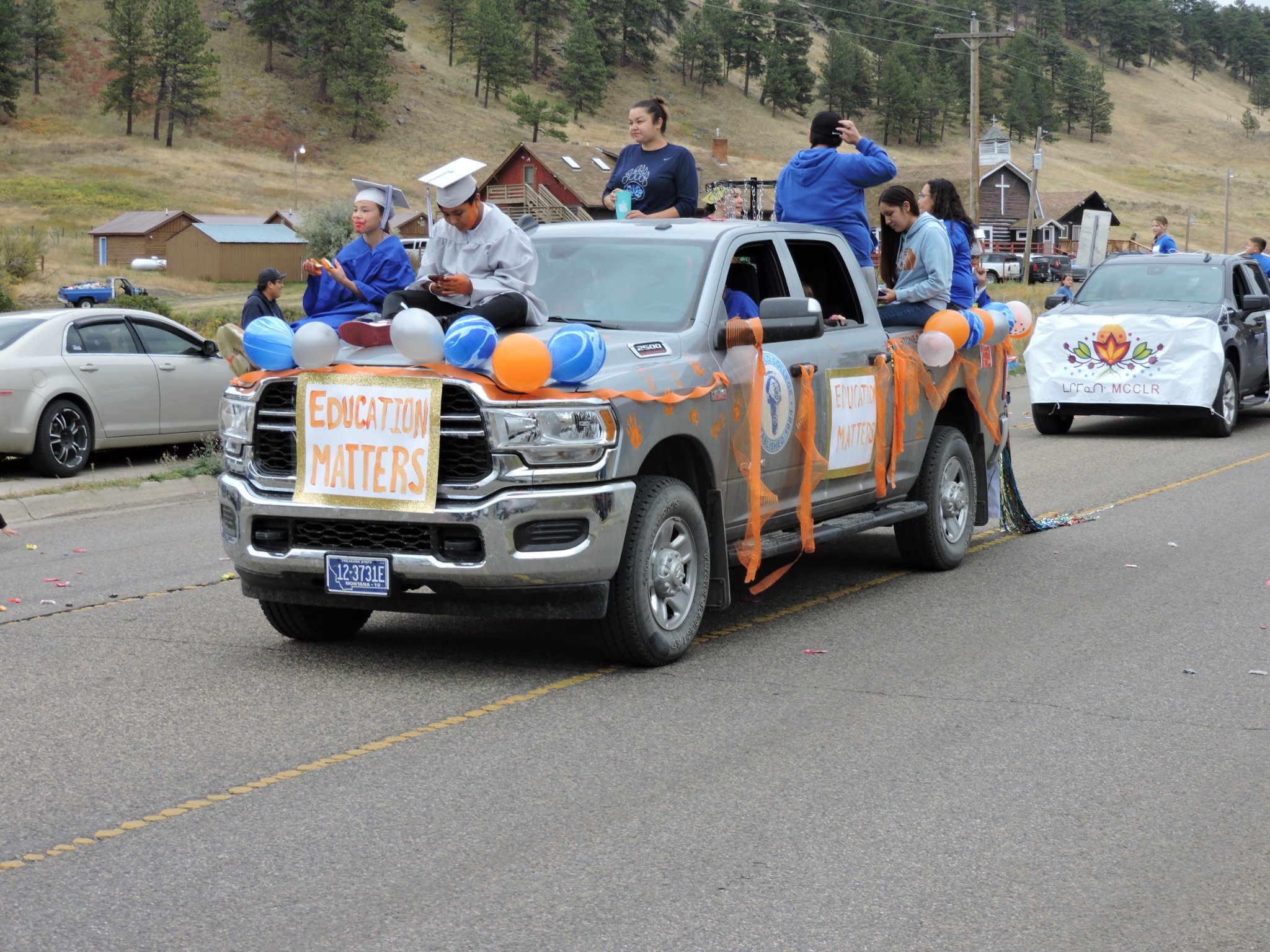
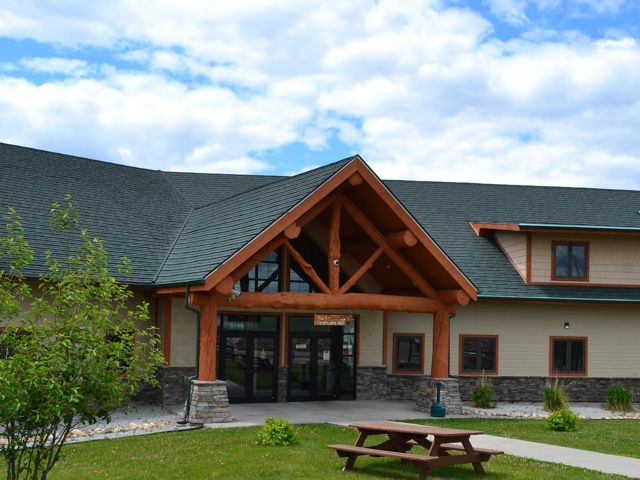
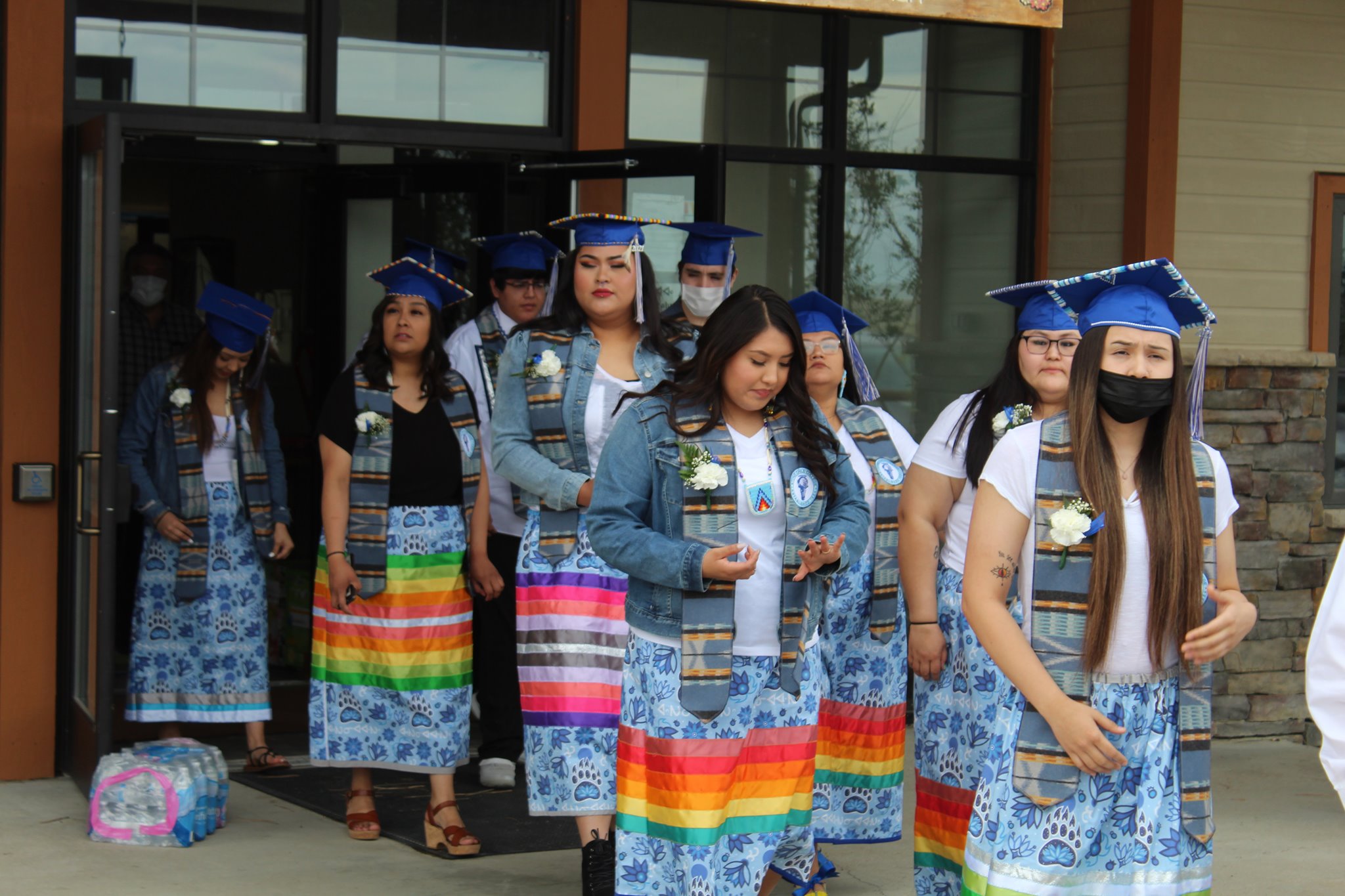
Stone Child College | Box Elder, Montana
What is this TCU known for?
Stone Child College offers two Bachelor Degrees one in Elementary Education and the other in Early Childhood Education.
What is the student population like at this TCU?
Approximately 200 enrolled students
What is the average class size at this TCU?
10-15 students
Why do students love this TCU?
At Stone Child College students love that they are a small friendly college, with smaller class sizes that allow more interaction between professors and students.
United Tribes Technical College | Bismarck, North Dakota
What is this TCU known for?
Strong career and technical programs (notably criminal justice/protective services, natural resources/conservation, transportation, and tribal-focused workforce training) and high rates of grant/aid support for Native students.
What is the student population like at this TCU?
Approximately 540 total students
What is the average class size at this TCU?
Student-faculty ratio is around 12:1
Why do students love this TCU?
A quote from the TCU, “UTTC is prized for hands-on technical programs that lead directly to local jobs and for a campus culture focused on Native identity and support.”
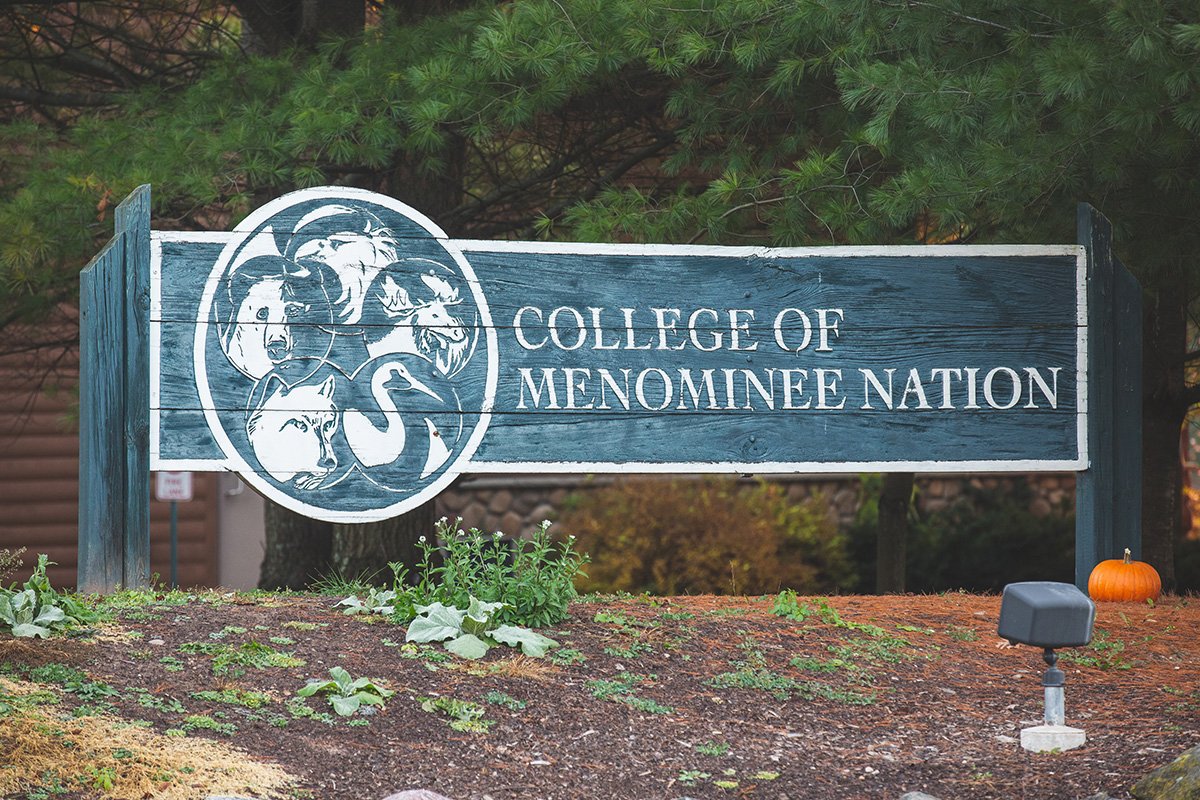
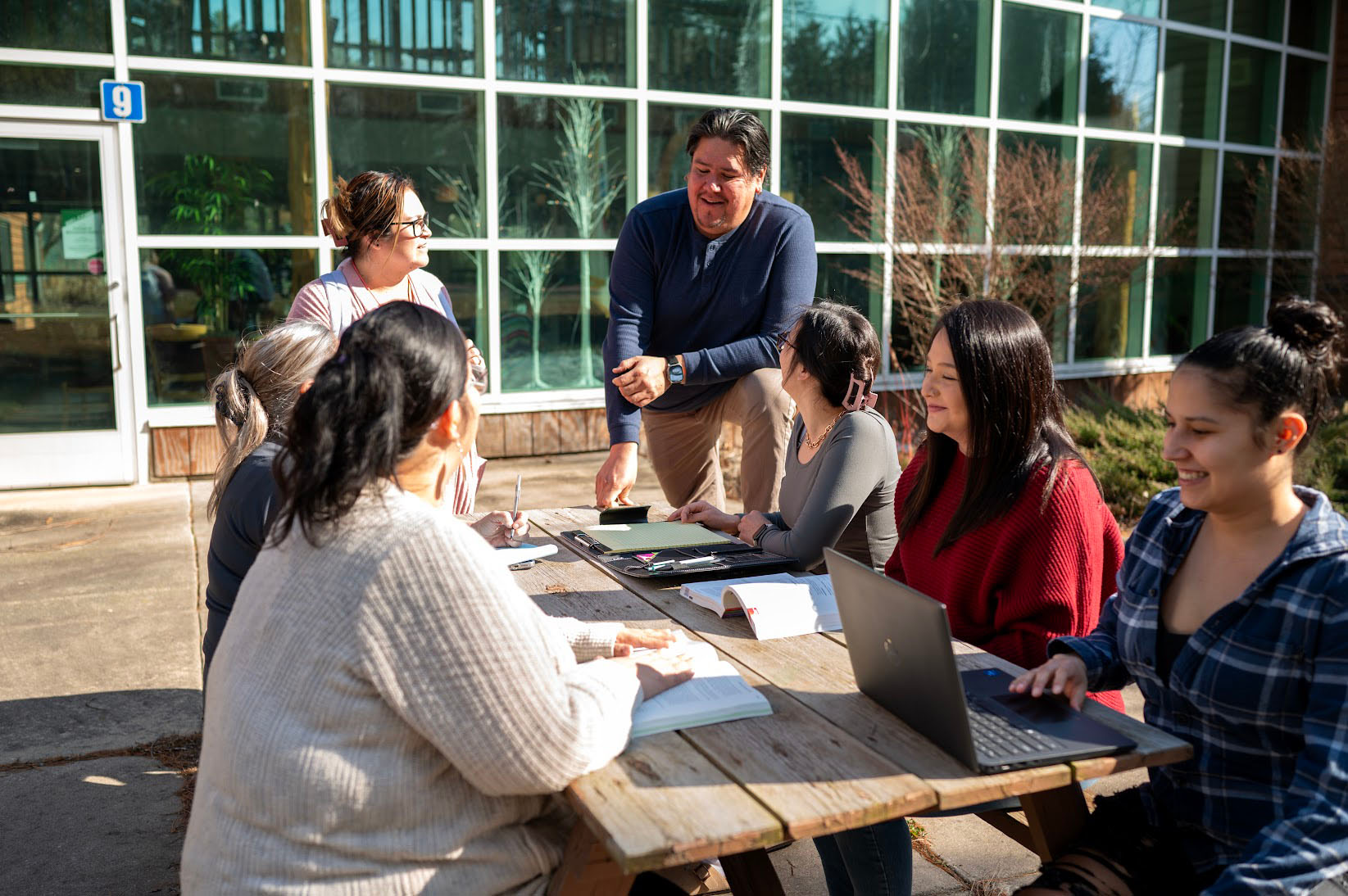
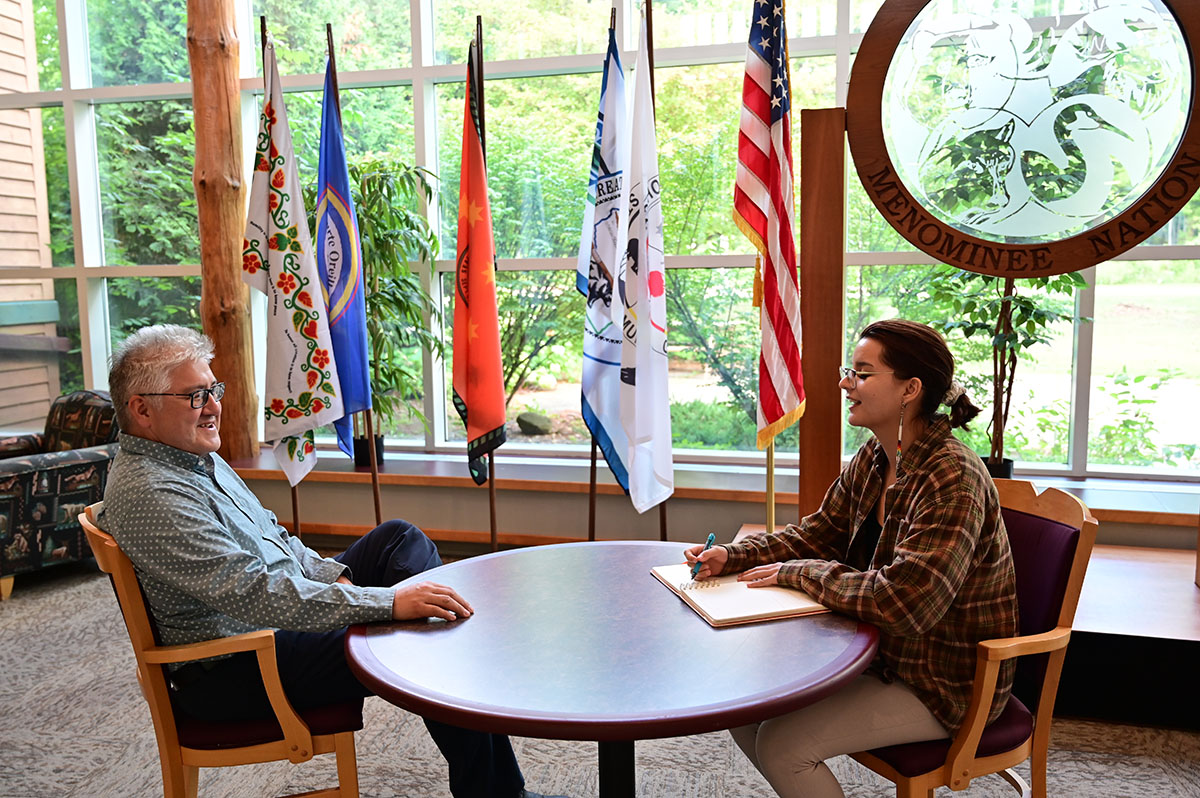
College of Menominee Nation | Keshena, Wisconsin
What is this TCU known for?
The College of Menominee Nation, chartered by the Menominee People, is a land-grant institution that integrates American Indian culture into higher education while preparing students for leadership, careers, and advanced studies in a multicultural world. Offering 20 programs of study across bachelor’s degrees, associate degrees, and technical diplomas, the College is committed to research, cultural preservation, and community outreach. Guided by its vision as a center for lifelong learning, it provides exemplary academic preparation and research to support nation building.
What is the student population like at this TCU?
Approximately 250-300 students per semester
What is the average class size at this TCU?
Students to faculty ratio is about 4:1
Why do students love this TCU?
A quote from a current student, Brooke, at the College of Menominee Nations, “My academic journey is a testament to the transformative power of education, community engagement, and volunteering. I am grateful for the opportunities that lie ahead and the support that this scholarship represents. Attaining higher education, working, and having a family are not without challenges, but I discovered my true strength and resilience through that adversity. As I look forward to the next chapter, I am grateful for the experiences that have shaped me and excited about the meaningful contributions I can make in the future.”
College of the Muscogee Nation | Okmulgee, Oklahoma
What is this TCU known for?
A two-year tribal college serving the Muscogee (Creek) Nation with transfer-level liberal arts, tribal language/culture offerings, and programs tied to tribal employment and governance.
What is the student population like at this TCU?
Approximately 250 total students
What is the average class size at this TCU?
Student-faculty ratio is about 10:1
Why do students love this TCU?
Students say College of the Muscogee Nation stands out for its strong cultural programming and close relationships with tribal leadership and employers.
Little Big Horn College | Crow Agency, MT
What is this TCU known for?
A Crow Nation tribal college offering associate degrees and career programs (business, construction trades, natural resources/public administration) with strong community ties in Crow Agency, MT.
What is the student population like at this TCU?
Approximately 378 total students
What is the average class size at this TCU?
Student-faculty ratio is about 10:1
Why do students love this TCU?
Little Big Horn College students appreciate the college’s deep Crow cultural focus and direct local career pathways.
Workshop Presenters
Rene
Tohono O’odham Community College
Day 1 – Monday, November 17th
Unlocking Success: Strategies for Academic and Personal Growth
Join us for an engaging and interactive workshop designed to empower students, families, and educators with practical strategies for achieving academic excellence and personal growth. Discover tools and techniques to navigate the educational journey, overcome challenges, and build a path towards success.
About the Presenter
Rene is the Student Success Coordinator at Tohono O’odham Community College (TOCC), with a passion for guiding students towards achieving their fullest potential. With 11 years of experience in higher education, Rene specializes in student development, resilience-building, and academic coaching. Committed to fostering a supportive and inclusive environment, Rene empowers students to navigate their academic journeys successfully.
Nicholas
Salish Kootenai College
Day 2 – Tuesday, November 18h
Get it Done (Financial Aid)
Curious about how financial aid works? Got questions about the LEU (Lifetime Eligibility Used), Federal Work-Study, student loans, or how it all ties together? Join us for a relaxed, informal session where we’ll hang out, chat, and break down what you need to know—without the jargon. Whether you’re just starting out or in the middle of your college journey, we’re here to help you understand your options and make the most of your aid. Bring your questions (or just come to listen)!
About the Presenter
Nick is a Financial Aid Loan Officer at Salish Kootenai College for the past three years. He is also a student,currently earning his bachelor’s degree online through Arizona State University (ASU). With experience both as a college staff member and a student, Nick understands how important (and sometimes confusing) financial aid can be. Whether you have questions about loans, grants, LEU, or federal work-study, he’s here to help you navigate the process and feel confident about your options.
Dee Anna & Kyle
Navajo Technical University
Day 3 – Wednesday, November 19th
How to Read & Why a Degree Checklist is Important?
Come hang out with us for a fun, interactive workshop where you’ll learn how to read your degree plan and actually make sense of it! We’ll also chat about why your degree matters — from cool job opportunities to setting yourself up for success after graduation. It’s your chance to get tips, ask questions, and feel more confident about your path!
About the Presenters
Dee Anna is a higher education professional, speaker, and mentor dedicated to student success, cultural advocacy, and leadership development. As a First-Year Experience Academic Advisor at Navajo Technical University, she helps students transition into college while building academic, personal, and cultural resilience. Known for her student-centered approach, she combines academic planning with mentorship and culturally responsive advising. Beyond advising, she leads workshops, contributes to professional organizations like NACADA, and serves on institutional and community committees focused on student success and cultural engagement. Her work has been recognized with awards and reflects her belief that education is a tool for empowerment, cultural preservation, and community leadership.
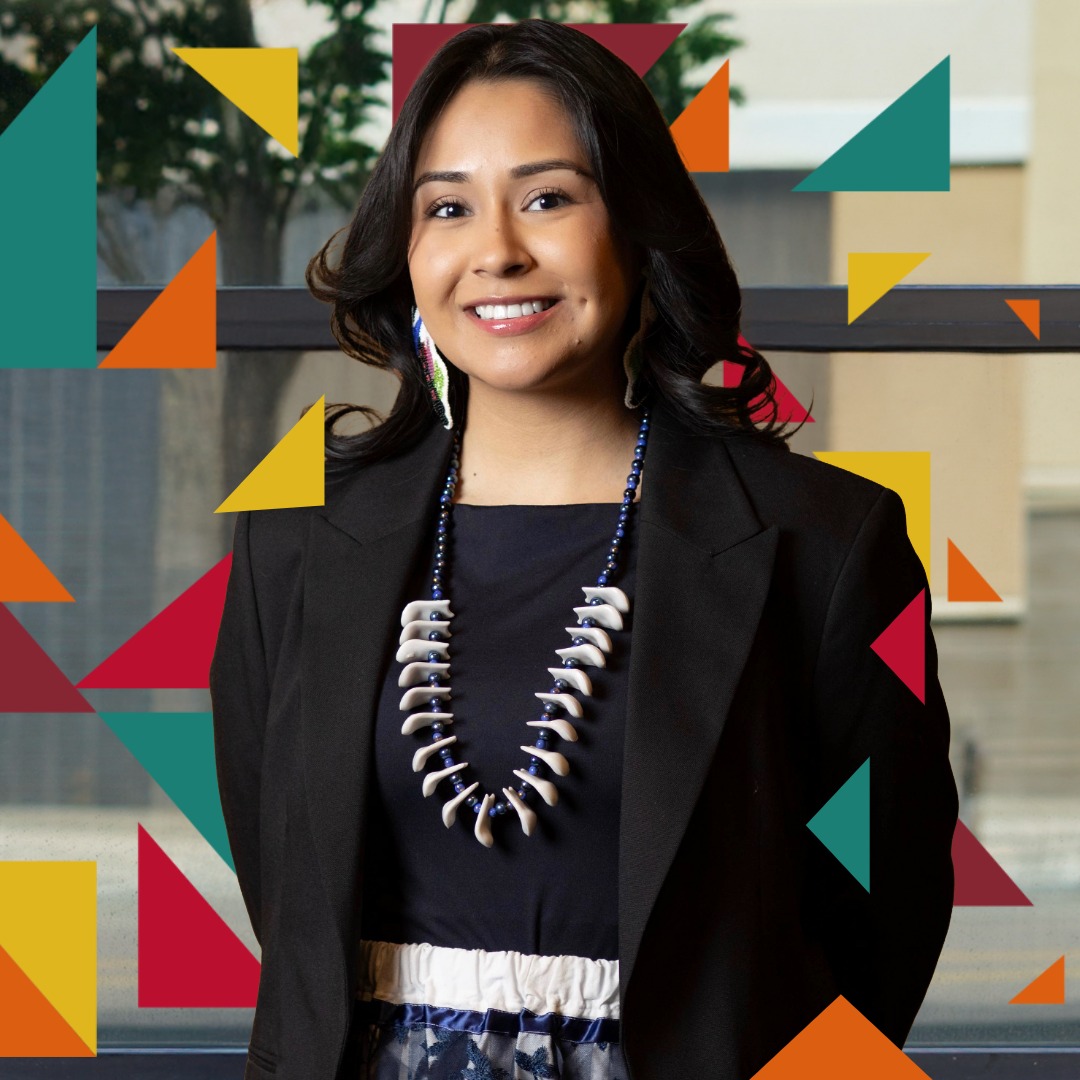
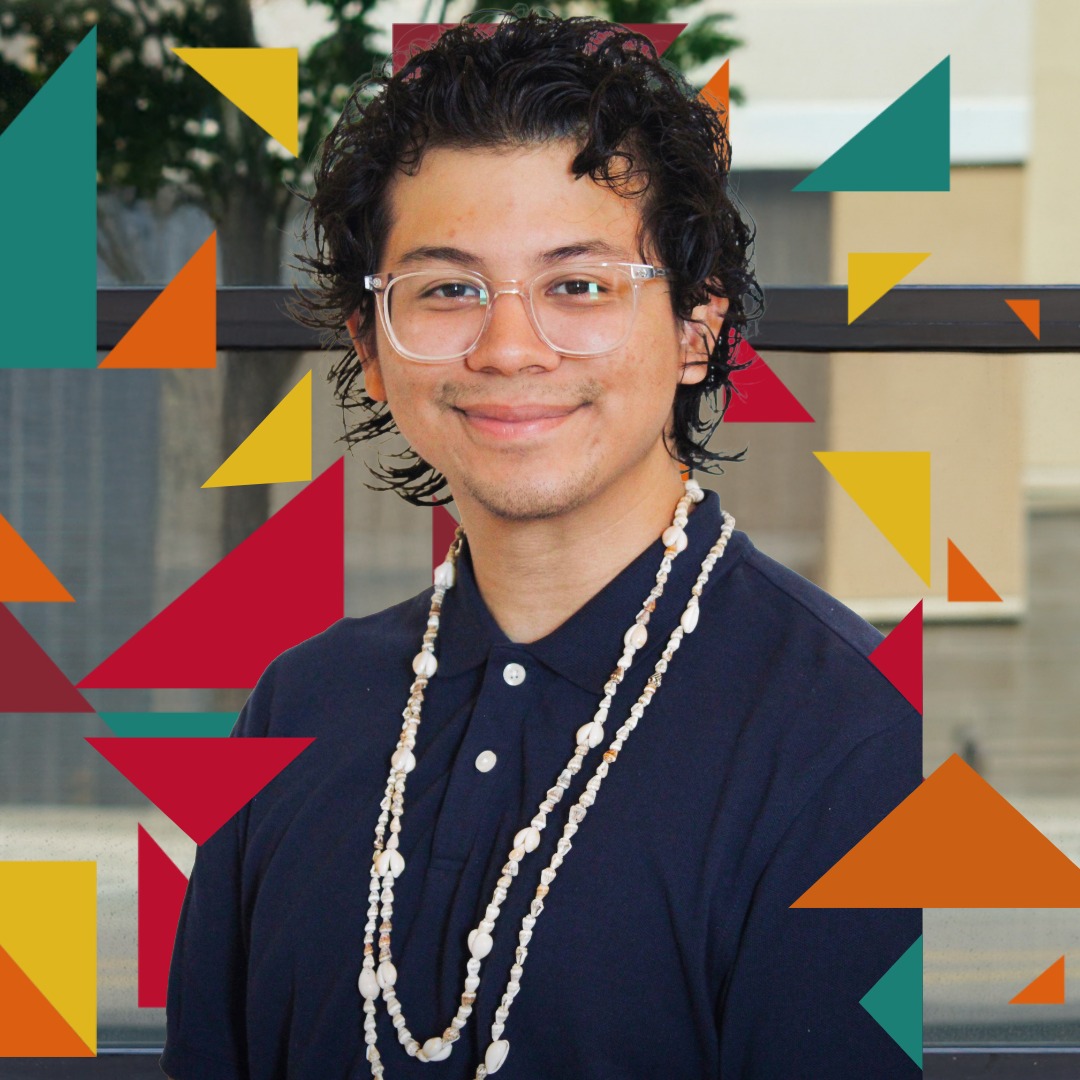
Adrianna (Moderator), Elena (Panelist), Joseph (Panelist), Jasmine (Panelist)
American Indian College Fund
Day 4 – Thursday, November 20th
TCU Experience: Student Panel
Hear directly from students who have attended or are currently enrolled at a Tribal College/University (TCU). In this interactive panel, student speakers will share their personal experiences—from choosing a TCU to navigating campus life, academics, and community involvement. Attendees will gain authentic insights into the benefits of a TCU education, the support systems available, and how TCUs honor Native culture while preparing students for their future goals. This session is a unique opportunity to ask questions, connect with peers, and be inspired to consider a TCU as part of your own educational journey.
About the Presenters
Elena, from New Town, North Dakota, is an enrolled member of the Mandan, Hidatsa, and Arikara Nation. She is pursuing a Master of Science in Geological Engineering at the University of North Dakota (UND), where she serves as a Graduate Research Assistant. Her journey is guided by resilience, a deep love for Indigenous communities, and a commitment to uplifting future generations.
Joseph is an enrolled member of Tohono O’odham Nation. Recently graduated from Tohono O’odham Community College and is now pursuing a Bachelor’s degree at Arizona State University.
Past Events
2024 – Session A
The College Access Program hosted a live event to showcase and highlight features of tribal colleges and universities.
Nov 6, 2024
2024 – Session B
Day two of the TCU Fair hosted by the College Access Program highlighted opportunities for students across tribal colleges and universities.
Nov 7, 2024