Student Development
Explore Development Opportunities
Study Skills
No matter what your grades are, everyone needs some guidance to find success in the classroom. Here are some resources to help you develop the best study habits and skills you’ll need to get your degree:
What are Office Hours? – by Andrew Ishak
Time Management: TCU Video Project Series
Focus 2 Self-Assessment
Many people struggle with choosing an academic major during school, or job industry after graduation, but choosing a path is important when choosing your classes, internships and other career opportunities.
Focus 2 combines self-assessment, career and major exploration, decision-making and planning in one place. By matching your assessment results to career options and majors/programs for your consideration, FOCUS 2 guides you through a career and education decision-making model to help you make informed career decisions and take action in planning your future.
To use this free service, register to create an account with the access code collegefund. From there, you can take each test- personality, interests, values, and skills- to build your academic and career planning profile. Print your profile to share with an academic or career counselor or mentor to discuss your career plan or transition to a new profession.

Money Management
It is also important to understand budgeting, credit, and debt management – to help you to make responsible decisions in school, and prepare for your financial life after school. Learn about the following topics in related posts — your financial future depends on it.
- Money Management — Developing Common Cents (College Fund)
- Per Cap (First Nations Development Institute)
- Financial Skills for Families (First Nations Development Institute)
- Developing Your Vision: Managing Your Money
- Your First Bank Account
- Childcare Costs (and Ways to Reduce Them)
- When Your Child Has Special Needs
- Caring For Aging Parents
- Children and Family Considerations
Student Ambassador Program
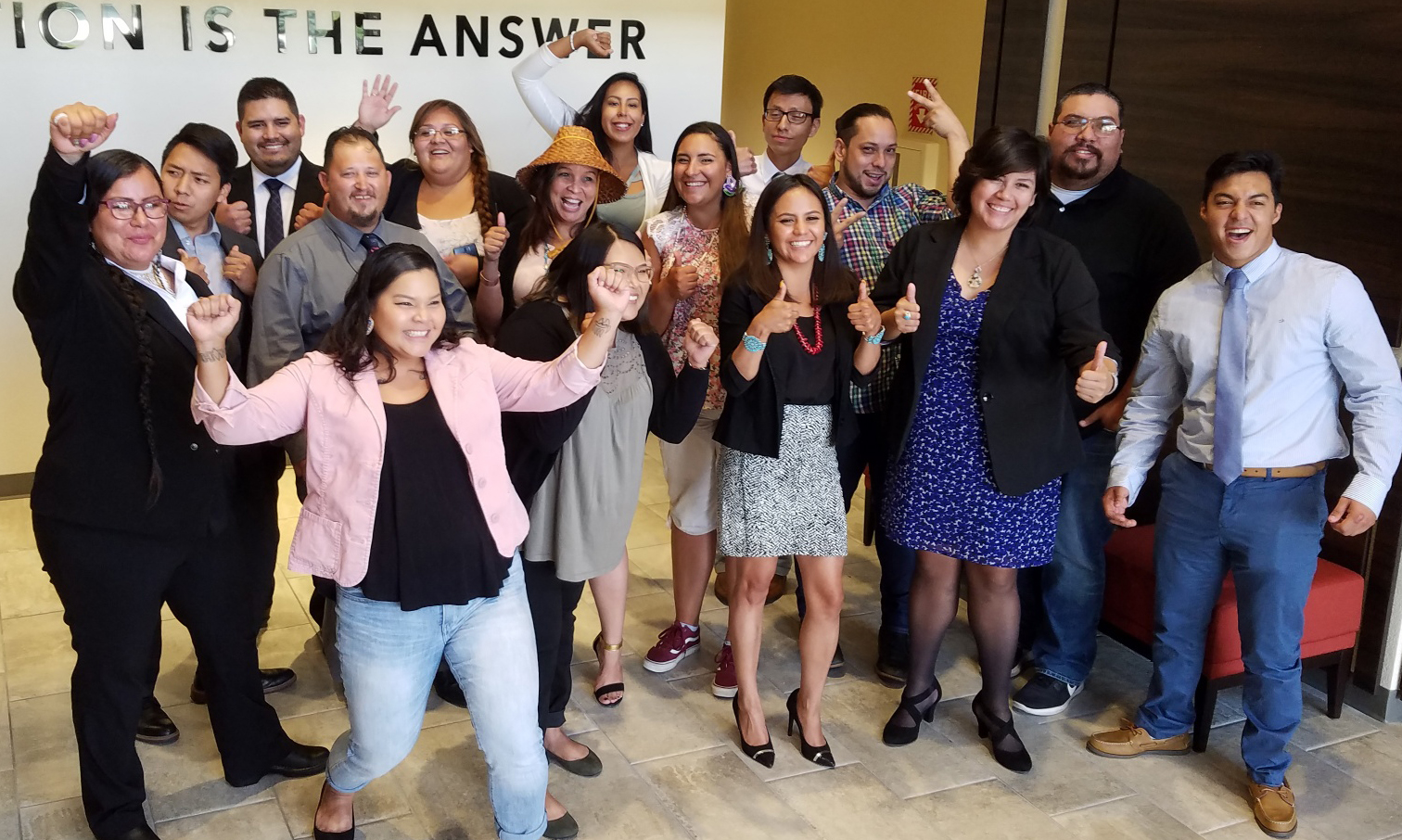
The American Indian College Fund Ambassador Program was established in 2015 to strengthen students’ and alumni personal and professional skills and to represent the College Fund.
Our Blogs
Attention All Tribal College Alumni!
We are looking for alumni to share their stories with the American Indian College Fund. Where are you today? How did attending a tribal college make the difference in your career? Please drop us a line and let us know how you are doing at dhorwedel@collegefund.org
3 on 3 Legends Challenge to Benefit American Indian College Fund
Don’t miss an exciting chance to see the players who made the game of pro basketball hit the court to raise money for American Indian scholarships. Forty basketball legends will square off at 11 a.m. Saturday, Feb. 19 at USC Galen Center, 3400 S. Figueroa Street, Los Angeles, California. Seats are general admission. Cost of entry is a donation to the American Indian College Fund. The event is being sponsored by Pro Player Holdings LLC and Nike.
Peierls Foundation, Inc. Grants American Indian College Fund $100,300 for Scholarships
The Peierls Foundation, Inc. has announced it is granting the American Indian College Fund (the Fund) $100,300 to support American Indian student scholarships.
Tribes demonstrate true spirit of Native giving
Cultural misunderstandings often lead to stereotypes. The phrase “Indian giver” is a perfect example of that. This slang term for someone that renegs on a gift by asking for its return after giving it is rooted in stories from early Dutch traders who came to the new world as traders and businessmen.

The Dennis and Phyllis Washington Foundation Renews Commitment with $10,000 Gift
The Dennis and Phyllis Washington Foundation has renewed a grant to the American Indian College Fund (the Fund) for $10,000 for scholarships for American Indian students. The amount will be disbursed equally to students attending Montana’s seven tribal colleges.
Allstate Foundation Grants $50,000 to Establish Scholarship Program
The American Indian College Fund (the Fund) was awarded $50,000 from the Allstate Foundation, which launches the Allstate Foundation Tribal College Scholarship Program. This program is providing scholarship support to American Indian students pursuing higher education at tribal colleges and universities during the spring 2011 semester.
