| Fall 2026 |

Circle of Hope

Meeting the Moment, Together
Greetings, My Friends and Relatives,
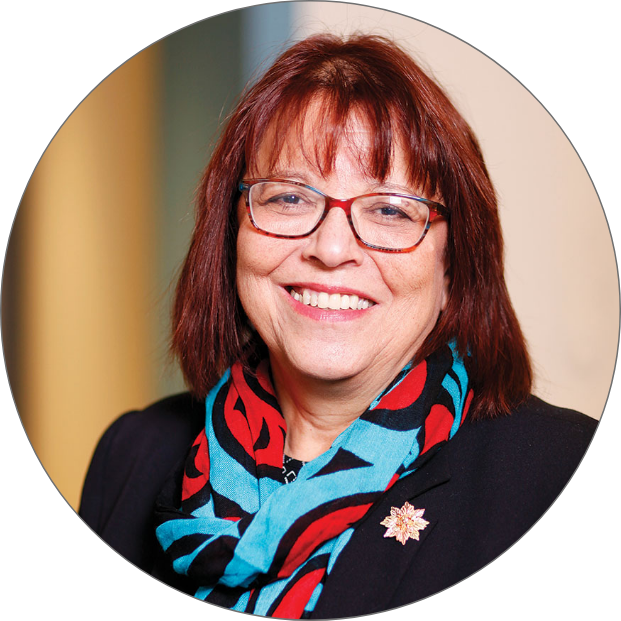
In the 14 plus years I’ve been leading the American Indian College Fund, there have been many notable moments in time (COVID, the DEI movement, changes in administrations, etc.) that have influenced our work – some positive and some not so positive – but none as impactful and pivotal as this moment. The College Fund is embarking on a journey of significant growth and expansion, with the intent to increase both the number of students we serve and the types of support we provide.
Together, we have been working toward this moment for a while, and now that it is here, I feel an interesting mix of exhilaration, excitement, focus – and also a healthy dose of fear! And as we plan and start this work, I have never been more grateful for you and your commitment and support.
This journey is not possible without you, and so I want to share with you why it is so important. For several years now, we’ve seen steady increases in the numbers of Native people pursuing a college degree and graduating. In 2010, only 14% of Native people held college degrees, which is the equivalent of 560,000 college graduates. In 2020, 18% of Native people held college degrees, which is the equivalent of 1,130,000 college graduates.
While on its face this appears to be an incredible increase, because the Native population also grew substantially during this timeframe, the percentage of Native people with college degrees is still only half the national average (18% vs. 36%).
This is particularly distressing when, according to the National Center for Education Statistics, 83% of Native people want to attend college – right on par with the percentage of non-Native people who want to attend college.
Not surprisingly, the breakdown occurs when we look at the numbers of students who persist and complete their degree programs. Non-Native students persist at 62% and graduate at 38%. Native students persist at 22% and graduate at 17%. We attribute this significant difference to the systemic starvation of educational opportunity for Native students – meaning there are inadequate systems, both financial and non-financial, to support Native students pursuing college degrees.
This is where it gets interesting and why the College Fund is committed to significant growth and expansion in the next three to five years. When students receive scholarships along with the College Fund’s additional supports, graduation rates increase from 41% to 66% – the College Fund’s student success programs increase graduation rates by more than 62%! That is why it is critical for us to increase the number of students we support at this pivotal moment in time, particularly because we also know that over the last six years, 74% of our scholars pursue careers and find jobs working in their community in key roles such as healthcare, education, and social work.
And that is not the only positive outcome attributable to the College Fund’s inspired approach to student support through education completion. According to our students, education is the single most effective path to shifting family narratives and systems from generational trauma to healthy, stable environments for parents and children alike, thus ending cycles of addiction, abuse, homelessness, and poverty.
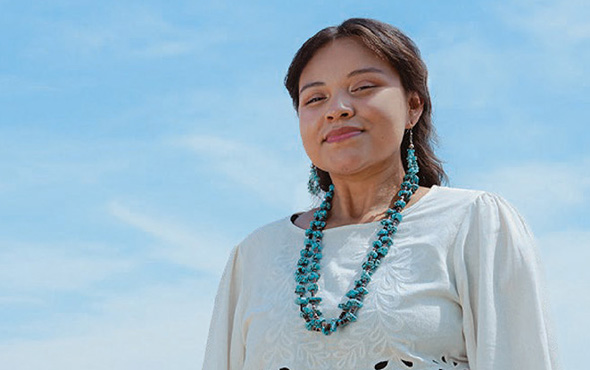
In this newsletter, you will meet our newest Student Ambassadors who will serve for the 2026-27 school year. Over the next year, you will hear their individual stories – stories of how education changed everything for them and their families. Their stories and thousands of others just like them, are the reason I will forever believe in the value of education for Native peoples – it is transformative, life changing, and lifesaving.
It is my greatest hope that you see yourself in each student’s story, as without you, their stories would be dramatically different. We can never adequately describe to you the role you play and the space you have in each of our students’ successes. I am continuously touched, grateful, humbled, and motivated by your presence as you continue walking with me on this journey. I see you clearly in the story and in what we have achieved together – and what we will continue to do, until our work is done.
In strength and gratitude,

President and CEO
American Indian College Fund

WELCOME – New Student Ambassadors 2026-2027
The American Indian College Fund extends our heartfelt gratitude to the remarkable students who have served as our 2025–2026 Student Ambassadors, whose stories we have shared with you over the past year.
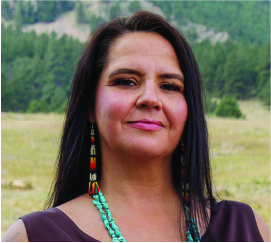
Antoinette
Chippewa Cree
Tohono O’odham Community College
Bachelor of Social Work – Clinical Social Work
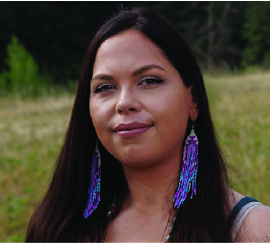
Estee
Tolowa Dee-ni’ Nation
Alaska Pacific University
Bachelor of Business Administration – Healthcare Management
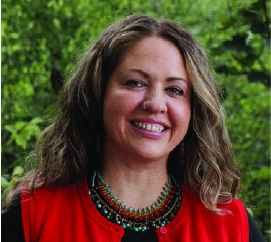
Autumn Rae
Sault Ste. Marie of Chippewa Indians
University of Texas at Arlington
PHD – Social Work
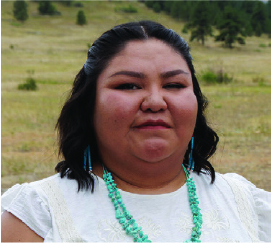
Frederika
Navajo Nation
Navajo Technical University
Bachelor of Arts – Business Administration
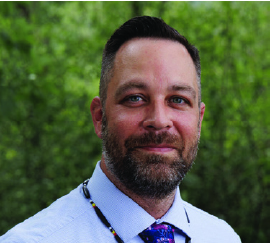
Brian
Red Lake Band of Chippewa Indians
Red Lake Nation Tribal College
Associate of Arts & Sciences – Psychology
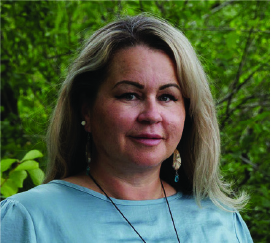
Sally
Central Council of the Tlingit & Haida Tribes of Alaska
Ilisagvik College
Bachelor of Business Administration
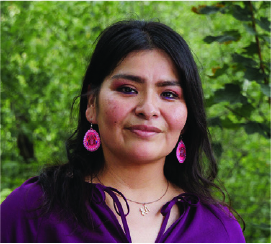
Daniela
Standing Rock Lakota Sioux Tribe
Sitting Bull College
Master of Business Administration
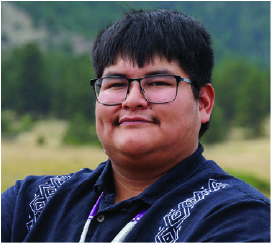
Shawn
Pueblo of Acoma
Institute of American Indian Arts
Bachelor of Science – Computer Science
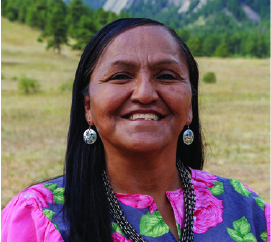
Daphne
San Carlos Apache
Tohono O’odham Community College
Associate of Arts – Human Services Social Work and Human Services Addiction
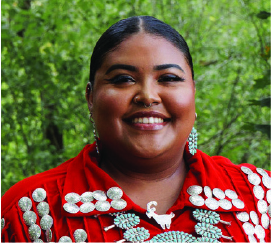
Summer
Diné
University of Kansas
PHD – Women’s Studies
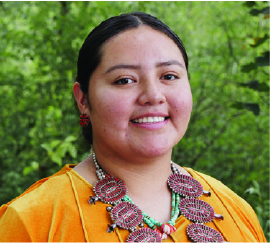
Dawnae
Navajo
University of Arizona
Bachelor of Science – Pre- Medicine
To our donors, thank you for making the Student Ambassador Program possible. Your support helps Native students grow as scholars, advocates, and leaders who will create lasting change in their communities.
Native American Heritage Month
November is Native American Heritage Month. Together, we honor the rich histories, traditions, cultures, and lasting contributions of Native Americans. Many communities and organizations host cultural events, local programs, and gatherings to celebrate this November. In addition to events that may happen in your community, there are countless ways we can all get involved in marking this meaningful month. How will you celebrate, friends and relatives? We would love to hear from you! If you are looking for some additional ideas, here are some suggestions that we are looking forward to this November.
Try a new recipe – Three Sisters Soup

Three Sisters Soup is a traditional Native American dish made with corn, beans, and squash, celebrating both nutrition and Indigenous agricultural wisdom.
Three Sisters Soup is named after the “Three Sisters” crops – corn, beans, and squash – which were traditionally grown together using companion planting techniques. Corn provides natural support for beans, beans enrich the soil with nitrogen, and squash shades the ground to retain moisture and prevent weeds. This combination offers a complete nutritional profile: carbohydrates from corn, protein from beans, and vitamins and minerals from squash, making it a balanced, hearty, and nourishing meal. Feel free to experiment with the recipe below. The soup can be made in a variety of ways so you can make it your own depending on your preferences and ingredients on hand.
- 2 cups dried beans (such as kidney, black, or pinto), soaked overnight (you can replace dried beans with 4, 15 oz cans)
- 1 medium winter squash (butternut, acorn, or pumpkin), peeled, seeded, and cubed
- 1–2 cups corn kernels, fresh or frozen (hominy is delicious too)
- 1 large onion, chopped
- 2–3 cloves garlic, minced
- 2–3 carrots, diced
- 2–3 celery stalks, diced
- 4–6 cups water, chicken, or vegetable broth
- 1–2 bay leaves
- Salt and freshly ground black pepper to taste
- Optional: dried herbs like thyme or sage, smoked paprika, or chili powder for flavor
- Optional: small amount of game meat or chicken for added protein
Instructions
- Soak dried beans overnight. Drain and rinse, then place in a large pot with water about 1 inch above the beans. Bring to a boil, then reduce heat and simmer until tender, about 45 minutes. Strain and set aside. (Pressed for time? Canned beans are a quick substitute.)
- Peel and cube the squash. Bake or steam until just tender, about 30–45 minutes depending on type. Set aside.
In a large soup pot or Dutch oven, heat a small amount of oil or butter. Add onion, garlic, carrots, and celery. Cook until softened and fragrant, about 5 minutes. - Add cooked beans, squash, corn, bay leaves, and broth or water to the aromatics in the soup pot. Bring to a gentle boil, then reduce heat to a simmer. Cook for 20–30 minutes, allowing flavors to meld. Remove bay leaves and season with salt and pepper to taste. Serve hot. Enjoy!
Read a new book and/or attend our book club event
Join us for a free virtual event!
Novelist Carson Faust, author of If the Dead Belong Here, will join College Fund President Cheryl Crazy Bull for a conversation about his debut novel, If the Dead Belong Here, as part of our 2026 Native American Heritage Month celebration.

Tuesday, November 10, 2026 •1–2 p.m. MST •Virtual event
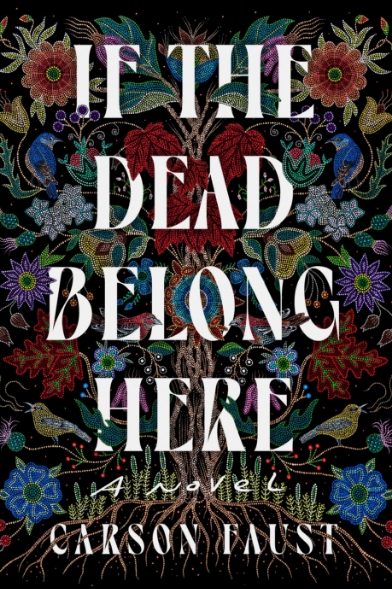 A family mystery haunted by the past When six-year-old Laurel Taylor vanishes without a trace, her family is left shattered by grief and unanswered questions. As the search turns to despair, Laurel’s older sister, Nadine, begins experiencing nightmares that blur the line between dream and reality. Convinced that Laurel’s disappearance may be connected to other tragedies in the family’s past, Nadine turns to her elders for guidance. Her search raises a haunting question: could laying the ghosts of the past to rest be the key to finding her sister – and healing her fractured family? Join us to hear Carson discuss the story behind If the Dead Belong Here, his approach to storytelling, and the themes of family, grief, memory, and Native identity woven throughout the novel.
Meet Carson Faust
Carson Faust is the debut author of If the Dead Belong Here (Viking, 2025). He is two-spirit and an enrolled member of the Edisto Natchez-Kusso Tribe of South Carolina. He is the recipient of artist fellowships and residencies from the McKnight Foundation, the Jerome Foundation, and the Camargo Foundation. He lives in Minnesota, where he is at work on a second novel.
Epicurean Award to Support Scholars (EATSS)
EATSS is a fully immersive experience of Indigenous cuisine, art, and music, bringing together the rich traditions and diversity of Native culture. We have two upcoming events and invite you to join us for an unforgettable evening dedicated to celebrating our heritage and raising crucial support for the College Fund’s mission to empower Native scholars through higher education.
EATSS TWIN CITIES
Tuesday, December 1, 2026
Doors open at 5:30 p.m.
Guthrie Theatre
818 South Second Street
Minneapolis, MN 55415
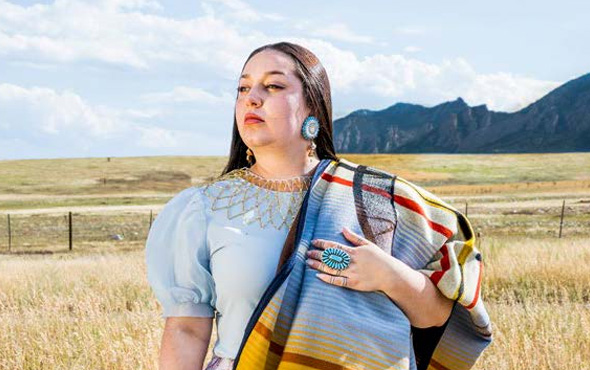
We are thrilled to announce that Raye Zaragoza is returning to our EATSS event in the Twin Cities. Raye’s artistry sheds vital light on Indigenous culture, environmental justice, Native identity, and gender equity, amplifying voices that deserve to be heard and celebrated.

Read Previous Newsletters
| Summer 2026 |
JUN 3, 2026
| Spring 2026 |
JUN 3, 2026

| Winter 2026 |
FEB 2, 2026
