Student Development
Explore Development Opportunities
Study Skills
No matter what your grades are, everyone needs some guidance to find success in the classroom. Here are some resources to help you develop the best study habits and skills you’ll need to get your degree:
What are Office Hours? – by Andrew Ishak
Time Management: TCU Video Project Series
Focus 2 Self-Assessment
Many people struggle with choosing an academic major during school, or job industry after graduation, but choosing a path is important when choosing your classes, internships and other career opportunities.
Focus 2 combines self-assessment, career and major exploration, decision-making and planning in one place. By matching your assessment results to career options and majors/programs for your consideration, FOCUS 2 guides you through a career and education decision-making model to help you make informed career decisions and take action in planning your future.
To use this free service, register to create an account with the access code collegefund. From there, you can take each test- personality, interests, values, and skills- to build your academic and career planning profile. Print your profile to share with an academic or career counselor or mentor to discuss your career plan or transition to a new profession.
Money Management
It is also important to understand budgeting, credit, and debt management – to help you to make responsible decisions in school, and prepare for your financial life after school. Learn about the following topics in related posts — your financial future depends on it.
- Money Management — Developing Common Cents (College Fund)
- Per Cap (First Nations Development Institute)
- Financial Skills for Families (First Nations Development Institute)
- Developing Your Vision: Managing Your Money
- Your First Bank Account
- Childcare Costs (and Ways to Reduce Them)
- When Your Child Has Special Needs
- Caring For Aging Parents
- Children and Family Considerations
Student Ambassador Program
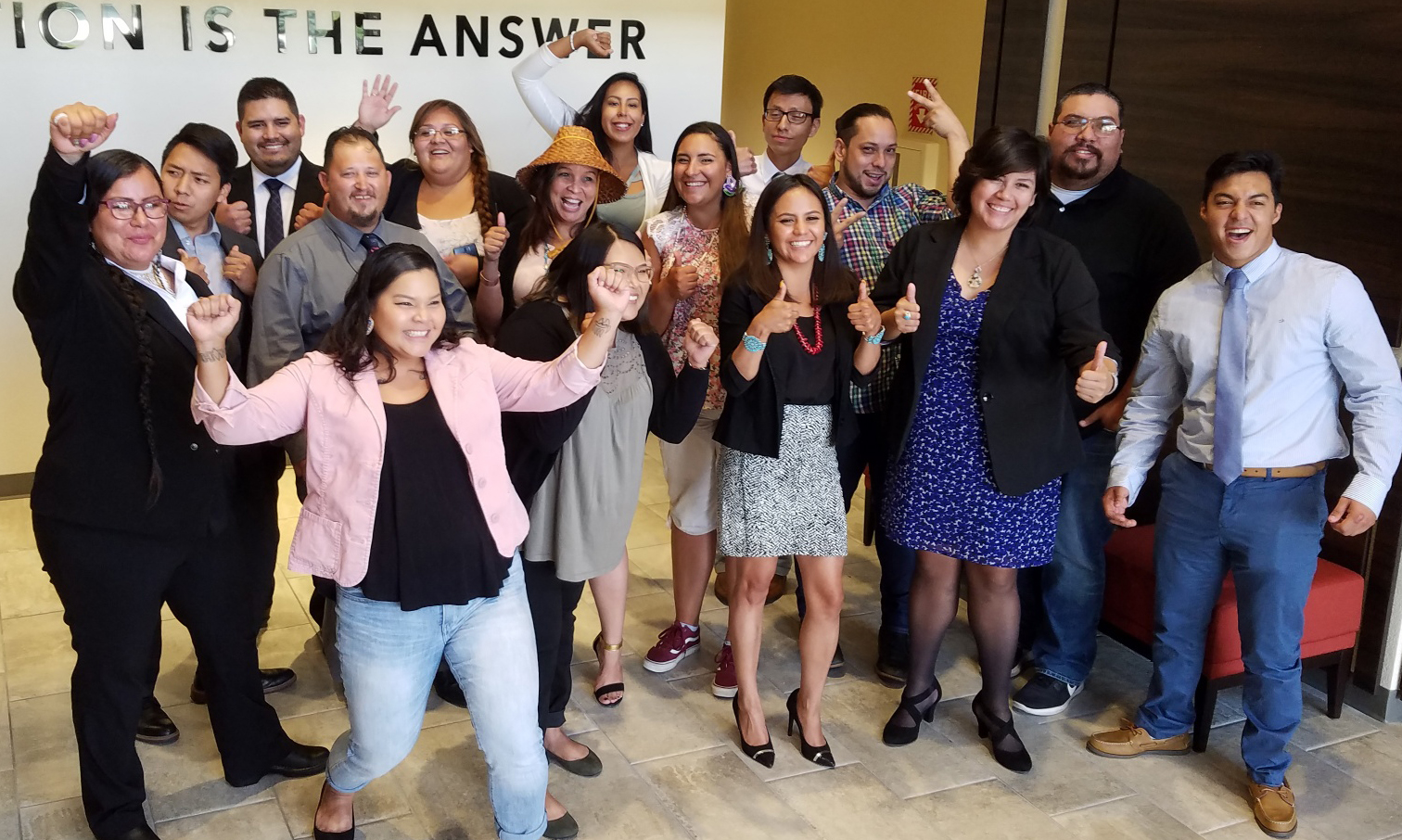
The American Indian College Fund Ambassador Program was established in 2015 to strengthen students’ and alumni personal and professional skills and to represent the College Fund.
Our Blogs
Early Child STEM Programs Grounded in Community Needs
The backbone of a community-based program is taking into account the community’s needs. This happens by listening to people in the community who you hope to serve with your programming.

In Memoriam: John Bogle, College Fund Supporter and Vanguard Founder
It is with heavy, but grateful hearts, that we at the American Indian College Fund, on behalf of the students and Native communities we serve, thank Vanguard founder and longtime American Indian College Fund supporter Jack Bogle for his commitment to improving the lives of American Indians.
Two Tribal Colleges Receive ‘Toyota TCU Early Childhood STEM Award’ from American Indian College Fund
Early childhood is a time of exploration. And Toyota and the American Indian College Fund have teamed up through a grant of $15,000 to two tribal colleges and universities to encourage children’s’ Indigenous STEM exploration.
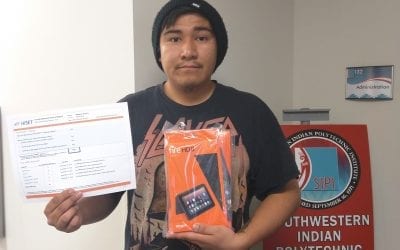
Just Got My HSE Certificate! Now What?
For Native students who did not complete high school, the High School Equivalency (HSE) Certification program at Southwestern Indian Polytechnic Institute (SIPI), formerly called the GED Program, serves as a stepping stone for furthering education and career opportunities.

TCU Students Give the Gift of Warmth While Earning Certificates
Leech Lake Tribal College students teamed up with the Leech Lake Band of Ojibwe in Minnesota to install a community solar garden to help residents as part of the federal Low-Income Home Energy Assistance Program (LIHEAP).
Public Comment Opportunity for Proposed Title IX Policy Changes Making Students More Vulnerable
Schools would be able to choose what standard of evidence to apply to cases of sexual misconduct; only formal complaints filed with an authority figure would be investigated; and schools would no longer be required to investigate complaints occurring off campus or outside of their school-sponsored programs.
