Student Development
Explore Development Opportunities
Study Skills
No matter what your grades are, everyone needs some guidance to find success in the classroom. Here are some resources to help you develop the best study habits and skills you’ll need to get your degree:
What are Office Hours? – by Andrew Ishak
Time Management: TCU Video Project Series
Focus 2 Self-Assessment
Many people struggle with choosing an academic major during school, or job industry after graduation, but choosing a path is important when choosing your classes, internships and other career opportunities.
Focus 2 combines self-assessment, career and major exploration, decision-making and planning in one place. By matching your assessment results to career options and majors/programs for your consideration, FOCUS 2 guides you through a career and education decision-making model to help you make informed career decisions and take action in planning your future.
To use this free service, register to create an account with the access code collegefund. From there, you can take each test- personality, interests, values, and skills- to build your academic and career planning profile. Print your profile to share with an academic or career counselor or mentor to discuss your career plan or transition to a new profession.

Money Management
It is also important to understand budgeting, credit, and debt management – to help you to make responsible decisions in school, and prepare for your financial life after school. Learn about the following topics in related posts — your financial future depends on it.
- Money Management — Developing Common Cents (College Fund)
- Per Cap (First Nations Development Institute)
- Financial Skills for Families (First Nations Development Institute)
- Developing Your Vision: Managing Your Money
- Your First Bank Account
- Childcare Costs (and Ways to Reduce Them)
- When Your Child Has Special Needs
- Caring For Aging Parents
- Children and Family Considerations
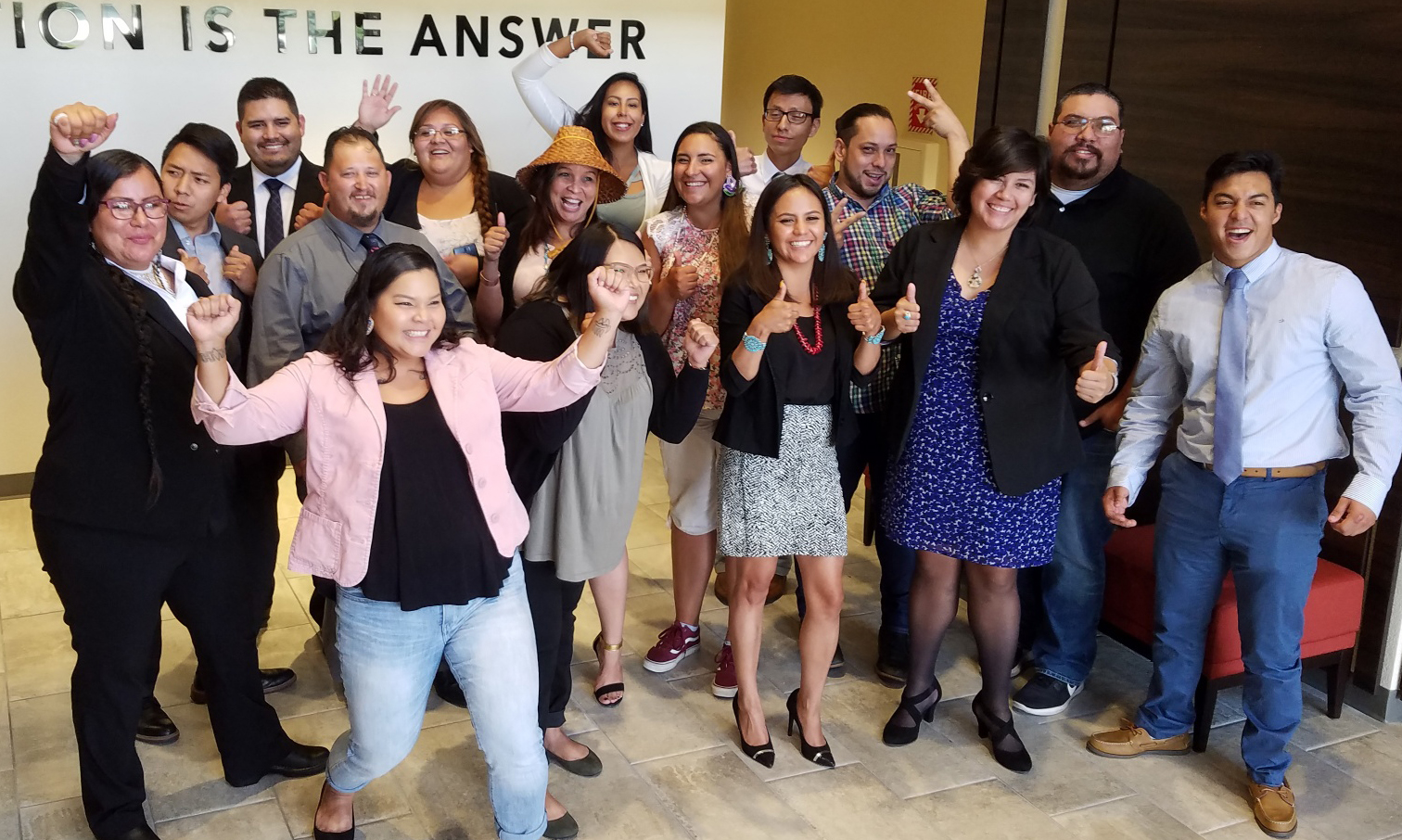
Student Ambassador Program
The American Indian College Fund Ambassador Program was established in 2015 to strengthen students’ and alumni personal and professional skills and to represent the College Fund.
Our Blogs
TCU Faculty Earn Terminal Degrees through Mellon Faculty Career Enhancement Program
Four tribal college and university faculty participating in the American Indian College Fund’s Mellon Faculty Career Enhancement Fellows program have graduated. They will now serve their tribal colleges and universities (TCUs) using their knowledge and degrees.
Native Children Living on Salish Sea Meet and Greet Sea Creatures
In early November, the Salish Sea Research Center team from Northwest Indian College visited our Early Learning Center classrooms. Our students were excited to see what they had brought because the scientists arrived with a mysterious, big, red ice chest. The children called it “a treasure chest of sea creatures!”
Creating Visibility and Supportive Campus Environments for Native American Students
With more than 30 years of experience working in education with American Indians, President Cheryl Crazy Bull of the American Indian College Fund shares her insight into how all colleges and universities can increase access to higher education for Native students–and help students thrive once they are there.
Creating Visibility and Supportive Campus Environments for Native American College Students
With more than 30 years of experience working in education with American Indians, President Cheryl Crazy Bull of the American Indian College Fund shares her insight into how all colleges and universities can increase access to higher education for Native students–and help students thrive once they are there.
Give A Gift With Meaning; Give With Confidence
Columnist Nicholas Kristof of The New York Times suggests giving a “gift with meaning” in his annual holiday guide—by donating to the American Indian College Fund to help a Native American get into college.
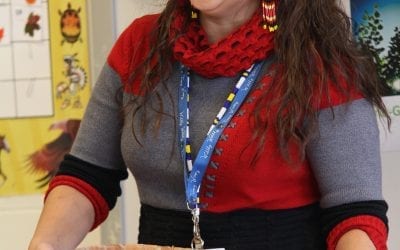
Raising Native Children in a Good Way
Fond du Lac Tribal and Community College (FDLTCC) is excited to be able to do just that by involving the community and families in our Early Childhood Education Program with early learners, helping us all to become a stronger, vibrant voice with Anishinaabe ways of knowing.
