Student Development
Explore Development Opportunities
Study Skills
No matter what your grades are, everyone needs some guidance to find success in the classroom. Here are some resources to help you develop the best study habits and skills you’ll need to get your degree:
What are Office Hours? – by Andrew Ishak
Time Management: TCU Video Project Series
Focus 2 Self-Assessment
Many people struggle with choosing an academic major during school, or job industry after graduation, but choosing a path is important when choosing your classes, internships and other career opportunities.
Focus 2 combines self-assessment, career and major exploration, decision-making and planning in one place. By matching your assessment results to career options and majors/programs for your consideration, FOCUS 2 guides you through a career and education decision-making model to help you make informed career decisions and take action in planning your future.
To use this free service, register to create an account with the access code collegefund. From there, you can take each test- personality, interests, values, and skills- to build your academic and career planning profile. Print your profile to share with an academic or career counselor or mentor to discuss your career plan or transition to a new profession.

Money Management
It is also important to understand budgeting, credit, and debt management – to help you to make responsible decisions in school, and prepare for your financial life after school. Learn about the following topics in related posts — your financial future depends on it.
- Money Management — Developing Common Cents (College Fund)
- Per Cap (First Nations Development Institute)
- Financial Skills for Families (First Nations Development Institute)
- Developing Your Vision: Managing Your Money
- Your First Bank Account
- Childcare Costs (and Ways to Reduce Them)
- When Your Child Has Special Needs
- Caring For Aging Parents
- Children and Family Considerations
Student Ambassador Program
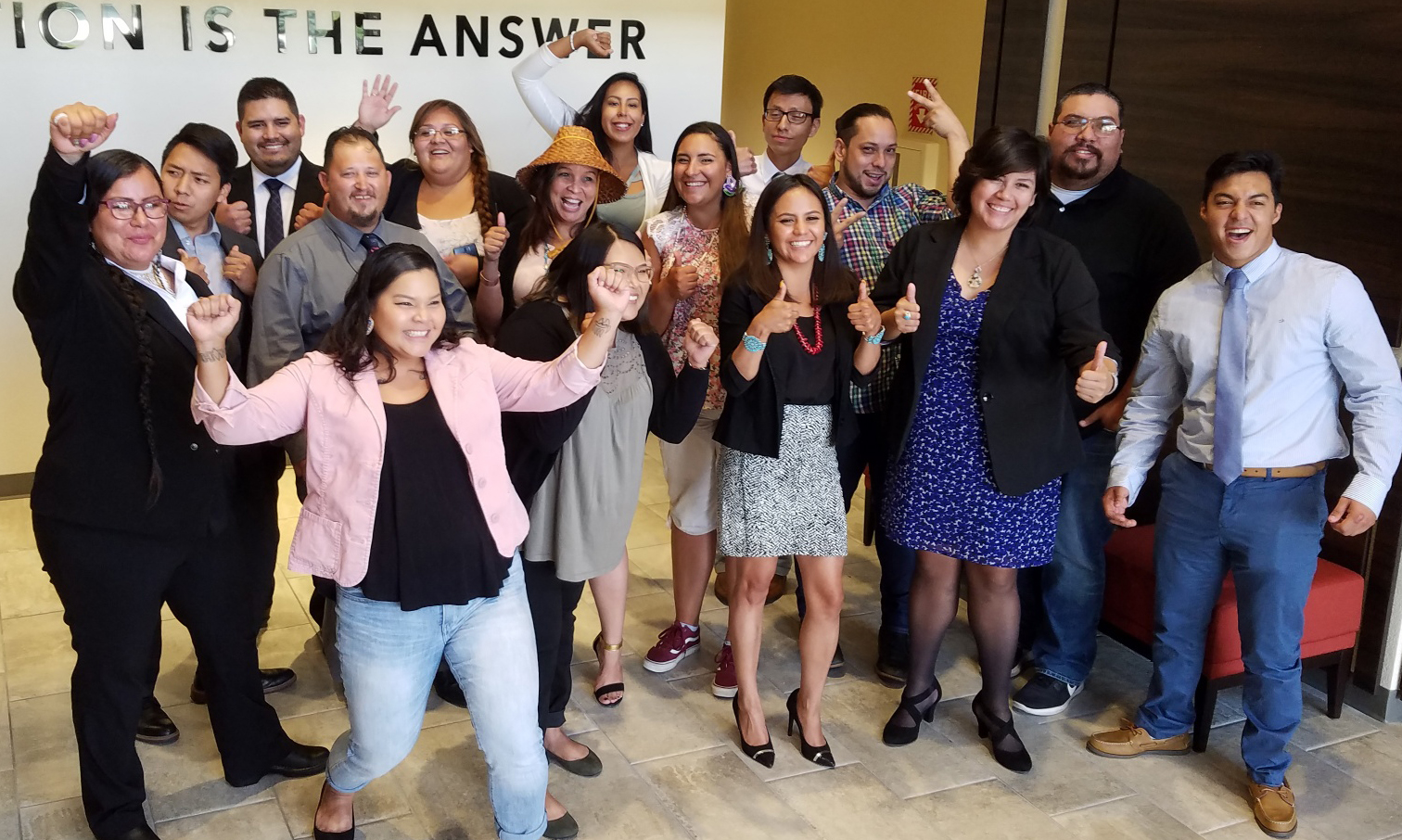
The American Indian College Fund Ambassador Program was established in 2015 to strengthen students’ and alumni personal and professional skills and to represent the College Fund.
Our Blogs

Flame of Hope Gala with Indigo Girls Aims to Raise Funds to Increase American Indians with College Degrees
Only 13.8% of American Indians have a college degree. The American Indian College Fund is changing that. American Indian students know an education will change their lives and communities by giving them knowledge and confidence to defend their rights and amplify their voices, as demonstrated in the recent Standing Rock protests.

TCU Prof Shares Expertise on Teacher Education
TCU Professor Dr. Danielle Lansing, a faculty member in Early Childhood Education at the Southwestern Indian Polytechnic Institute (SIPI), a tribal college and university (TCU) participant in the American Indian College Fund’s Wakanyeja “Sacred Little Ones” early childhood initiative.

Indian Health and Tribal Colleges
The Republicans failed at their attempt to rewrite the Affordable Care Act. That’s good for Indian Country. But health care in Indian Country could get even better. And better health care for Native Americans translates to a healthier economic and educational outlook.

College Fund Receives $1 Million Traditional Arts Grant
The American Indian College Fund has received a $1 million grant to continue its Restoration and Preservation of Traditional Native Art Forms and Knowledge program at tribal colleges and universities (TCUs). The program is expanding knowledge and skills at these institutions across the country while also placing endangered art forms at the center of its focus.
Experts Consider Need for and Promotion of Corporate Diversity
American Indian College Fund President and CEO Cheryl Crazy Bull weighs in on how companies can make the workplace friendly to diverse employees.
USA Today Diversity Campaign Features College Fund
The American Indian College Fund joined national industry leaders to educate and empower business leaders about expanding diversity in the workforce. Native American students have unique perspectives to offer employers and their voices and perspectives helps strengthen the quality of American commerce.
