
Student Development
Explore Development Opportunities
Study Skills
No matter what your grades are, everyone needs some guidance to find success in the classroom. Here are some resources to help you develop the best study habits and skills you’ll need to get your degree:
What are Office Hours? – by Andrew Ishak
Time Management: TCU Video Project Series
Focus 2 Self-Assessment
Many people struggle with choosing an academic major during school, or job industry after graduation, but choosing a path is important when choosing your classes, internships and other career opportunities.
Focus 2 combines self-assessment, career and major exploration, decision-making and planning in one place. By matching your assessment results to career options and majors/programs for your consideration, FOCUS 2 guides you through a career and education decision-making model to help you make informed career decisions and take action in planning your future.
To use this free service, register to create an account with the access code collegefund. From there, you can take each test- personality, interests, values, and skills- to build your academic and career planning profile. Print your profile to share with an academic or career counselor or mentor to discuss your career plan or transition to a new profession.

Money Management
It is also important to understand budgeting, credit, and debt management – to help you to make responsible decisions in school, and prepare for your financial life after school. Learn about the following topics in related posts — your financial future depends on it.
- Money Management — Developing Common Cents (College Fund)
- Per Cap (First Nations Development Institute)
- Financial Skills for Families (First Nations Development Institute)
- Developing Your Vision: Managing Your Money
- Your First Bank Account
- Childcare Costs (and Ways to Reduce Them)
- When Your Child Has Special Needs
- Caring For Aging Parents
- Children and Family Considerations
Student Ambassador Program
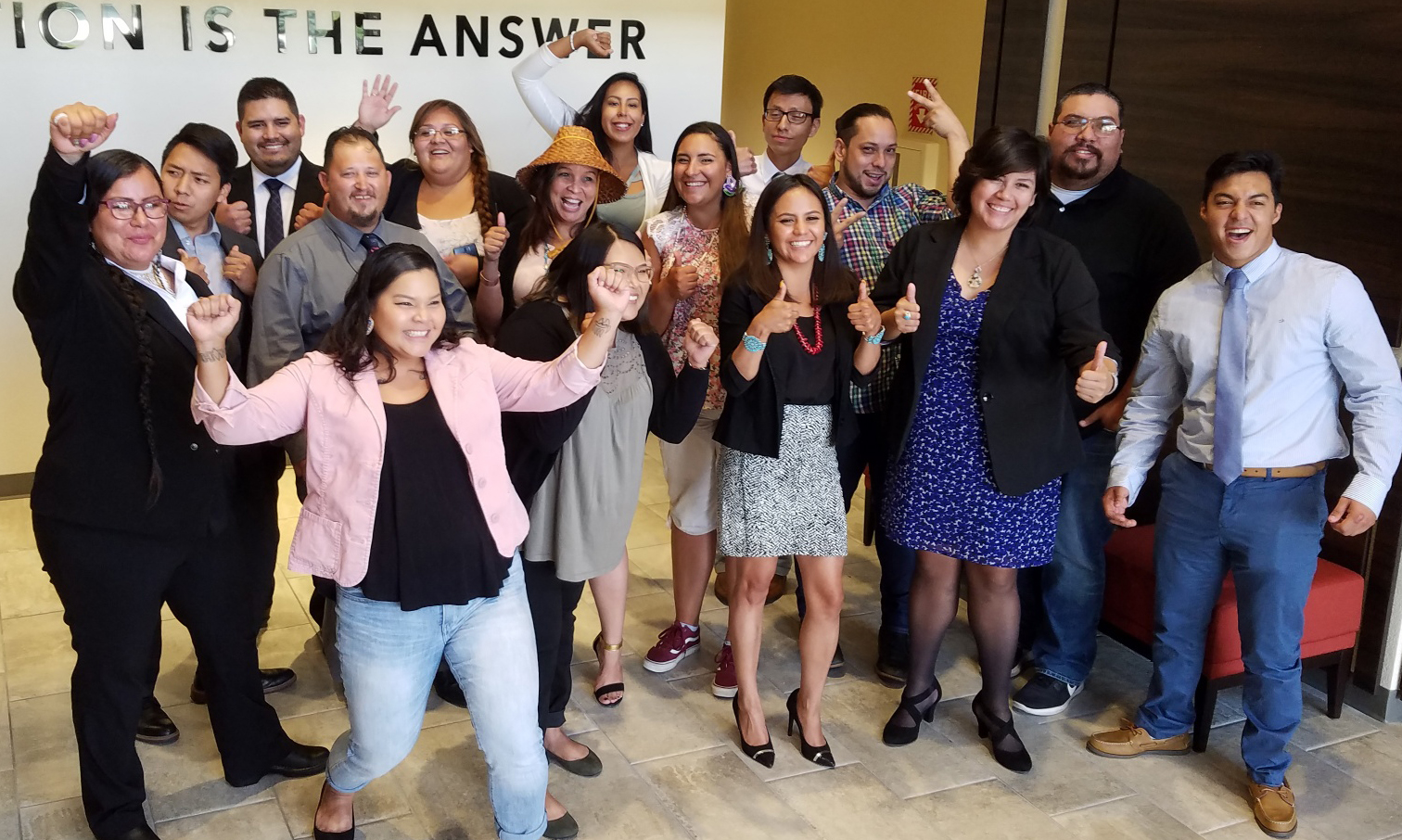
The American Indian College Fund Ambassador Program was established in 2015 to strengthen students’ and alumni personal and professional skills and to represent the College Fund.
Our Blogs
Racial Slur by President Trump Not Acceptable
As the President of the American Indian College Fund I share that we have nothing but pride and gratitude for the Native American Code Talkers, who are true heroes who used sacred Native languages to ensure our nation’s victory against despotism. These individuals are elderly now but their memories are still strong and tell a powerful story of sacrifice and patriotism. Our students value education and encourage us as their supporters to take every opportunity to educate others.
New “American Indian Law School Scholarship” to Attend Harvard Law School
The American Indian College Fund believes Native scholars at Harvard Law School have what it takes to succeed. A law degree is the foundation to creating strong future leaders. Thanks to a gift of $1 million from an anonymous donor, the American Indian College Fund will award the first American Indian Law School Scholarship in the fall of the 2018-19 academic year.
2017-19 Native Pathways to College Bridge Program Grantees
In the spring of 2017, the College Fund awarded four tribal college and university grantees $50,000 each for two consecutive years to implement a year-round program to increase the college readiness and college-going-environments for American Indian and Alaska Native high school sophomores, juniors and seniors preparing for a higher education.

Money Management — Making Common Cents
When tasked with the responsibility of clothing and feeding family, paying bills, keeping the car fueled and running, and paying for an education, you may feel overwhelmed. You are not alone. Understanding credit and debt management allows you to make fiscally responsible decisions. Financial literacy ranges from understanding how a checking account works to understanding your credit score.
Student Success — Self-Care
Life is full of big and small stresses, often simultaneously. Stress can come as a result of trauma, burnout, compassion fatigue, or other sources. Whatever the cause, establishing consistent self-care practices can help. Without self-care, you risk adopting unhealthy coping habits to find relief and escape.
Student Success — Giving Back
Black Elk said, “Everything the power of the world does is done in a circle.” Your education is part of that circle. As your vision of the future unfolds, we hope you will share what you have learned with others.
