Student Development
Explore Development Opportunities
Study Skills
No matter what your grades are, everyone needs some guidance to find success in the classroom. Here are some resources to help you develop the best study habits and skills you’ll need to get your degree:
What are Office Hours? – by Andrew Ishak
Time Management: TCU Video Project Series
Focus 2 Self-Assessment
Many people struggle with choosing an academic major during school, or job industry after graduation, but choosing a path is important when choosing your classes, internships and other career opportunities.
Focus 2 combines self-assessment, career and major exploration, decision-making and planning in one place. By matching your assessment results to career options and majors/programs for your consideration, FOCUS 2 guides you through a career and education decision-making model to help you make informed career decisions and take action in planning your future.
To use this free service, register to create an account with the access code collegefund. From there, you can take each test- personality, interests, values, and skills- to build your academic and career planning profile. Print your profile to share with an academic or career counselor or mentor to discuss your career plan or transition to a new profession.

Money Management
It is also important to understand budgeting, credit, and debt management – to help you to make responsible decisions in school, and prepare for your financial life after school. Learn about the following topics in related posts — your financial future depends on it.
- Money Management — Developing Common Cents (College Fund)
- Per Cap (First Nations Development Institute)
- Financial Skills for Families (First Nations Development Institute)
- Developing Your Vision: Managing Your Money
- Your First Bank Account
- Childcare Costs (and Ways to Reduce Them)
- When Your Child Has Special Needs
- Caring For Aging Parents
- Children and Family Considerations
Student Ambassador Program
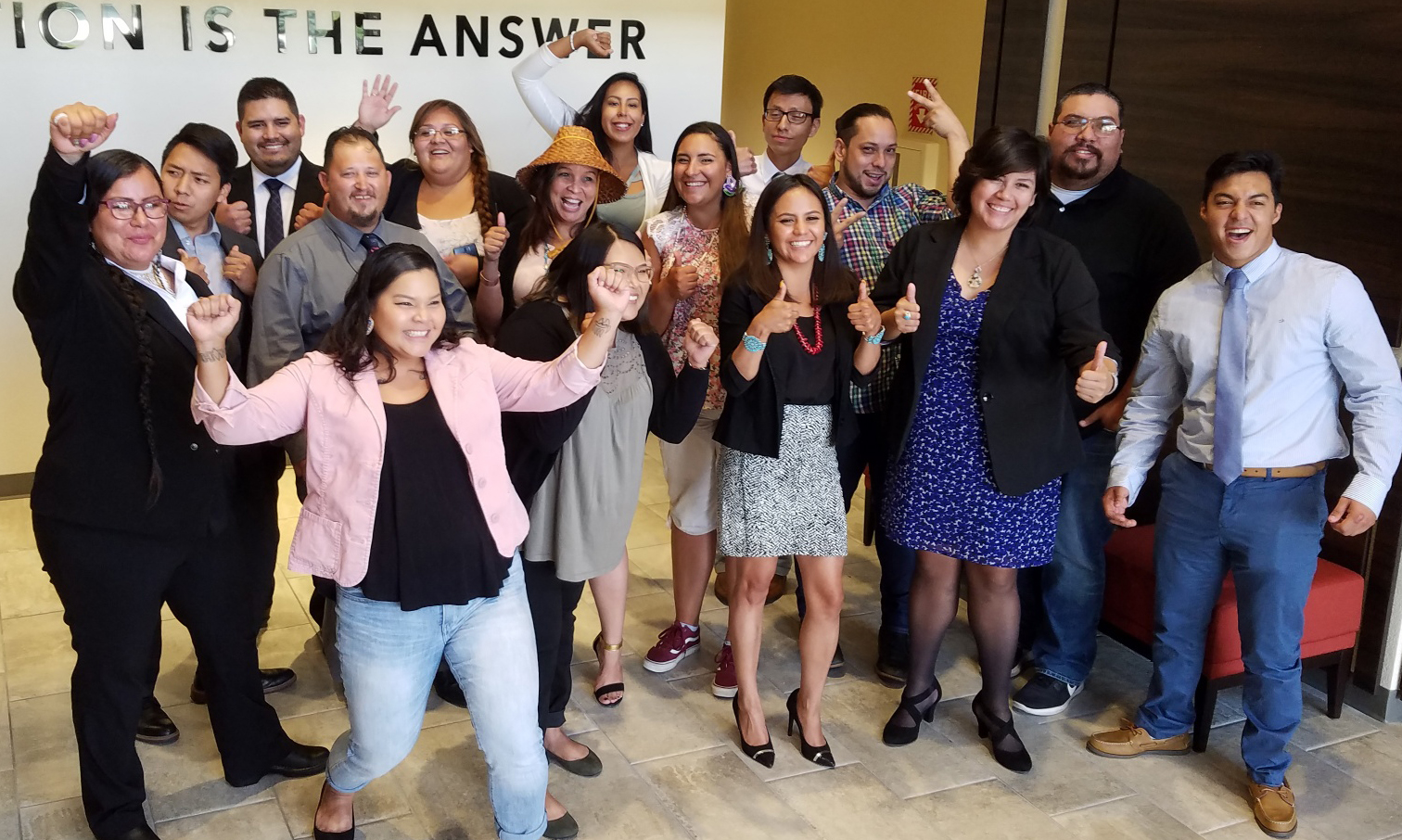
The American Indian College Fund Ambassador Program was established in 2015 to strengthen students’ and alumni personal and professional skills and to represent the College Fund.
Our Blogs
Cankdeska Cikana Community College and Partners to Launch Dakota Language Training Program
Cankdeska Cikana Community College (CCCC), in a partnership with the Shakopee Mdewakanton Sioux Community (SMSC) in Minnesota and three other tribal colleges, today announced Voices of Our Ancestors (VOA), a two-year Dakota language training program. The Dakota language is one of our nation’s most endangered. The project goal is to increase the total number of Dakota speakers and teachers.
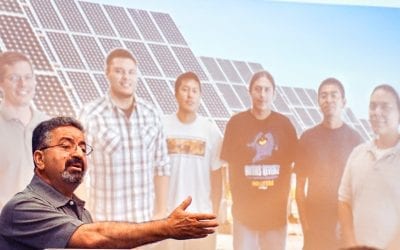
Southwestern Indian Polytechnic Institute (SIPI) Professor Dr. Nader Vadiee, Ph.D. Wins WCET and GlobalMindED Digital Inclusion Award
The American Indian College Fund congratulates Dr. Nader Vadiee, Ph.D., a professor at Southwestern Indian Polytechnic Institute (SIPI), on the announcement by The WICHE Cooperative for Educational Technologies (WCET) that he is the winner of the first Digital Inclusion Award.

Teachers Learn Techniques to Bolster Resiliency, Foster Classroom Connections
Native youth often face disproportionate challenges in their young lives. Early childhood teachers can help these young learners increase their resiliency while they face adverse circumstances by supporting factors that protect and strengthen young children, according to Ray Soriano, a keynote speaker at the 33rd Annual FOCUS on Children Conference at Bellingham Technical College.

Where Do You Find Internships?
Believe it or not, in today’s tech era, finding an internship does not start with your computer. There are many other sources that are more useful for gathering information about an internship that you will find enjoyable than searching online. A few of those places are listed below and, to some extent, may help you find an internship you will enjoy while decreasing the stress involved with leaving home.
Four Tribal Colleges Sign Dual-Enrollment Agreements with Bemidji State University
Graduates from four Minnesota tribal colleges will soon be presented with a smoother path to Bemidji State University. Leaders from Leech Lake, Red Lake, White Earth, and Fond du Lac tribal colleges are set to sign four dual-enrollment agreements with the university Friday.
It’s More Than Just Telling a Story!
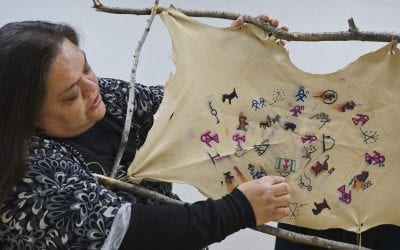
Through storytelling, the Menominee are keeping their tribal language alive. Storytelling is both an art and a necessary method for educating our young early childhood children in the Menominee community. The Menominee have used oral stories to pass down traditions to future generations, such as their local customs, how to live off the forest land, and how to survive in the natural environment in which they live
