
Student Development
Explore Development Opportunities
Study Skills
No matter what your grades are, everyone needs some guidance to find success in the classroom. Here are some resources to help you develop the best study habits and skills you’ll need to get your degree:
What are Office Hours? – by Andrew Ishak
Time Management: TCU Video Project Series
Focus 2 Self-Assessment
Many people struggle with choosing an academic major during school, or job industry after graduation, but choosing a path is important when choosing your classes, internships and other career opportunities.
Focus 2 combines self-assessment, career and major exploration, decision-making and planning in one place. By matching your assessment results to career options and majors/programs for your consideration, FOCUS 2 guides you through a career and education decision-making model to help you make informed career decisions and take action in planning your future.
To use this free service, register to create an account with the access code collegefund. From there, you can take each test- personality, interests, values, and skills- to build your academic and career planning profile. Print your profile to share with an academic or career counselor or mentor to discuss your career plan or transition to a new profession.

Money Management
It is also important to understand budgeting, credit, and debt management – to help you to make responsible decisions in school, and prepare for your financial life after school. Learn about the following topics in related posts — your financial future depends on it.
- Money Management — Developing Common Cents (College Fund)
- Per Cap (First Nations Development Institute)
- Financial Skills for Families (First Nations Development Institute)
- Developing Your Vision: Managing Your Money
- Your First Bank Account
- Childcare Costs (and Ways to Reduce Them)
- When Your Child Has Special Needs
- Caring For Aging Parents
- Children and Family Considerations
Student Ambassador Program
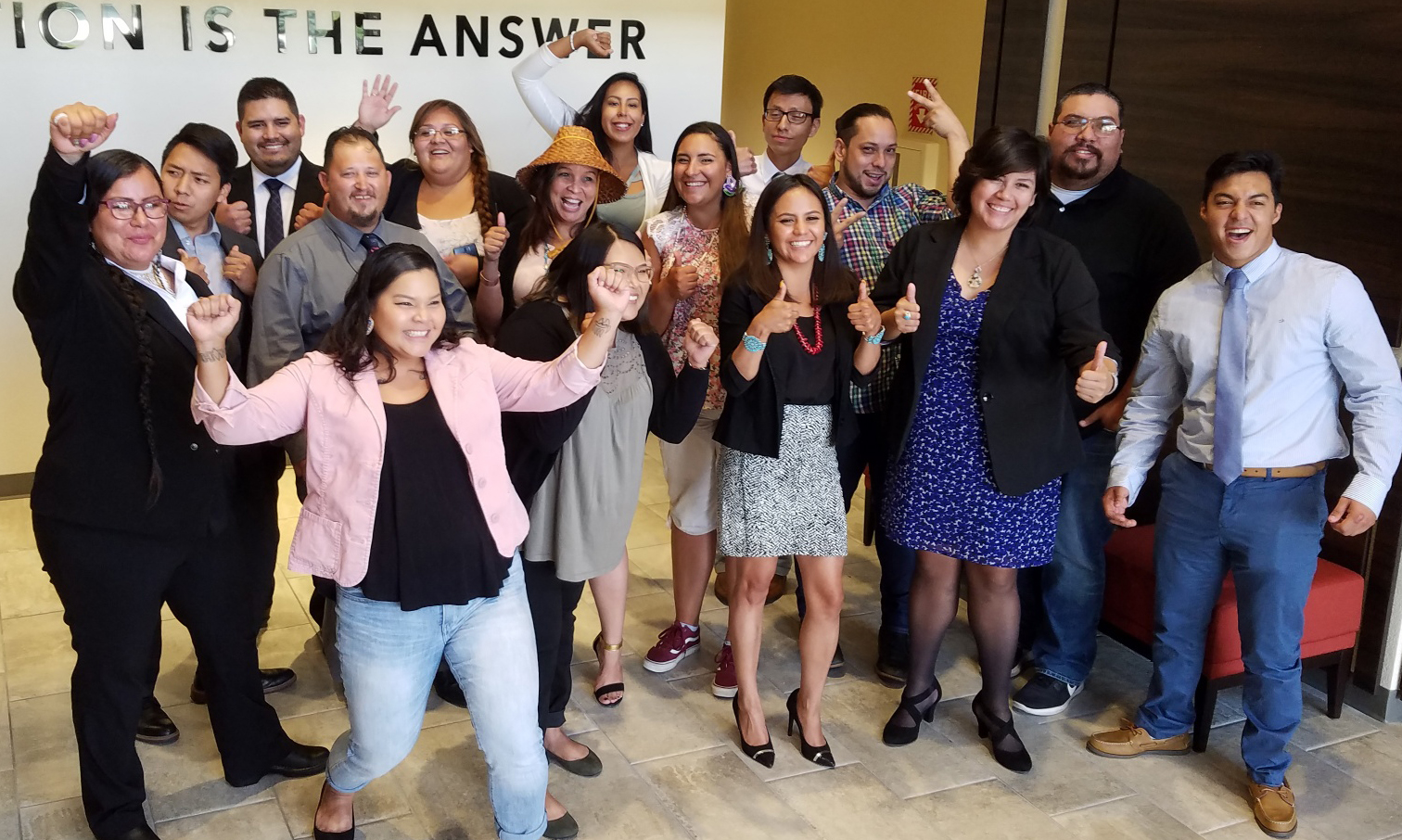
The American Indian College Fund Ambassador Program was established in 2015 to strengthen students’ and alumni personal and professional skills and to represent the College Fund.
Our Blogs
The Coca-Cola Foundation Grants $250,000 to Continue Support for First Generation Scholars
The Coca-Cola Foundation is continuing its support of first-generation Native American scholars through a donation of $250,000 to the American Indian College Fund. The Coca-Cola Foundation First Generation Tribal Scholarship Program will continue to increase access to higher education and leadership development opportunities for tribal college students that are the first in their families to attend college. At least one scholar at each of the 34 tribal colleges is selected to be a Coca-Cola scholar.
New Donor Sempra Energy Establishes TCU Scholarship for Southwest Schools
Sempra Energy has donated $20,000 to the American Indian College Fund (the Fund) to establish the Sempra Energy Tribal Scholarship Program. The grant will support scholarships for American Indian students pursuing degrees in the STEM (science, technology, engineering, and mathematics) programs at tribal colleges and universities in the Southwestern United States. Students studying engineering and mathematics will receive funding preference.

Idle No More Brings Native Voices, Tribal Education to the Forefront
Like many Natives and our allies across our Grandmother Earth, Unci Maka, I have joined the Idle No More movement, attending round dance gatherings, praying for Chief Theresa Spence and her supporters, sharing the stories I hear and read and perusing news and opinion pieces.
Retired NBA Coach Phil Jackson Sponsors Campaign for One Lucky Donor to Spend Day with Him
Phil Jackson sponsors fundraising campaign to raise money for Native scholarships to benefit the Fund–and one lucky donor will get to meet him April 12. The campaign is currently slated to end in March, with a winner being chosen March 27. Airfare and hotel are included in the trip. Donations are not required to enter for a chance to meet Mr. Jackson.
Protect the Circle of Life: Please Get a Flu Vaccine
The flu season this year started early and is hitting the U.S. hard. American Indians and Alaska Natives, including college students, are at high risk for getting the flu and developing serious complications. The time is now for people to benefit from getting the vaccine.
Uqautchim Uglua at Ilisagvik College
Ilisagvik College’s Uqautchim Uglua, or ‘language nest’ program, celebrated important milestones in 2012. The school introduced an Iñupiaq Early Learning Associate of Arts degree to meet the college’s goal to increase the number of indigenous certified teachers on the North Slope. This degree offers a holistic approach designed to support Native students in their learning experiences, has a traditional Iñupiaq emphasis, and meets accreditation requirements.
