Student Development
Explore Development Opportunities
Study Skills
No matter what your grades are, everyone needs some guidance to find success in the classroom. Here are some resources to help you develop the best study habits and skills you’ll need to get your degree:
What are Office Hours? – by Andrew Ishak
Time Management: TCU Video Project Series
Focus 2 Self-Assessment
Many people struggle with choosing an academic major during school, or job industry after graduation, but choosing a path is important when choosing your classes, internships and other career opportunities.
Focus 2 combines self-assessment, career and major exploration, decision-making and planning in one place. By matching your assessment results to career options and majors/programs for your consideration, FOCUS 2 guides you through a career and education decision-making model to help you make informed career decisions and take action in planning your future.
To use this free service, register to create an account with the access code collegefund. From there, you can take each test- personality, interests, values, and skills- to build your academic and career planning profile. Print your profile to share with an academic or career counselor or mentor to discuss your career plan or transition to a new profession.

Money Management
It is also important to understand budgeting, credit, and debt management – to help you to make responsible decisions in school, and prepare for your financial life after school. Learn about the following topics in related posts — your financial future depends on it.
- Money Management — Developing Common Cents (College Fund)
- Per Cap (First Nations Development Institute)
- Financial Skills for Families (First Nations Development Institute)
- Developing Your Vision: Managing Your Money
- Your First Bank Account
- Childcare Costs (and Ways to Reduce Them)
- When Your Child Has Special Needs
- Caring For Aging Parents
- Children and Family Considerations
Student Ambassador Program
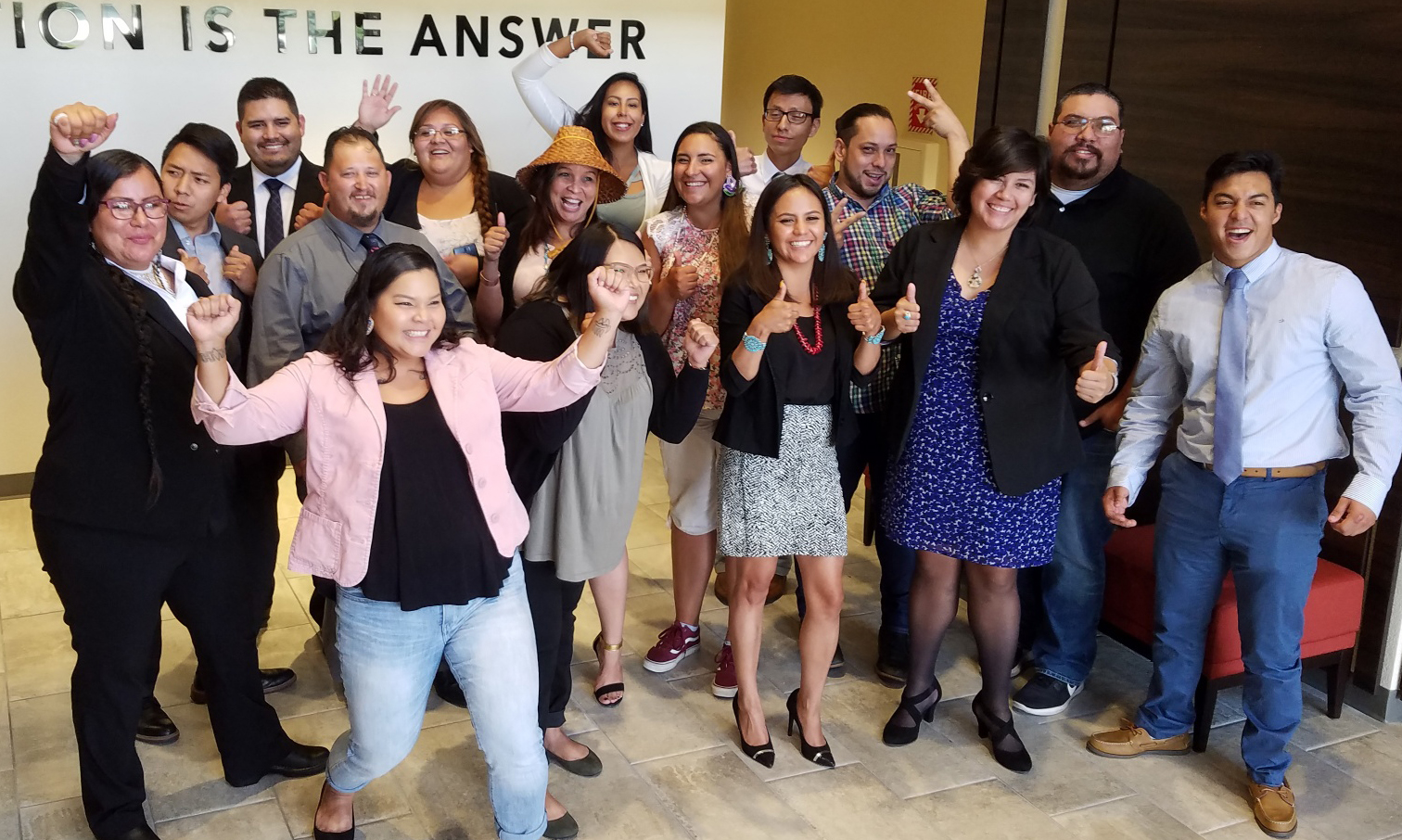
The American Indian College Fund Ambassador Program was established in 2015 to strengthen students’ and alumni personal and professional skills and to represent the College Fund.
Our Blogs
Cheryl Crazy Bull Spells Out Plan for Allies to Advocate for Native Access to Higher Education and Tribal College Education
Cheryl Crazy Bull’s guest blog about how allies can advocate for Native American access to higher education, funding for Native higher education, and funding for TCUs appeared on the Higher Learning Advocates blog.
Statement About the Corona Virus or COVID-19
The American Indian College Fund is committed to continuing its support of Native American students and tribal colleges during the Corona Virus outbreak.
Using Social Media to Strengthen SIPI’s Teacher of Color Pipeline
I am a member of the Navajo Nation from the Ramah-Navajo reservation attending the Southwestern Indian Polytechnic Institute (SIPI), where I am majoring in early childhood education (ECE).
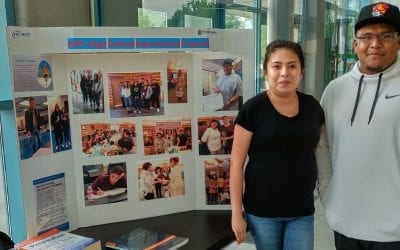
Community Recruitment Events: Comedy brings in students at SIPI
Higher ed has a student enrollment problem. Nationally, student enrollment is down 10% in the last decade, with New Mexico rates at nearly twice that, even though colleges made improvements to serve students better than ever.
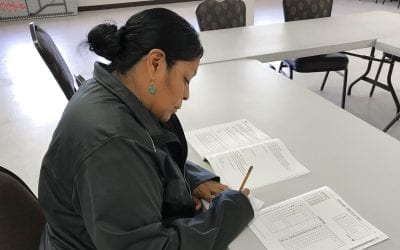
First Steps to New Beginnings
This winter season has been a cold one, especially for Arizona and the Tohono O’odham Nation. The sun shines and the skies are open and blue. One would think it is a warm sunny day until they walk out into the open and discover that it is 42 degrees.
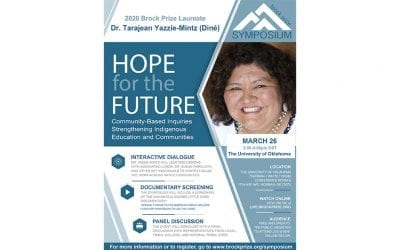
Former College Funder Yazzie-Mintz Named Brock Prize Recipient
Congratulations to Dr. Tarajean Yazzie-Mintz (Diné), our former colleague who served as vice president for program initiatives at the American Indian College Fund, who was named the 2020 Brock Prize in Education Innovation Laureate.
