Student Development
Explore Development Opportunities
Study Skills
No matter what your grades are, everyone needs some guidance to find success in the classroom. Here are some resources to help you develop the best study habits and skills you’ll need to get your degree:
What are Office Hours? – by Andrew Ishak
Time Management: TCU Video Project Series
Focus 2 Self-Assessment
Many people struggle with choosing an academic major during school, or job industry after graduation, but choosing a path is important when choosing your classes, internships and other career opportunities.
Focus 2 combines self-assessment, career and major exploration, decision-making and planning in one place. By matching your assessment results to career options and majors/programs for your consideration, FOCUS 2 guides you through a career and education decision-making model to help you make informed career decisions and take action in planning your future.
To use this free service, register to create an account with the access code collegefund. From there, you can take each test- personality, interests, values, and skills- to build your academic and career planning profile. Print your profile to share with an academic or career counselor or mentor to discuss your career plan or transition to a new profession.

Money Management
It is also important to understand budgeting, credit, and debt management – to help you to make responsible decisions in school, and prepare for your financial life after school. Learn about the following topics in related posts — your financial future depends on it.
- Money Management — Developing Common Cents (College Fund)
- Per Cap (First Nations Development Institute)
- Financial Skills for Families (First Nations Development Institute)
- Developing Your Vision: Managing Your Money
- Your First Bank Account
- Childcare Costs (and Ways to Reduce Them)
- When Your Child Has Special Needs
- Caring For Aging Parents
- Children and Family Considerations
Student Ambassador Program
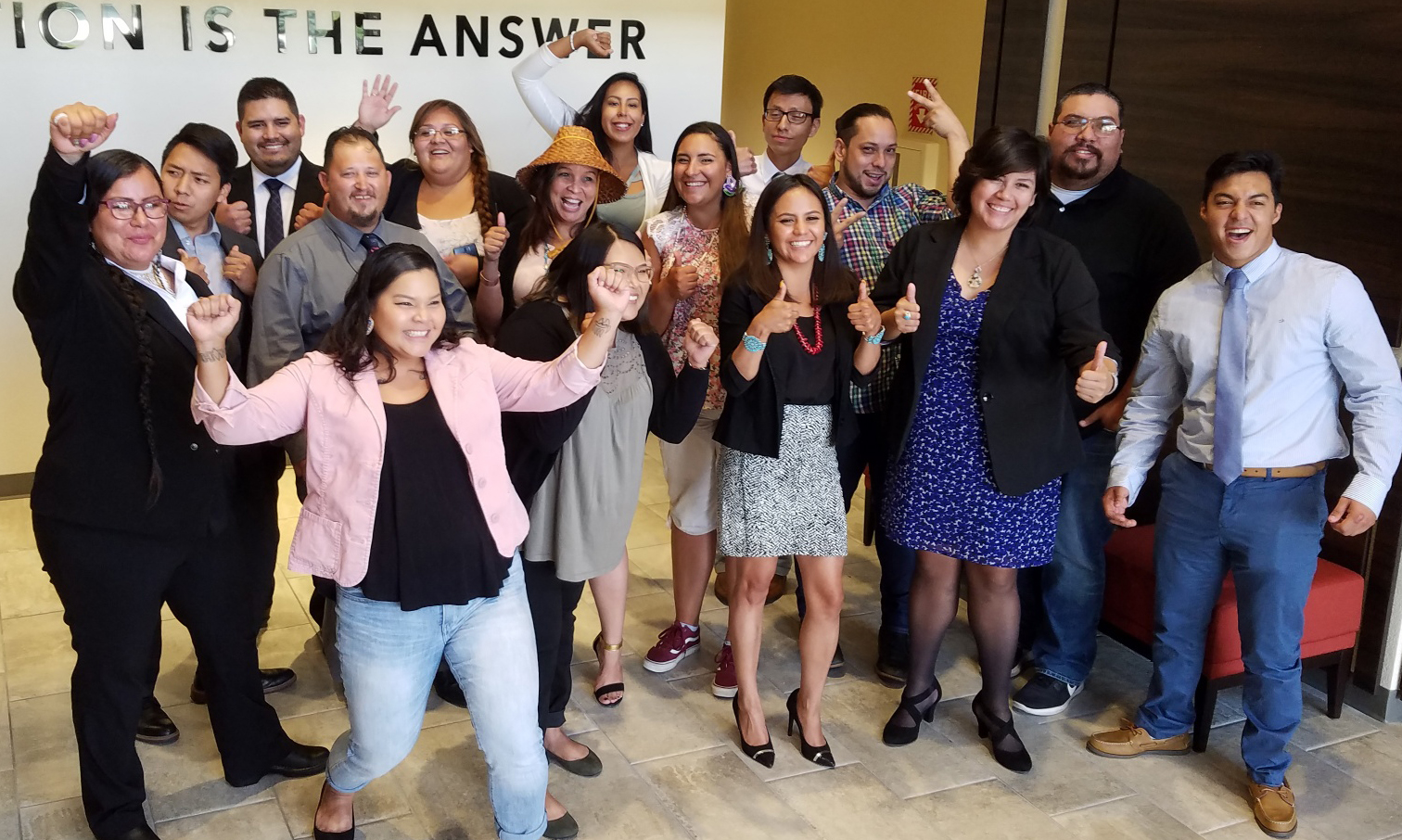
The American Indian College Fund Ambassador Program was established in 2015 to strengthen students’ and alumni personal and professional skills and to represent the College Fund.
Our Blogs
#Indigetern Native Student Intern Stories — Anitra
#Indegetern is our new campaign to highlight stories and reflections of Native students who have interned in businesses, organizations, agencies, and tribal communities across the country.

The Benefits of a Gap Year (or Years) Before Medical School
My name is Casey Smith and I am Diné (Navajo). My clans are Honágháanii (One Who Walks Around) and Tsi’naajinii (Black Streak Wood People). I grew up in New Mexico where the red rocks and sagebrush are bountiful, and moved to the luscious green (in summer) and frigid (in winter) climate of the Midwest where I am a third-year medical student at the University of Minnesota.
Sinte Gleska University Celebrates 35th GED Graduation
GED graduation marks the beginning of a new chapter for adult learners—one filled with increased education and employment opportunities. Family, friends, and community members gathered to celebrate that new chapter for 14 adult learners at the 35th Annual GED Graduation Ceremony held in conjunction with Sinte Gleska University’s 46th Annual Graduation Ceremony on August 24 at the Wakinyan Wanbli Multipurpose Building on the university’s Antelope Lake campus in Mission, S.D.
TCU Faculty and Staff: Getting Published
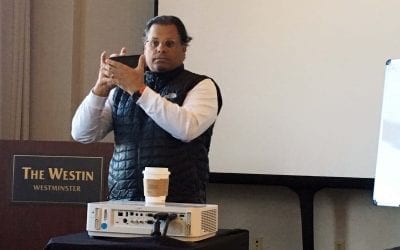
Dr. Bryan McKinley Jones Brayboy (Lumbee), the Borderlands Professor of Indigenous Education and Justice in the School of Social Transformation at Arizona State University, the Director of the Center for Indian Education, and co-editor of the Journal of American Indian Education, now in its 58th year, shared his tips with attendees at the TCU Faculty Intensive Writing Retreat October 26 in Colorado. By following Dr. Brayboy’s guidelines, you will be well on your way to publishing your work.

Thinking Sustainably at Tribal Colleges
For many, it’s a matter of economics. For others, policy. These are necessary components, of course, but thinking in such terms can easily gloss over some of the most important choices we make: the smaller ones we make day to day, often without much forethought
College-bound Native Program Helps Students Explore Options
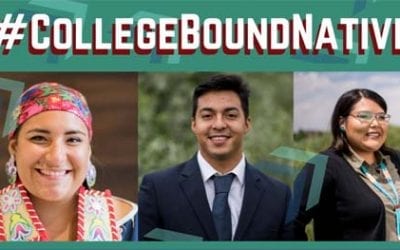
During Native American Heritage Month (November) there is a lot of talk about what defines a Native American. To those of us at the American Indian College Fund, Native people are aspiring college students, college students, and college graduates. These Natives everywhere are using or want to access a higher education to be strong, successful, and vital to their communities.
