Student Development
Explore Development Opportunities
Study Skills
No matter what your grades are, everyone needs some guidance to find success in the classroom. Here are some resources to help you develop the best study habits and skills you’ll need to get your degree:
What are Office Hours? – by Andrew Ishak
Time Management: TCU Video Project Series
Focus 2 Self-Assessment
Many people struggle with choosing an academic major during school, or job industry after graduation, but choosing a path is important when choosing your classes, internships and other career opportunities.
Focus 2 combines self-assessment, career and major exploration, decision-making and planning in one place. By matching your assessment results to career options and majors/programs for your consideration, FOCUS 2 guides you through a career and education decision-making model to help you make informed career decisions and take action in planning your future.
To use this free service, register to create an account with the access code collegefund. From there, you can take each test- personality, interests, values, and skills- to build your academic and career planning profile. Print your profile to share with an academic or career counselor or mentor to discuss your career plan or transition to a new profession.

Money Management
It is also important to understand budgeting, credit, and debt management – to help you to make responsible decisions in school, and prepare for your financial life after school. Learn about the following topics in related posts — your financial future depends on it.
- Money Management — Developing Common Cents (College Fund)
- Per Cap (First Nations Development Institute)
- Financial Skills for Families (First Nations Development Institute)
- Developing Your Vision: Managing Your Money
- Your First Bank Account
- Childcare Costs (and Ways to Reduce Them)
- When Your Child Has Special Needs
- Caring For Aging Parents
- Children and Family Considerations
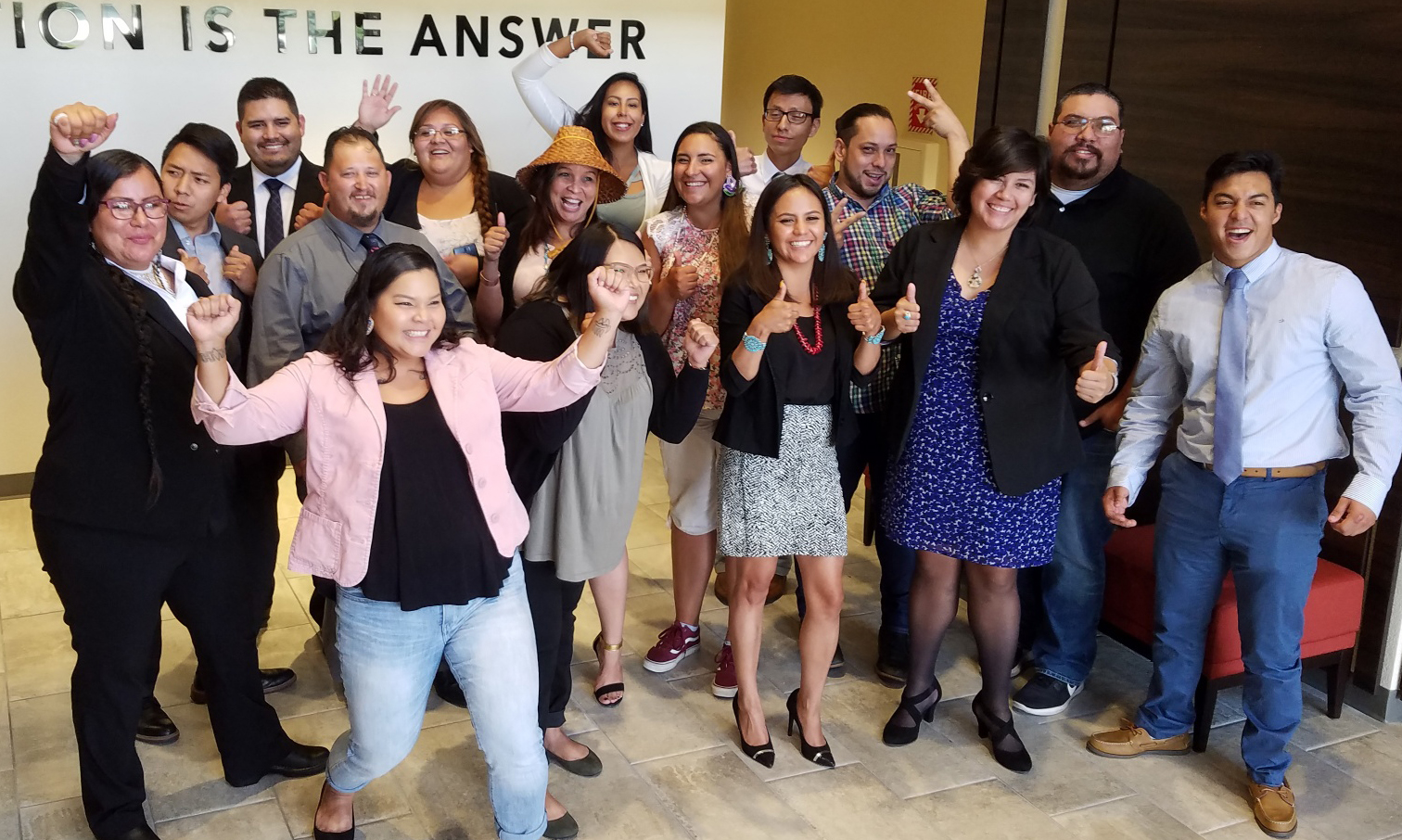
Student Ambassador Program
The American Indian College Fund Ambassador Program was established in 2015 to strengthen students’ and alumni personal and professional skills and to represent the College Fund.
Our Blogs
Celebrating Leaders of the Tribal College Movement
In 2016, I was invited to submit a chapter on the presidency of tribal colleges for a book on leadership at minority-serving institutions. I started the chapter with these words, Itancan, Bacheei-tche, Ogimaa: tribal words for those in leadership at tribal colleges because their leadership is rooted in their cultural knowledge and practices. This essay is derived from that chapter, “Tribal College and University Leaders: Warriors in Spirit and in Action
Expanding Culturally Relevant Knowledge through Early Childhood Conferences
Conferences can be a great place for early childhood educators, families, teachers in training, and researchers working with indigenous young children. They are a place to gather ideas and build professional development for use in the classroom.
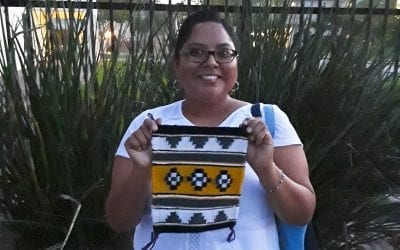
Navajo Rug Weaving: Learnings from the Loom
Bridget Skenadore, Project Officer of Native Arts and Culture at the American Indian College Fund, had the opportunity to participate in the Heard Museum’s Navajo rug weaving workshop in November 2017. In her job capacity she has had the opportunity to learn about Traditional Native Art forms from the upper-Midwest and with this opportunity from the Heard Museum she was able to learn about a Traditional Native Art form from her culture.
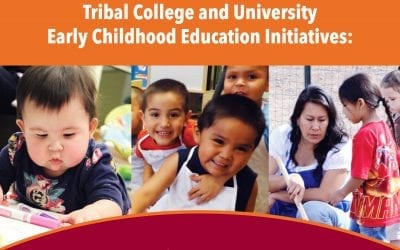
American Indian College Fund Early Childhood Initiatives Spur International Self-Determination Movement as Detailed in New Report
Preparing children for college starts at birth. But the American Indian College Fund realized that a one-size-fits-all approach to education does not work for Native children. Six years ago, the College Fund set out to strengthen systems of care and learning for Native children by expanding opportunities for their families to consider college as a pathway to thriving communities, starting from birth to career, by incorporating the local culture into education.
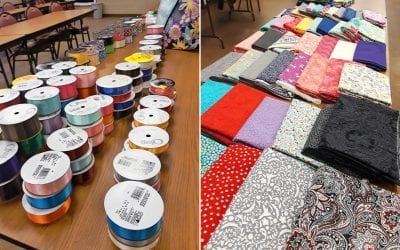
Traditional Native Arts Sister Site Visit: Sitting Bull College’s Skirt-Making Workshop
This weekend, Denise McKay, a Tribal Elder from Fort Yates, North Dakota, brought me to a point in my life that inspired me to look differently at life and my surroundings. Listening to her stories, how she spoke about her mother with love, how she cradled everything that was taught to her, and how she spreads her knowledge to anyone who wants to learn put such a joy in my heart and my soul, I felt as if I would burst when I told my family.
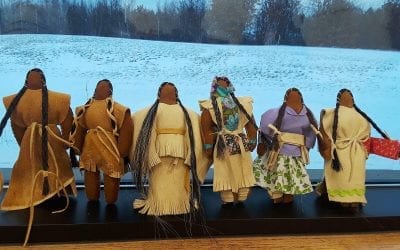
Traditional Native Arts Sister Site Visit: Learning From One Another
The American Indian College Fund is proud to offer a cross-collaboration learning opportunity through the Restoration and Preservation of Traditional Native Arts and Knowledge Grant. Tribal Colleges and Universities (TCUs) program administrators of the Traditional Native Arts grant will have the opportunity to learn, observe and exchange ideas from each other through the “Sister Site Visit” program.
