Student Development
Explore Development Opportunities
Study Skills
No matter what your grades are, everyone needs some guidance to find success in the classroom. Here are some resources to help you develop the best study habits and skills you’ll need to get your degree:
What are Office Hours? – by Andrew Ishak
Time Management: TCU Video Project Series
Focus 2 Self-Assessment
Many people struggle with choosing an academic major during school, or job industry after graduation, but choosing a path is important when choosing your classes, internships and other career opportunities.
Focus 2 combines self-assessment, career and major exploration, decision-making and planning in one place. By matching your assessment results to career options and majors/programs for your consideration, FOCUS 2 guides you through a career and education decision-making model to help you make informed career decisions and take action in planning your future.
To use this free service, register to create an account with the access code collegefund. From there, you can take each test- personality, interests, values, and skills- to build your academic and career planning profile. Print your profile to share with an academic or career counselor or mentor to discuss your career plan or transition to a new profession.
Money Management
It is also important to understand budgeting, credit, and debt management – to help you to make responsible decisions in school, and prepare for your financial life after school. Learn about the following topics in related posts — your financial future depends on it.
- Money Management — Developing Common Cents (College Fund)
- Per Cap (First Nations Development Institute)
- Financial Skills for Families (First Nations Development Institute)
- Developing Your Vision: Managing Your Money
- Your First Bank Account
- Childcare Costs (and Ways to Reduce Them)
- When Your Child Has Special Needs
- Caring For Aging Parents
- Children and Family Considerations
Student Ambassador Program
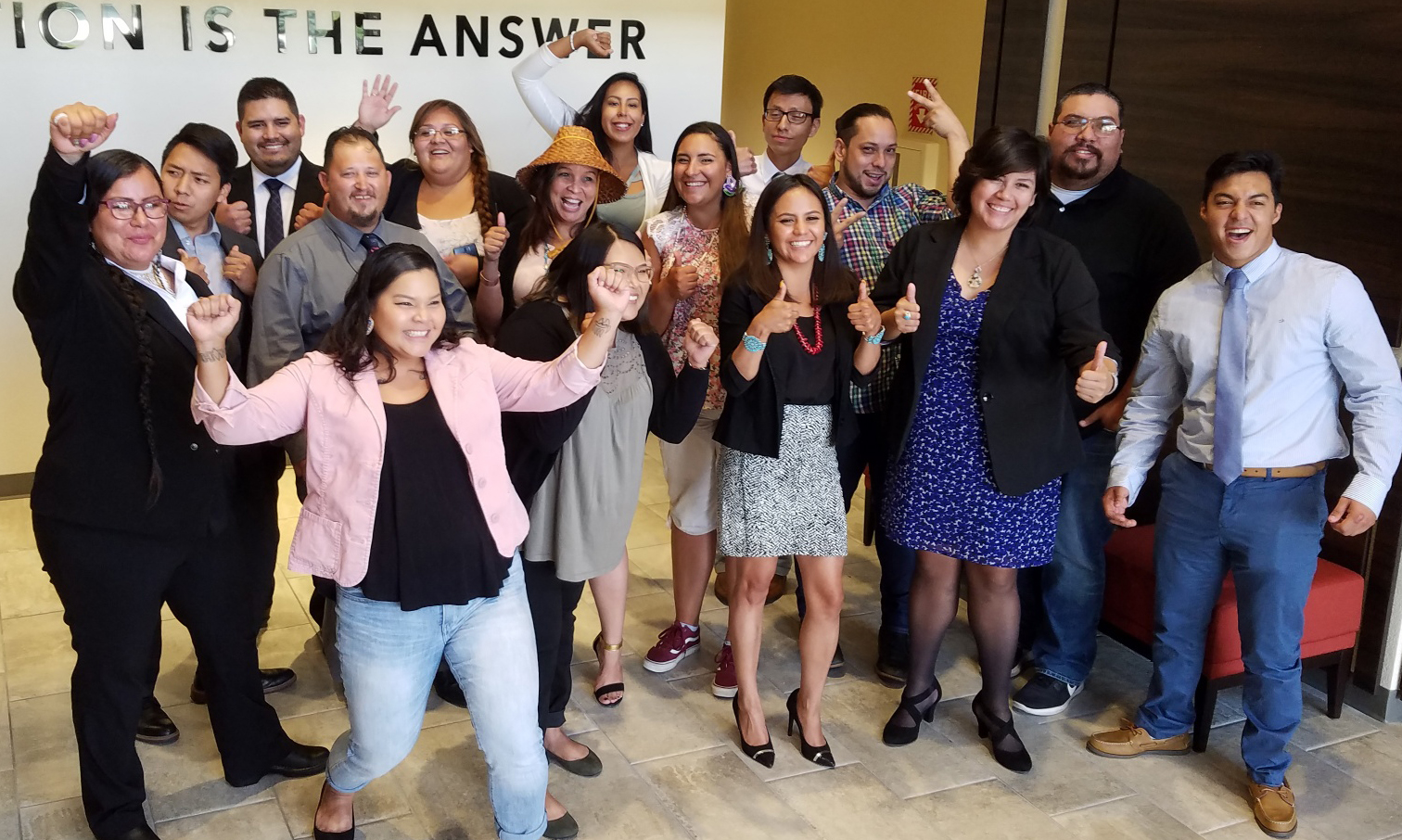
The American Indian College Fund Ambassador Program was established in 2015 to strengthen students’ and alumni personal and professional skills and to represent the College Fund.
Our Blogs
University of New Mexico’s – Indigenous Design and Planning Institute
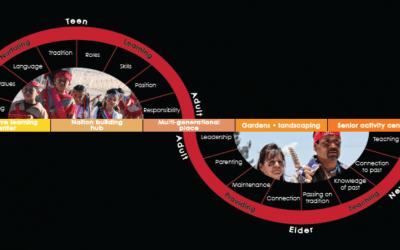
The Indigenous Design and Planning Institute (iD+Pi) at the University of New Mexico was established on the belief that Indigenous communities should benefit from the best practices that design and planning have to offer in a manner that is culturally informed.
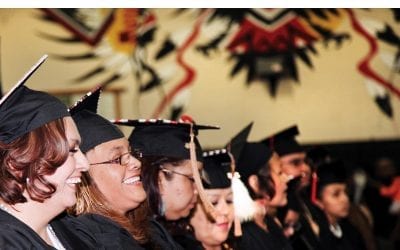
Two Native Americans Detained on Colorado Campus Tour, American Indian College Fund Urges Colleges to Make Institutions Welcoming
The story of two young Native American men detained by CSU Campus Police after a nervous parent called to report them has been in the news. The American Indian College Fund is urging education institutions to take steps to make their campuses welcoming for Native people and other people of color.
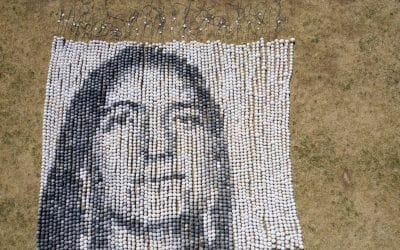
Native Artist to Debut Crowdsourced Art Project Highlighting Murdered and Missing Indigenous People
The Denver-based American Indian College Fund, a non-profit organization providing scholarships and programs supporting Native American higher education, is thrilled to announce that former scholarship recipient and tribal college graduate Cannupa Hansker Luger has organized an art exhibit with several contemporary artists to explore the interconnectedness of the human story.
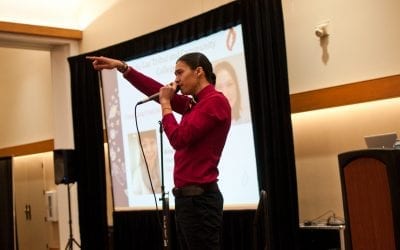
Frequently Asked Questions About Our Scholarships
Visit our scholarships page and evaluate the scholarship categories (undergraduate attending a tribal college, undergraduate attending a mainstream college, or graduate student) to click “How to Apply” begin the application process.
Tips to Fill Out Your Scholarship Application
The Full Circle and TCU Scholarship applications have an essay style format with three short-answer questions. These sections are your chance to share your story and give readers an opportunity to see how a scholarship would help you achieve your stated educational and professional goals and require you to discuss three elements
Scholarship Program for Native Americans to Create Pipeline of Mental Health and Substance Abuse Professionals in North Dakota
The American Indian College Fund, in partnership with United Health Foundation, has launched The United Health Tribal Wellness Scholarship Program to create a pipeline of mental health and substance abuse professionals in North Dakota to serve remote and rural communities.
