Student Development
Explore Development Opportunities
Study Skills
No matter what your grades are, everyone needs some guidance to find success in the classroom. Here are some resources to help you develop the best study habits and skills you’ll need to get your degree:
What are Office Hours? – by Andrew Ishak
Time Management: TCU Video Project Series
Focus 2 Self-Assessment
Many people struggle with choosing an academic major during school, or job industry after graduation, but choosing a path is important when choosing your classes, internships and other career opportunities.
Focus 2 combines self-assessment, career and major exploration, decision-making and planning in one place. By matching your assessment results to career options and majors/programs for your consideration, FOCUS 2 guides you through a career and education decision-making model to help you make informed career decisions and take action in planning your future.
To use this free service, register to create an account with the access code collegefund. From there, you can take each test- personality, interests, values, and skills- to build your academic and career planning profile. Print your profile to share with an academic or career counselor or mentor to discuss your career plan or transition to a new profession.
Money Management
It is also important to understand budgeting, credit, and debt management – to help you to make responsible decisions in school, and prepare for your financial life after school. Learn about the following topics in related posts — your financial future depends on it.
- Money Management — Developing Common Cents (College Fund)
- Per Cap (First Nations Development Institute)
- Financial Skills for Families (First Nations Development Institute)
- Developing Your Vision: Managing Your Money
- Your First Bank Account
- Childcare Costs (and Ways to Reduce Them)
- When Your Child Has Special Needs
- Caring For Aging Parents
- Children and Family Considerations
Student Ambassador Program
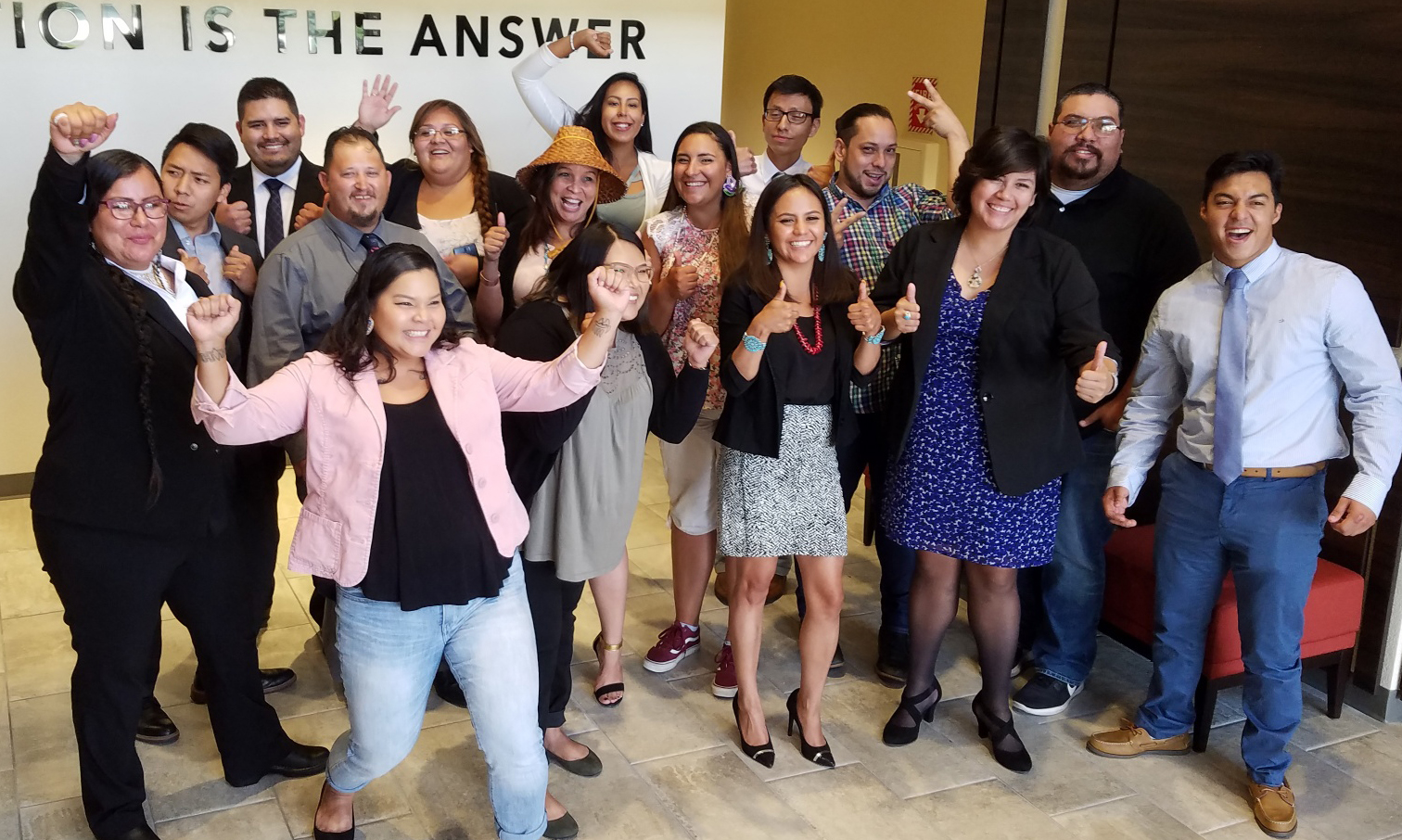
The American Indian College Fund Ambassador Program was established in 2015 to strengthen students’ and alumni personal and professional skills and to represent the College Fund.
Our Blogs
We Honor Our Native Women Leaders: International Women’s Day
Did you know that 16 of our 33 accredited tribal college presidents are women? These warriors are on the front lines in Indian Country, helping to provide hope, guidance, and inspiration to our young people in their fight against poverty and they honor us every day with their sacred work.
The Dennis and Phyllis Washington Foundation Renews Commitment to American Indian College Fund
The Dennis and Phyllis Washington Foundation has renewed a grant to the American Indian College Fund for $10,000 for scholarships. The amount will be disbursed to qualified American Indian students attending Montana’s seven tribal colleges, providing them with the financial resources to complete a college degree.
One Click Helps Our Students!
Through the generous support of our partner, USA Funds, the American Indian College Fund will receive $5 for every new person that likes our Facebook page. Thank you for liking and helping American Indian students go to college! The deadline is Tuesday, March 12, so please SHARE by posting the link to your profile.

Pendleton Woolen Mills Continues Support with Nearly $80,000
Since 1995, Pendleton Woolen Mills has supported the American Indian College Fund to help Native college students pursue their dreams of obtaining a college degree. Pendleton has continued its longstanding support by granting two gifts to the Fund.
Interested in a NASA Internship?
Outstanding American Indian students who are majoring in a science, technology, engineering, or math field with at least a 3.0 GPA are eligible for NASA MUST (Motivating Students in Science and Technology) scholarships that cover half of their tuition up to $10,000. As part of the program, students also participate in a 10-week summer internship at one of NASA’s centers. The internships pay $6,000.
The Making of Our Ad Campaign–See the Video
Have you ever wondered what it would be like to create a national advertising campaign? The video includes interviews with legendary director and video producer Joe Pytka, film photographer Anne Menke, Wieden+Kennedy founders Dan Wieden and David Kennedy, American Indian College Fund president and CEO Richard B. Williams, and the entire production and creative team for the Fund’s new ad campaign
