
Planting the Seeds of Cultural Sustainability
April 22, 2026 | Student Ambassador Aiyanna Tanyan’s (Seminole Nation of Oklahoma) work to reclaim food sovereignty
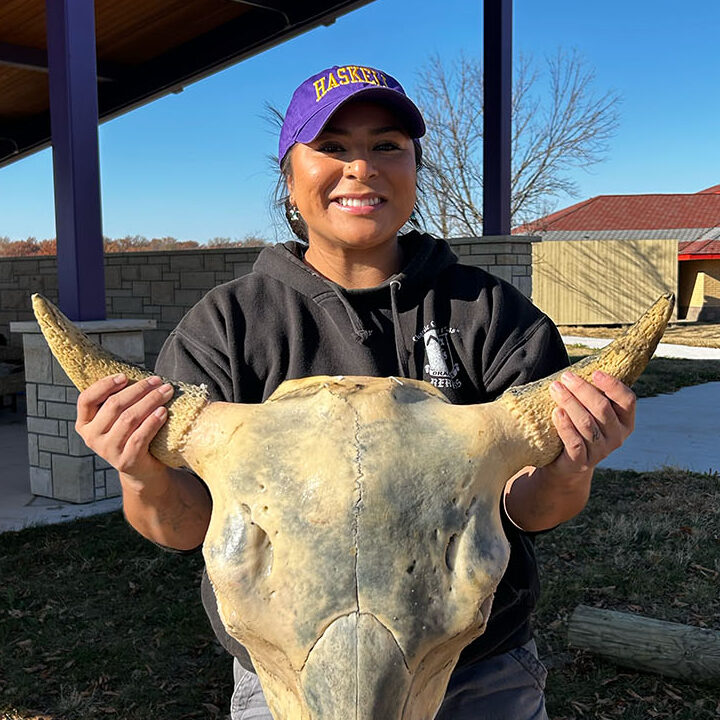
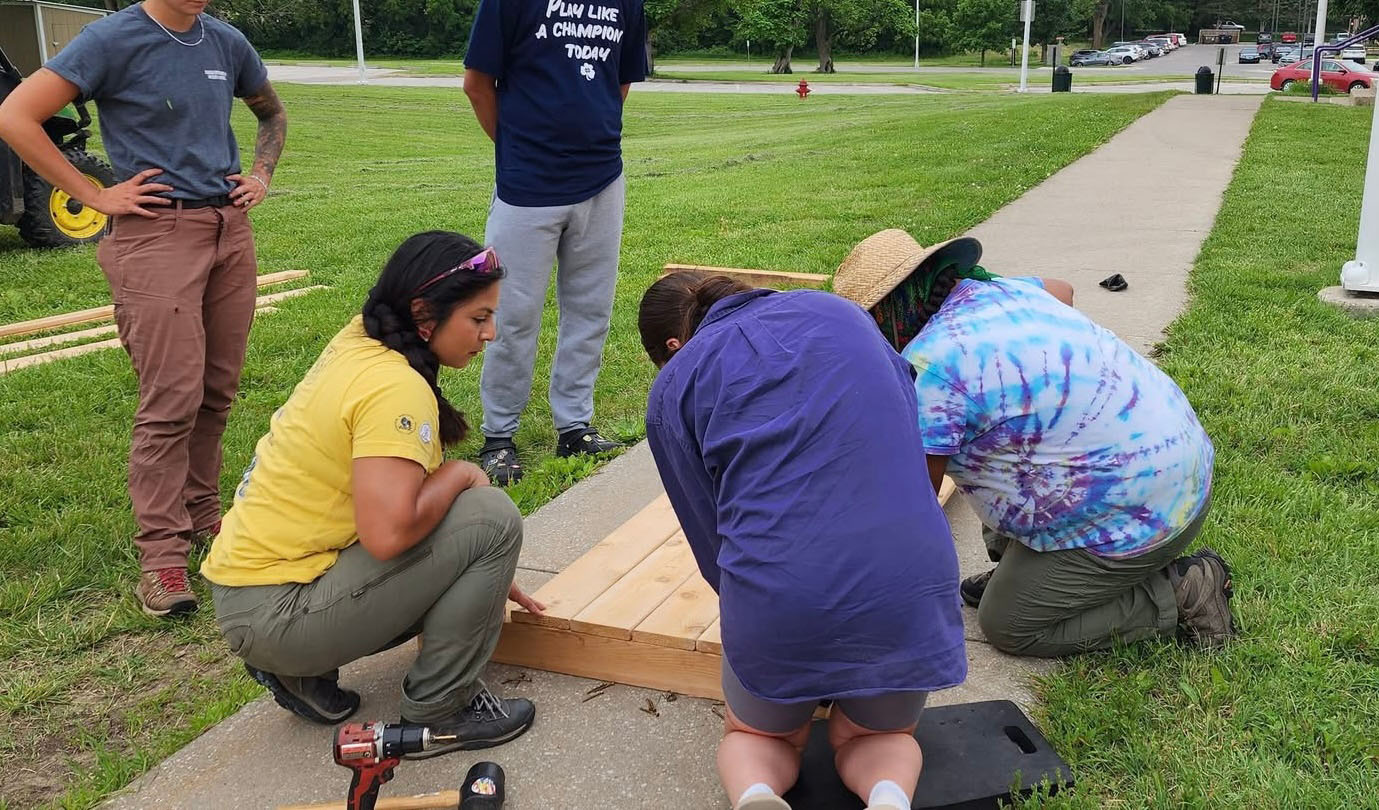
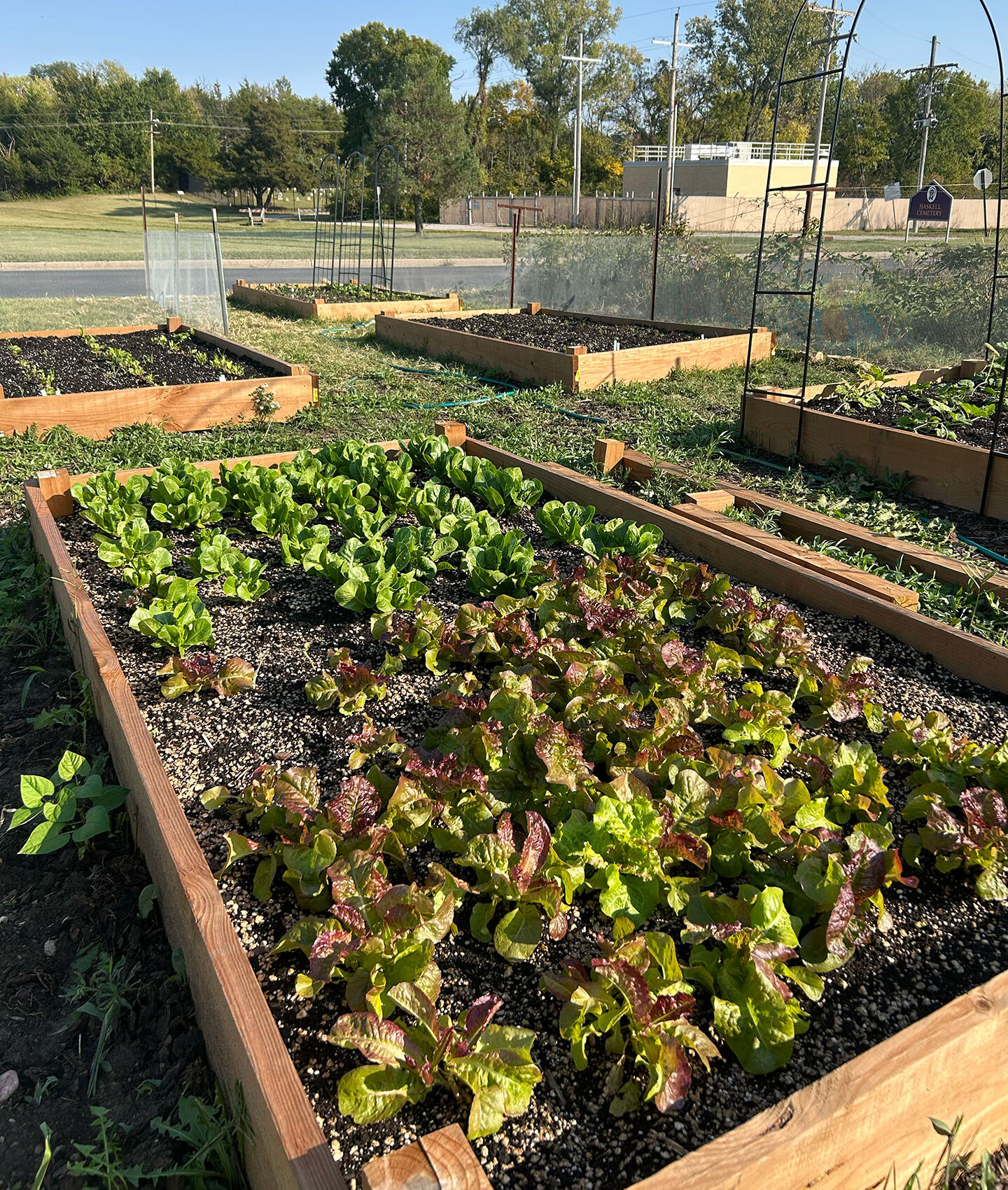
We came up with the idea of building raised garden beds near the dorms so students can easily access fresh foods and learn how to grow them themselves. Through support from the Haskell Greenhouse (funded through the USDA Equity Grant), we started building.
Last year was our first year doing this project and it was a learning experience as with many community-based projects, it comes with trial and error. However, that process taught us a lot about what works, what doesn’t, and how to build something more sustainable moving forward. This year, we’re continuing this work with stronger systems, more involvement, and a clearer vision.
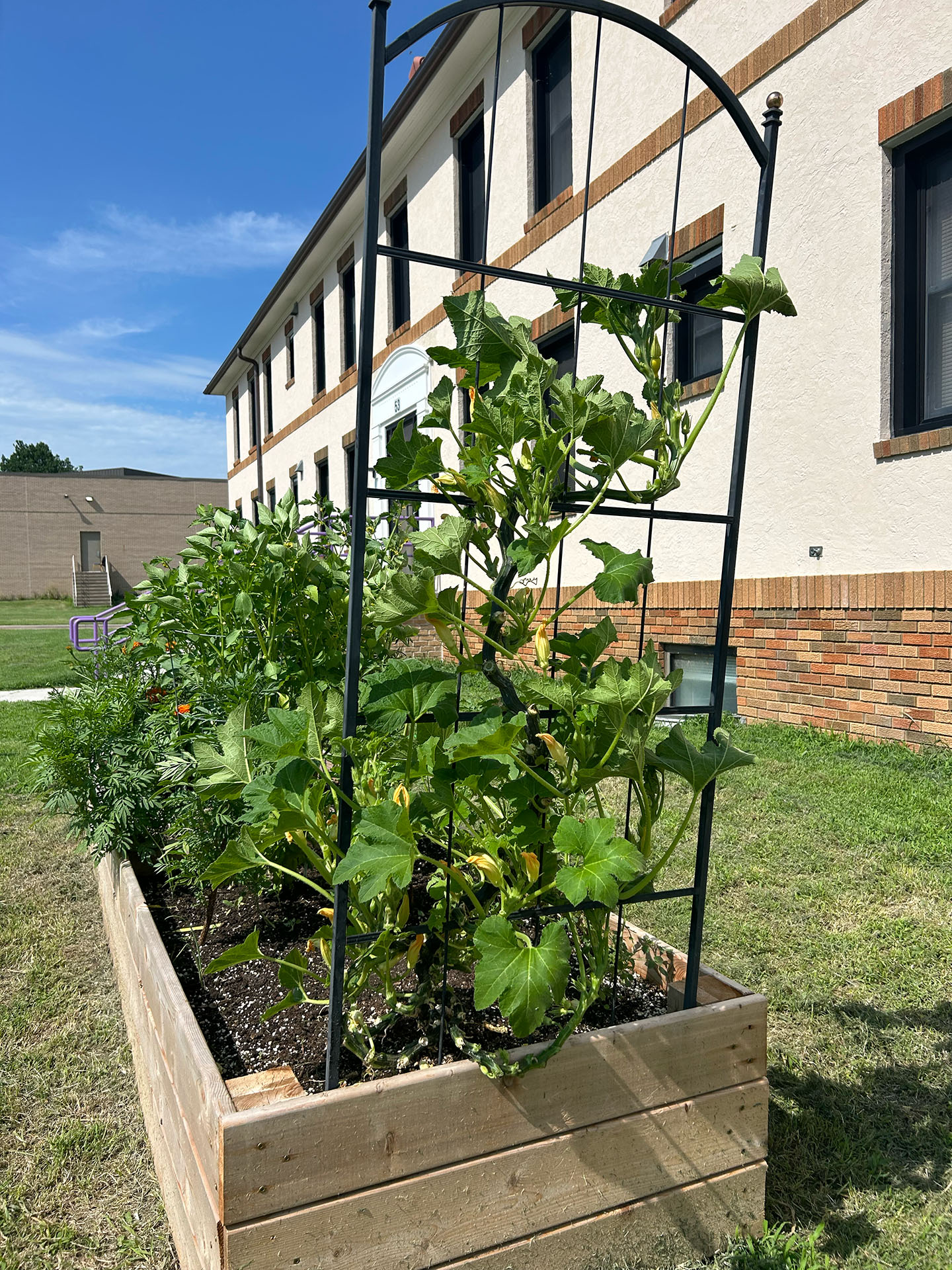
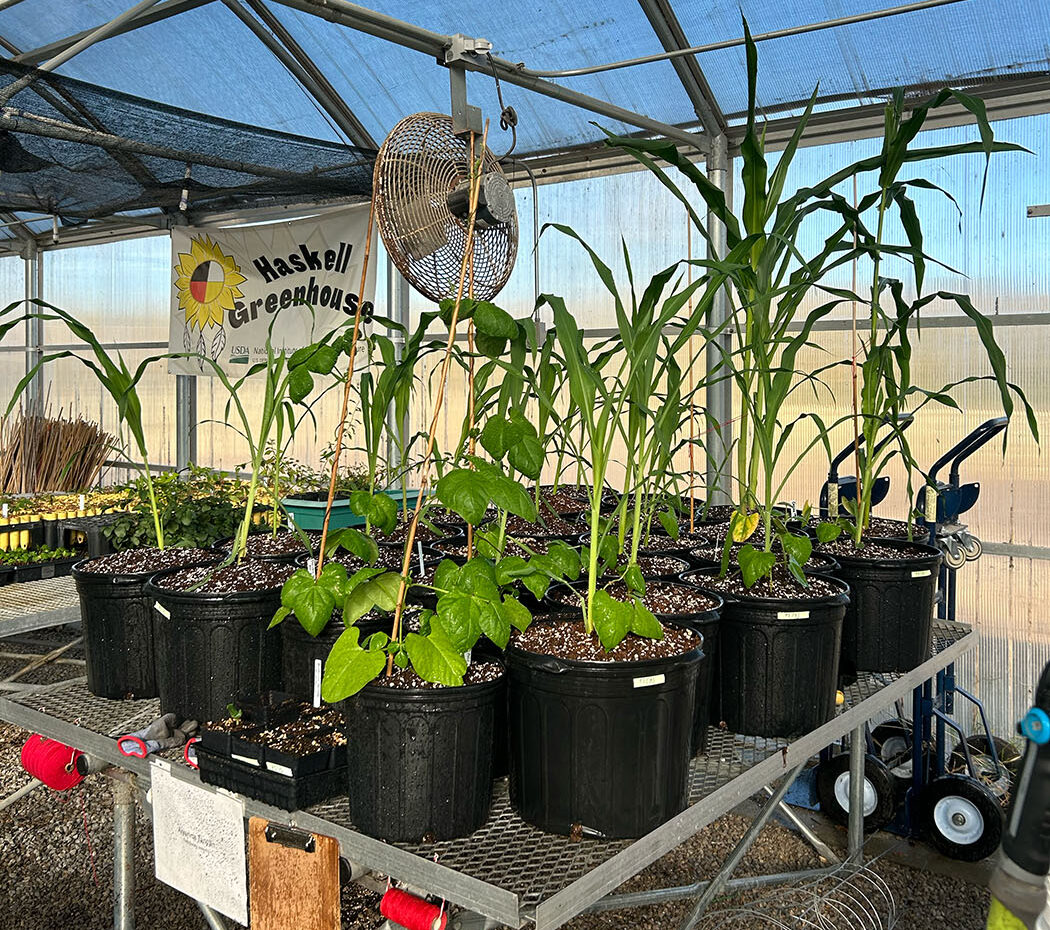
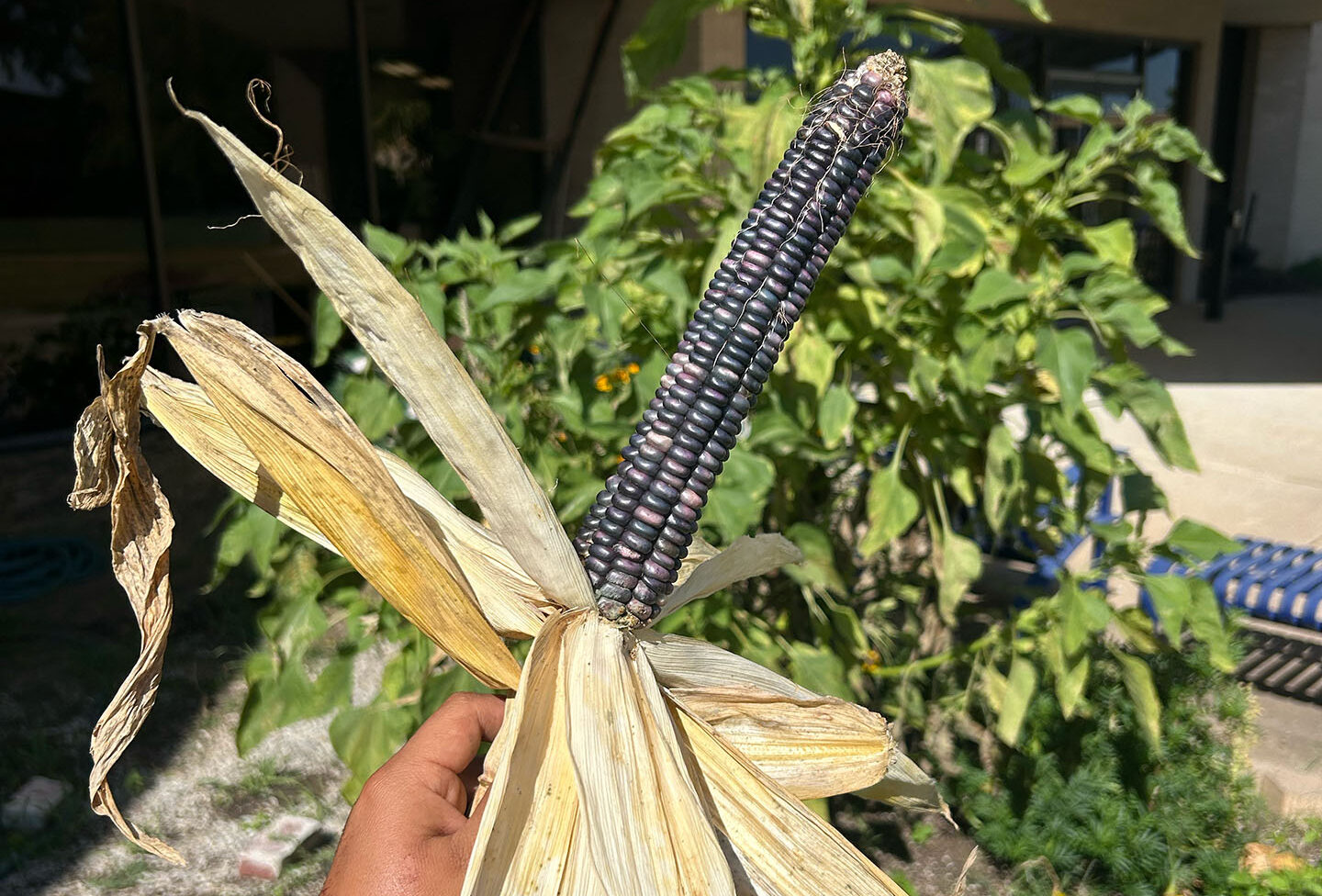
Everyone at the Haskell Greenhouse wants to help others learn, value, and view these spaces as places of teaching. I know they have taught me so much about responsibility and our relationship with the environment. Through these projects, we’re helping students reconnect with the land and understand the importance of food sovereignty for Indigenous communities. This work is ongoing, and we’re still learning. Every seed planted, and every workday shared brings us one step closer to a more sustainable and connected future.
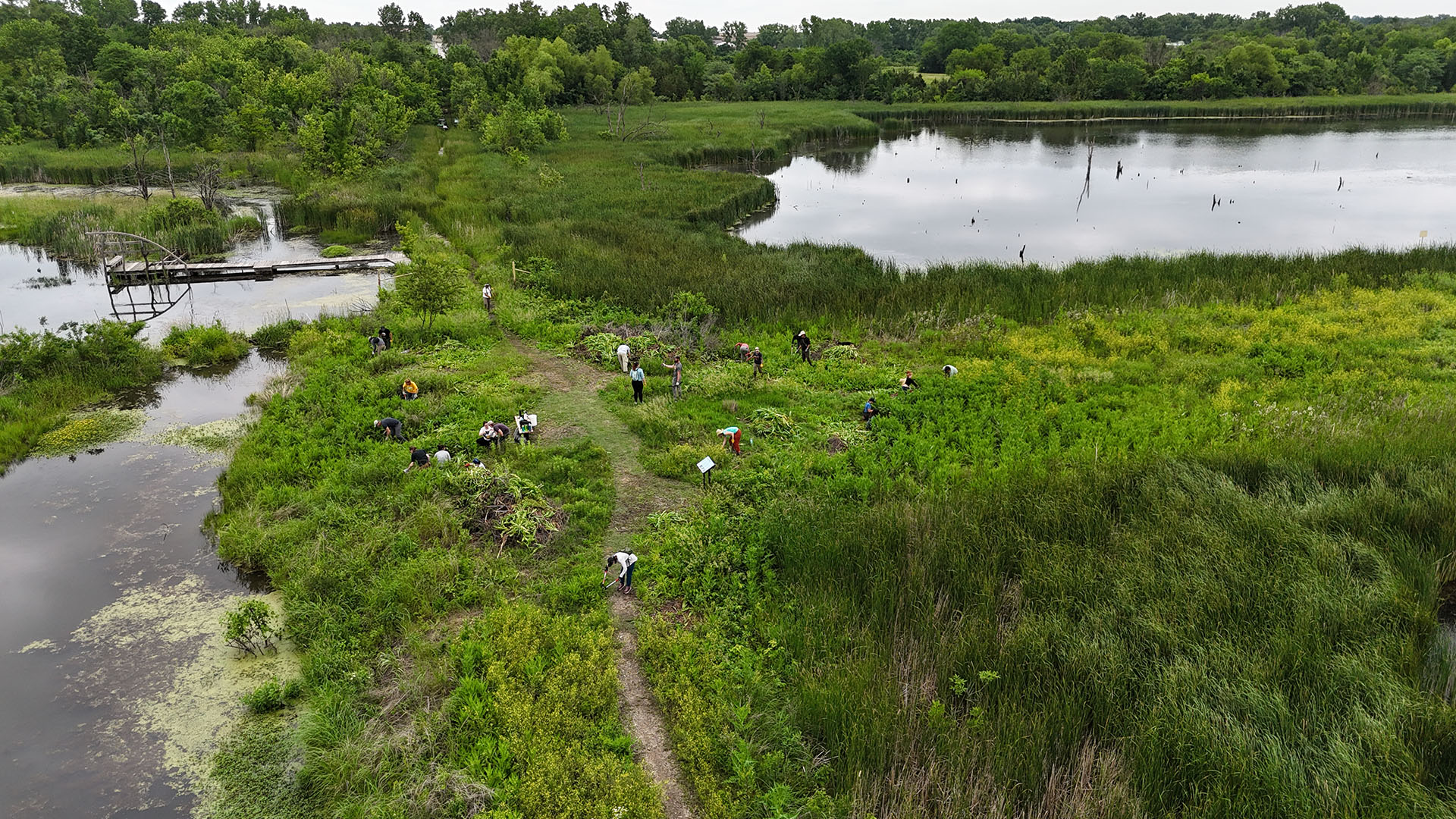
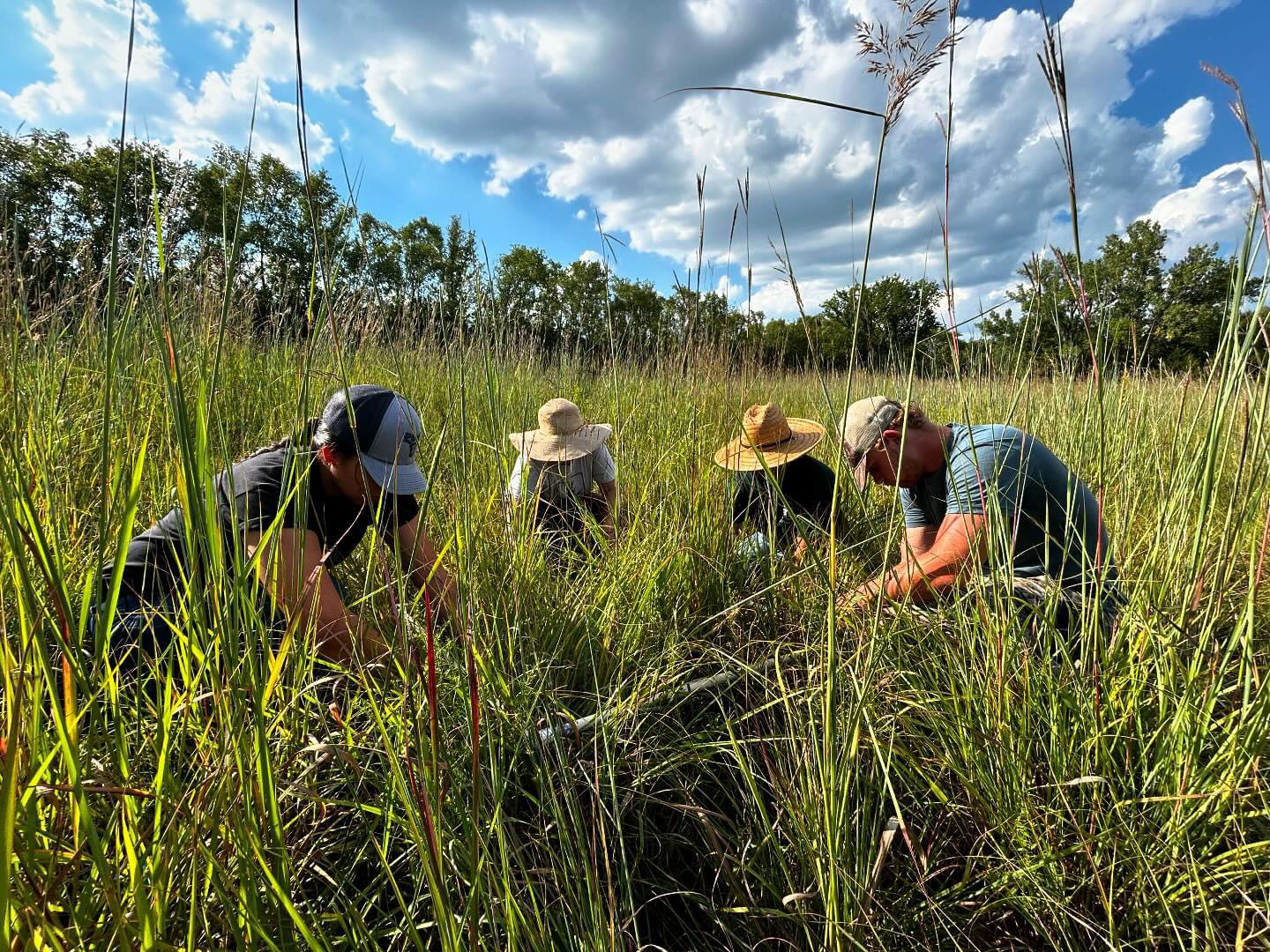
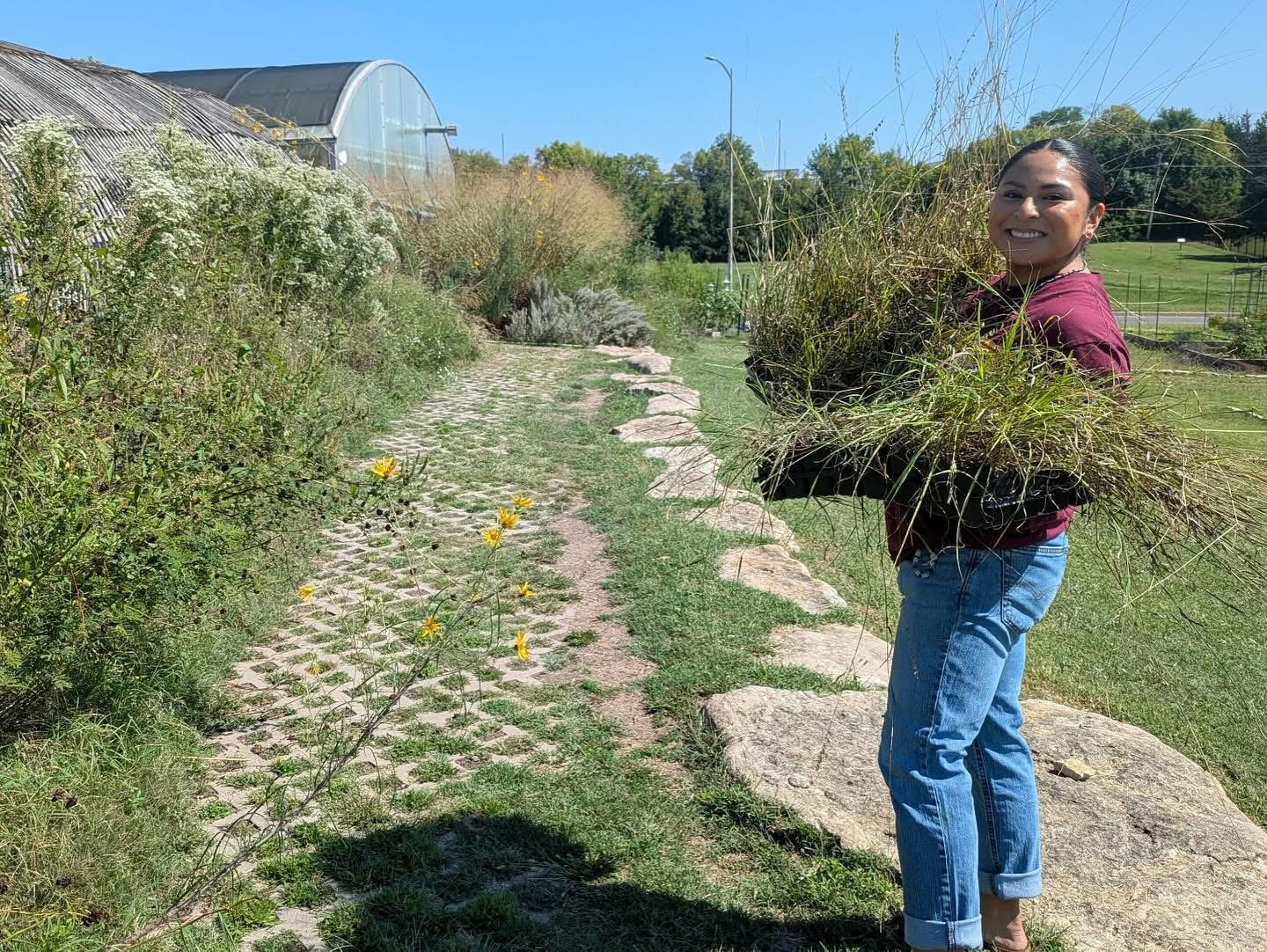
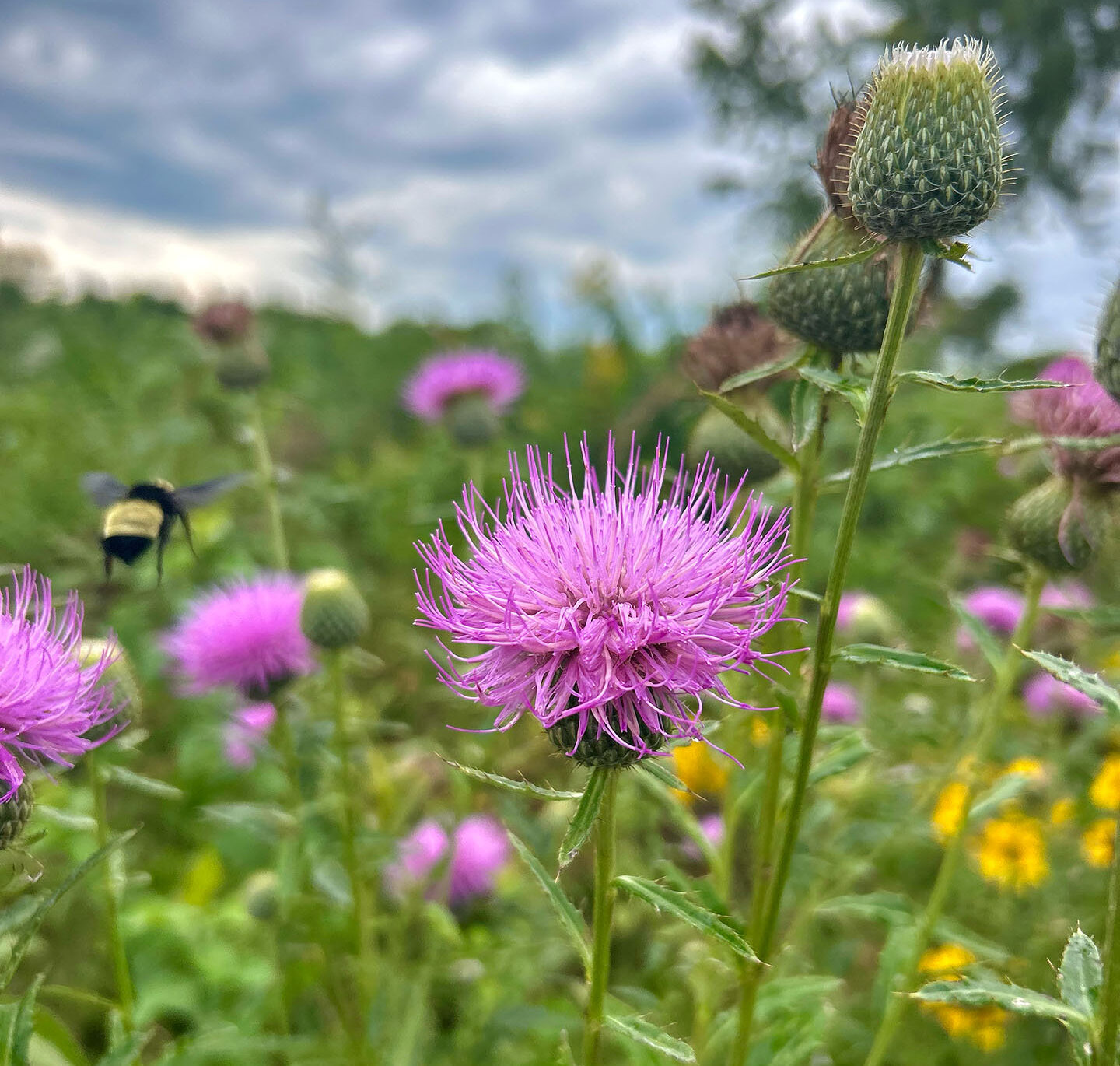
In Caring for Our Kin: Stories of Indigenous Environmental Stewardship, the College Fund shares the stories of Indigenous environmental leaders who are centering kinship and relational knowledge to build healthy ecological systems. These stories remind us that caring for the Earth means caring for one another—and that Indigenous knowledge systems continue to offer guidance, resilience, and hope for the future.
Learn more about our Environmental Stewardship Program.
Ekvnv Vcayecet. Mvto!
(Take care of the Earth/Land. Thank you)
More Blogs
Always In Transit
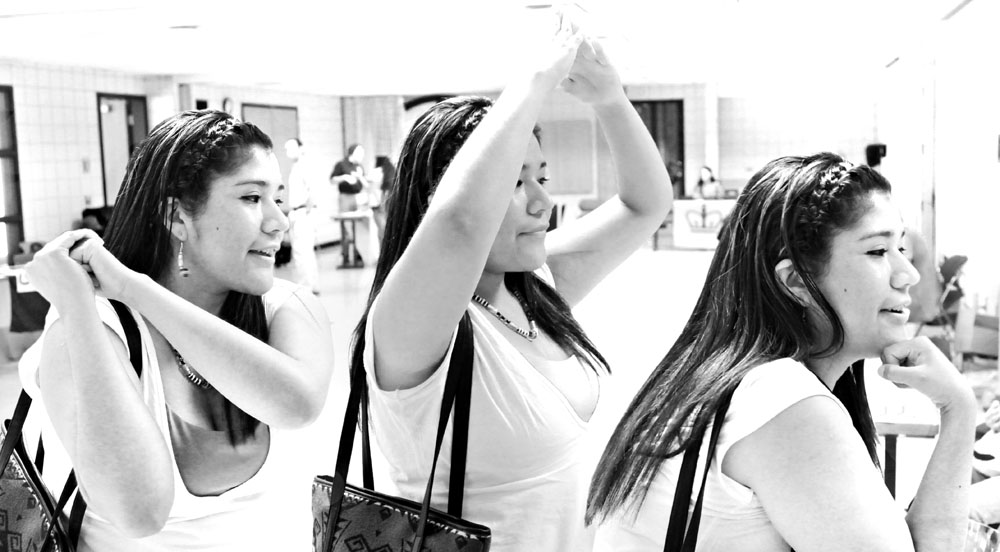
For me, this time of year means travel. It means recruiting for a program I care deeply about – the University of Colorado Upward Bound Program. My trips begin with a flight to a small town like Durango, Colorado or Fayetteville, North Carolina or in the city of Albuquerque, New Mexico. Sometimes I fly all day just to end up on a little commuter plane with two-seats on each side of the aisle, and fly through turbulence to land in a different place in a new state.
Food for Thought: Stories from Sky’s Stomach
“You are what you eat” is a food saying I have already used on my blog, but for this particular post I felt I should use it again to jump into the thought. November is Native American Heritage Month and I felt I should do the term some justice in this blog to show my pride. I am Tohono O’odham and I have a rich heritage.
Ojibwe Author Louise Erdrich Wins National Book Award
Louise Erdrich, 58, a celebrated writer, poet, and enrolled member of the Turtle Mountain Band of Chippewa Indians, has won the National Book Award for her novel, “The Round House,” the second of a planned trilogy, set in her native North Dakota about an Ojibwe boy and his quest to avenge his mother’s rape.
The Estée Lauder Companies Awards $11,000 to American Indian College Fund for Scholarships
The Estée Lauder Tribal Scholars Program has granted the American Indian College Fund to provide 10 scholarships to American Indian students studying marketing, business, environmental science, or a related field at a tribal college in Minnesota.
Tribal Colleges are a Journey to Freedom
Check out Dr. Cheryl Crazy Bull’s article in this issue of Tribal College Journal about the history of our tribal colleges, their role in facilitating the journey of Native peoples from colonization to sovereignty, and the responsibility of these remarkable institutions to future generations.
Leaving Home to Fulfill a Destiny
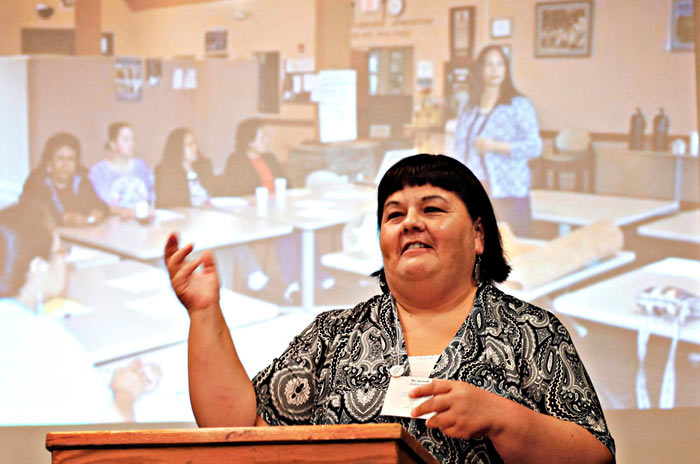
went to work for the Blackfeet Tribe fresh out of high school. I planned to work for just a year, and then go to college. That year turned into 22 years. I went to college for the first time in my life just short of my 44th birthday. Had it not been for the Blackfeet Community College, I might not have ever gone to college. True, I had to start commuting 50 miles round trip again, but the upside was that my husband agreed to join me. He hadn’t ever gone to college either.

Oral Tradition: A Tool for Knowing Who We Are
spent summers with family in Kaibab. When my aunt would speak Paiute to me, I did not understand at the time that she was trying to teach me the language. I did not know what she was saying to me and I would ask my cousin to translate. Her reply was that I needed to ask my aunt what she was saying to me.
Think Indian? Think Government
In 1961, during his inaugural address, President John F. Kennedy delivered the memorable line in which he emphasized, “Ask not what your country can do for you- ask what you can do for your country.” While he meant to apply this statement to the United States and the world at large, I feel that it also applies to Indian Country and my personal philosophy of “Think Indian.”
Join Us in Celebrating, Donating in November
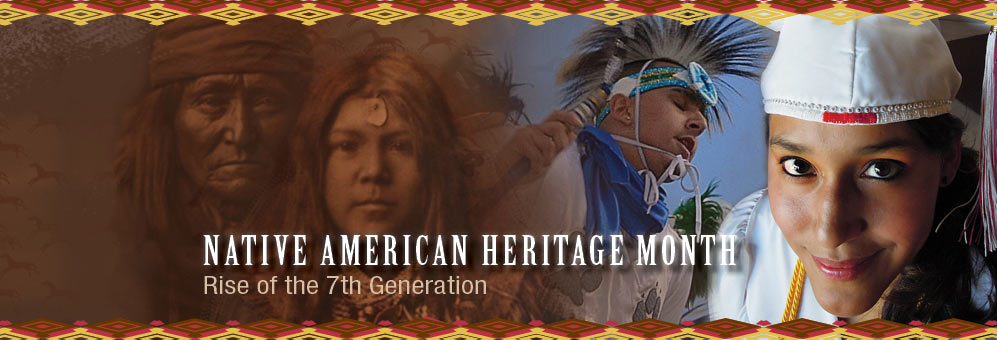
Native American Heritage Month is a great time to show your support for Native American students in higher education. We invite you to share in the celebration and learn more about Indian Country with the fun articles, activities and blogs we have planned this month. We hope that you will visit our blog regularly to hear from our guest writers who all bring their unique Native perspective for your enjoyment and enlightenment.

Cargill Donates $50,000 to American Indian College Fund for Scholarships
Cargill donated $50,000 to the American Indian College Fund to continue the Cargill Tribal College Scholarship Program. The program provides scholarships to Native students attending tribal colleges and universities in Kansas, Minnesota, North Dakota, South Dakota, and Wisconsin.