
Planting the Seeds of Cultural Sustainability
April 22, 2026 | Student Ambassador Aiyanna Tanyan’s (Seminole Nation of Oklahoma) work to reclaim food sovereignty
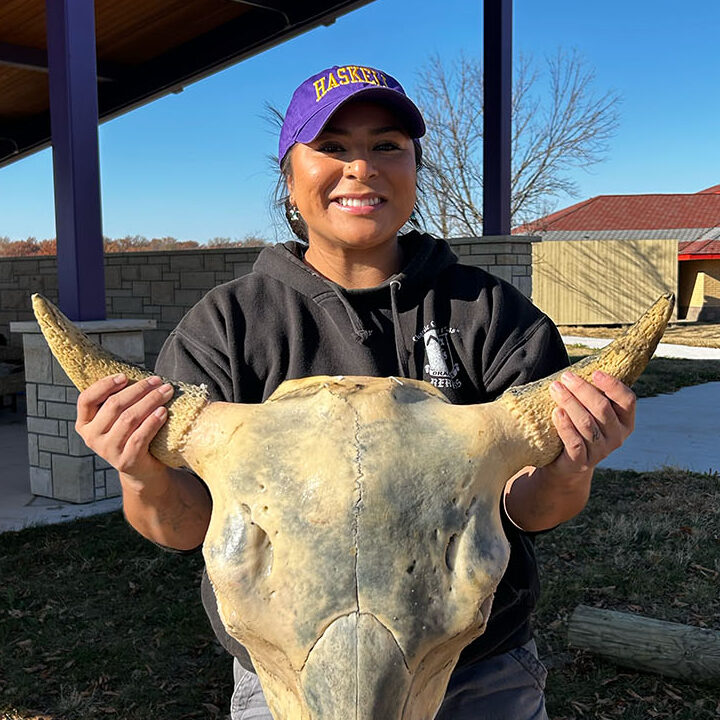
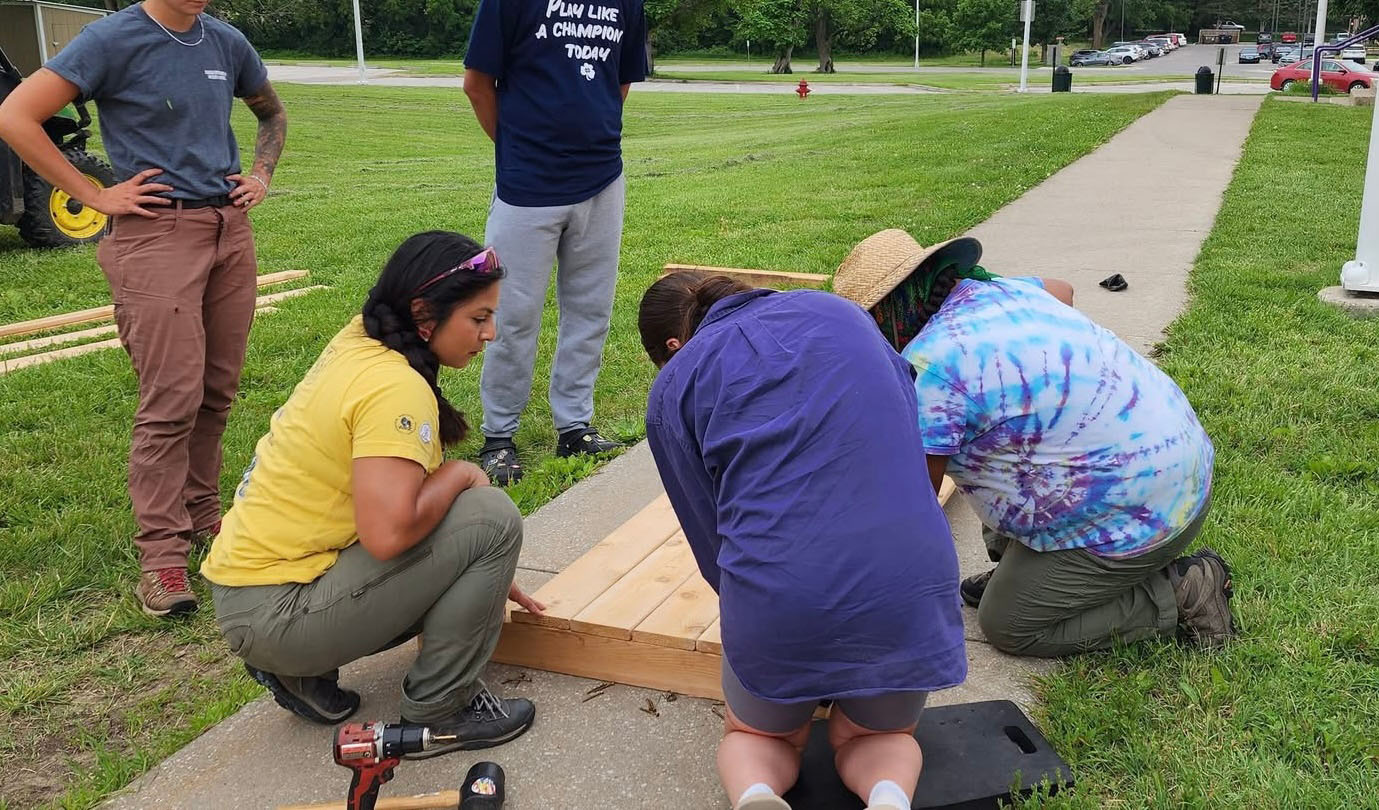
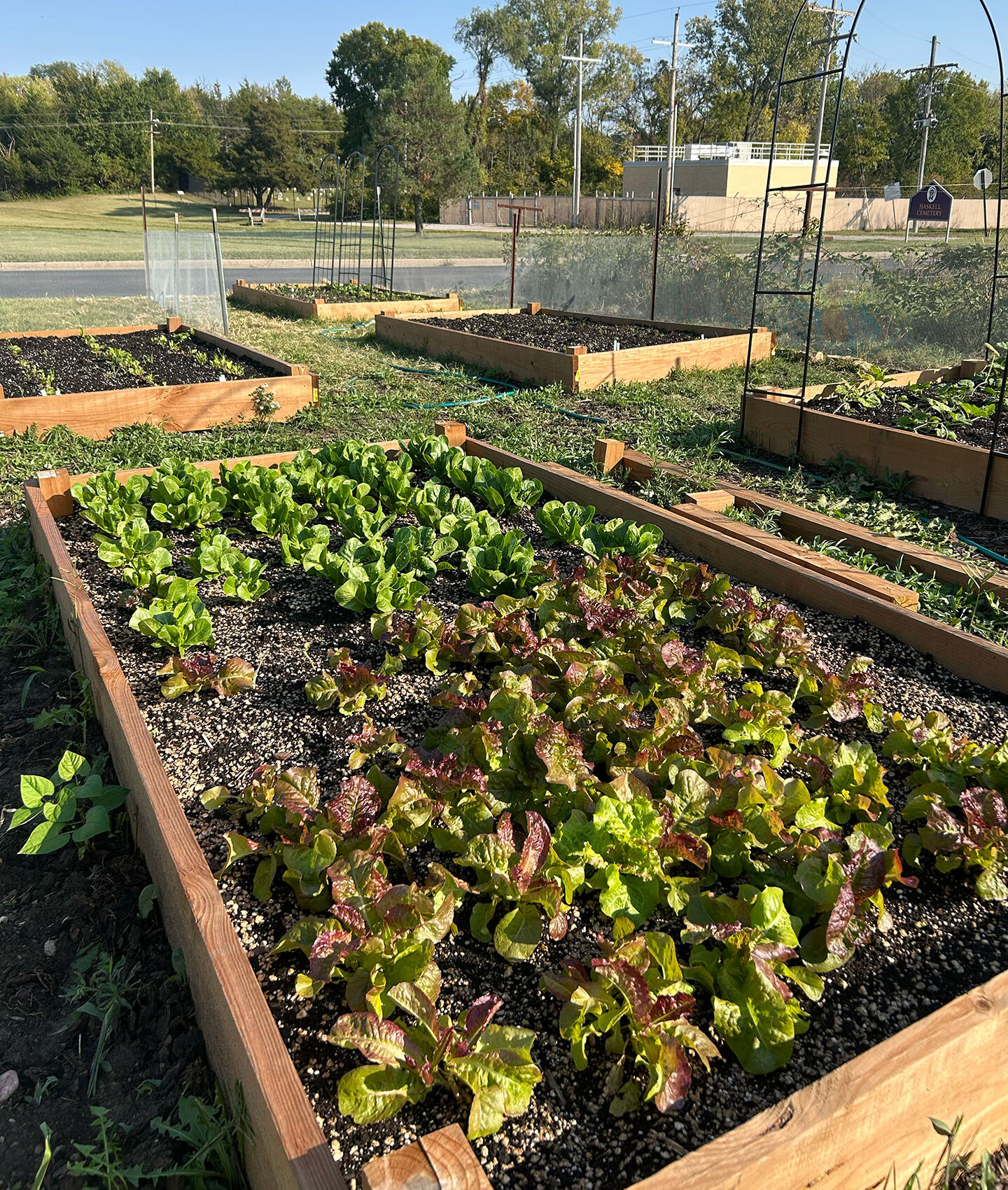
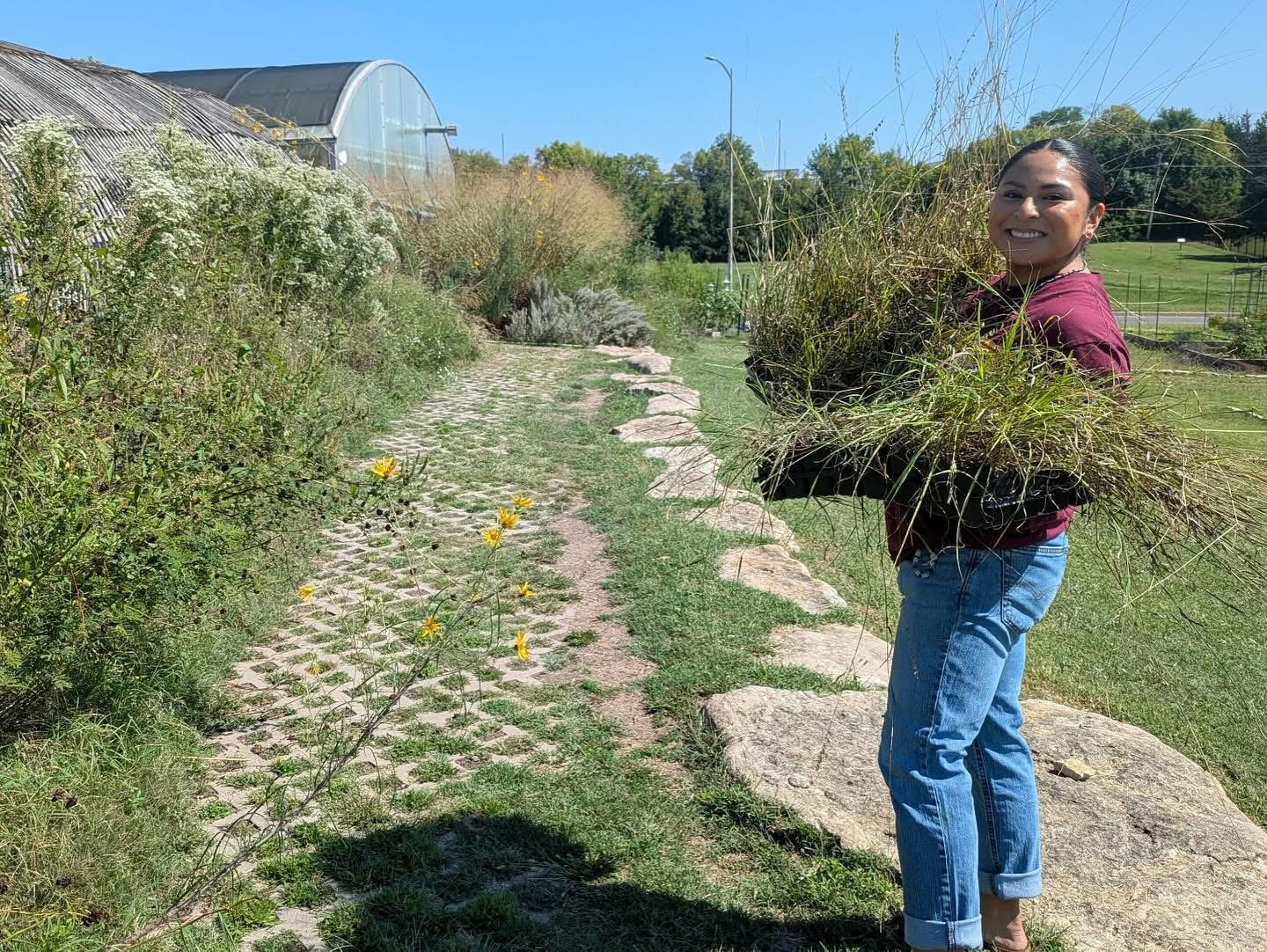
We came up with the idea of building raised garden beds near the dorms so students can easily access fresh foods and learn how to grow them themselves. Through support from the Haskell Greenhouse (funded through the USDA Equity Grant), we started building.
Last year was our first year doing this project and it was a learning experience as with many community-based projects, it comes with trial and error. However, that process taught us a lot about what works, what doesn’t, and how to build something more sustainable moving forward. This year, we’re continuing this work with stronger systems, more involvement, and a clearer vision.
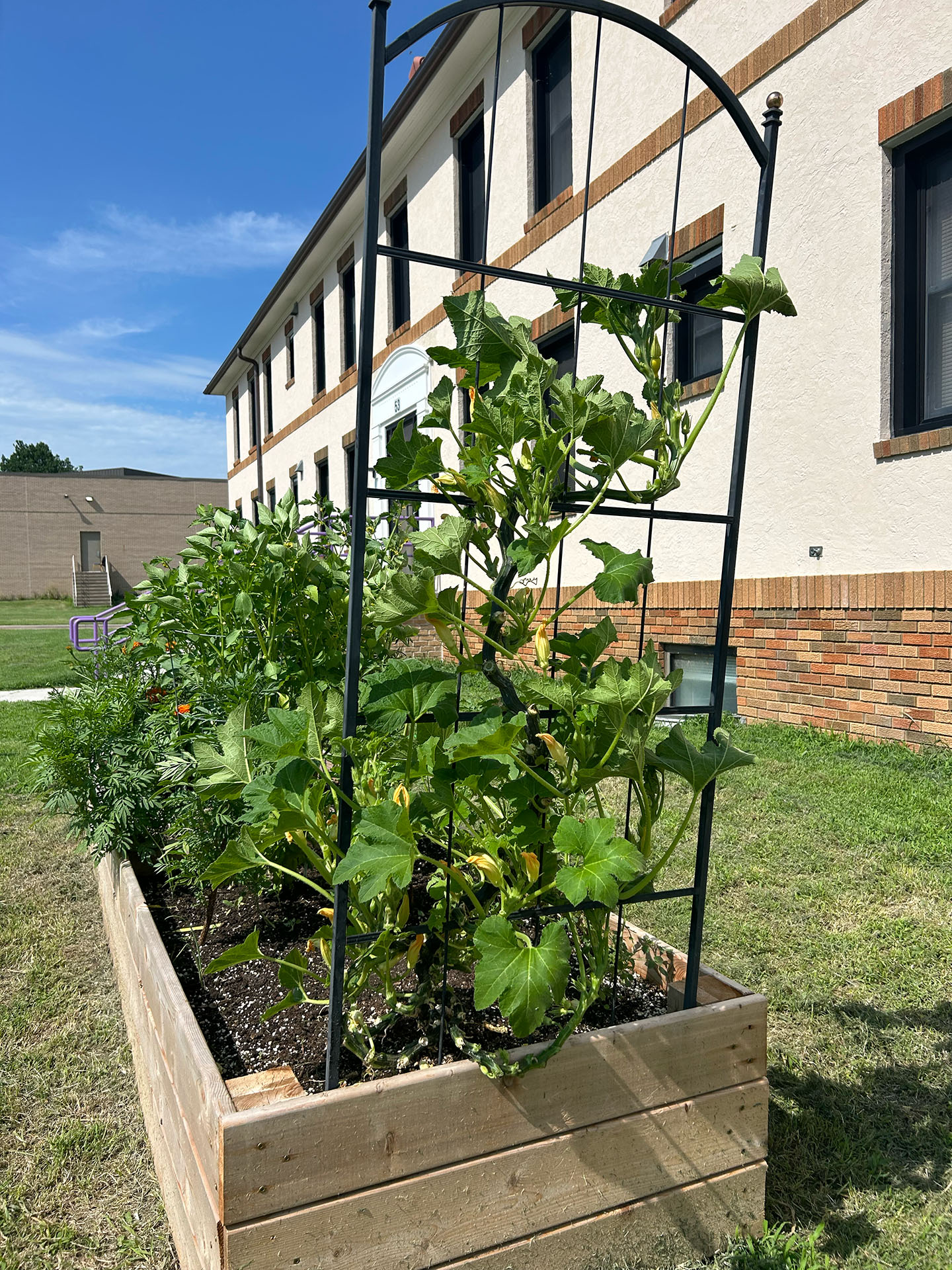
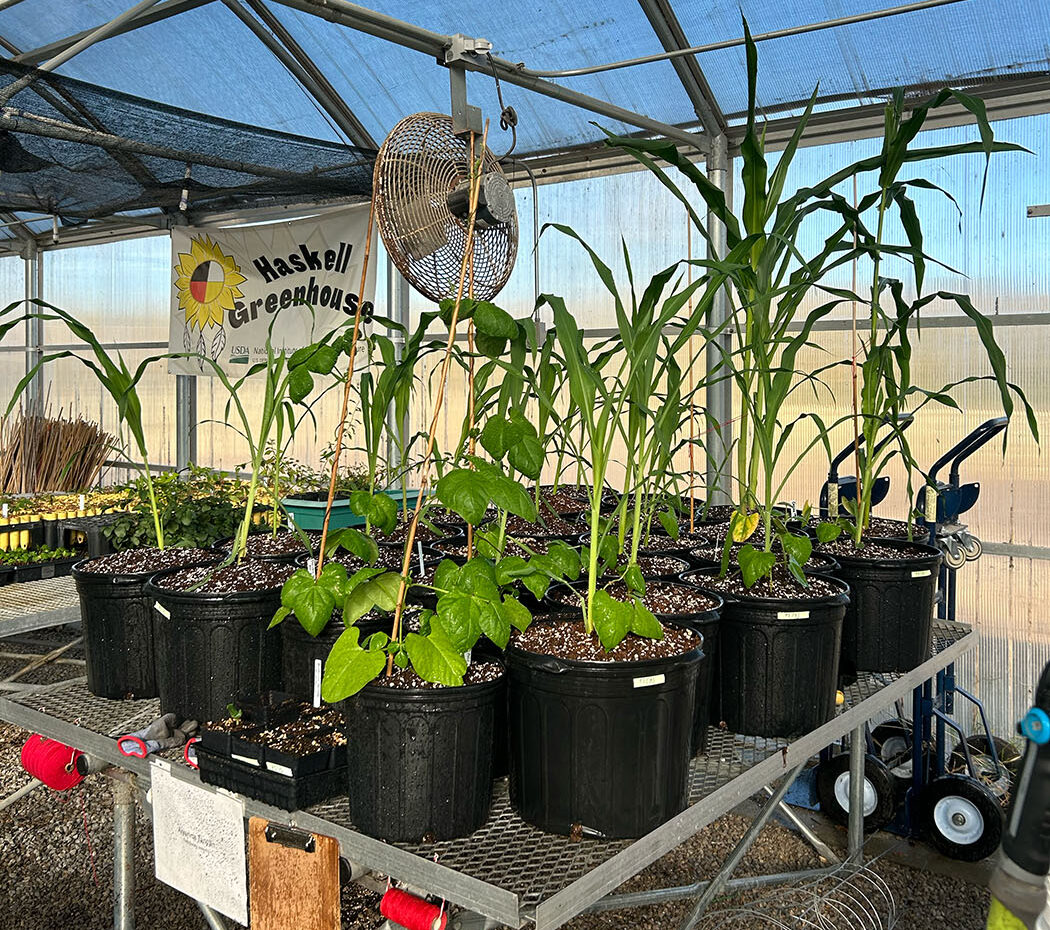
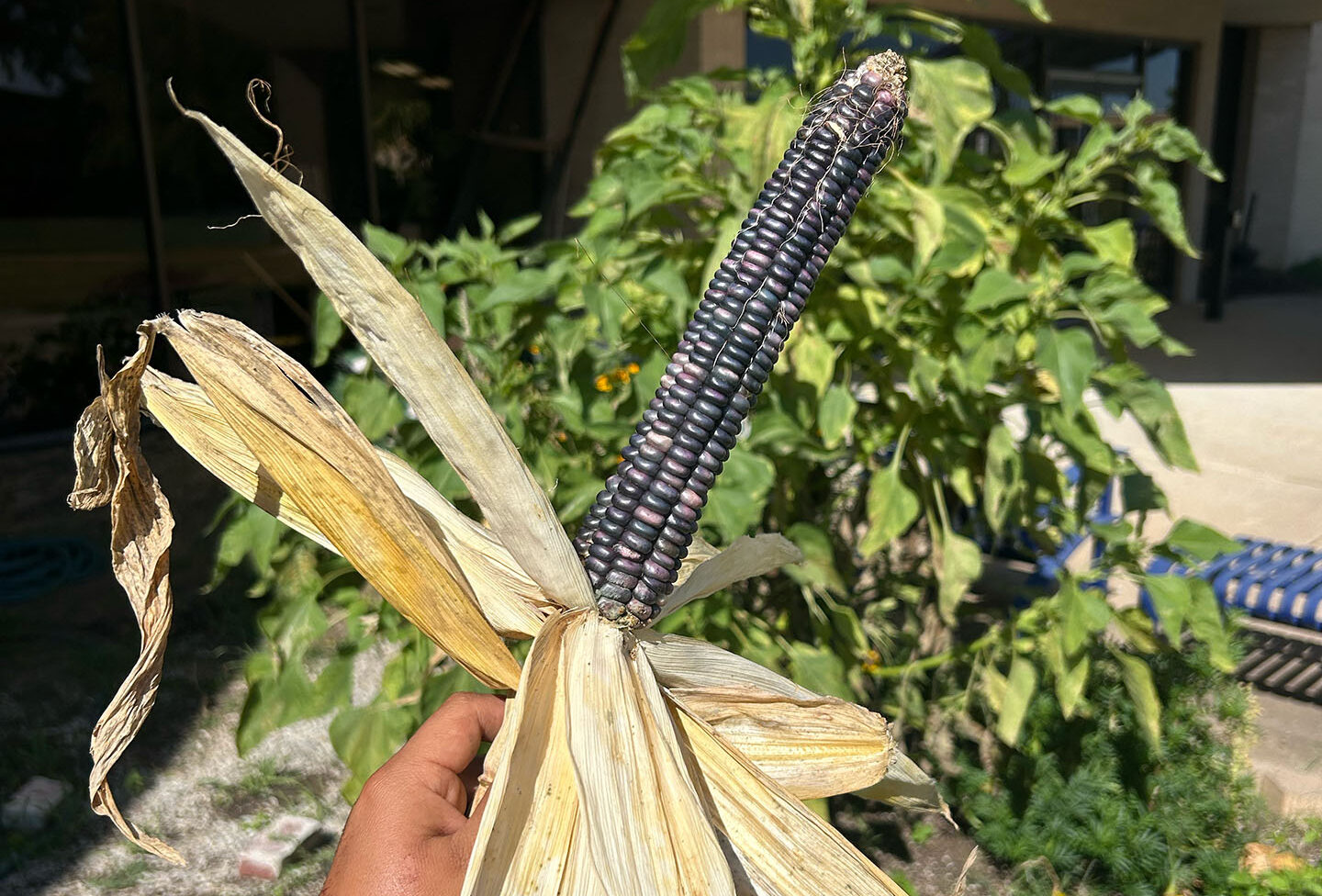
Everyone at the Haskell Greenhouse wants to help others learn, value, and view these spaces as places of teaching. I know they have taught me so much about responsibility and our relationship with the environment. Through these projects, we’re helping students reconnect with the land and understand the importance of food sovereignty for Indigenous communities. This work is ongoing, and we’re still learning. Every seed planted, and every workday shared brings us one step closer to a more sustainable and connected future.
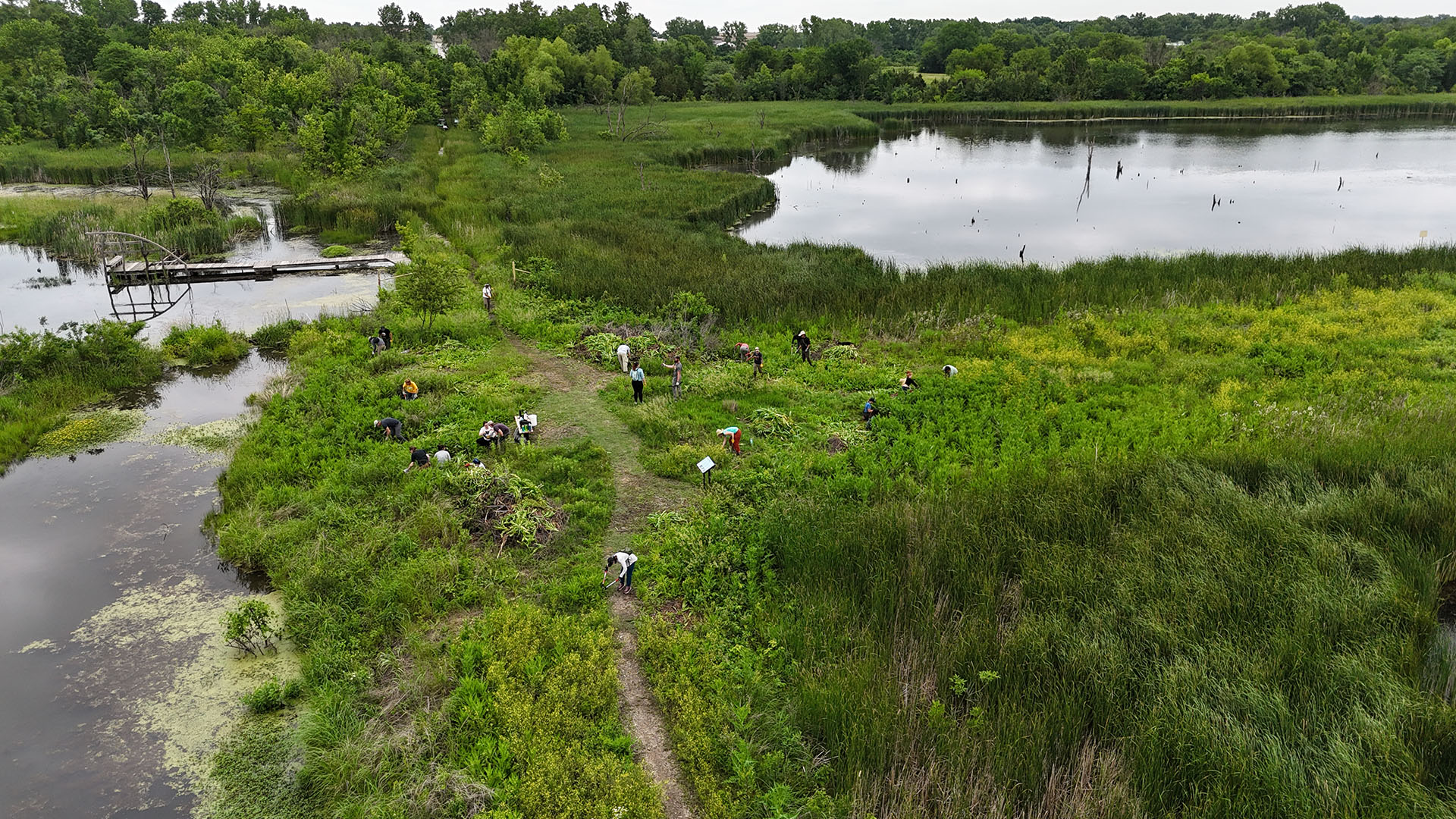
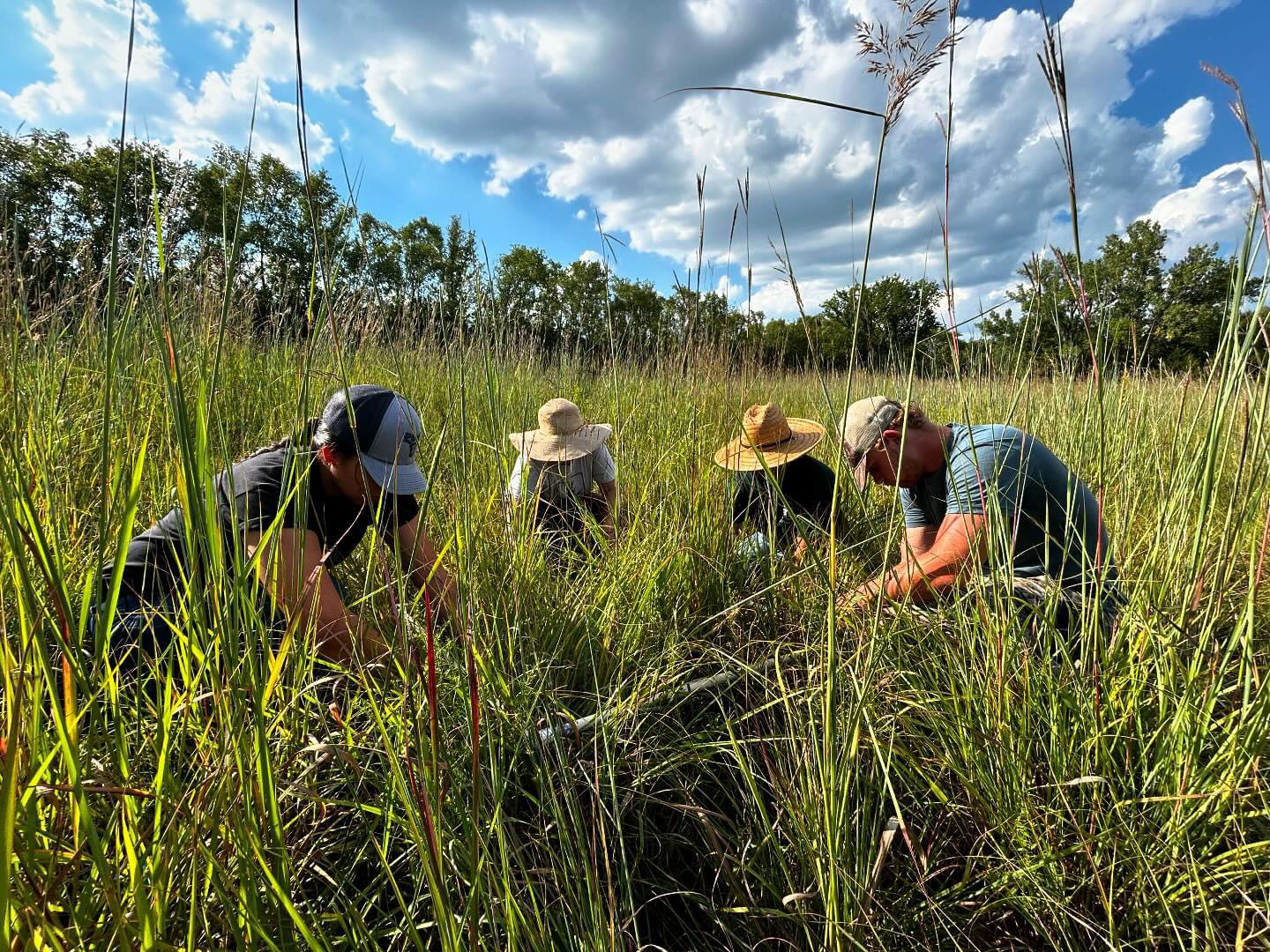
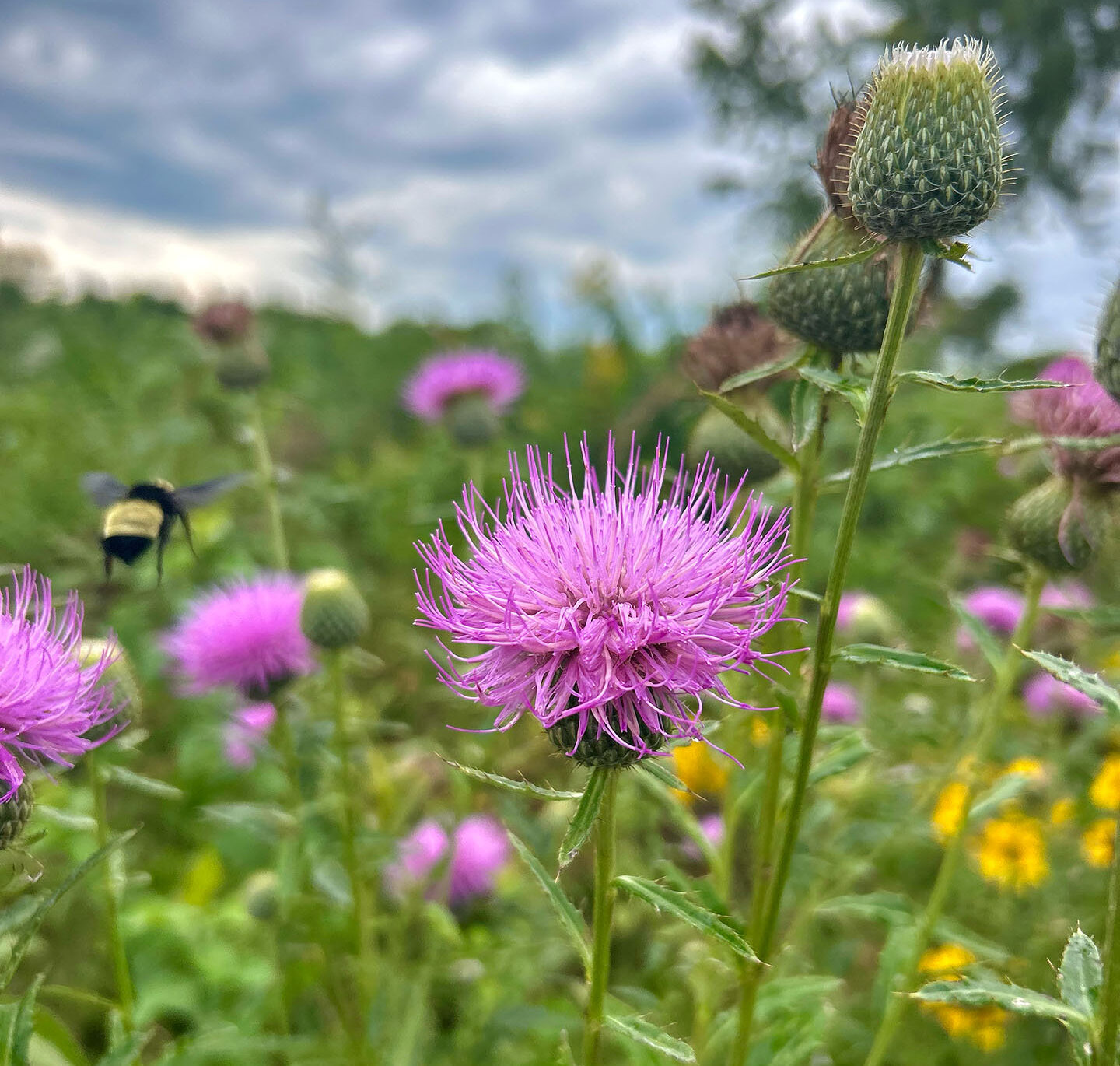
In Caring for Our Kin: Stories of Indigenous Environmental Stewardship, the College Fund shares the stories of Indigenous environmental leaders who are centering kinship and relational knowledge to build healthy ecological systems. These stories remind us that caring for the Earth means caring for one another—and that Indigenous knowledge systems continue to offer guidance, resilience, and hope for the future.
Learn more about our Environmental Stewardship Program.
Ekvnv Vcayecet. Mvto!
(Take care of the Earth/Land. Thank you)
More Blogs
Student Blogger, Therese: Gratitude
Rant-rant-rant is an expression of my developmentally- disabled- half- sister that she coined when she witnessed me feeling extremely stressed over challenges concerning getting her the care she needed. She calmly stated to me, “Therese, no rant-rant-rant.”
Student Blogger, Therese: Friends-Angels Among Us
During my summer season I have created some heart-fluttering, wake-up-smiling, indefinable memories with my friends, some of which have been accompanied with acquaintances.
Friendship is among life’s sacred gifts. I have a small circle of friends, with an outer expansive ring around it that includes acquaintances, akin to the ripple effect on a pool of water.
Student Blogger, Amber: Don’t Get Too Close
For the past month or so, I kept hearing rumors about bears walking around on the beach within city limits and by houses in town. I haven’t actually seen them myself, but I believed them because it’s not uncommon for wildlife to sometimes pop into town out of nowhere.
Therese:The Summer Colors and Flavors of Indigenous Culture
A plethora of indigenous peoples and traditionally utilitarian and aesthetically captivating objects provokes inspiration for artists and is full of rainbow colors illuminating in the radiating summer sun. André Gide said, “Art is collaboration between [creator] and the artist, and the less the artist does the better.” Creating art is my main focus on my earth walk at this time. I certainly feel amazed and ponder “Who created this?” when I finish a piece of art that is beyond what I felt capable of on my own.
Amber: My Reason for College
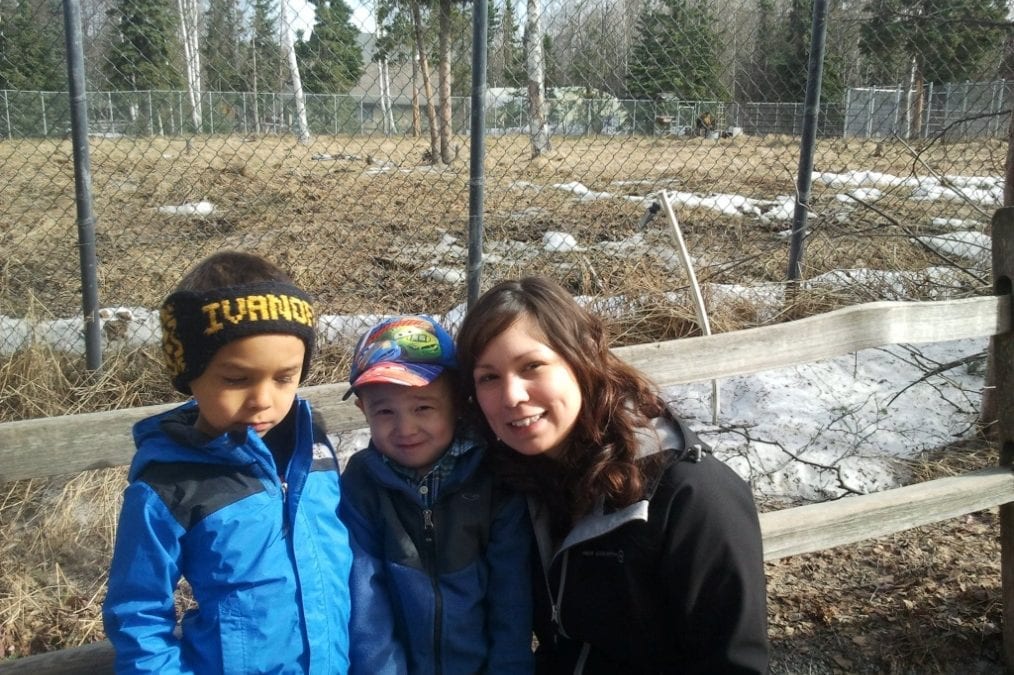
I’ve been going to school off and on for eight years now. It may be another four years before I get my master’s degree in education! My gram laughs and says, “You’re going to be an old lady by the time you finish school and start working!” I just laugh along with her.
Student Blogger, Therese: Come on, Get Happy
The title is a song that has been skipping in my memory since I realized my feelings trumped my view: specifically the view of a barren, arid, desert landscape I passed through from a happy place to a place I have been in, pondering my emotions.
Sharing Stories through Imagery: Pathways to Improving Early Childhood Education in Native Communities
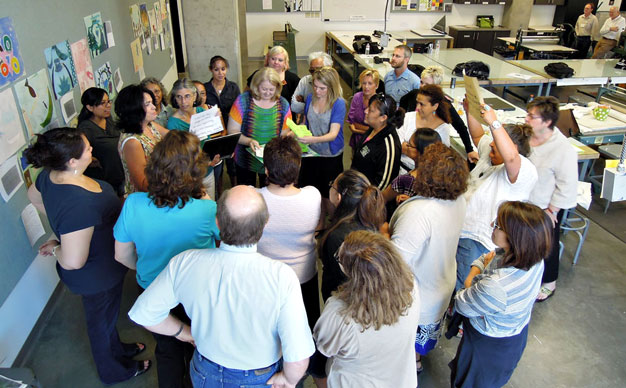
Four tribal colleges who are grantees in the Kellogg Wakanyeja “Sacred Little Ones” Early Childhood Education Initiative met last week in Boulder, Colorado. The teams came from across North America, including Ilisagvik College, Barrow, Alaska; College of Menominee Nation (CMN), Keshena, Wisconsin, Northwest Indian College (NWIC), Bellingham, Washington; and Southwestern Indian Polytechnic Institute (SIPI), Albuquerque, New, Mexico.
Walmart Foundation Gives $100,000 for First-Generation Native Scholarships
The American Indian College Fund will award 16 scholarships to first-generation, first-time Native tribal college students through a $100,000 grant from the Walmart Foundation. For more than a decade, the Walmart Foundation has funded Native student scholarships through the American Indian College Fund.
Leech Lake Tribal College Names Dr. Donald Day as its Next President
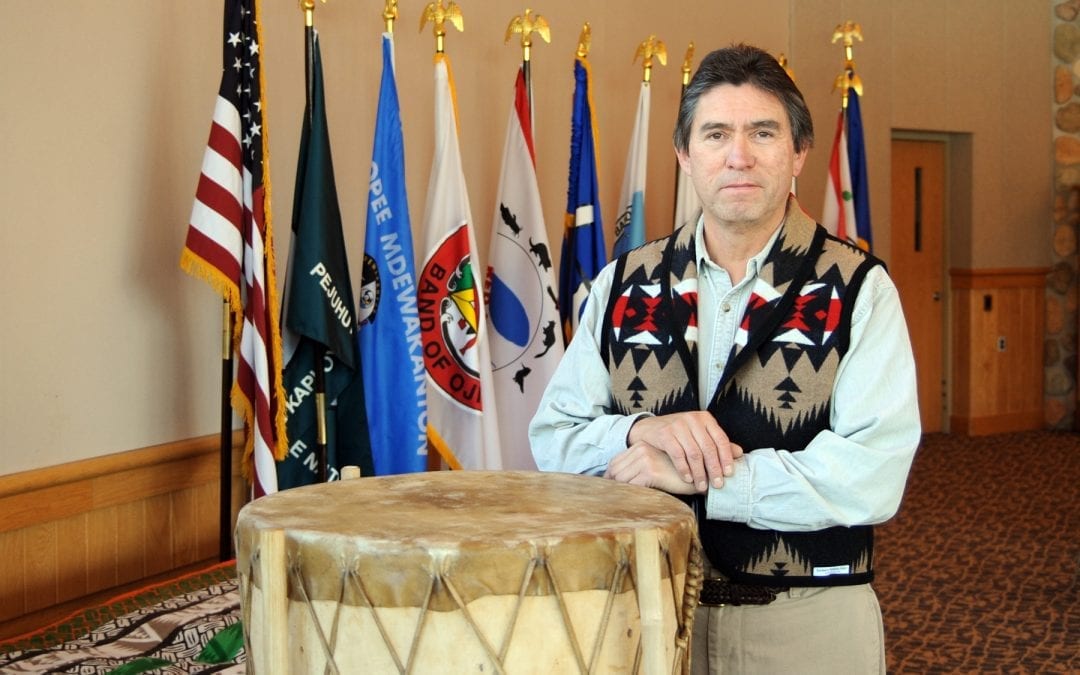
Cass Lake, MN-The Board of Trustees of Leech Lake Tribal College has announced that Dr. Donald Day, Director of the American Indian Resource Center at Bemidji State University, has been selected as the next President of the College, effective August 13. He will succeed Dr. Ginny Carney, who is retiring in August after more than a decade of service at LLTC.
Student Blogger Amber: Summer Fishing
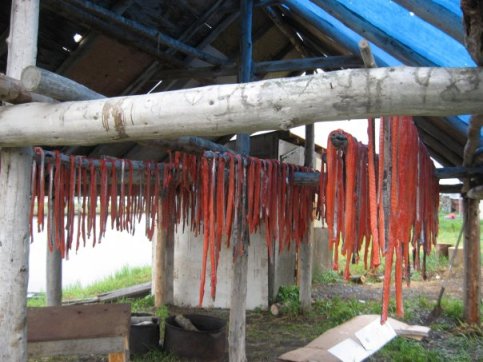
My hometown, Unalakleet, is an Inupiaq village located in the Norton Sound region of Alaska. We get a great deal of wind in our area because Unalakleet is located right on the coast: the Bering Sea. The town consists of about 750 people year-round. Most residents are of Inupiat Eskimo descent. The non-Natives that reside in Unalakleet are mostly teachers.