
Planting the Seeds of Cultural Sustainability
April 22, 2026 | Student Ambassador Aiyanna Tanyan’s (Seminole Nation of Oklahoma) work to reclaim food sovereignty
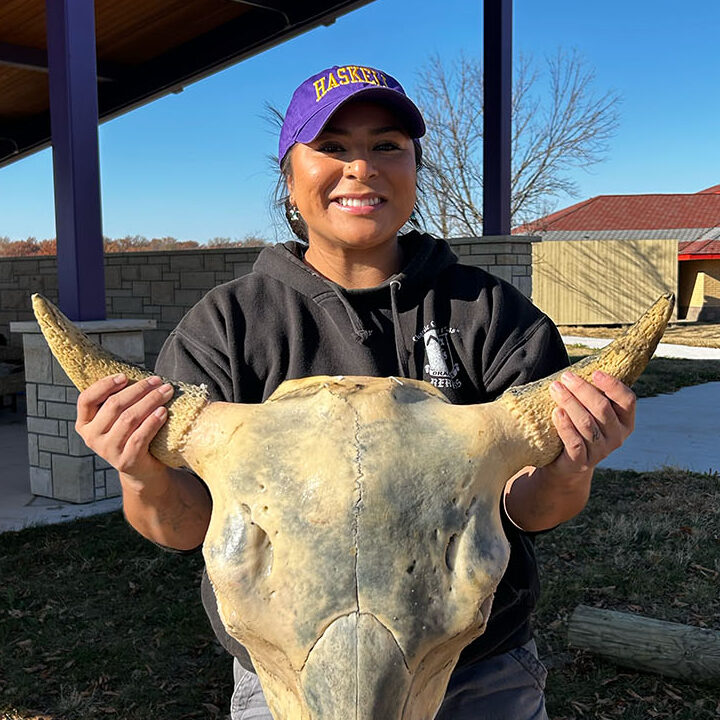
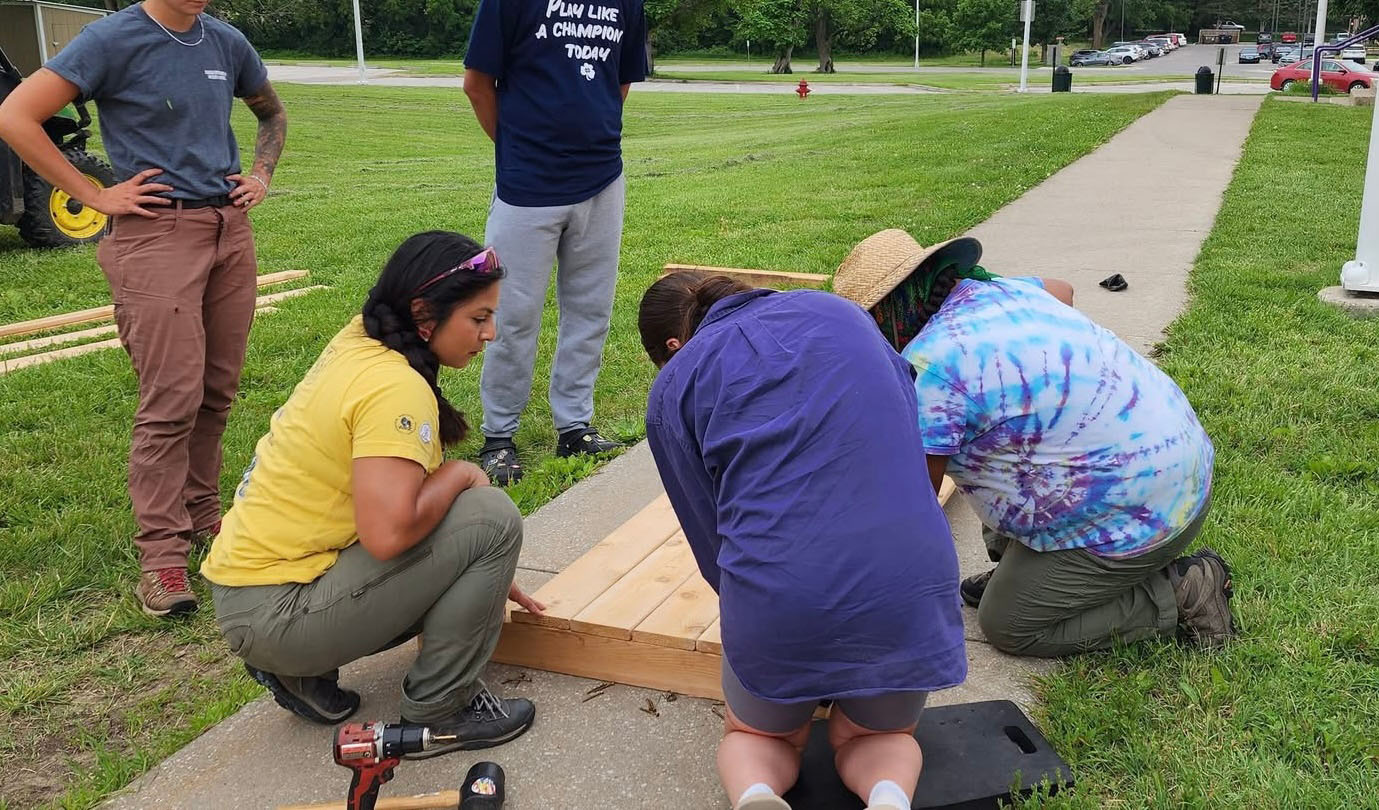
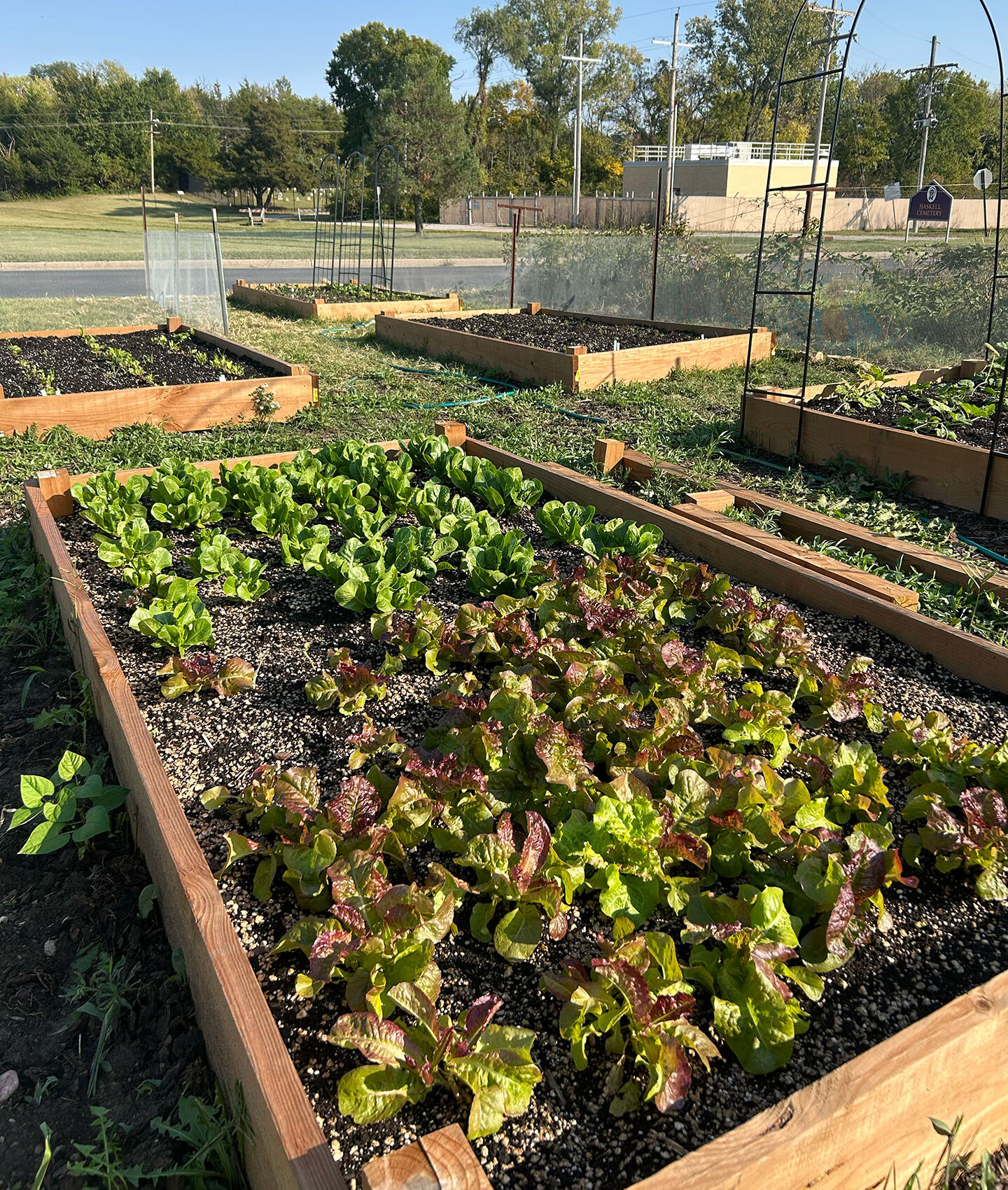
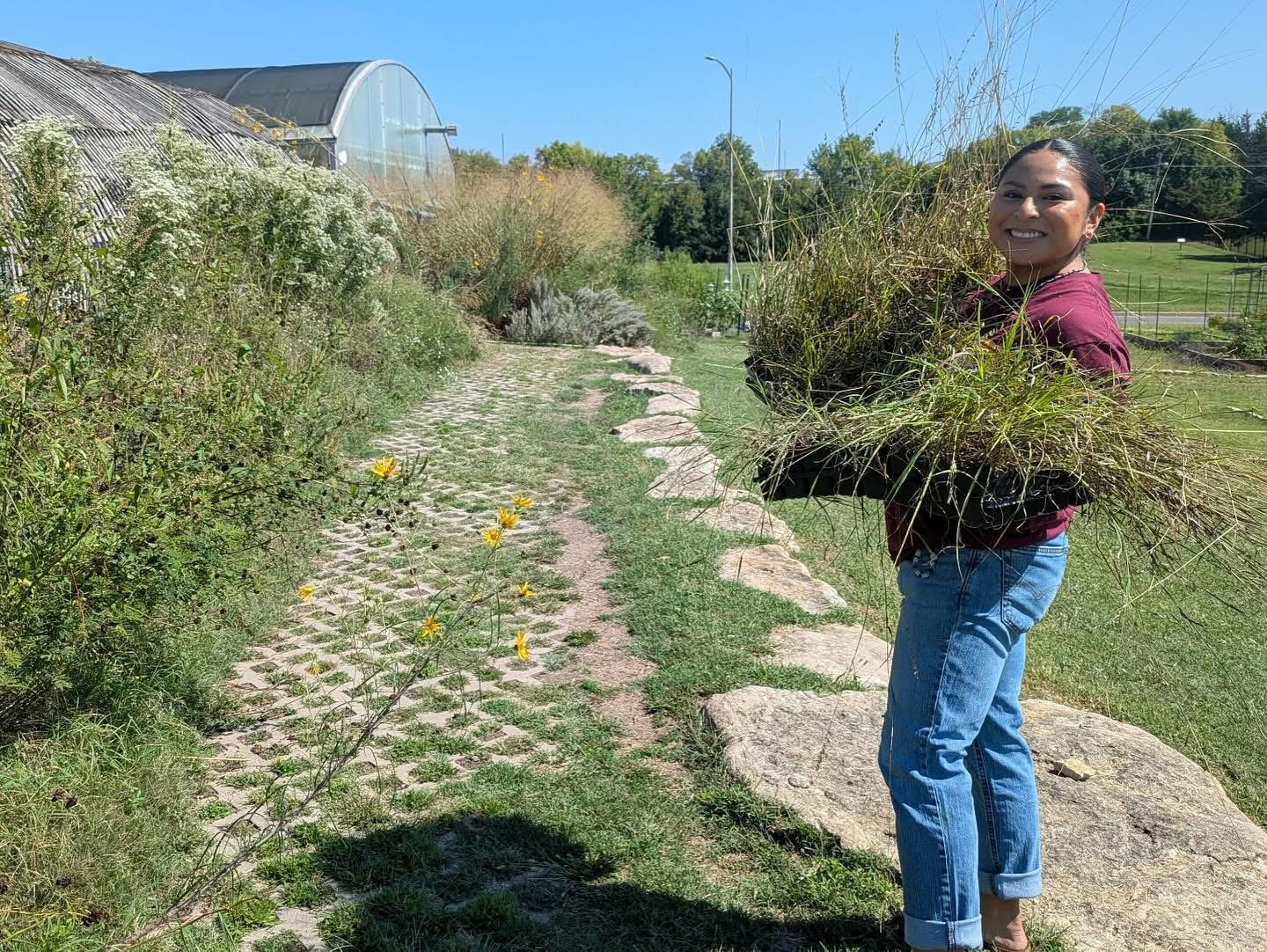
We came up with the idea of building raised garden beds near the dorms so students can easily access fresh foods and learn how to grow them themselves. Through support from the Haskell Greenhouse (funded through the USDA Equity Grant), we started building.
Last year was our first year doing this project and it was a learning experience as with many community-based projects, it comes with trial and error. However, that process taught us a lot about what works, what doesn’t, and how to build something more sustainable moving forward. This year, we’re continuing this work with stronger systems, more involvement, and a clearer vision.
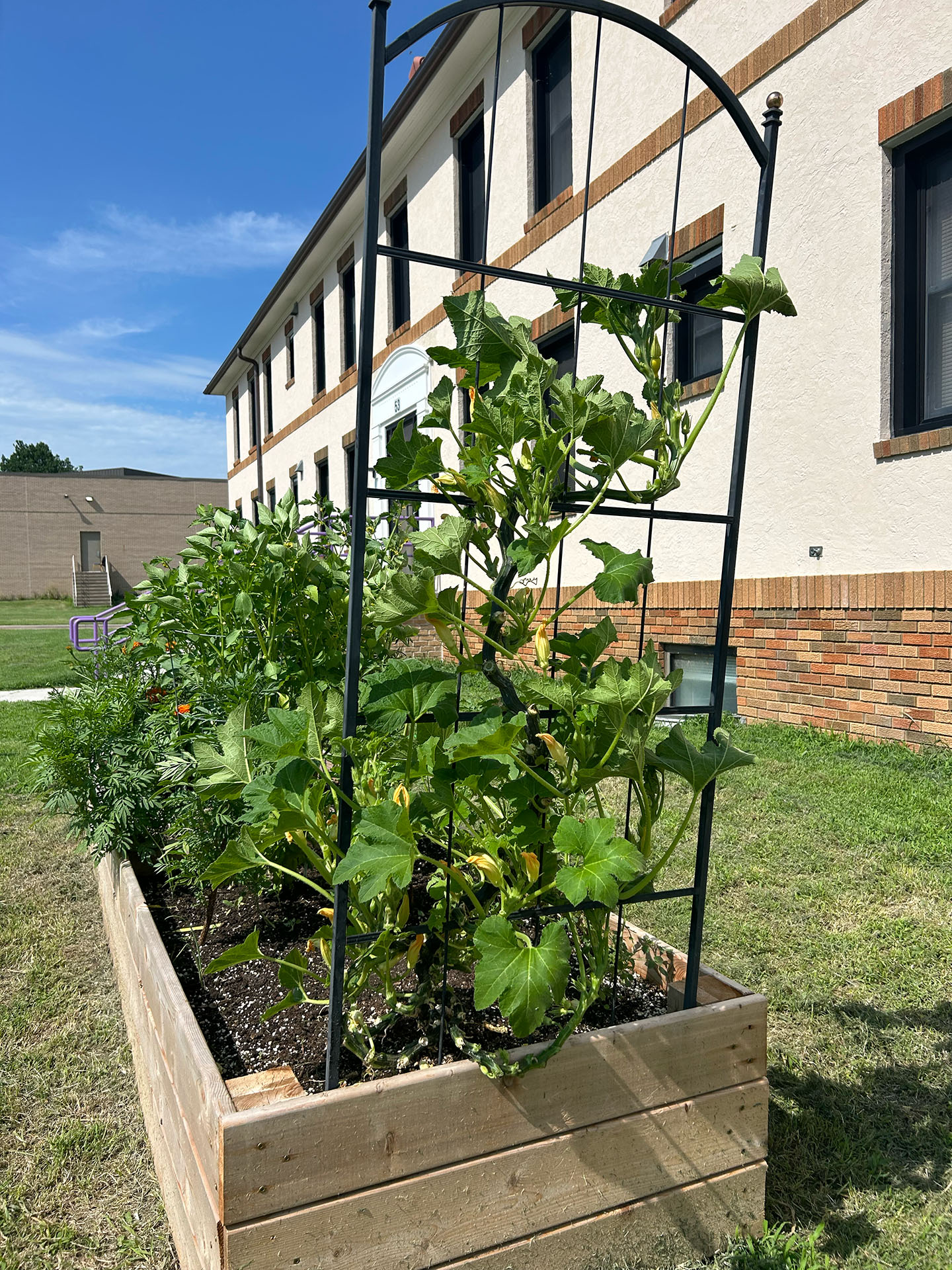
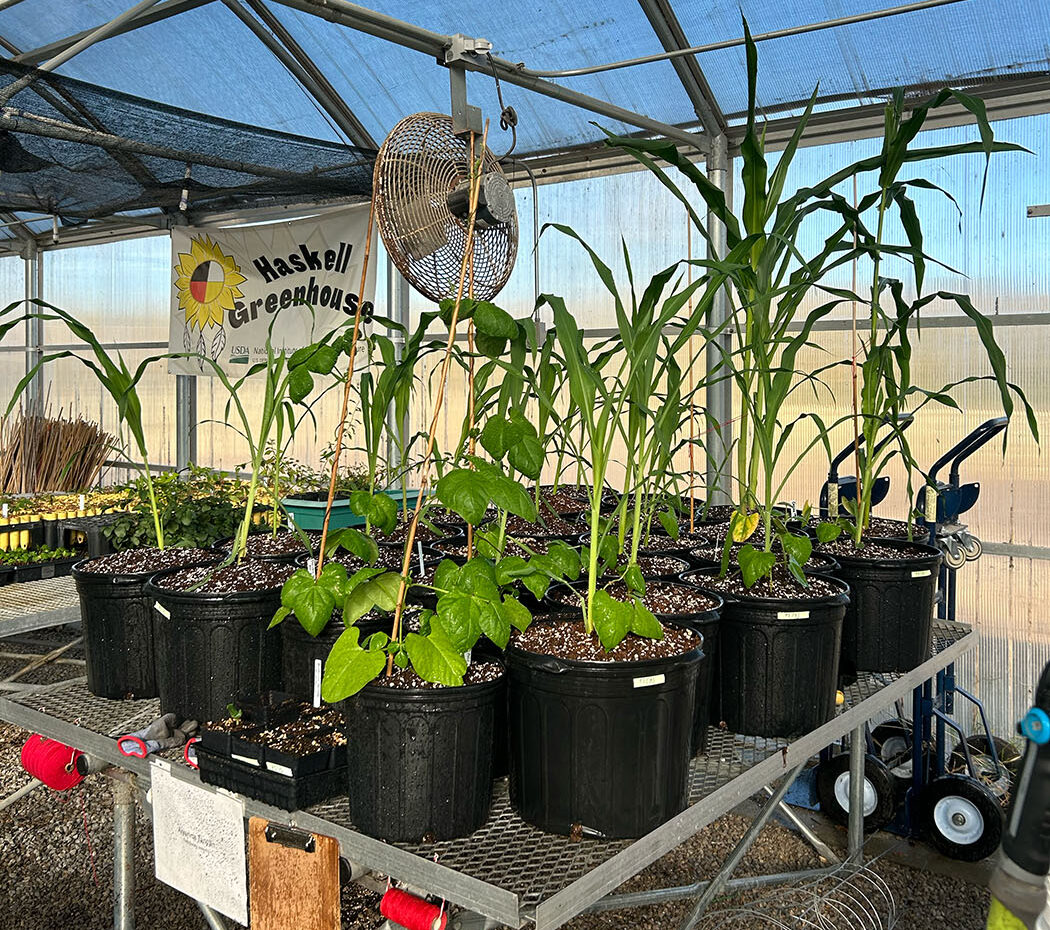
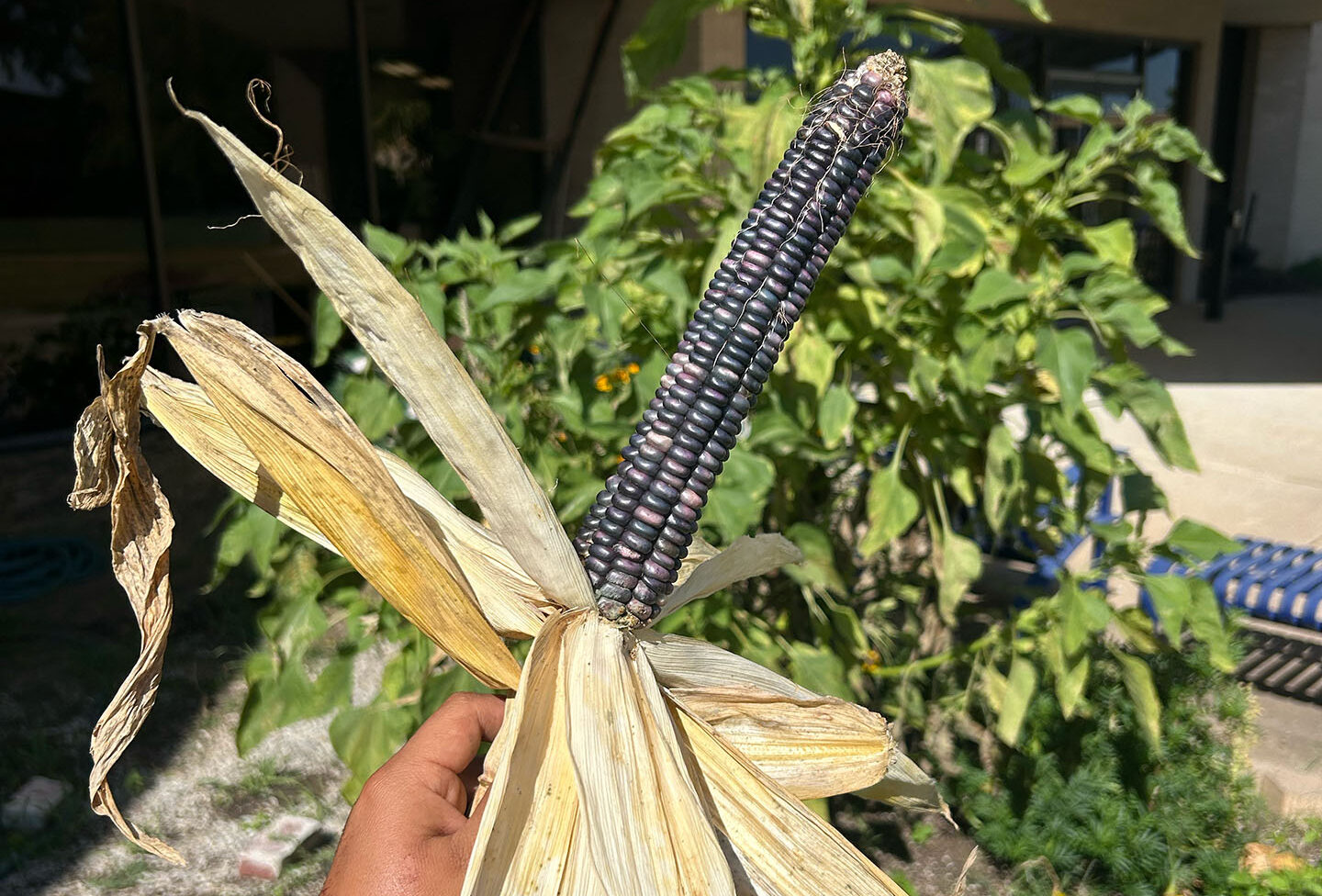
Everyone at the Haskell Greenhouse wants to help others learn, value, and view these spaces as places of teaching. I know they have taught me so much about responsibility and our relationship with the environment. Through these projects, we’re helping students reconnect with the land and understand the importance of food sovereignty for Indigenous communities. This work is ongoing, and we’re still learning. Every seed planted, and every workday shared brings us one step closer to a more sustainable and connected future.
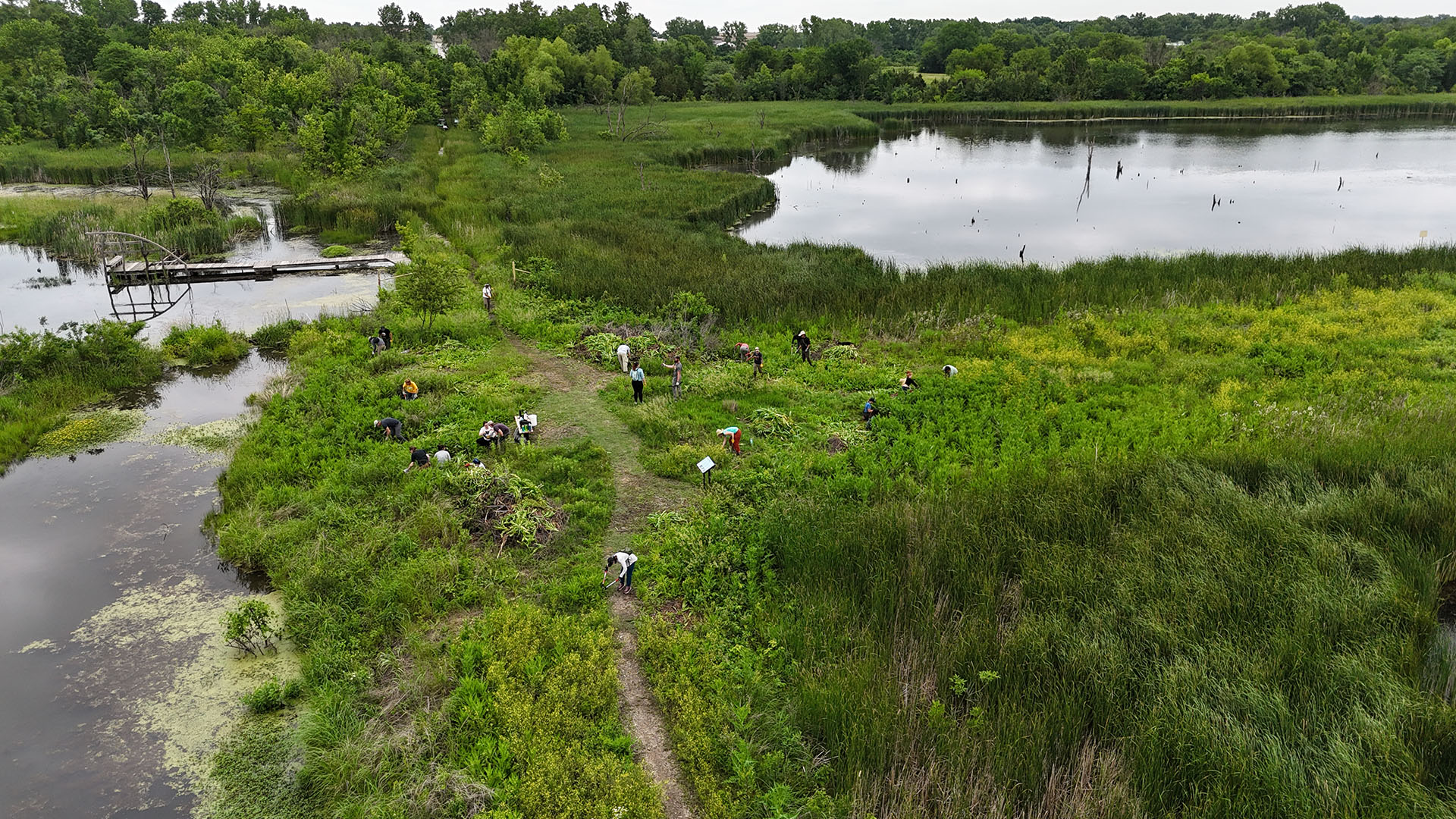
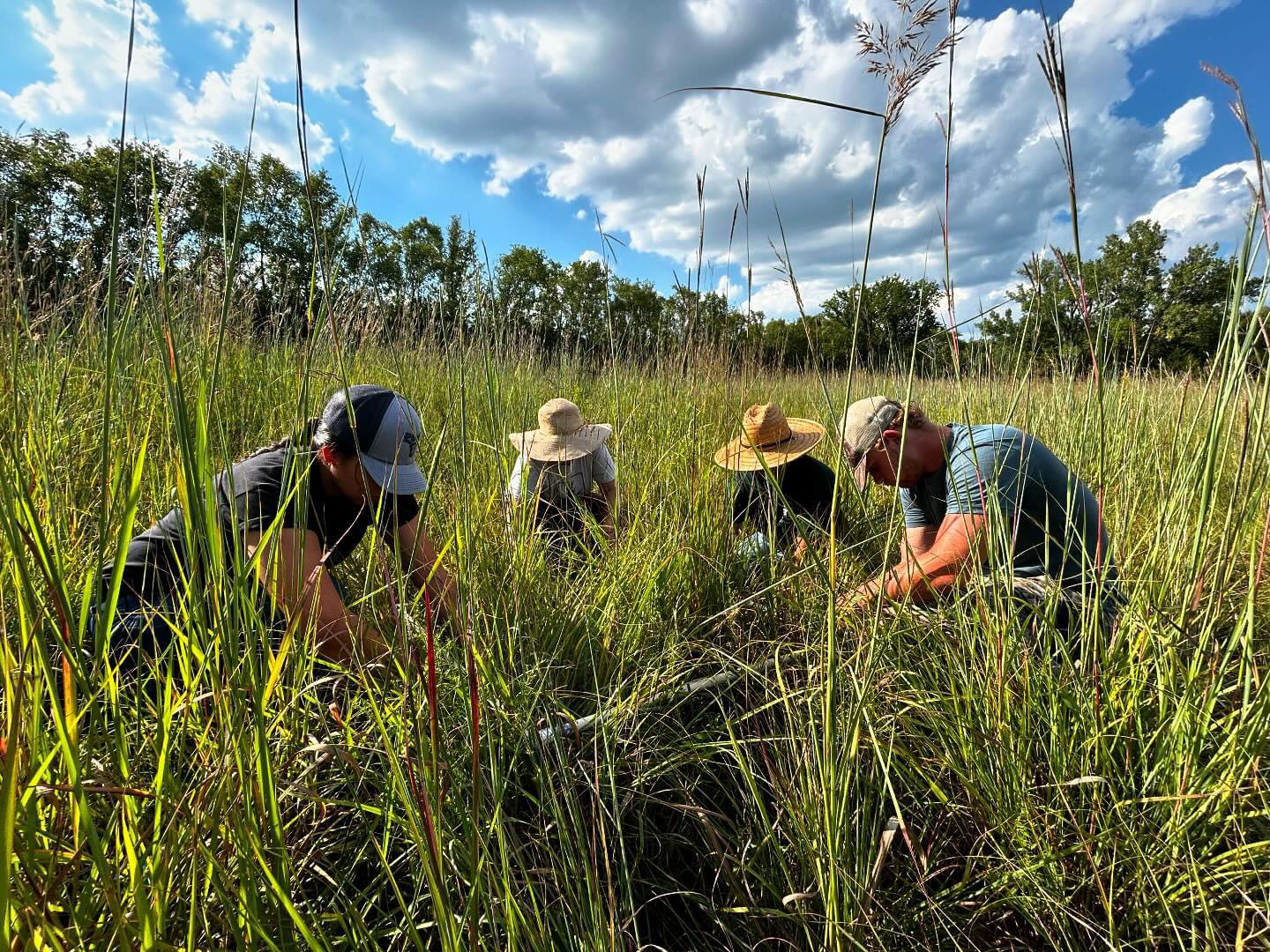
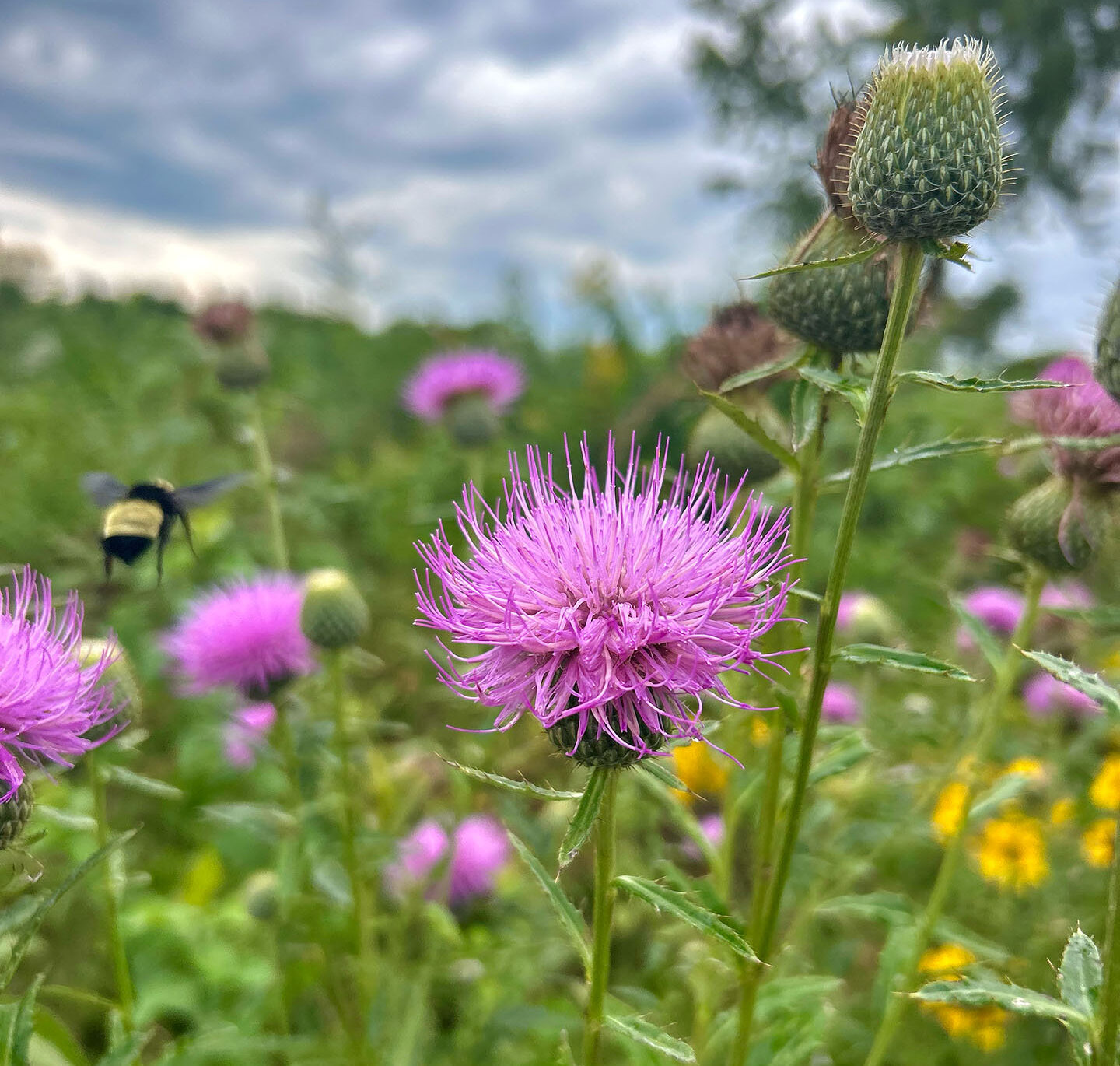
In Caring for Our Kin: Stories of Indigenous Environmental Stewardship, the College Fund shares the stories of Indigenous environmental leaders who are centering kinship and relational knowledge to build healthy ecological systems. These stories remind us that caring for the Earth means caring for one another—and that Indigenous knowledge systems continue to offer guidance, resilience, and hope for the future.
Learn more about our Environmental Stewardship Program.
Ekvnv Vcayecet. Mvto!
(Take care of the Earth/Land. Thank you)
More Blogs
Nancy Allison Perkins Foundation Grants $10,000 to American Indian College Fund
The American Indian College Fund received a grant of $10,000 from the Illinois-based Nancy Allison Perkins Foundation for college scholarship support to American Indian students.
Naming and Claiming Intellectual Capital Increases Self-Efficacy at Tribal Colleges
“Without question, Native peoples have always believed in education and its ability to draw out inner potential to promote self-sufficient, self-confident, positive thinking and knowledgeable people with the emotional intelligence to build quality lives.” Dr. Henrietta Mann
Attention All Tribal College Alumni!
We are looking for alumni to share their stories with the American Indian College Fund. Where are you today? How did attending a tribal college make the difference in your career? Please drop us a line and let us know how you are doing at dhorwedel@collegefund.org
3 on 3 Legends Challenge to Benefit American Indian College Fund
Don’t miss an exciting chance to see the players who made the game of pro basketball hit the court to raise money for American Indian scholarships. Forty basketball legends will square off at 11 a.m. Saturday, Feb. 19 at USC Galen Center, 3400 S. Figueroa Street, Los Angeles, California. Seats are general admission. Cost of entry is a donation to the American Indian College Fund. The event is being sponsored by Pro Player Holdings LLC and Nike.
Peierls Foundation, Inc. Grants American Indian College Fund $100,300 for Scholarships
The Peierls Foundation, Inc. has announced it is granting the American Indian College Fund (the Fund) $100,300 to support American Indian student scholarships.
Tribes demonstrate true spirit of Native giving
Cultural misunderstandings often lead to stereotypes. The phrase “Indian giver” is a perfect example of that. This slang term for someone that renegs on a gift by asking for its return after giving it is rooted in stories from early Dutch traders who came to the new world as traders and businessmen.
The Dennis and Phyllis Washington Foundation Renews Commitment with $10,000 Gift
The Dennis and Phyllis Washington Foundation has renewed a grant to the American Indian College Fund (the Fund) for $10,000 for scholarships for American Indian students. The amount will be disbursed equally to students attending Montana’s seven tribal colleges.
Allstate Foundation Grants $50,000 to Establish Scholarship Program
The American Indian College Fund (the Fund) was awarded $50,000 from the Allstate Foundation, which launches the Allstate Foundation Tribal College Scholarship Program. This program is providing scholarship support to American Indian students pursuing higher education at tribal colleges and universities during the spring 2011 semester.
The Bennett Family Foundation Grants $20,000 to American Indian College Fund
The American Indian College Fund (the Fund) received a $20,000 renewal grant from the Bennett Family Foundation for scholarships for American Indian students.
American Indian College Fund Receives $50,000 from Santa Fe Natural Tobacco Company Foundation
The Santa Fe Natural Tobacco Company Foundation (SFNTC) entered its third decade of supporting the American Indian College Fund by awarding $50,000 to continue the Santa Fe Natural Tobacco Company Foundation Tribal College Scholarship Program for the spring 2011 semester.