
Planting the Seeds of Cultural Sustainability
April 22, 2026 | Student Ambassador Aiyanna Tanyan’s (Seminole Nation of Oklahoma) work to reclaim food sovereignty
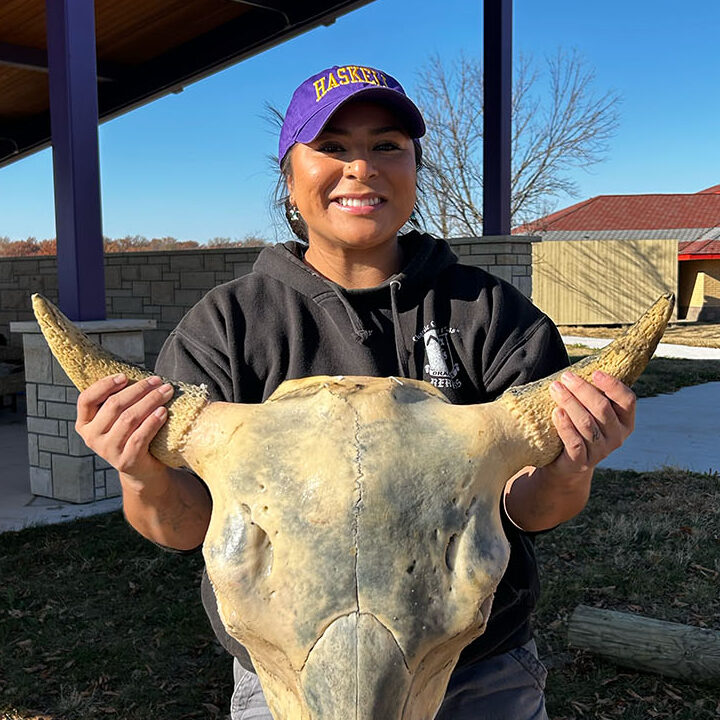
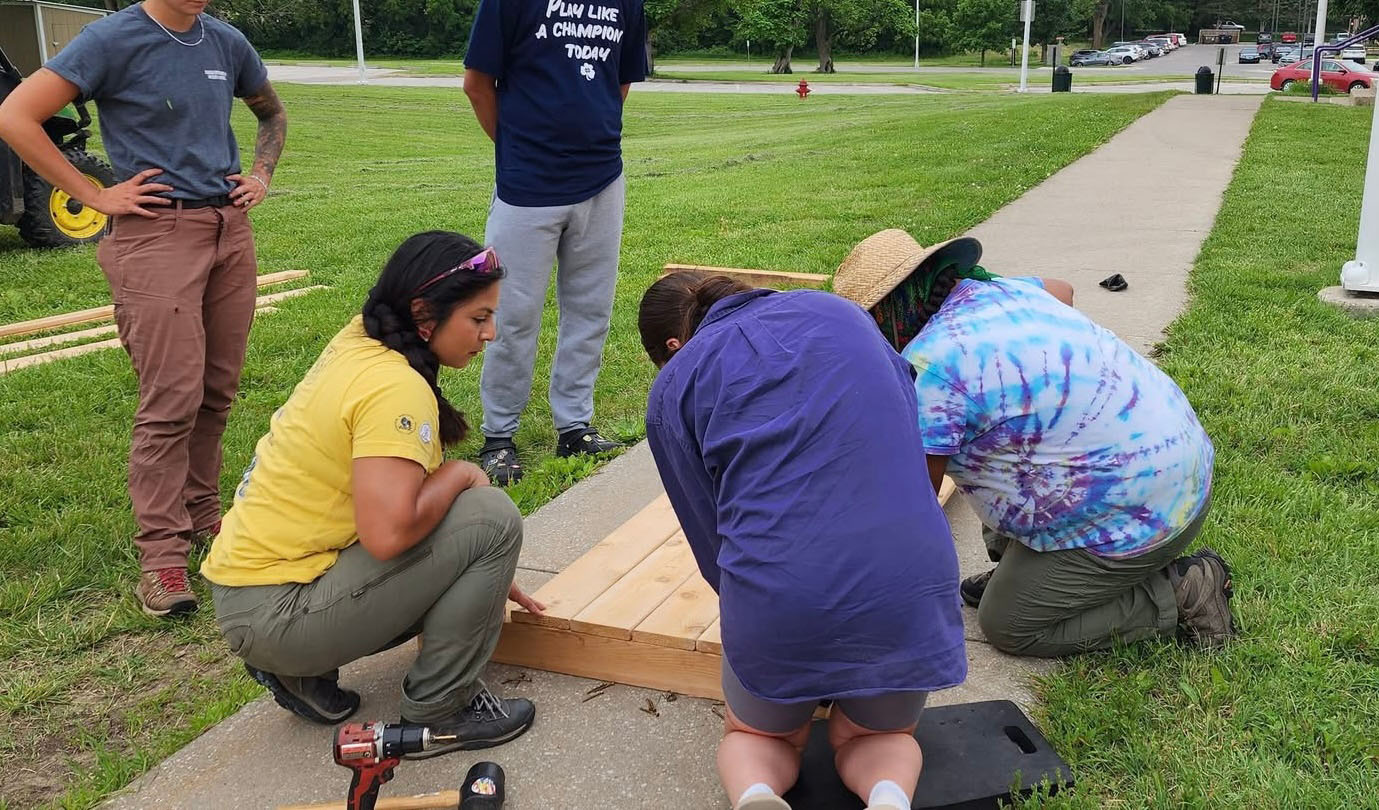
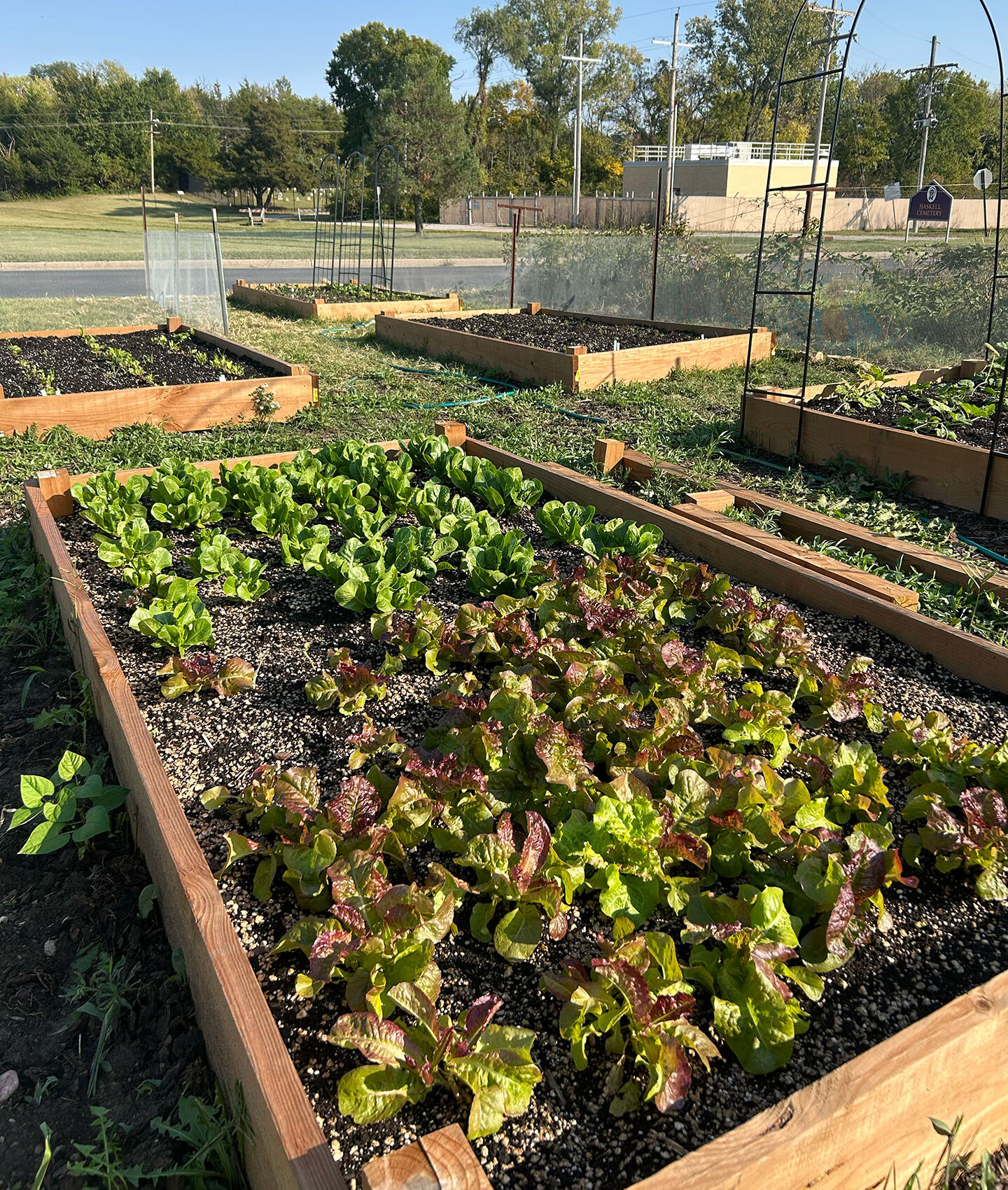
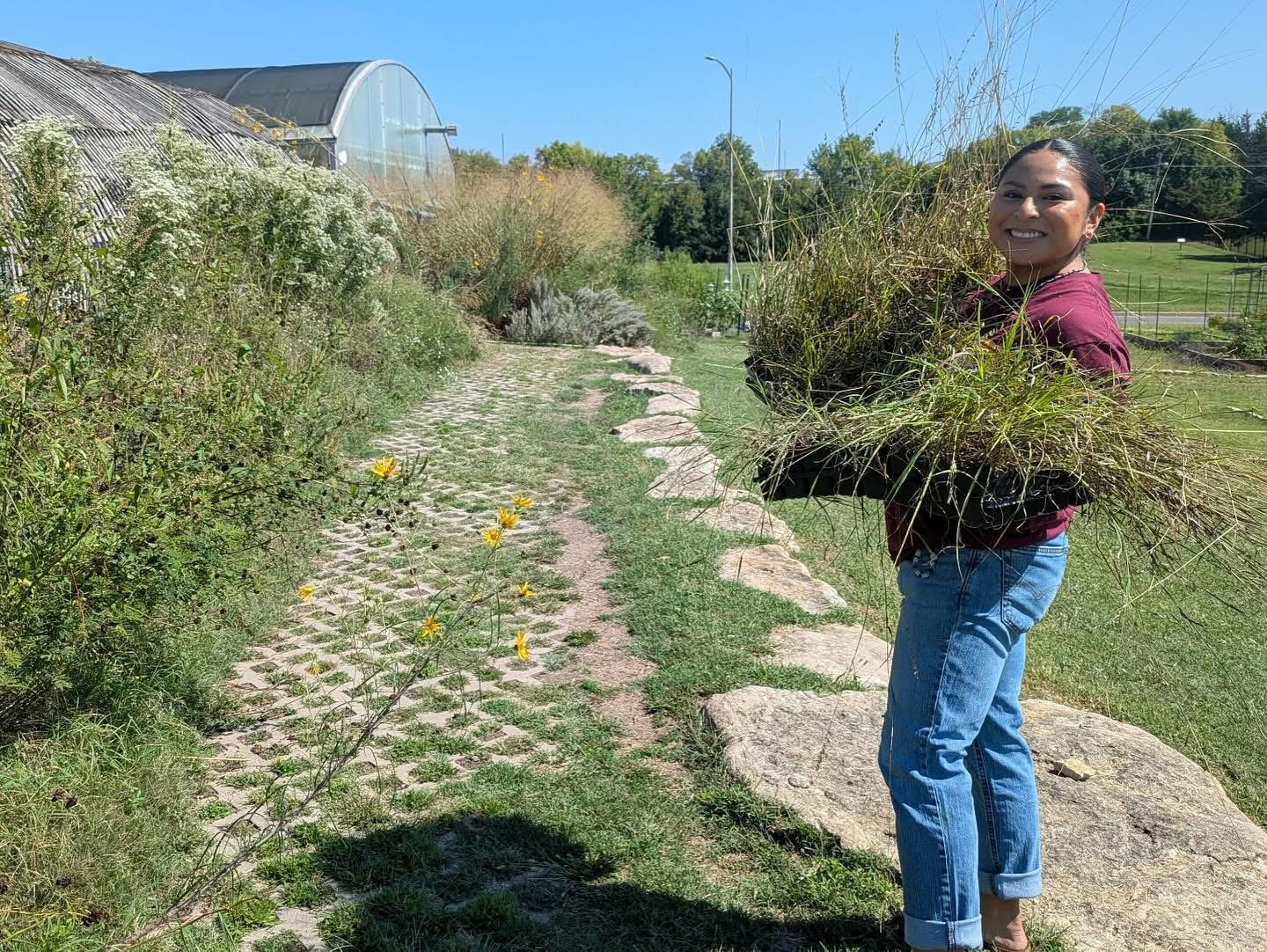
We came up with the idea of building raised garden beds near the dorms so students can easily access fresh foods and learn how to grow them themselves. Through support from the Haskell Greenhouse (funded through the USDA Equity Grant), we started building.
Last year was our first year doing this project and it was a learning experience as with many community-based projects, it comes with trial and error. However, that process taught us a lot about what works, what doesn’t, and how to build something more sustainable moving forward. This year, we’re continuing this work with stronger systems, more involvement, and a clearer vision.
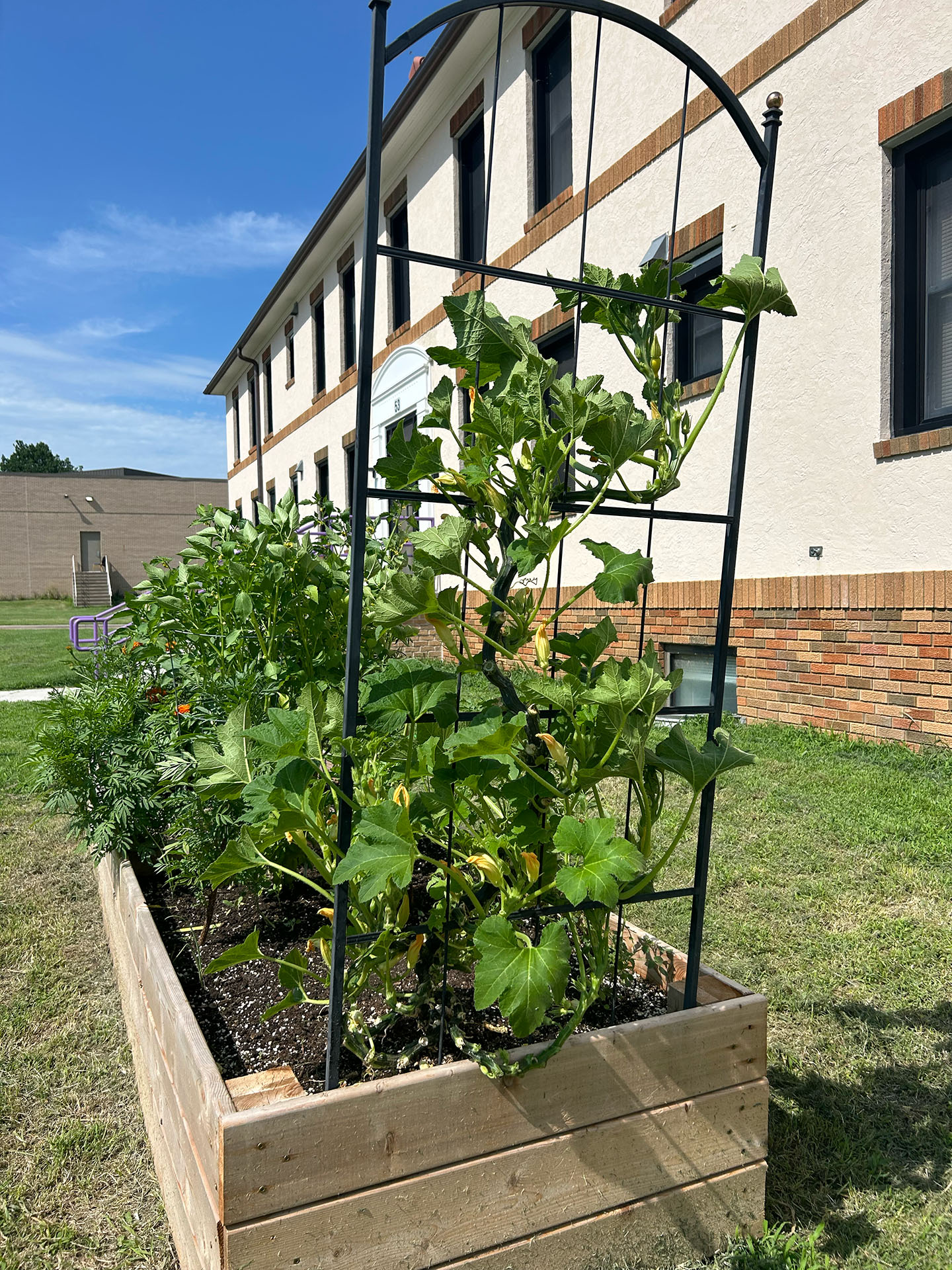
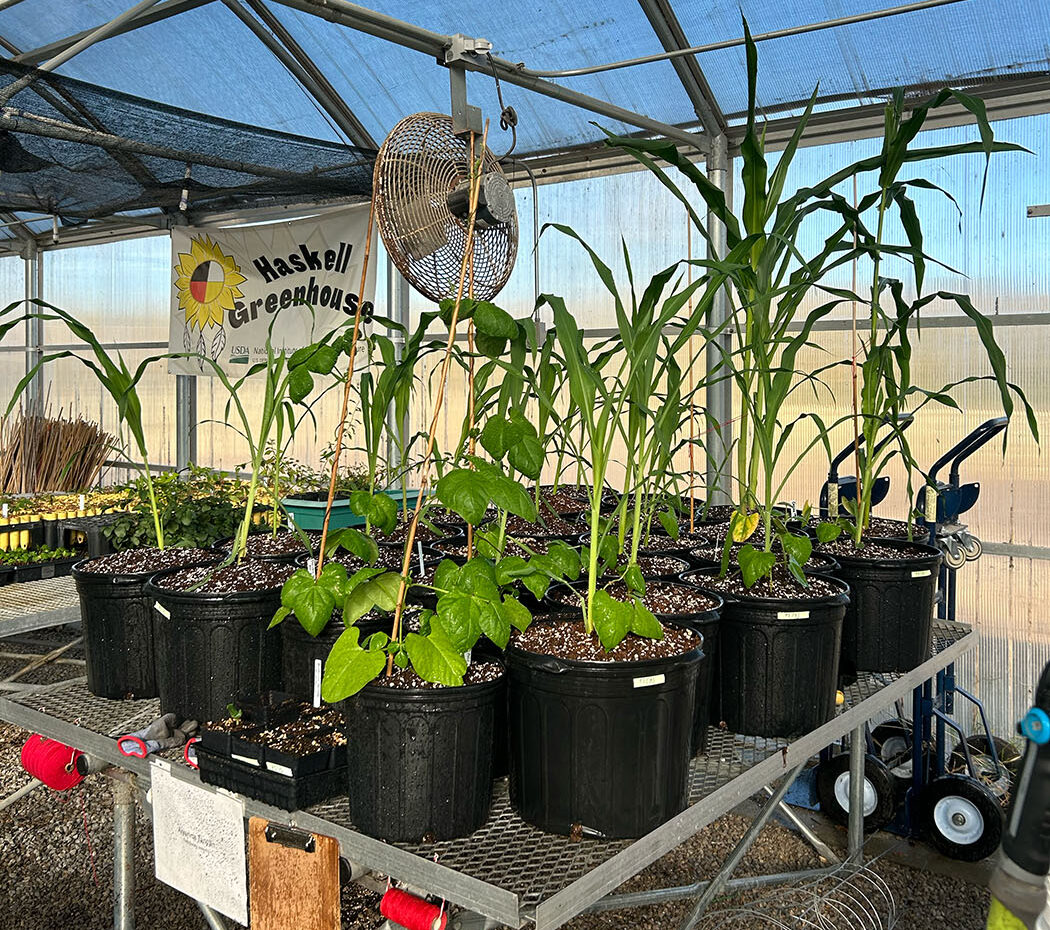
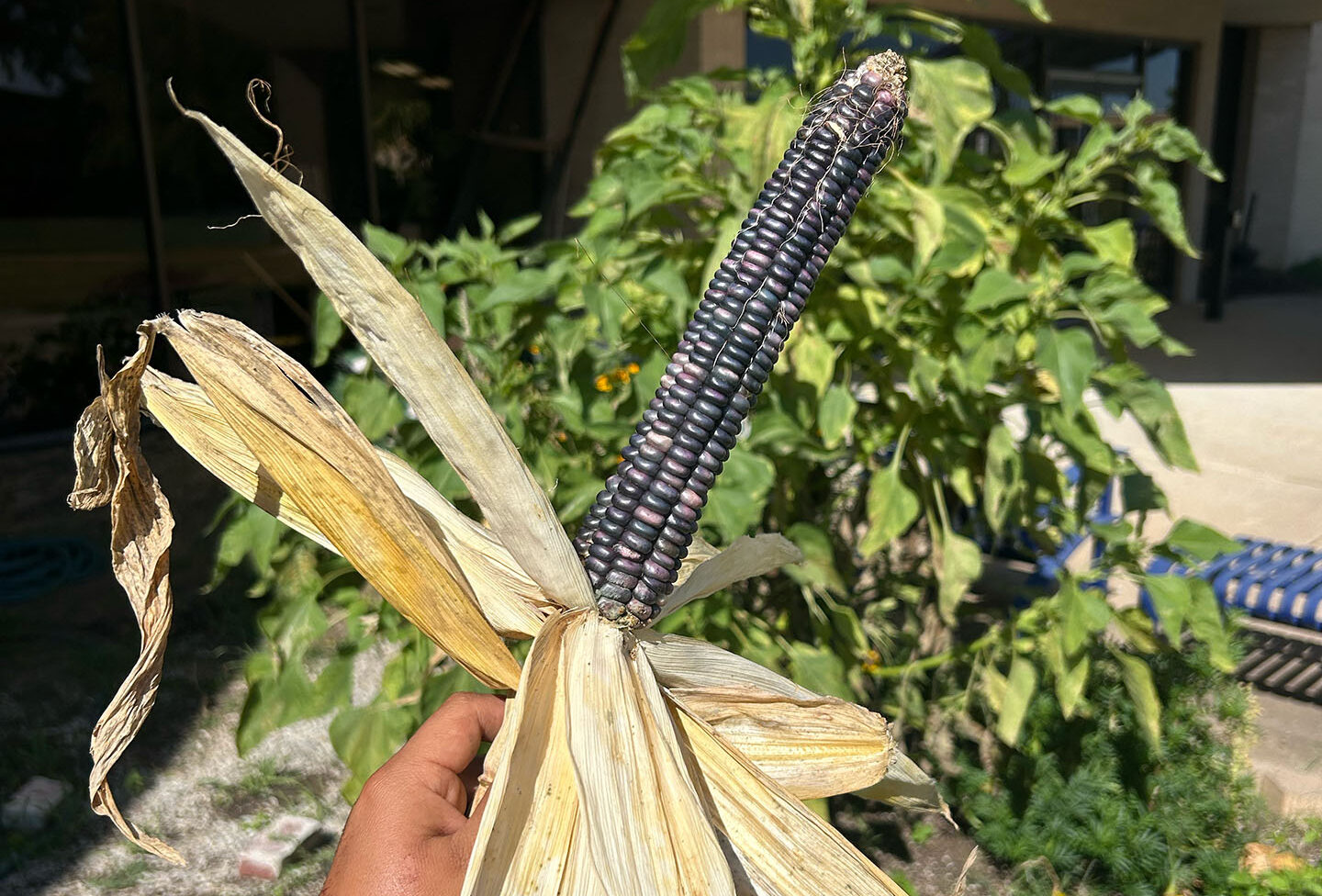
Everyone at the Haskell Greenhouse wants to help others learn, value, and view these spaces as places of teaching. I know they have taught me so much about responsibility and our relationship with the environment. Through these projects, we’re helping students reconnect with the land and understand the importance of food sovereignty for Indigenous communities. This work is ongoing, and we’re still learning. Every seed planted, and every workday shared brings us one step closer to a more sustainable and connected future.
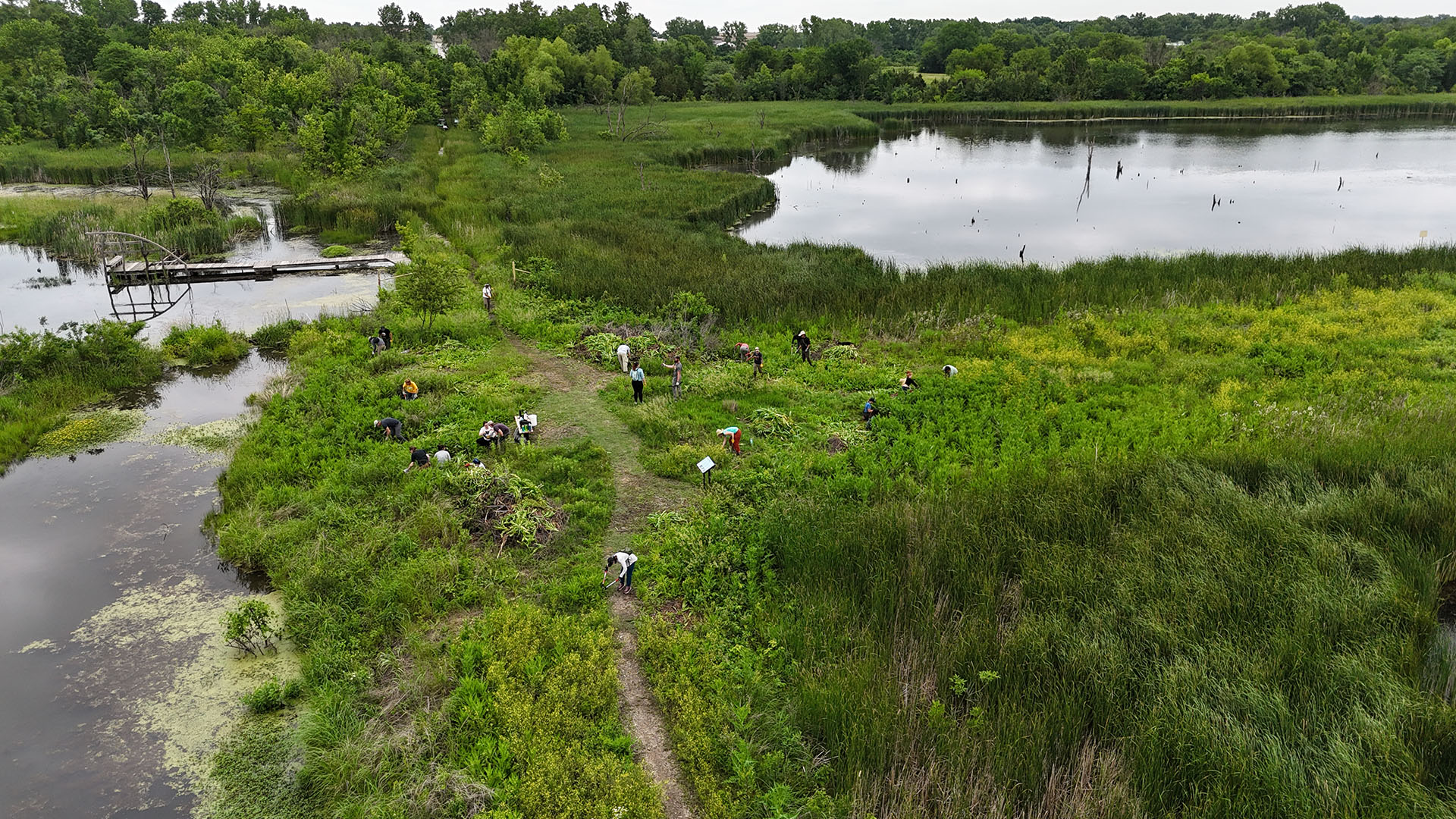
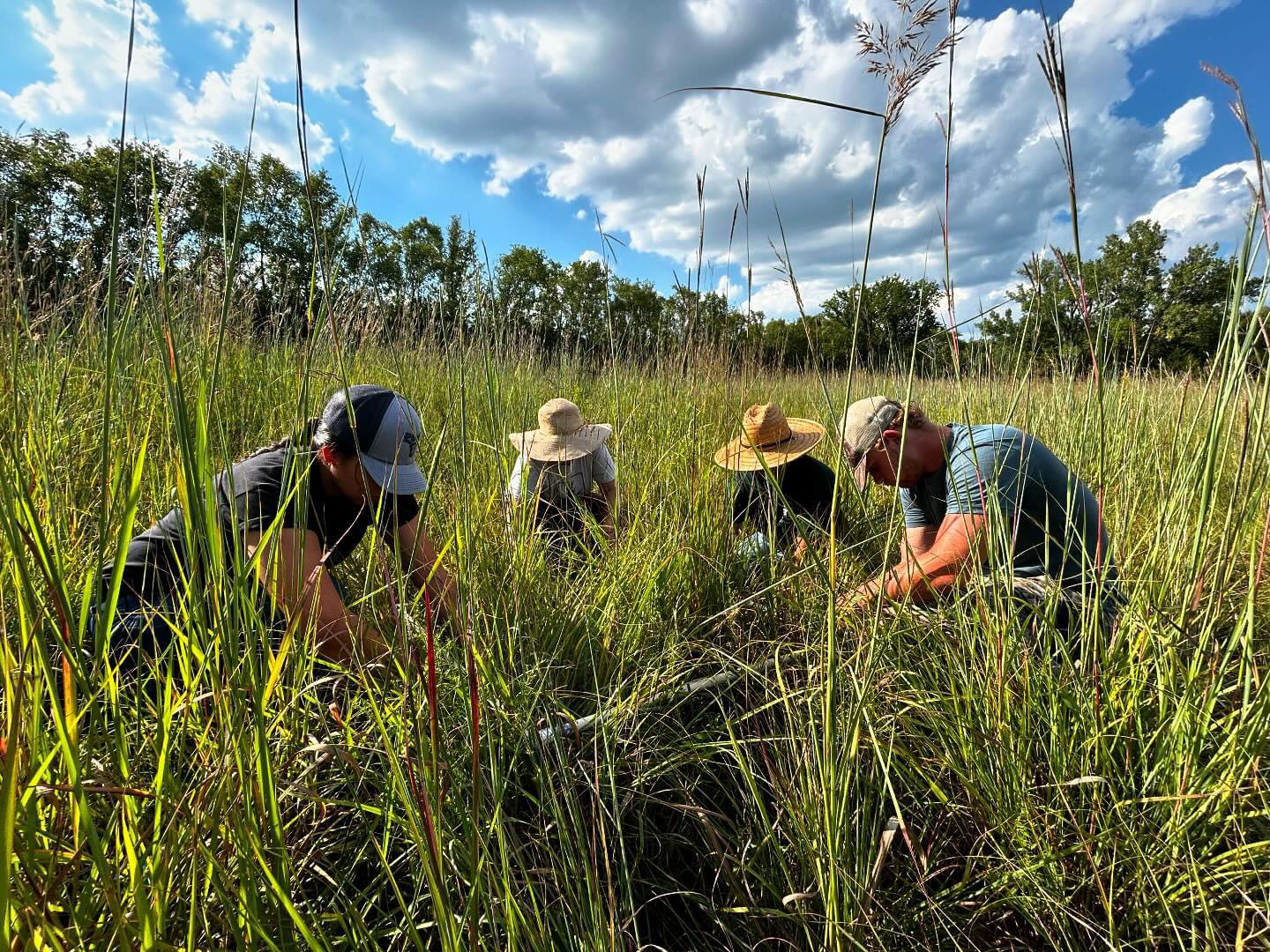
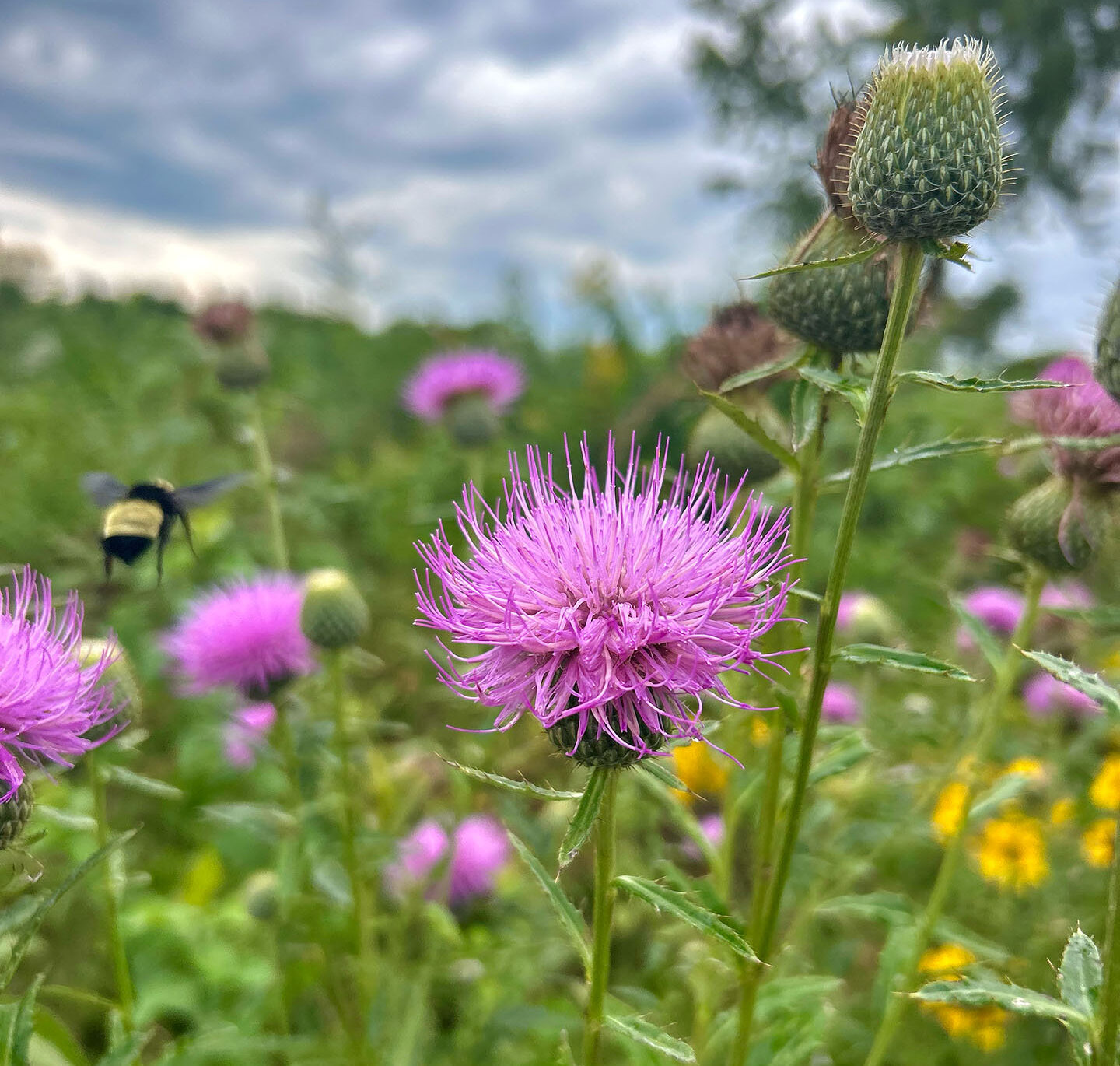
In Caring for Our Kin: Stories of Indigenous Environmental Stewardship, the College Fund shares the stories of Indigenous environmental leaders who are centering kinship and relational knowledge to build healthy ecological systems. These stories remind us that caring for the Earth means caring for one another—and that Indigenous knowledge systems continue to offer guidance, resilience, and hope for the future.
Learn more about our Environmental Stewardship Program.
Ekvnv Vcayecet. Mvto!
(Take care of the Earth/Land. Thank you)
More Blogs
American Indian College Fund Receives $10,000 Donation from Eastman Kodak Company
The Eastman Kodak Company granted $10,000 to the American Indian College Fund to continue the Eastman Kodak Company Tribal College Scholarship Program for the 2010-2011 academic year. For eight years, this program has been providing scholarships to Native students pursuing degrees in the technology field at tribal colleges and universities.
Target Grants $20,000 to Continue Decade-Long Scholarship Program
For 10 years, the Target Corporation has been helping Native American students pursue a college education at our nation’s tribal colleges and universities. This year, Target has renewed its commitment to support Native Americans in higher education with a grant of $20,000 to the American Indian College Fund to continue the Target Tribal College Scholarship Program for the 2010-11 academic year.
Calling All Tribal College Alumni
The American Indian College Fund wants your story! If you graduated from a tribal college or university and were an American Indian College Fund scholarship recipient, we want to hear from you. Your stories are inspirational to other students, and your experiences can help others.
Ford Motor Company Fund Awards $50,000 to American Indian College Fund
The American Indian College Fund received a grant of $50,000 from the Michigan-based Ford Motor Company Fund and Community Services. The grant will be used to continue the Ford Motor Company Corporate Scholars Program for the 2010-11 academic year, which will provide scholarship support to Native American students attending tribal colleges and mainstream universities.
Johnson & Johnson Continues Scholarship Program with American Indian College Fund
The American Indian College Fund (the Fund) recently received a generous grant from Johnson & Johnson to continue the Johnson & Johnson Tribal College Scholarship Program. This program primarily supports Native American students pursuing degrees in nursing, and other health-related fields at Navajo Technical College or Oglala Lakota College while also supporting students in the veterinary technology fields.
The Andrew W. Mellon Foundation Renews $500,000 Grant for Faculty Research Program
The Andrew W. Mellon Foundation has renewed a $500,000 grant for the American Indian College Fund for the Mellon Faculty Research Program for tribal colleges and university (TCU) faculty. The renewal of the three-year project will permit selected TCU faculty to take time off to complete scholarly research projects and write books and articles pertaining to the research, with the goal of increasing the intellectual capacity at the nation’s tribal colleges and universities and driving the research agenda in Indian country.
Santa Fe Natural Tobacco Company Foundation Grants $50,000 for Scholarship Program
The American Indian College Fund received a grant of $50,000 from the Santa Fe Natural Tobacco Company Foundation to continue the Santa Fe Natural Tobacco Company Foundation Tribal College Scholarship Program.
The Siragusa Foundation Grants The Fund $15,000 for Student Scholarships
The Siragusa Foundation of Chicago, Illinois has announced it is renewing a grant of $15,000 for general scholarships for American Indian students to the American Indian College Fund.
The grant will support qualified American Indian students by providing financial resources to encourage them to complete a college degree. With an education, students can build a better life for themselves, their families, and make valuable contributions to their communities and nation.
$10,000 Scholarship Grant Awarded from The Helen K. and Arthur E. Johnson Foundation
The Helen K. and Arthur E. Johnson Foundation has awarded the American Indian College Fund a $10,000 grant for scholarships for American Indian students who are from Colorado or are members of the Southern Ute or Ute Mountain Ute tribes.
AT&T Continues Longtime Support of American Indian College Fund
AT&T contributed $15,000 to the American Indian College Fund (the Fund), continuing almost two decades of supporting Native American students’ pursuit of higher education. The AT&T Tribal College Scholarship Program provides scholarships to students studying science, technology, engineering, mathematics and/or business at our nation’s tribal colleges and universities.