
Planting the Seeds of Cultural Sustainability
April 22, 2026 | Student Ambassador Aiyanna Tanyan’s (Seminole Nation of Oklahoma) work to reclaim food sovereignty
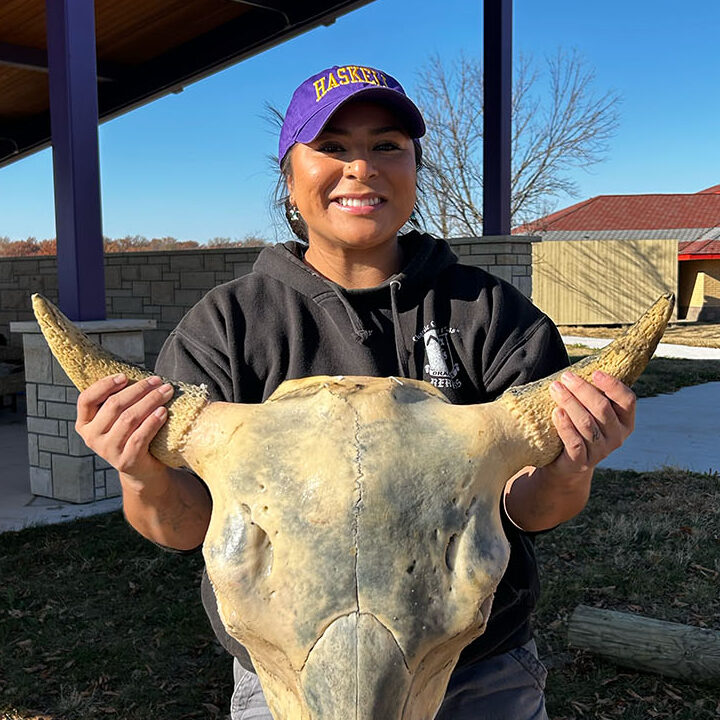
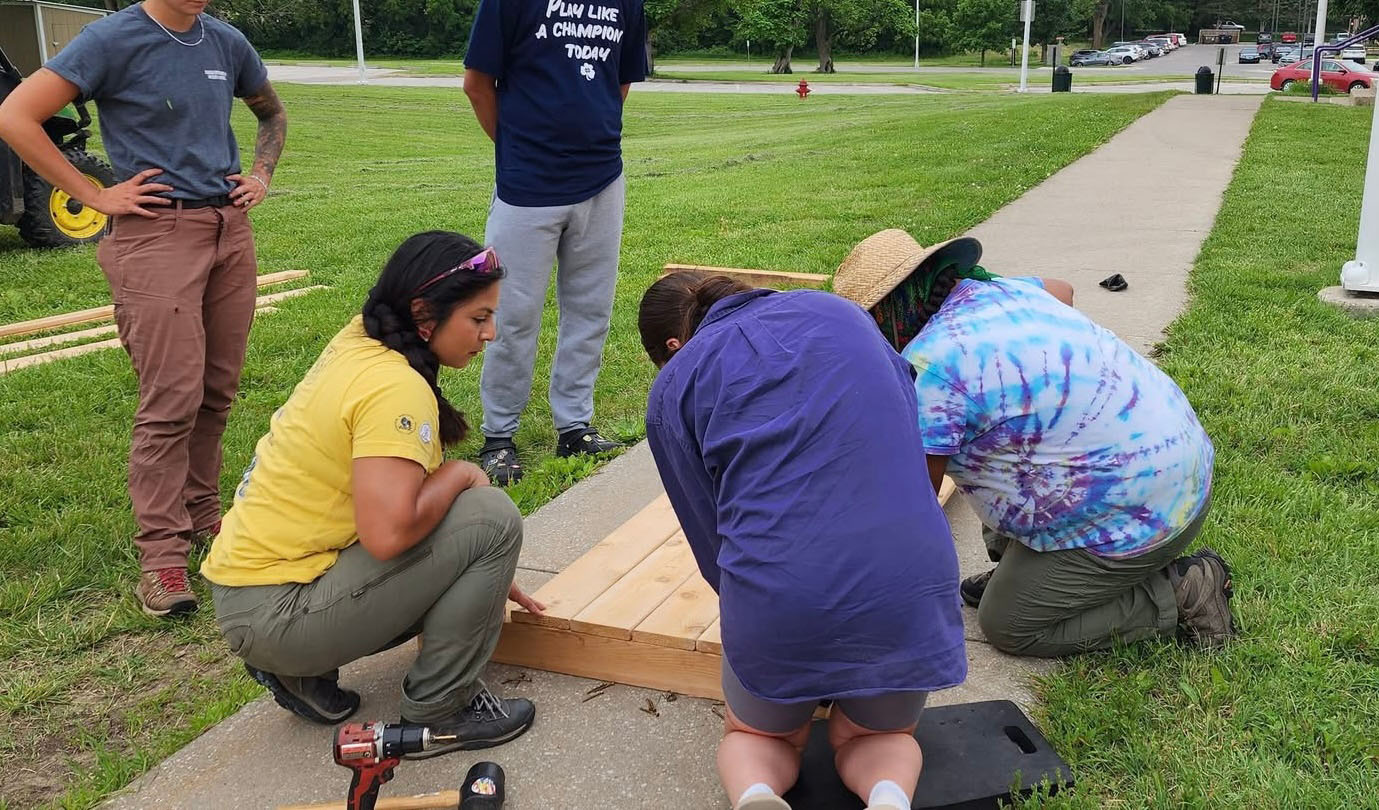
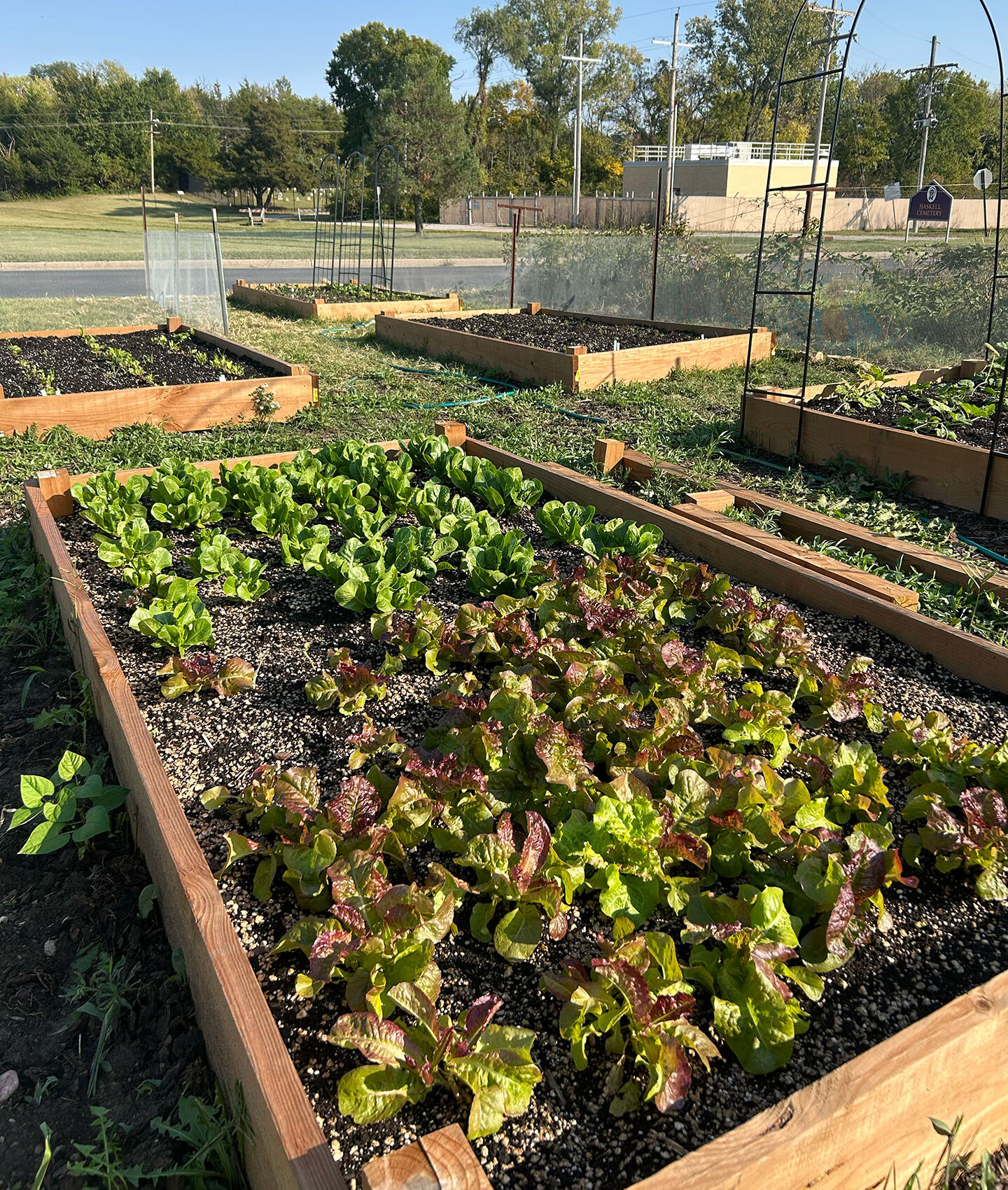
We came up with the idea of building raised garden beds near the dorms so students can easily access fresh foods and learn how to grow them themselves. Through support from the Haskell Greenhouse (funded through the USDA Equity Grant), we started building.
Last year was our first year doing this project and it was a learning experience as with many community-based projects, it comes with trial and error. However, that process taught us a lot about what works, what doesn’t, and how to build something more sustainable moving forward. This year, we’re continuing this work with stronger systems, more involvement, and a clearer vision.
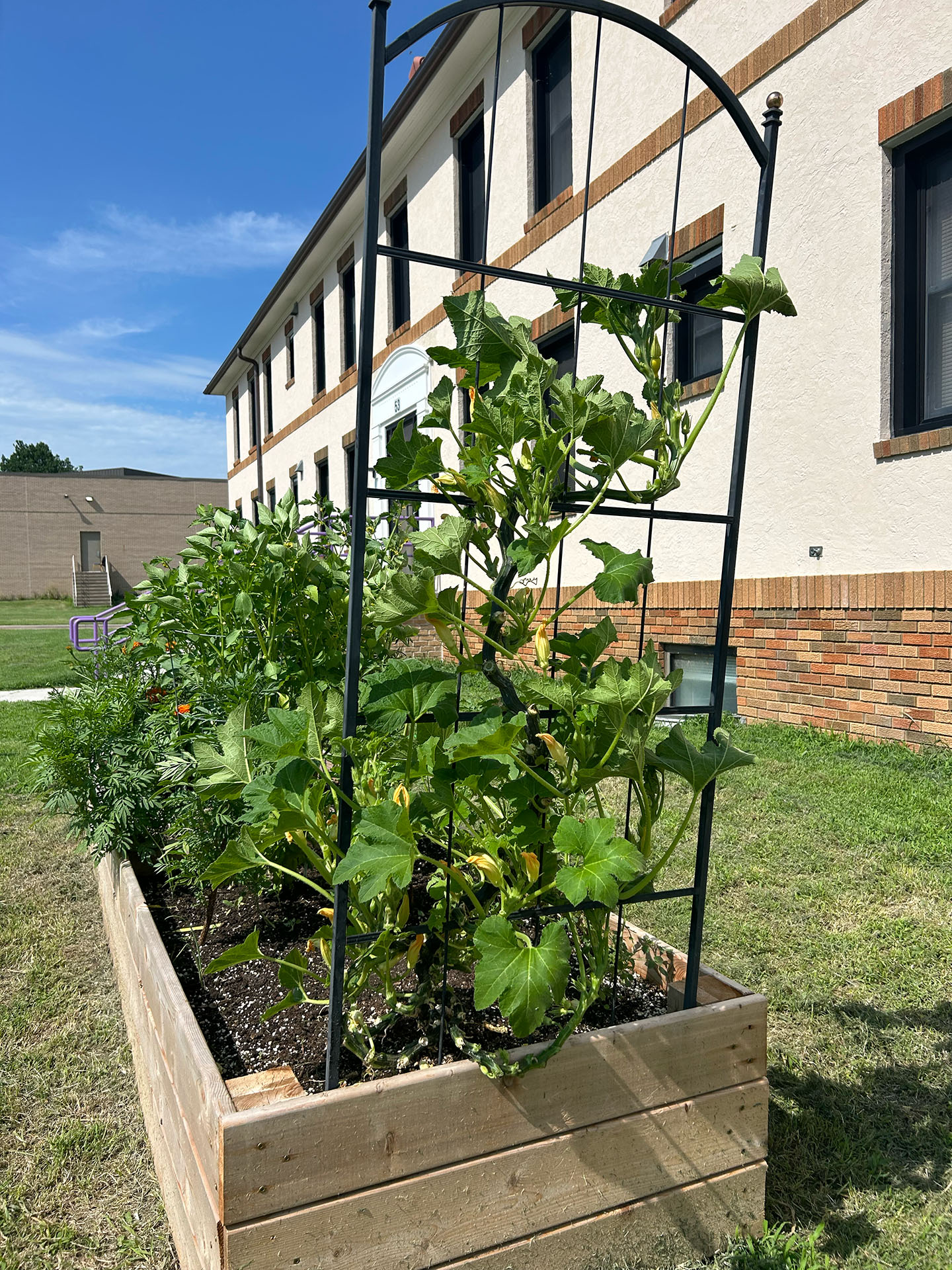
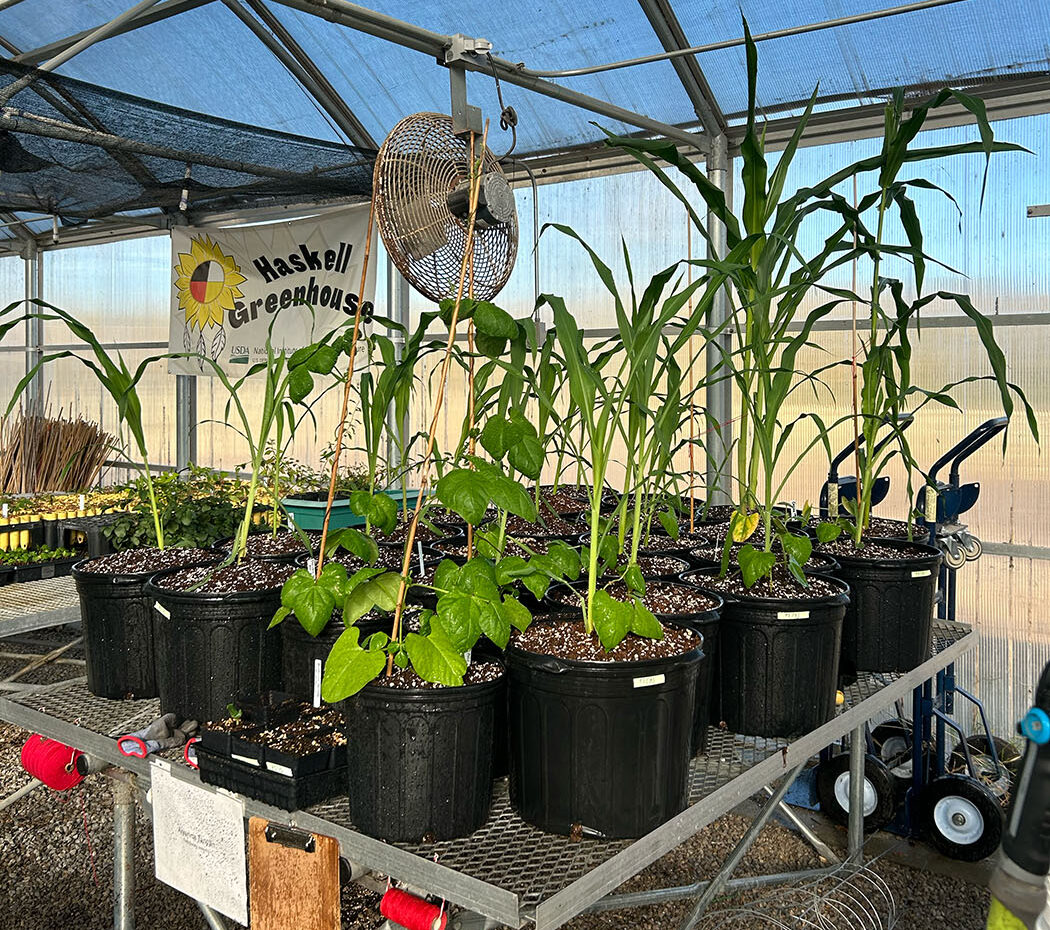
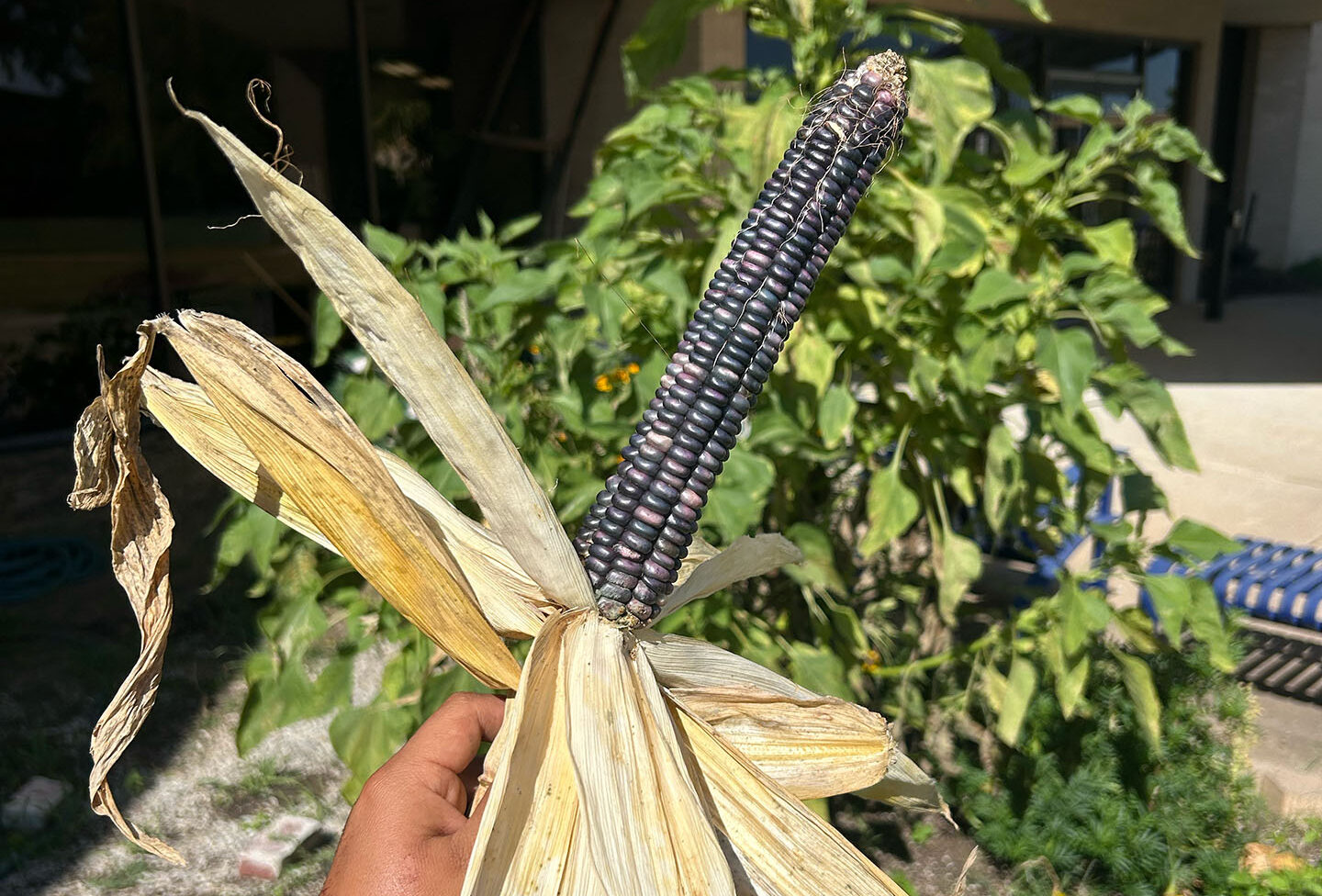
Everyone at the Haskell Greenhouse wants to help others learn, value, and view these spaces as places of teaching. I know they have taught me so much about responsibility and our relationship with the environment. Through these projects, we’re helping students reconnect with the land and understand the importance of food sovereignty for Indigenous communities. This work is ongoing, and we’re still learning. Every seed planted, and every workday shared brings us one step closer to a more sustainable and connected future.
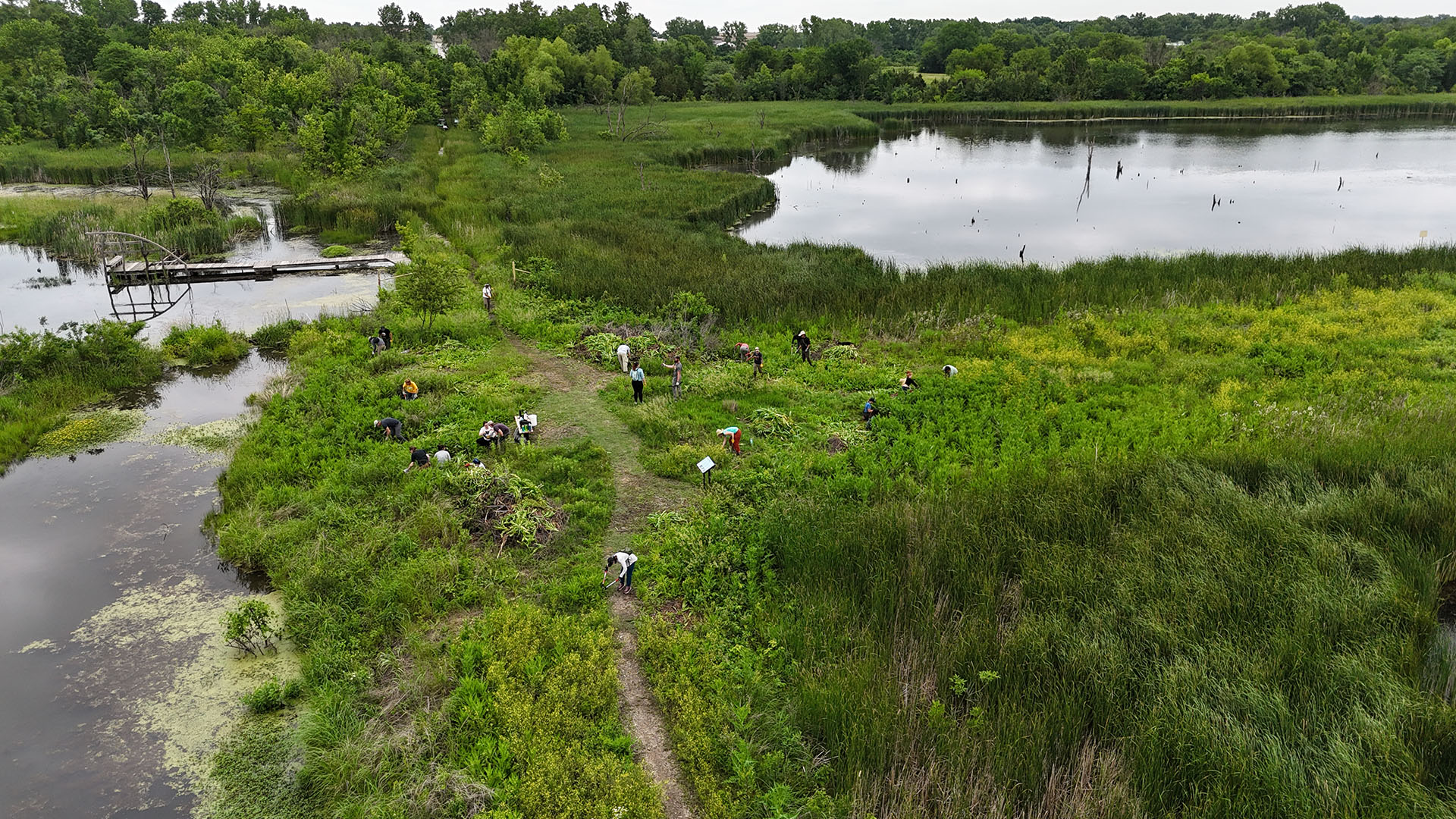
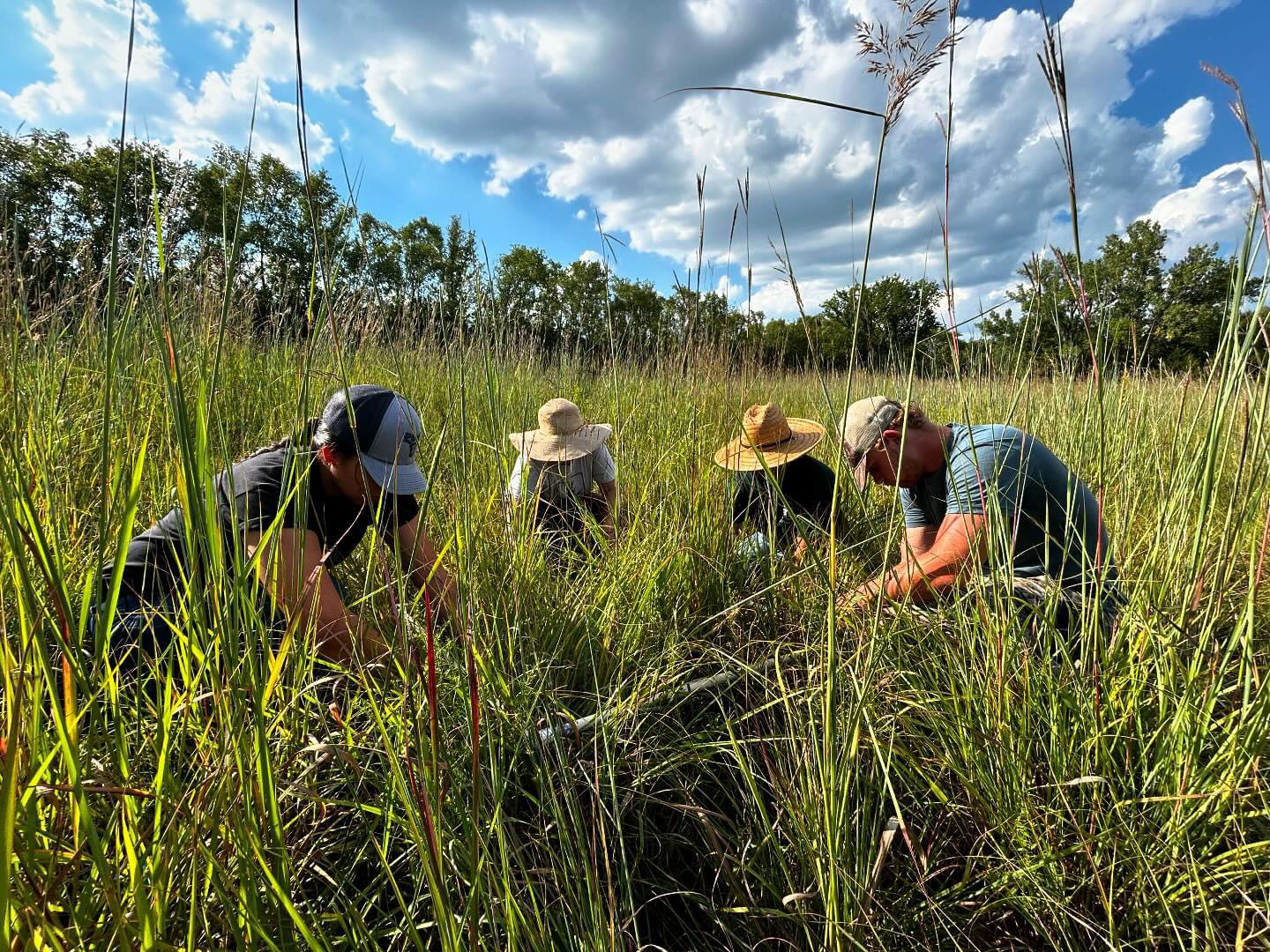
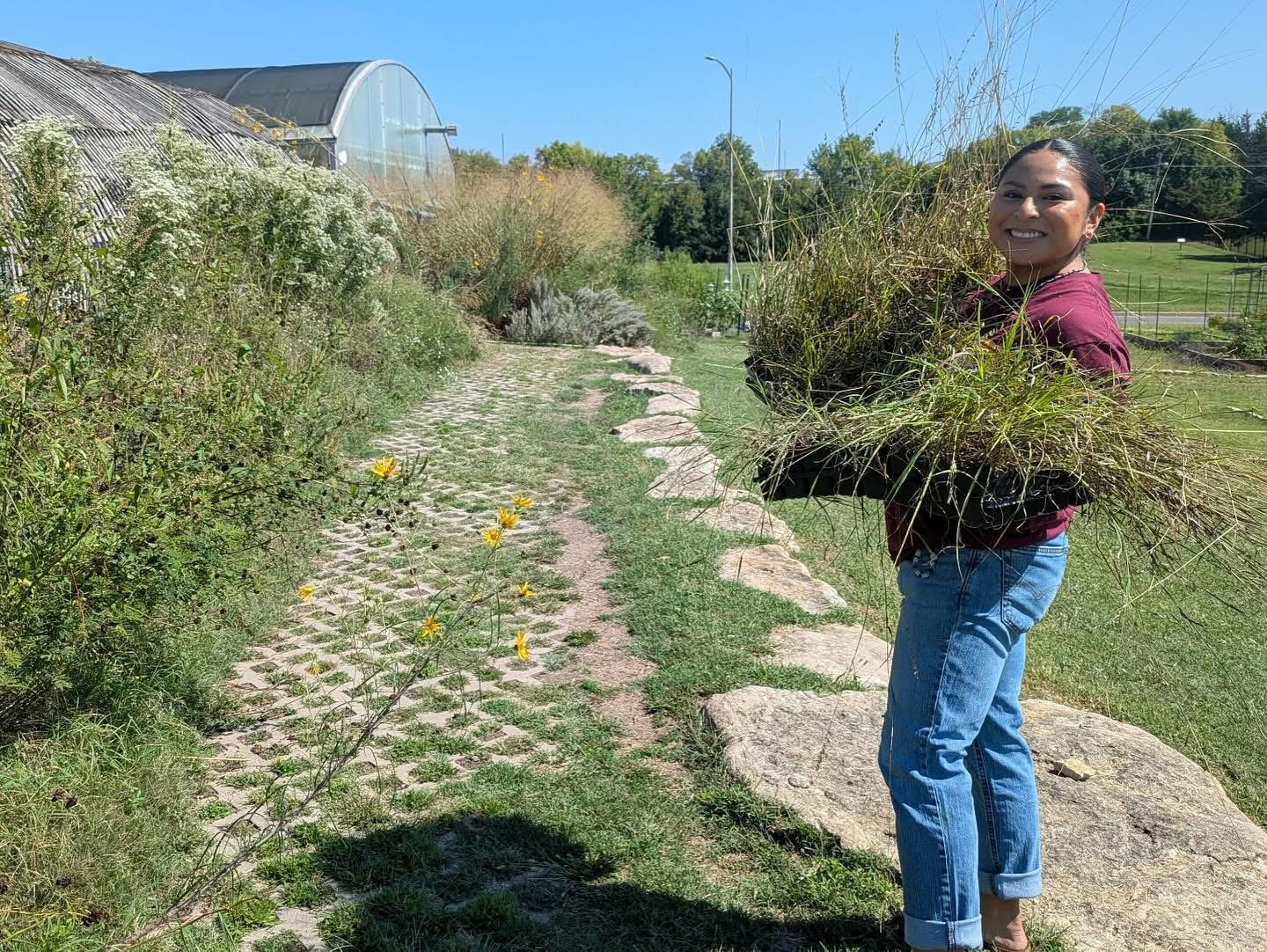
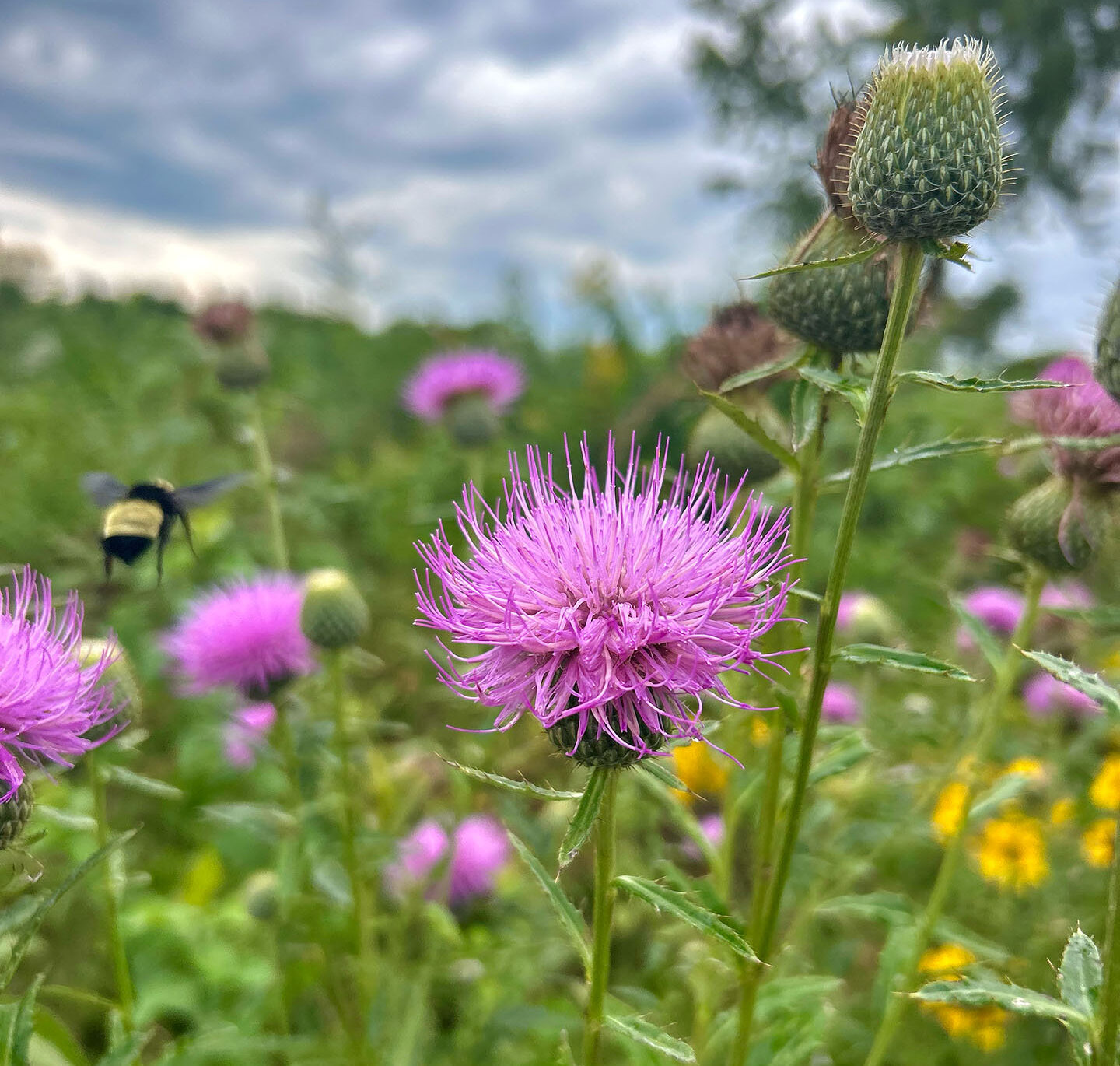
In Caring for Our Kin: Stories of Indigenous Environmental Stewardship, the College Fund shares the stories of Indigenous environmental leaders who are centering kinship and relational knowledge to build healthy ecological systems. These stories remind us that caring for the Earth means caring for one another—and that Indigenous knowledge systems continue to offer guidance, resilience, and hope for the future.
Learn more about our Environmental Stewardship Program.
Ekvnv Vcayecet. Mvto!
(Take care of the Earth/Land. Thank you)
More Blogs
Northwest Indian College – Day 2
After an amazing visit in Tulalip, Phillip and I continued north to Lummi where we had the great fortune of taking part in honoring the return of the salmon. During the annual First Salmon Ceremony, the Lummi people celebrate the return of the salmon to the region’s rivers. There were hundreds of tribal members and visitors gathered to take part the honoring. The treat of fresh-caught salmon was a delicious detour on our visit to the Northwest Indian College main campus.
Northwest Indian College Visit
This week the tribal college tour continued to Northwest Indian College. We recruited former College Fund Media Manager Phillip Hillaire (Lummi) to serve as a liaison to his Native community. Of the tribal colleges, Northwest Indian College (NWIC) is very well known for pioneering distance learning programs.
Coaching and Investing in Our Students’ Futures
Most of us who have achieved a measure of success in our lives had someone special who believed in us—a family member, teacher, coach, or other caring individual who provided encouragement at a critical time. I was raised by my grandmother from the time I was five months old. We were very poor, often living on less than $50 per month. At times we went without real food for weeks, subsisting solely on coffee and homemade bread.
Salish Kootenai College Visit
We arrived in Missoula, Montana on Sunday May 9 on this leg of our video project. It is Mother’s Day and we headed north to Polson to set up our base camp for the next three nights on the southwest side of Flathead Lake. We were only 80 miles away but took longer than expected through the rain and stopping to take the time to capture the picturesque landscape going along roads lined with Salish and Kootenai-translated street signs leading to the reservation.
Fund President Richard B. Williams Writes Intro for Short Stories by Natives
Readers of all backgrounds will enjoy the dark tales imagined by a collection of Native writers in Indian Country Noir. Just published by Ashkashic books, the anthology includes works of fiction by Native writers Mistina Bates, Jean Rae Baxter, Lawrence Block, Joseph Bruchac, David Cole, Reed Farrel Coleman, O’Neil De Noux, A.A. Hedge Coke, Gerard Houarner, Liz Martínez, R. Narvaez, Kimberly Roppolo, Leonard Schonberg, and Melissa Yi. Richard B. Williams, President and CEO, was asked to write the introduction for the collection.
Embrey Family Foundation Establishes $1 Million Four-Year Women’s Leadership Program
The Dallas, Texas-based Embrey Family Foundation has awarded the American Indian College Fund a $1 million grant over a four-year period for a Native women’s leadership program.
The program will include funds to provide 20 scholarships and leadership training for American Indian women pursuing their bachelor’s degrees.
Sara Lee Foundation Sponsors the American Indian College Fund
The Sara Lee Foundation is proud to continue the Sara Lee Foundation Tribal College Scholarship Program for Women through a partnership with the American Indian College Fund (the Fund). This scholarship program will continue to provide financial assistance to American Indian women attending tribal colleges located in Michigan and Wisconsin.
Morgan Stanley Foundation Continues Scholarship Program with $20,000 Donation to The Fund
Through a donation of $20,000, the Morgan Stanley Foundation is continuing its partnership with the American Indian College Fund (the Fund) to support American Indian education. The Morgan Stanley Foundation Tribal Scholars Program provides much-needed financial assistance to American Indian students pursuing degrees in business or business-related programs who have an interest in the financial services industry at tribal colleges and mainstream institutions.
Ben Plucknett Charitable Trust Gives More Than $11,000 to American Indian College Fund
The American Indian College Fund received a gift of more than $11,000 from the Boise, Idaho-based Ben Plucknett Charitable Trust. Jan DeRoin, Mr. Plucknett’s sister and a trustee of the trust, says the trust was established by her mother in honor of her son, who predeceased her by one year.
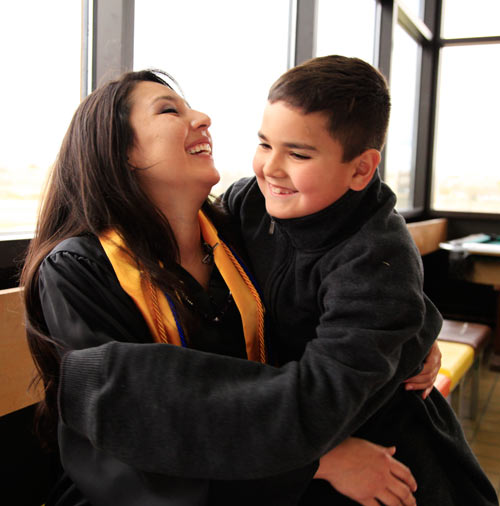
SIPI Commencement Ceremonies
The campus is quiet because classes are over, but we make time to get stories about the new head start facilities on campus(which is available for the students) and we managed to run into a few of the dedicated science students still working on their projects and research.