
Planting the Seeds of Cultural Sustainability
April 22, 2026 | Student Ambassador Aiyanna Tanyan’s (Seminole Nation of Oklahoma) work to reclaim food sovereignty
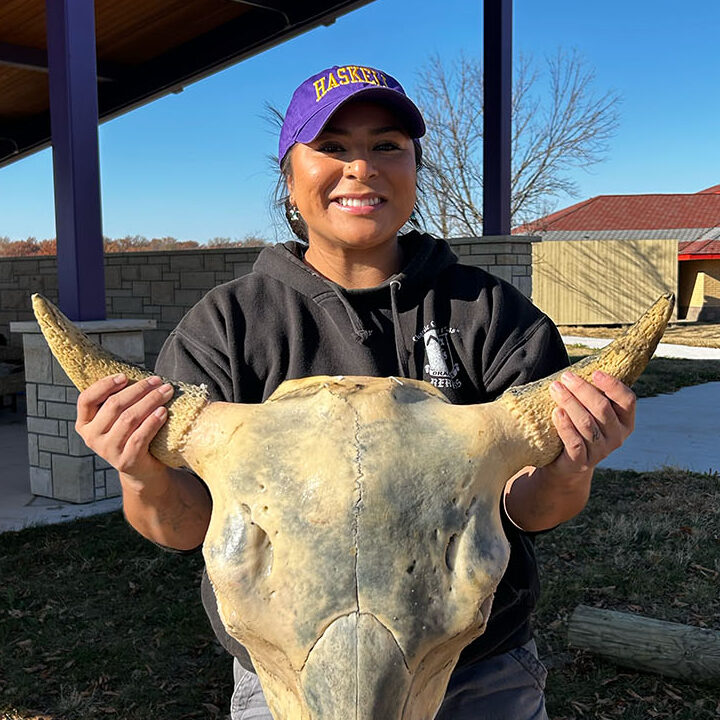
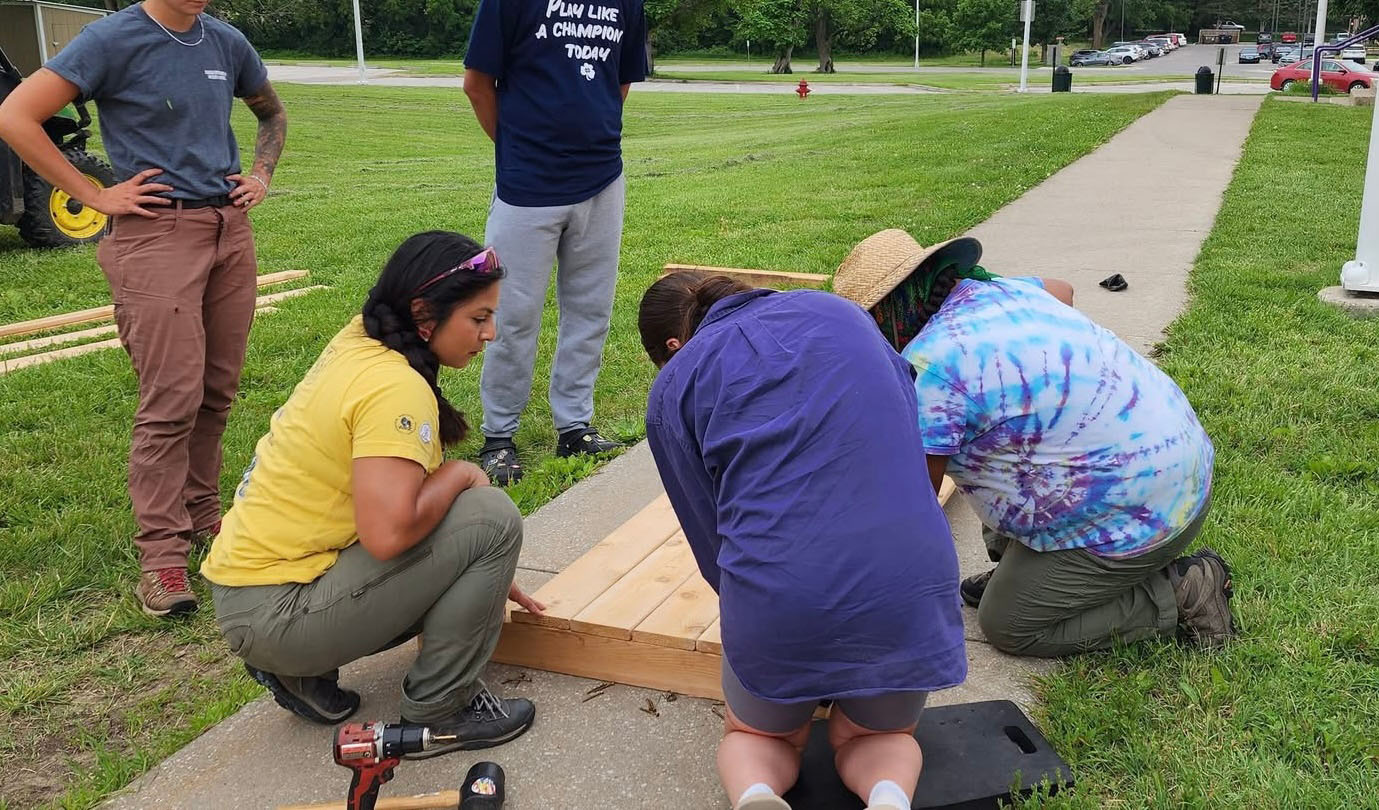
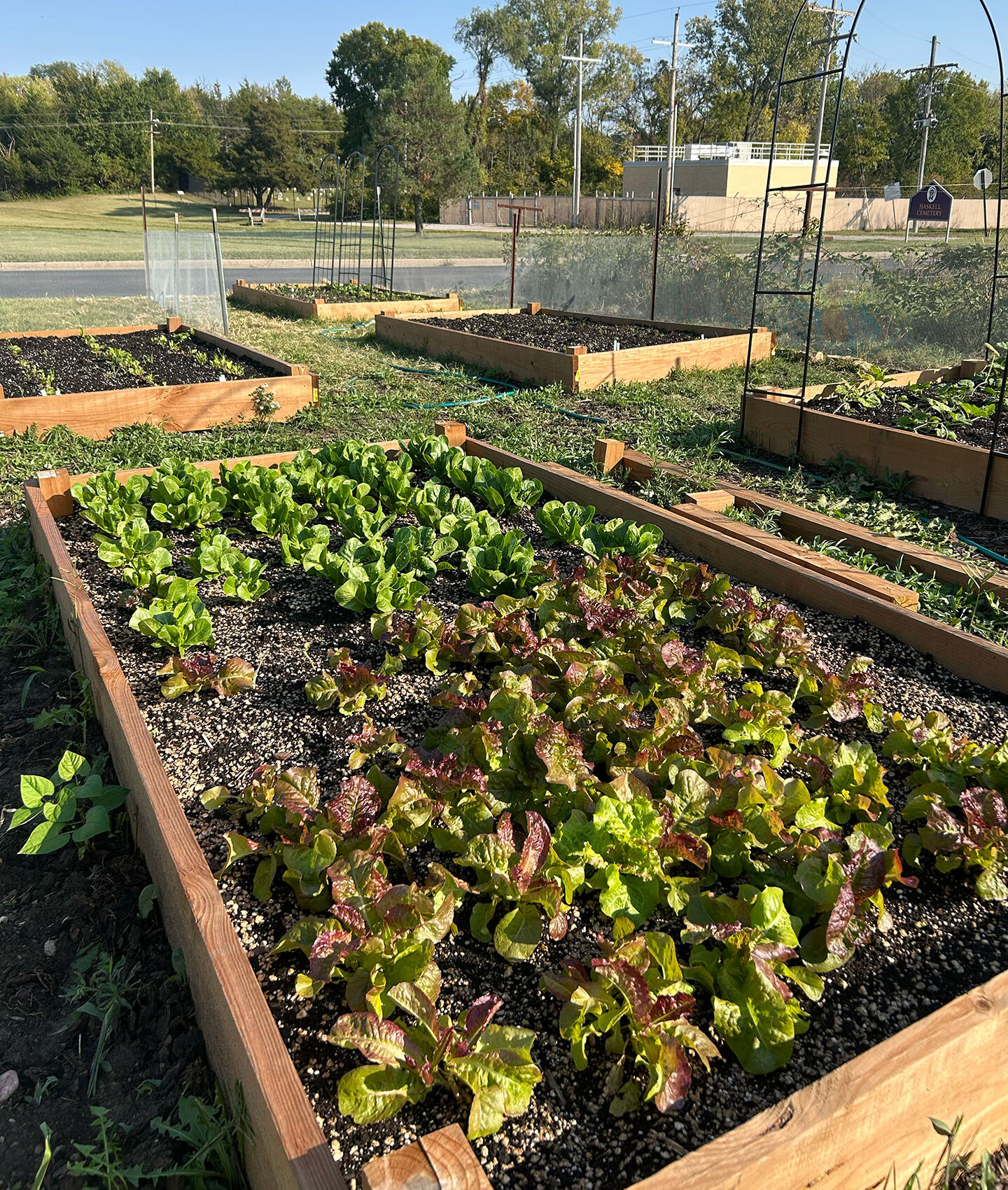
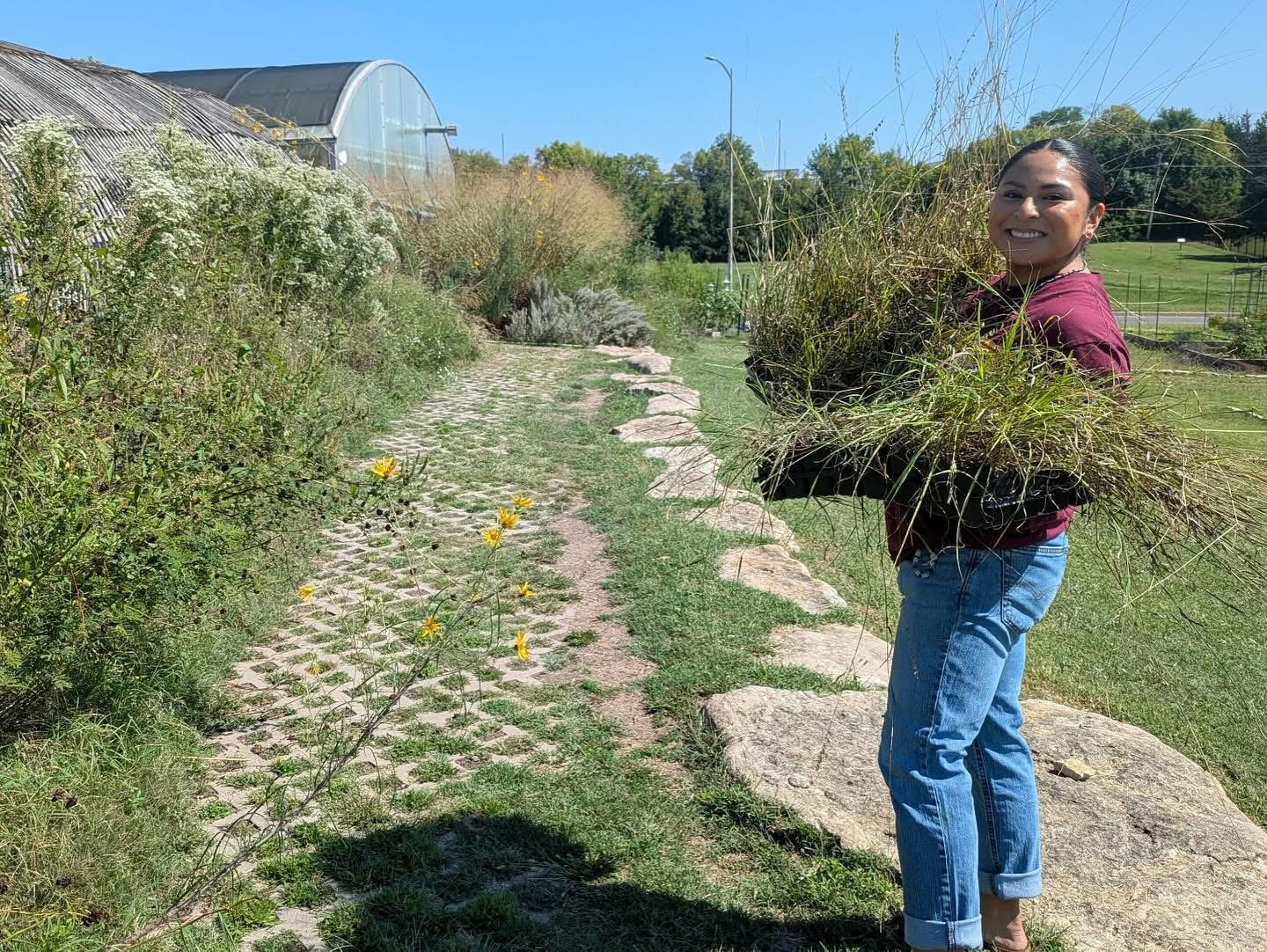
We came up with the idea of building raised garden beds near the dorms so students can easily access fresh foods and learn how to grow them themselves. Through support from the Haskell Greenhouse (funded through the USDA Equity Grant), we started building.
Last year was our first year doing this project and it was a learning experience as with many community-based projects, it comes with trial and error. However, that process taught us a lot about what works, what doesn’t, and how to build something more sustainable moving forward. This year, we’re continuing this work with stronger systems, more involvement, and a clearer vision.
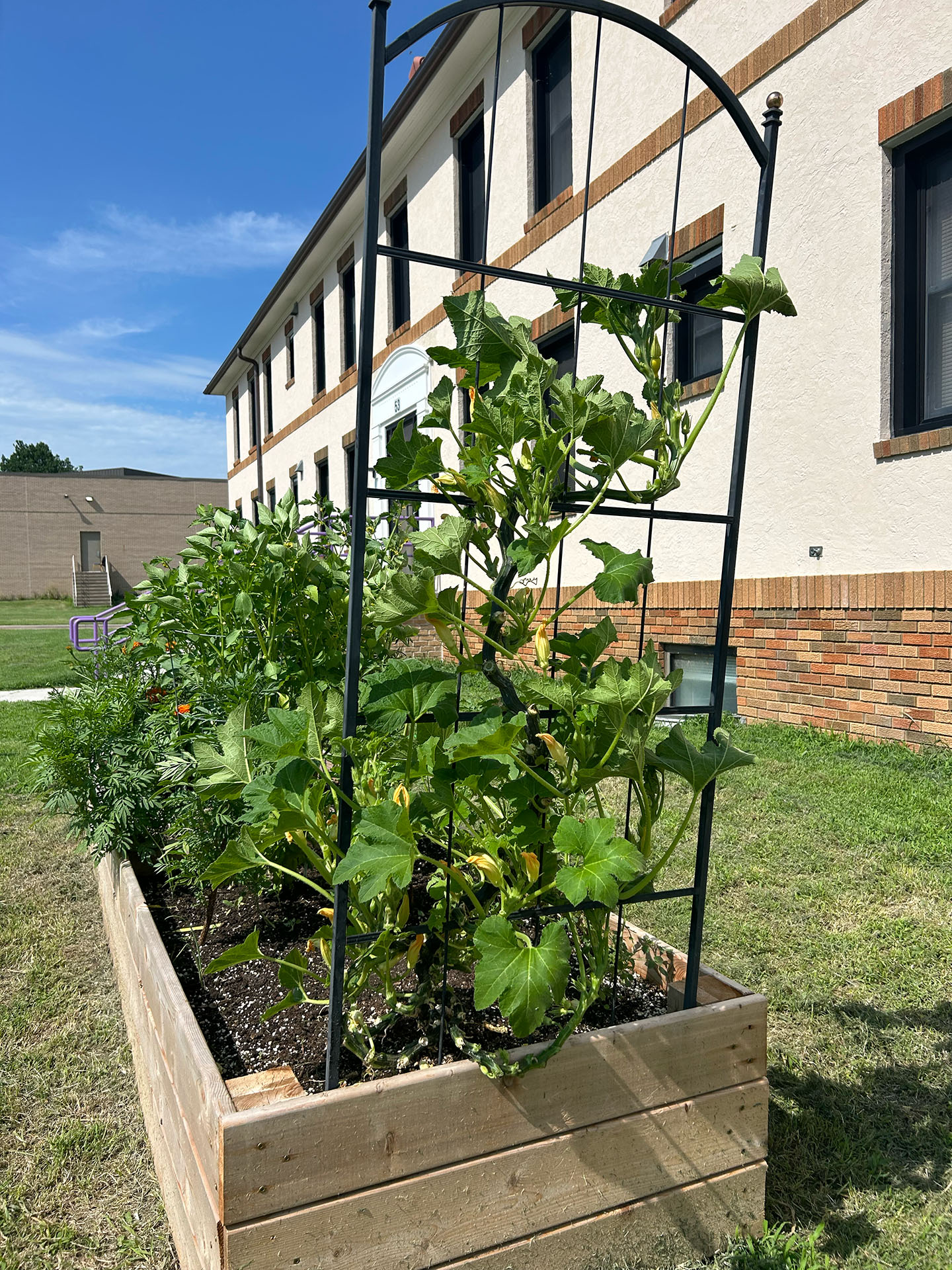
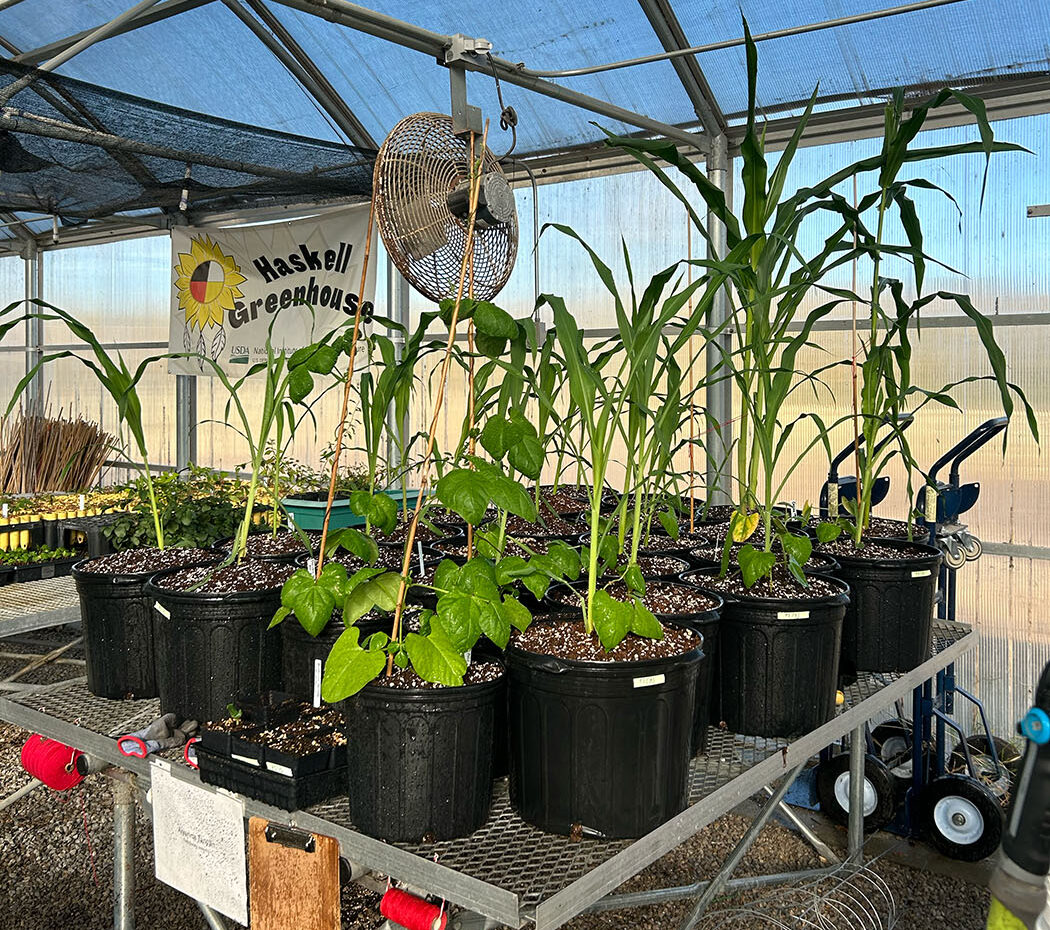
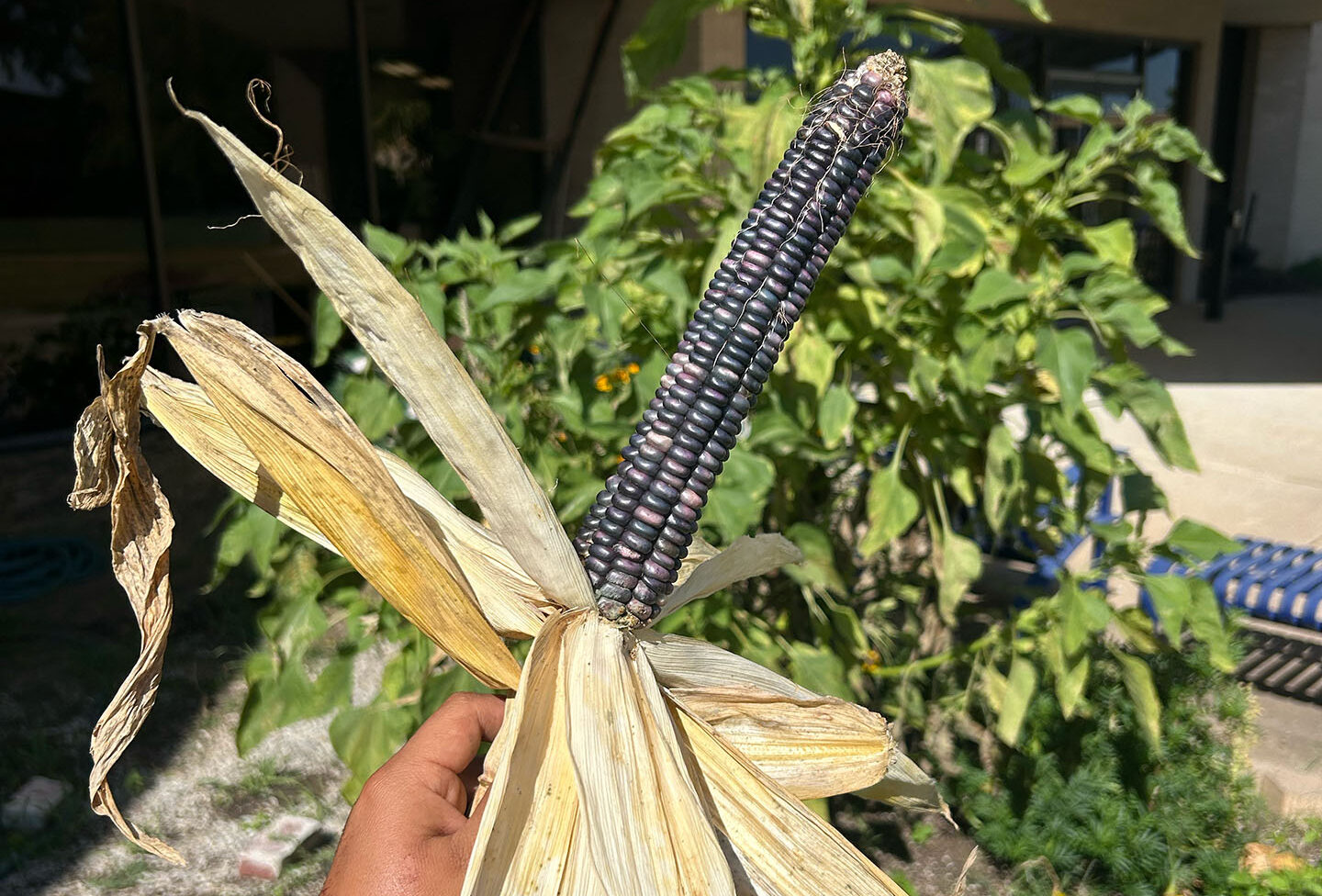
Everyone at the Haskell Greenhouse wants to help others learn, value, and view these spaces as places of teaching. I know they have taught me so much about responsibility and our relationship with the environment. Through these projects, we’re helping students reconnect with the land and understand the importance of food sovereignty for Indigenous communities. This work is ongoing, and we’re still learning. Every seed planted, and every workday shared brings us one step closer to a more sustainable and connected future.
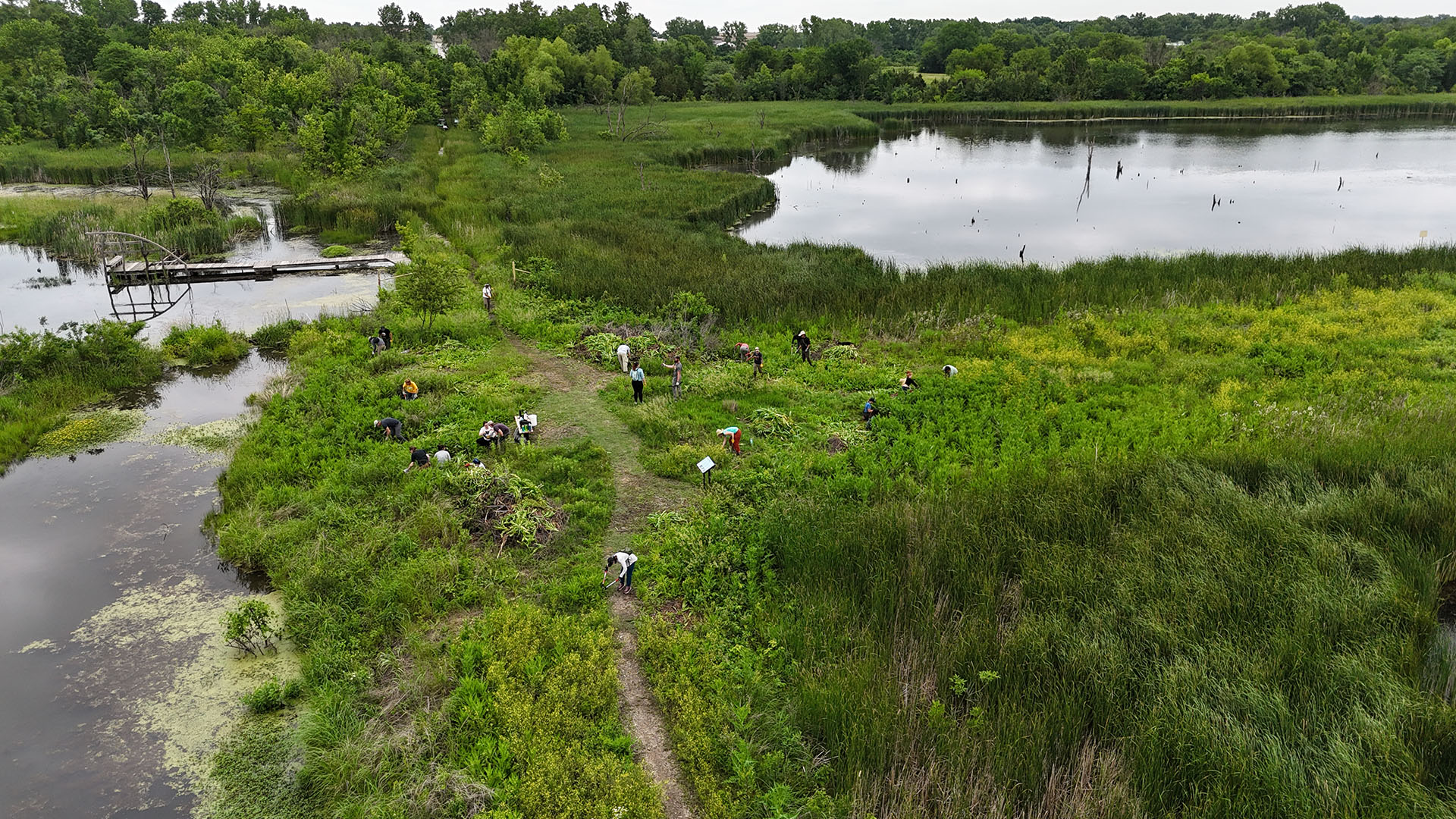
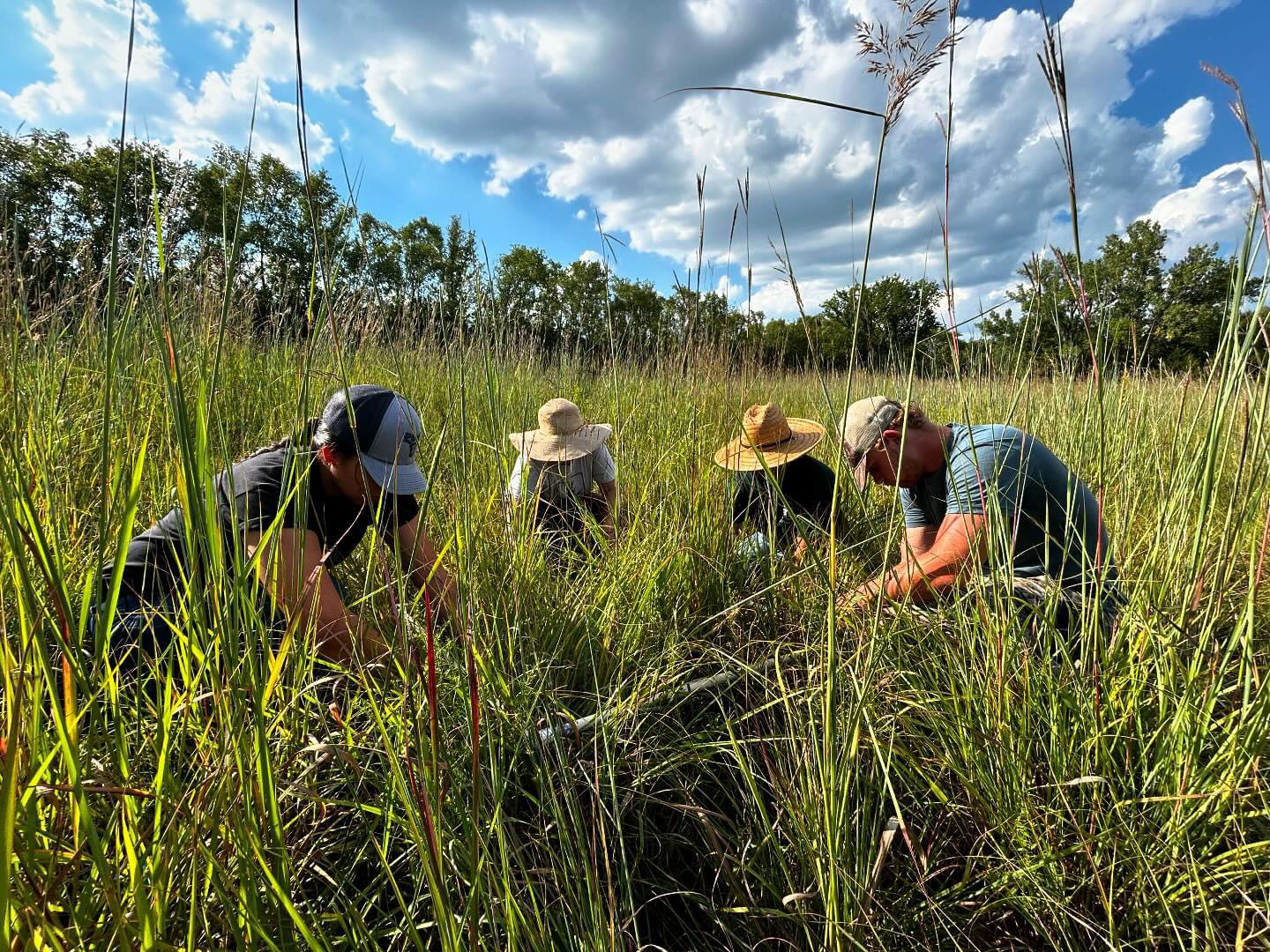
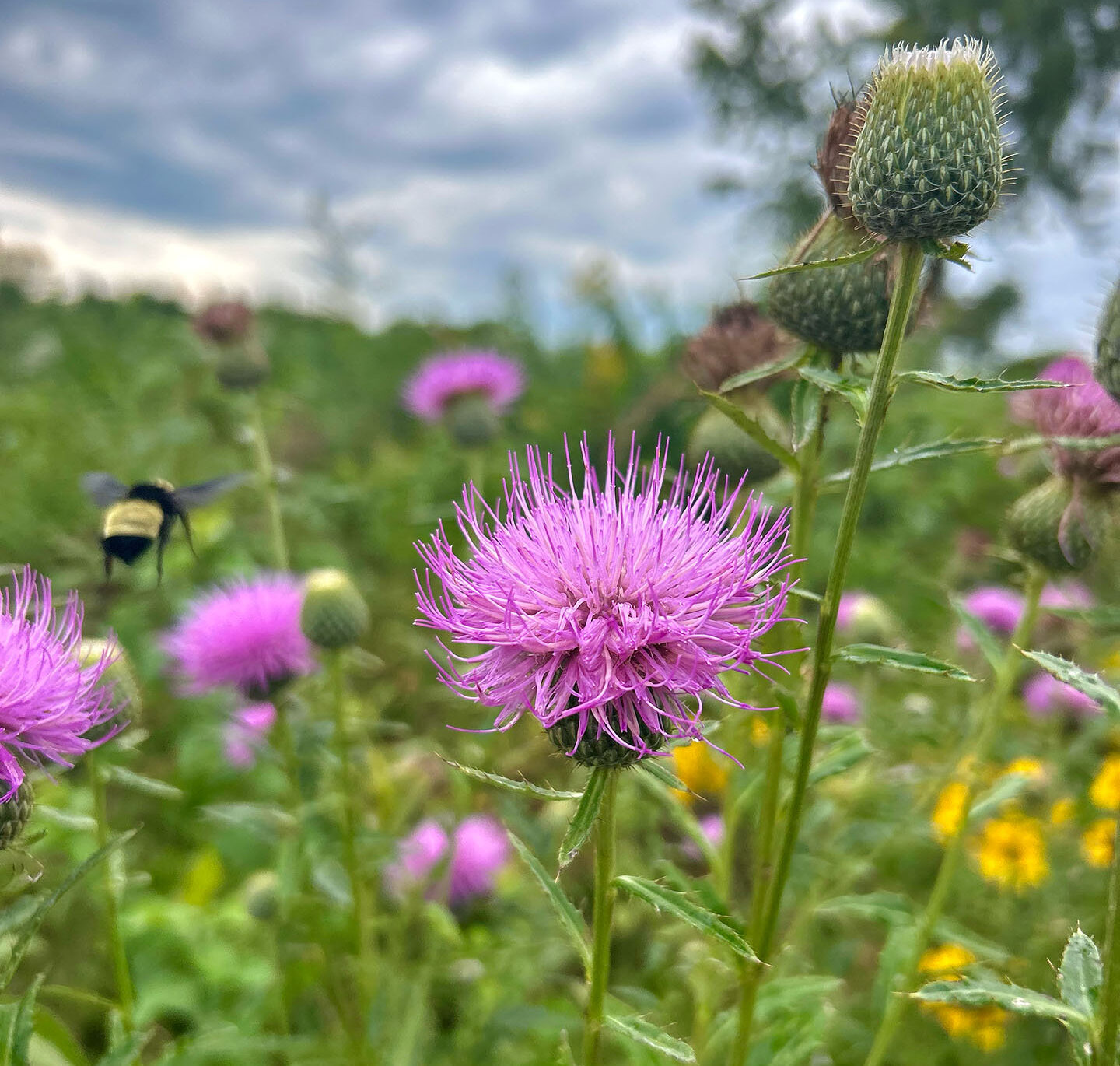
In Caring for Our Kin: Stories of Indigenous Environmental Stewardship, the College Fund shares the stories of Indigenous environmental leaders who are centering kinship and relational knowledge to build healthy ecological systems. These stories remind us that caring for the Earth means caring for one another—and that Indigenous knowledge systems continue to offer guidance, resilience, and hope for the future.
Learn more about our Environmental Stewardship Program.
Ekvnv Vcayecet. Mvto!
(Take care of the Earth/Land. Thank you)
More Blogs
Institute of American Indian Arts visit
We made our way from Crownpoint to Santa Fe to visit the Institute of American Indian Arts, “the nation’s only fine arts college devoted solely to the artistic and cultural traditions of all American Indians.” IAIA has produced many of the top names in Native art. The school is a hot bed for up and coming filmmakers and artists, but also museum archivists and lawyers.
Navajo Technical College – Filming Trip
We drove in to Crownpoint late Sunday evening, dragging in the inclement weather is synonymous with the season’s spring winds and cool rains. We checked into the Navajo Technical College Culinary Arts and Hospitality Center and got ready for our adventure awaiting us here in the Land of Enchantment.
American Indian College Fund to Film Video at Tribal Colleges
The Public Education team of the American Indian College Fund is on the road, filming students at tribal colleges and universities. Students at Tohono O’odham Community College, Southwestern Indian Polytechnic University, Navajo Technical College, Institute of American Indian Arts, Northwest Indian College, Oglala Lakota College, Sinte Gleska University, and College of Menominee Nation will be filmed.
Pendleton Launches Endowed Scholarship Program with American Indian College Fund
Oregon-based Pendleton Woolen Mills has donated $39,000 to establish an endowed scholarship program benefitting American Indian tribal college student scholarships through a partnership with the American Indian College Fund (the Fund). This endowed scholarship program, entitled the Pendleton Endowment, will provide financial assistance to Native students attending any of the 33 tribal colleges located throughout the United States.

Diana Canku, Tribal College President Earns Doctorate Degree
Diana Canku (Sisseton Wahpeton Oyate), president of Sisseton Wahpeton College and a 2009-10 academic year fellow in the American Indian College Fund’s Andrew W. Mellon Career Enhancement Program, has successfully defended her dissertation and completed her doctorate degree.
The Fund Awarded Best in Class Charity at Annual Forging Hope Event
The San Manuel Band of Mission Indians held its second annual Forging Hope Luncheon at the National Orange Show in San Bernardino, California on March 30, bringing together non-profit groups from the philanthropic community for its inaugural Yawa´ Awards Ceremony. Yawa´ is a word and concept in the Tribe’s native Serrano Language that calls for one to act on their beliefs.
Remembering Minnie Two Shoes
On April 9, the journalism world lost a fine journalist, activist, and teacher. Minnie Two Shoes (Assiniboine from the Ft. Peck reservation in Montana) passed on. She was a founder of the Native American Journalist Association, tireless teacher, journalist, and activist. Godspeed, Minnie.
Wilma Mankiller Passes On
Our sympathies and best wishes go out to the friends and family of Wilma Mankiller, who passed on from cancer this week. Mankiller was an author, lecturer and former Principal Chief of the Cherokee Nation. She served 12 years in elected office at the Cherokee Nation, the first two as Deputy Principal Chief followed by 10 years as Principal Chief.
Alfred P. Sloan Foundation Pledges $100,000 to American Indian College Fund
The Alfred P. Sloan Foundation has announced it is granting $100,000, or $50,000 in 2010 and another $50,000 in 2011, to the American Indian College Fund. The purpose of the grant is to provide two fellowships to tribal college faculty pursuing their doctoral degrees in the natural science, mathematics, and engineering fields. As part of the program, the foundation will also fund a retreat, direct recruiting, and fellow outreach to ensure the participants’ success.
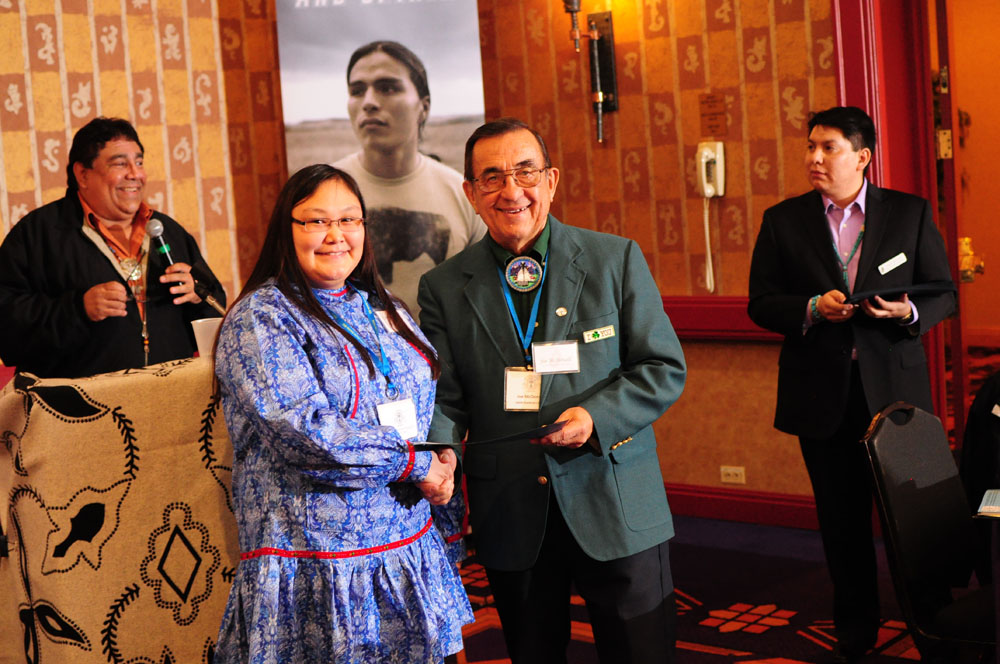
Congratulations to Our Tribal College Students of the Year and Dr. Robert Martin
Thirty-three tribal college students were honored at the AIHEC Student Conference in Chandler, Arizona for their achievements as being named Students of the Year.