
Planting the Seeds of Cultural Sustainability
April 22, 2026 | Student Ambassador Aiyanna Tanyan’s (Seminole Nation of Oklahoma) work to reclaim food sovereignty
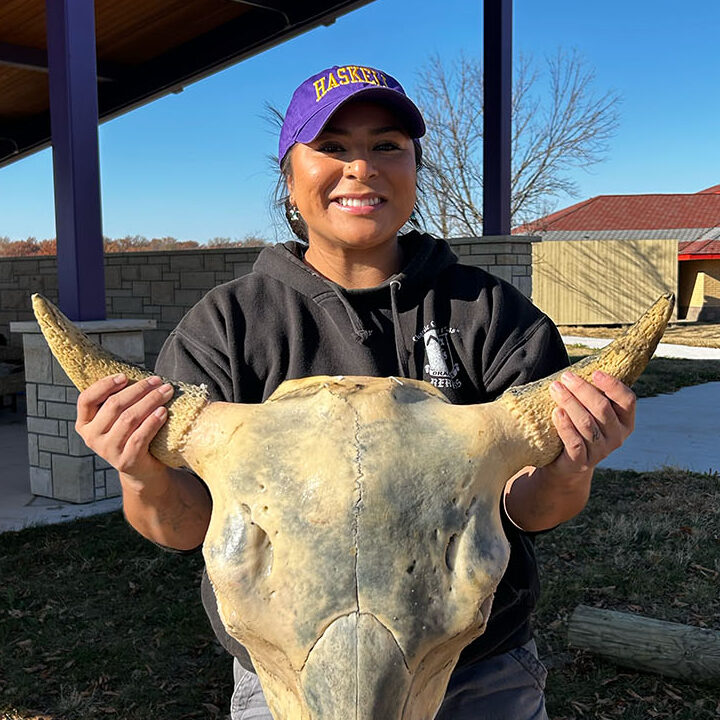
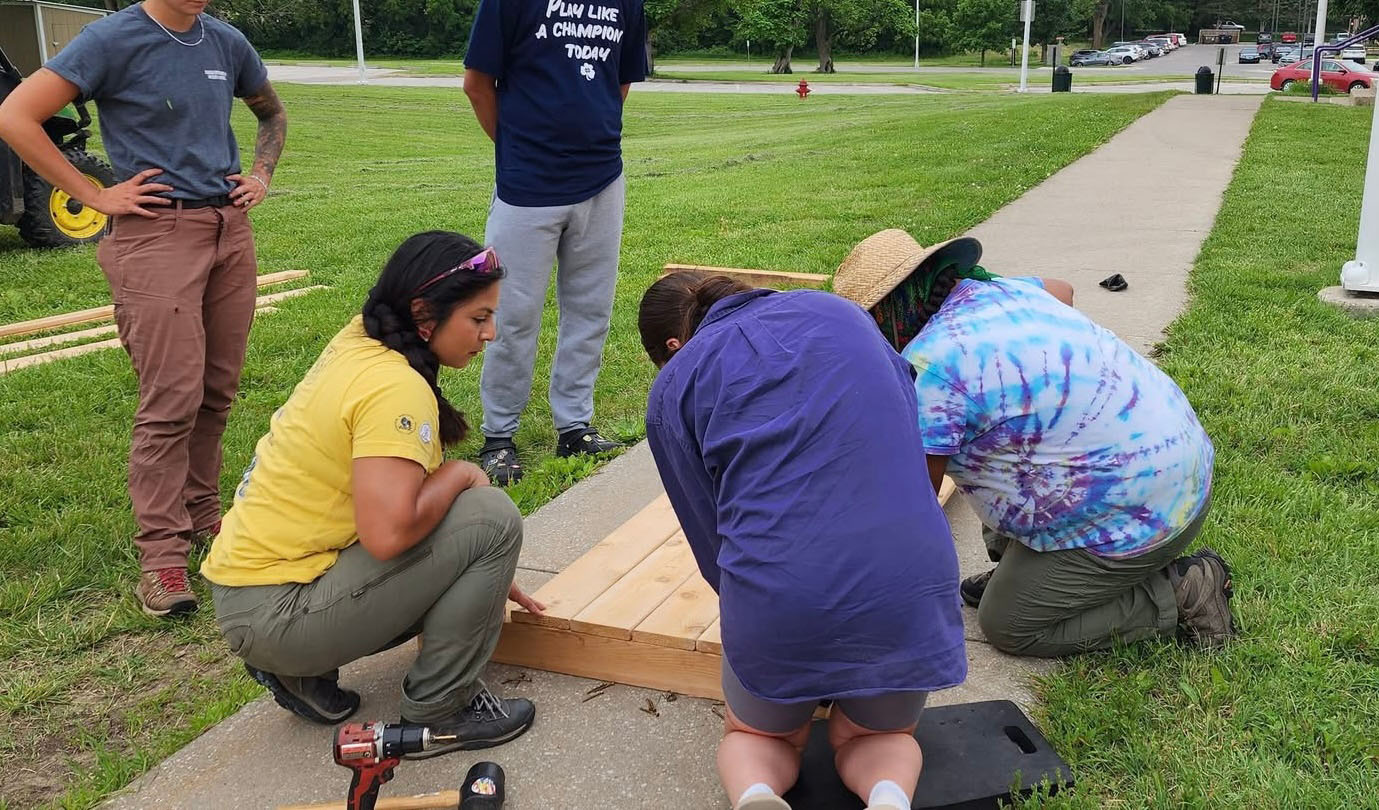
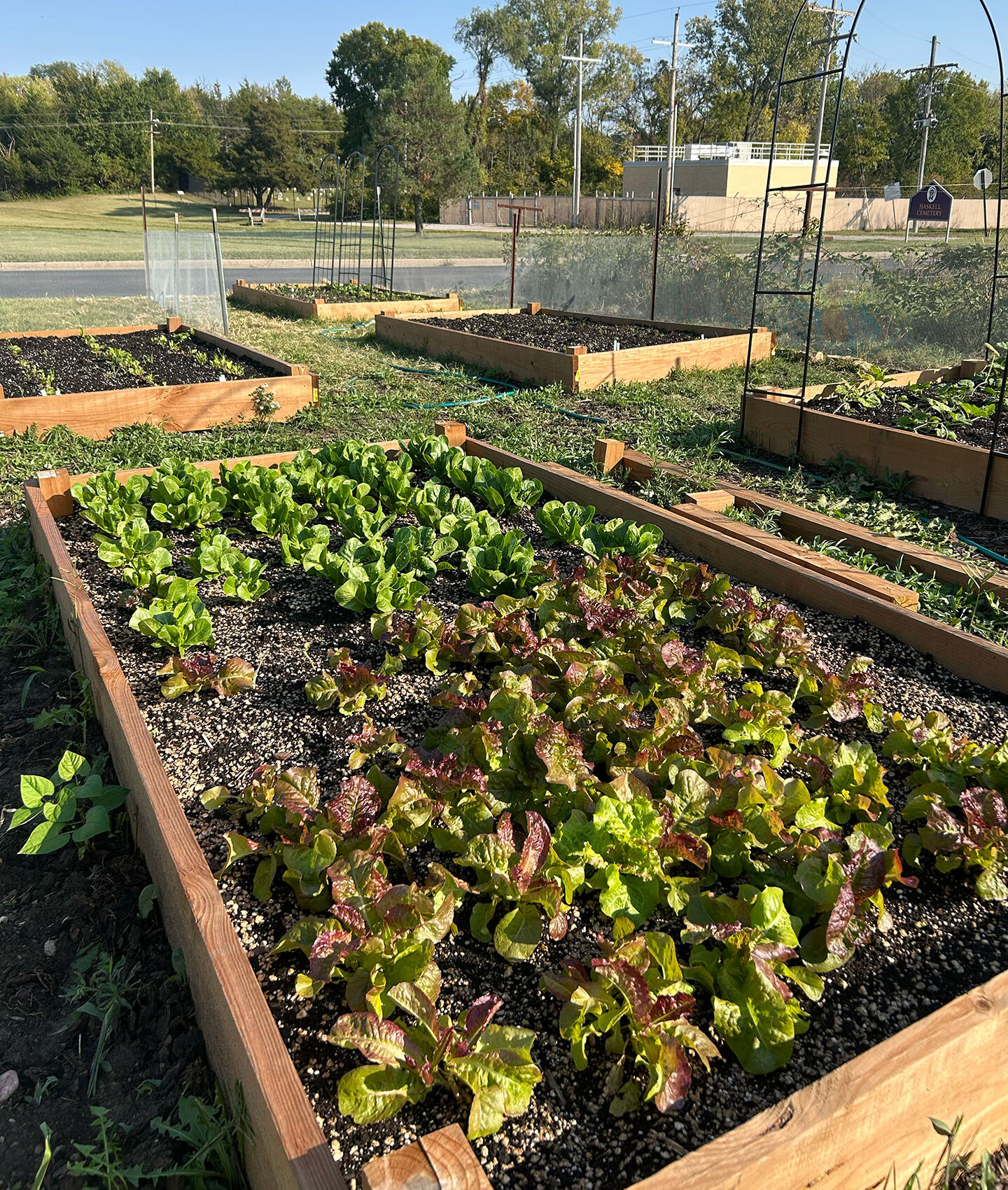
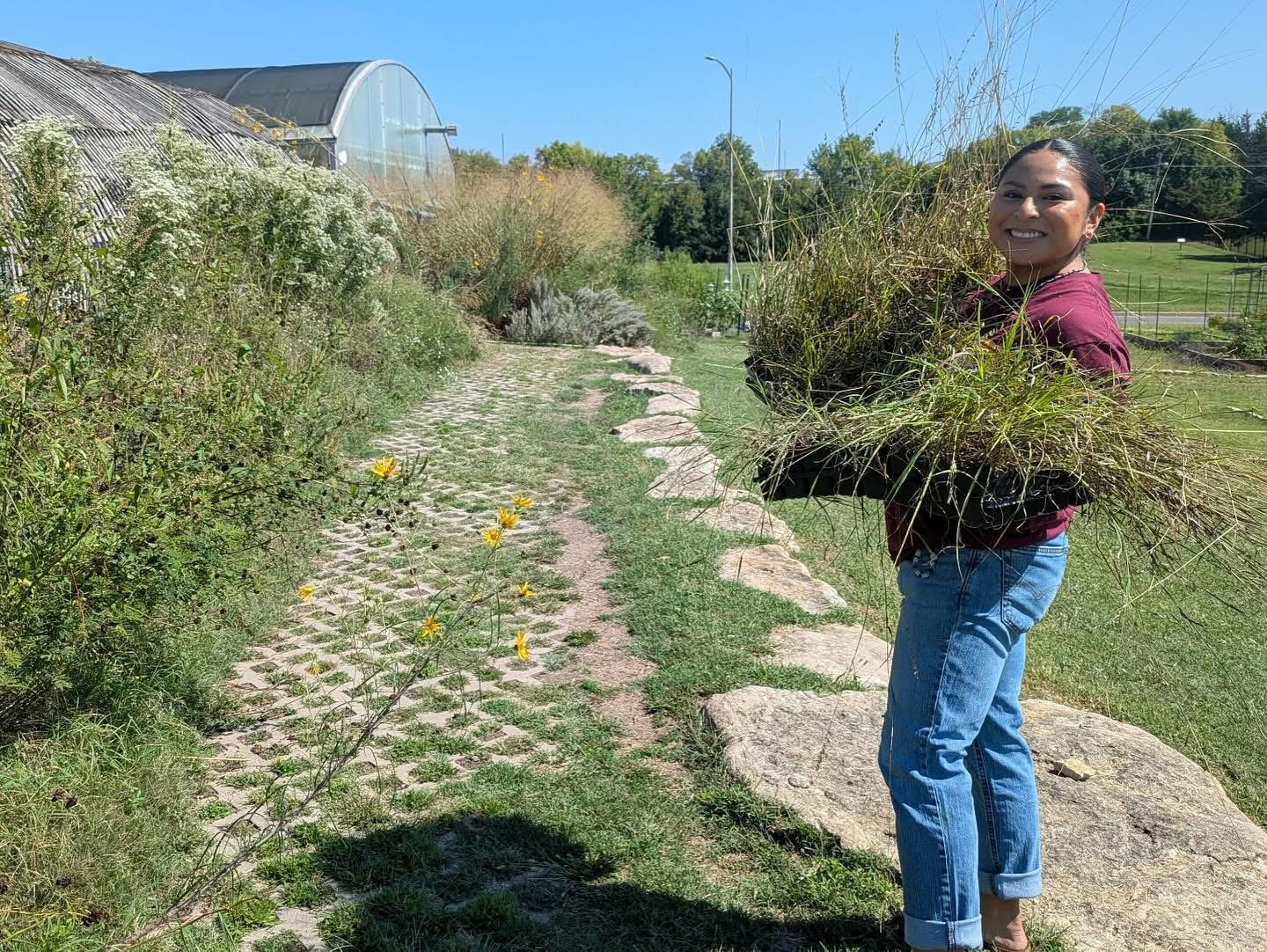
We came up with the idea of building raised garden beds near the dorms so students can easily access fresh foods and learn how to grow them themselves. Through support from the Haskell Greenhouse (funded through the USDA Equity Grant), we started building.
Last year was our first year doing this project and it was a learning experience as with many community-based projects, it comes with trial and error. However, that process taught us a lot about what works, what doesn’t, and how to build something more sustainable moving forward. This year, we’re continuing this work with stronger systems, more involvement, and a clearer vision.
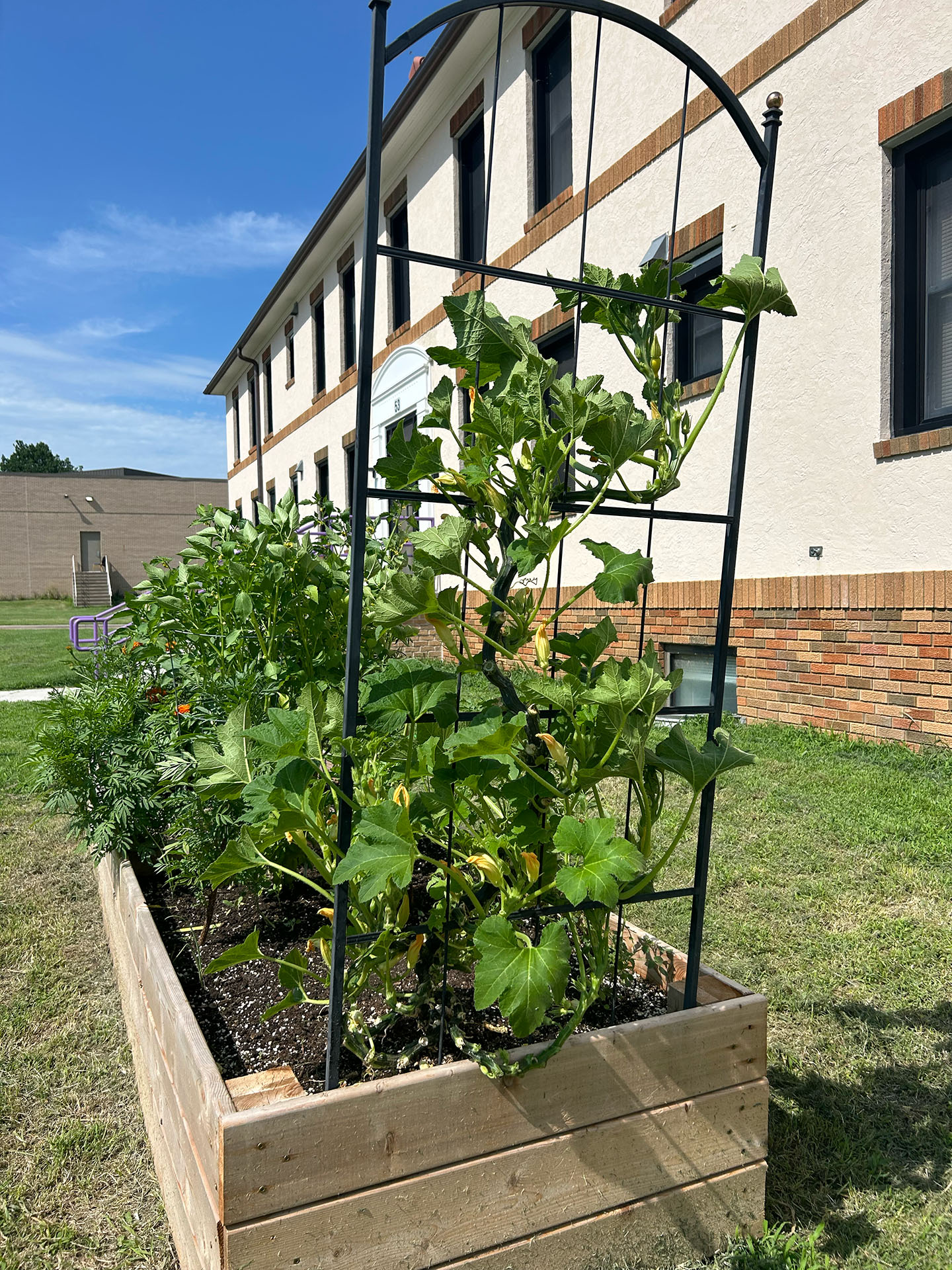
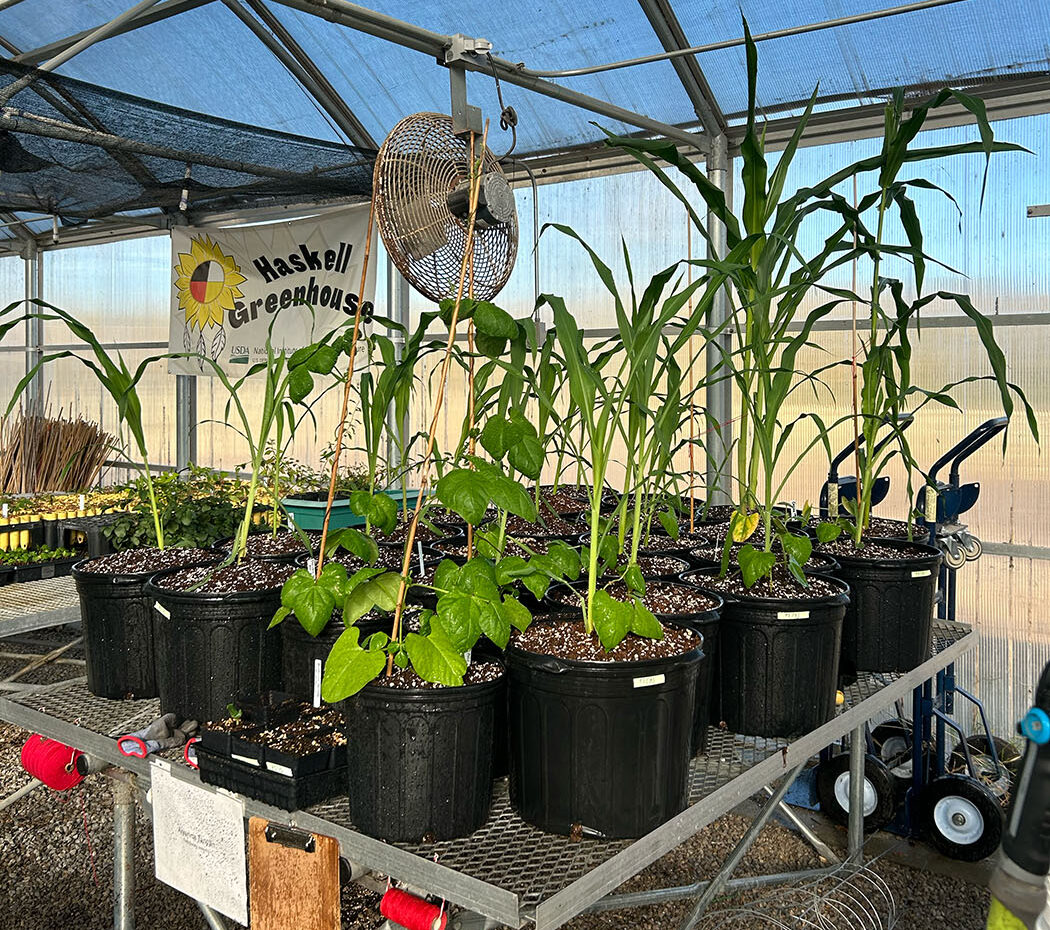
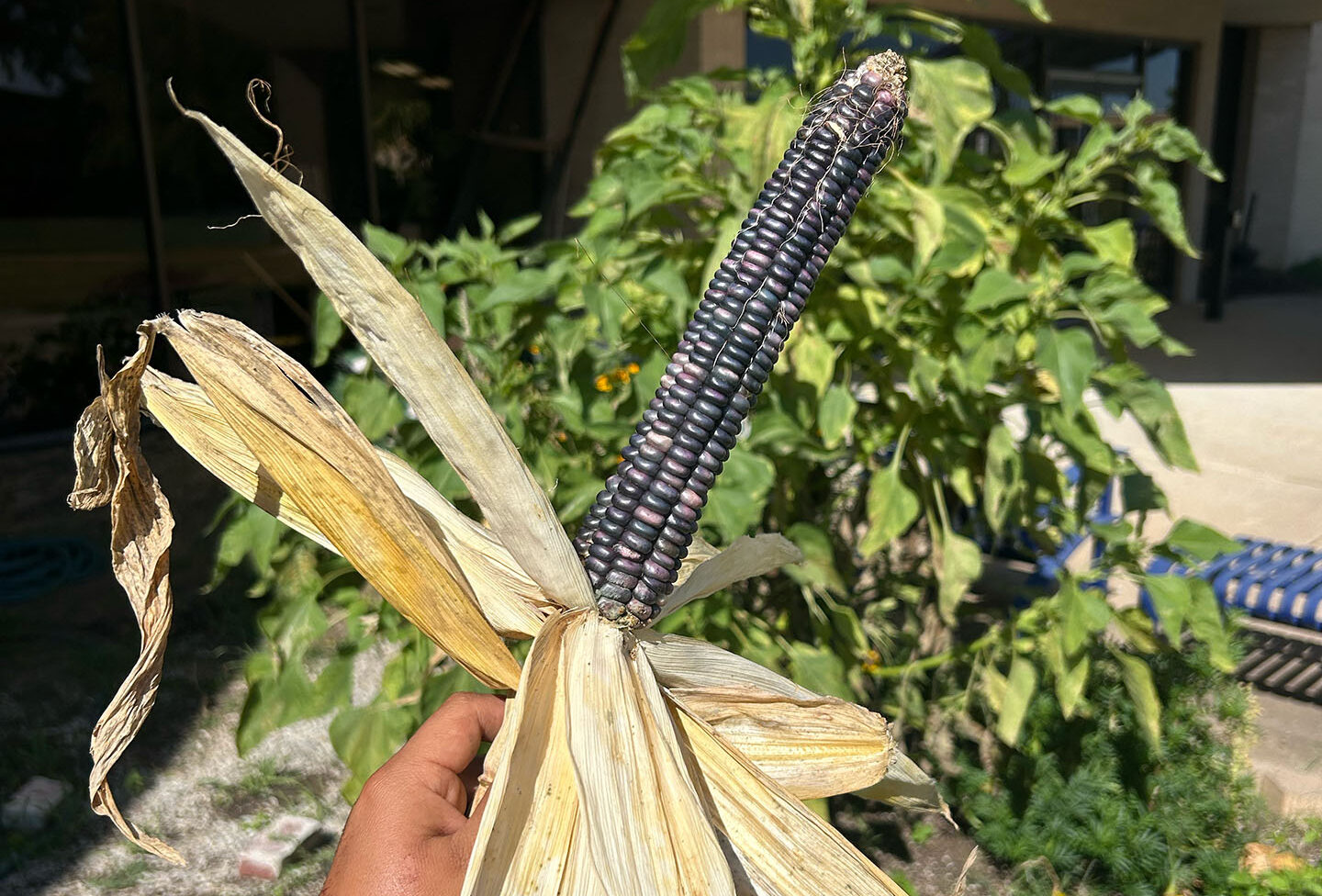
Everyone at the Haskell Greenhouse wants to help others learn, value, and view these spaces as places of teaching. I know they have taught me so much about responsibility and our relationship with the environment. Through these projects, we’re helping students reconnect with the land and understand the importance of food sovereignty for Indigenous communities. This work is ongoing, and we’re still learning. Every seed planted, and every workday shared brings us one step closer to a more sustainable and connected future.
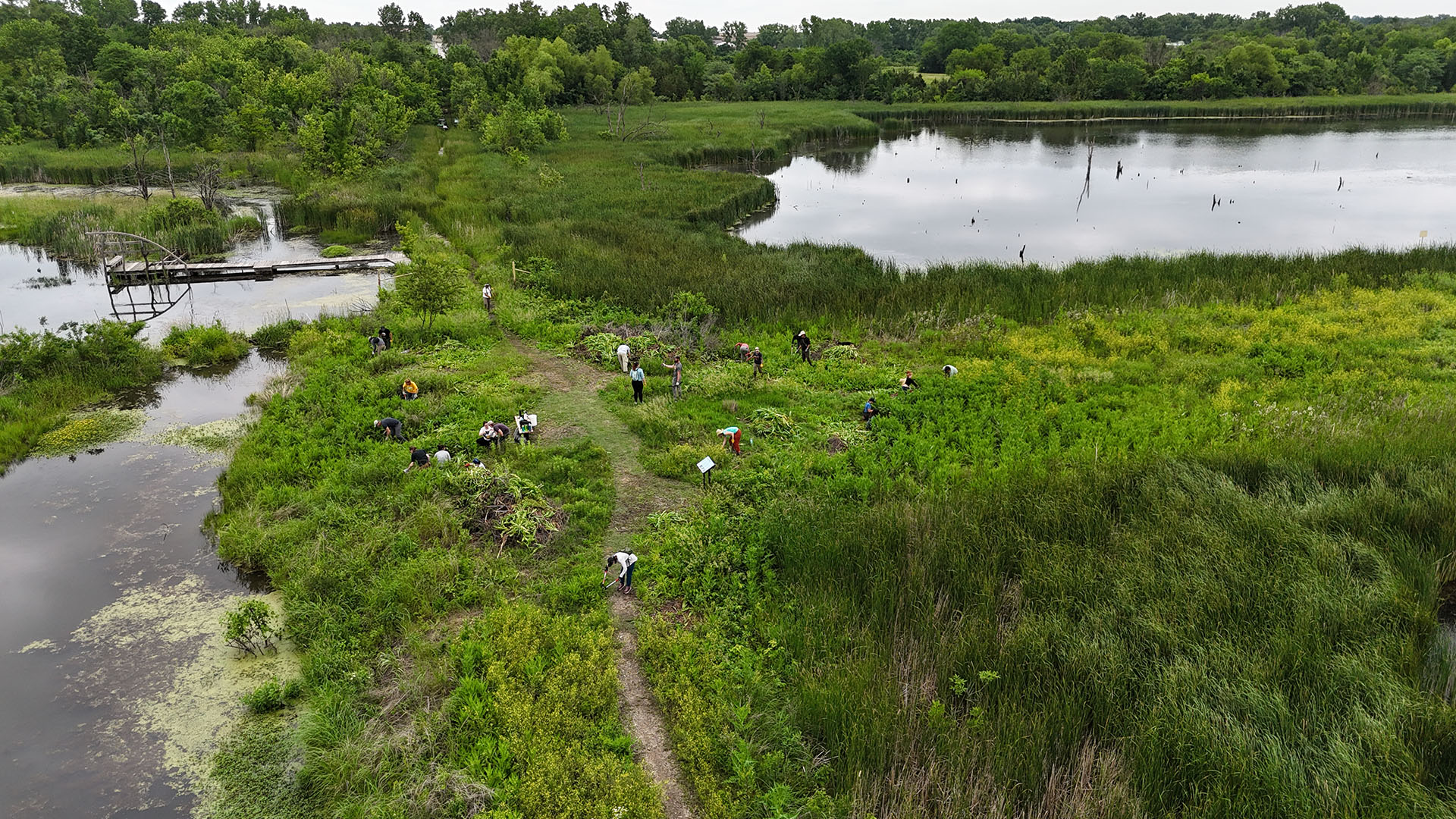
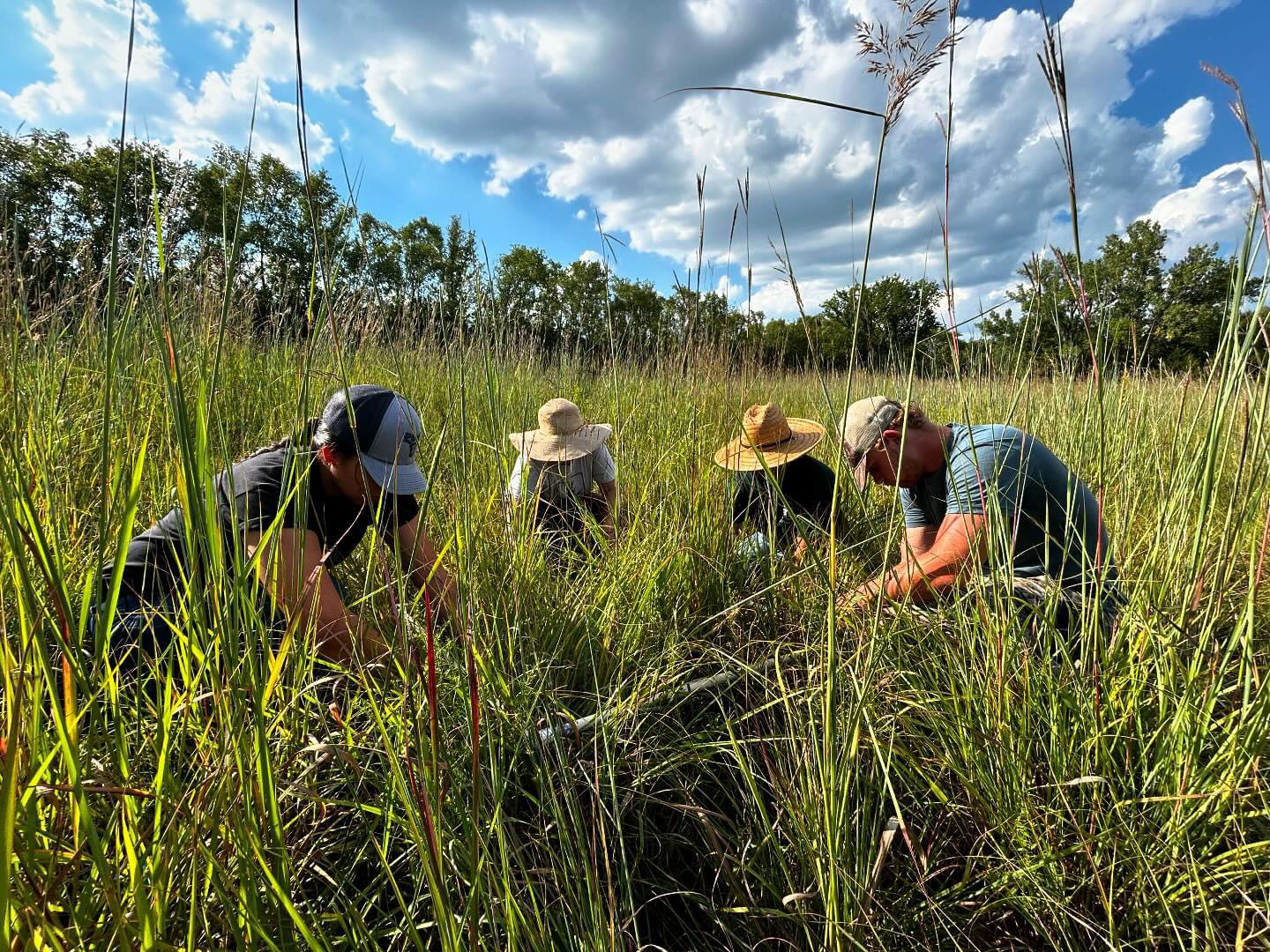
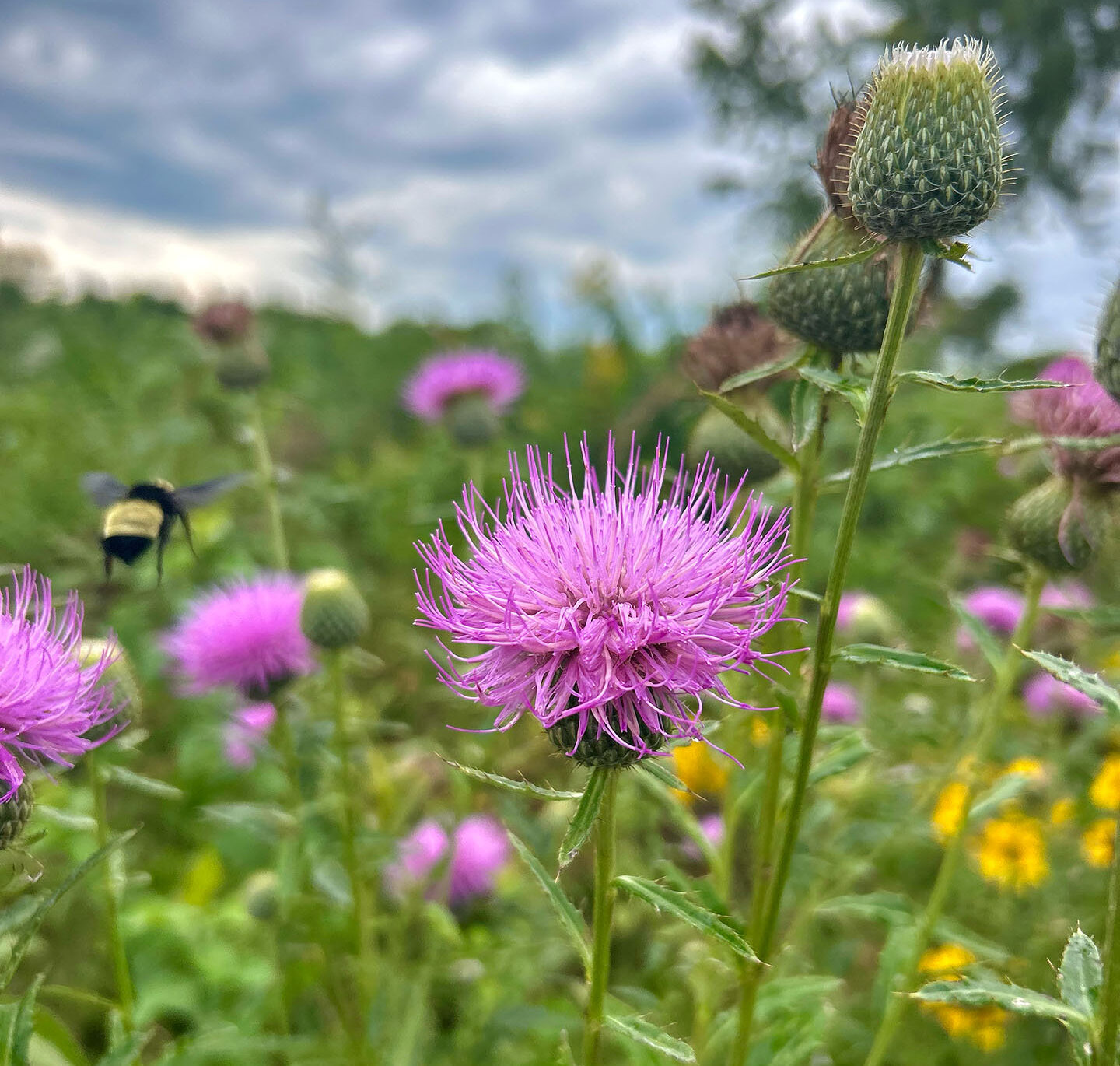
In Caring for Our Kin: Stories of Indigenous Environmental Stewardship, the College Fund shares the stories of Indigenous environmental leaders who are centering kinship and relational knowledge to build healthy ecological systems. These stories remind us that caring for the Earth means caring for one another—and that Indigenous knowledge systems continue to offer guidance, resilience, and hope for the future.
Learn more about our Environmental Stewardship Program.
Ekvnv Vcayecet. Mvto!
(Take care of the Earth/Land. Thank you)
More Blogs
Coca-Cola First Generation Scholars Honored
Making the transition to college is hard for anyone, but when a student is a first-generation college student, the transition is even more difficult, because they do not have the family resources to help guide them through the process.
President Obama Donates $125,000 of Nobel Prize Money to American Indian College Fund
President Obama announced today that he will donate $125,000 of his $1.4 million Nobel Peace Prize monies to the American Indian College Fund (the Fund). In a statement issued by the White House, Obama said of the Fund and nine other charity organizations that received donations from the president, “These organizations do extraordinary work in the United States and abroad helping students, veterans and countless others in need. I’m proud to support their work.”
The Joseph and Sophia Abeles Foundation, Inc. Donates $15,000 to American Indian College Fund
The Joseph and Sophia Abeles Foundation, Inc. has announced it is donating $15,000 to the American Indian College Fund for scholarships for American Indian students.
The Tierney Family Foundation Grants the American Indian College Fund $15,000 for Scholarships
The Tierney Family Foundation has granted the American Indian College Fund with a $15,000 grant for scholarships for American Indian students. The grant will support qualified American Indian students who show academic achievement and involvement in their communities by providing financial resources to encourage them to complete a college degree.
Native STEM Students Thinking Indian
This week I have been made proud by a tribal college student and graduate in the STEM fields that are Thinking Indian. Marie, a second-year student at Leech Lake Tribal College in Minnesota in liberal studies with a STEM emphasis, was selected by the National Aeronautics and Space Administration (NASA) as one of its 105 best and brightest interns and fellows for the NASA Student Ambassador Program.
The Andrew W. Mellon Foundation Renews $450,000 Grant to American Indian College Fund
The Andrew W. Mellon Foundation has announced a grant for $450,000 to continue the Andrew W. Mellon Foundation Faculty Career Enhancement Fellowship Program at the American Indian College Fund (the Fund). The program was funded by the Andrew W. Mellon Foundation and launched by the Fund in 2004 to increase the number of faculty at the nation’s 33 tribal colleges and universities possessing a terminal degree.
President’s Day
I thought I would take the opportunity this President’s Day to reflect on what it means to be a good leader. Although this holiday was established to celebrate United States presidents, I would like to honor American Indian tribal presidents and chairpeople and tribal college presidents who serve in important leadership roles throughout Indian Country.
Meta Lilienthal Scholarship Fund Grants the The Fund $13,000 for Scholarships
The Palo Alto, California-based Meta Lilienthal Scholarship Fund has granted the American Indian College Fund $13,000 for American Indian student scholarships. The American Indian College Fund supports qualified American Indian students who show academic achievement and involvement in their communities by providing the financial resources to encourage them to complete a college degree.
The Rundgren Foundation Grants the American Indian College Fund $12,000 for Scholarships
The Oak Brook, Illinois-based Rundgren Foundation granted the American Indian College Fund $12,000 for scholarships for American Indian students. The American Indian College Fund supports qualified American Indian students who show academic achievement and involvement in their communities by providing the financial resources to encourage them to complete a college degree
The Helen Roberti Charitable Trust Grants The Fund $24,000 for Scholarships
The Helen Roberti Charitable Trust has granted the American Indian College Fund $24,000 for scholarships for American Indian students. The foundation has provided the grant to support qualified American Indian students who show academic achievement and involvement in their communities by providing financial resources to encourage them to complete a college degree.