
Planting the Seeds of Cultural Sustainability
April 22, 2026 | Student Ambassador Aiyanna Tanyan’s (Seminole Nation of Oklahoma) work to reclaim food sovereignty
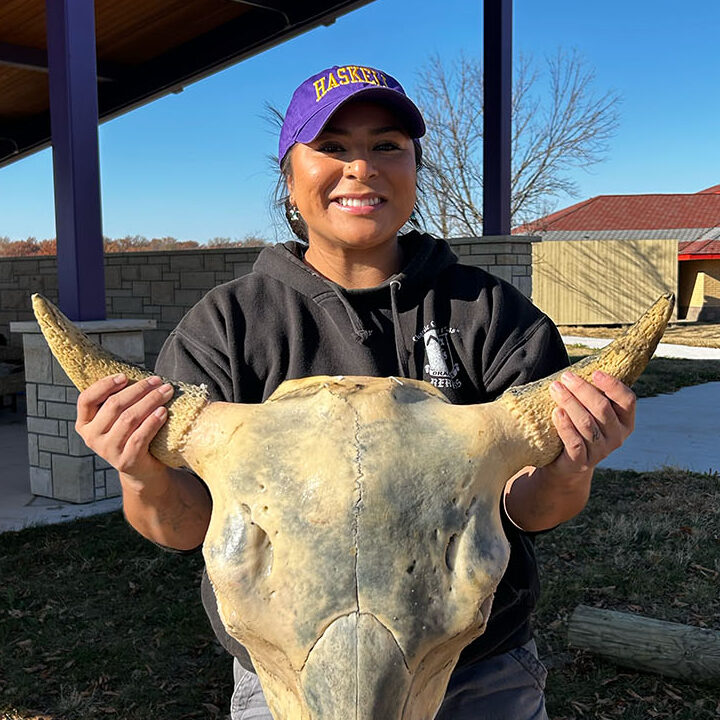
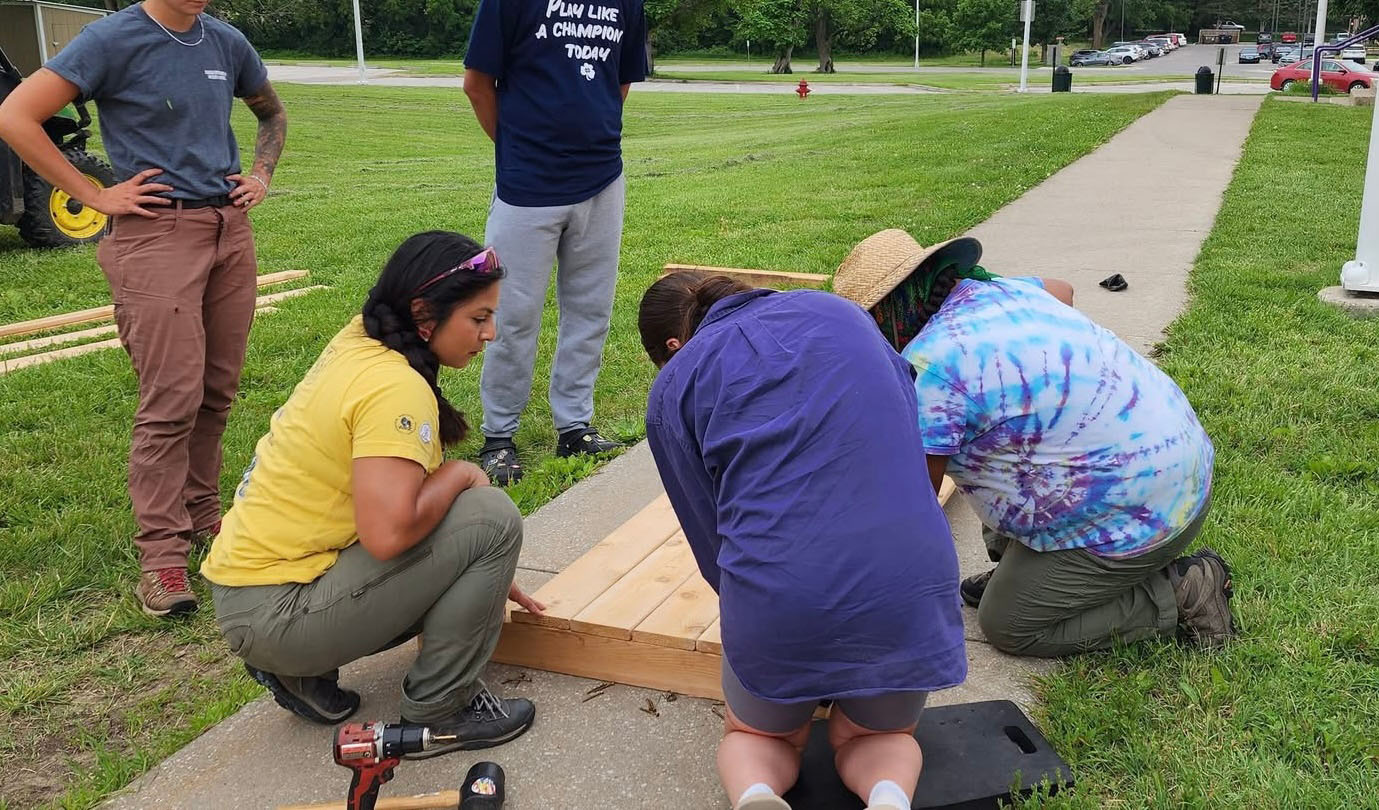
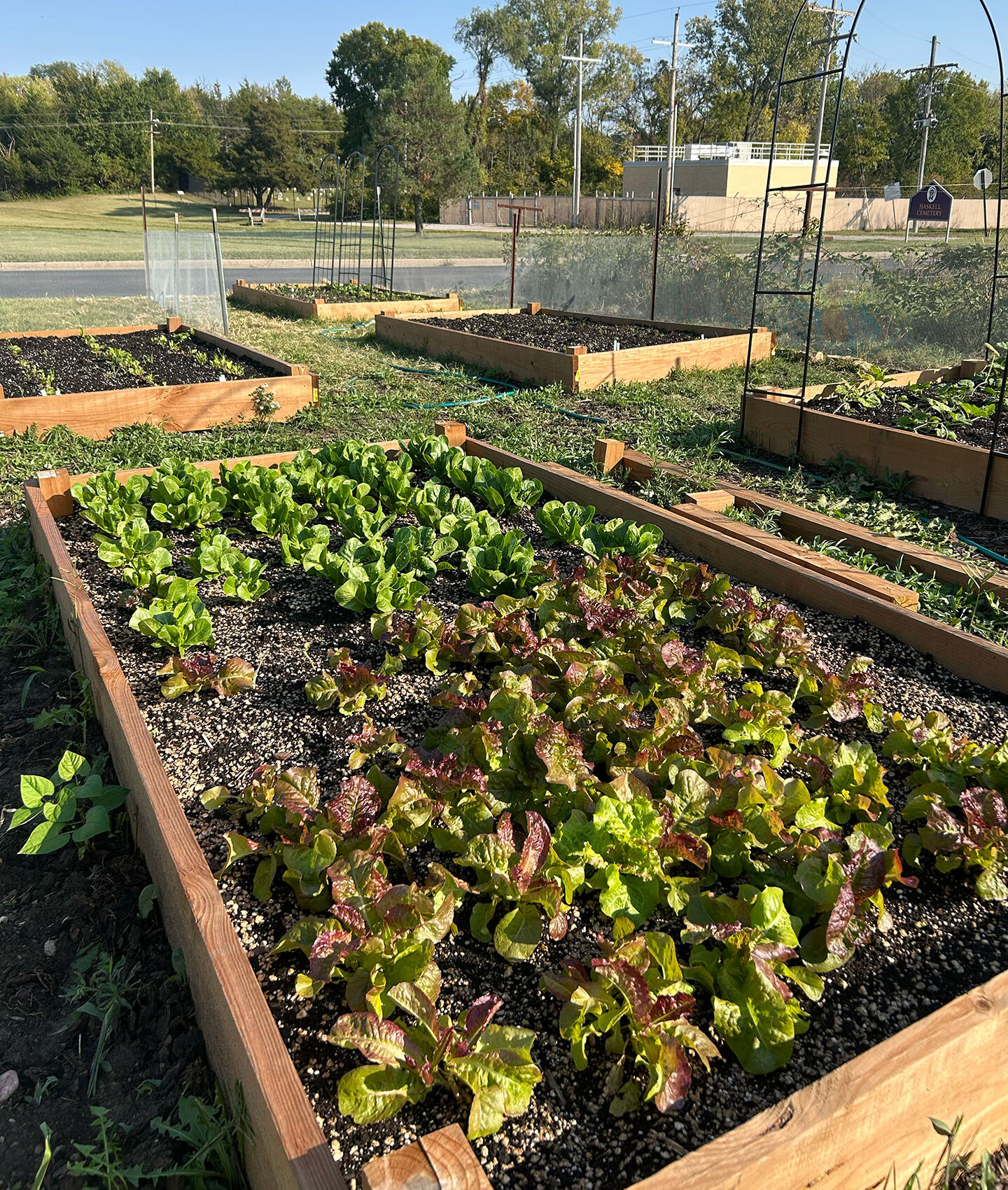
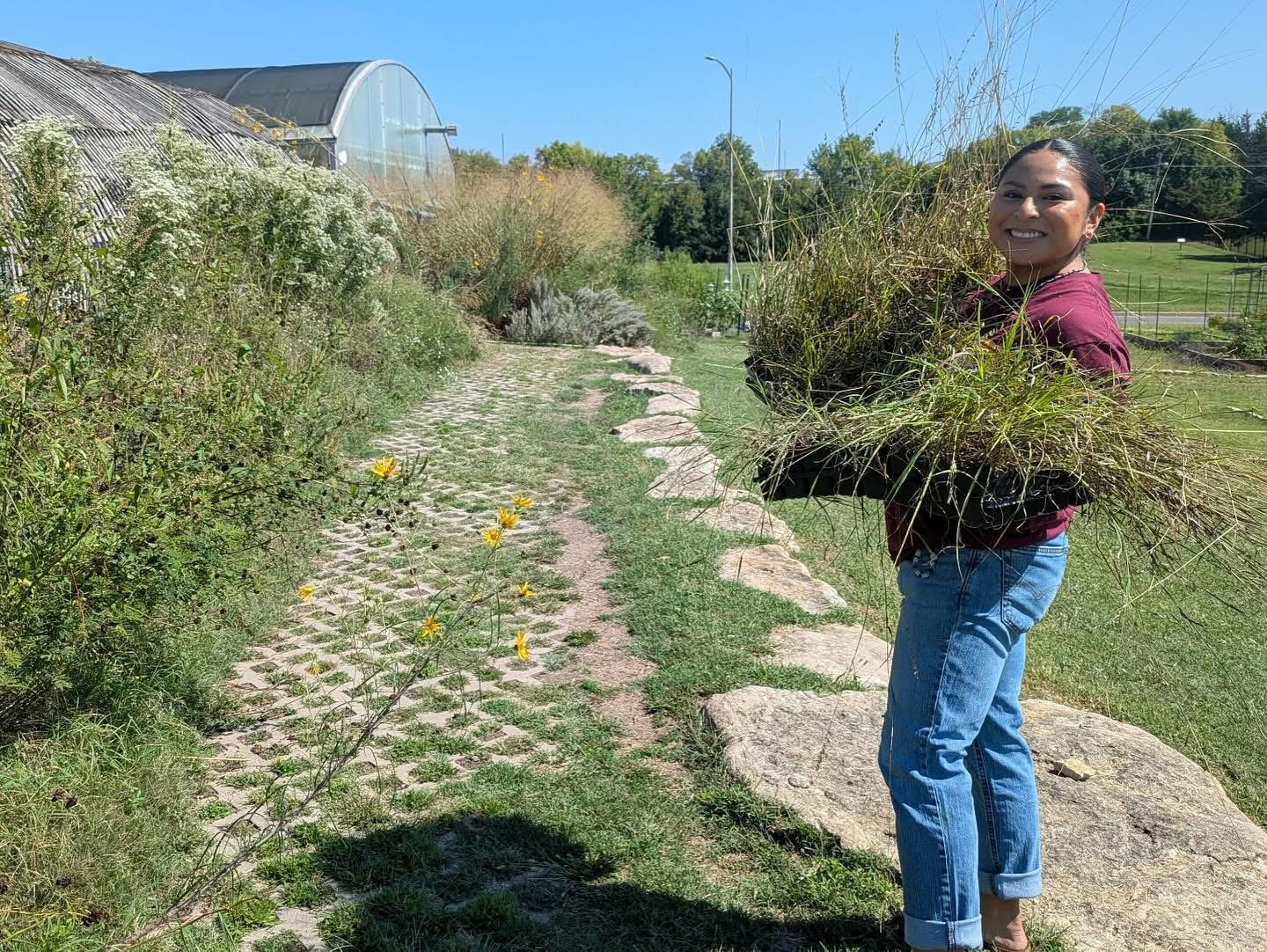
We came up with the idea of building raised garden beds near the dorms so students can easily access fresh foods and learn how to grow them themselves. Through support from the Haskell Greenhouse (funded through the USDA Equity Grant), we started building.
Last year was our first year doing this project and it was a learning experience as with many community-based projects, it comes with trial and error. However, that process taught us a lot about what works, what doesn’t, and how to build something more sustainable moving forward. This year, we’re continuing this work with stronger systems, more involvement, and a clearer vision.
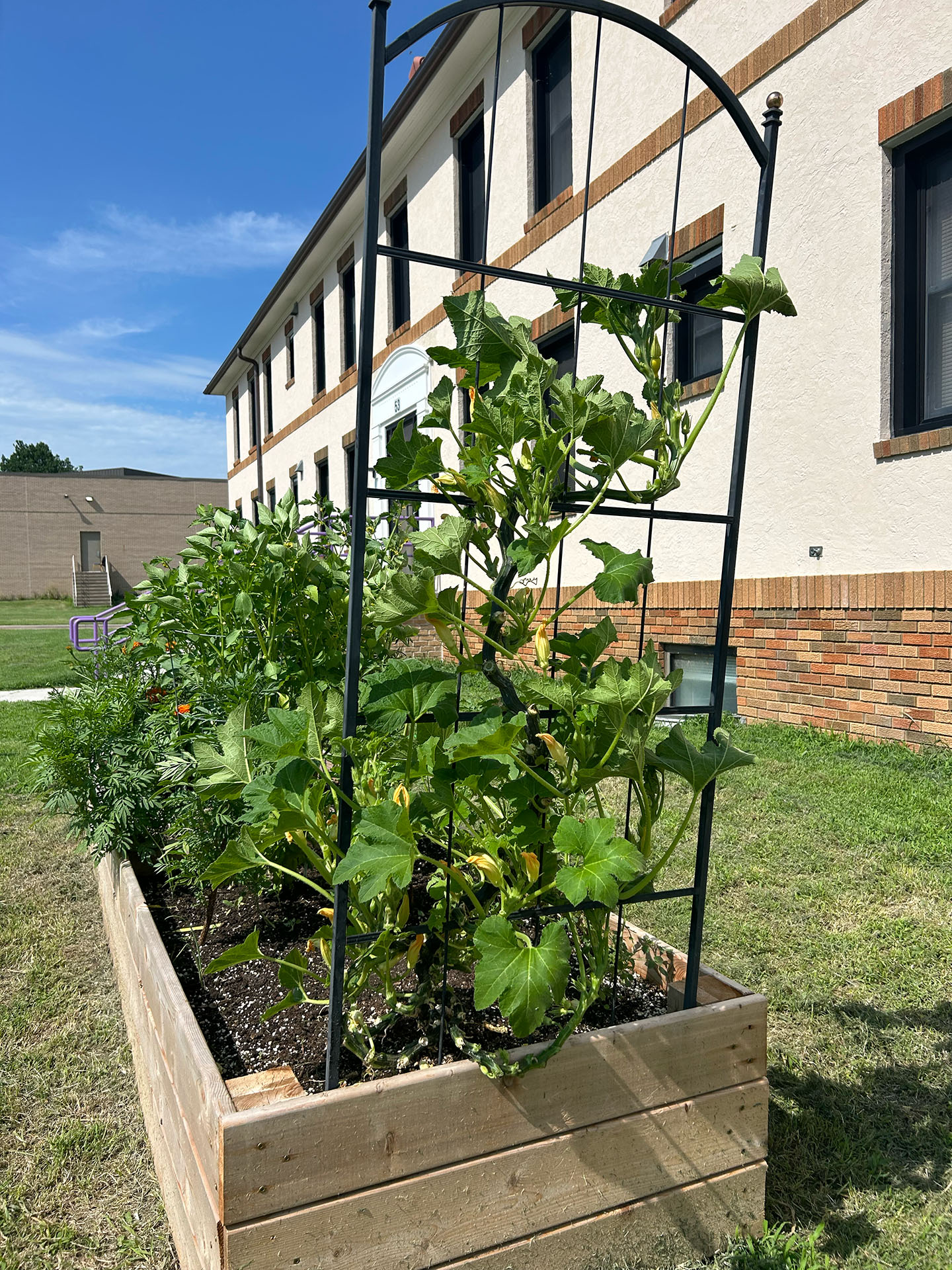
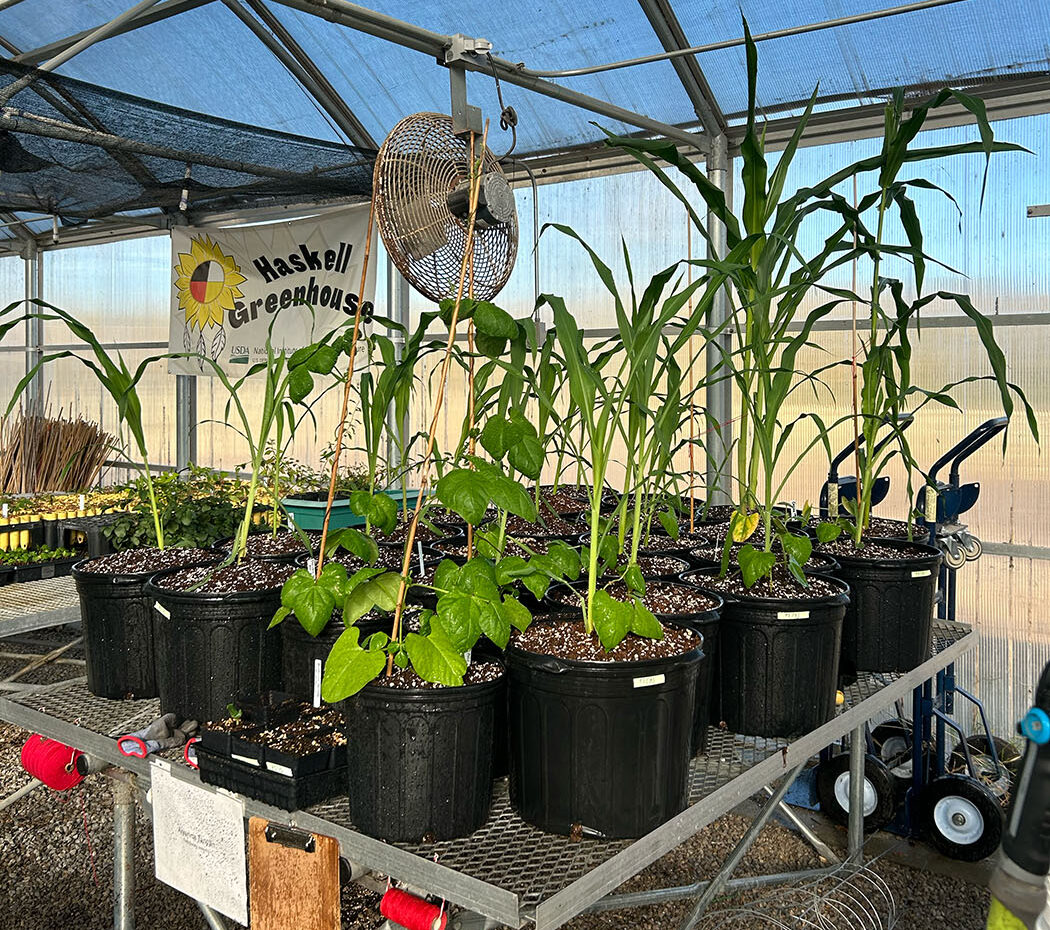
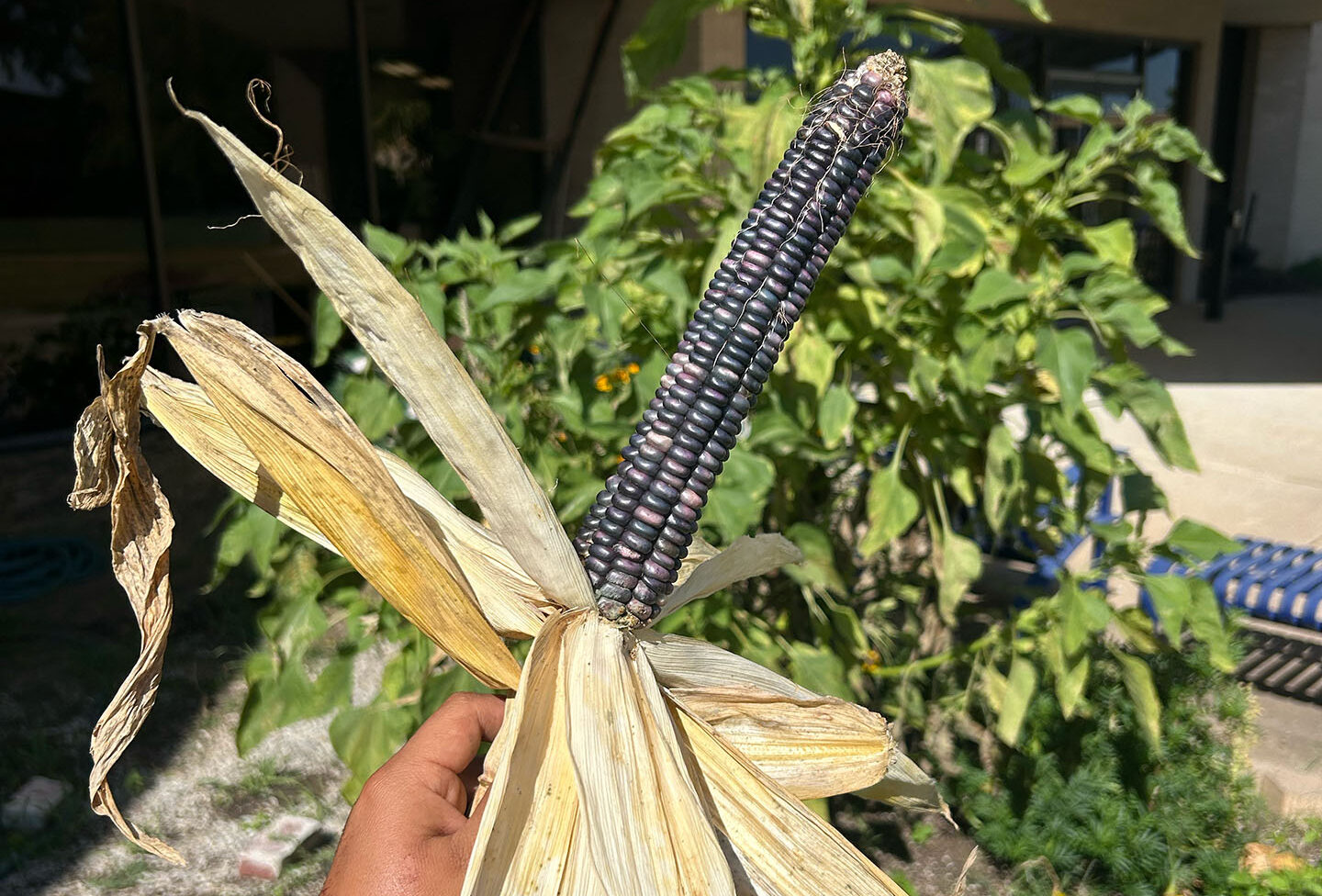
Everyone at the Haskell Greenhouse wants to help others learn, value, and view these spaces as places of teaching. I know they have taught me so much about responsibility and our relationship with the environment. Through these projects, we’re helping students reconnect with the land and understand the importance of food sovereignty for Indigenous communities. This work is ongoing, and we’re still learning. Every seed planted, and every workday shared brings us one step closer to a more sustainable and connected future.
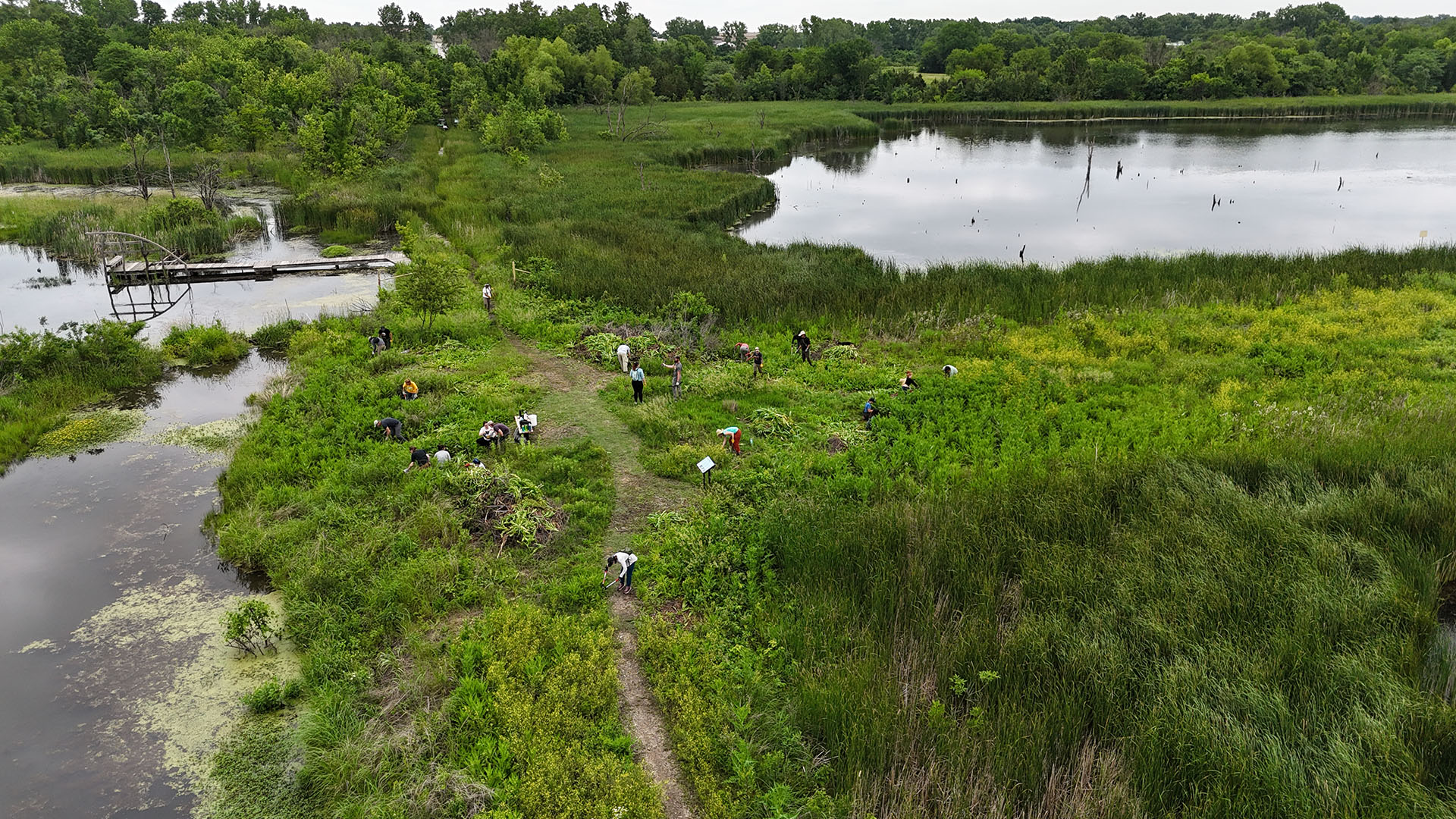
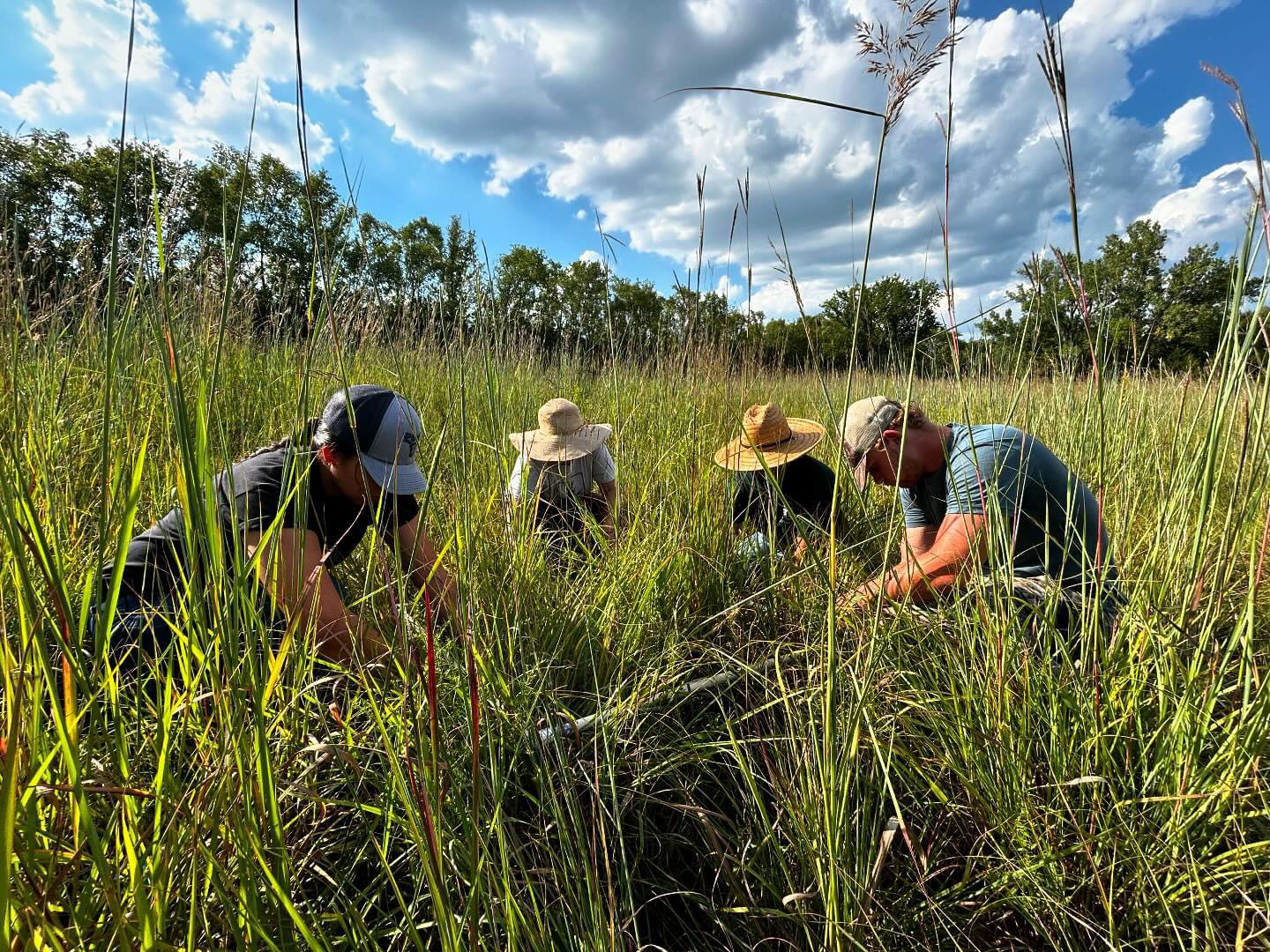
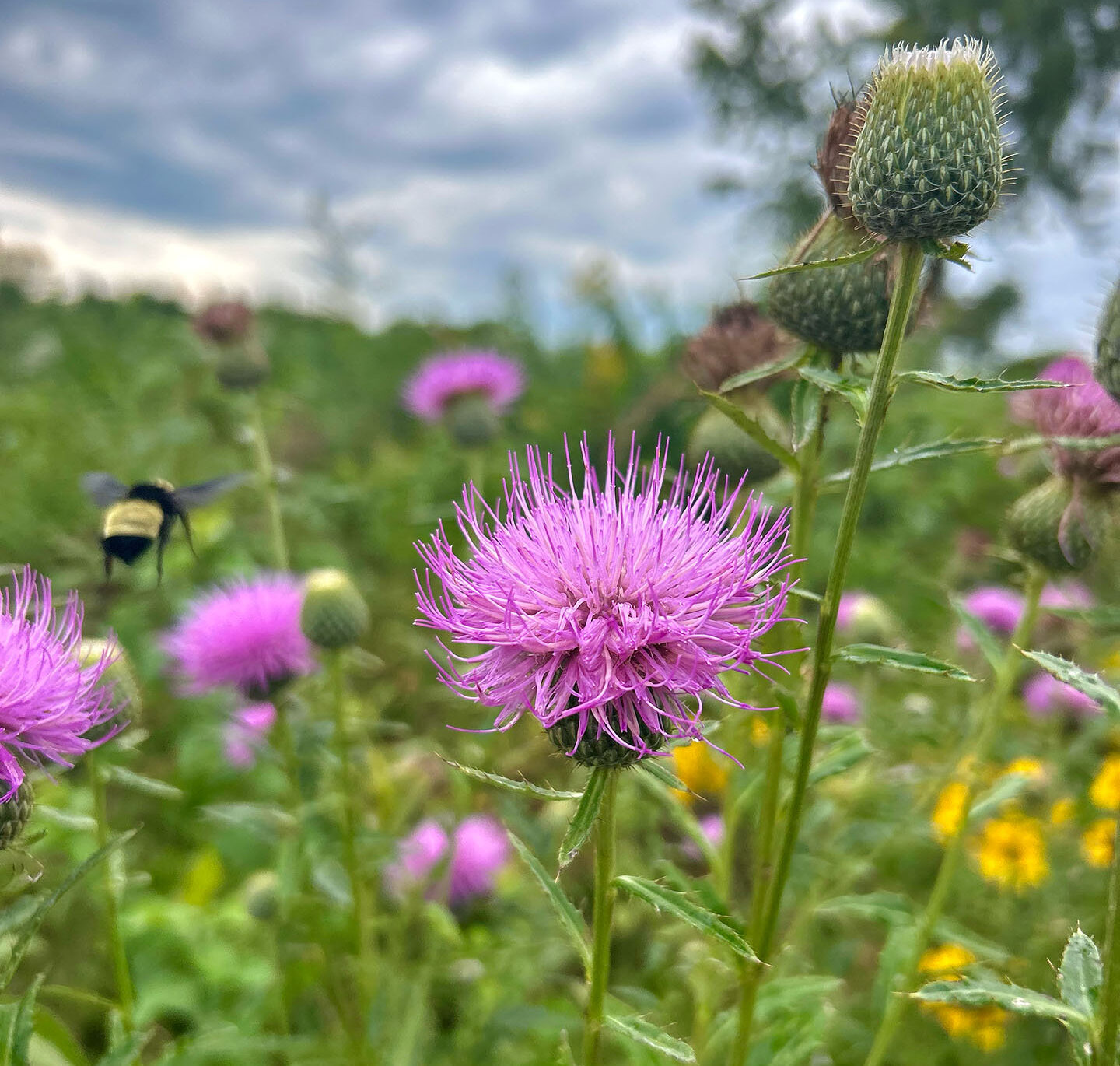
In Caring for Our Kin: Stories of Indigenous Environmental Stewardship, the College Fund shares the stories of Indigenous environmental leaders who are centering kinship and relational knowledge to build healthy ecological systems. These stories remind us that caring for the Earth means caring for one another—and that Indigenous knowledge systems continue to offer guidance, resilience, and hope for the future.
Learn more about our Environmental Stewardship Program.
Ekvnv Vcayecet. Mvto!
(Take care of the Earth/Land. Thank you)
More Blogs
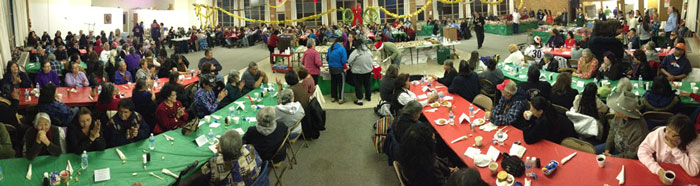
Elder’s Dinner Draws 200 Native Elders
The Denver-based American Indian College Fund (the Fund) honored 200 American Indian elders in the Denver community at a holiday dinner on December 15 at the Church of All Saints. In American Indian tradition, “Elders are highly esteemed for their direction and are considered to be sacred,” says Richard B. Williams, President and CEO of the Fund.
Cobell Settlement A Dream Come True
The U.S. government has settled a long-running lawsuit over royalties owed to American Indians. The Interior Department will distribute $1.4 billion to more than 300,000 tribe members to compensate them for historical accounting claims, and to resolve future claims. The department also will spend $2 billion to buy back and consolidate tribal land lost by previous generations.
SHOOT Magazine Selects Creator of Think Indian Campaign, As 2009 Ad Agency of Year
SHOOT Magazine, the leading publication for commercial and entertainment production, announced that Wieden+Kennedy, the Fund’s pro-bono advertising agency, has been selected as its 2009 Advertising Agency of the Year. A Feature section on Wieden+Kennedy was part of SHOOT’s special Year-End Issue published in December.
Need a Holiday Gift Idea?
It’s always hard to find the perfect gift for someone who has everything. One donor shared that instead of purchasing another gift for her mother, a retired registered nurse, who claimed she didn’t need any more “stuff,” she decided to donate money for a nursing scholarship to the American Indian College Fund in her mother’s name.
Native Heritage Month
November is Native Heritage Month. Thanksgiving is often referred to as a time when Indian people came together with the Pilgrims, however, it was commonplace among Indian nations and communities before the Pilgrims arrived. It is possible that the Pilgrims’ celebration coincided with an Indian second harvest known as “Indian Summer,” which usually occurs during a period of warmth after a frost. A thanksgiving ceremony usually followed.
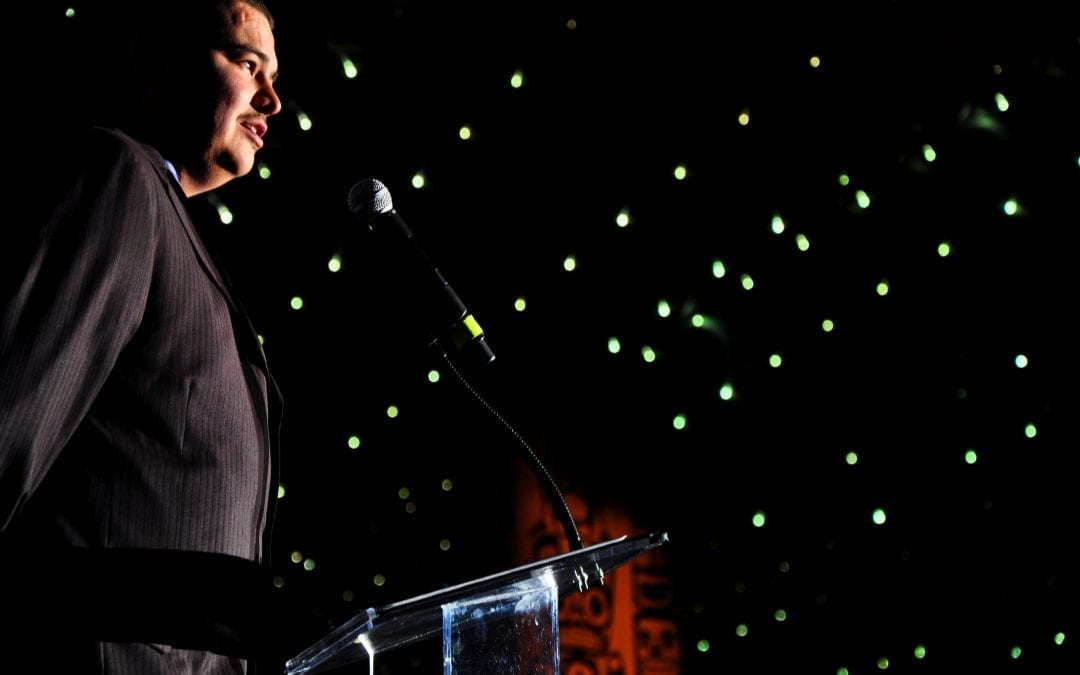
Thank You for Making Our 2009 Flame of Hope Gala A Success!
Neither, rain, nor sleet, nor 18 inches of snow could stop supporters of American Indian education from turning out to celebrate the American Indian College Fund’s 20 years on Wednesday, October 28 at the Seawall Ballroom of the Denver Center of the Performing Arts. As more than 18 inches of snow accumulated outside, more than 300 supporters,
Gearing up to Celebrate 20 Years of Our Mission
This Wednesday marks our 20th anniversary Flame of Hope Gala. We are thrilled to be celebrating our 20 years in a beautiful venue with top-notch entertainment, our supporters, our tribal college leaders, and our students, and hope that our readers will be joining us at the Seward Ballroom of the Colorado Center for the Performing Arts at 6 p.m. on October 28.
Countdown to Our 20th Anniversary Celebration!
It’s less than a week away, and we hope to see you there. The Empress of Soul, Ms. Gladys Knight, will be performing, and we will be joined by people from across the nation that support American Indian education.
Guest Blogger: Thinking Indian
My name is Jennifer DeVerney and I work at Herzing University as an Intern and Employer Outreach Specialist with the Career Services Department. I am a proud member of the Little River Band of Ottawa Indians located from Manistee, Michigan. I have worked really hard to get to where I am today, and have been blessed to hold a career in education where I help change people’s lives on a daily basis regardless of their race.
College Fund on the airwaves
American Indian College Fund President and CEO Richard B. Williams and Casey Lozar, Director of Corporate and Tribal Relations, will appear on Colorado and Company on Channel 9, KUSA-TV in Denver on Thursday, September 24, from 10-11 a.m.