
Planting the Seeds of Cultural Sustainability
April 22, 2026 | Student Ambassador Aiyanna Tanyan’s (Seminole Nation of Oklahoma) work to reclaim food sovereignty
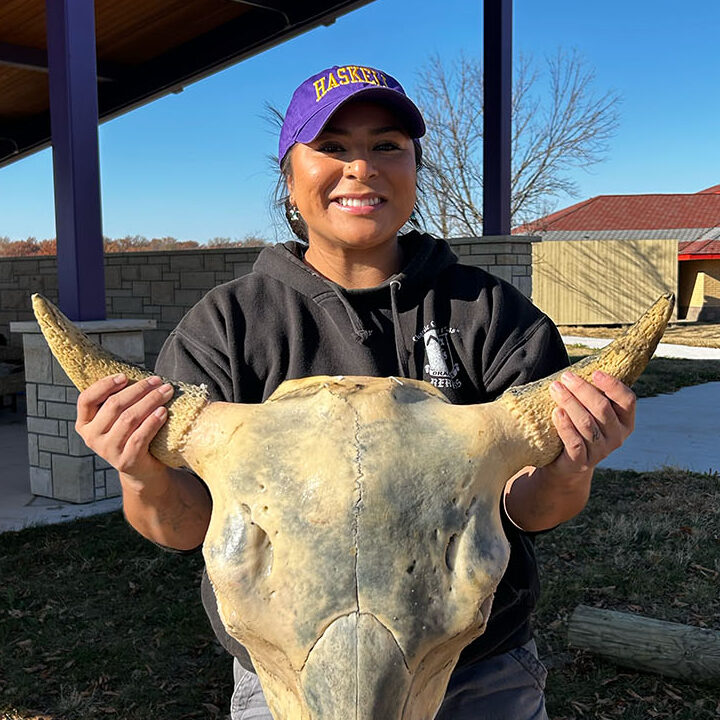
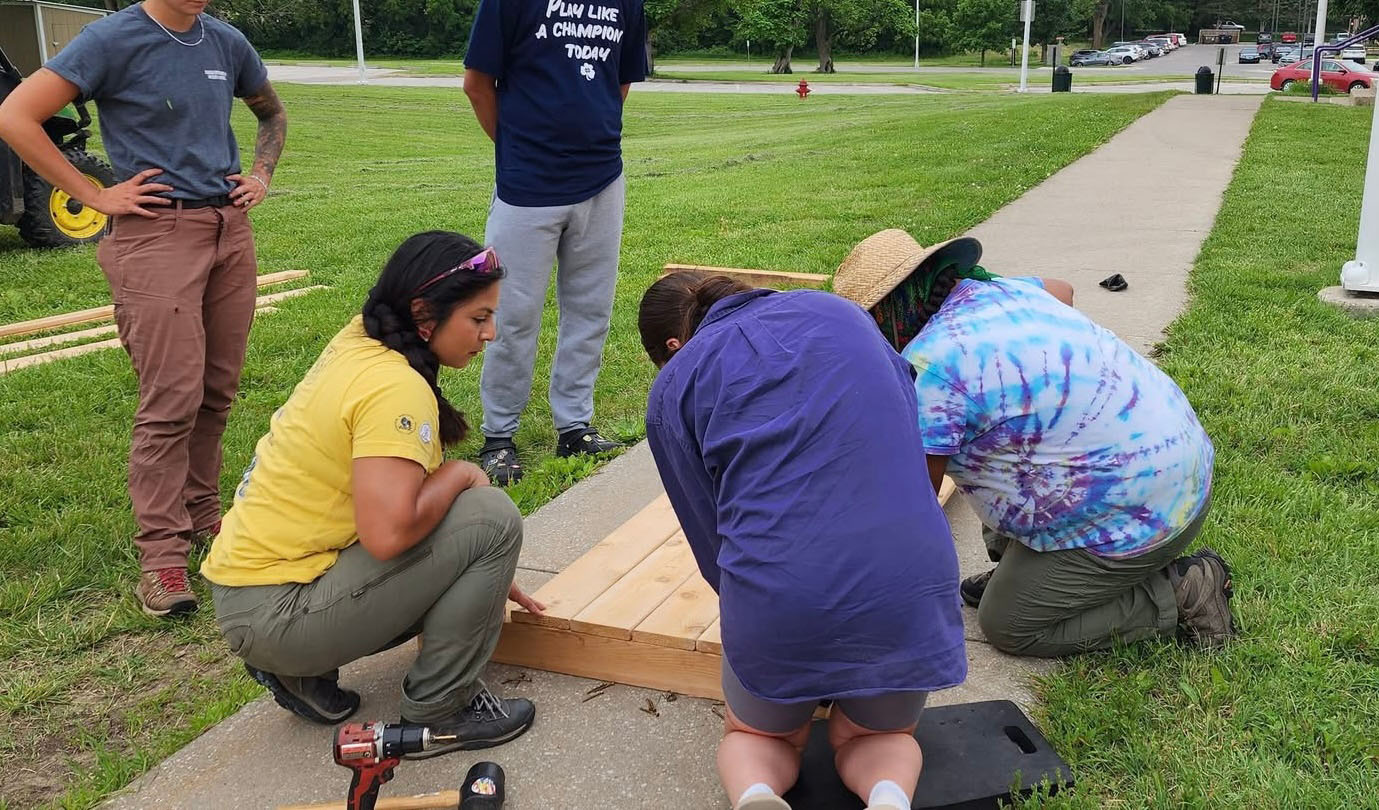
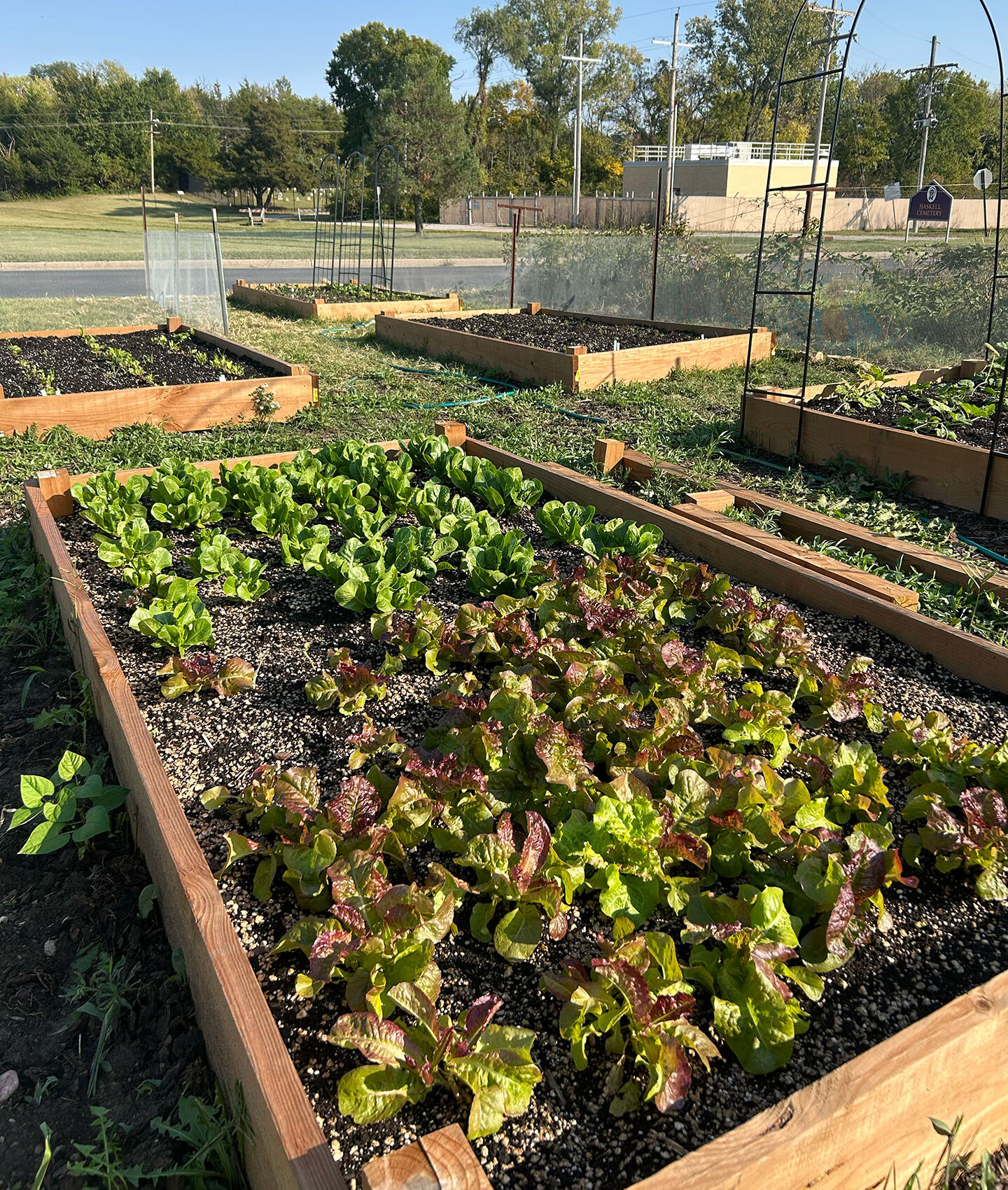
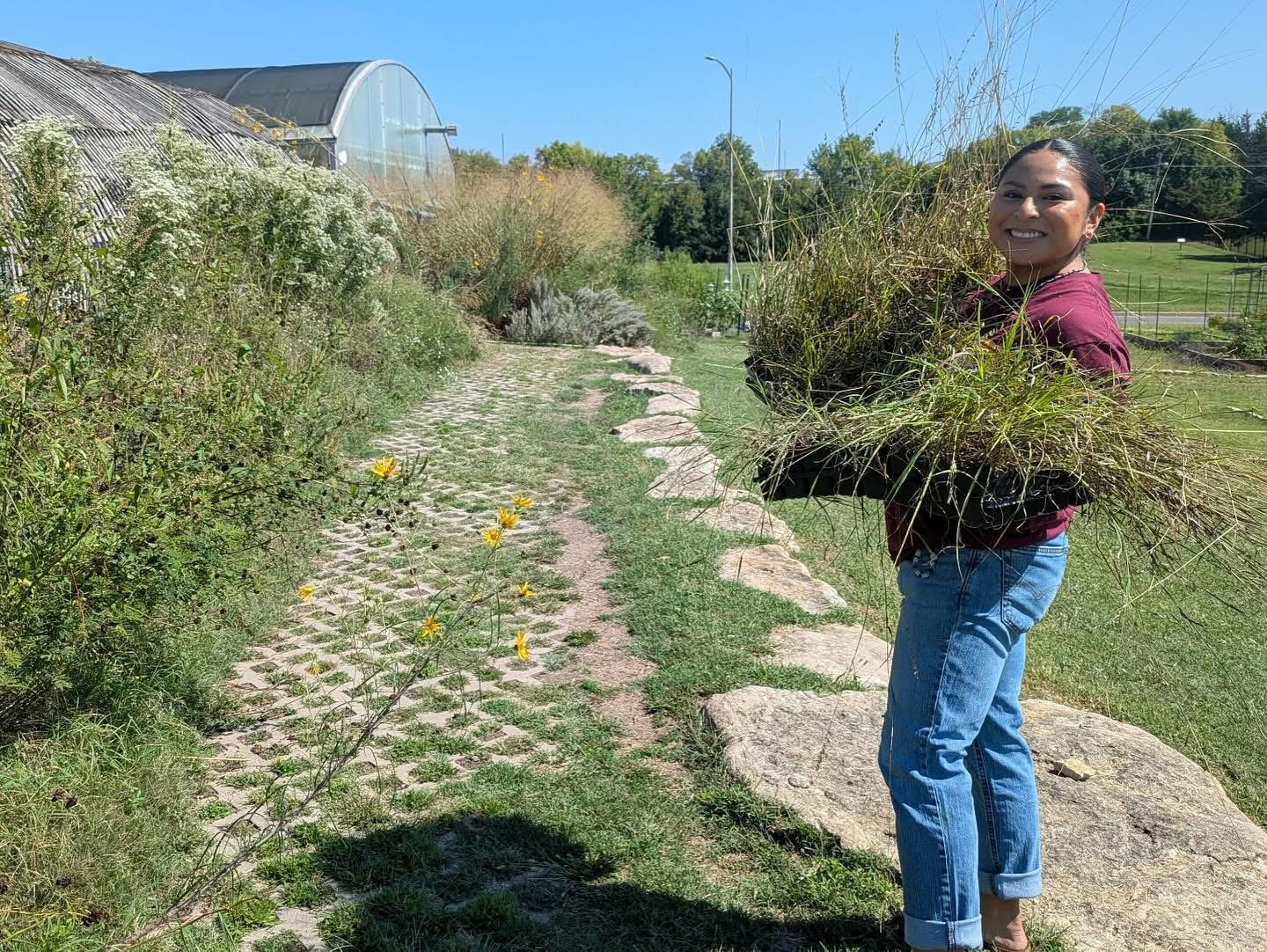
We came up with the idea of building raised garden beds near the dorms so students can easily access fresh foods and learn how to grow them themselves. Through support from the Haskell Greenhouse (funded through the USDA Equity Grant), we started building.
Last year was our first year doing this project and it was a learning experience as with many community-based projects, it comes with trial and error. However, that process taught us a lot about what works, what doesn’t, and how to build something more sustainable moving forward. This year, we’re continuing this work with stronger systems, more involvement, and a clearer vision.
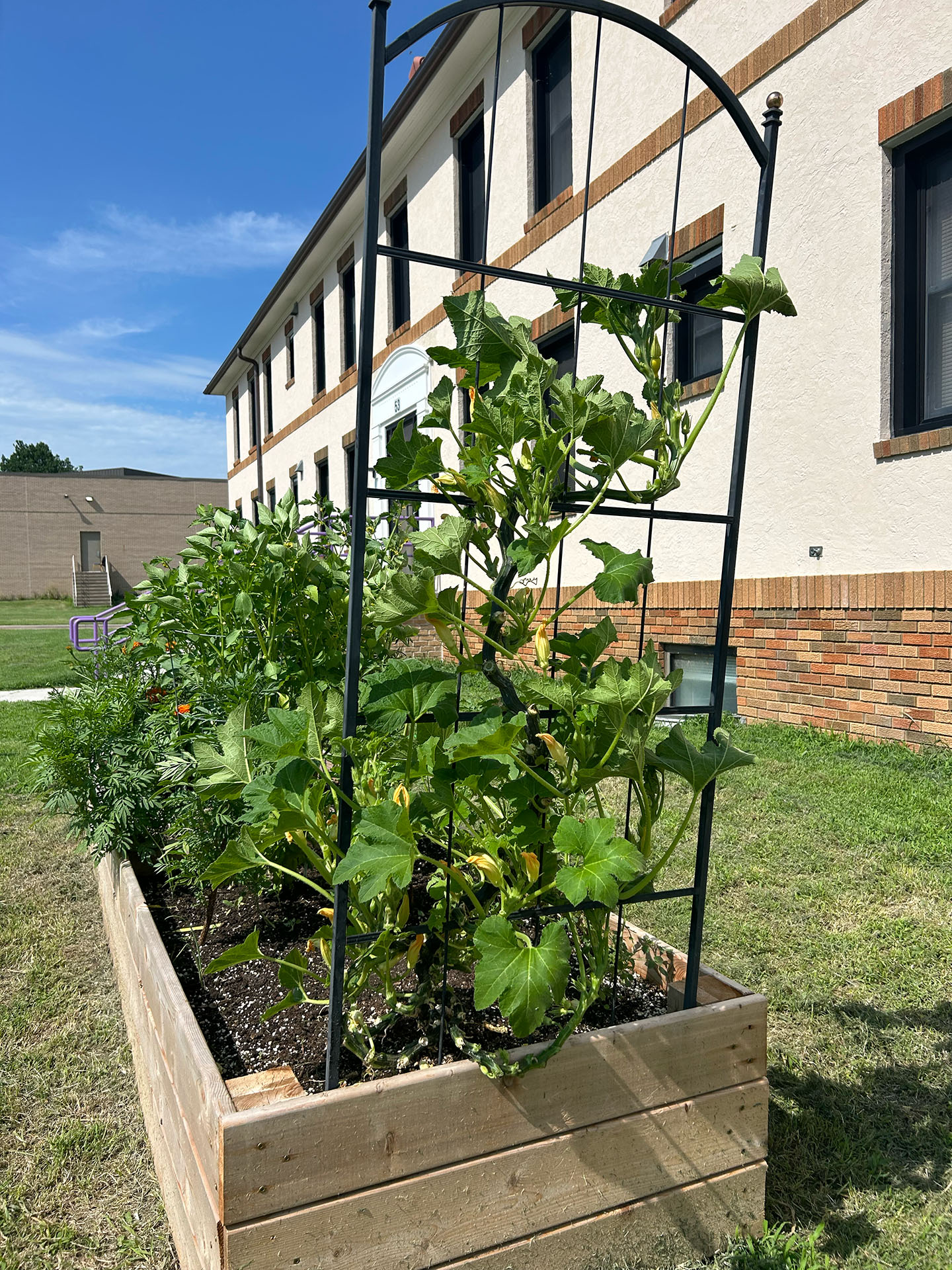
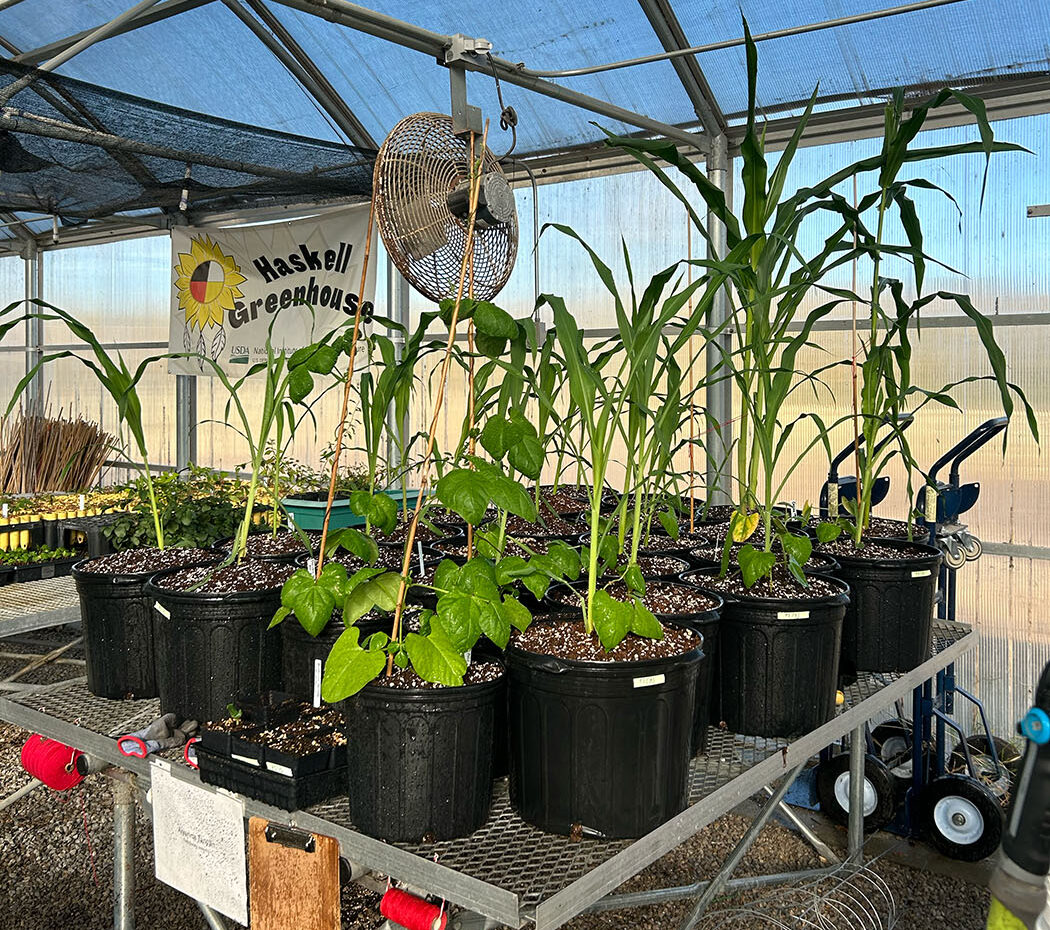
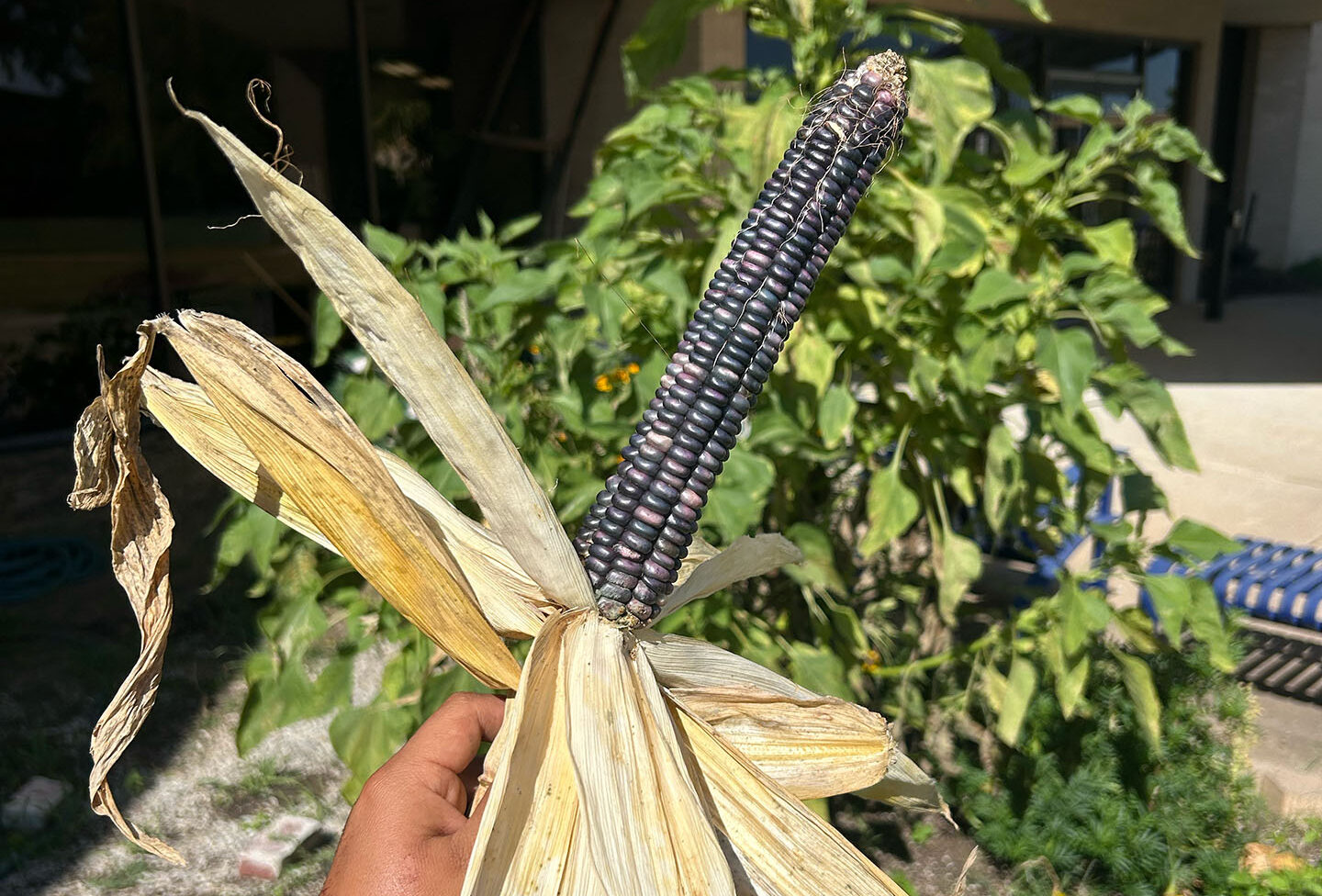
Everyone at the Haskell Greenhouse wants to help others learn, value, and view these spaces as places of teaching. I know they have taught me so much about responsibility and our relationship with the environment. Through these projects, we’re helping students reconnect with the land and understand the importance of food sovereignty for Indigenous communities. This work is ongoing, and we’re still learning. Every seed planted, and every workday shared brings us one step closer to a more sustainable and connected future.
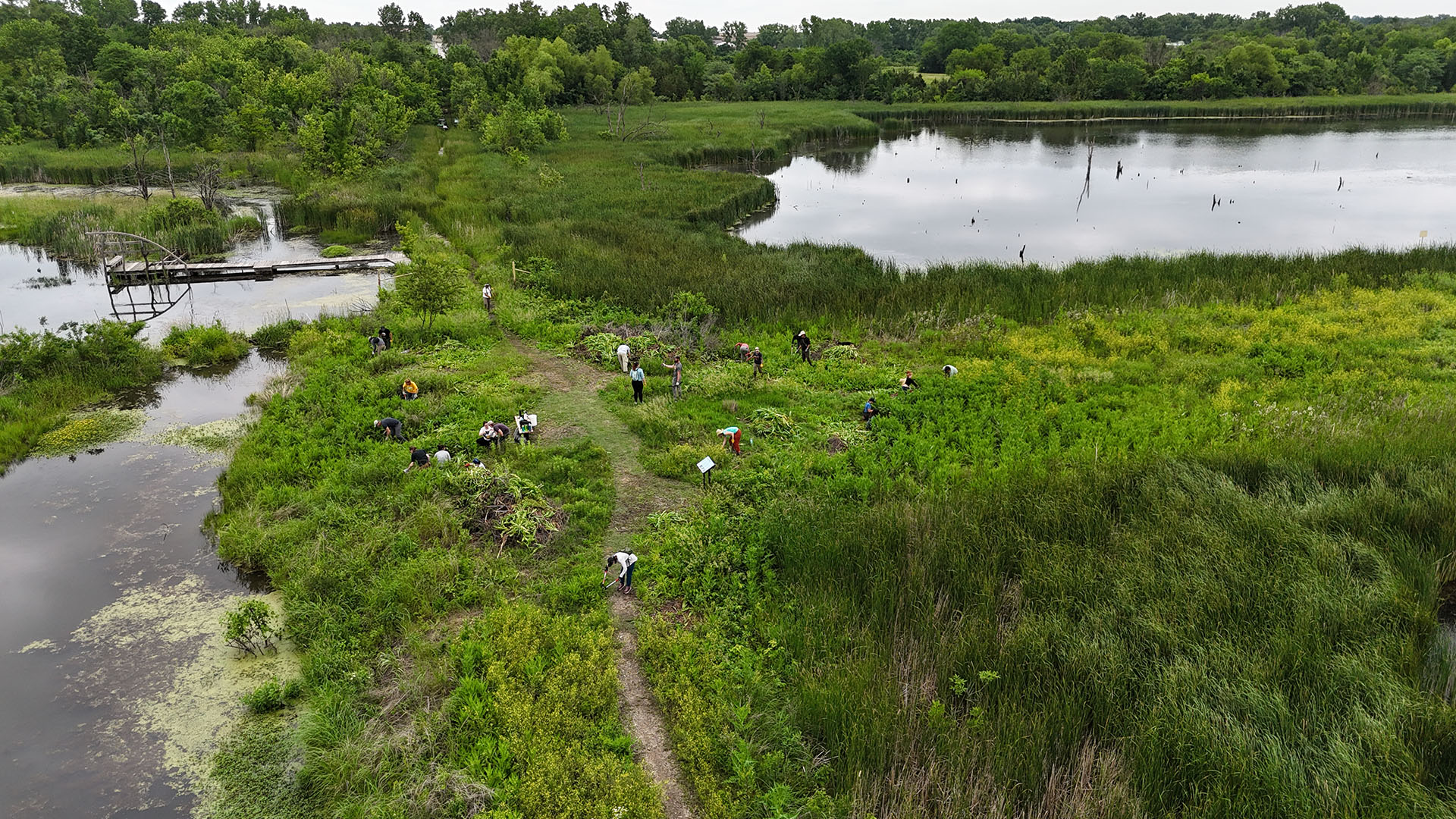
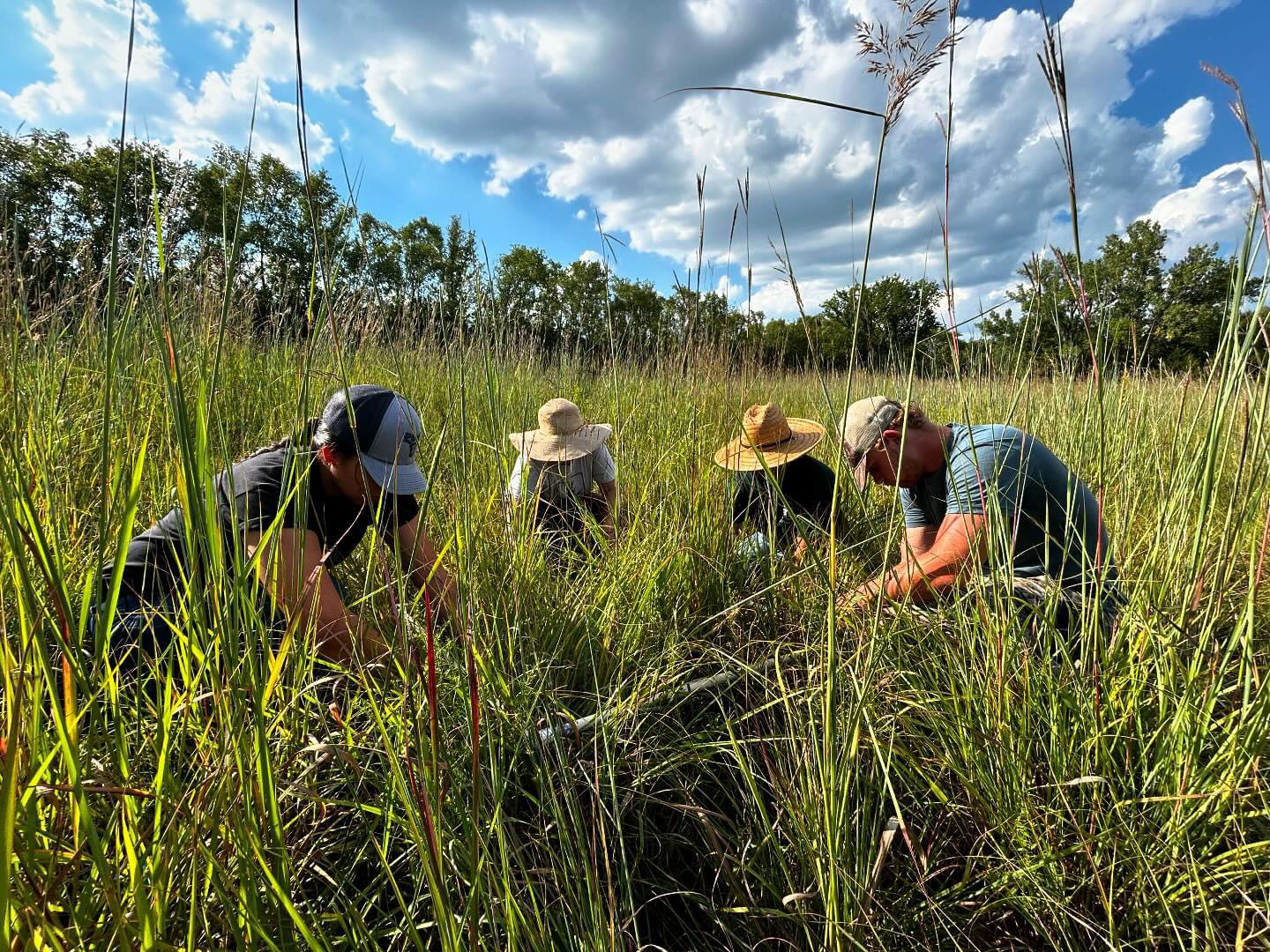
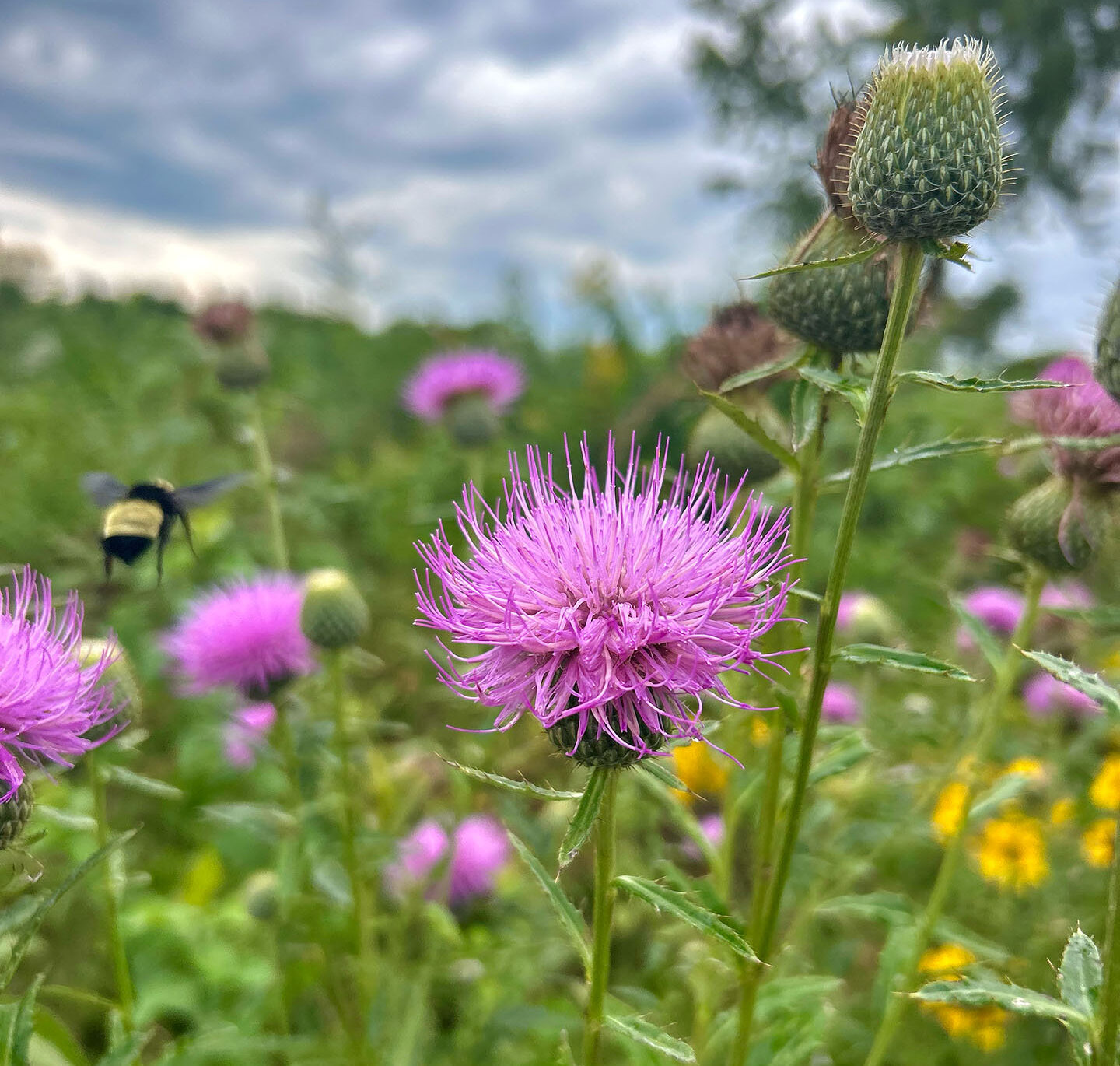
In Caring for Our Kin: Stories of Indigenous Environmental Stewardship, the College Fund shares the stories of Indigenous environmental leaders who are centering kinship and relational knowledge to build healthy ecological systems. These stories remind us that caring for the Earth means caring for one another—and that Indigenous knowledge systems continue to offer guidance, resilience, and hope for the future.
Learn more about our Environmental Stewardship Program.
Ekvnv Vcayecet. Mvto!
(Take care of the Earth/Land. Thank you)
More Blogs
American Indian College Fund Research Develops Preliminary Framework for Tribal College Sustainability
The American Indian College Fund (College Fund) is releasing three briefs with findings from a three-part research project on tribal colleges and universities it conducted in 2020-21. The focus of the research includes tribal college and university (TCU) student support services, program development and review, and sustainability.
American Indian College Fund Seeks Submissions for New Elder Story Series
The American Indian College Fund is announcing the open call for submissions for “Honoring Those Who Hold Us: An Elder Story Series,” a new storytelling series to focus on the ways in which grandparents and elders have supported countless education journeys throughout Indian Country.
Native Plants: Cultural and Environmental Importance
The Native Plant Revival project goal is to restore native plans while sharing their benefits and connections to Indigenous people, their importance for the ecosystem, and ways they can provide for every creature and organism.
American Indian College Fund Program Supports Native Teacher Education and Employment
The American Indian College Fund launched its $2.25 million Wounspekiya Unspewicakiyapi Native Teacher Education Program to support Native teacher recruitment, development, and retention with the goal of increasing the number of Native students pursuing a teaching career.

“Many Nations” The Latest American Indian College Fund Student-Designed Pendleton Blanket, Now Available For Purchase
Pendleton Woolen Mills, the acclaimed lifestyle brand of Portland, Oregon, together with the Denver-based American Indian College Fund, has announced that the winning Tribal College Blanket Design for 2022, Many Nations, is now available for purchase in Pendleton’s American Indian College Fund collection.
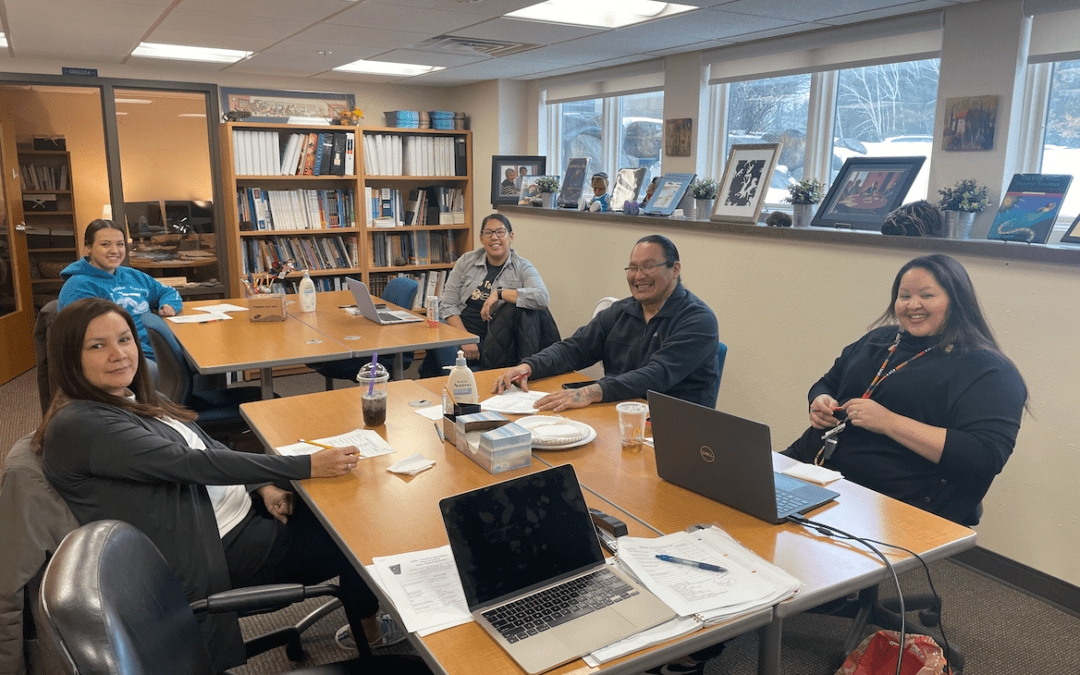
Building the College of Menominee Nation’s Capacity through Culture, Community, Connections, and Collaboration
In the spring of 2022, the American Indian College Fund awarded the College of Menominee Nation (CMN) the Ihduwiyayapi: Advancing Indigenous Early Childhood Education Grant for its teacher education program, which is a community-centered and multi-faceted approach to early childhood education that builds on CMN’s current capacity to teach and train early childhood educators to graduate with the skills to be fully equipped to teach the Menominee Nation’s littlest learners.
American Indian College Fund Honors 35 Tribal College Students of the Year and Dr. Michael Oltrogge, President, Nebraska Indian Community College, as Tribal College and University Honoree of the Year
The American Indian College Fund honored 35 tribal college and university students with 2022-23 Student of the Year awards and scholarships, and Dr. Michael Oltrogge, President of Nebraska Indian Community College, with its 2022-23 Tribal College and University Honoree of the Year at a ceremony held Sunday, March 5 at the Albuquerque Convention Center in New Mexico.
