
Planting the Seeds of Cultural Sustainability
April 22, 2026 | Student Ambassador Aiyanna Tanyan’s (Seminole Nation of Oklahoma) work to reclaim food sovereignty
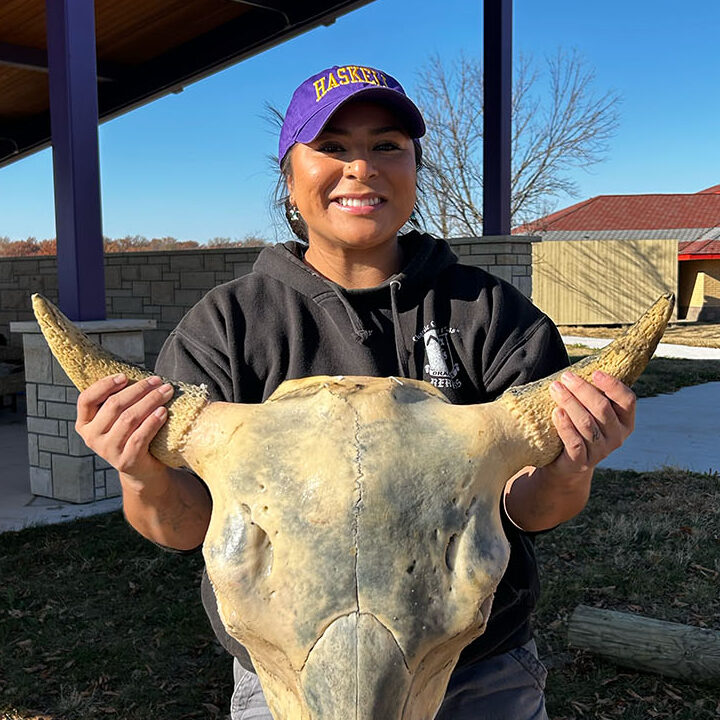
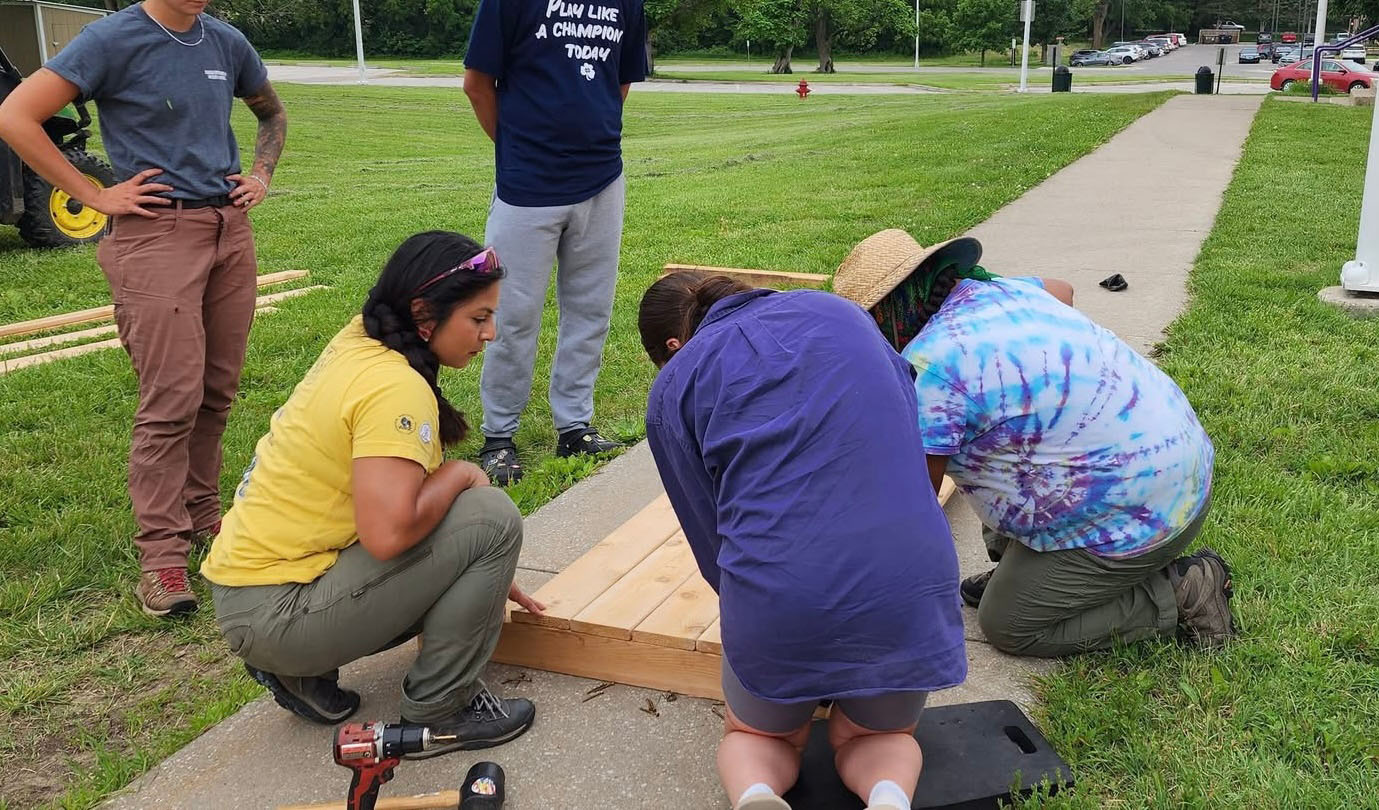
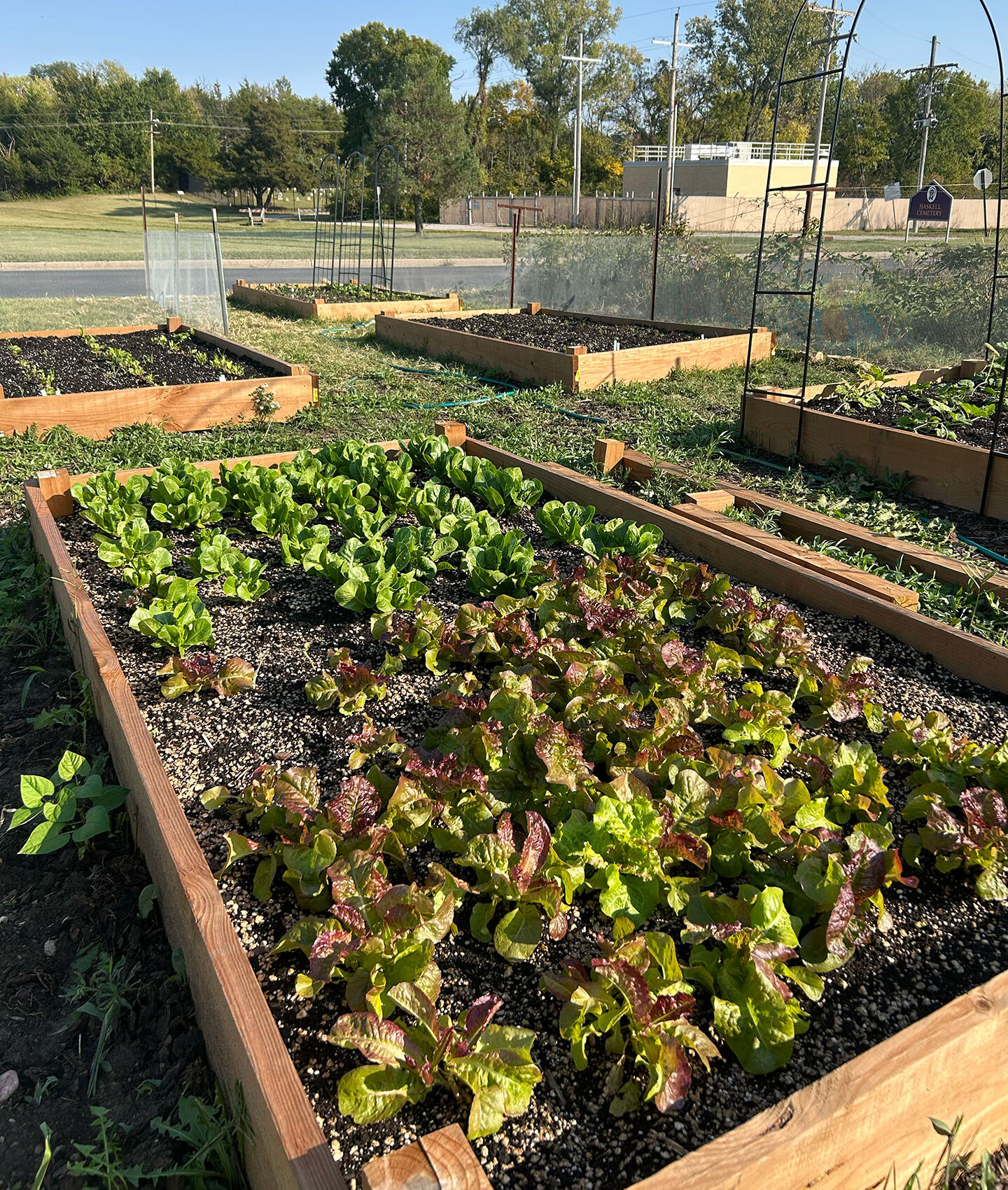
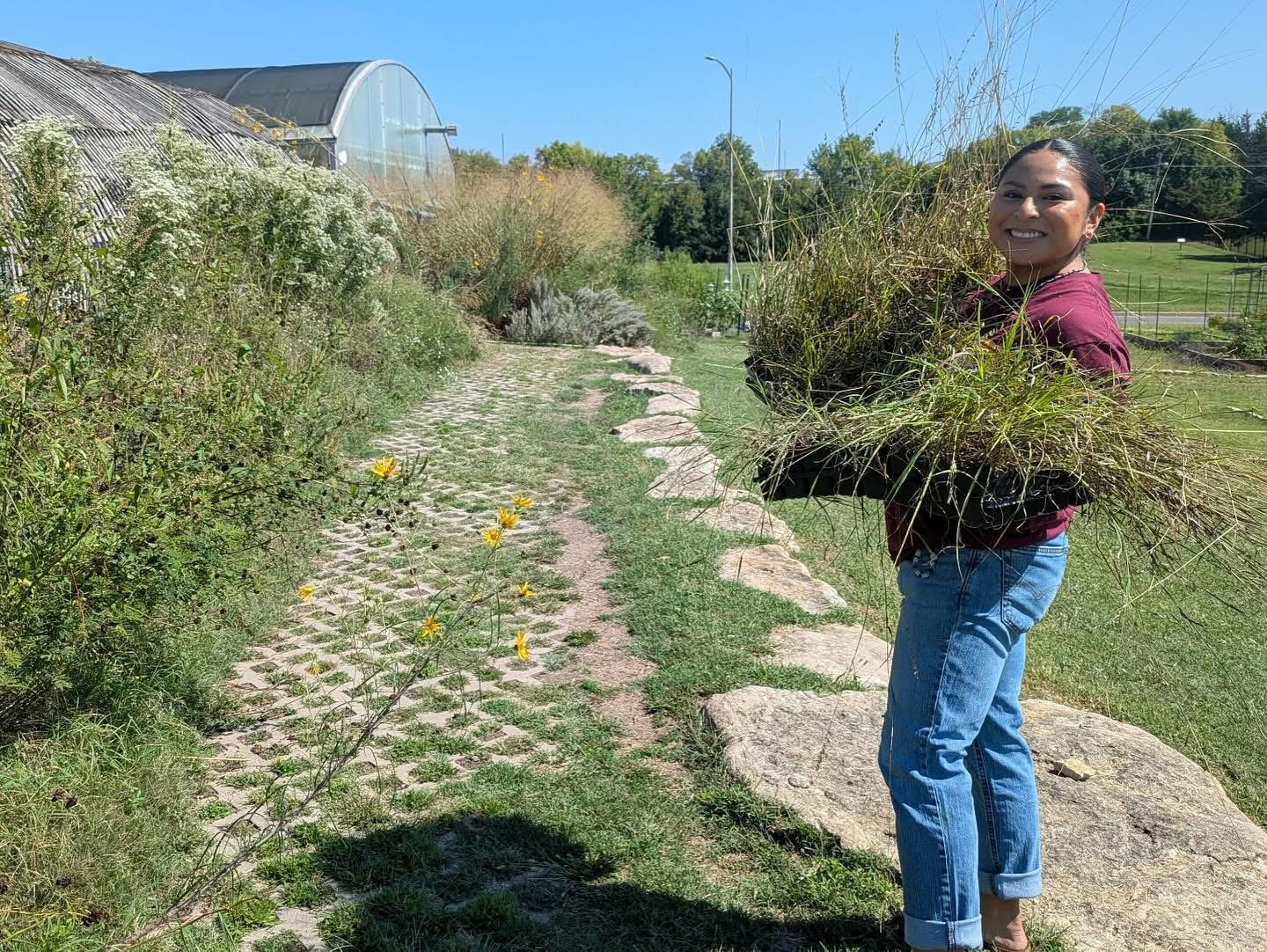
We came up with the idea of building raised garden beds near the dorms so students can easily access fresh foods and learn how to grow them themselves. Through support from the Haskell Greenhouse (funded through the USDA Equity Grant), we started building.
Last year was our first year doing this project and it was a learning experience as with many community-based projects, it comes with trial and error. However, that process taught us a lot about what works, what doesn’t, and how to build something more sustainable moving forward. This year, we’re continuing this work with stronger systems, more involvement, and a clearer vision.
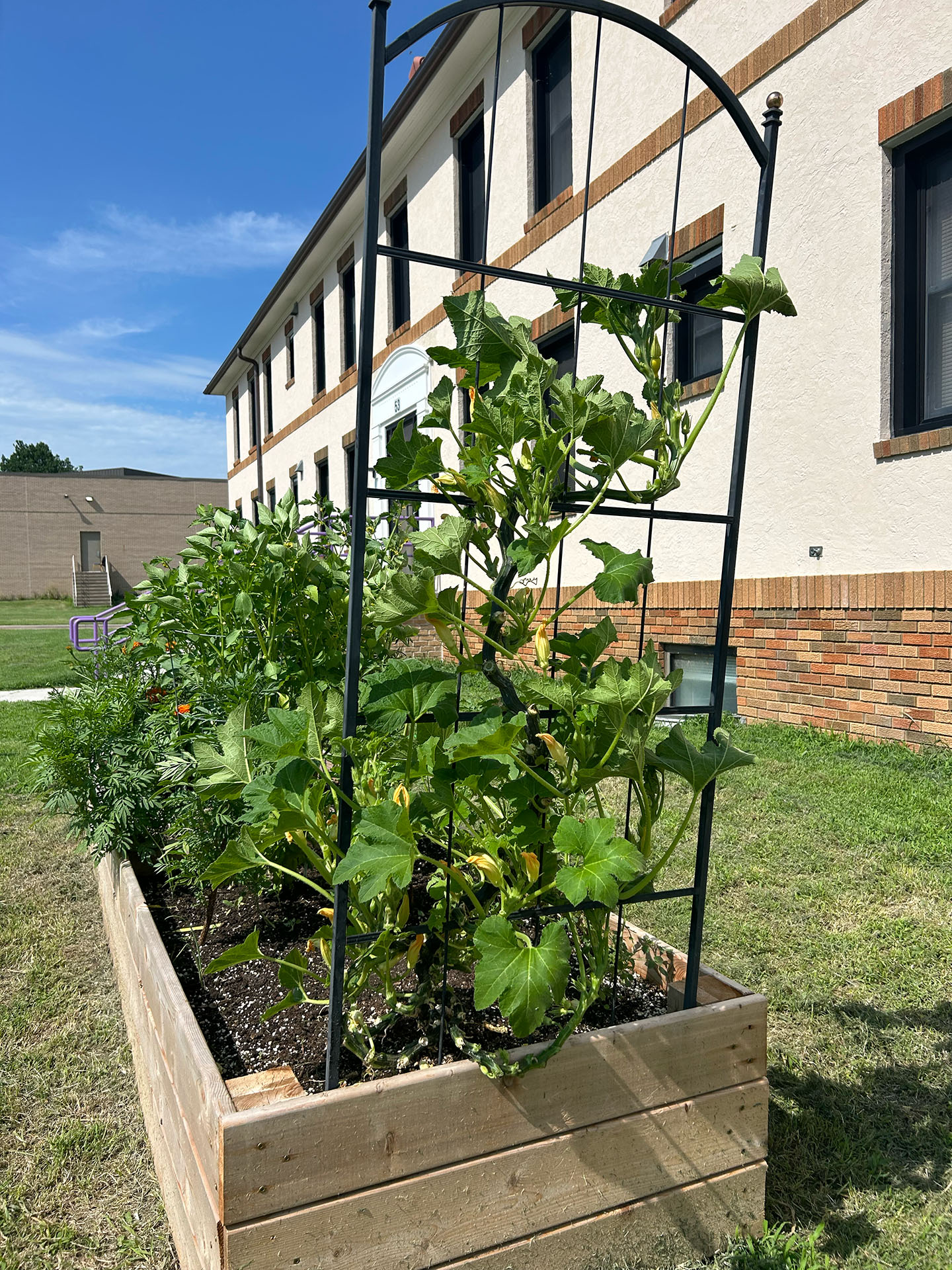
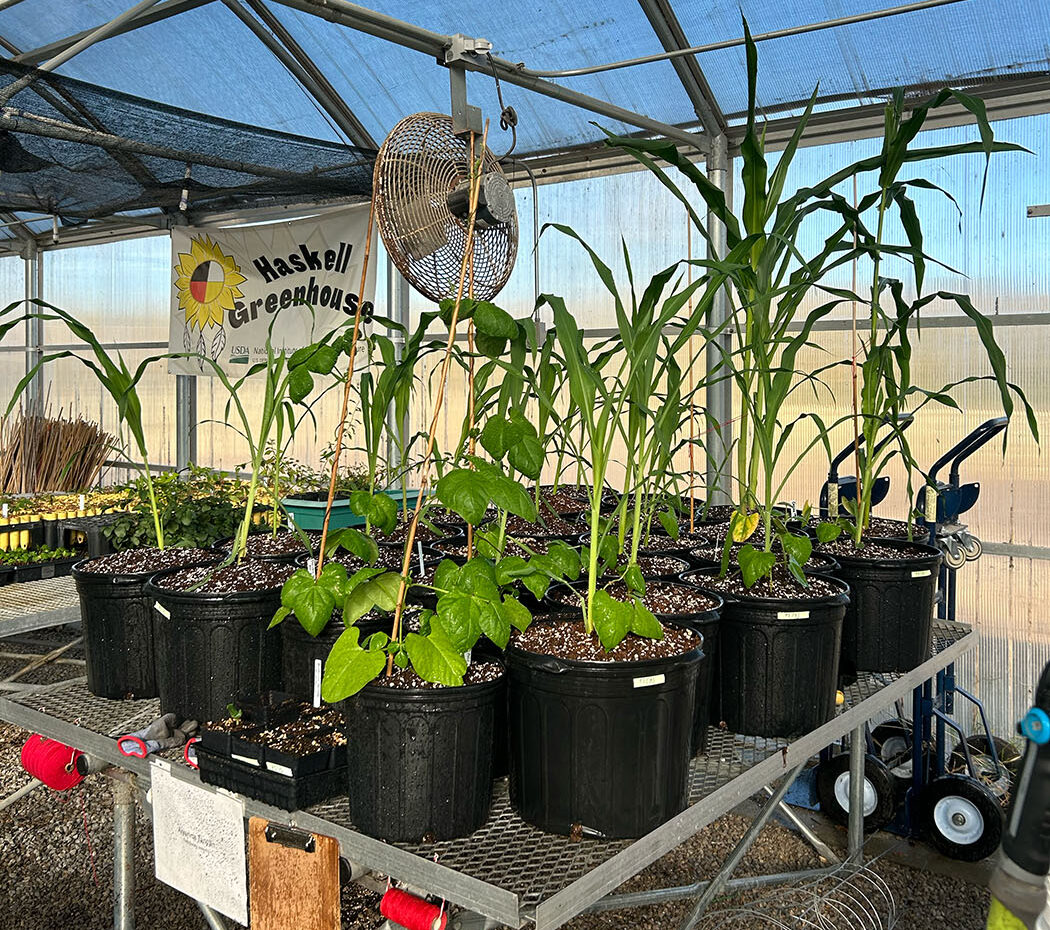
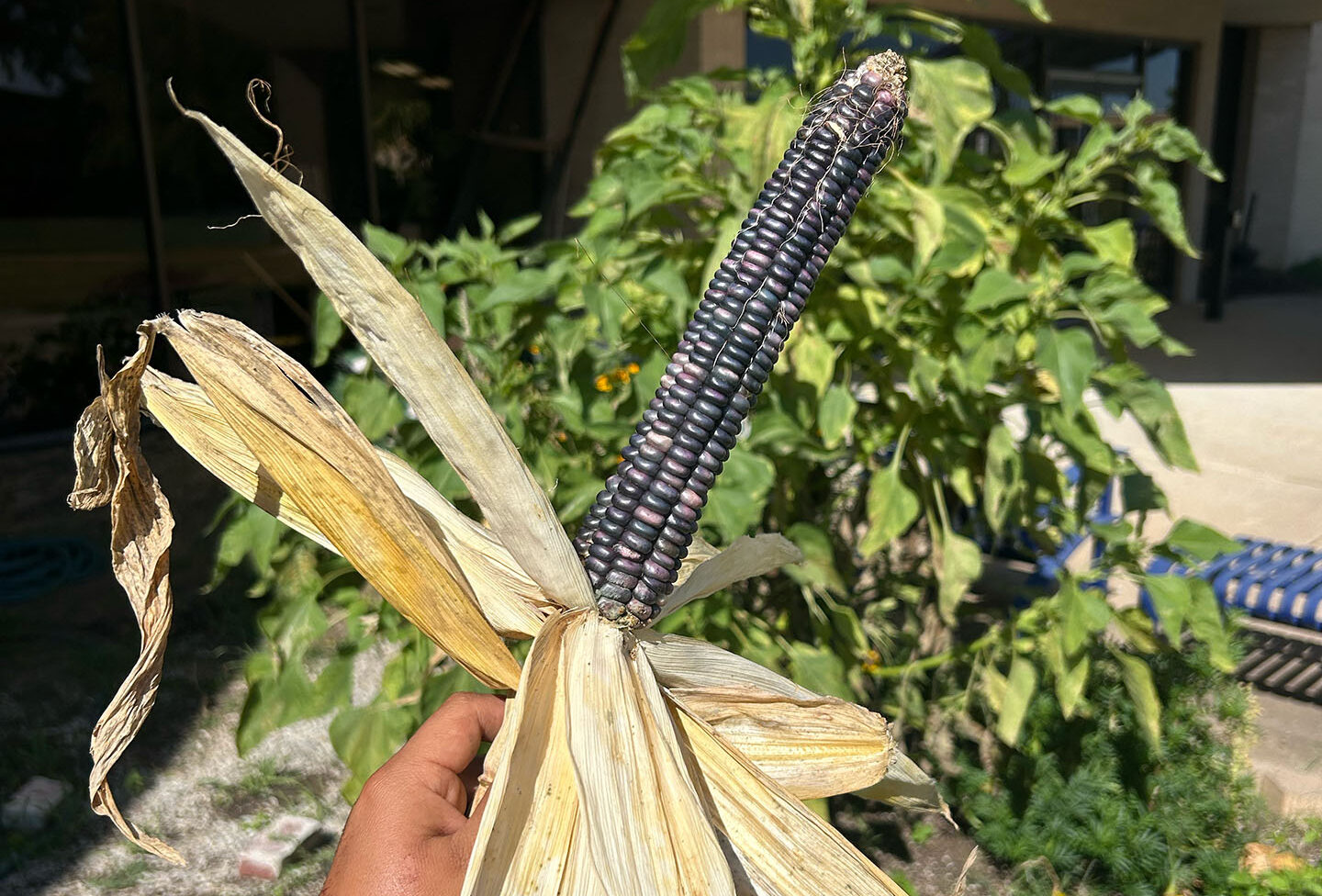
Everyone at the Haskell Greenhouse wants to help others learn, value, and view these spaces as places of teaching. I know they have taught me so much about responsibility and our relationship with the environment. Through these projects, we’re helping students reconnect with the land and understand the importance of food sovereignty for Indigenous communities. This work is ongoing, and we’re still learning. Every seed planted, and every workday shared brings us one step closer to a more sustainable and connected future.
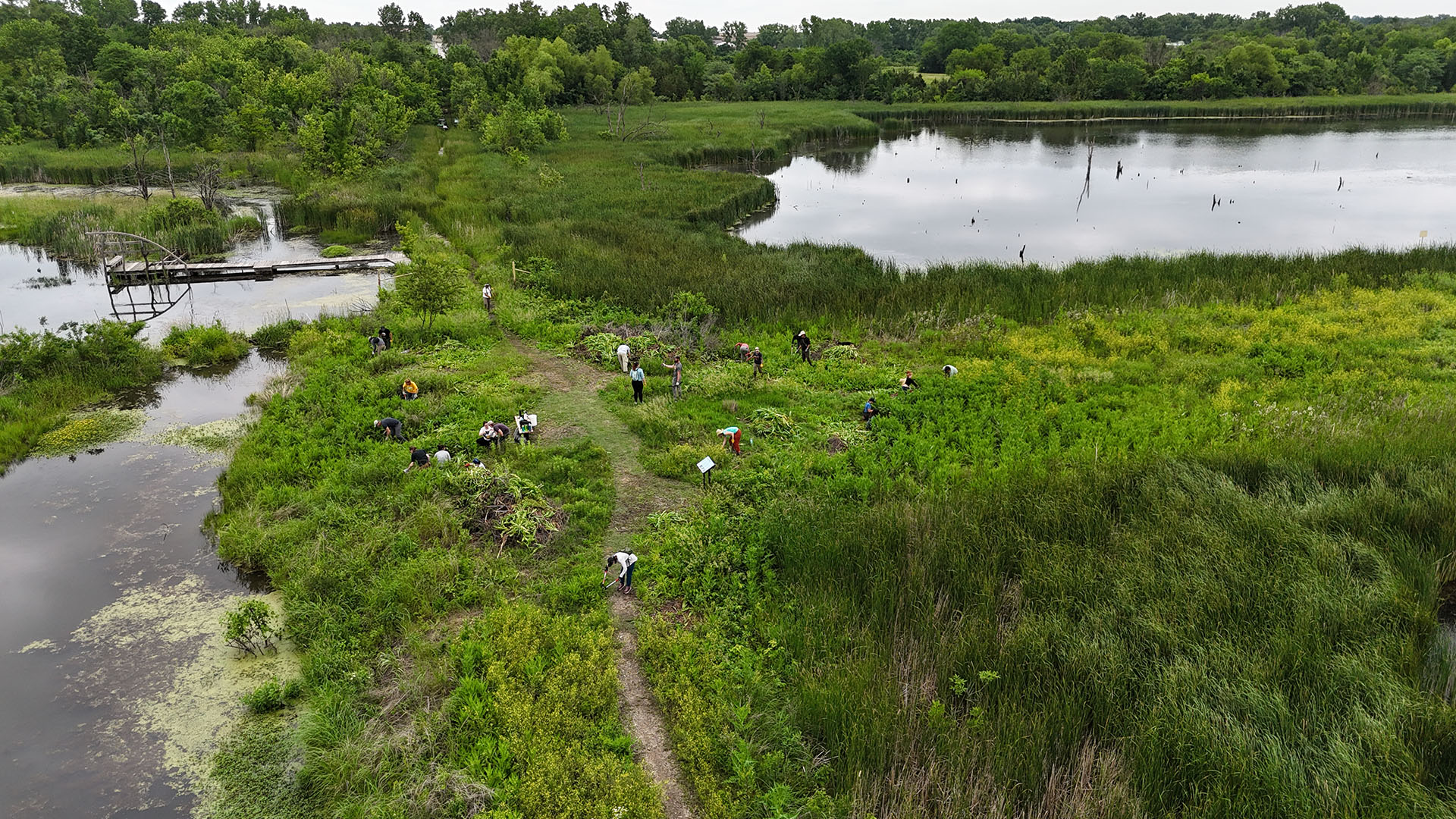
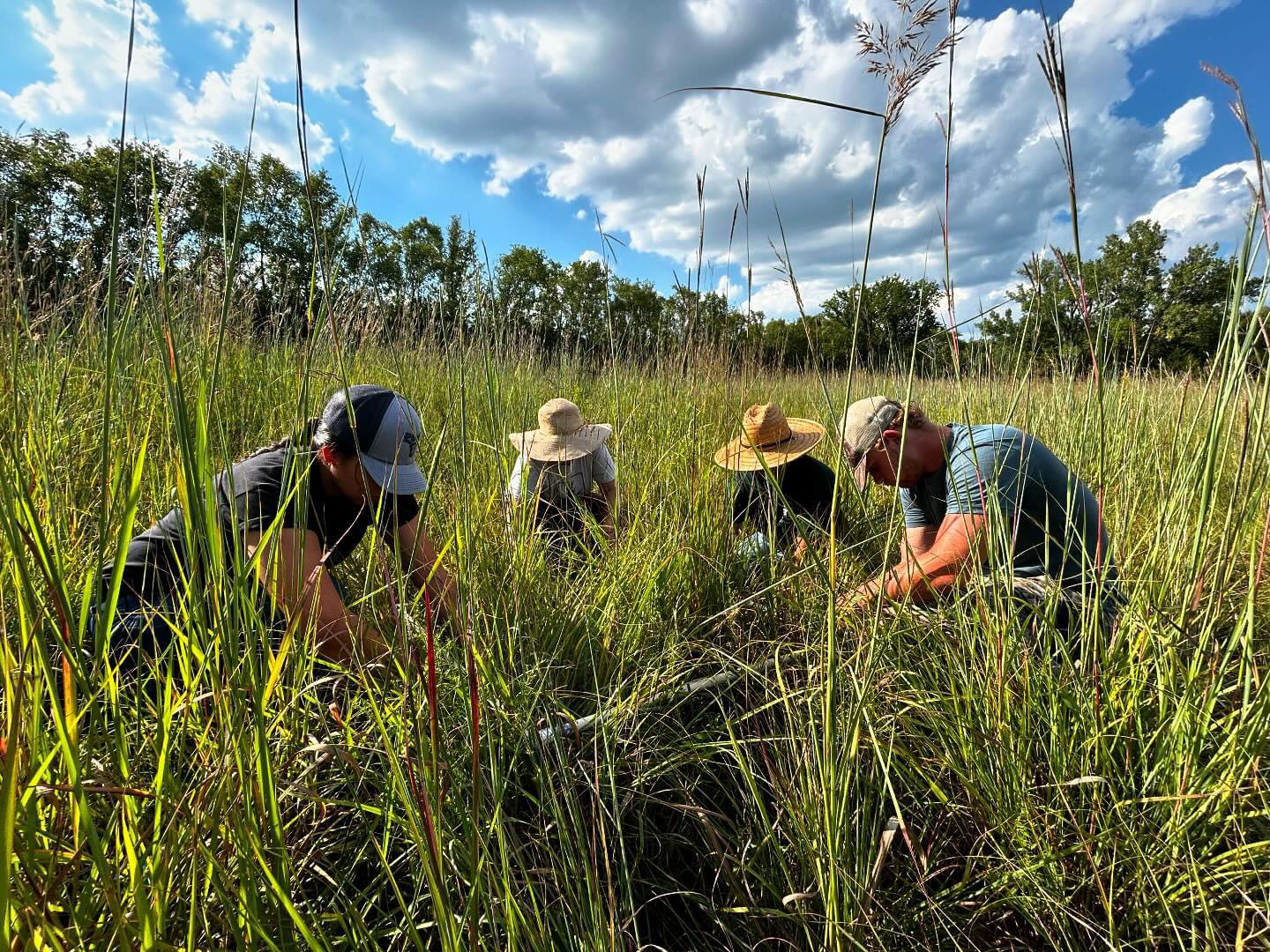
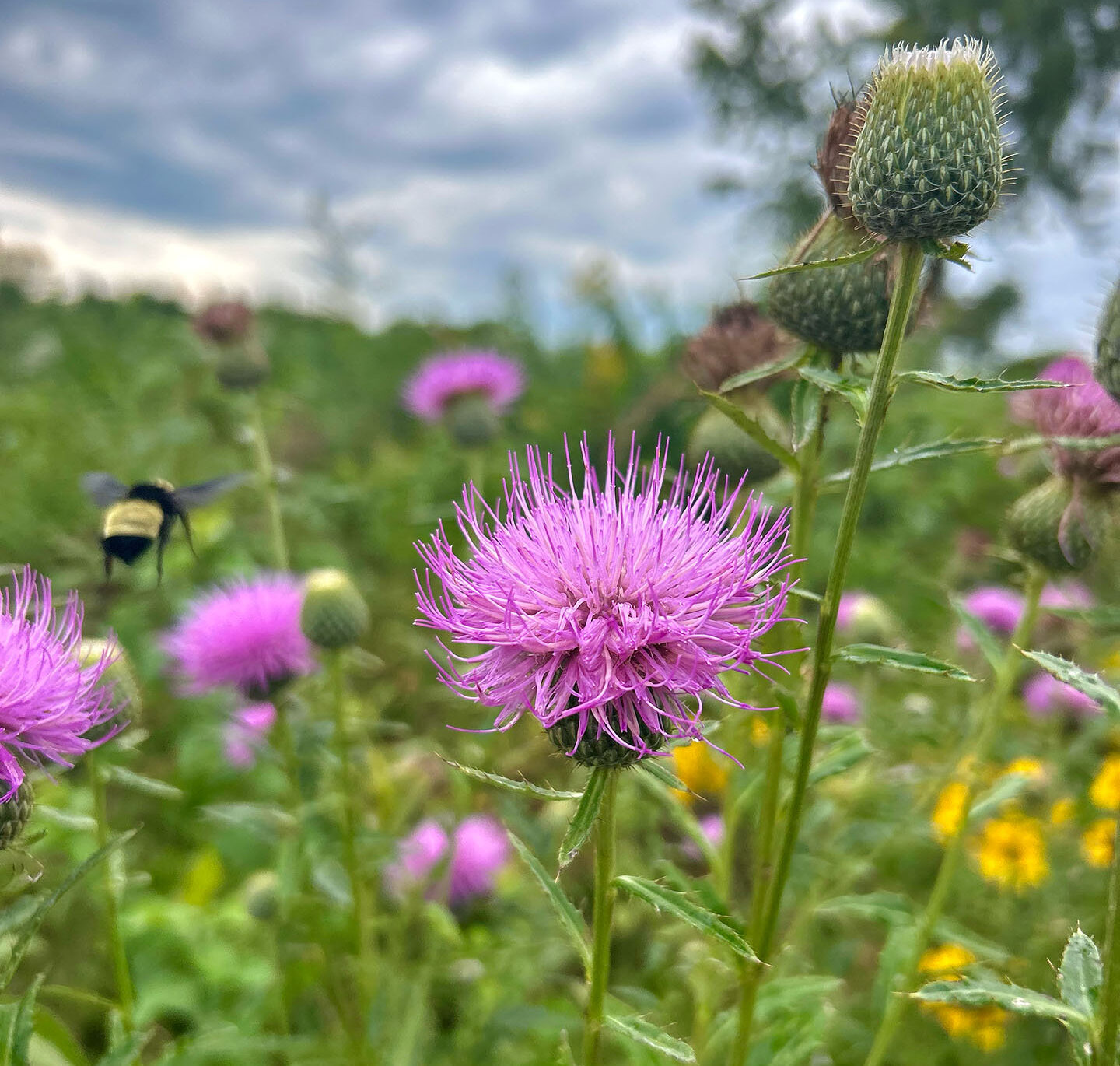
In Caring for Our Kin: Stories of Indigenous Environmental Stewardship, the College Fund shares the stories of Indigenous environmental leaders who are centering kinship and relational knowledge to build healthy ecological systems. These stories remind us that caring for the Earth means caring for one another—and that Indigenous knowledge systems continue to offer guidance, resilience, and hope for the future.
Learn more about our Environmental Stewardship Program.
Ekvnv Vcayecet. Mvto!
(Take care of the Earth/Land. Thank you)
More Blogs
Tips to Fill Out Your Scholarship Application
The Full Circle and TCU Scholarship applications have an essay style format with three short-answer questions. These sections are your chance to share your story and give readers an opportunity to see how a scholarship would help you achieve your stated educational and professional goals and require you to discuss three elements
Scholarship Program for Native Americans to Create Pipeline of Mental Health and Substance Abuse Professionals in North Dakota
The American Indian College Fund, in partnership with United Health Foundation, has launched The United Health Tribal Wellness Scholarship Program to create a pipeline of mental health and substance abuse professionals in North Dakota to serve remote and rural communities.
WalMart Scholars Attend National Education Conference for Learning and Networking Tools
Walmart knows that providing outstanding students with scholarships is just one of the stepping stones students need to succeed. Opportunities to network outside of campus and community are important in exposing students to new ideas and possibilities as part of a students’ intellectual development—and career path.

Chance Fletcher, Cherokee, Named First Recipient of Three-Year American Indian College Fund Law School Scholarship
Chance Fletcher, a senior at Princeton University and a member of the Cherokee Nation, has been selected to receive the first-ever American Indian College Fund Law School Scholarship. The scholarship, which begins in the fall of the 2018, was made possible thanks to a gift of $1 million from an anonymous donor.
American Indian College Fund Receives $600,000 Grant from Strada Education Network to Study Economic and Social Impact of Tribal Colleges
The American Indian College Fund (the College Fund) announced today a new effort to study the impact of tribal colleges and universities (TCUs) on the overall well-being of graduates from five institutions. The study will occur over two years and is funded through a $600,000 grant from Strada Education NetworkSM, a national nonprofit dedicated to strengthening pathways from education to employment.
Diane: Working for Education, Tradition, and Culture of Native People
Walmart knows that providing outstanding students with scholarships is just one of the stepping stones students need to succeed. Opportunities to network outside of campus and community are important in exposing students to new ideas and possibilities as part of a students’ intellectual development—and career path.
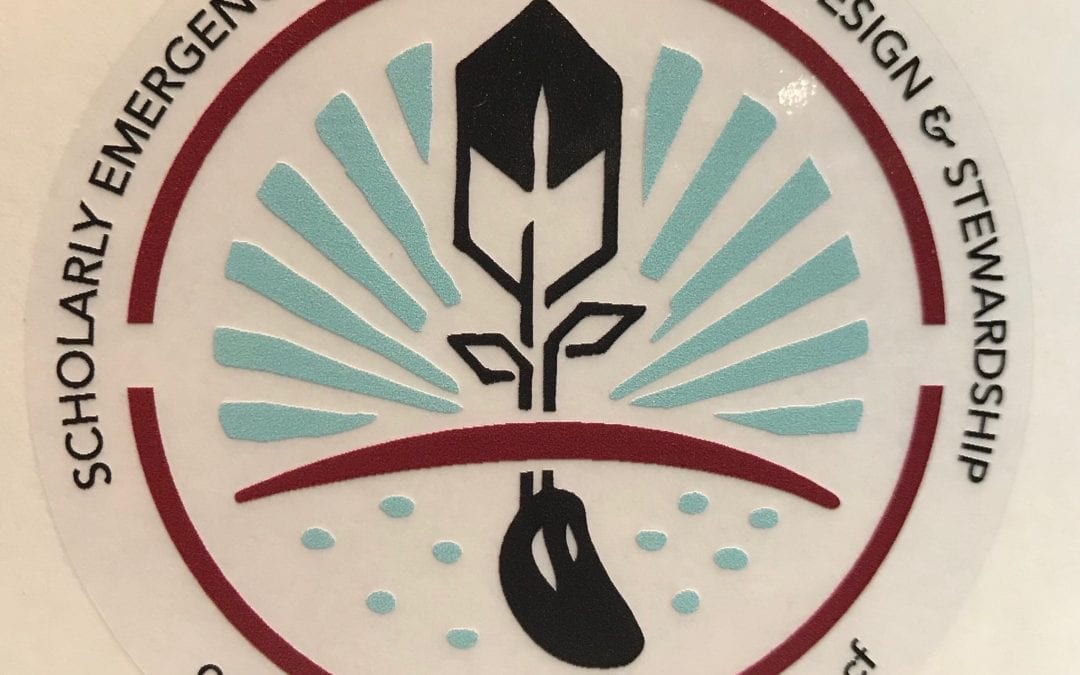
College Fund SEEDS Logo Symbolizes Stewardship and Growth
The growth and continuity of our home the Earth, as well as an eco-system, a seed, a student or a community, requires the support, communication and the action of many.
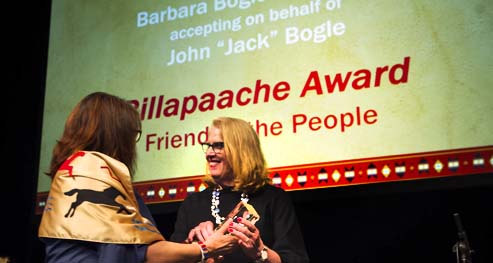
American Indian College Fund Honors John “Jack” Bogle, Founder of Vanguard Group, at 2018 Flame of Hope Gala in New York
John Bogle, the Founder of Vanguard Group, was honored with the American Indian College Fund’s Billapaache Award at the 2018 Flame of Hope Gala on April 11 in New York City. Billapaache means friend of the people in the tradition of the Apsaalooke (Crow) people of Montana.
American Indian College Fund 2018 Flame of Hope Gala to Help Provide Access to College for Native American Students
Only 14% of American Indians have a college degree. The American Indian College Fund is changing that by providing Native students with access to a life-changing higher education. To support Native students in their efforts, the College Fund is hosting the 2018 Flame of Hope Gala on April 11 at Gotham Hall, 1356 Broadway, New York City.
Restorative Teachings — Ojibwe Language, a Visual Canvas
I have always been interested in art and design since I was a young girl in high school. In fact, I dreamed of my career being in the realm of interior design. Initially, it did not feel like I ended up in that realm, but experience and my perspective has changed throughout the years.
