Student Development
Explore Development Opportunities
Study Skills
No matter what your grades are, everyone needs some guidance to find success in the classroom. Here are some resources to help you develop the best study habits and skills you’ll need to get your degree:
What are Office Hours? – by Andrew Ishak
Time Management: TCU Video Project Series
Focus 2 Self-Assessment
Many people struggle with choosing an academic major during school, or job industry after graduation, but choosing a path is important when choosing your classes, internships and other career opportunities.
Focus 2 combines self-assessment, career and major exploration, decision-making and planning in one place. By matching your assessment results to career options and majors/programs for your consideration, FOCUS 2 guides you through a career and education decision-making model to help you make informed career decisions and take action in planning your future.
To use this free service, register to create an account with the access code collegefund. From there, you can take each test- personality, interests, values, and skills- to build your academic and career planning profile. Print your profile to share with an academic or career counselor or mentor to discuss your career plan or transition to a new profession.

Money Management
It is also important to understand budgeting, credit, and debt management – to help you to make responsible decisions in school, and prepare for your financial life after school. Learn about the following topics in related posts — your financial future depends on it.
- Money Management — Developing Common Cents (College Fund)
- Per Cap (First Nations Development Institute)
- Financial Skills for Families (First Nations Development Institute)
- Developing Your Vision: Managing Your Money
- Your First Bank Account
- Childcare Costs (and Ways to Reduce Them)
- When Your Child Has Special Needs
- Caring For Aging Parents
- Children and Family Considerations
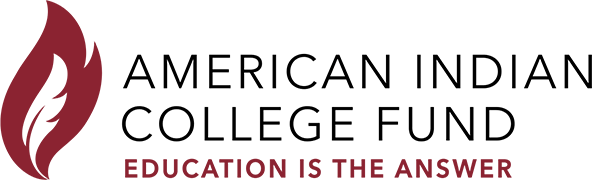
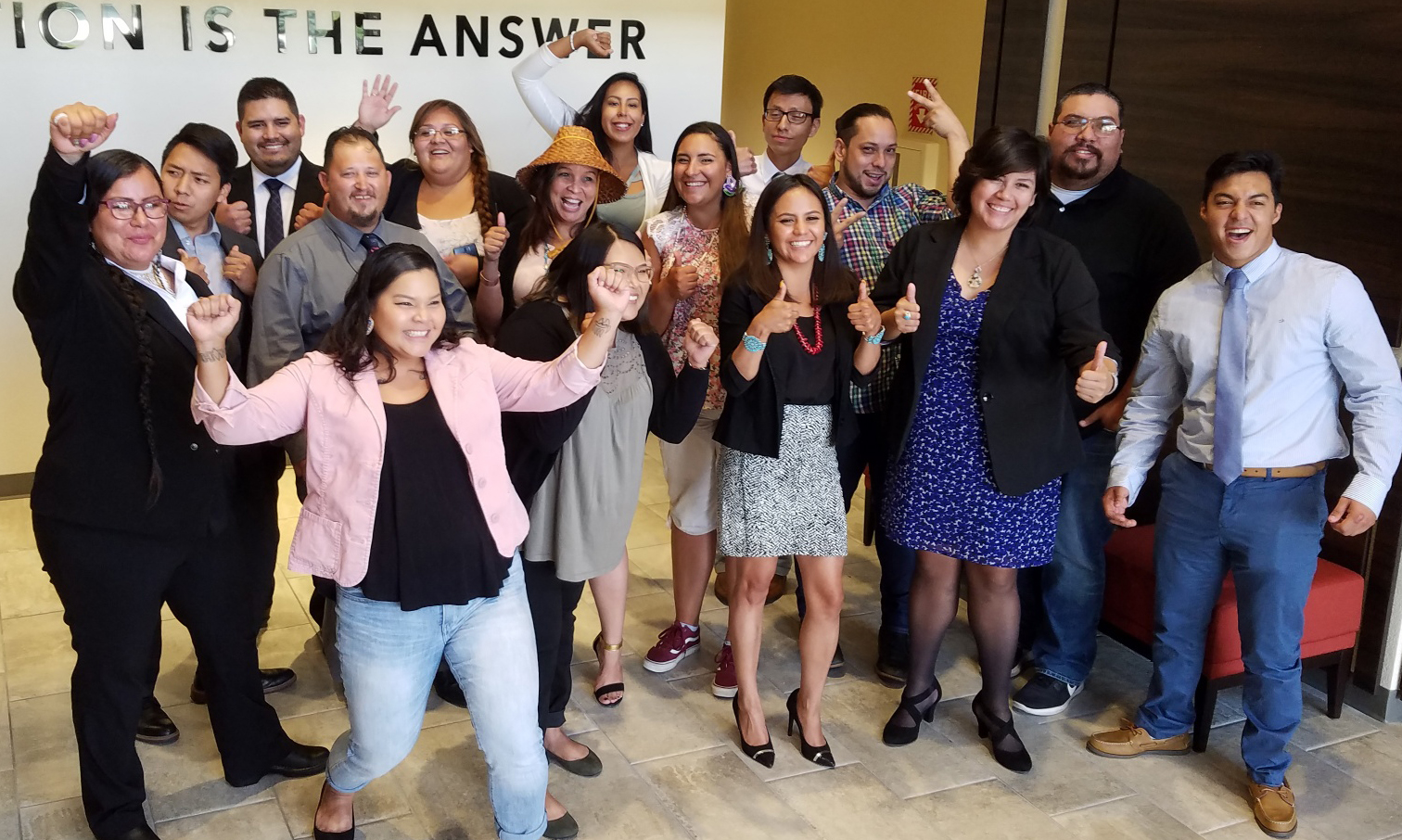
Student Ambassador Program
The American Indian College Fund Ambassador Program was established in 2015 to strengthen students’ and alumni personal and professional skills and to represent the College Fund.
Our Blogs
Fond du Lac Tribal and Community College Hosts Native Arts Workshops Based in Place
In the fall of 2017, Fond du Lac Tribal and Community College (FDLTCC) hosted a series of traditional Native Arts workshops that relied heavily on the surrounding environment for source materials to help produce a woven cedar mat. Using local resources and materials to create and revitalize traditional Native art forms is the essence of place-based education in the arts.
Connecting, Learning and Growing: Native Arts Convening
The American Indian College Fund (the College Fund) hosted a Native Arts convening in Seattle, Washington in September, 2018. Seven program Administrators of the Restoration and Preservation of Traditional Native Art Forms and Knowledge Grant participated in the Native Arts convening from the College of Menominee Nation, Lac Courte Oreilles Ojibwa Community College, Leech Lake Tribal College, Nueta Hidatsa Sahnish College, Sisseton Wahpeton College, Sitting Bull College and United Tribes Technical College.
Pendleton® to Celebrate Native Heritage, Giving Tuesday Through Gift to College Fund from Blanket Sales
Pendleton Woolen Mills, Portland, Oregon, joins the nation in celebrating Native American Heritage Month, honoring the achievements and contributions of Native Americans. In tribute, Pendleton is honored to share the philanthropic ideal of Giving Tuesday to benefit the American Indian College Fund.
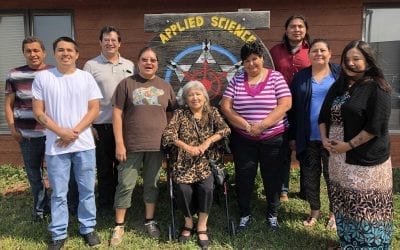
College Fund/Dollar General Remove Obstacles for Students Seeking GED
The Community Continuing Education/GED department of Oglala Lakota College is located on the Pine Ridge Indian Reservation of South Dakota. Oglala Lakota College is a decentralized campus with the main administrative buildings located six miles south of Kyle in South Dakota.

My Path to College and Medical School
Boozhoo (Hello)! My name is Shelbie Shelder and my tribe is the Little River Band of Ottawa Indians in Michigan. My clan is the Makwa (bear) clan. I grew up in Muskegon, Michigan, otherwise known as “Maskiiminong” (swamp).

Celebrate Native American Heritage Month with Us!
Since the early 1990s, November has been set aside to recognize the significant contributions of first Americans to the establishment and growth of the United States.
For us at the American Indian College Fund, Native American Heritage Month is an opportunity to celebrate our students’ successes, their victories, and their contributions.
