
Student Development
Explore Development Opportunities
Study Skills
No matter what your grades are, everyone needs some guidance to find success in the classroom. Here are some resources to help you develop the best study habits and skills you’ll need to get your degree:
What are Office Hours? – by Andrew Ishak
Time Management: TCU Video Project Series
Focus 2 Self-Assessment
Many people struggle with choosing an academic major during school, or job industry after graduation, but choosing a path is important when choosing your classes, internships and other career opportunities.
Focus 2 combines self-assessment, career and major exploration, decision-making and planning in one place. By matching your assessment results to career options and majors/programs for your consideration, FOCUS 2 guides you through a career and education decision-making model to help you make informed career decisions and take action in planning your future.
To use this free service, register to create an account with the access code collegefund. From there, you can take each test- personality, interests, values, and skills- to build your academic and career planning profile. Print your profile to share with an academic or career counselor or mentor to discuss your career plan or transition to a new profession.

Money Management
It is also important to understand budgeting, credit, and debt management – to help you to make responsible decisions in school, and prepare for your financial life after school. Learn about the following topics in related posts — your financial future depends on it.
- Money Management — Developing Common Cents (College Fund)
- Per Cap (First Nations Development Institute)
- Financial Skills for Families (First Nations Development Institute)
- Developing Your Vision: Managing Your Money
- Your First Bank Account
- Childcare Costs (and Ways to Reduce Them)
- When Your Child Has Special Needs
- Caring For Aging Parents
- Children and Family Considerations
Student Ambassador Program
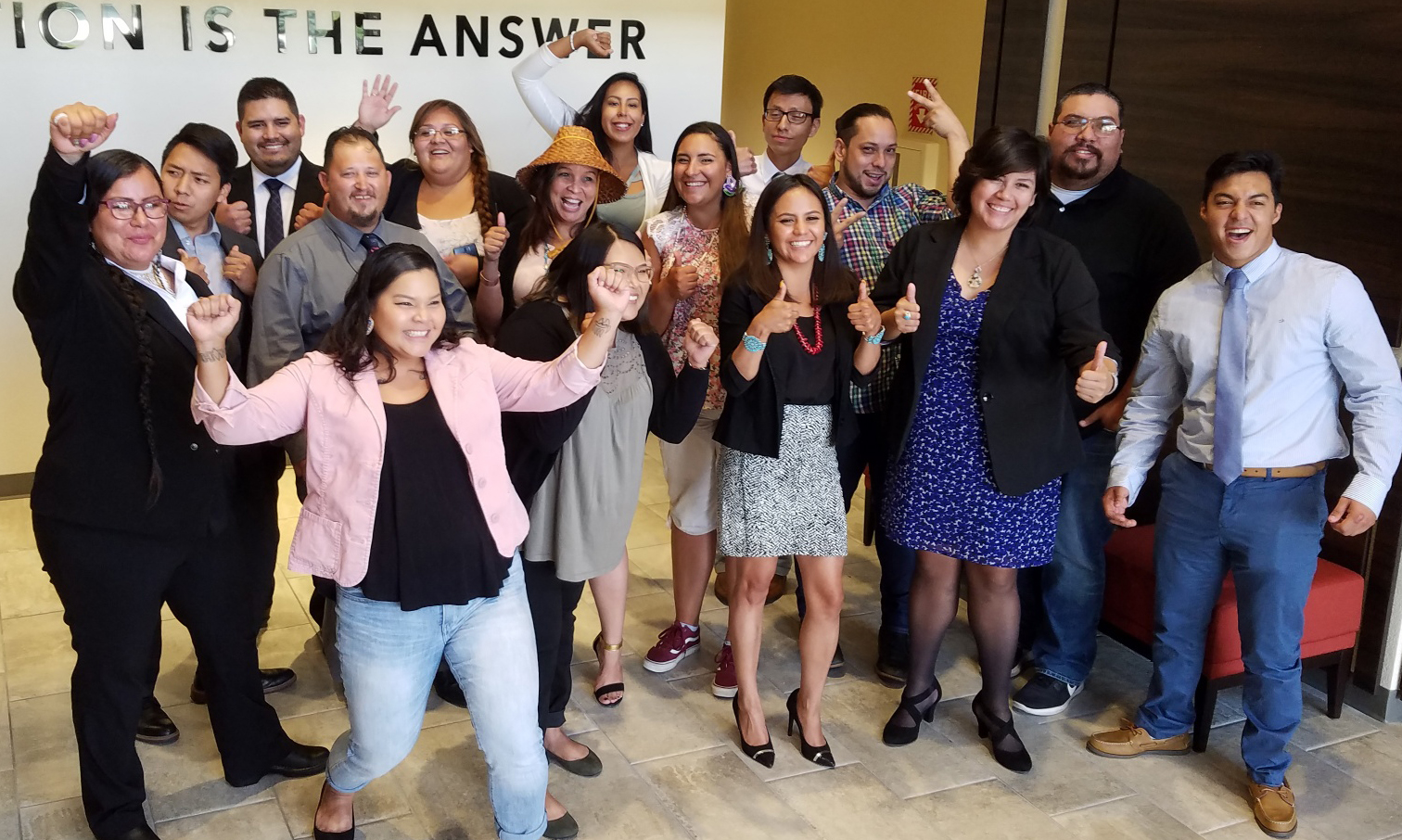
The American Indian College Fund Ambassador Program was established in 2015 to strengthen students’ and alumni personal and professional skills and to represent the College Fund.
Our Blogs
Guest Blog from Student Intern Deanna
Skano, everyone, and greetings from Mesa Verde National Park of Colorado. My name is Deanna and I believe some introductions and background information are in order. I was born and raised all over Southern California on various reservations but I am enrolled in the Tonawanda Band of Seneca Indians of New York.
MetLife Foundation Contributes $15,000 for Native Student Scholarships
MetLife Foundation granted $15,000 this month to continue the MetLife Foundation Tribal College Scholarship Program. Now in its 11th year, this program provides scholarships to Native students attending tribal colleges and universities across the country.
San Manuel Band of Serrano Mission Indians Provides Multi-Purpose Grant of $100,000
The American Indian College Fund received a $100,000 grant from the Highland, California-based San Manuel Band of Serrano Mission Indians. The grant will be divided to support several major initiatives: $50,000 will support the San Manuel Band of Serrano Mission Indians Tribal College Scholarship Program; $25,000 will go towards the Sovereign Nations Scholarship Fund Endowment, which provides scholarships to Native American students in perpetuity; and $25,000 will support expenses for the American Indian College Fund’s annual fundraiser, the Flame of Hope Gala, on Thursday, October 20, in Denver, Colorado.

Tribal College Flood Relief Update
Thank you for your outstanding response to our Emergency Flood Relief Campaign and for your dedication to our students in Indian Country. With record flooding still hovering at historic levels, the situation is far from over. But thanks to your support and the resilience and hard work of residents in the affected areas, our tribal communities are safe for now.
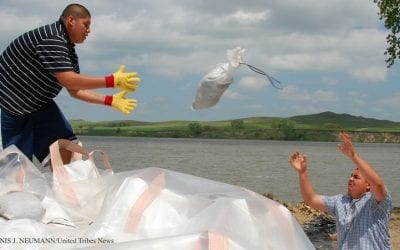
Flooding Update – June 17, 2011
We still need your help. The flooding crisis is far from over and as the waters recede, they are leaving behind devastation to our students and staff. For others, it is wait and see if their efforts, literally, hold up the Missouri River.
Friday, June 10 Flooding Updates
The rain, plus heavy snowpack beginning to melt in the Rocky Mountains, has the Army Corps of Engineers increasing water releases through the six Missouri River dams to get rid of water as quickly as possible as flooding continues.
