Student Development
Explore Development Opportunities
Study Skills
No matter what your grades are, everyone needs some guidance to find success in the classroom. Here are some resources to help you develop the best study habits and skills you’ll need to get your degree:
What are Office Hours? – by Andrew Ishak
Time Management: TCU Video Project Series
Focus 2 Self-Assessment
Many people struggle with choosing an academic major during school, or job industry after graduation, but choosing a path is important when choosing your classes, internships and other career opportunities.
Focus 2 combines self-assessment, career and major exploration, decision-making and planning in one place. By matching your assessment results to career options and majors/programs for your consideration, FOCUS 2 guides you through a career and education decision-making model to help you make informed career decisions and take action in planning your future.
To use this free service, register to create an account with the access code collegefund. From there, you can take each test- personality, interests, values, and skills- to build your academic and career planning profile. Print your profile to share with an academic or career counselor or mentor to discuss your career plan or transition to a new profession.

Money Management
It is also important to understand budgeting, credit, and debt management – to help you to make responsible decisions in school, and prepare for your financial life after school. Learn about the following topics in related posts — your financial future depends on it.
- Money Management — Developing Common Cents (College Fund)
- Per Cap (First Nations Development Institute)
- Financial Skills for Families (First Nations Development Institute)
- Developing Your Vision: Managing Your Money
- Your First Bank Account
- Childcare Costs (and Ways to Reduce Them)
- When Your Child Has Special Needs
- Caring For Aging Parents
- Children and Family Considerations
Student Ambassador Program
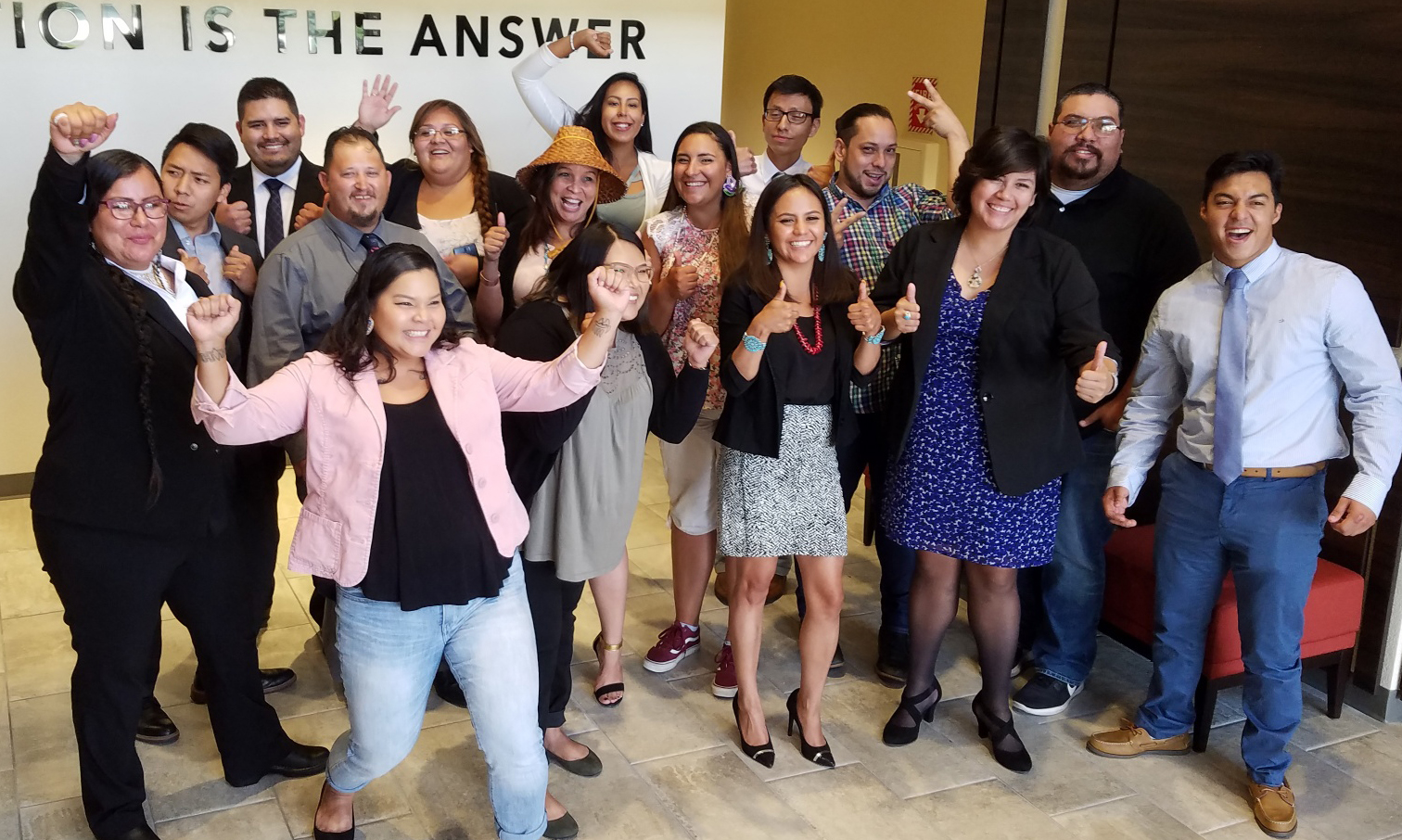
The American Indian College Fund Ambassador Program was established in 2015 to strengthen students’ and alumni personal and professional skills and to represent the College Fund.
Our Blogs
Inside Higher Ed: Pandemic’s Mental Health Toll on TCU Students
President Cheryl Crazy Bull of the American Indian College Fund and several TCU Presidents discuss the disproportionate mental impact the pandemic has had on TCU students.
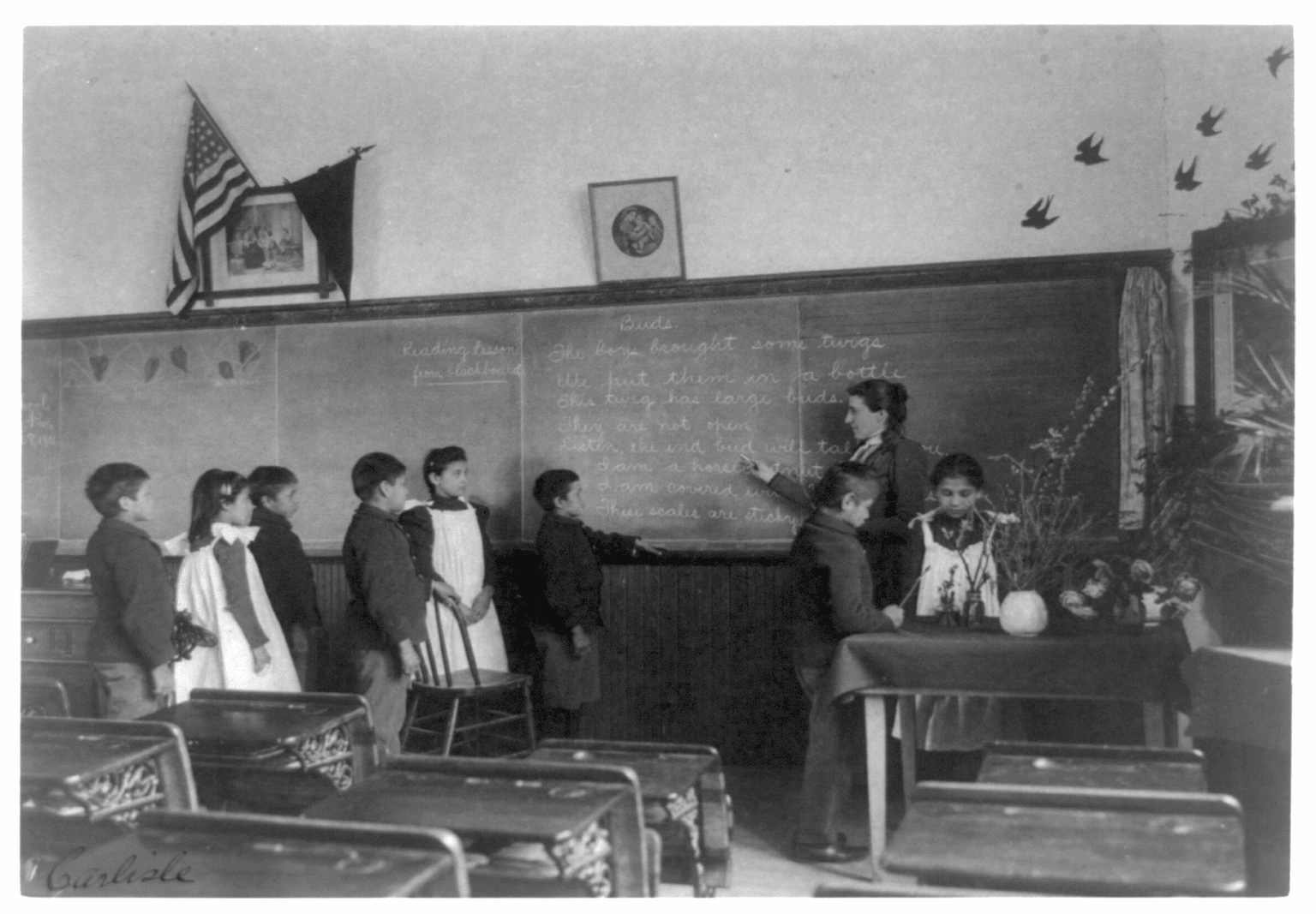
American Indian College Fund Launches Boarding School Descendant Scholarship for 2021-22
American Indian College Fund Launches Boarding School Descendant Scholarship for 2021-22 $60,000 Grant from National Native American Boarding School Healing Coalition Funds Twenty Native Scholarships for 2021-22 Denver, Colo.—October 26, 2021– The American Indian...
American Indian College Fund Mourns David Kennedy
We were saddened to learn the news that David Kennedy, the co-founder of international ad agency Wieden+Kennedy, the College Fund’s partner for more than 30 years, passed away Sunday, October 10. Kennedy was instrumental in the creation of the College Fund’s current national visibility campaign.
American Indian College Fund Receives $5.315 Million to Support Indigenous Early Childhood Education
Denver, Colo.—October 6, 2021– The American Indian College Fund’s Indigenous Early Childhood Education program is poised to continue its work at tribal colleges and universities over the next four years thanks to a $5,315,000 grant from the Bezos Family Foundation.

3 Native American women head to college in the pandemic. Will they get a sophomore year?
Reporter Charlotte West, with contributing writer Arlo Iron Cloud (Oglala Lakota), look at the myriad ways the pandemic impacted three Native women, along with its wider impact on Native American students. The College Fund worked to share data and trends and Cheryl Crazy Bull also spoke to Ms. West for the story, which explores college access, food and housing insecurity, illness in Native communities, resulting mental health challenges due to grief and loss, and more.
Dollar General Literacy Foundation Grants $300,000 to American Indian College Fund for High School Equivalency Programs at Tribal Colleges
Denver, Colo.—September 29, 2021– The Dollar General Literacy Foundation is continuing its work with the American Indian College Fund to increase the number of Native American high school graduates through the award of $300,000 for the Native Students Stepping Forward: Dollar General High School Equivalency Completion program.