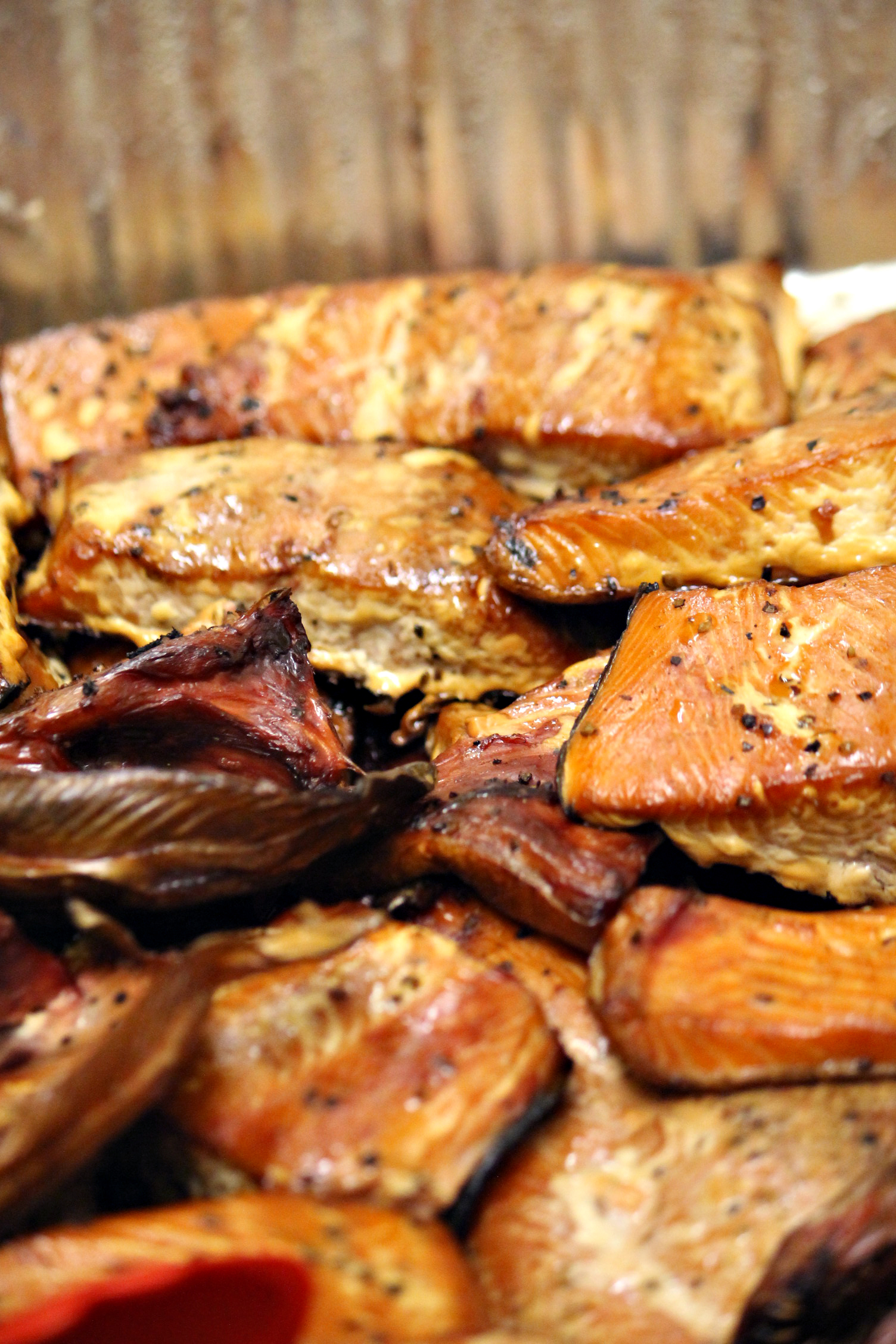
Grilled salmon caught by Lummi fishermen was served at NWIC family engagement event.
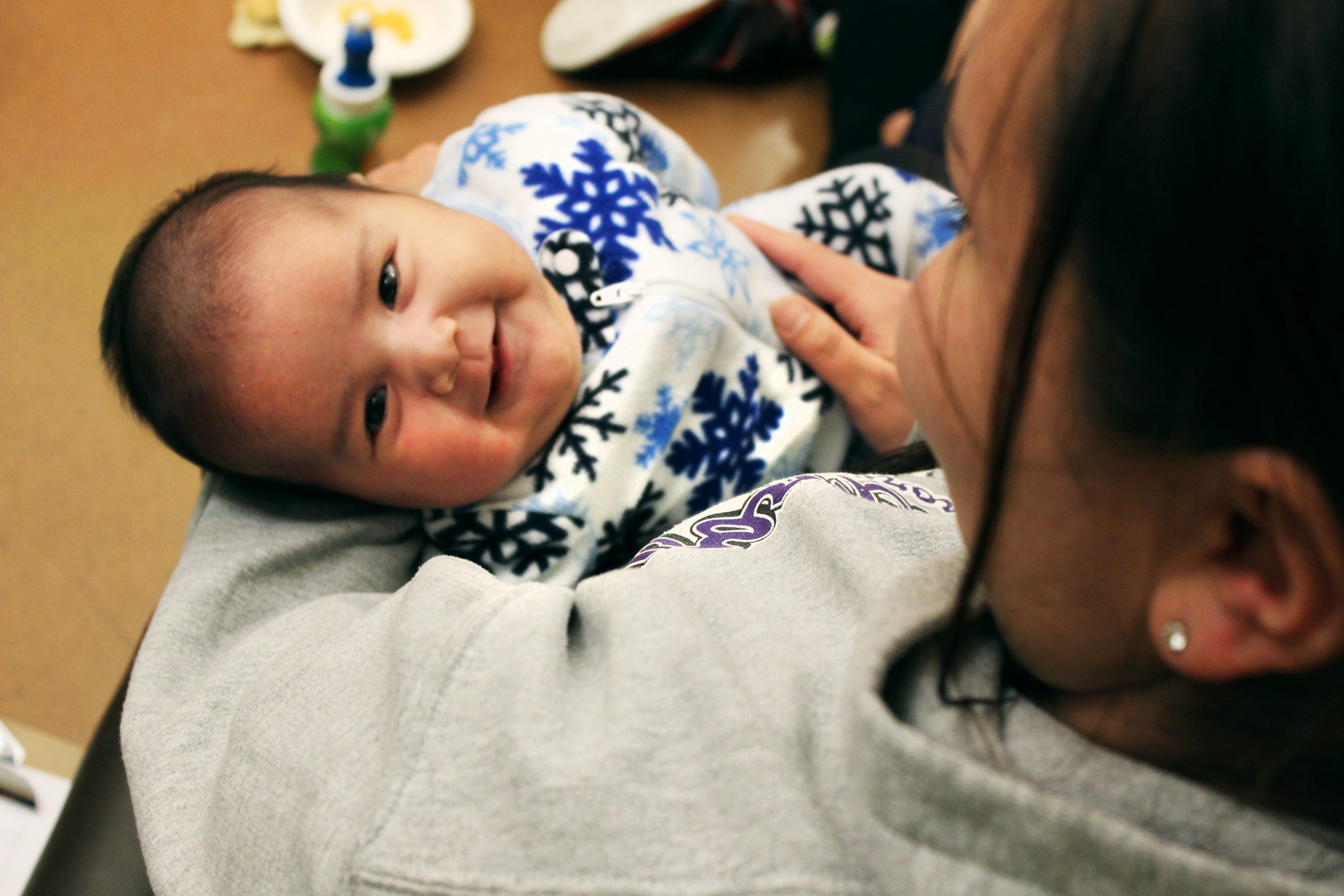
On a blustery and bitterly cold December night Northwest Indian College (NWIC) Early Learning Center (ELC) welcomed families and community members to celebrate traditional plants and foods of the Coast Salish culture. In spite of the winter’s chill, the event was an amazing success, with nine enrolled ELC families and eight families from the Lummi community represented.
To celebrate traditional plants and foods of the Coast Salish culture the families enjoyed fresh grilled salmon caught by Lummi fisherman and homemade clam chowder and fry bread cooked by the Lummi Blackhawks Spirit Squad and the Booster Club for the Lummi Nation School sports teams. The food was blessed by community member Lee Plaster to show our appreciation for the abundance of food, friends, and families, and to honor the cooks and fisherman.
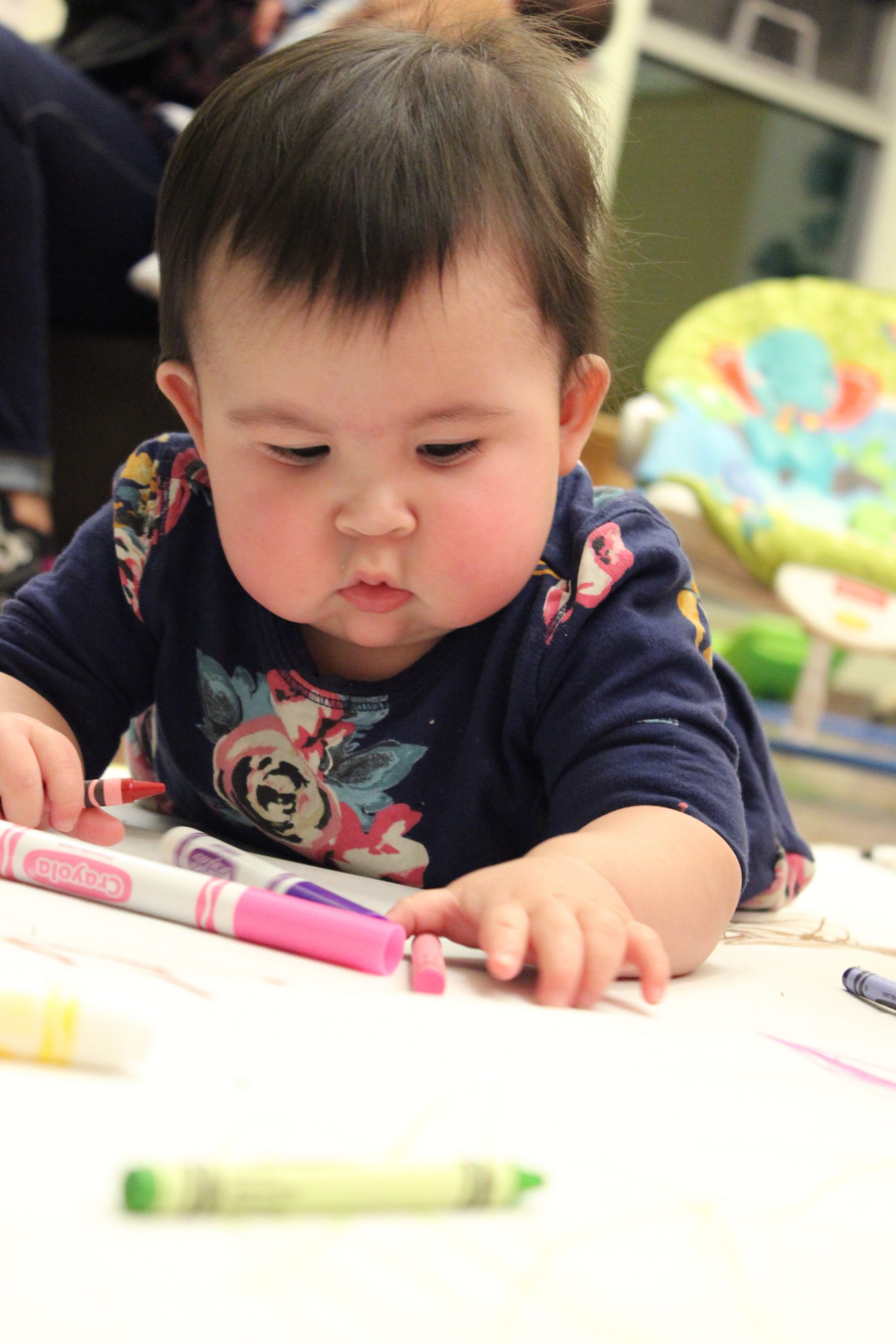
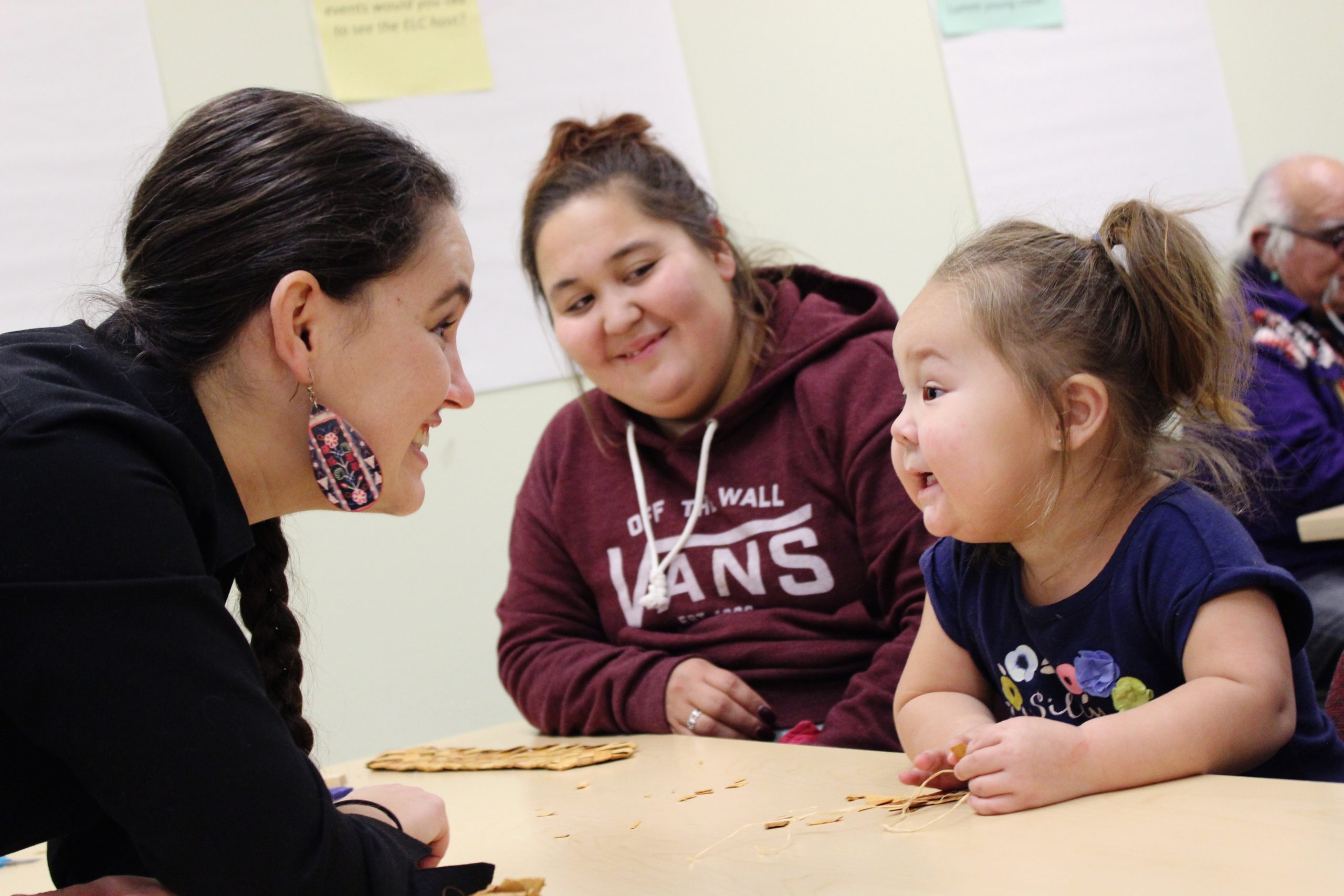
Lummi child has some fun with activities in the NWIC ELC preschool classroom.
The NWIC ELC staff prepared activities for the children in its preschool classroom and provided free childcare during the event. Children and families were entertained after dinner by local storyteller Frank Goes Behind, who shared Coast Salish cultural legends. He delighted attendees with stories about his many years of work with early childhood programs along with his talent for traditional storytelling. Goes Behind reminded the guests that the cold winter months are traditionally the time to gather together with family and friends for a feast. It is also a time spent together crafting and sharing stories after the hard work of gathering and storing food and supplies has ended for the winter season. After Goes Behind completed several stories for children, families, and guests the event organizers thanked him for sharing his stories.
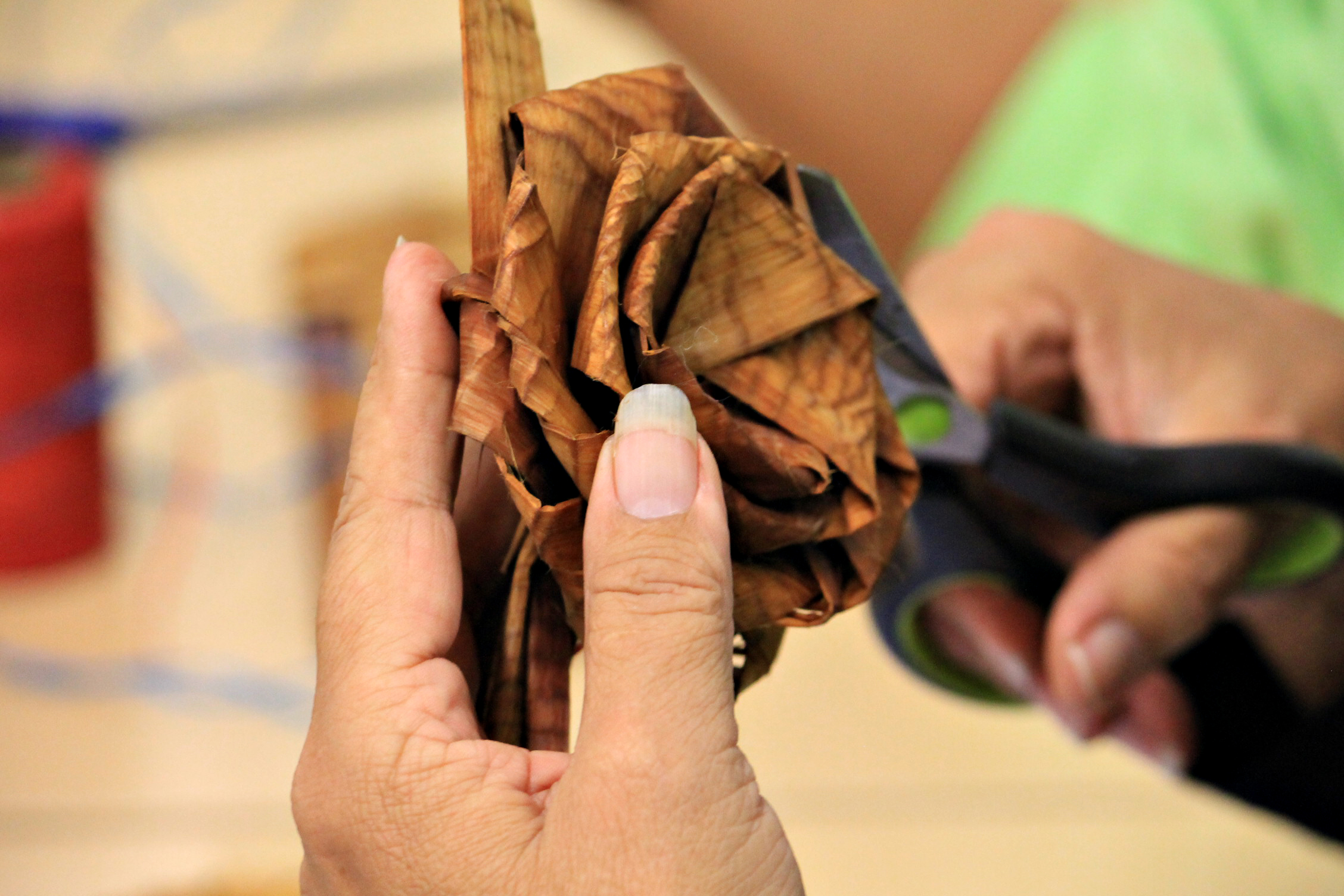
Weaving activity participants were able to create cedar roses and bracelets using the bark of Western Red Cedar.
After the storytelling, adult guests and older children joined us for a cedar bark weaving demonstration hosted by local cedar weavers Lee and Isabelle Plaster and Nanette Christenson. Together they taught the guests how to make cedar roses and cedar bracelets using the bark of Western red cedar, which was traditionally harvested and woven into baskets, clothes, hats and blankets, with the remaining wood used for carving totems, canoes and tools.
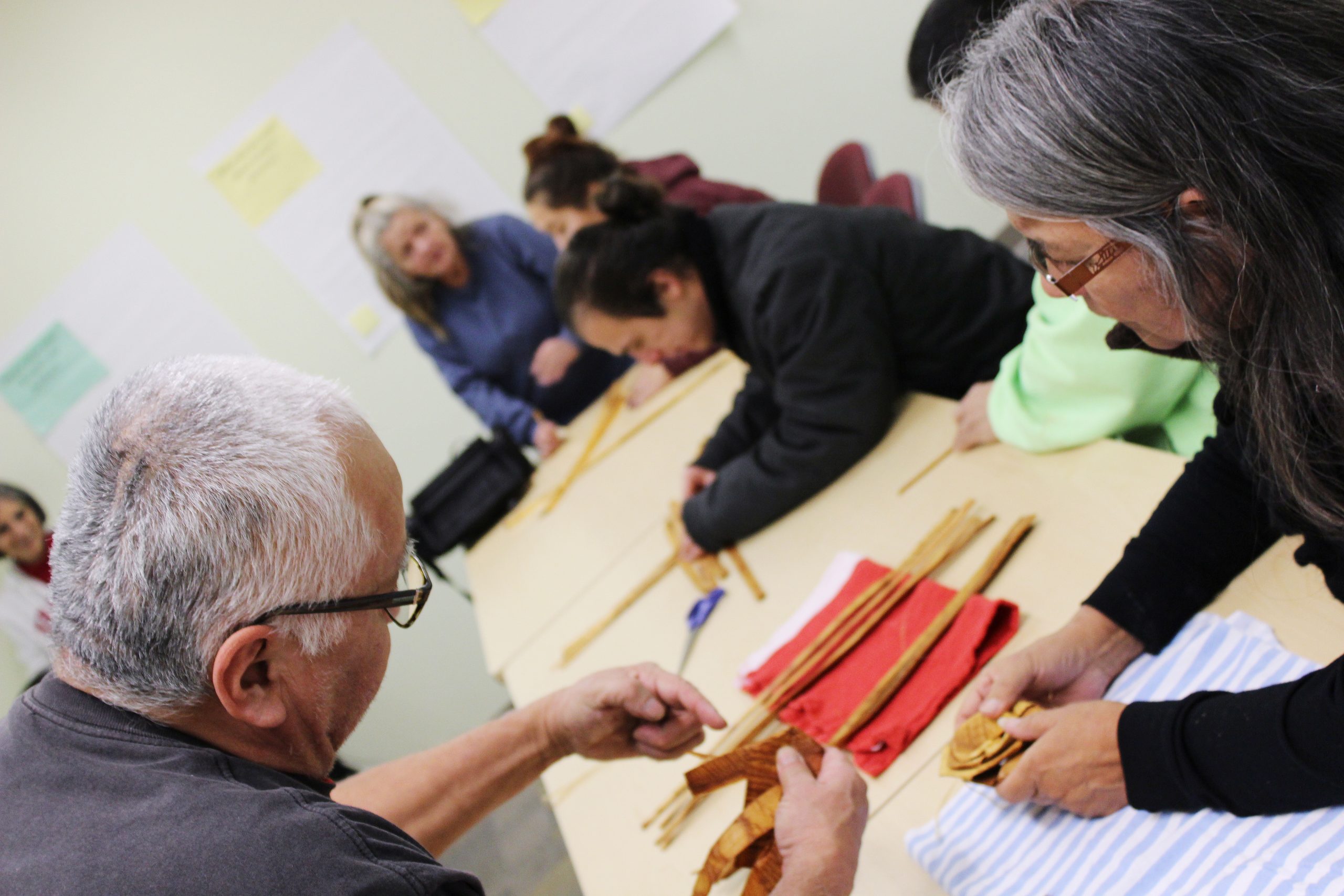
Weaving activity participants were able to create cedar roses and bracelets using the bark of Western Red Cedar.
The storytelling and weaving event was designed to honor the versatile use of the traditional plants and foods as a natural resource and connection to Coast Salish culture, traditions and knowledge. During the event we realized that we had a much greater impact on the Lummi community, serving as a catalyst for the Plasters, who led our Western Red Cedar weaving activity, to start a new business. Following our family engagement event, the Plasters secured a nearby rental space at a local shopping center to showcase their artwork and facilitate cedar weaving classes for tribal community members.
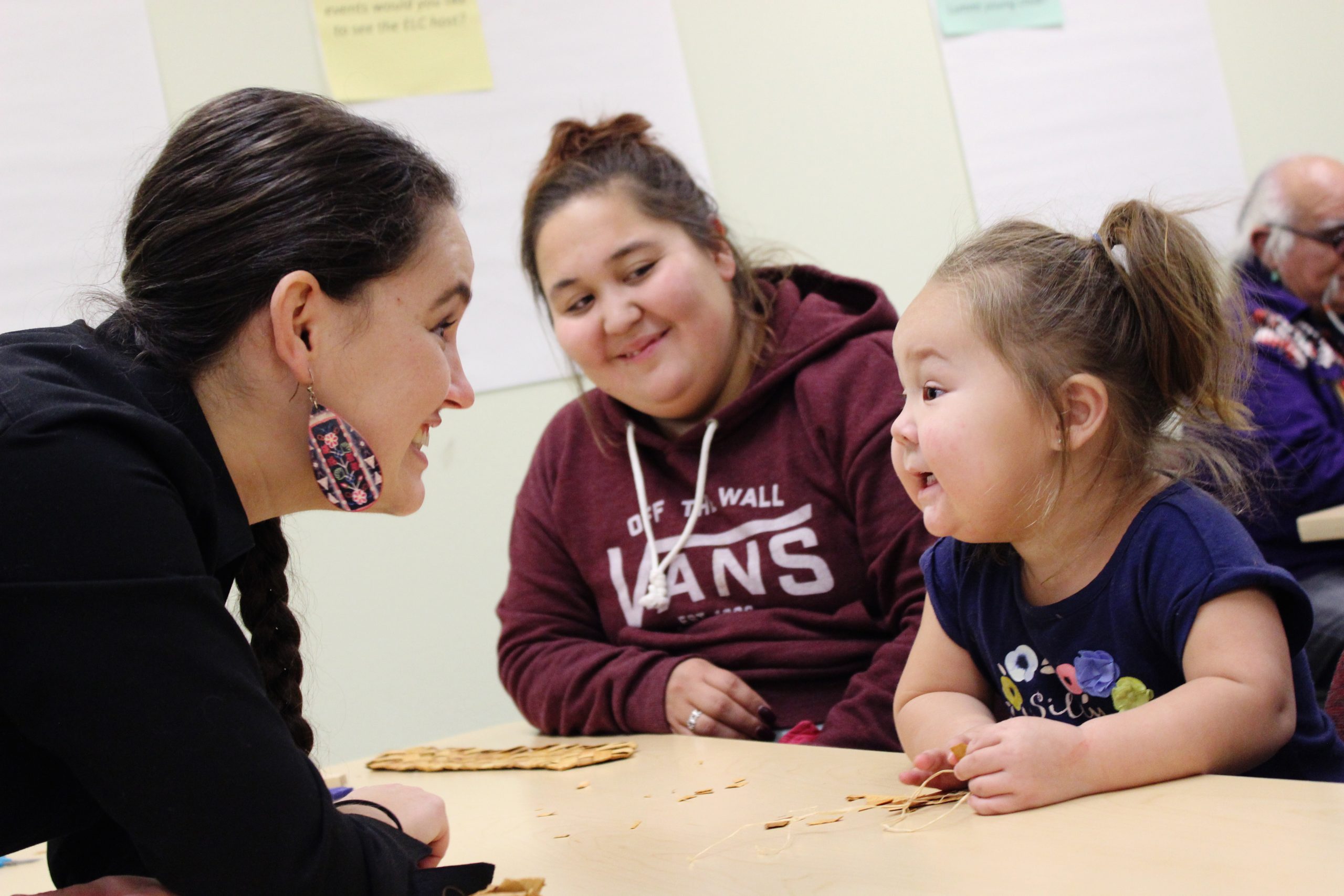
A Lummi family learns about making cedar roses and bracelets using the bark of Western Red Cedar.
Most importantly our event helped to instill in the Plaster family a sense of purpose. They feel more useful in their community and are honored to share their Indigenous knowledge with others. At NWIC, the Restorative Teachings Early Childhood Education Initiative is building stronger foundations for economic access and security for all tribal members!
The Restorative Teachings Coordinating Team and the NWIC Early Learning Center thank all who supported and attended this wonderful family engagement event. We look forward to continuing to bring our families and community together in ways that are meaningful, support traditional knowledge, and are fun for the whole family.
by Alicia Allard, NWIC ELC Director and Nahrin Aziz-Parsons, NWIC Restorative Teachings Project Director