
Planting the Seeds of Cultural Sustainability
April 22, 2026 | Student Ambassador Aiyanna Tanyan’s (Seminole Nation of Oklahoma) work to reclaim food sovereignty
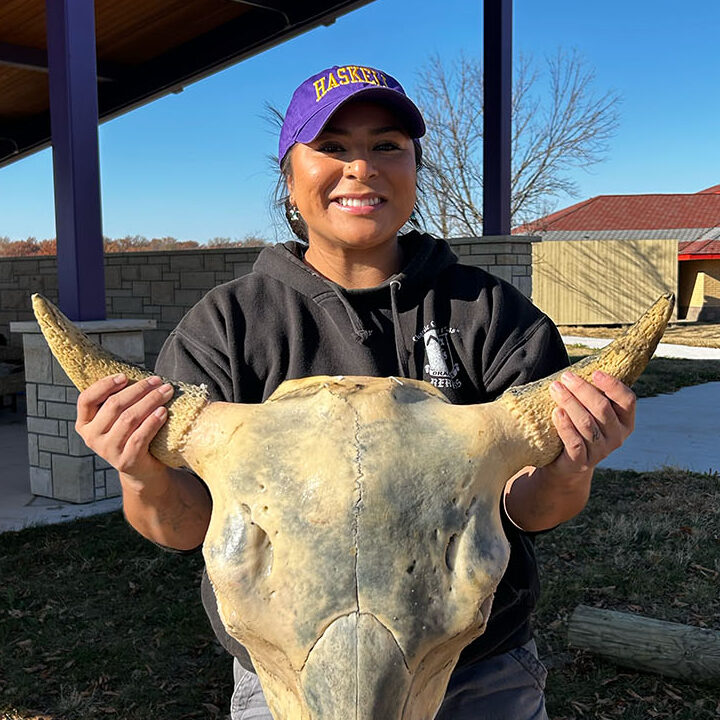
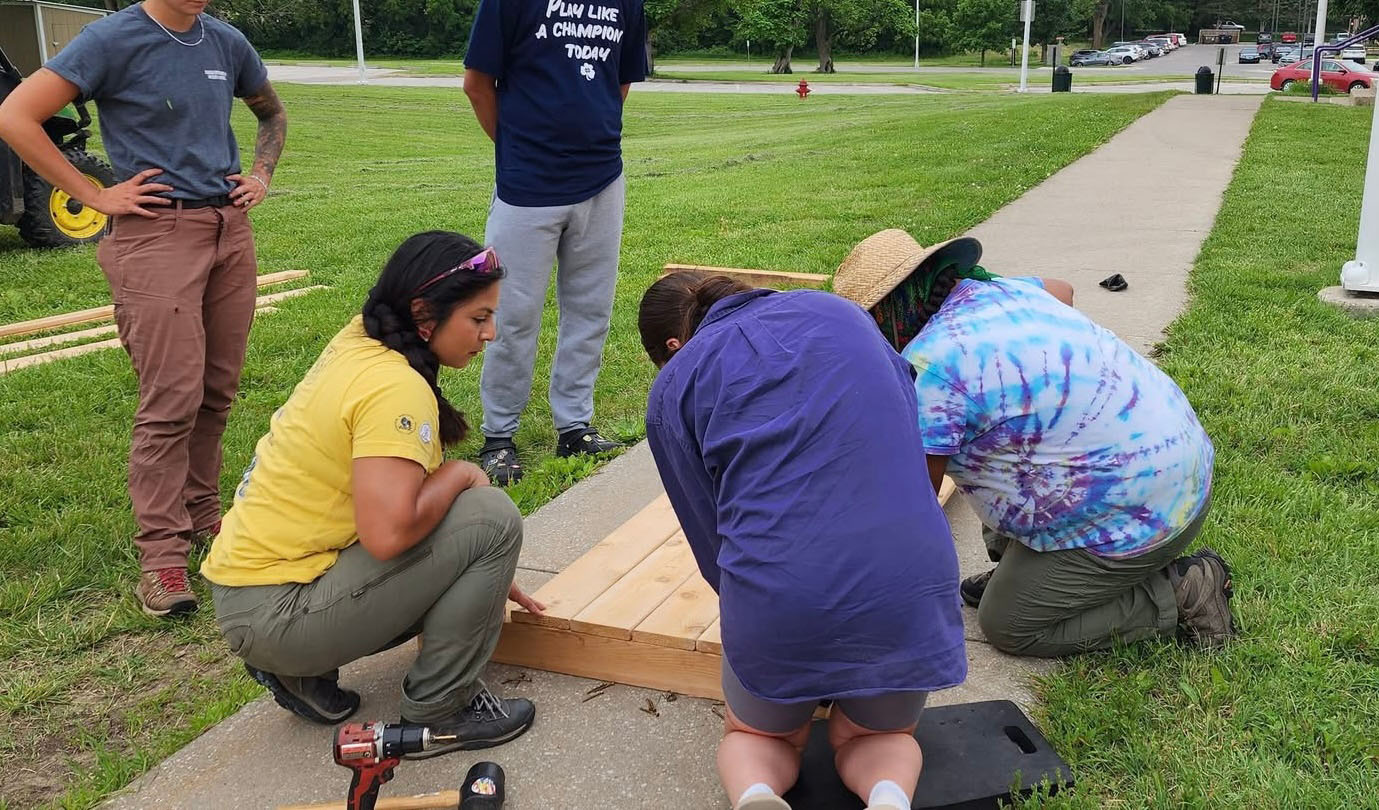
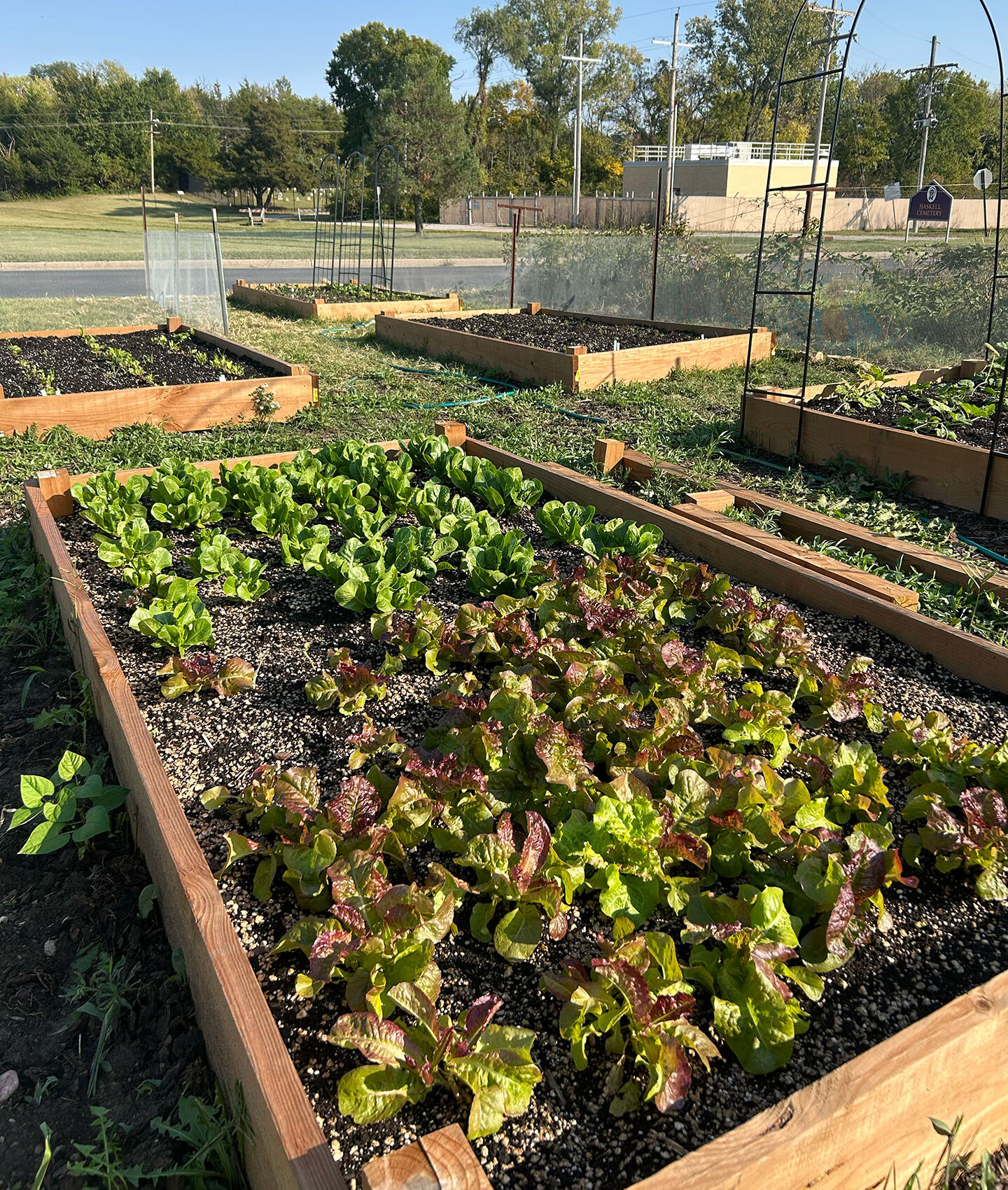
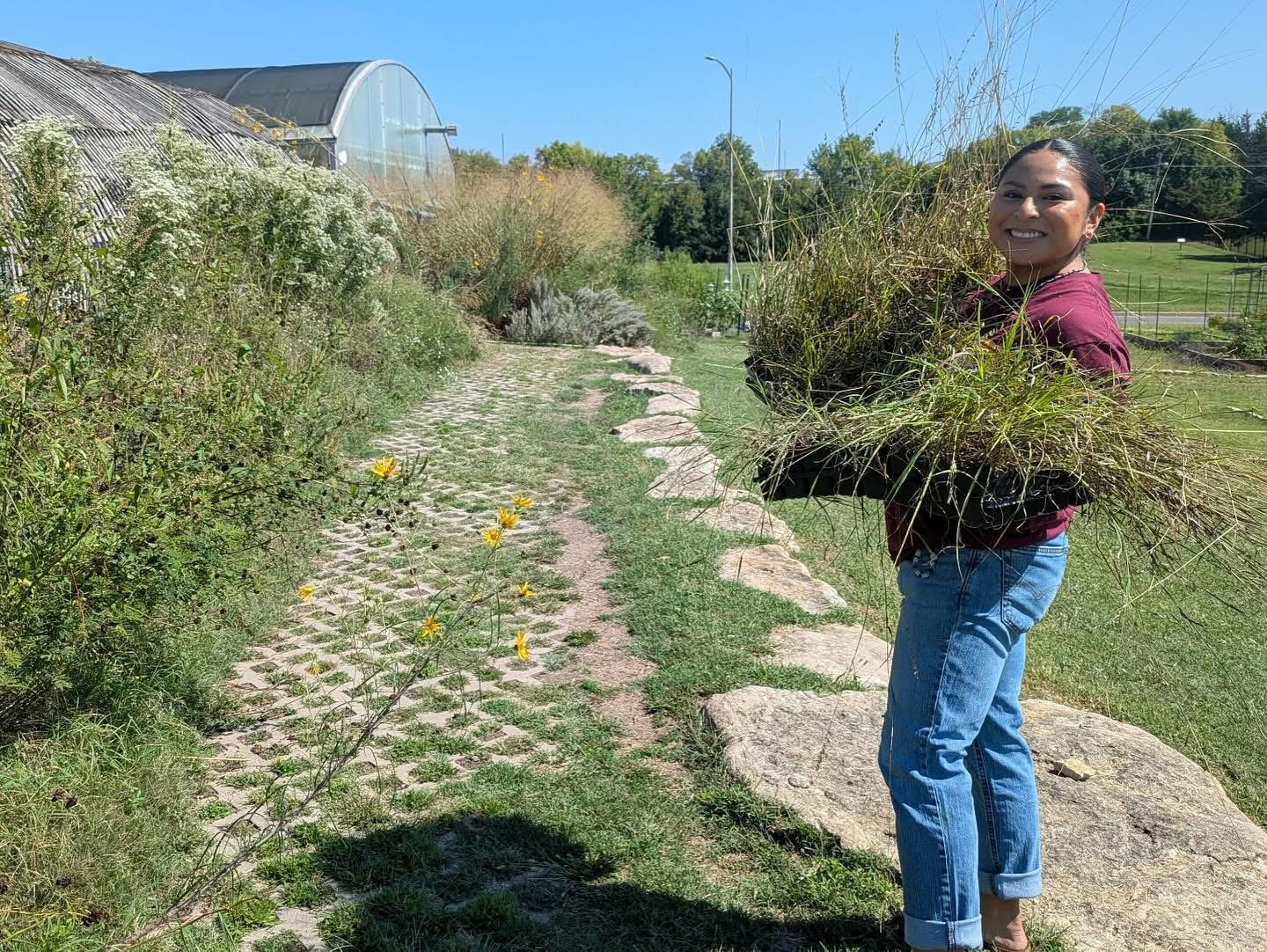
We came up with the idea of building raised garden beds near the dorms so students can easily access fresh foods and learn how to grow them themselves. Through support from the Haskell Greenhouse (funded through the USDA Equity Grant), we started building.
Last year was our first year doing this project and it was a learning experience as with many community-based projects, it comes with trial and error. However, that process taught us a lot about what works, what doesn’t, and how to build something more sustainable moving forward. This year, we’re continuing this work with stronger systems, more involvement, and a clearer vision.
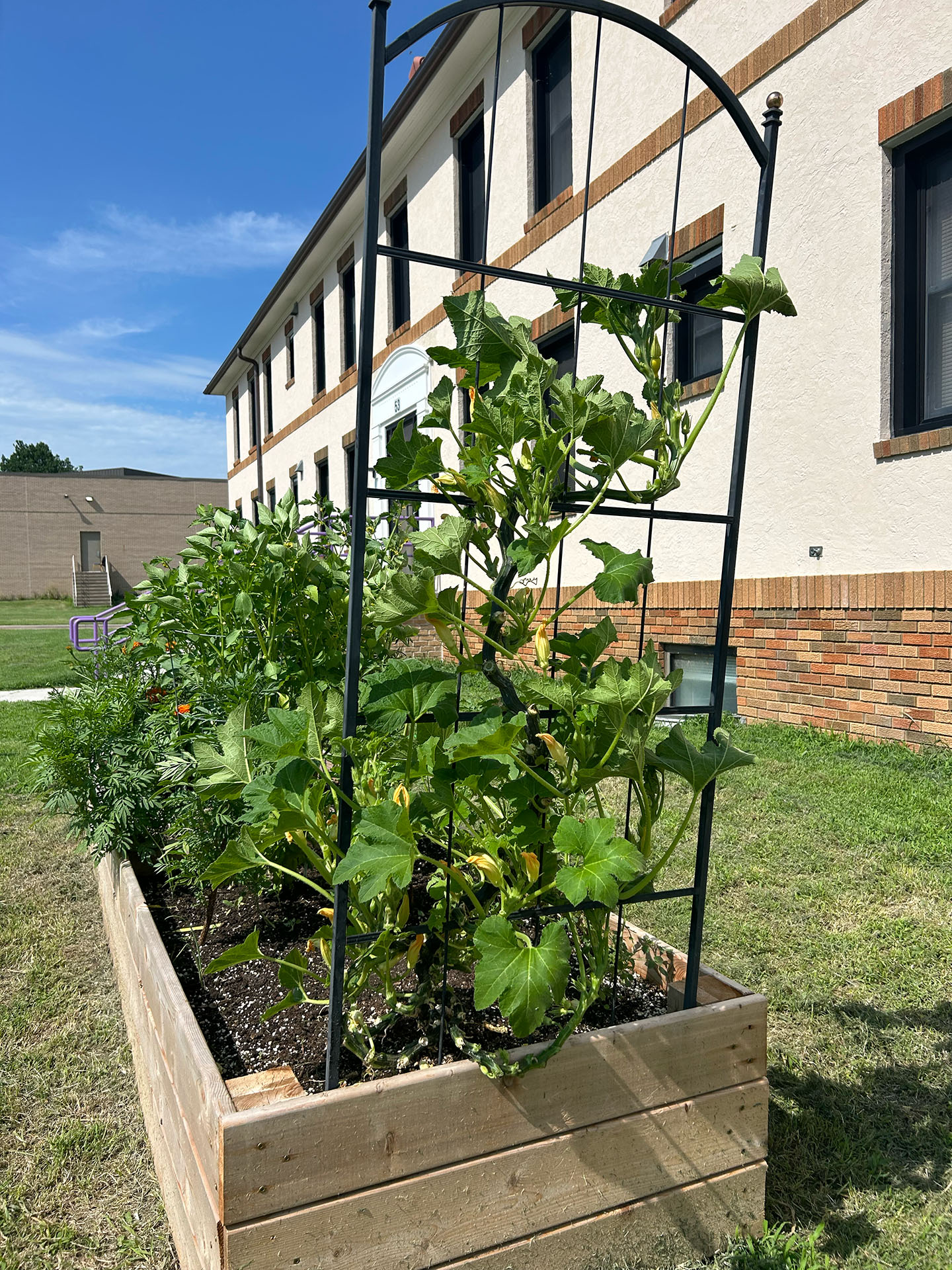
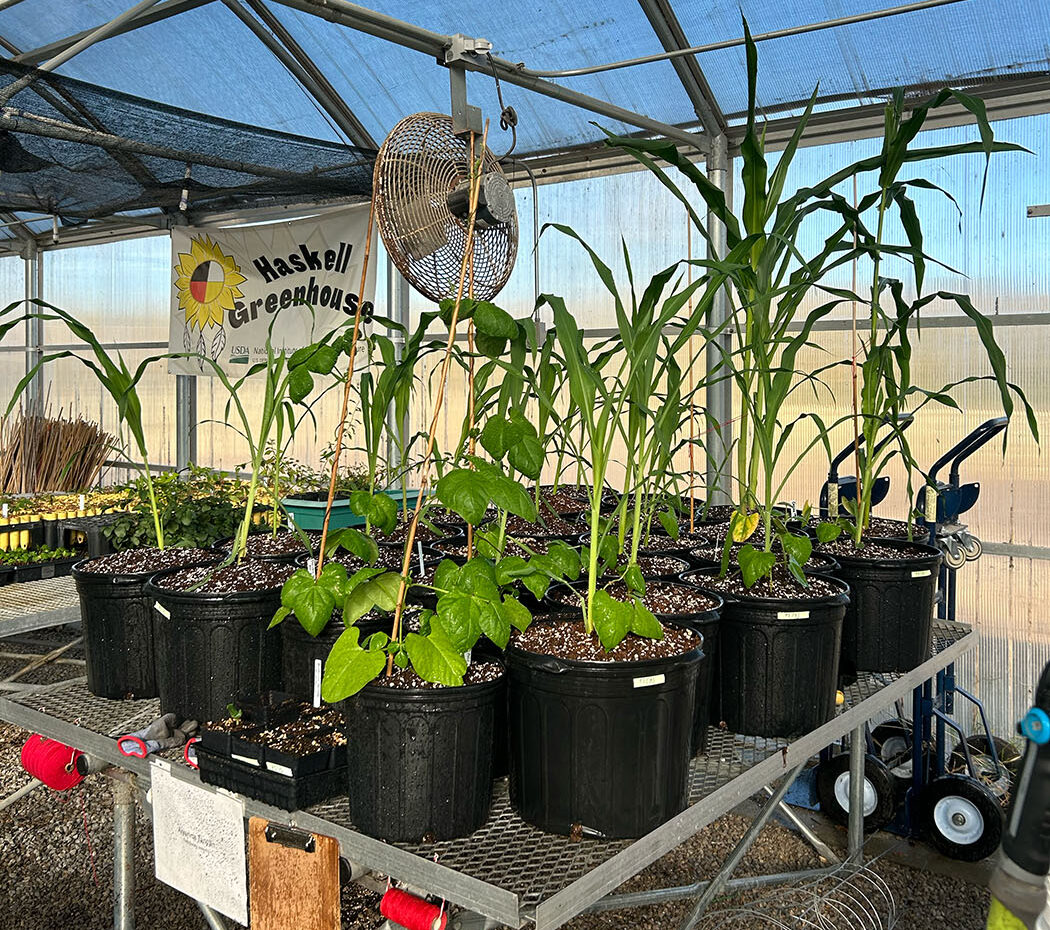
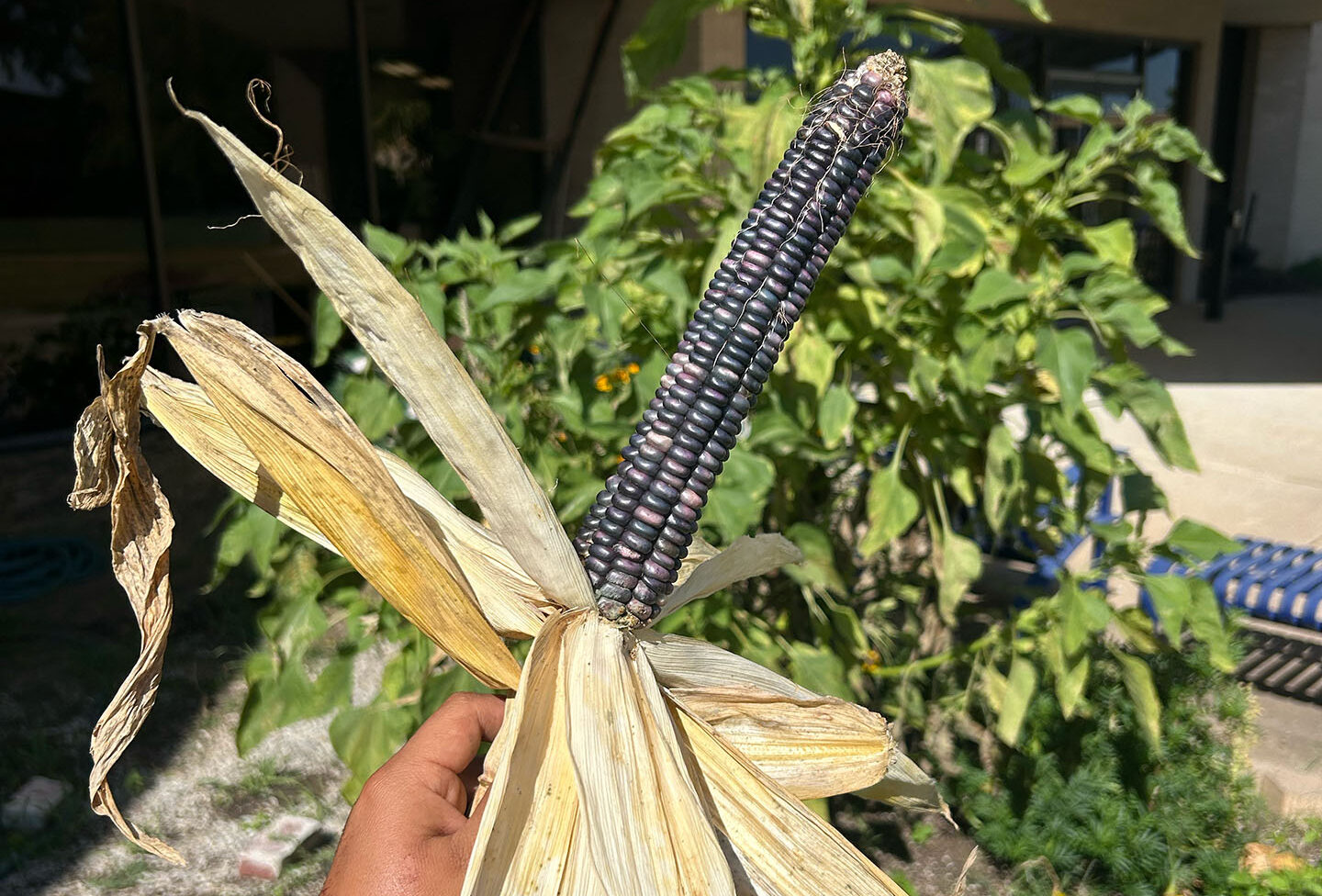
Everyone at the Haskell Greenhouse wants to help others learn, value, and view these spaces as places of teaching. I know they have taught me so much about responsibility and our relationship with the environment. Through these projects, we’re helping students reconnect with the land and understand the importance of food sovereignty for Indigenous communities. This work is ongoing, and we’re still learning. Every seed planted, and every workday shared brings us one step closer to a more sustainable and connected future.
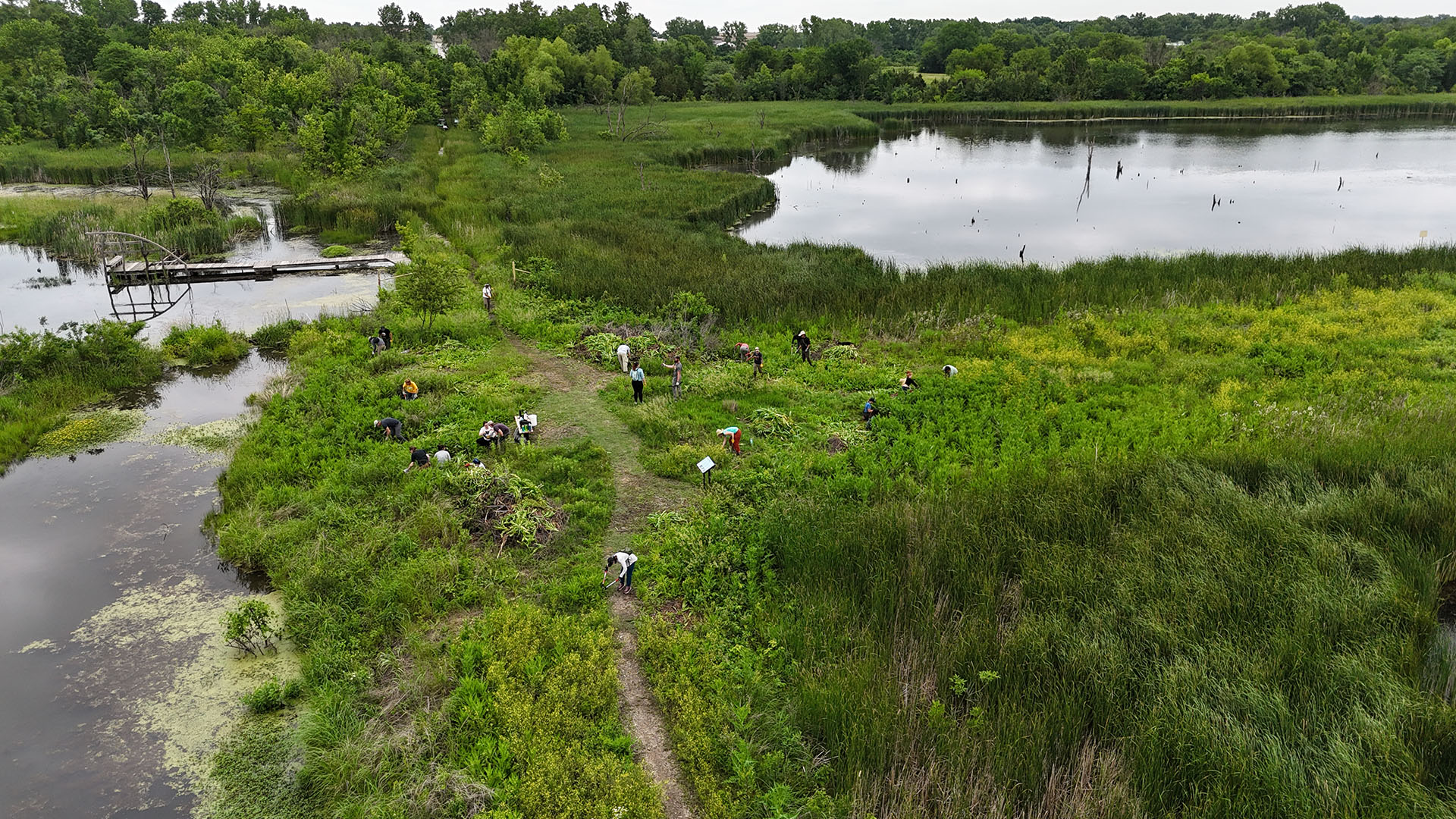
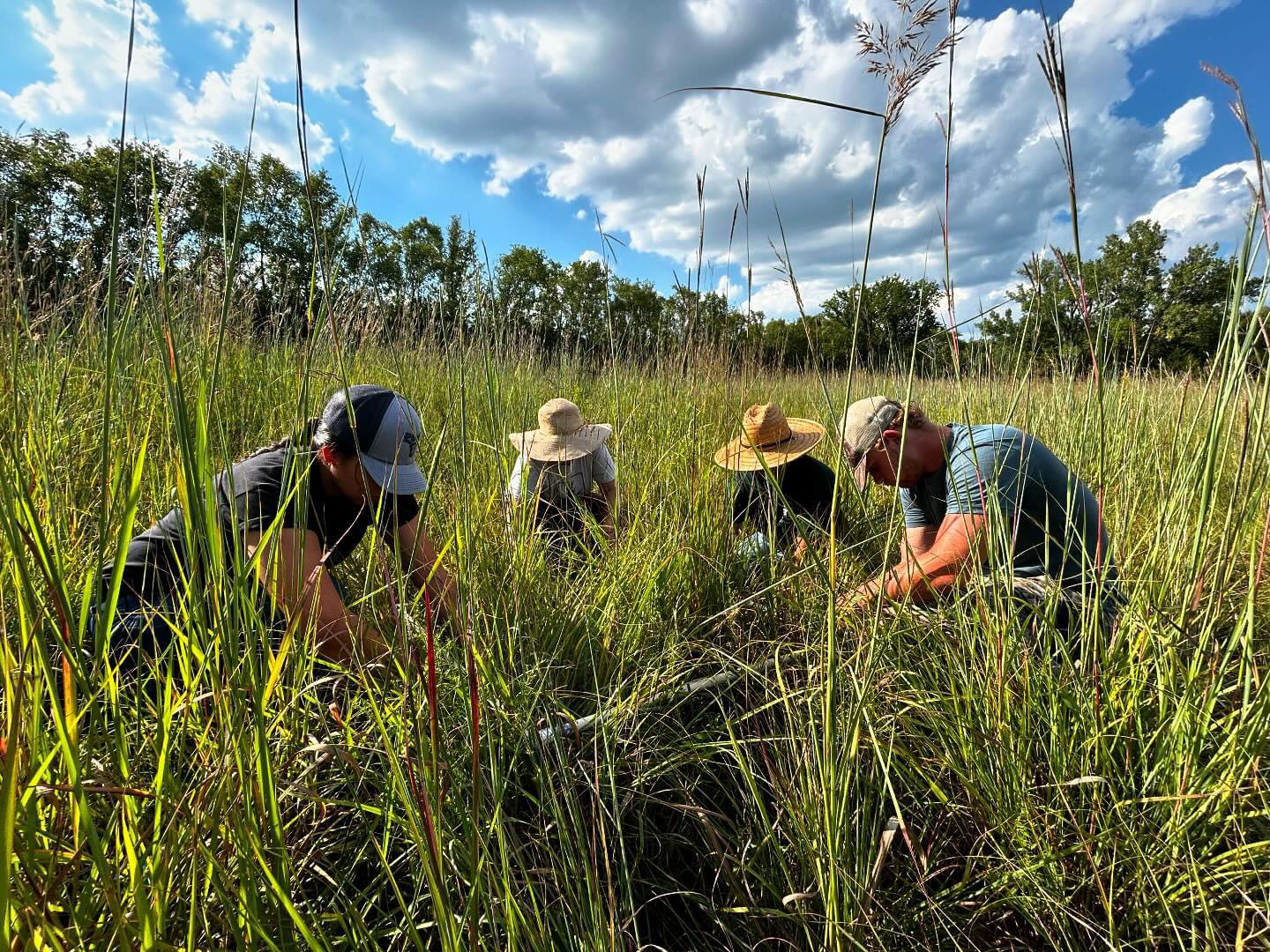
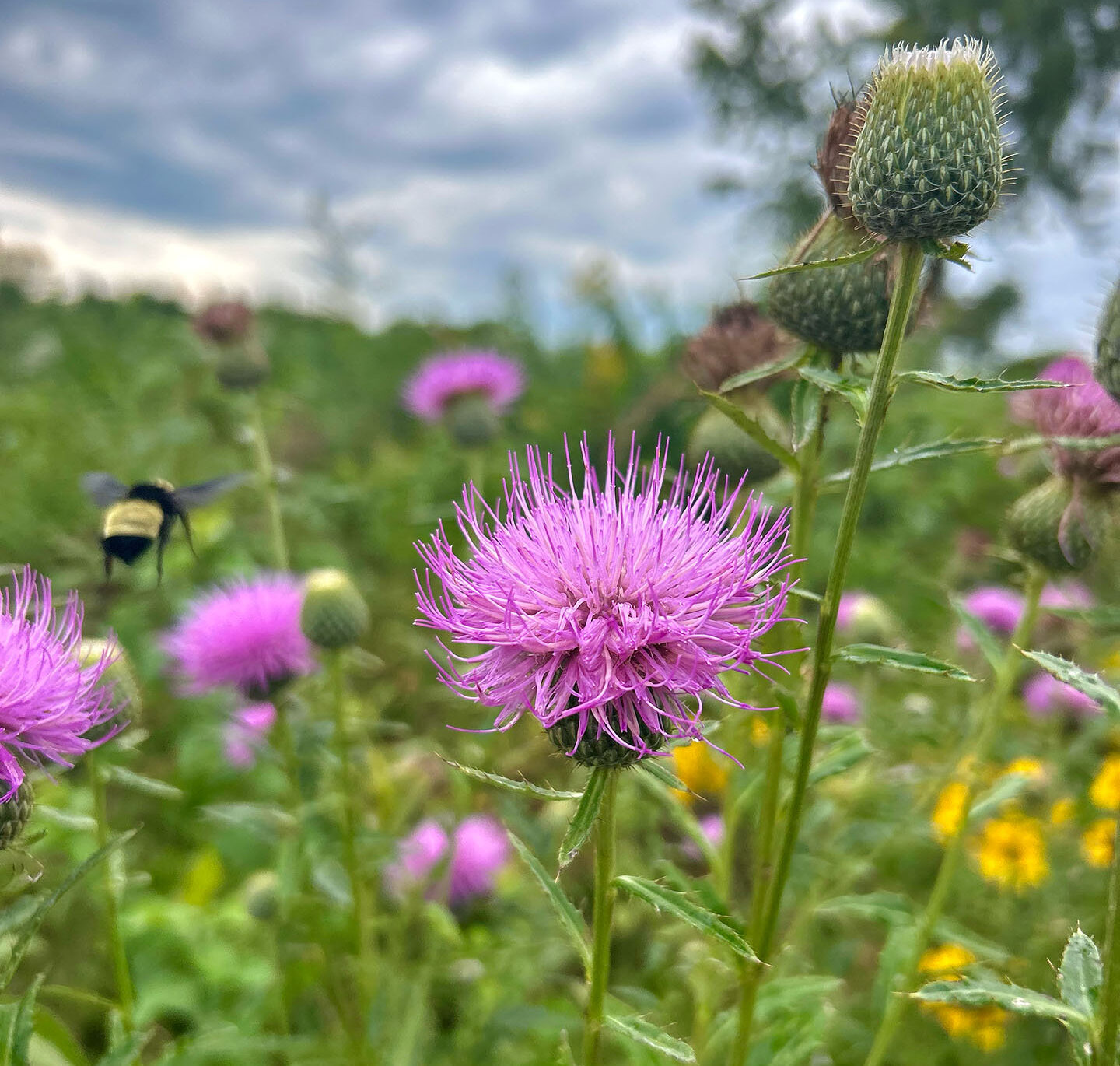
In Caring for Our Kin: Stories of Indigenous Environmental Stewardship, the College Fund shares the stories of Indigenous environmental leaders who are centering kinship and relational knowledge to build healthy ecological systems. These stories remind us that caring for the Earth means caring for one another—and that Indigenous knowledge systems continue to offer guidance, resilience, and hope for the future.
Learn more about our Environmental Stewardship Program.
Ekvnv Vcayecet. Mvto!
(Take care of the Earth/Land. Thank you)
More Blogs
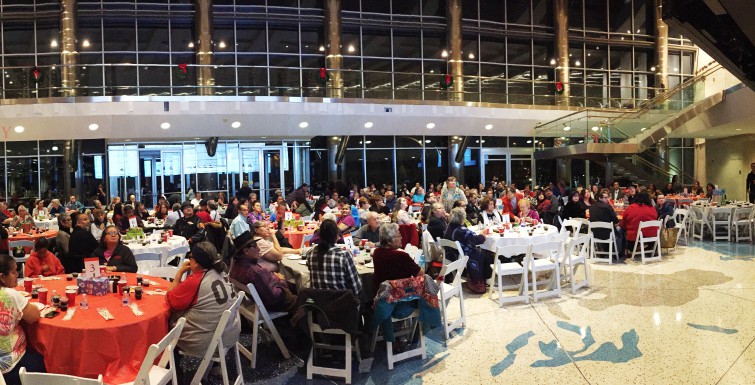
Denver Elders Honored at Annual Feast
Christmas came early for close to 300 American Indian elders from the Denver Native community. On December 2, Natives ages 55 and older gathered at the Cable Center at the University of Denver to enjoy a holiday meal of buffalo and gifts bestowed by a Native Santa Claus, courtesy of the American Indian College Fund.
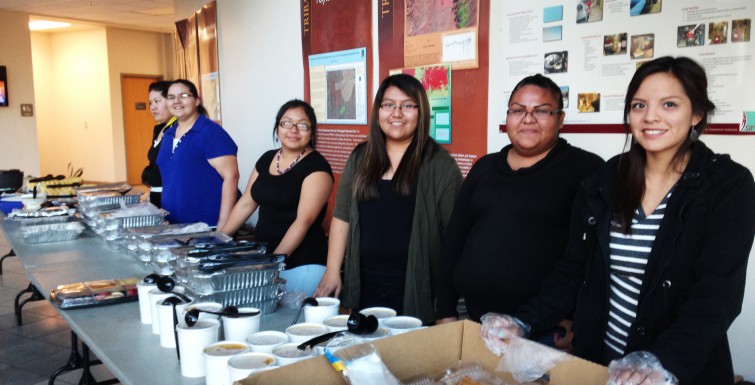
SIPI’s Native Harvest Feast Creates Sharing, Community Bonds
Thanksgiving is a time of sharing and community bonding. The Southwestern Indian Polytechnic Institute (SIPI) Youth Development Incorporated (YDI) families engaged with one another during our Native Harvest Feast on November 24, 2014. SIPI YDI families and Wakanyeja “Sacred Little Ones”/Ke’ staff worked together to provide a Native inspired meal to share in honor of the “giving thanks” season.
American Indian College Fund to Honor Denver Native Elders at Holiday Dinner
In American Indian tradition, elders are esteemed for their guidance and are considered to be sacred. To honor Denver-area American Indian elders, the American Indian College Fund (the College Fund) will host a holiday dinner on Tuesday, December 2 from 5:30-8:00 p.m. at The Cable Center, the University of Denver, 2000 Buchtel Boulevard in Denver, Colorado. Doors open for dinner at 5:30 p.m. The event is free to all American Indians age 55 and older. The dinner includes a traditional feast of buffalo and entertainment. The emcee for the event is Cordell KillsCrow. An Indian Santa played will distribute goody bags and hams and the Mile High Singers drum group will perform.
American Indian College Fund Committed to Integrity
This giving season and all year, the American Indian College Fund (the College Fund) knows that you have many choices with regard to your charity donations. The College Fund adheres to the highest standards of integrity and transparency with regard to its fundraising activities and service of Native American people and communities.
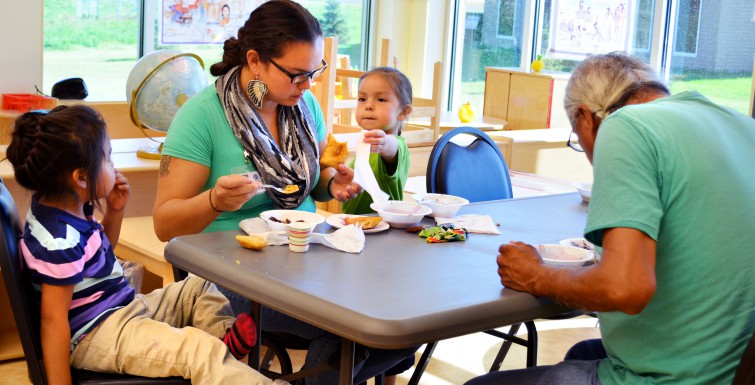
Tribal Colleges Strengthen Family Engagement Through Early Childhood Education
In July 2014, The American Indian College Fund launched expanded efforts to support tribal colleges and universities in strengthening early childhood education through family engagement. The early childhood initiative, the Ké’ Family Engagement Early Childhood Initiative: Strengthening systems of shared responsibility among Native families, schools and communities seeks to deepen engagement with Native families across four tribal college communities
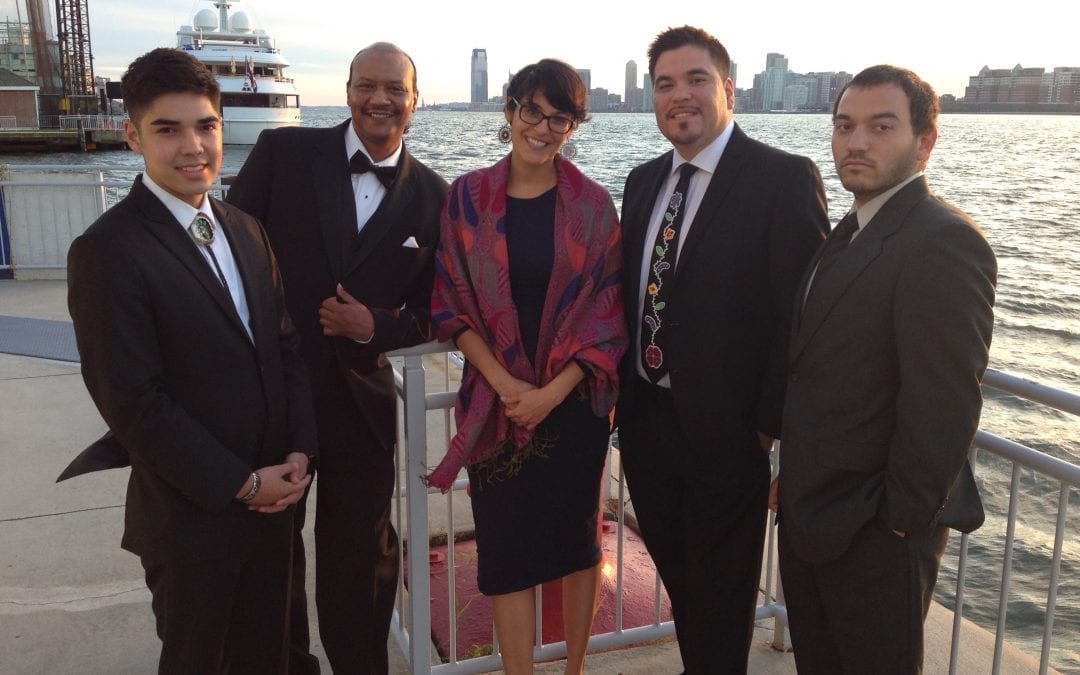
College Fund Raises More Than $1 Million At 25th Anniversary Gala in New York City
The American Indian College Fund (the College Fund) kicked off its 25th anniversary celebration and fundraising efforts with a black-tie gala that raised more than $1 million to benefit Native American education. The organization also announced several lofty goals for its future. The gala was held October 20, 2014 at Pier Sixty in New York City and was the largest and most successful fundraising event in the organization’s 25-year history.
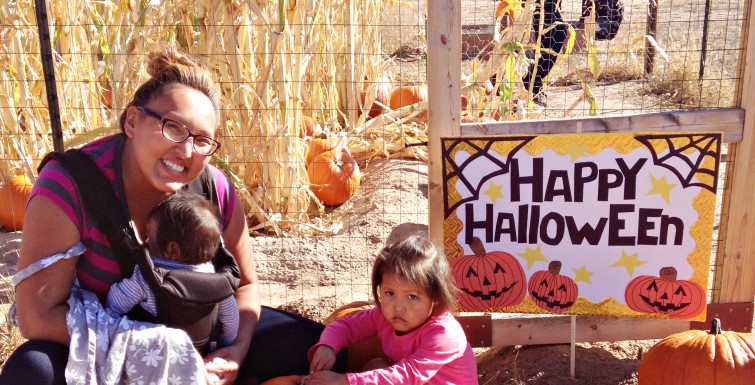
SIPI’s Ke’ Family Engagement Initiative Pumpkin Patch
Every year for Halloween, families and communities come together to give children an experience of laughter, festivities, and pumpkin carving! Halloween is an opportunity for our children to have fun dressing up in costumes, but more importantly celebrate the fall season!
Comcast and NBCUniversal Donate Over $5 Million in Advertising in Partnership with College Fund
The American Indian College Fund (the College Fund), a national Native education non-profit, today announced that Comcast and NBCUniversal is partnering with them to further the cause of Native American higher education with a donation of $5 million of advertising for its 2015 public service announcement (PSA) on its cable system and an additional gift of $500,000 of in-kind services and cash.

Hope STEMS, Native American Students Blossom
A hardscrabble childhood didn’t “harden” Erika Torres-Hernandez, but it did sharpen the Chippewa-Cree tribe member’s resolve to achieve her goals and give back. A recipient of a Toyota Tribal College Scholarship, Torres-Hernandez studies math at a tribal college in Rocky Boy, Mont. Once the 3.7-GPA student earns her four-year degree from a university, she plans to return to the reservation to teach high school.
Ford Motor Company Fund Awards $60,000 to American Indian College Fund
Ten Tribal College and University (TCU) Scholarships of $3,000 per academic year and five mainstream scholarships of $3,000 per academic year will be awarded under the program. Eight TCU students must be studying science, technology, engineering, math (STEM) or business fields.