Planting the Seeds of Cultural Sustainability
April 22, 2026 | Student Ambassador Aiyanna Tanyan’s (Seminole Nation of Oklahoma) work to reclaim food sovereignty
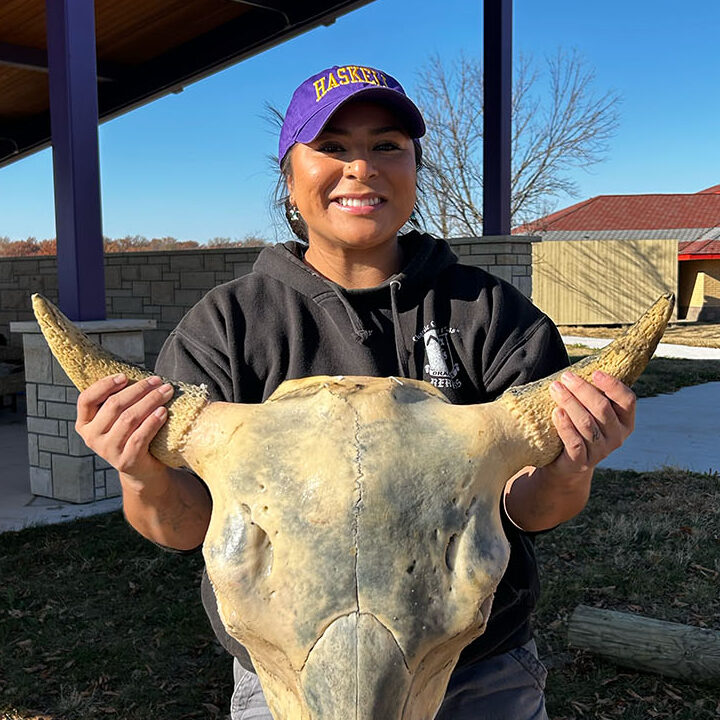
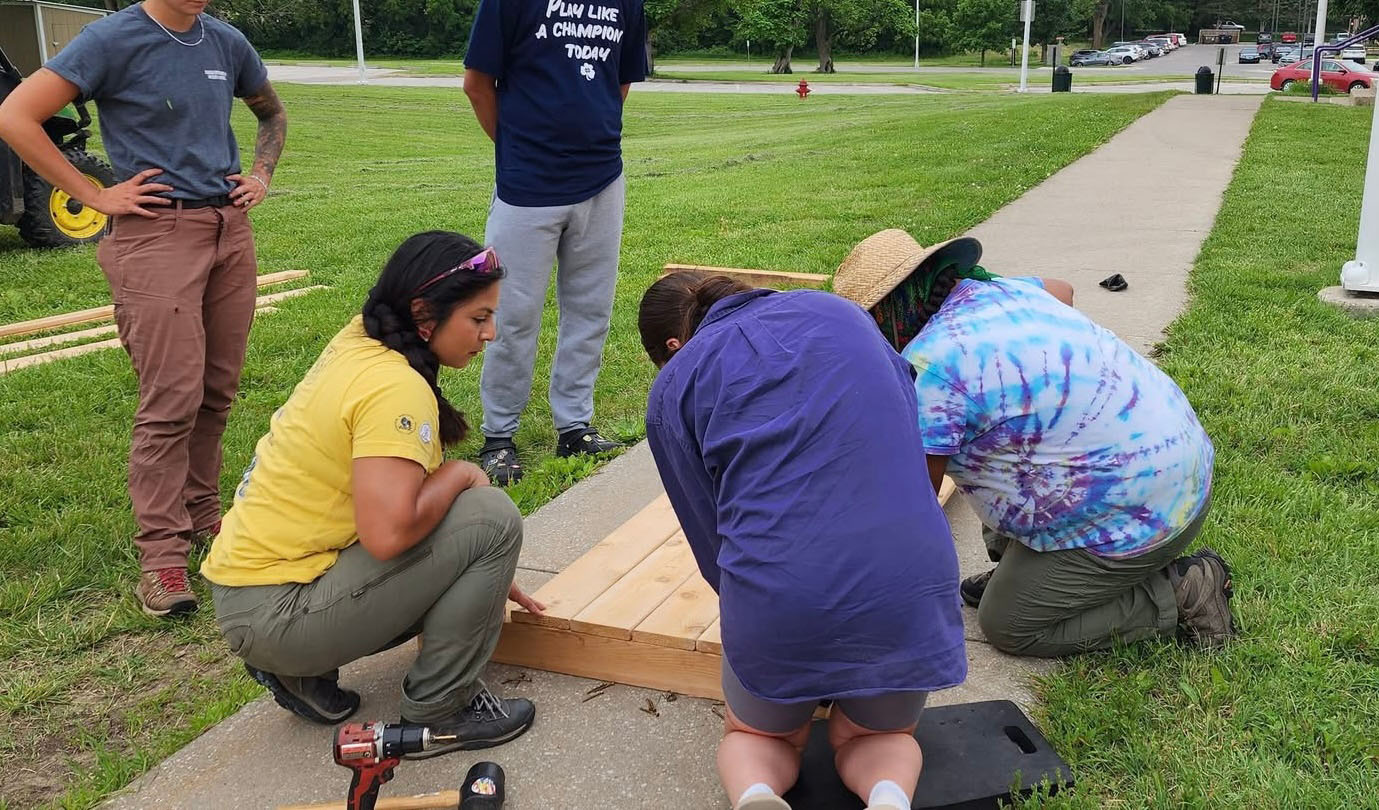
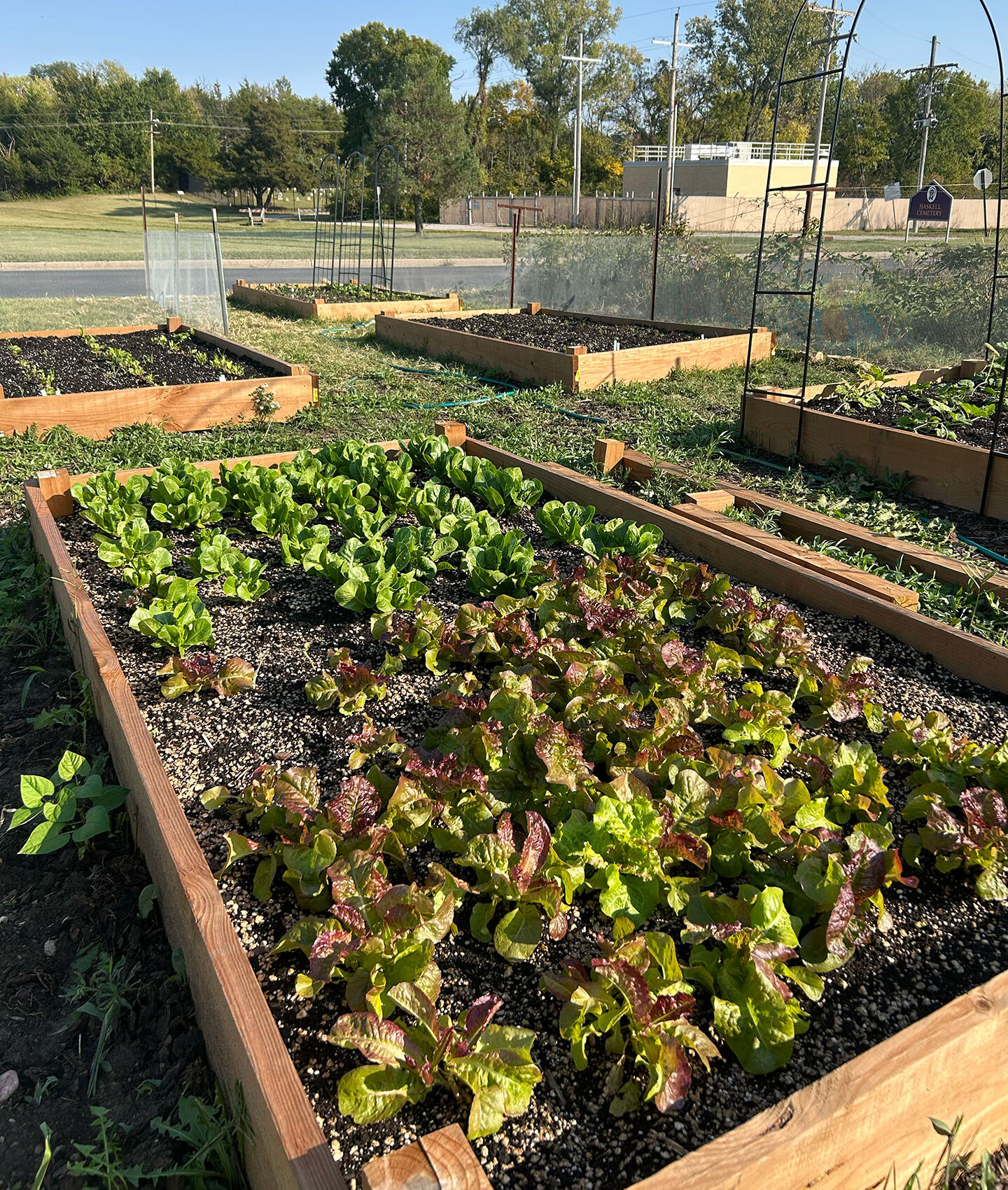
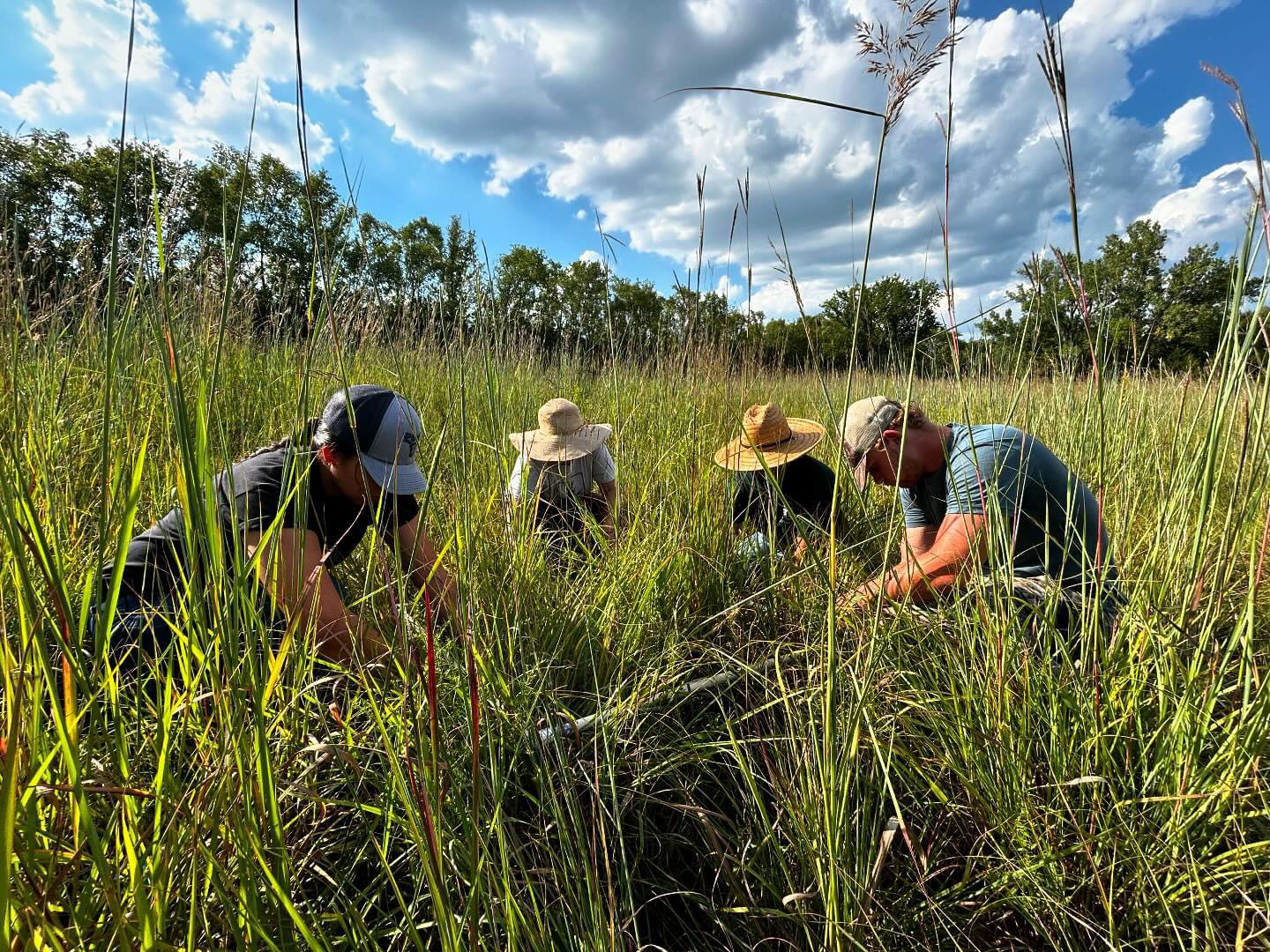
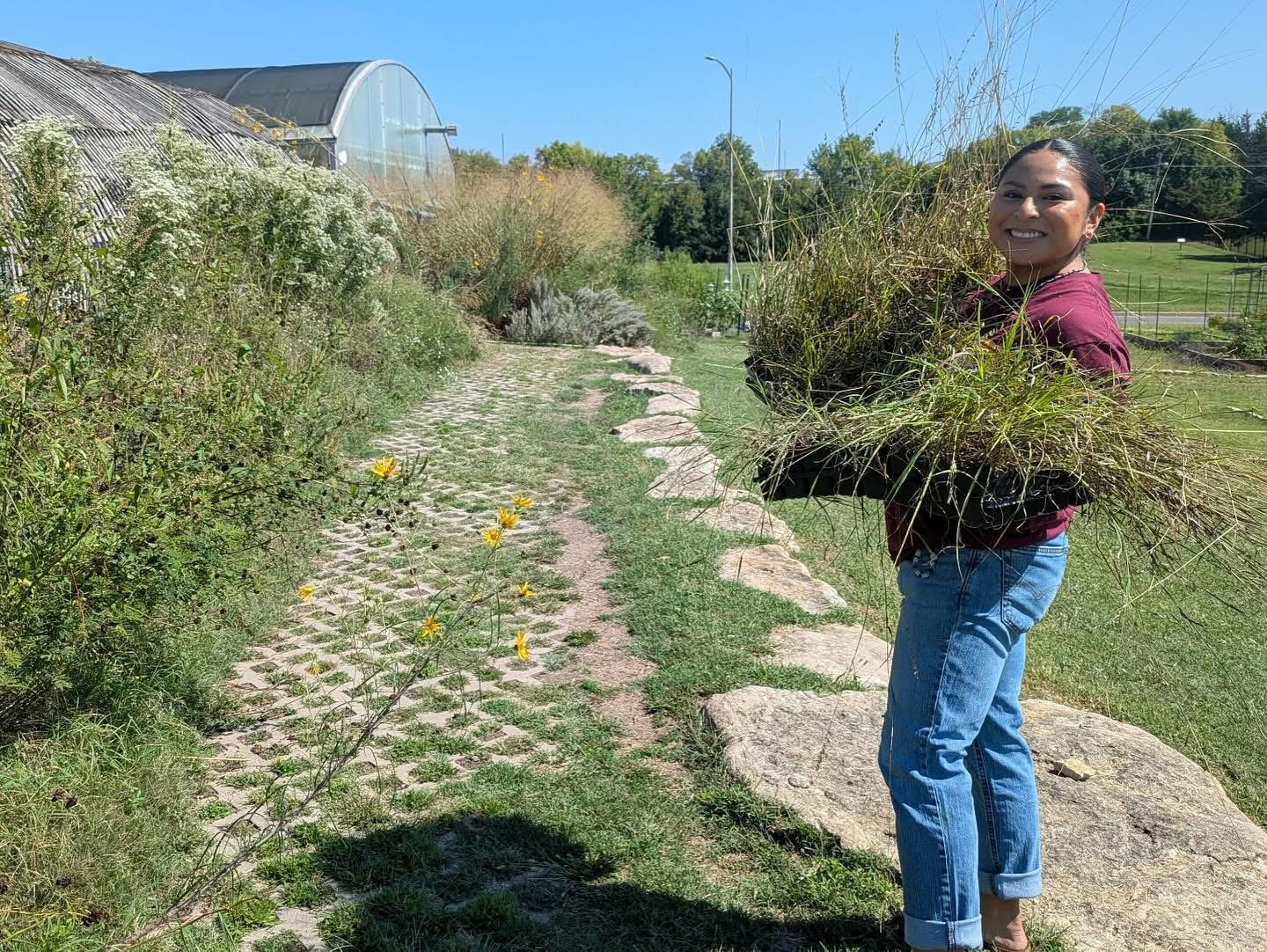
We came up with the idea of building raised garden beds near the dorms so students can easily access fresh foods and learn how to grow them themselves. Through support from the Haskell Greenhouse (funded through the USDA Equity Grant), we started building.
Last year was our first year doing this project and it was a learning experience as with many community-based projects, it comes with trial and error. However, that process taught us a lot about what works, what doesn’t, and how to build something more sustainable moving forward. This year, we’re continuing this work with stronger systems, more involvement, and a clearer vision.
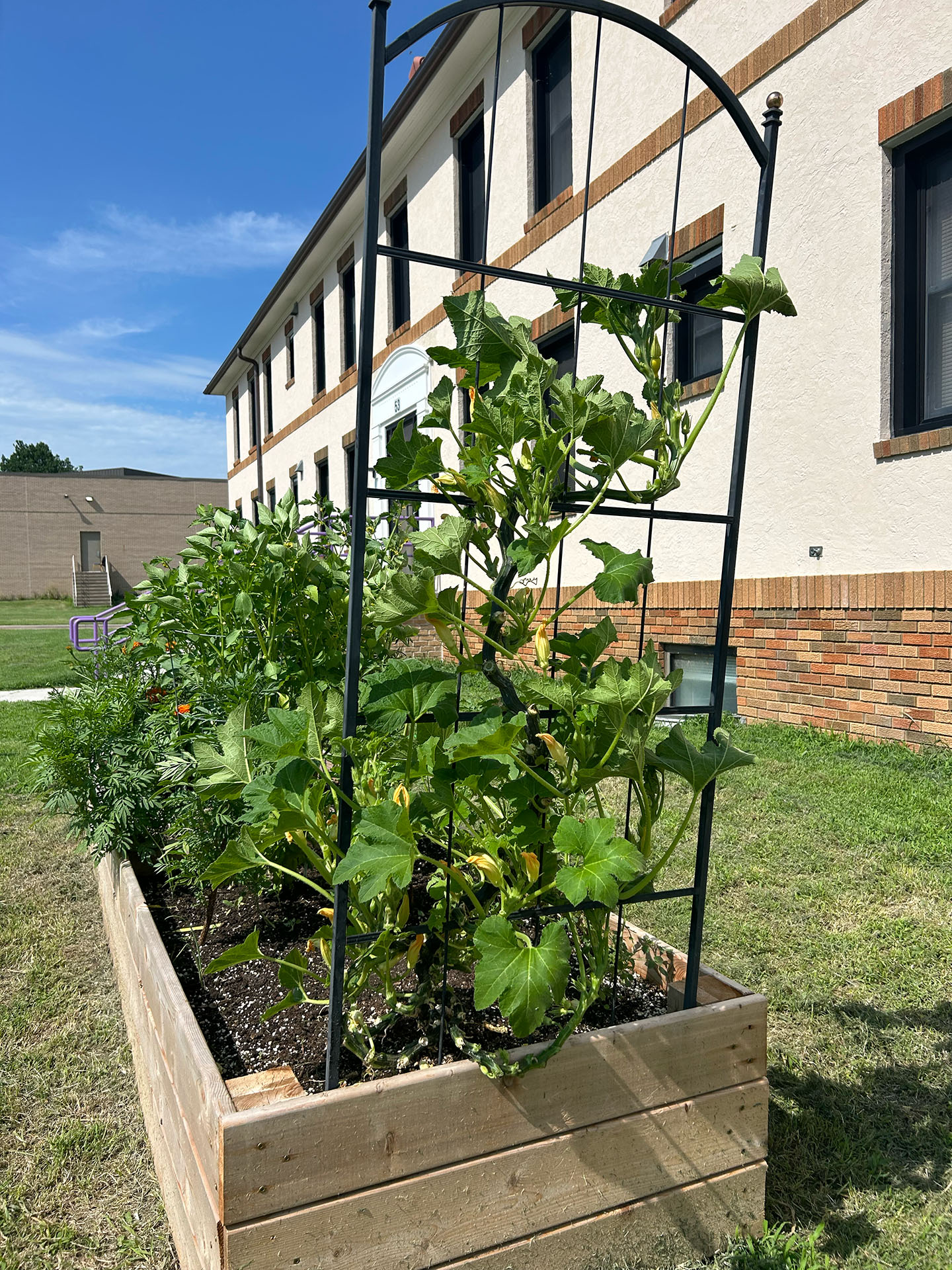
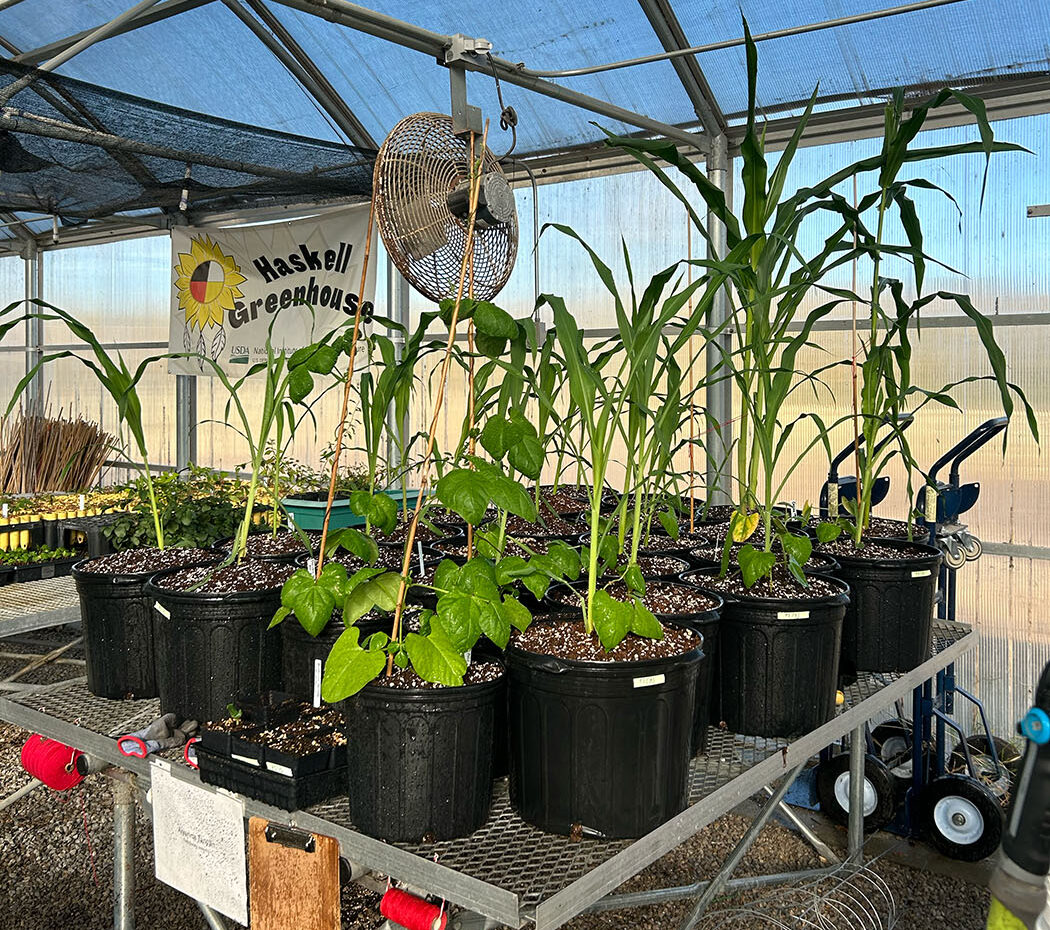
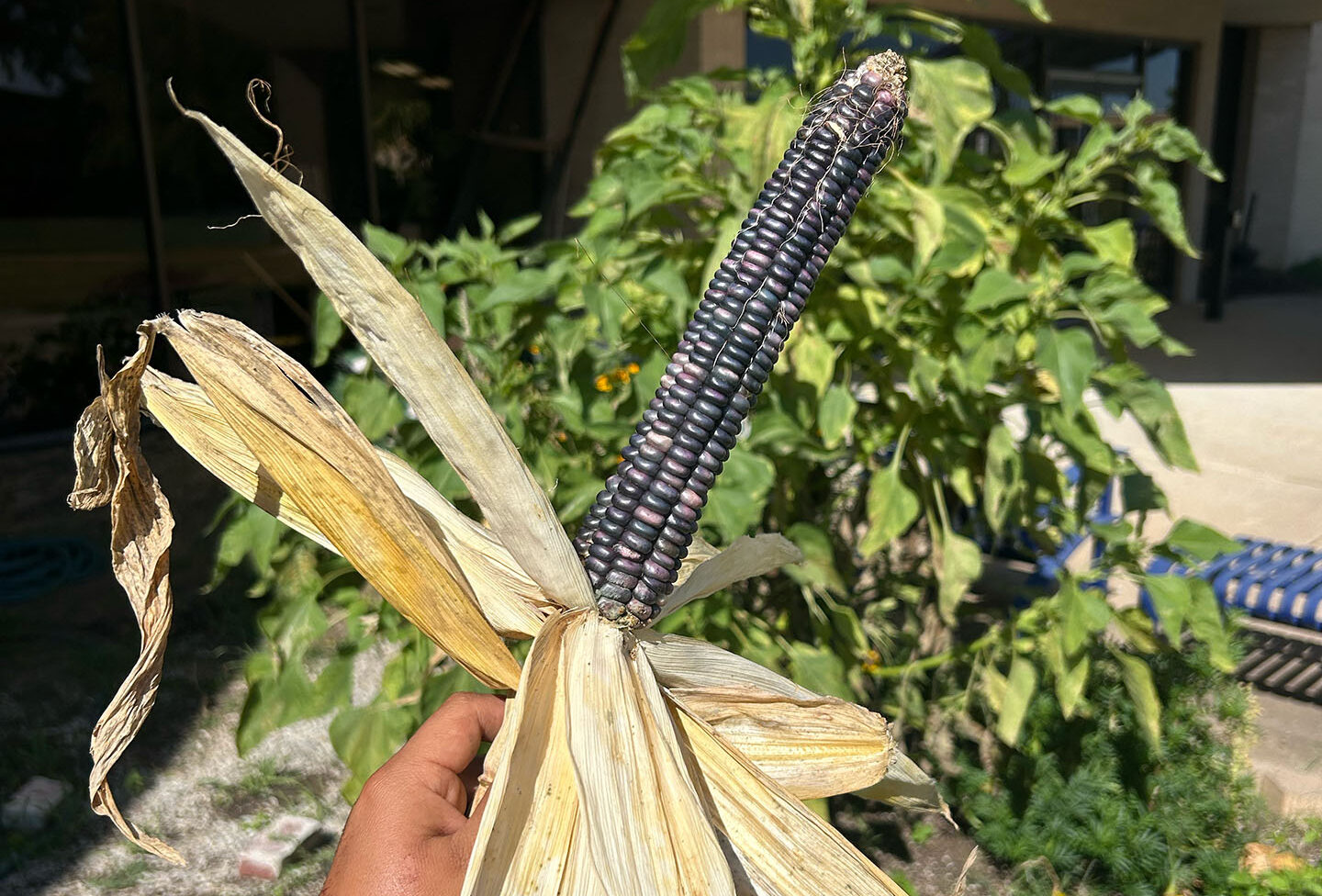
Everyone at the Haskell Greenhouse wants to help others learn, value, and view these spaces as places of teaching. I know they have taught me so much about responsibility and our relationship with the environment. Through these projects, we’re helping students reconnect with the land and understand the importance of food sovereignty for Indigenous communities. This work is ongoing, and we’re still learning. Every seed planted, and every workday shared brings us one step closer to a more sustainable and connected future.
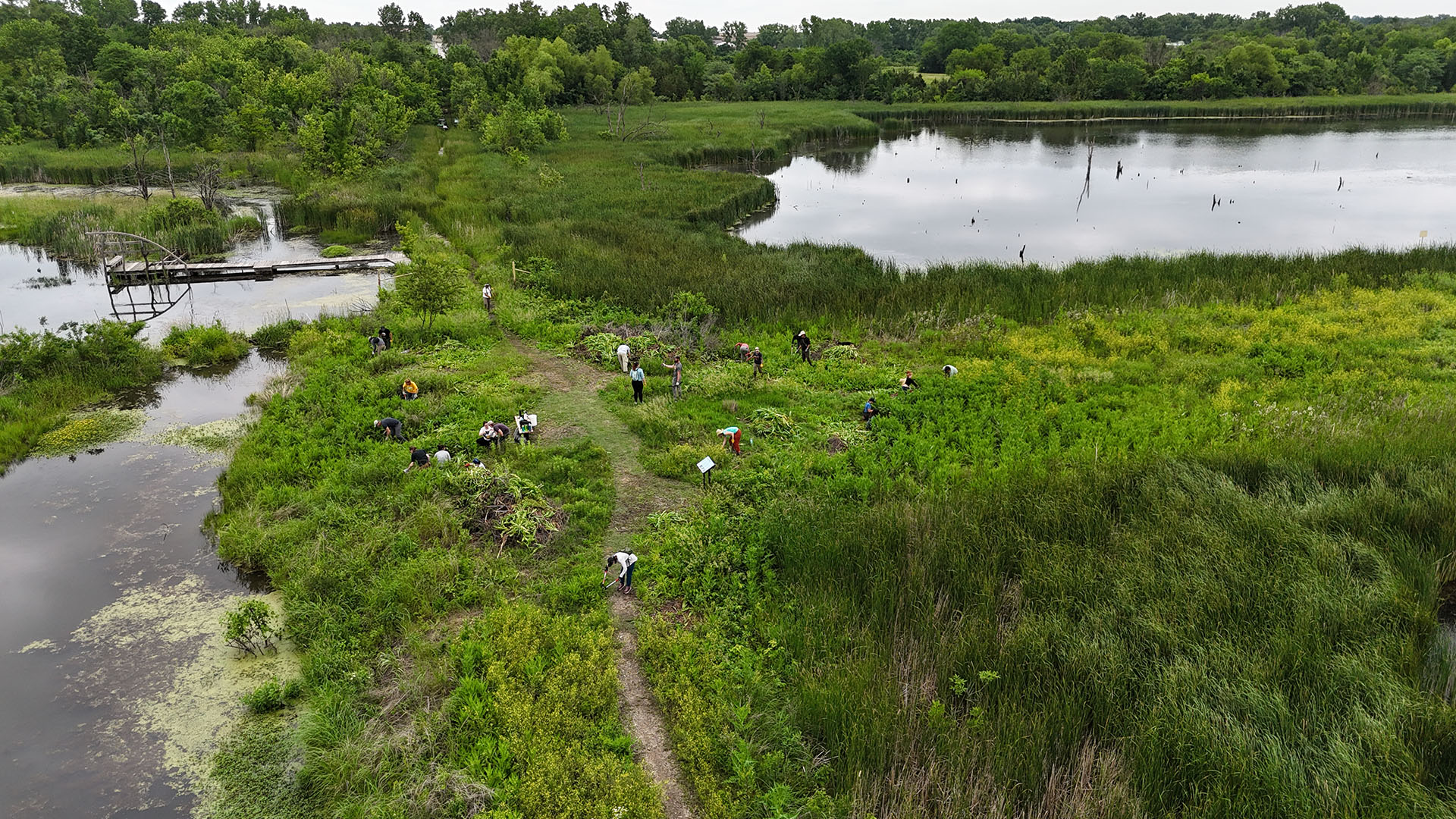
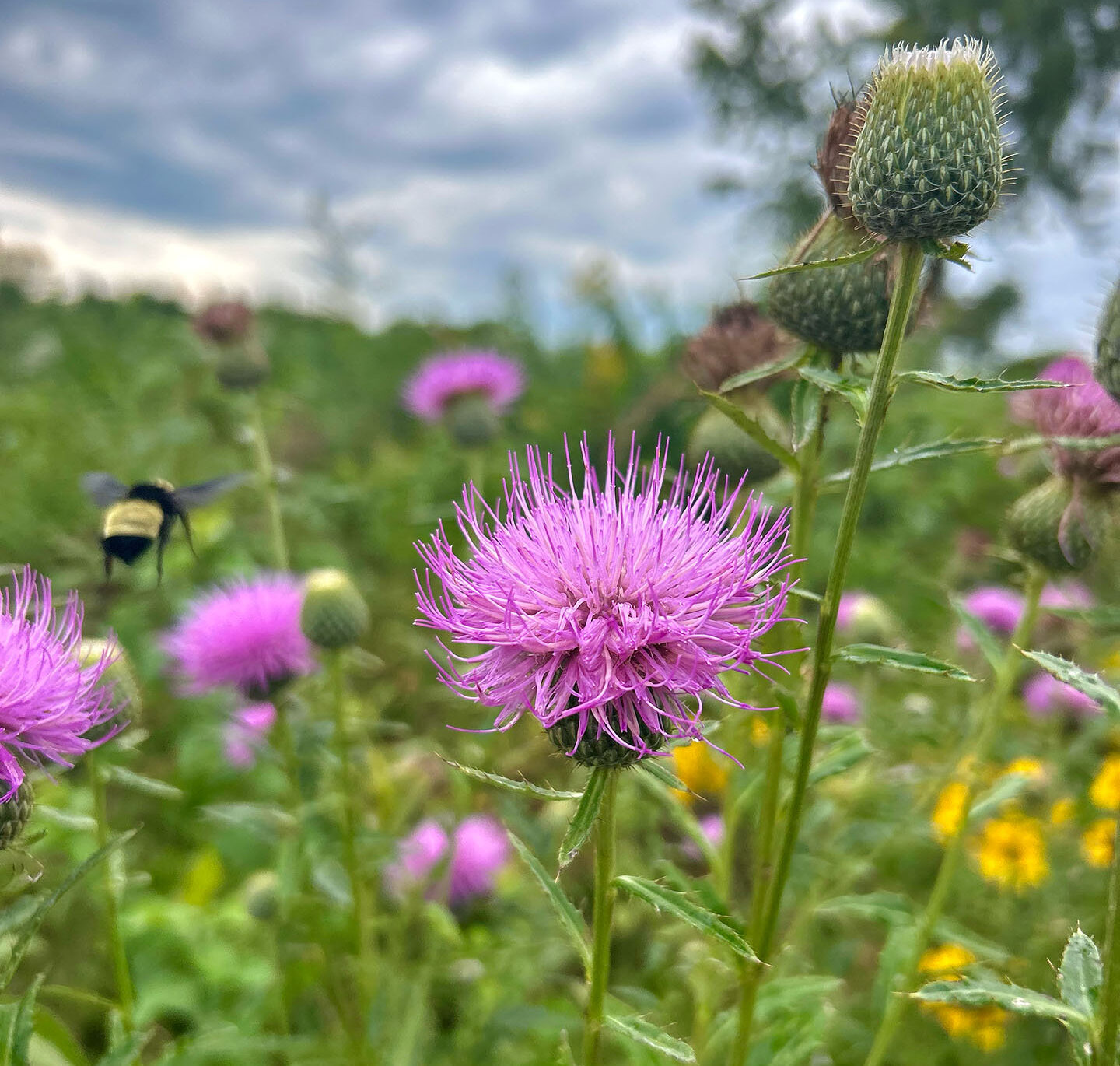
In Caring for Our Kin: Stories of Indigenous Environmental Stewardship, the College Fund shares the stories of Indigenous environmental leaders who are centering kinship and relational knowledge to build healthy ecological systems. These stories remind us that caring for the Earth means caring for one another—and that Indigenous knowledge systems continue to offer guidance, resilience, and hope for the future.
Learn more about our Environmental Stewardship Program.
Ekvnv Vcayecet. Mvto!
(Take care of the Earth/Land. Thank you)
More Blogs
Richard Williams: The Journey
More than 15 years ago I was selected to serve as the Executive Director of the American Indian College Fund. At that time, I had been working at the University of Colorado-Boulder for 17 years and needed a change. I had several job offers within a two-week period, and I consulted several friends. They all suggested that the American Indian College Fund was the place I could make the biggest difference for Indian people. I was about to begin a journey that would change my life forever.
Hershey Company Grants $22,000 to American Indian College Fund for Scholarships
The Hershey Company granted $22,000 to the American Indian College Fund (the Fund) for Native student scholarships. The gift will provide scholarships to Native or Native descendant students attending tribal colleges or mainstream universities who are studying math, technology, science, engineering, and/or business.
New Pell Grant Policy to Hurt Non-traditional Native Students
Many non-traditional students reenter college many years after a first unsuccessful try at higher education. They may have been unsuccessful due to poor study skills; poor preparation for college due to ineffective high schools; lack of discipline; lack of financial or family support; or a combination of several factors.
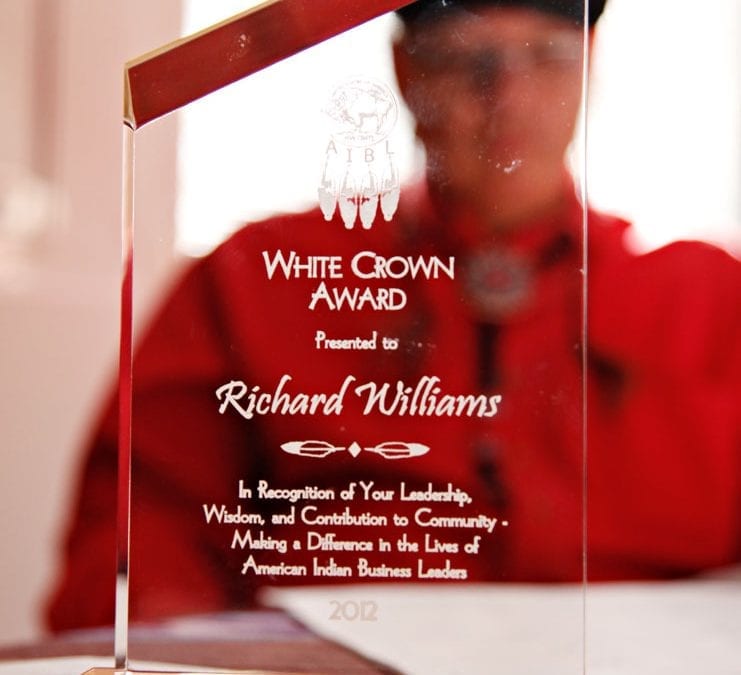
Richard B. Williams Awarded White Crown Award
American Indian College Fund President and CEO Richard B. Williams received the prestigious White Crown Award from the American Indian Business Leaders group during their national conference in Denver, Colo.
The General Mills Foundation Awards Grant to American Indian College Fund
The American Indian College Fund has received a $60,000 donation from the General Mills Foundation to continue the General Mills Foundation Tribal College Scholarship Program. The grant will provide scholarships each semester to 26 American Indian students attending tribal colleges in Minnesota and New Mexico.
AIHEC Student Conference Honors the Drum
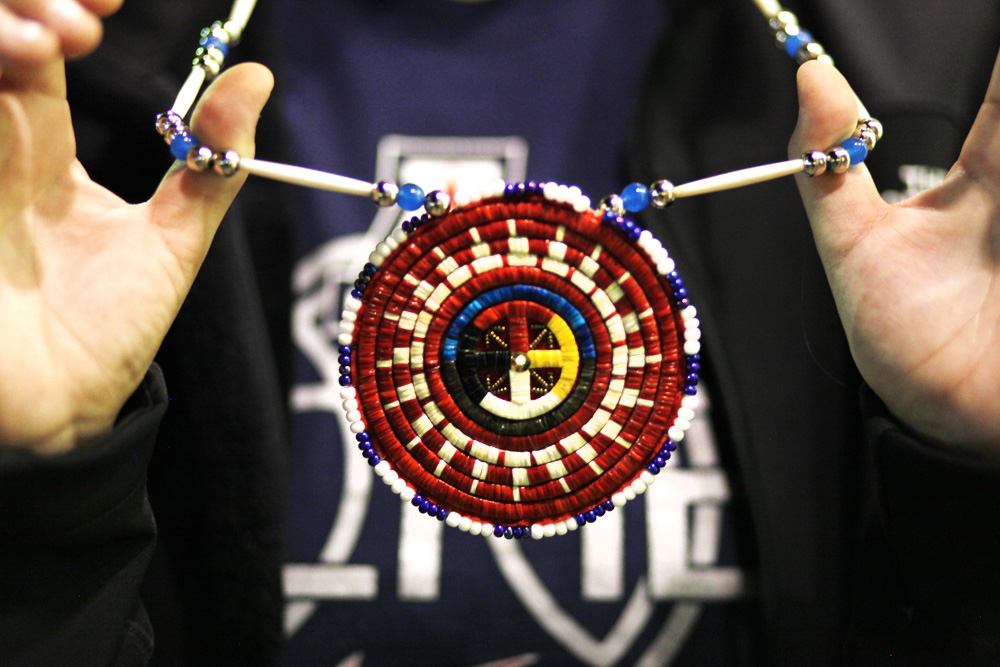
It is always great to get out and meet our students. At the 31st annual American Indian Higher Education Consortium (AIHEC) Student Conference in Rapid City, South Dakota, we had that chance. Native students gather to participate in competitions and celebrate the work they do at the tribal colleges as they pursue a college education and prepare to make a difference in their communities.
Technology Helps Youngsters With Native Language
You don’t have to wait until you are attending a tribal college to learn a Native language. There are now applications for mobile phones for learning Lakota and Navajo from tinkR; Labs.
Navajo Toddler was released last year, and teaches children the words for animals, colors, and phrases. This year the company is preparing to launch the Lakota app with the same features.
MetLife Foundation Contributes $15,000 for Native Student Scholarships
MetLife Foundation granted $15,000 this month to continue the MetLife Foundation Tribal College Scholarship Program. Now in its 12th year, this program provides scholarships to Native students attending tribal colleges and universities.
American Indian College Fund Receives $20,000 for Scholarships from Newmont Mining Corporation
Newmont Mining Corporation awarded $20,000 to the American Indian College Fund to provide scholarship support to students from Colorado and/or who are from historically affiliated Colorado tribes with a minimum 2.5 grade point average. The program will provide four students attending tribal colleges or universities with a $2,500 scholarship and three students attending mainstream Colorado colleges or universities with a $3,000 scholarship during the 2012-13 academic year.
International Advertising Firm Wieden+Kennedy Honors Founder David Kennedy with $10,000 Gift
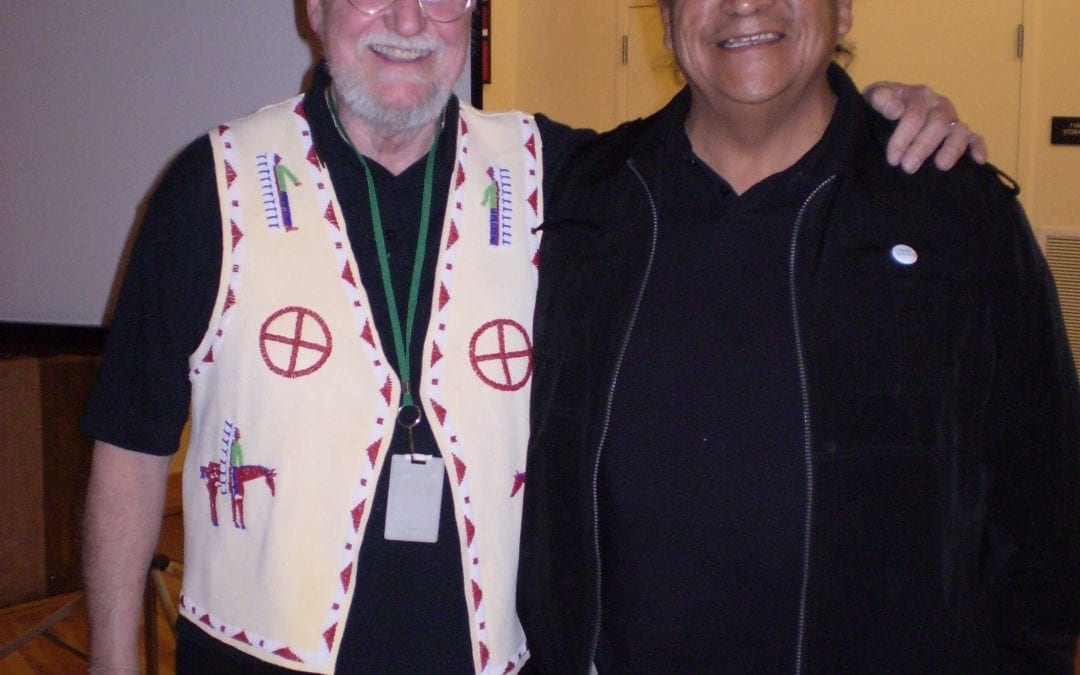
The international award-winning advertising agency Wieden+Kennedy has given $10,000 for an endowed scholarship to benefit a student attending the Institute of American Indian Arts in Santa Fe, New Mexico. The scholarship was established in 2009 by Wieden+Kennedy to honor David Kennedy, the company’s co-founder who has been the guiding creative force behind the American Indian College Fund’s public service announcements for more than 20 years, at his retirement, and pledged gifts of $10,000 for each subsequent year until 2012.