
Planting the Seeds of Cultural Sustainability
April 22, 2026 | Student Ambassador Aiyanna Tanyan’s (Seminole Nation of Oklahoma) work to reclaim food sovereignty
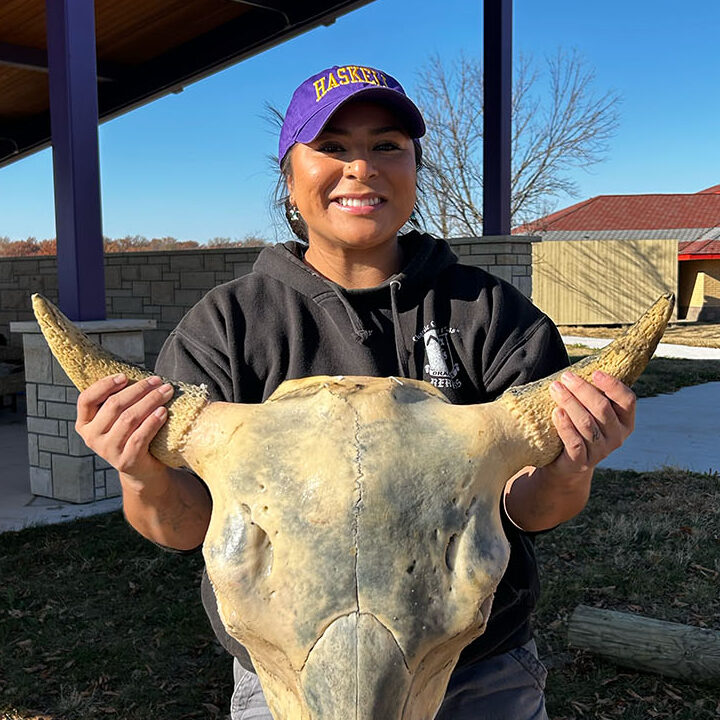
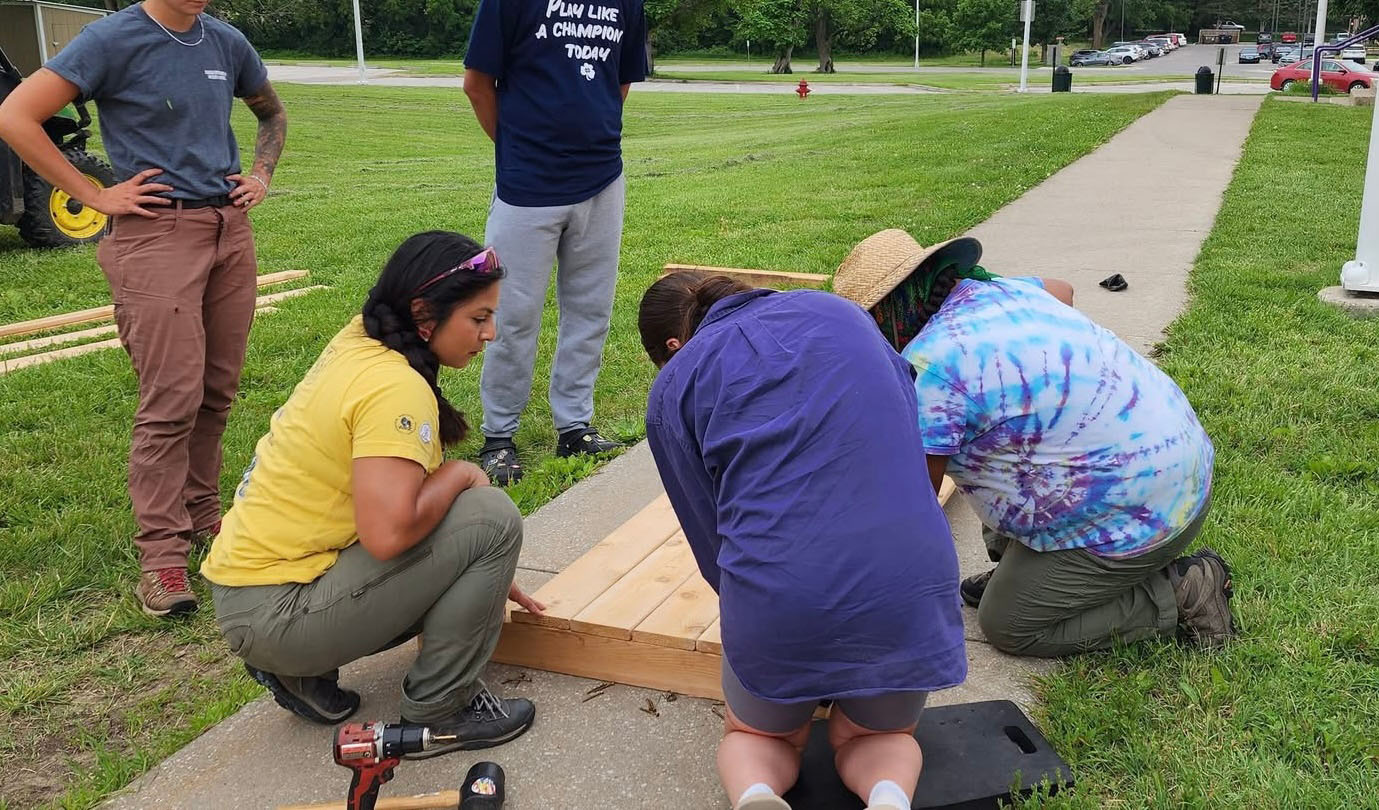
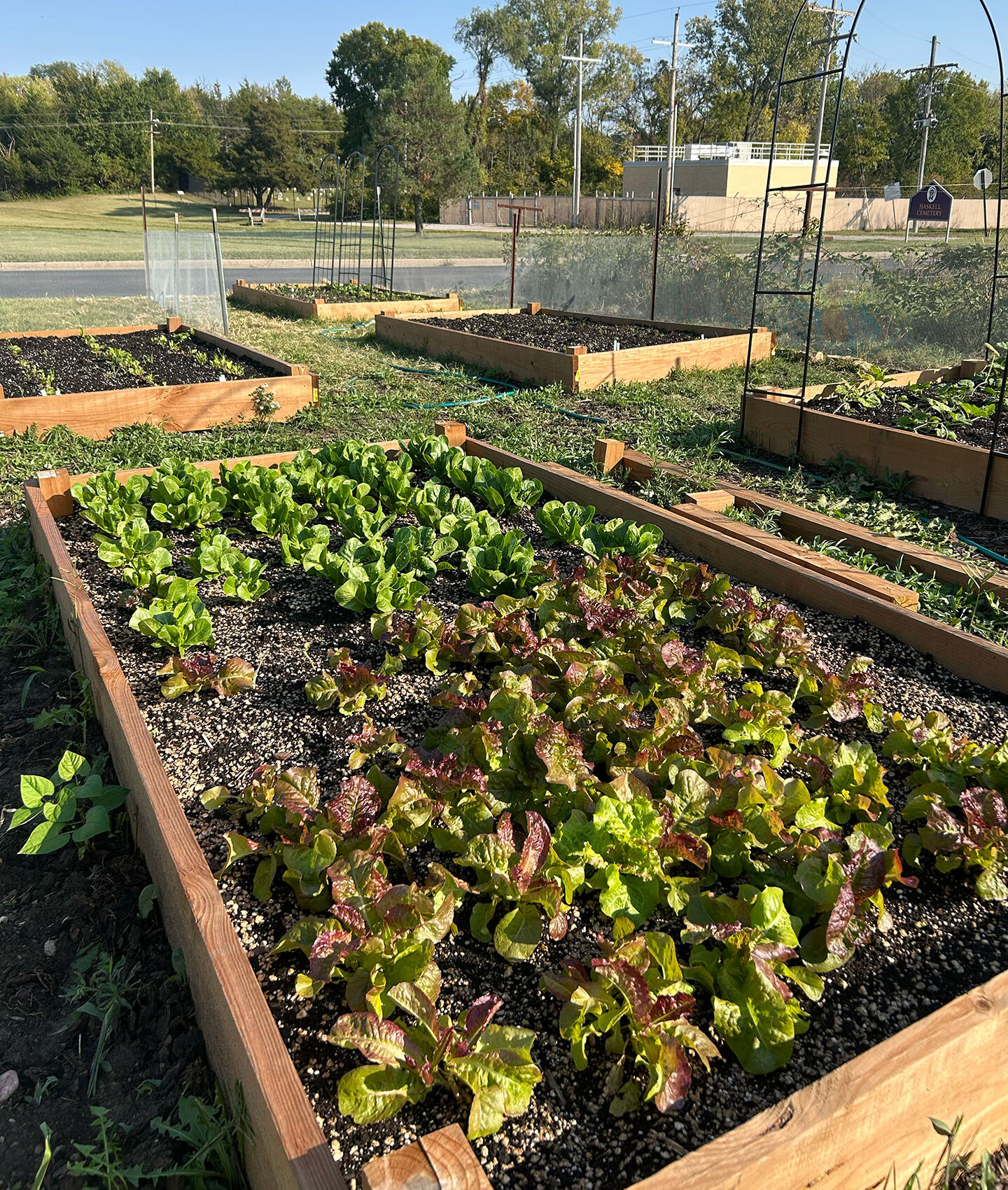
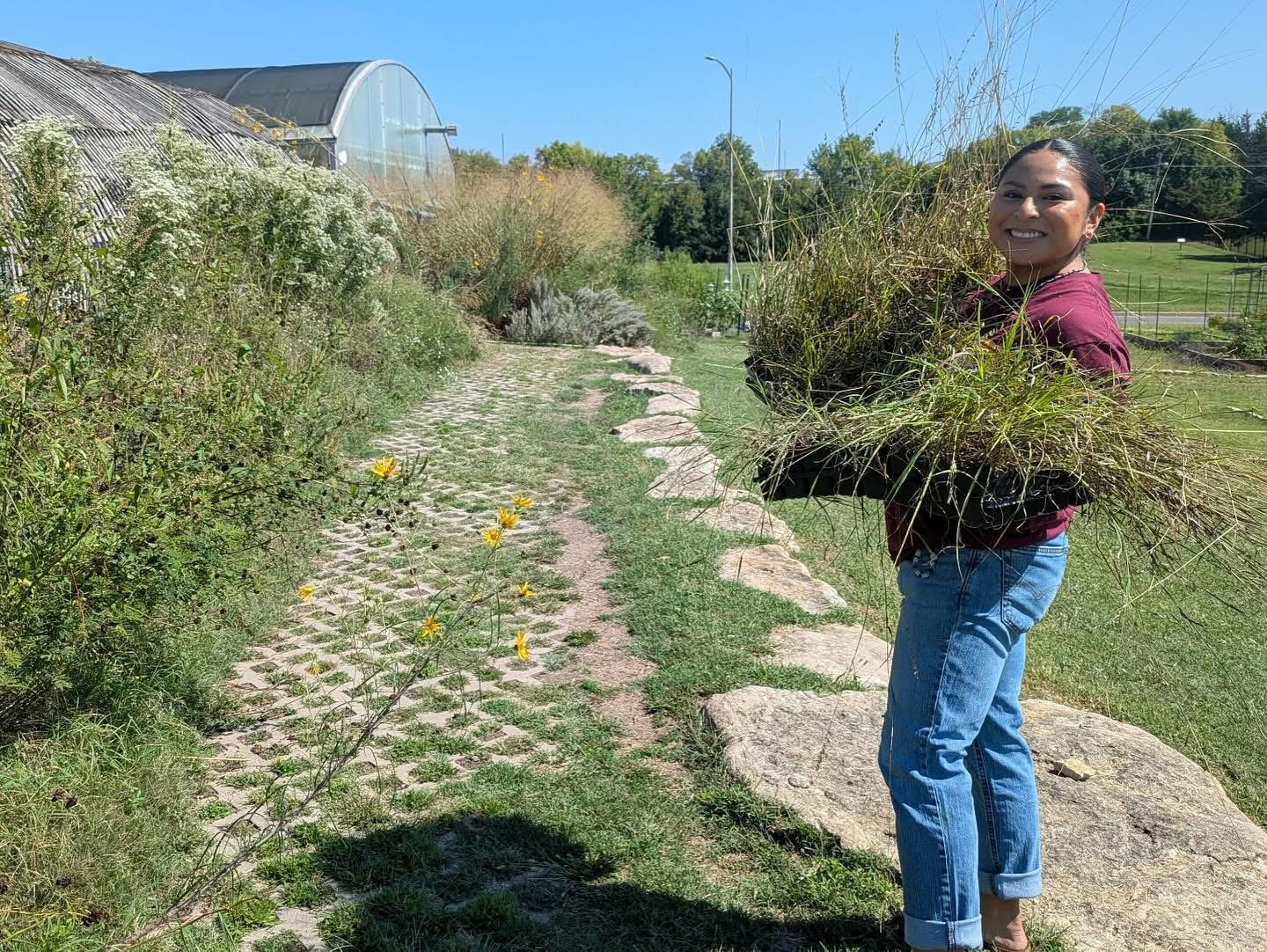
We came up with the idea of building raised garden beds near the dorms so students can easily access fresh foods and learn how to grow them themselves. Through support from the Haskell Greenhouse (funded through the USDA Equity Grant), we started building.
Last year was our first year doing this project and it was a learning experience as with many community-based projects, it comes with trial and error. However, that process taught us a lot about what works, what doesn’t, and how to build something more sustainable moving forward. This year, we’re continuing this work with stronger systems, more involvement, and a clearer vision.
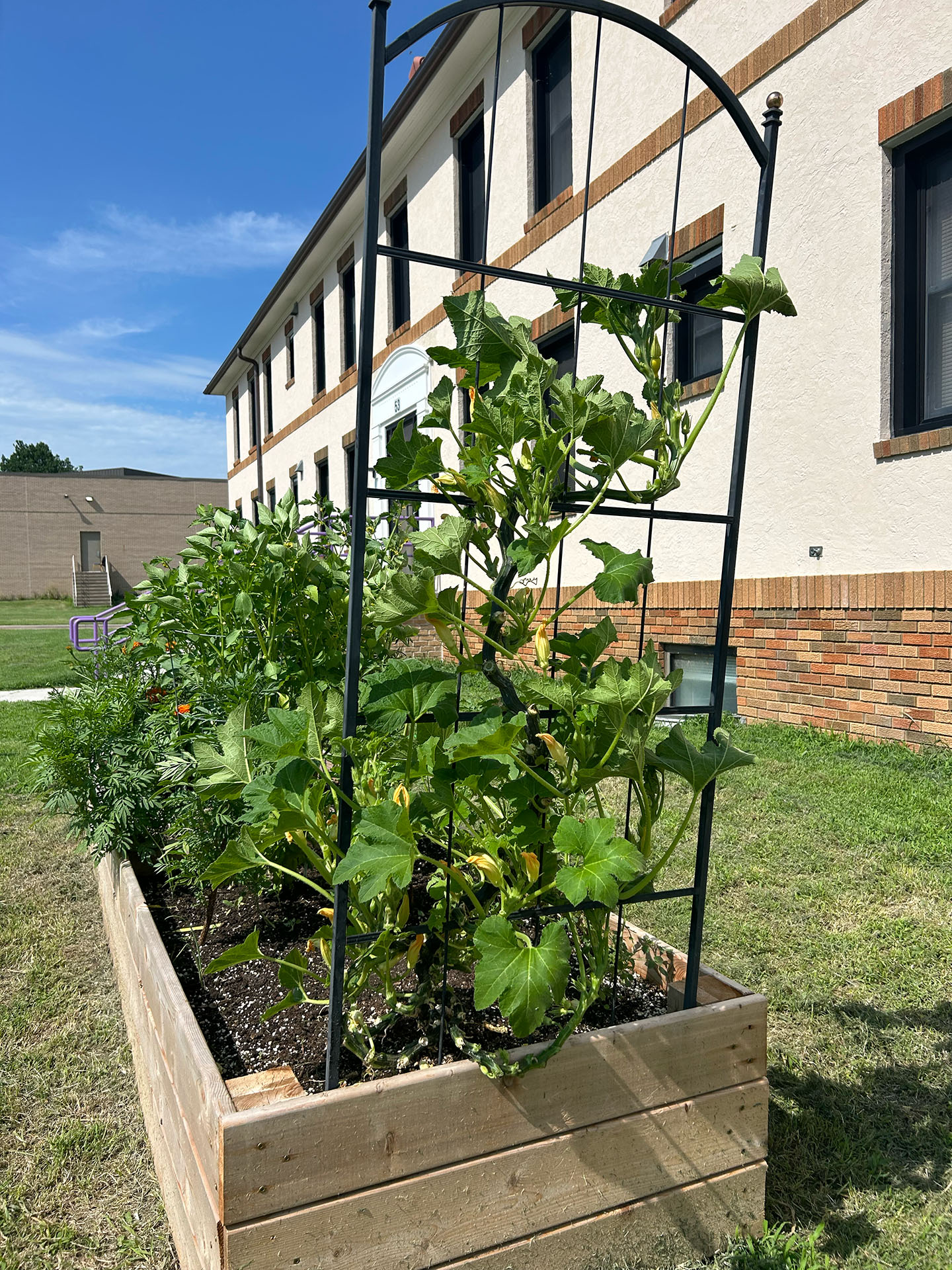
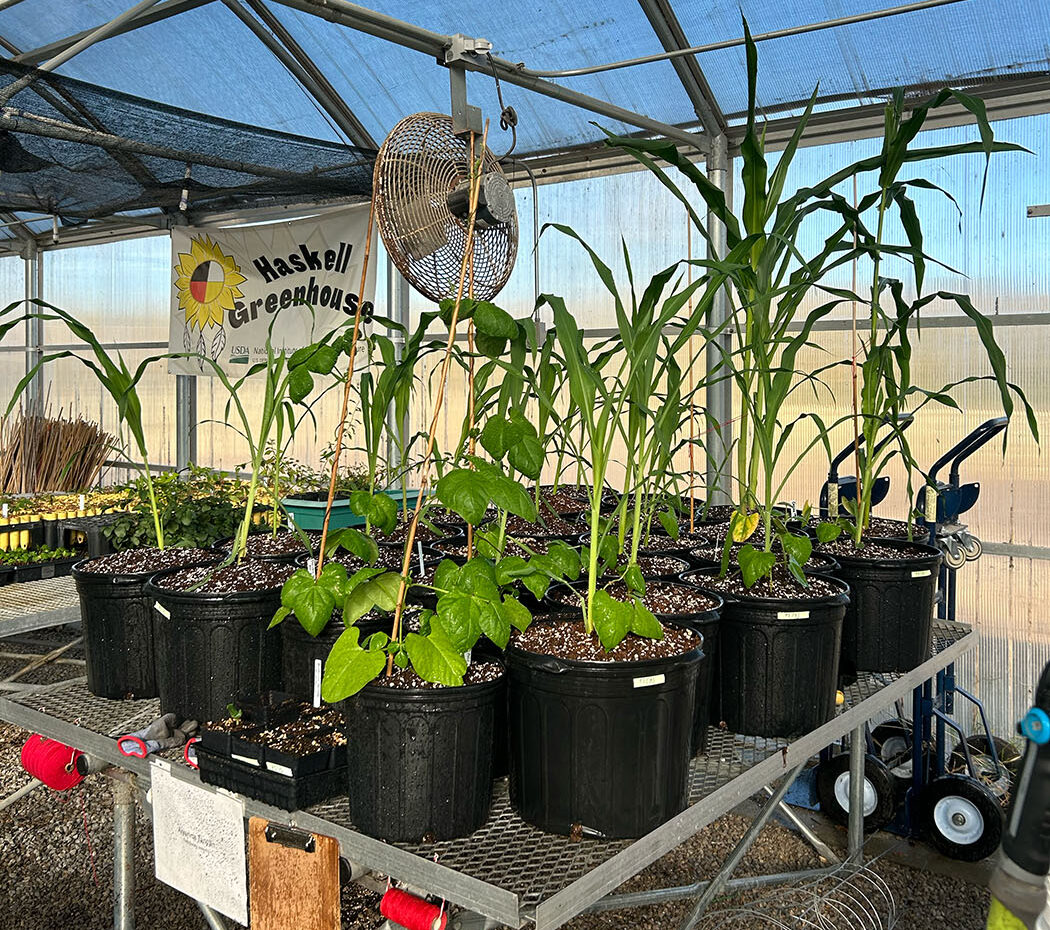
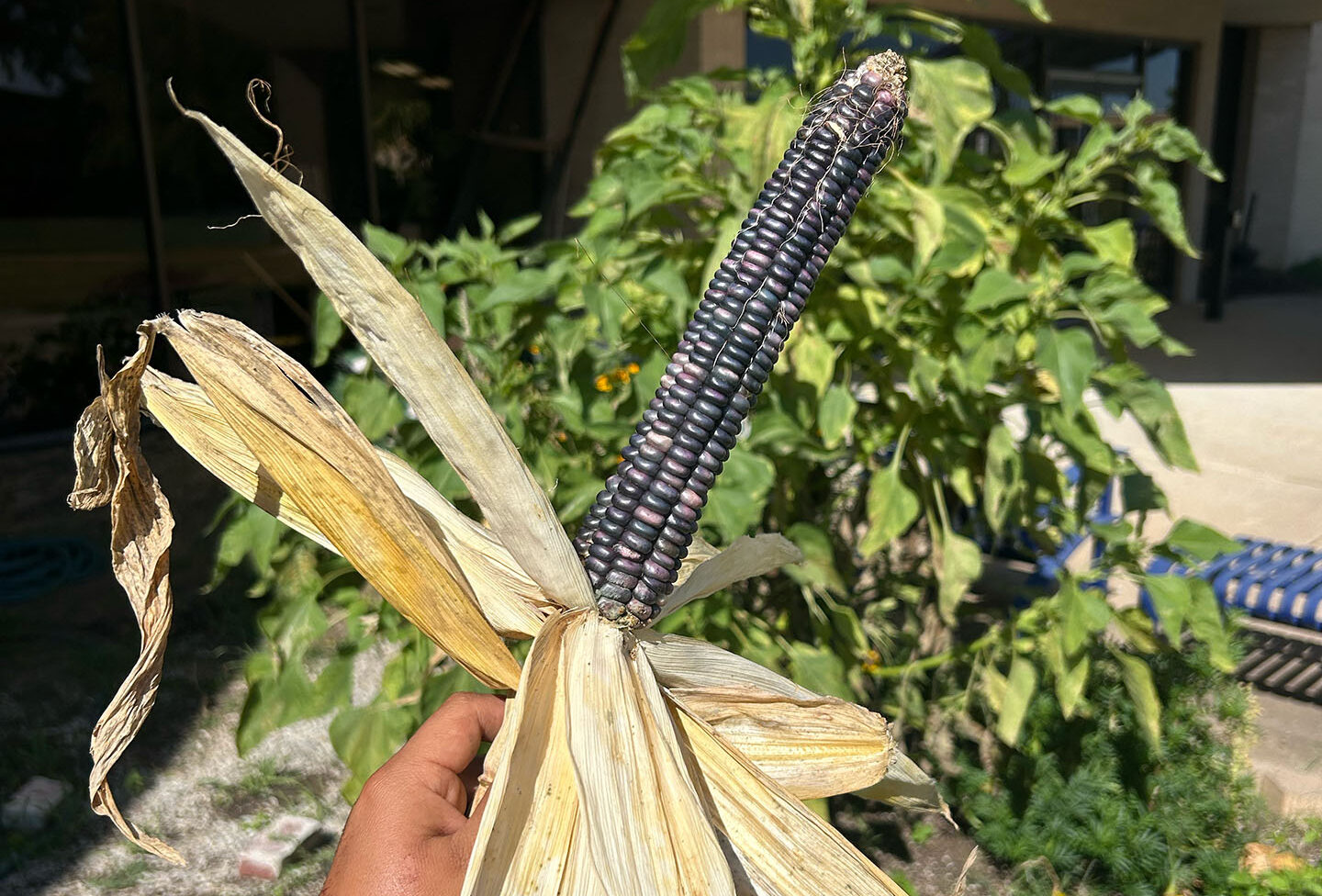
Everyone at the Haskell Greenhouse wants to help others learn, value, and view these spaces as places of teaching. I know they have taught me so much about responsibility and our relationship with the environment. Through these projects, we’re helping students reconnect with the land and understand the importance of food sovereignty for Indigenous communities. This work is ongoing, and we’re still learning. Every seed planted, and every workday shared brings us one step closer to a more sustainable and connected future.
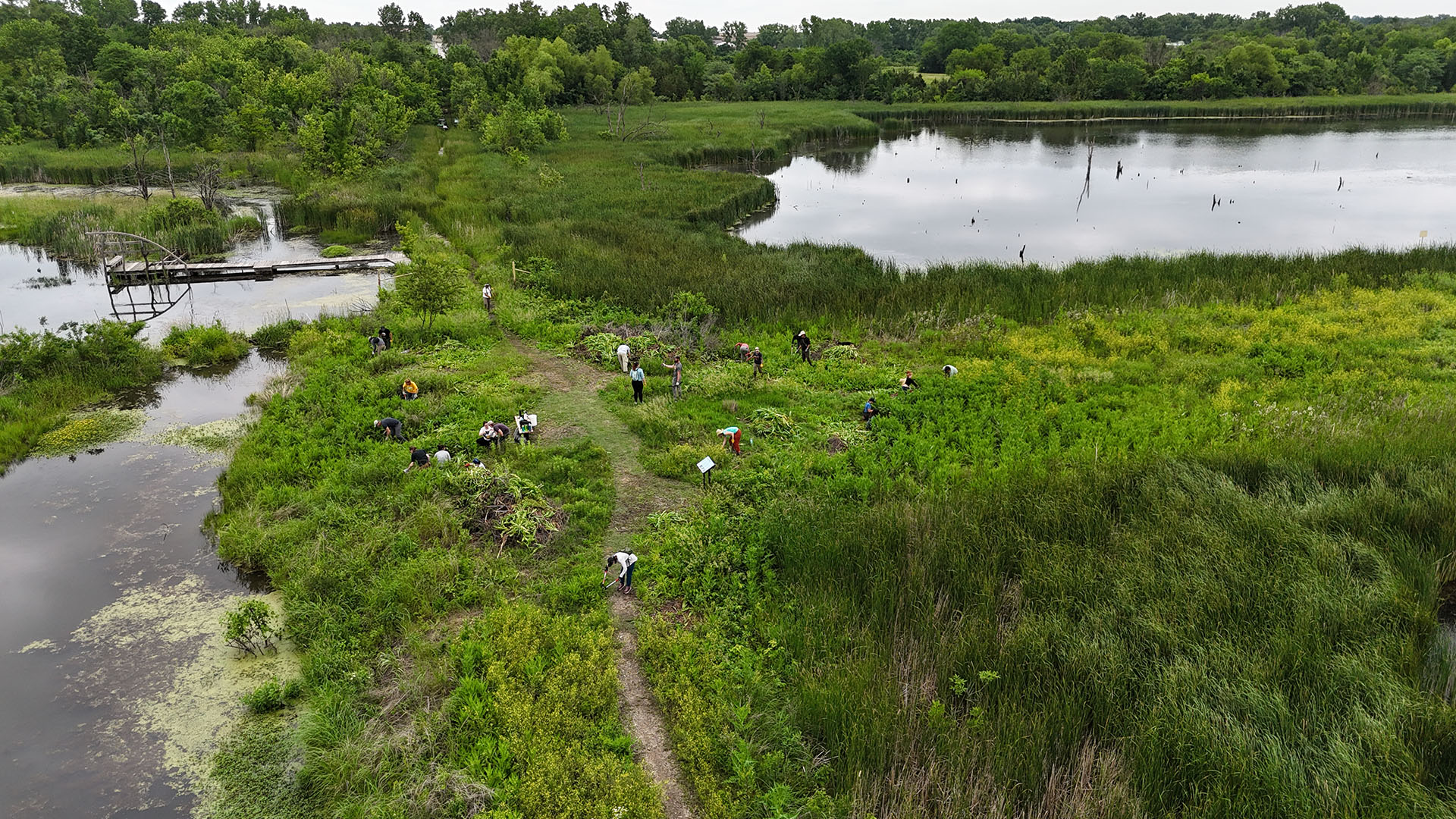
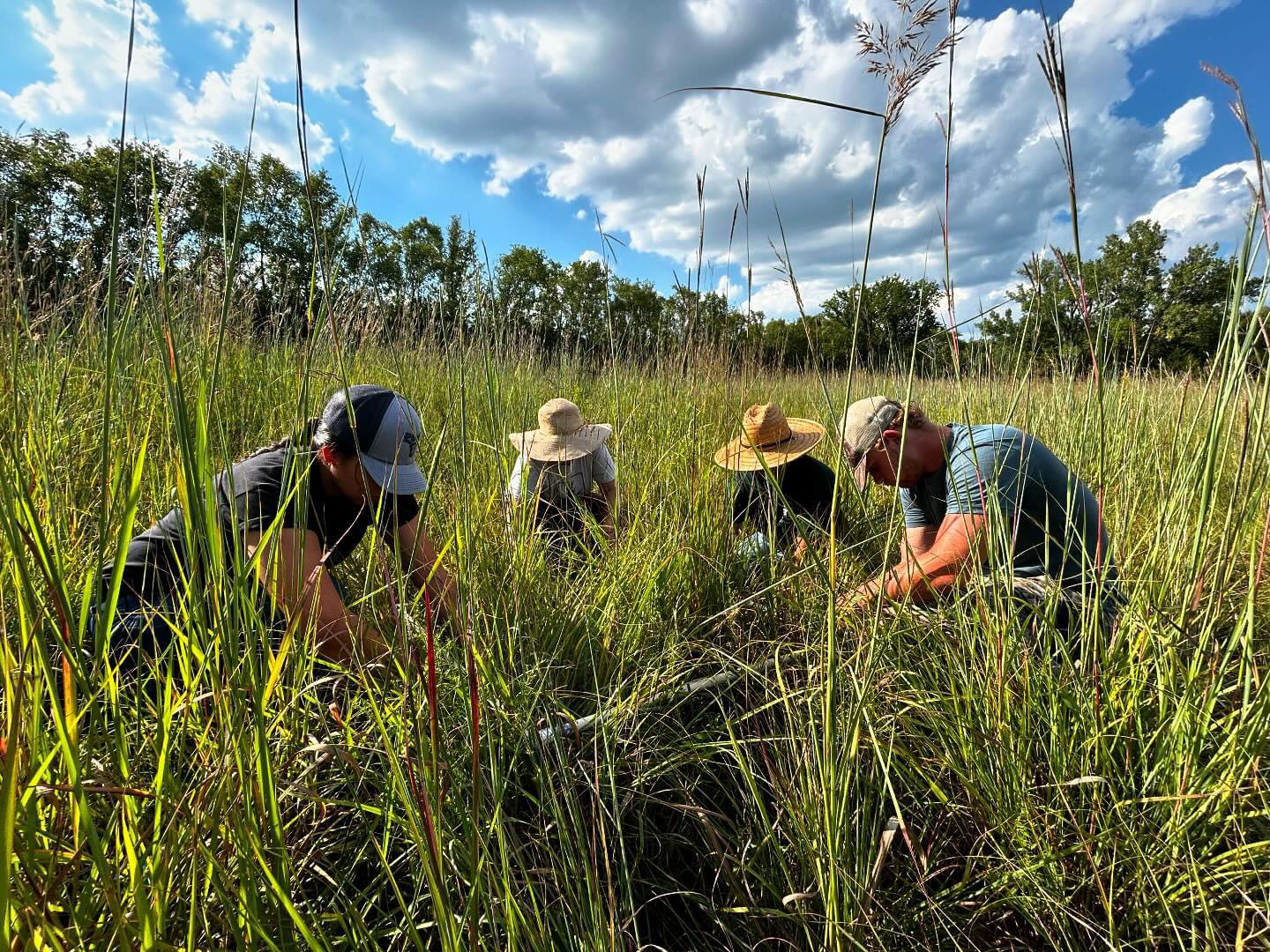
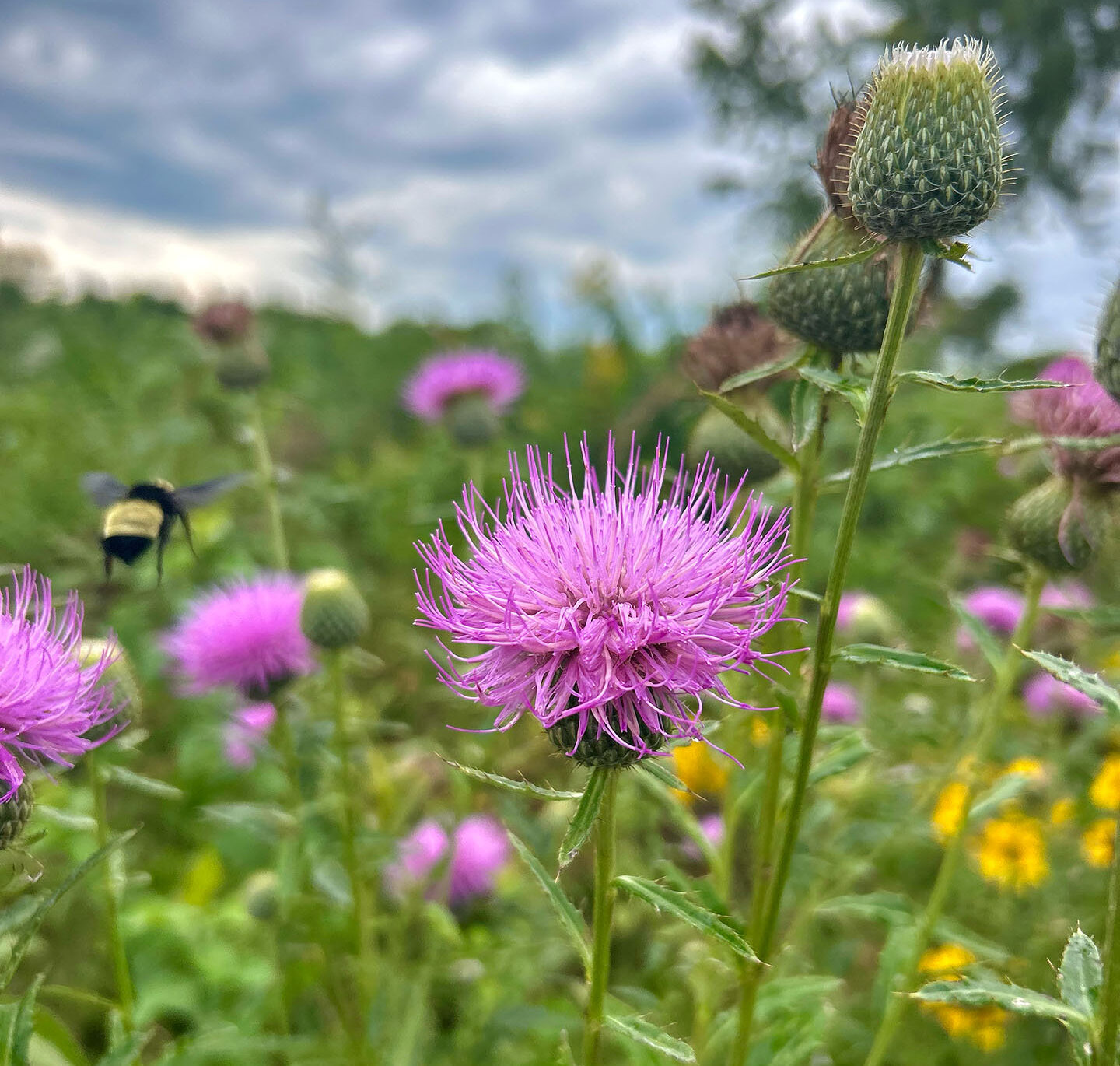
In Caring for Our Kin: Stories of Indigenous Environmental Stewardship, the College Fund shares the stories of Indigenous environmental leaders who are centering kinship and relational knowledge to build healthy ecological systems. These stories remind us that caring for the Earth means caring for one another—and that Indigenous knowledge systems continue to offer guidance, resilience, and hope for the future.
Learn more about our Environmental Stewardship Program.
Ekvnv Vcayecet. Mvto!
(Take care of the Earth/Land. Thank you)
More Blogs
Northwest Indian College Team Selected for NASA Student Rocket Launch
Congratulations to Team SkyWalkers, Northwest Indian College’s (NWIC) team that will be part of this year’s NASA Student Launch Initiative April 21 near NASA’s Marshall Space Flight Center in Huntsville, Alabama. NWIC’s team was one of 42 nationwide selected to participate in the program this year. Team SkyWalkers is comprised of more than 12 students from five tribes ranging from age 19 to 58 and advised by NWIC faculty member Gary Brandt, who has taught the sciences, electronics, and robotics at NWIC since 1989.
Alumna Helps Her People Fight Diabetes
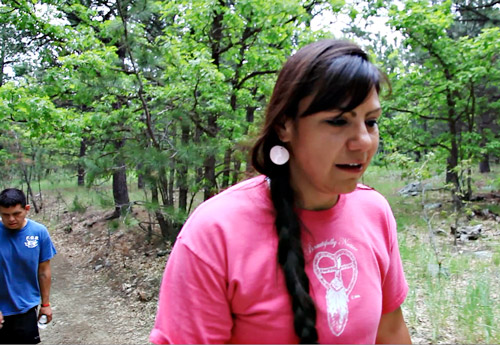
Lynn Cuny, an Oglala Lakota alumna who works for a special diabetes prevention program as a health technician in Rapid City, SD , leads a group on a hike through the Black Hills as part of her community prevention and awareness program in this 2010 file photo.
United Health Foundation Donates $50,000 to College Scholarships to New Mexico Students
United Health Foundation has donated $50,000 to the American Indian College Fund to help provide scholarships to nine New Mexico students preparing to pursue careers in health care.The contribution supports students through The United Health Foundation Tribal Scholars Program, which provides scholarships for American-Indian students who are committed to improving the health of their communities.
Student Punished for Speaking Native Language
A Menominee high school student in Wisconsin was punished for speaking her Native language there. She was teaching other students how to say specific words, such as “hello,”, “thank you,” and “good bye” in her Native tongue. Her teacher said it was inappropriate because she could not understand what she was saying and therefore could not monitor her speech.
Meta Lilienthal Scholarship Fund Grants $20,000
The Palo Alto, California-based Meta Lilienthal Scholarship Fund has granted the American Indian College Fund $20,000 for scholarships for American Indian students attending tribal colleges and universities. The Meta Lilienthal Scholarship Fund was established by Ernest Lilienthal in the name of his wife. Meta Lilienthal, who died in 1947, was a pioneering feminist and an early supporter of minority rights and education.
How Tribal Colleges Reverse Boarding School Native Education Legacy
Education was a tool used by the U.S. government to try to assimilate American Indians. This Week in Indian Country’s piece, “Schools for Scandal,” illustrates the history behind U.S. policy to assimilate American Indians in boarding schools. Richard Henry Pratt, a former U.S. Army officer, summed up the government policy in the late 1800s that was carried forward into the early 1900s
Tucson Schools Bans Books by Native, Chicano, and Latino Authors
Tucson schools are banning works by acclaimed Native American, Chicano and Latino authors. Shakespeare’s “The Tempest” and works by Henry David Thoreau also appear on the list
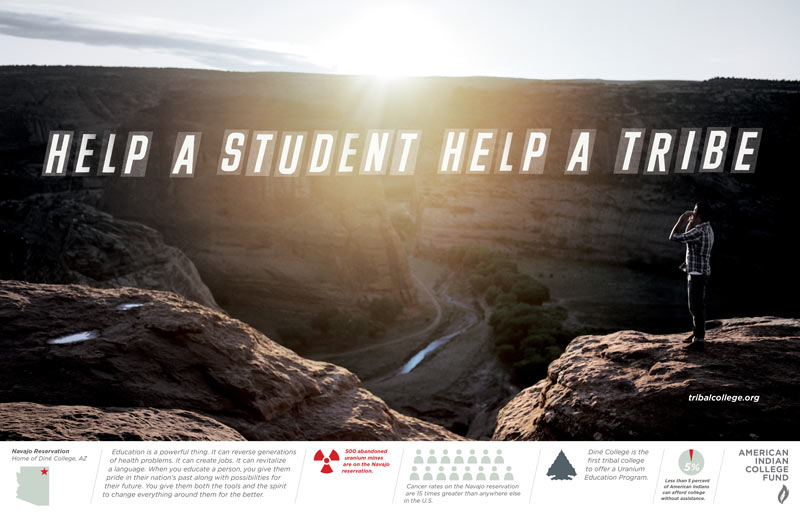
American Indian College Fund Launching Help a Student Help a Tribe Public Service Announcement
American Indian College Fund Launching Help a Student Help a Tribe Public Service Announcement Created by Wieden+Kennedy. The series of stunning PSAs was filmed on location at three sites across Indian Country, including the Navajo reservation in Arizona, the Pine Ridge Reservation in South Dakota, and the Lummi reservation in Washington state.
The Tierney Family Foundation Grants $15,000 for Scholarships to American Indian College Fund
The Tierney Family Foundation, a longtime donor to the American Indian College Fund (the Fund), has granted the Fund $15,000 for scholarships for American Indian students who show high levels of academic achievement and involvement in their communities.
The Bennett Family Foundation Grants $20,000 to American Indian College Fund
The American Indian College Fund received a $20,000 renewal grant from the Bennett Family Foundation for scholarships for American Indian students.