
Planting the Seeds of Cultural Sustainability
April 22, 2026 | Student Ambassador Aiyanna Tanyan’s (Seminole Nation of Oklahoma) work to reclaim food sovereignty
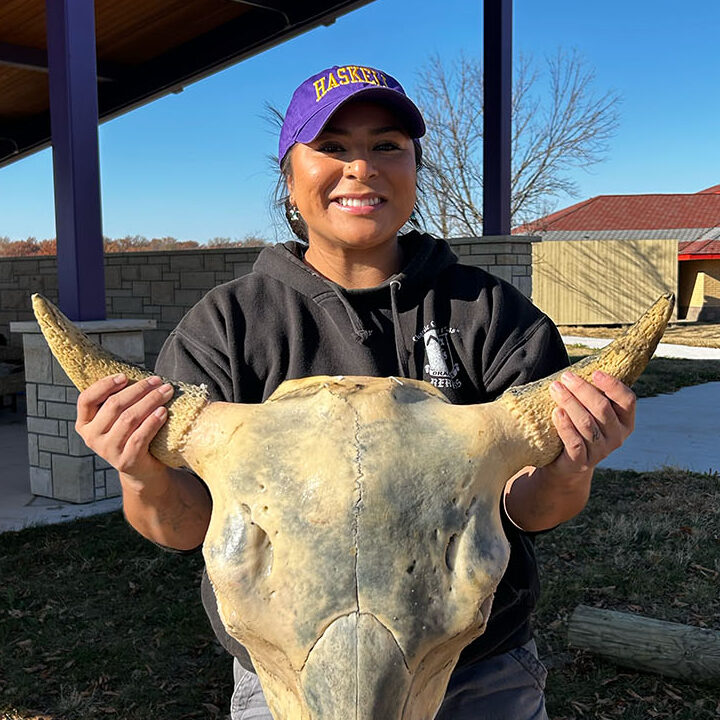
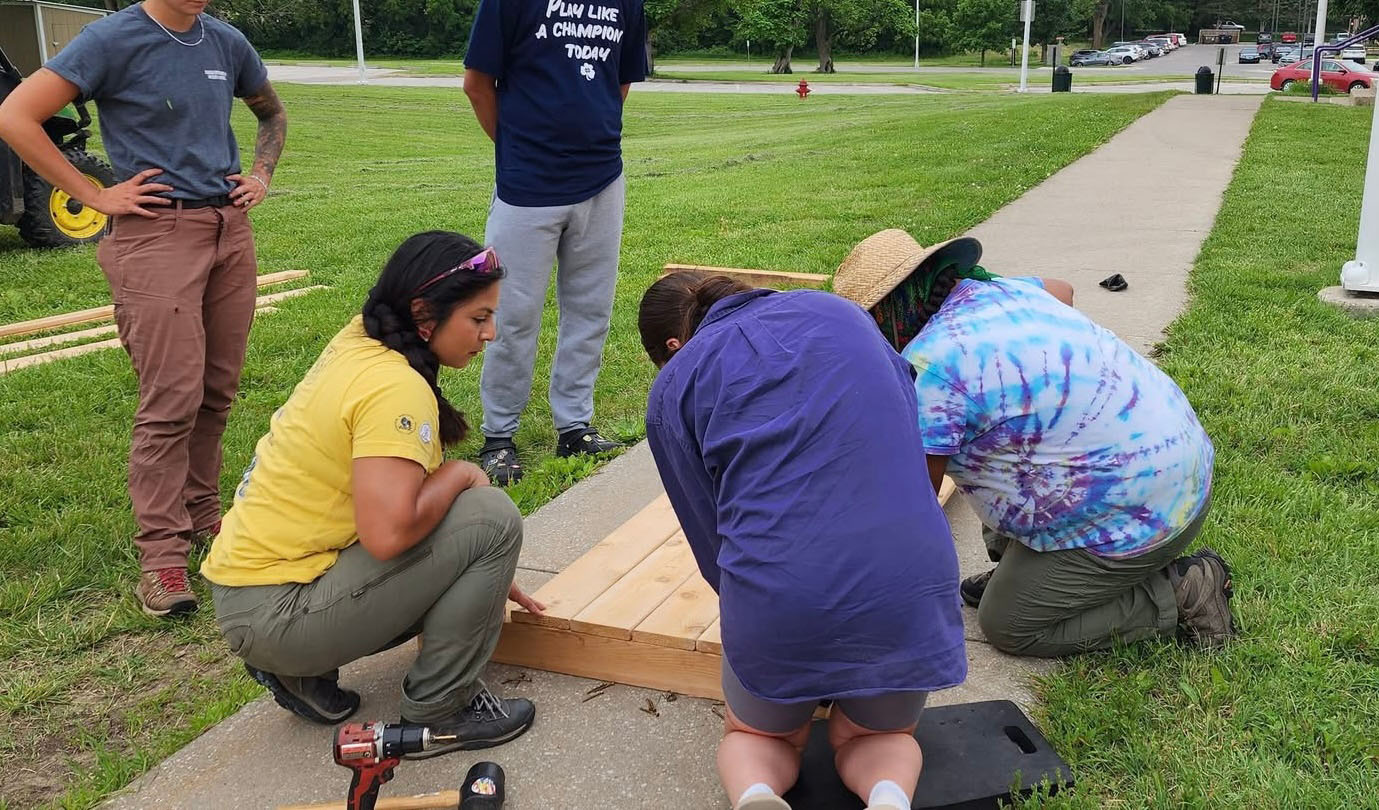
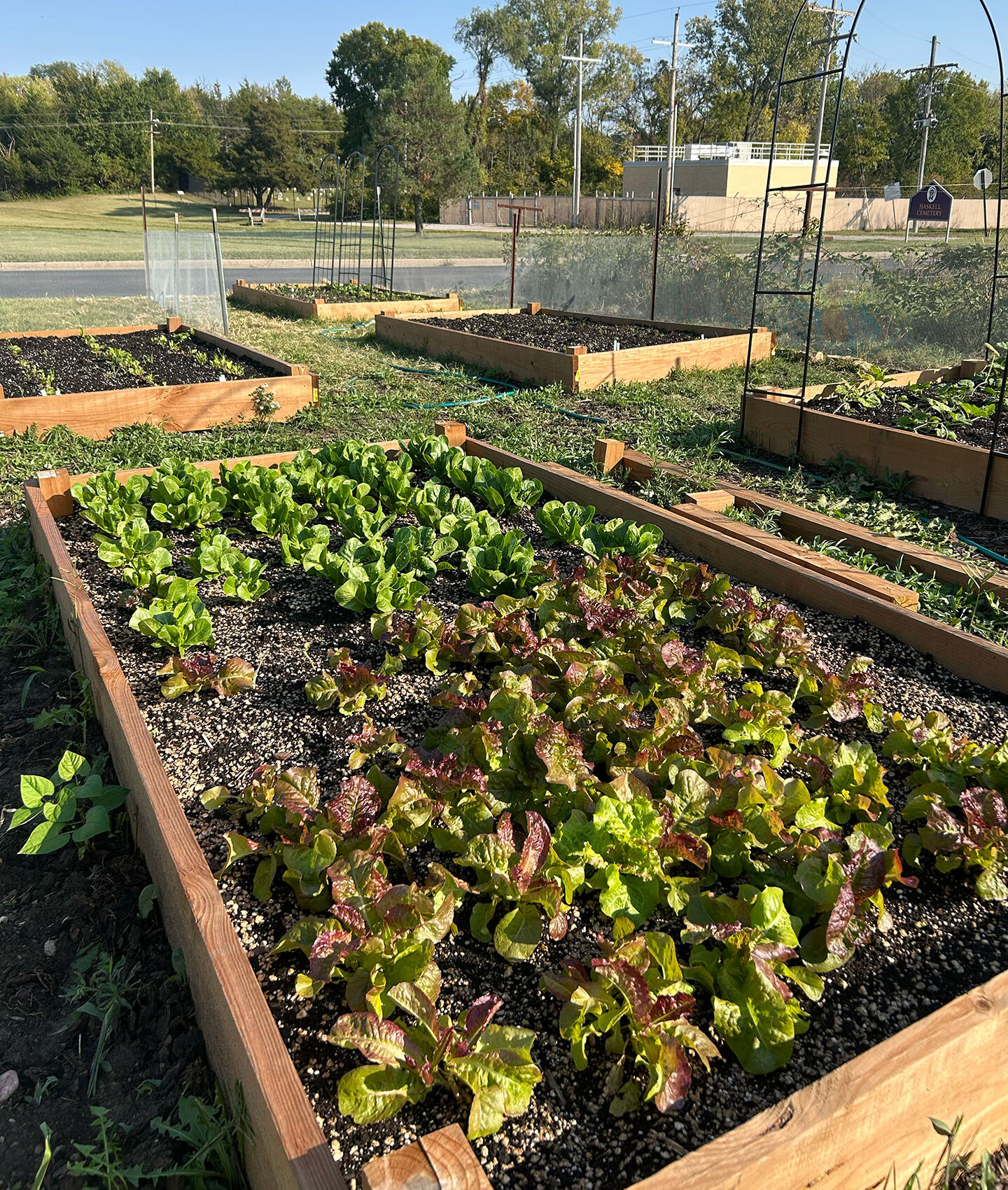
We came up with the idea of building raised garden beds near the dorms so students can easily access fresh foods and learn how to grow them themselves. Through support from the Haskell Greenhouse (funded through the USDA Equity Grant), we started building.
Last year was our first year doing this project and it was a learning experience as with many community-based projects, it comes with trial and error. However, that process taught us a lot about what works, what doesn’t, and how to build something more sustainable moving forward. This year, we’re continuing this work with stronger systems, more involvement, and a clearer vision.
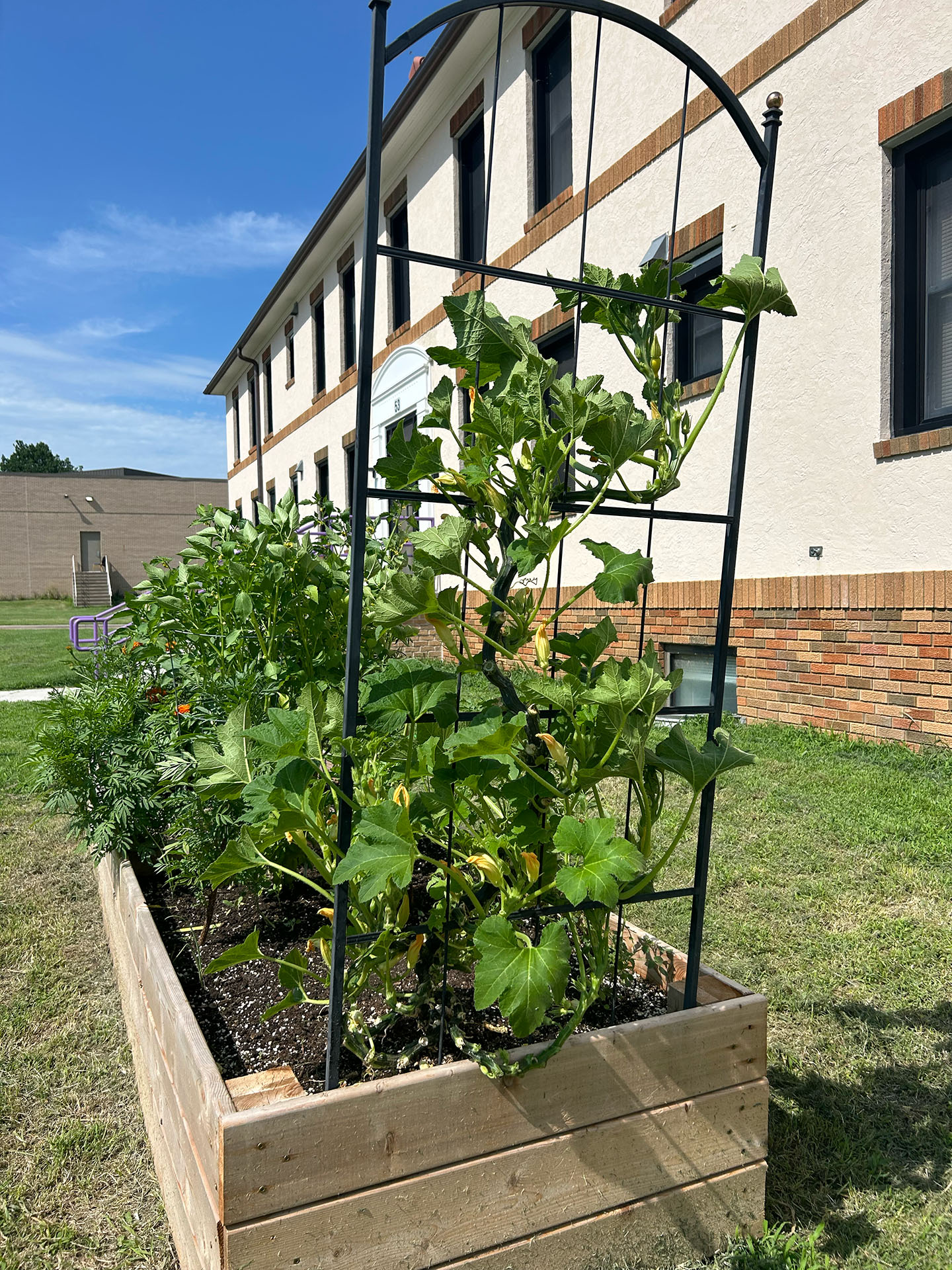
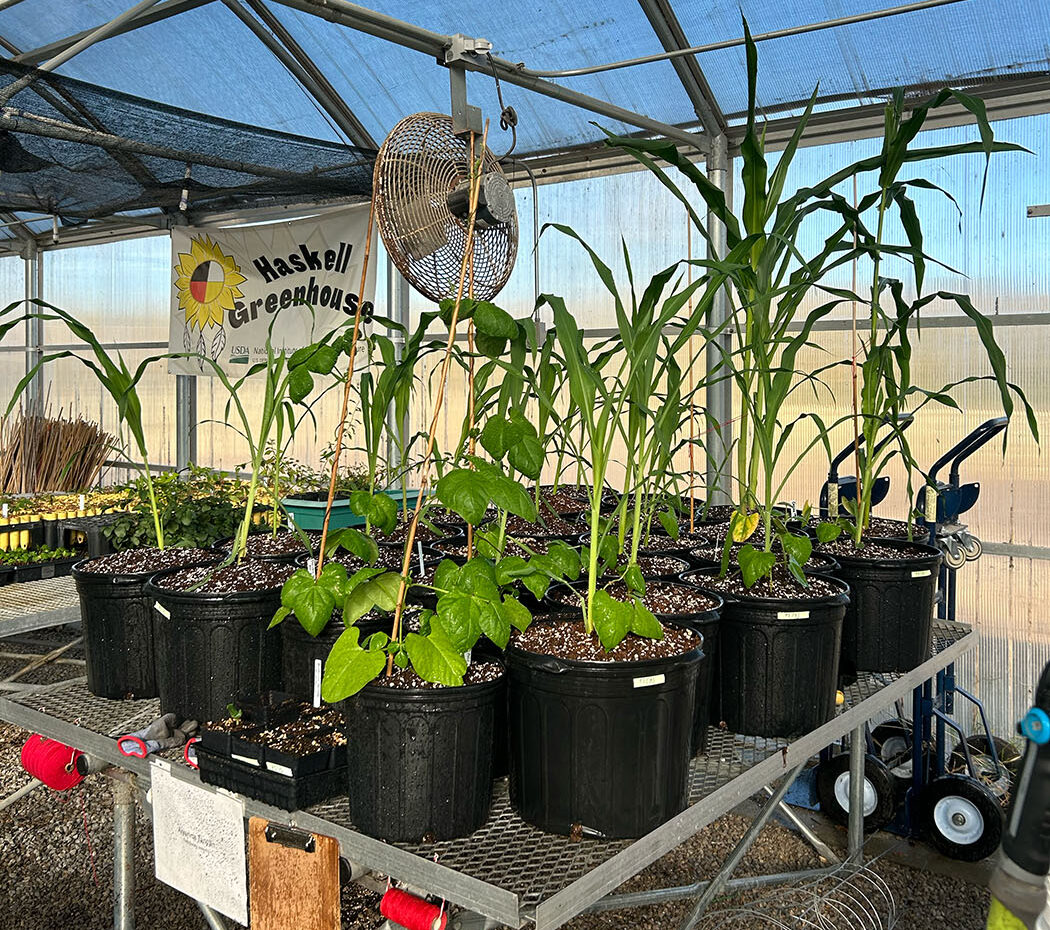
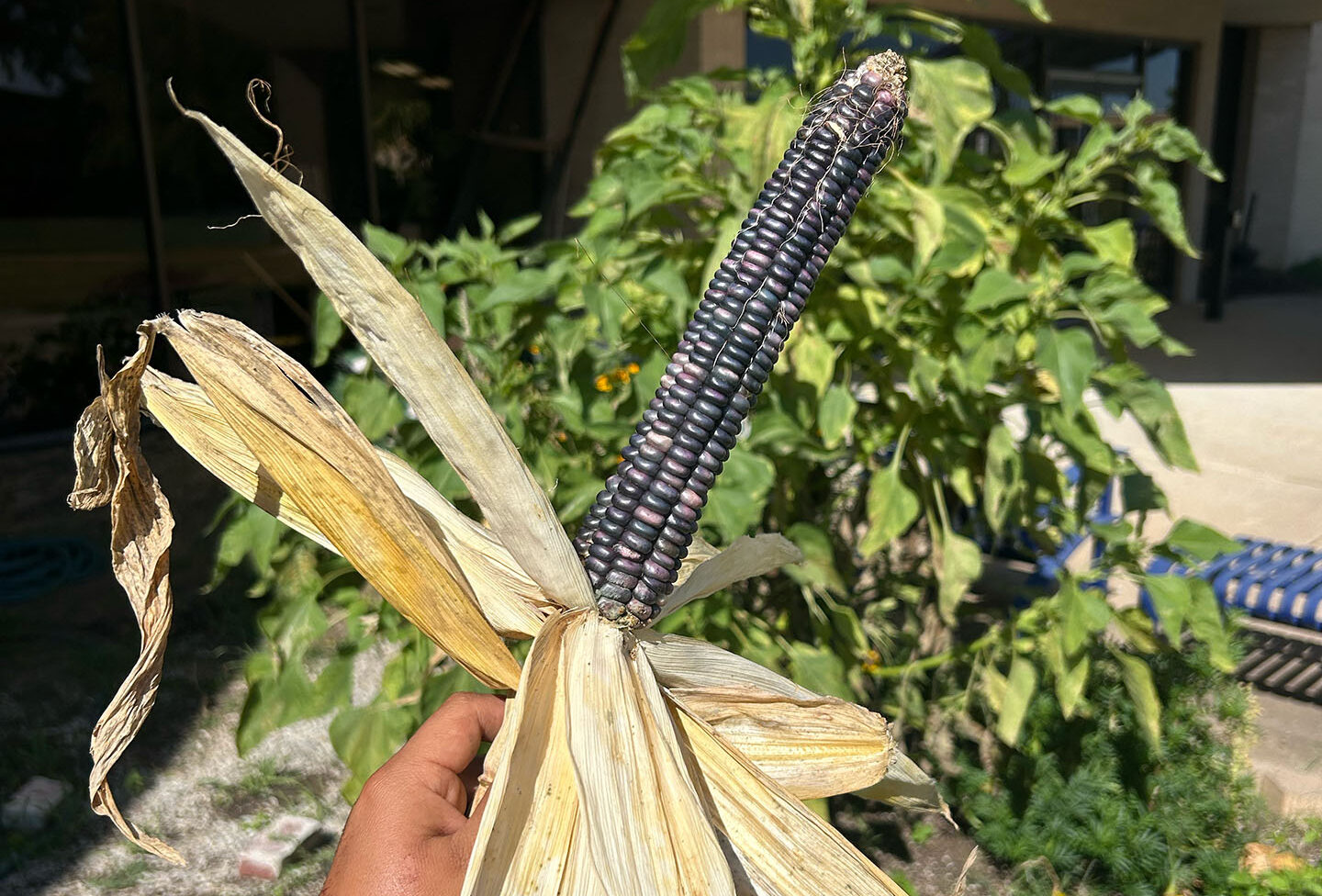
Everyone at the Haskell Greenhouse wants to help others learn, value, and view these spaces as places of teaching. I know they have taught me so much about responsibility and our relationship with the environment. Through these projects, we’re helping students reconnect with the land and understand the importance of food sovereignty for Indigenous communities. This work is ongoing, and we’re still learning. Every seed planted, and every workday shared brings us one step closer to a more sustainable and connected future.
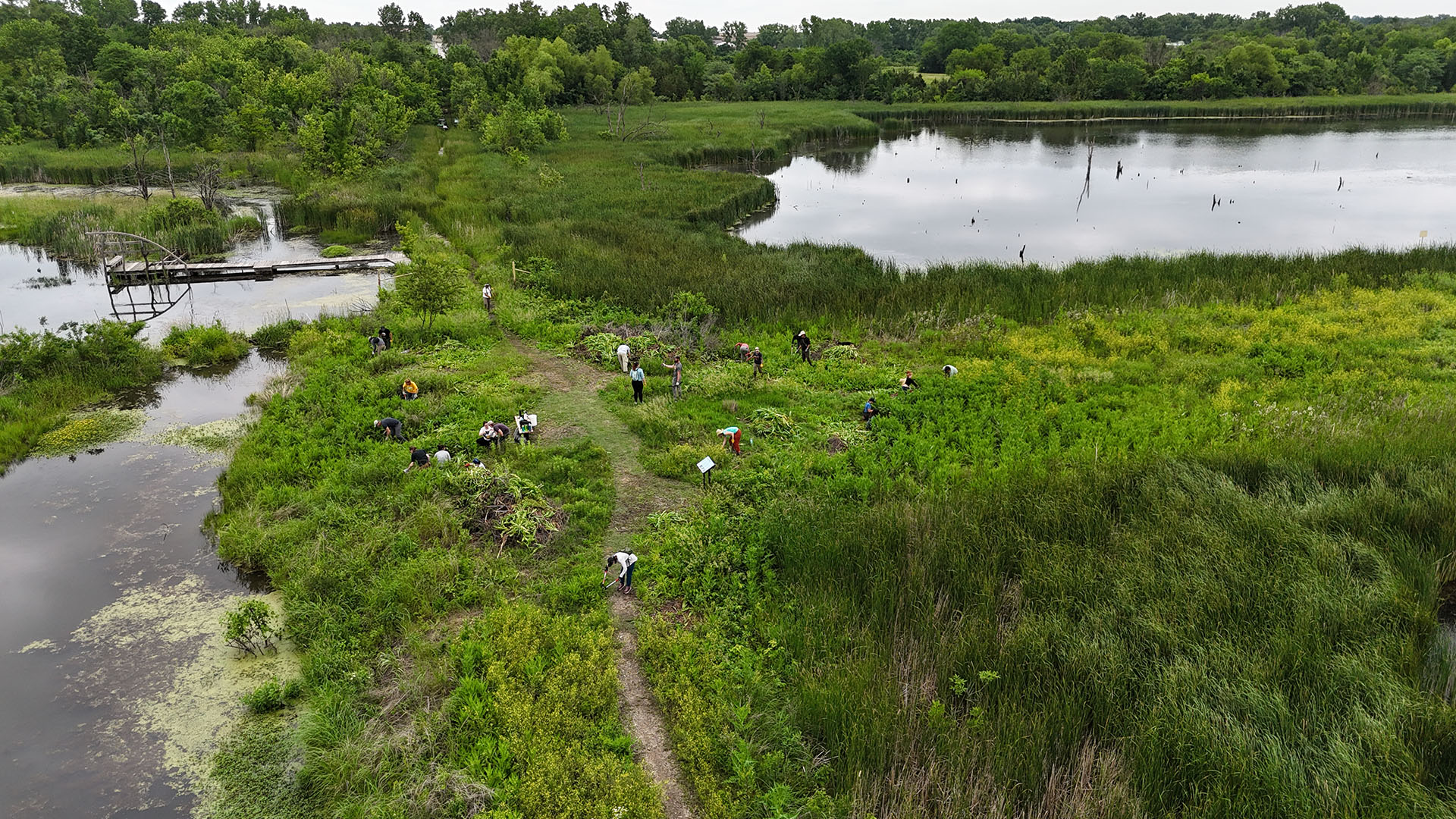
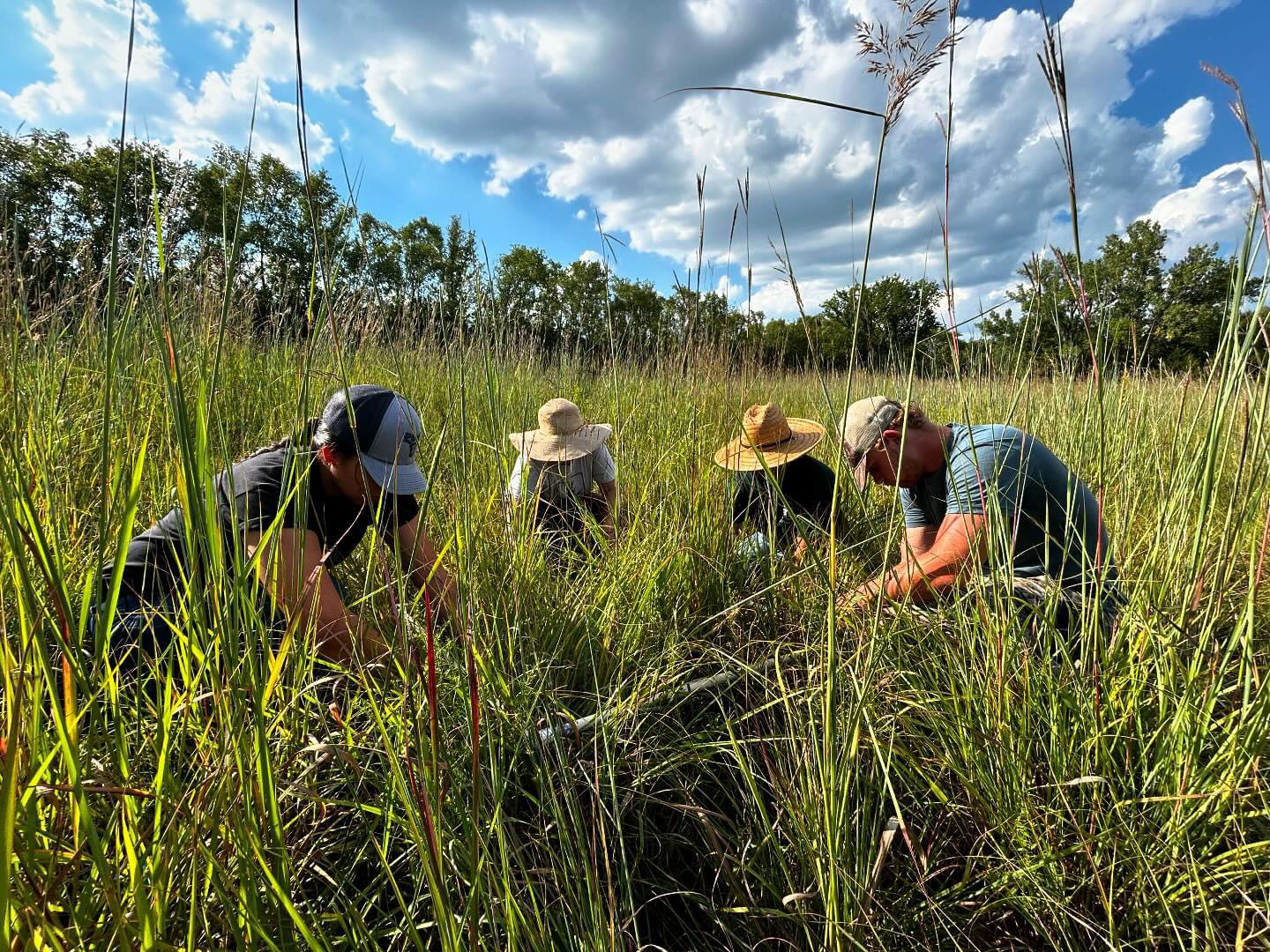
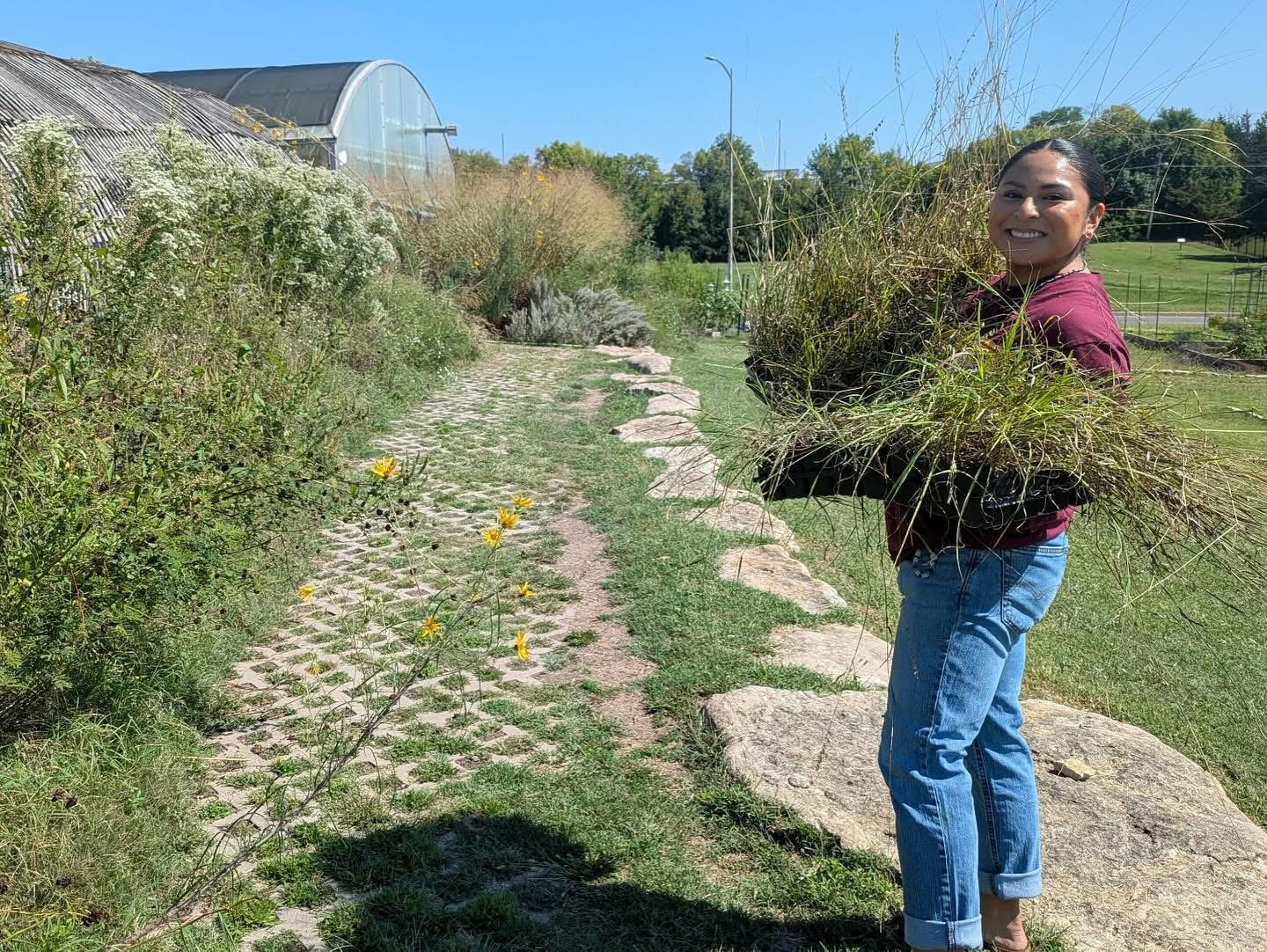
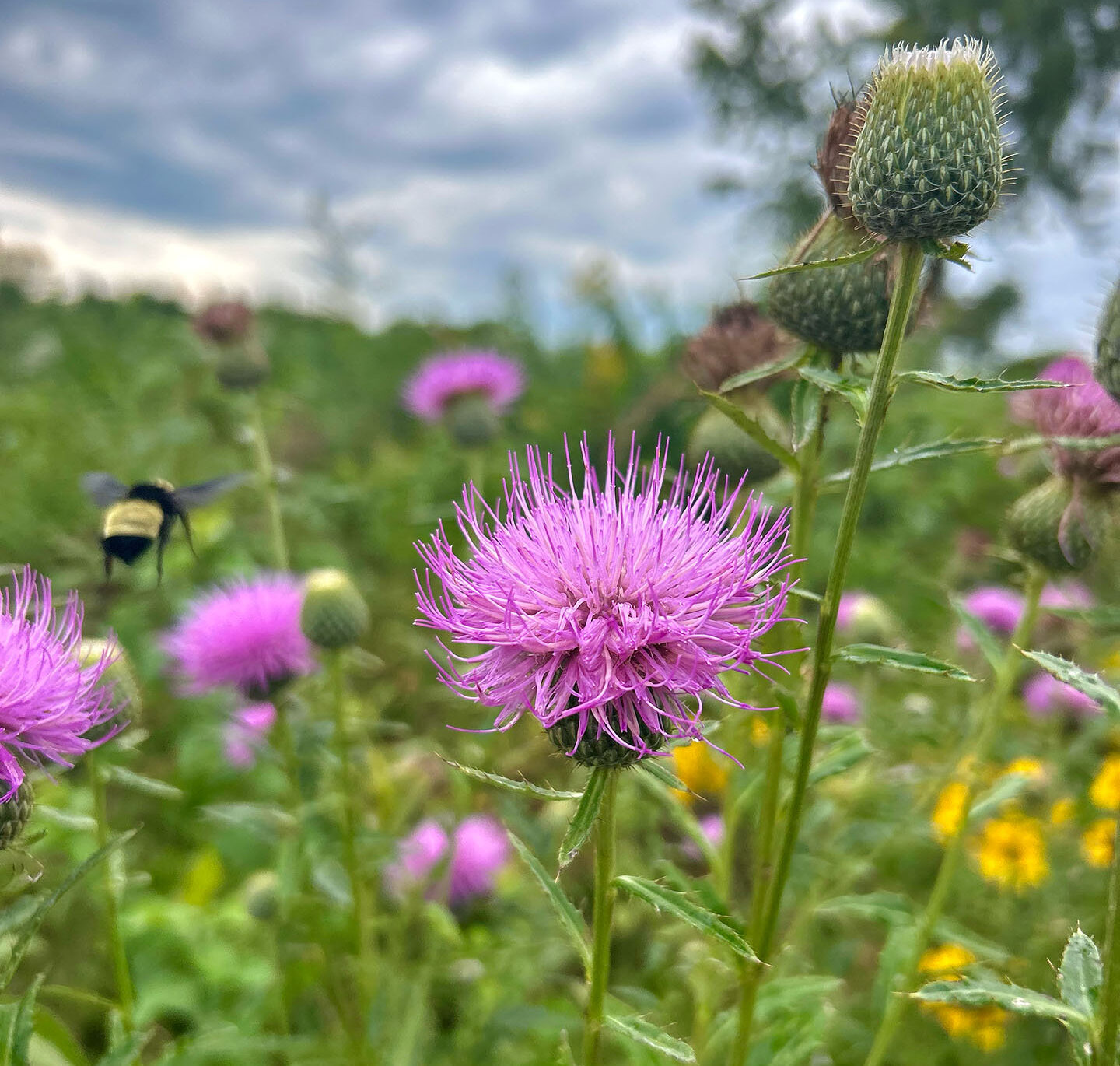
In Caring for Our Kin: Stories of Indigenous Environmental Stewardship, the College Fund shares the stories of Indigenous environmental leaders who are centering kinship and relational knowledge to build healthy ecological systems. These stories remind us that caring for the Earth means caring for one another—and that Indigenous knowledge systems continue to offer guidance, resilience, and hope for the future.
Learn more about our Environmental Stewardship Program.
Ekvnv Vcayecet. Mvto!
(Take care of the Earth/Land. Thank you)
More Blogs
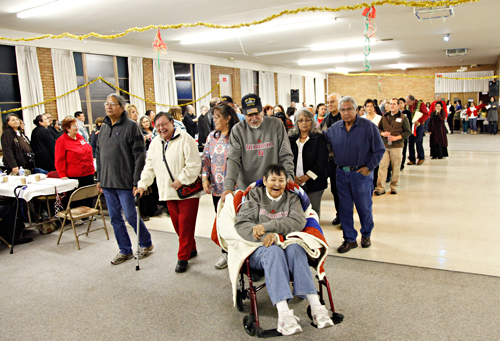
2011 Elders Dinner
Not all holiday dinners are created equal. The Denver-based Native Elders Holiday Dinner sponsored by the American Indian College Fund has a distinctly Native flavor, from the meal itself (buffalo) to a Santa Claus that wears a war bonnet. The event, now in its 11th year, honored American Indian elders 55 and older in the Denver community with a free dinner and program at the Church of All Saints
Give a Native Child the Gift of Reading
American Indian children could benefit greatly from the gift of reading this holiday season. The statistics on Native high school students who must enter remedial English upon entering college are alarming. Reading is the foundation of every course in college. Strong reading skills lead to strong writing skills, and both are the basis for success in not just English class, but chemistry, biology, engineering, and more.
The Herman Lissner Foundation Grants $100,000 to American Indian College Fund Scholarships
The Herman Lissner Foundation has granted the American Indian College Fund $100,000 for scholarships for American Indian students. This grant will support qualified American Indian students who show academic achievement and involvement in their communities by providing financial resources to encourage them to complete a college degree in business administration, accounting, finance, marketing, tribal administration, or entrepreneurship.
The Herman Lissner Foundation’s Remarkable Legacy Funds Native Business Scholarships
The American Indian College Fund (the Fund) received a remarkable gift this year. The Herman Lissner Foundation granted the Fund $100,000 for Native student scholarships. The Fund regularly enjoys gifts from its corporate, individual, and foundation donors, but this gift stood out because of the personal nature of the donors who established the New York based non-profit foundation.
Ford Motor Company Fund Awards $50,000
Ford Motor Company Fund has granted $50,000 to the American Indian College Fund for the Ford Motor Company Blue Oval Scholars Program for 2011-12 for Native American students attending tribal colleges and mainstream universities.
The L.P. Brown Foundation Grants $15,000 for Scholarships
The L.P. Brown Foundation has granted the American Indian College Fund $15,000 for scholarships for American Indian students attending tribal colleges. Richard B. Williams, President and CEO of the American Indian College Fund, said, “The continued generosity of the L.P. Brown Foundation will help American Indian students earn a college degree and lift them and their families out of poverty, while also allowing them to give back to their communities.”
Why Preserve Native Cultures?
Although November is Native American Heritage Month, for the American Indian College Fund, our tribal colleges, and our students, we celebrate Native heritage every day of the year. This is because our students and communities know what it means to be without Native culture, heritage, and language–because it was once U.S. government policy to assimilate American Indians, and eradicate these priceless facets of heritage. As a result, generations of American Indians were denied their birthright.
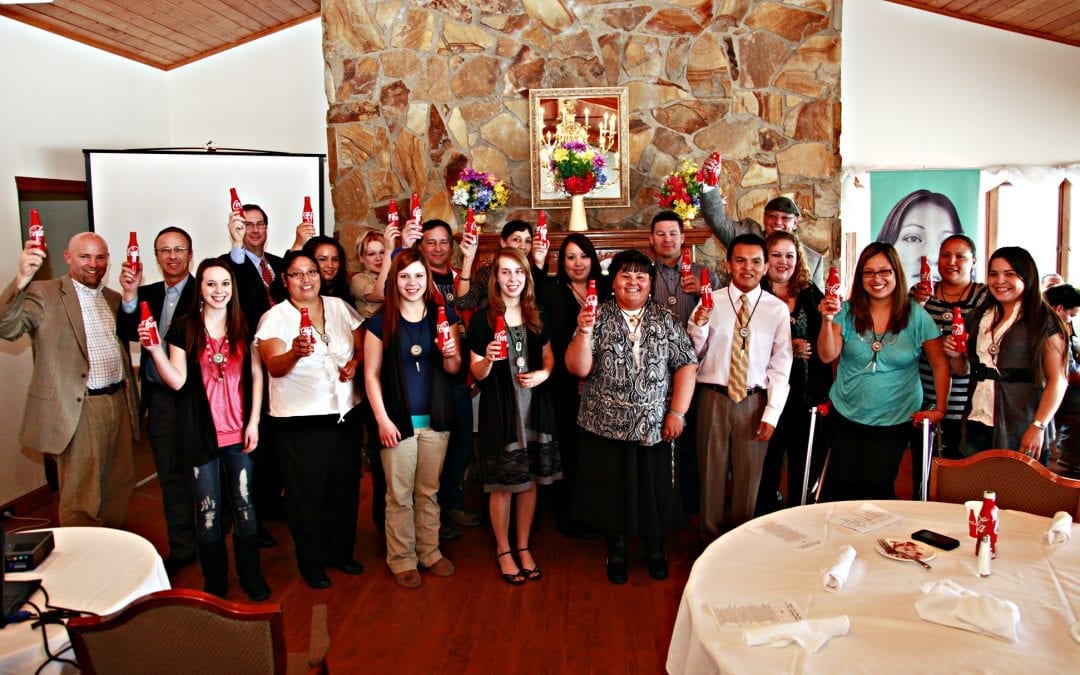
Coca-Cola Foundation Grants $250,000 to Continue Support for First Generation Scholars
The Coca-Cola Foundation is continuing its support of first-generation Native American scholars through a generous donation of $250,000 to the American Indian College Fund. The Coca-Cola Foundation First Generation Tribal Scholarship Program will continue to increase access to higher education and leadership development opportunities for tribal college students that are the first in their families to attend college. At least one scholar at each of the accredited tribal colleges is selected to be a Coca-Cola scholar.
Meet Ilisagvik College, the newest tribal college
With the formation of a home-rule government called the North Slope Borough in 1972, the Iñupiat people took their first steps towards regaining control of their lives and destinies, and founded Ilisagvik College to serve the residents of the North Slope Borough, America’s largest and most northern municipality in Alaska. Located in Barrow, Alaska, population 4,000, the college serves more than 89,000 square miles of the outlying Arctic tundra region that is unconnected by road or rail and ice-locked nine months of the year.
College Fund Helping the Native Community for the Holidays
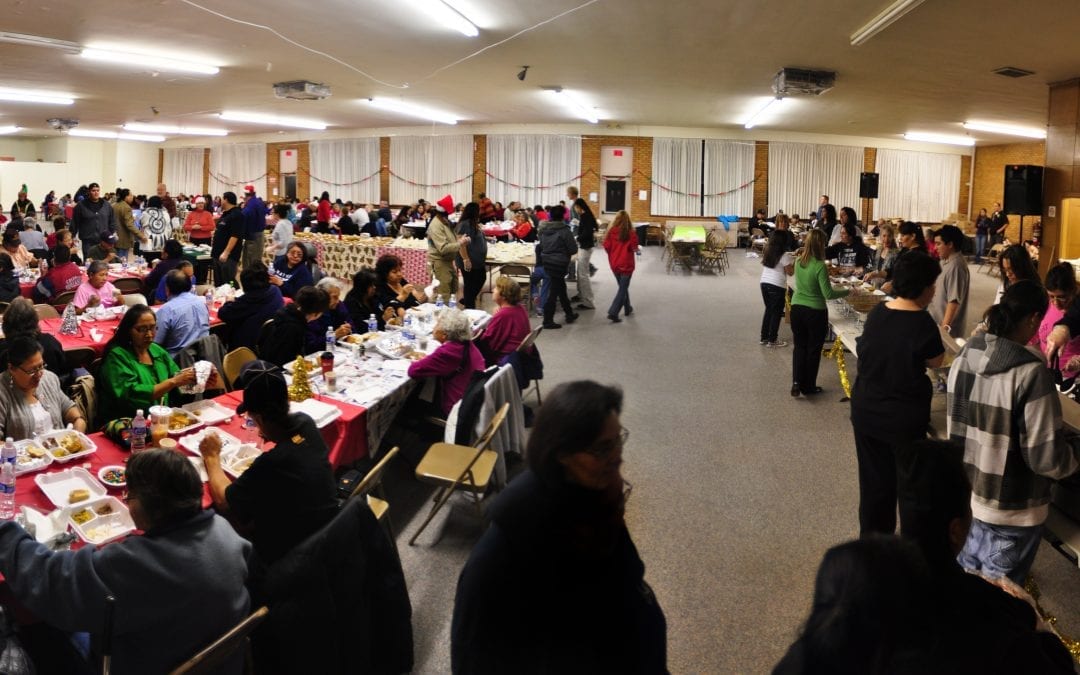
The American Indian College Fund has caught the holiday spirit. The Fund is holding its eleventh annual Holiday Dinner to honor American Indian elders in the Denver on Tuesday, December 13 at the Church of All Saints, 2559 S. Federal Boulevard. Doors open at 4:30 and the dinner commences at 5:30 p.m. The event is free and open to American Indians age 55 and older.