
Planting the Seeds of Cultural Sustainability
April 22, 2026 | Student Ambassador Aiyanna Tanyan’s (Seminole Nation of Oklahoma) work to reclaim food sovereignty
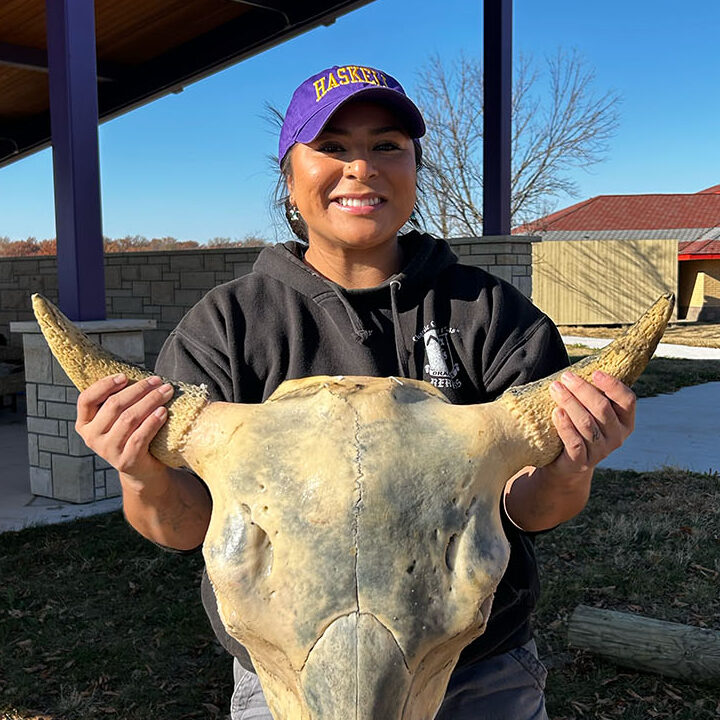
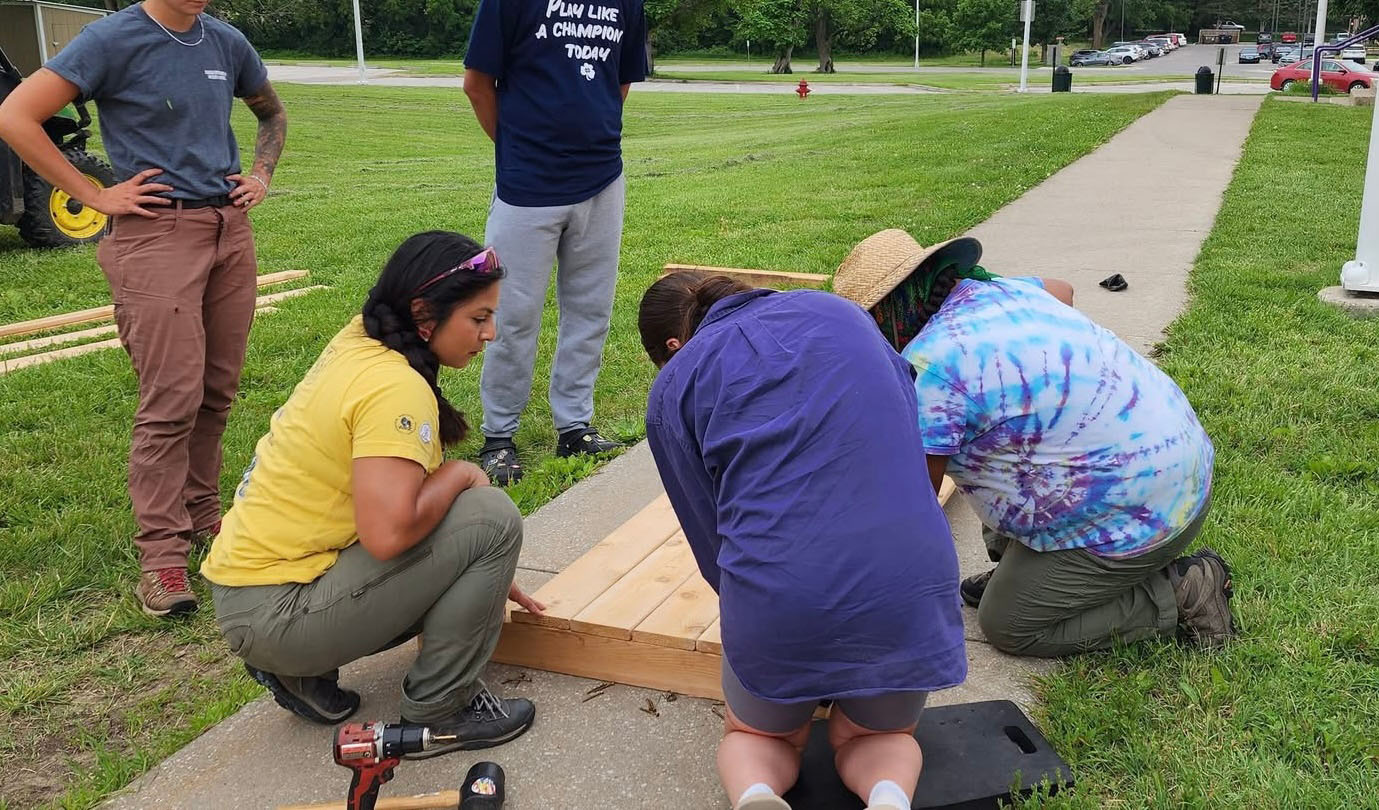
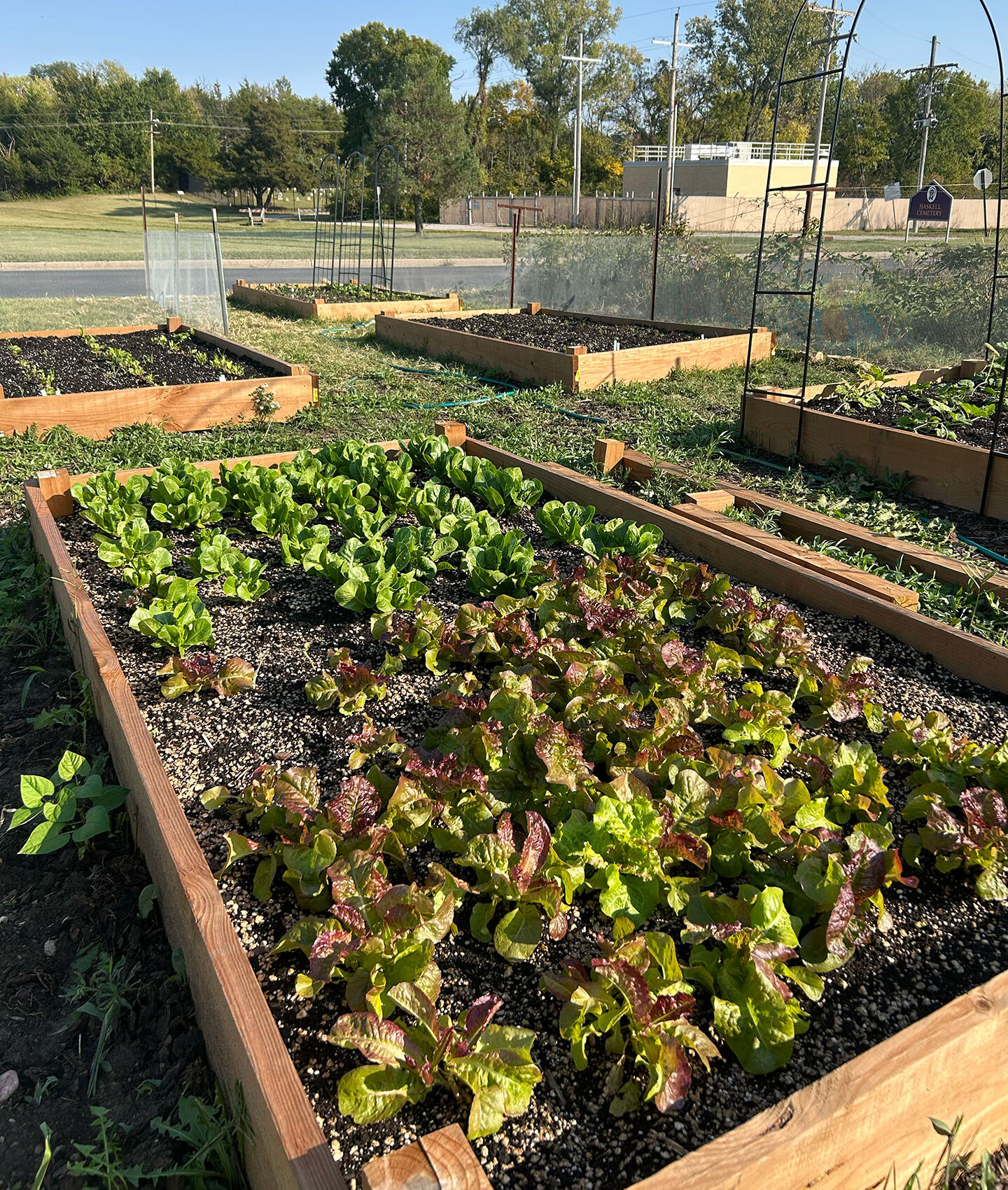
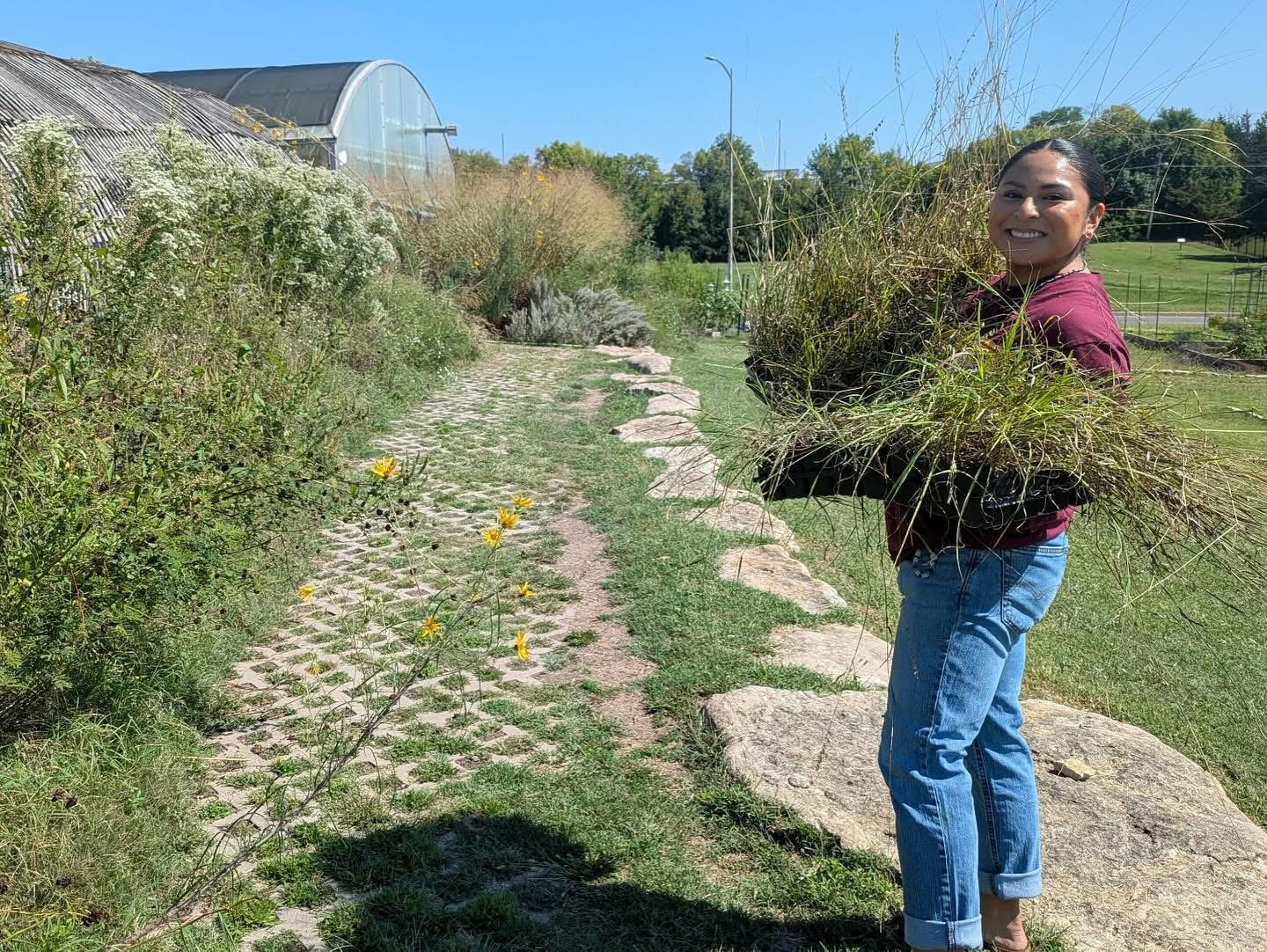
We came up with the idea of building raised garden beds near the dorms so students can easily access fresh foods and learn how to grow them themselves. Through support from the Haskell Greenhouse (funded through the USDA Equity Grant), we started building.
Last year was our first year doing this project and it was a learning experience as with many community-based projects, it comes with trial and error. However, that process taught us a lot about what works, what doesn’t, and how to build something more sustainable moving forward. This year, we’re continuing this work with stronger systems, more involvement, and a clearer vision.
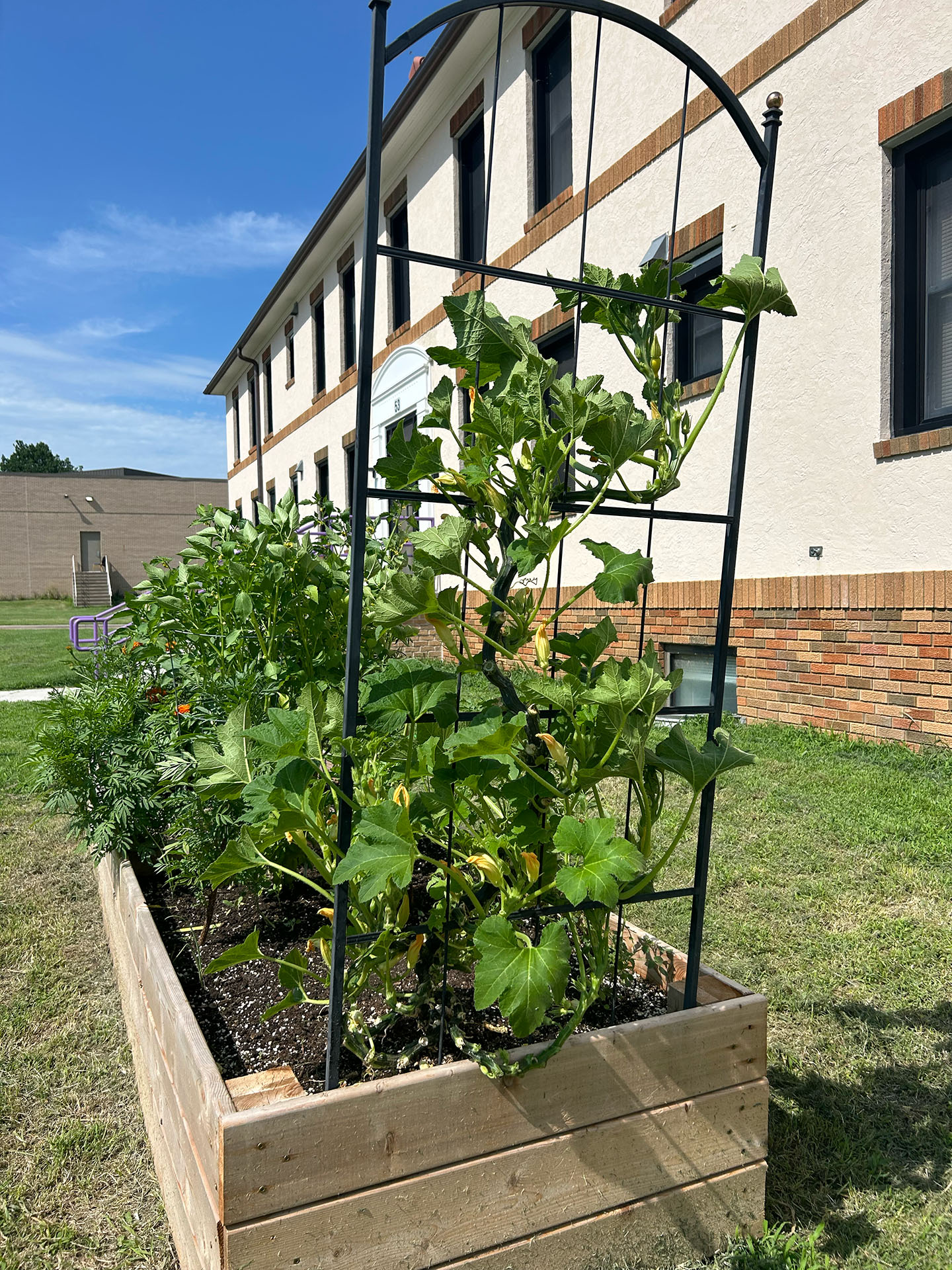
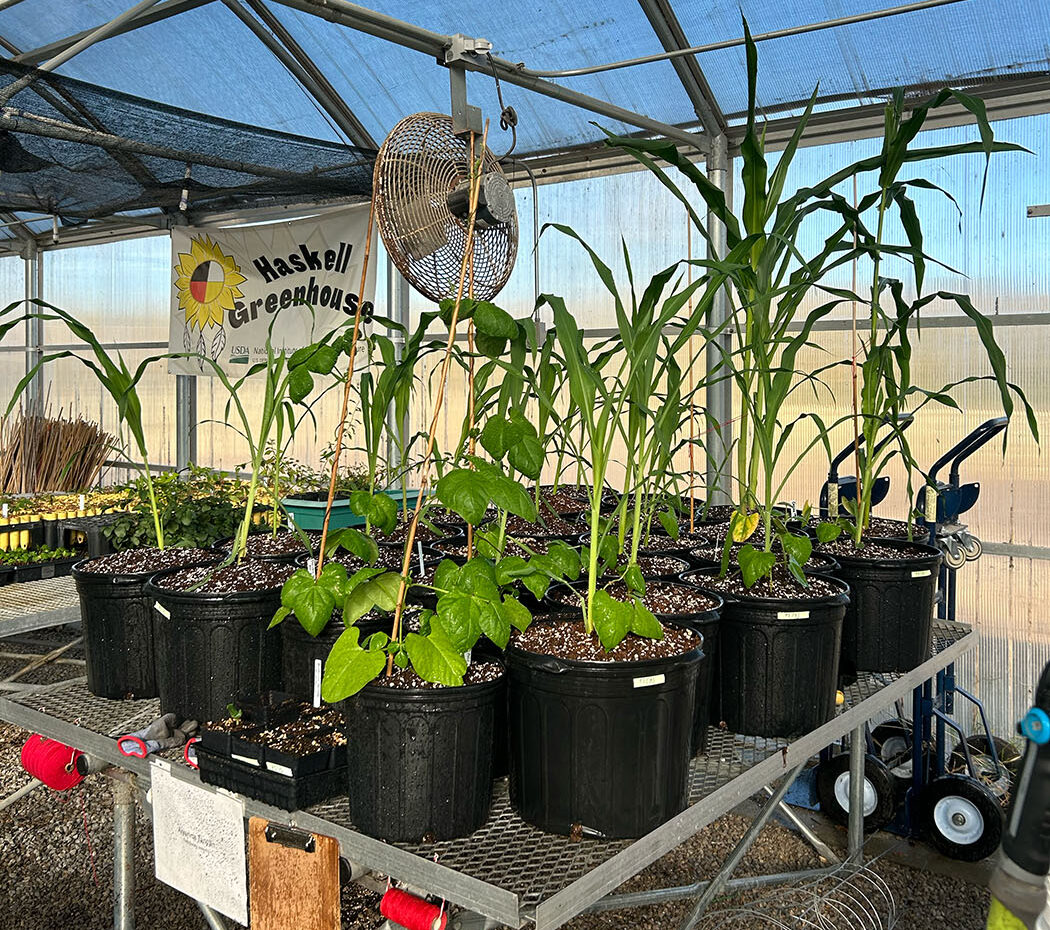
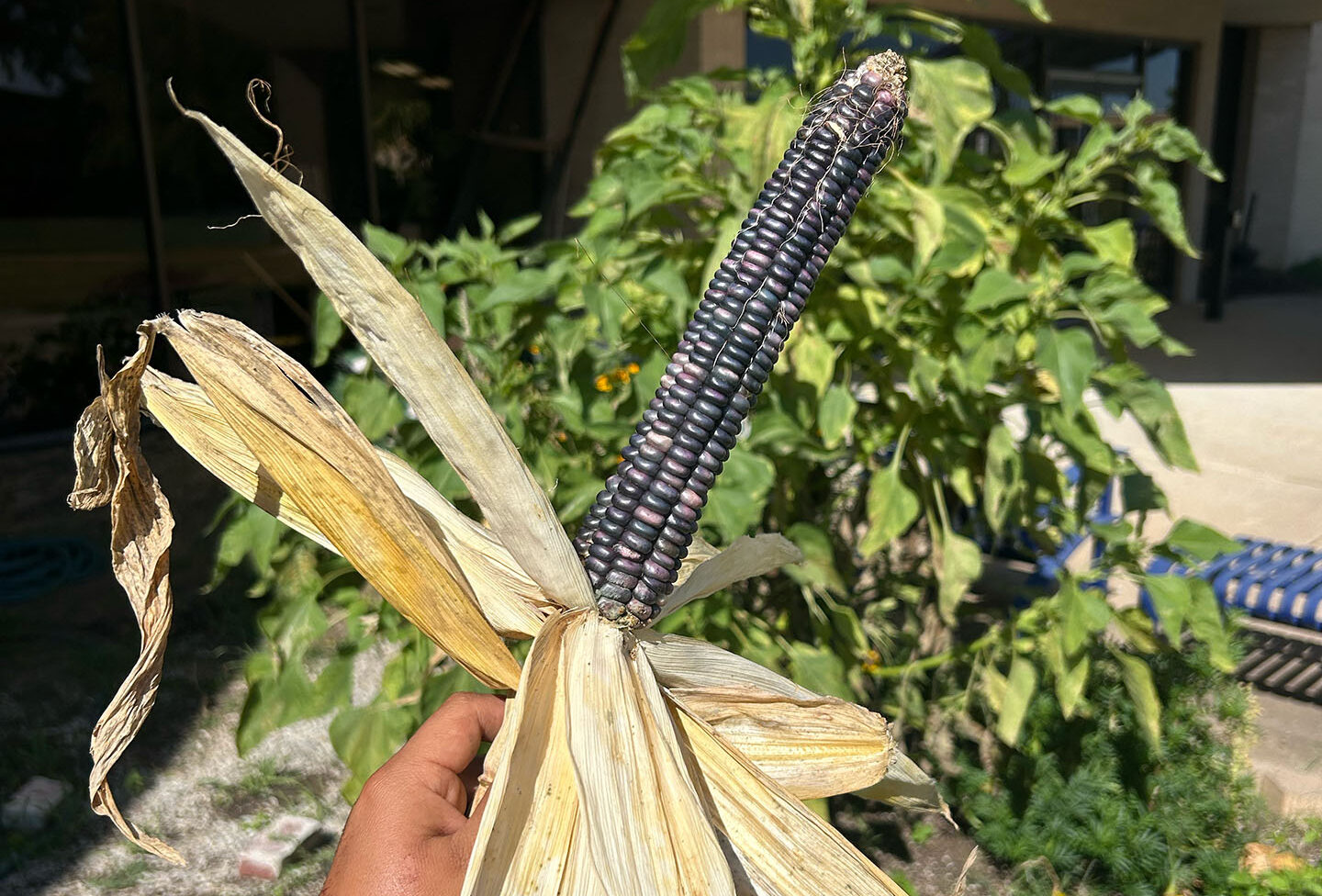
Everyone at the Haskell Greenhouse wants to help others learn, value, and view these spaces as places of teaching. I know they have taught me so much about responsibility and our relationship with the environment. Through these projects, we’re helping students reconnect with the land and understand the importance of food sovereignty for Indigenous communities. This work is ongoing, and we’re still learning. Every seed planted, and every workday shared brings us one step closer to a more sustainable and connected future.
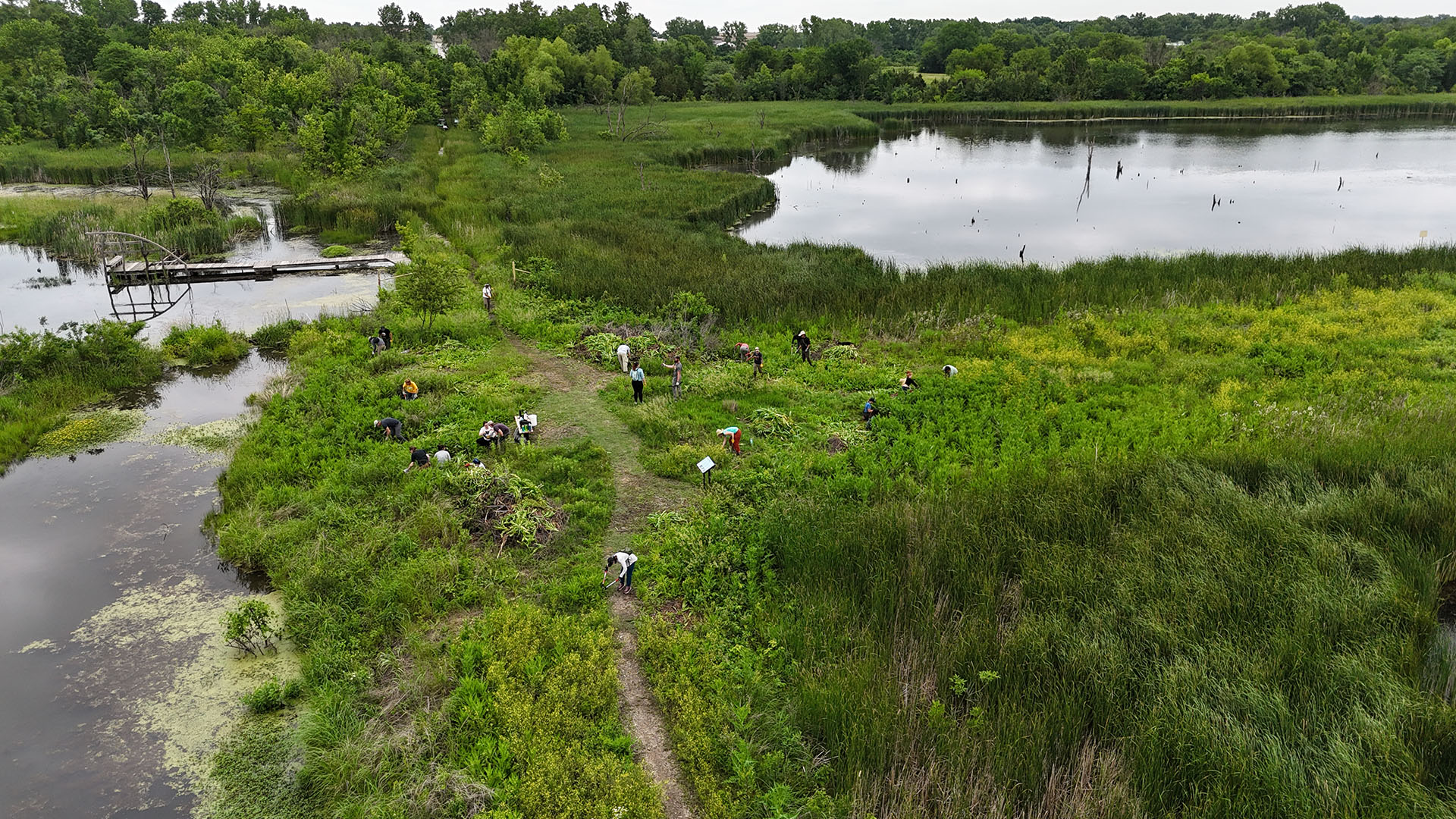
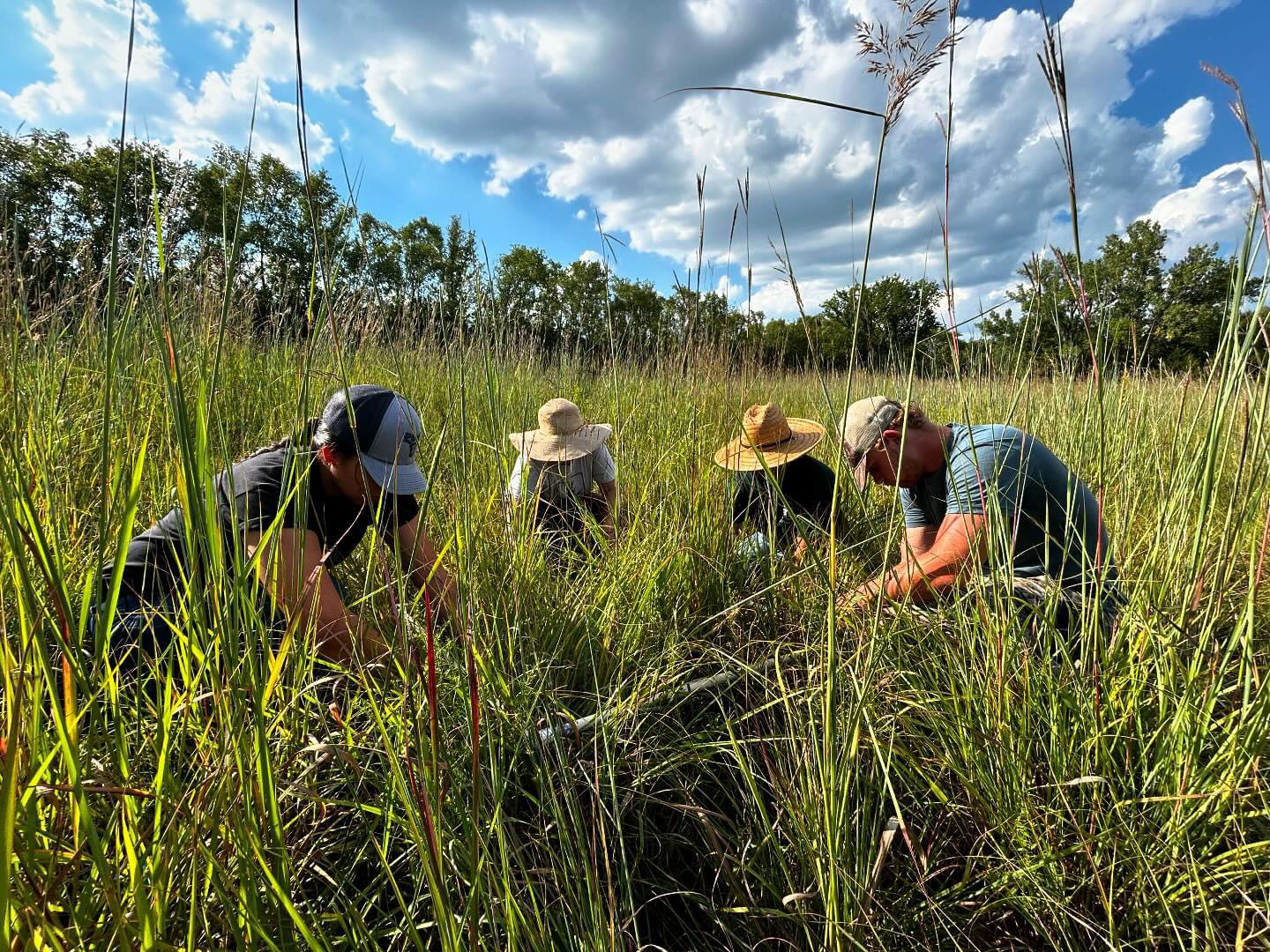
In Caring for Our Kin: Stories of Indigenous Environmental Stewardship, the College Fund shares the stories of Indigenous environmental leaders who are centering kinship and relational knowledge to build healthy ecological systems. These stories remind us that caring for the Earth means caring for one another—and that Indigenous knowledge systems continue to offer guidance, resilience, and hope for the future.
Learn more about our Environmental Stewardship Program.
Ekvnv Vcayecet. Mvto!
(Take care of the Earth/Land. Thank you)
More Blogs
Shakopee Mdewakanton Sioux Community of Minnesota Grants $50,000 for Native Student Scholarship
The Shakopee Mdewakanton Sioux Community (SMSC) of Minnesota has donated $50,000 to the American Indian College Fund for Native student scholarships as a contribution for the Johnson Scholarship Foundation (JSF) Endowment Matching Challenge Grant. The Johnson Foundation will match contributions up to $750,000 over the next three years, creating an endowment of $1.5 million.
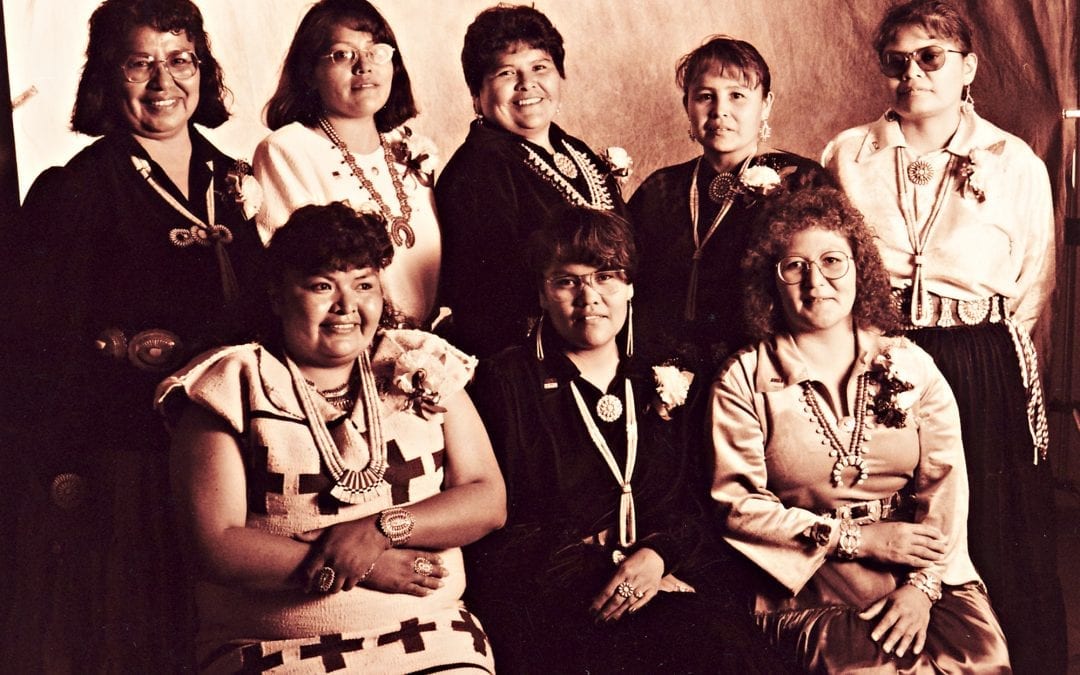
The First Tribal College—Diné College
First class of baccalaureate graduates of Dine College, which marked its 30th Anniversary in 1998 as the oldest tribal college. Graduation day May 15, 1998. photo John Running. The first tribal college was Diné College, located in Tsaile, Arizona, was founded by the Navajo Nation as Navajo Community College in 1968 to educate its young people who are residents of the 26,000 square-mile Navajo Nation which is spread over Arizona, New Mexico, and Utah, while steeping them in their language, culture, and traditions.
American Indian College Fund Receives $30,000 in Scholarship Support from Johnson & Johnson
The American Indian College Fund (the Fund) received a $30,000 grant from Johnson & Johnson to continue the Johnson & Johnson Tribal College Scholarship Program, which provides scholarships to American Indian students pursuing degrees at tribal colleges and universities.
What’s In A Name? Fund Re-Names Scholarship Programs
To better reflect our scholarships and serve our students, you may notice a difference in our scholarship names. We will be migrating the new names onto our web site and in all of our communications materials.
Natives Bring Chocolate to World, Chocolate Company Helps Natives With Scholarships
Native cultures in what is now Mexico are credited for introducing chocolate to the world. The Mayan culture used chocolate as currency and the Aztec culture used the cacao bean as payment for tribute because it was so highly revered. The Aztecs also created xocoatl, a spicy hot chocolate drink that mixed cacoa beans, corn flour, water and chilies which was popular with the upper classes.
Klatt: 2011 Tribal College Tours – Montana
As an employee of the American Indian College Fund (the Fund), I had the opportunity to participate in one of our bi-annual tribal college tours. These tours give current donors, potential donors, corporate executives and anyone who is curious about tribal colleges or the Fund a snapshot of what is taking place at these amazing establishments and how the Fund supports this movement.
November is Native American Heritage Month!
Please join the American Indian College Fund and the Native students and 34 tribal colleges and universities we support in celebrating Native American Heritage Month. You can get to know more about a tribal culture, history, language, and how the tribal colleges help to preserve them on our web site, Facebook and Twitter. Visit our YouTube channel, where we feature student and alumni interviews, celebrate our graduates, and provide an overview of the Fund’s work with the video Hope on the Rez.
APS Foundation Pledges $100,000 to Renew Arizona Public Service Navajo Scholars Program
The American Indian College Fund received a grant of $100,000 from the APS Foundation, the charitable giving arm of Arizona Public Service, a leading producer of electric power in the southwest. The donation will renew the Arizona Public Service Navajo Scholars Program for 2011-12, to provide scholarship support to Navajo students studying for a degree in the science, technology, engineering, and math fields (STEM) at tribal colleges including Diné College and Navajo Technical College, and mainstream colleges within the New Mexico and Arizona state university system.

Annual Flame of Hope Gala Raises More Than $300,000 for Scholarships
The American Indian College Fund’s16th annual American Indian College Fund Flame of Hope Gala raised more than $300,000 for American Indian student scholarships. The event, held October 20 at the Seawell Grand Ballroom at the Denver Center of the Performing Arts in Denver, Colorado, included headline entertainment by Native flutist R. Carlos Nakaí and The Jared Stewart Band. Hattie Kauffman, award-winning television journalist with CBS, served as Mistress of Ceremonies.
Donaldson Foundation Grants $15,000 to Renew Scholarship Program
The Minnesota-based Donaldson Foundation granted $15,000 to the American Indian College Fund to renew its commitment to the Donaldson Foundation Tribal College Scholarship Program. This program provides scholarships to American Indian students studying science, technology, engineering, or math at tribal colleges and universities in Minnesota and Wisconsin.