
Planting the Seeds of Cultural Sustainability
April 22, 2026 | Student Ambassador Aiyanna Tanyan’s (Seminole Nation of Oklahoma) work to reclaim food sovereignty
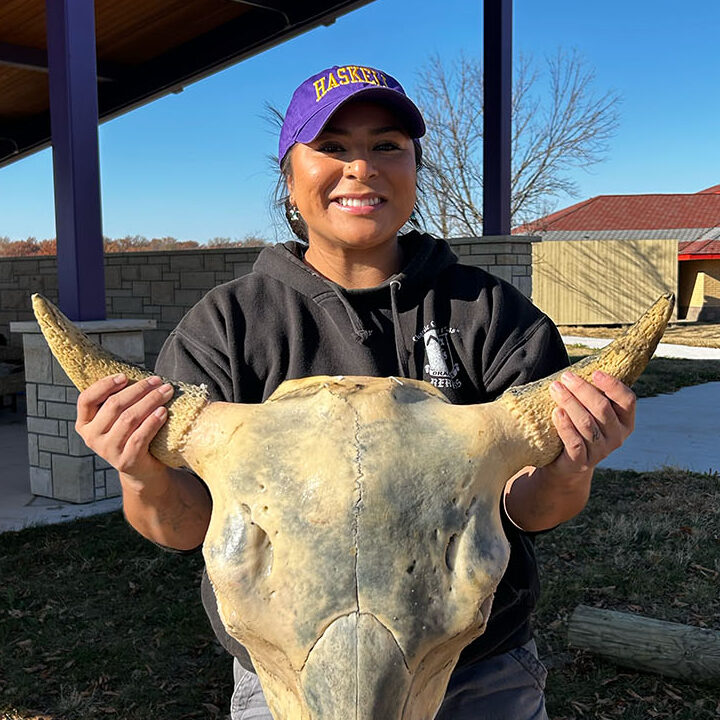
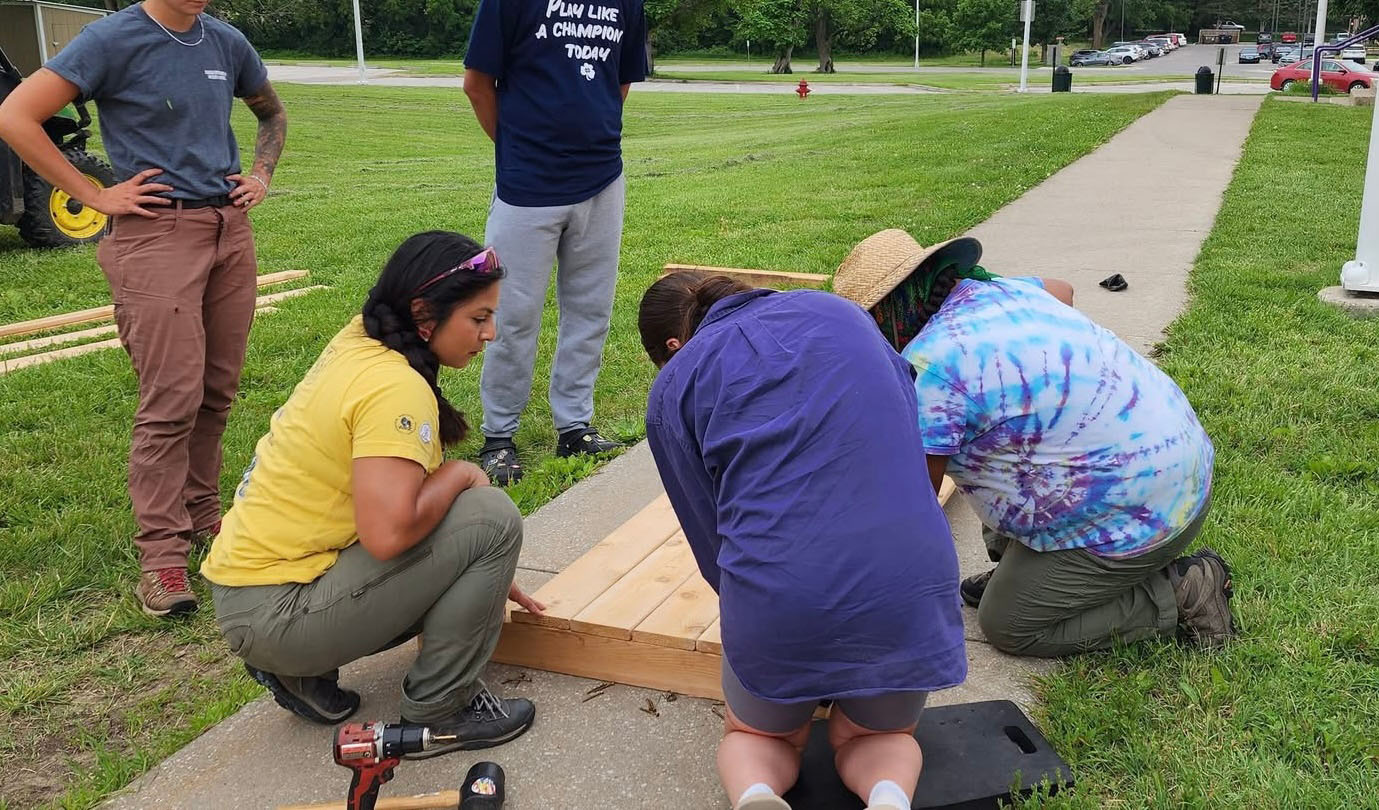
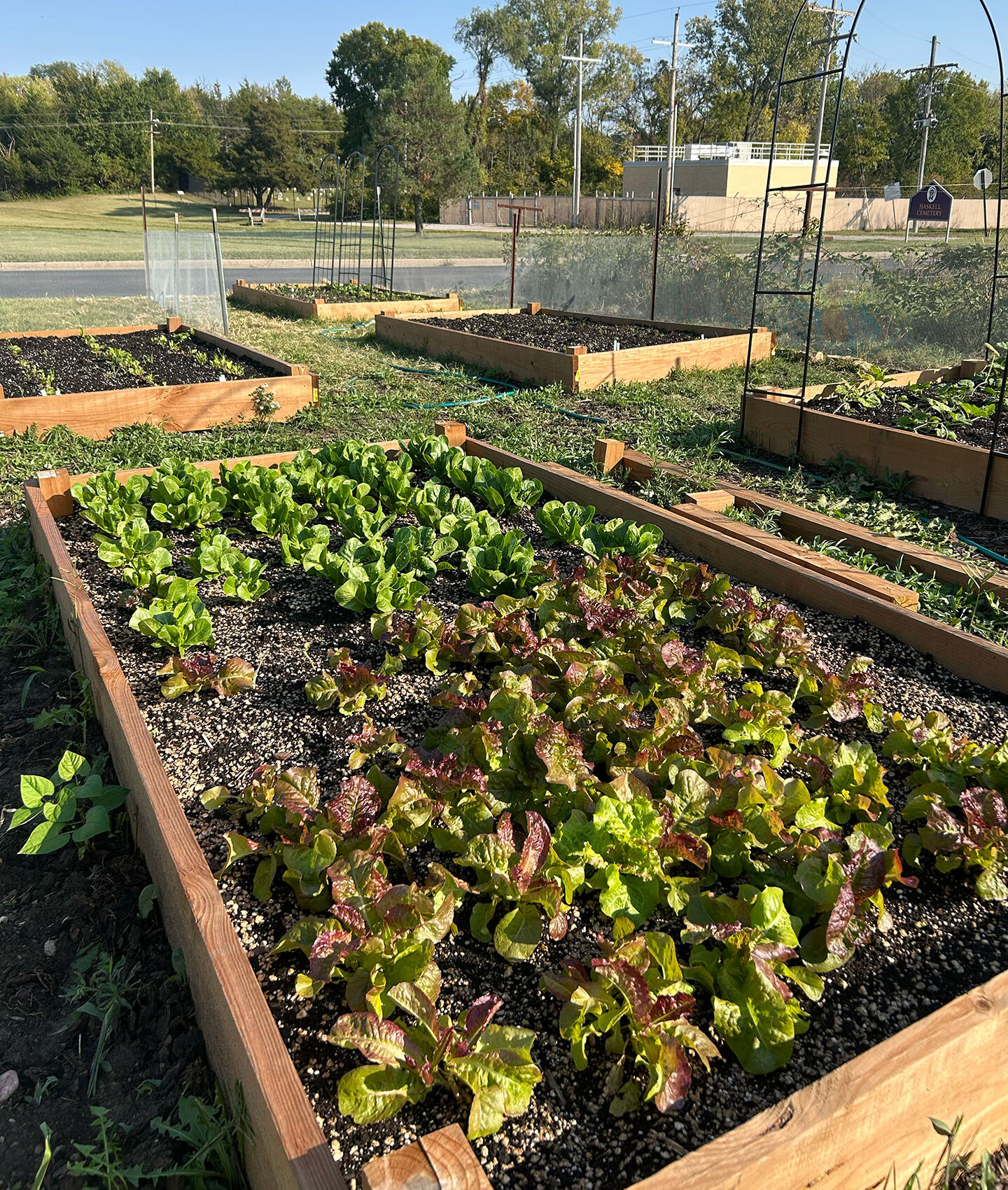
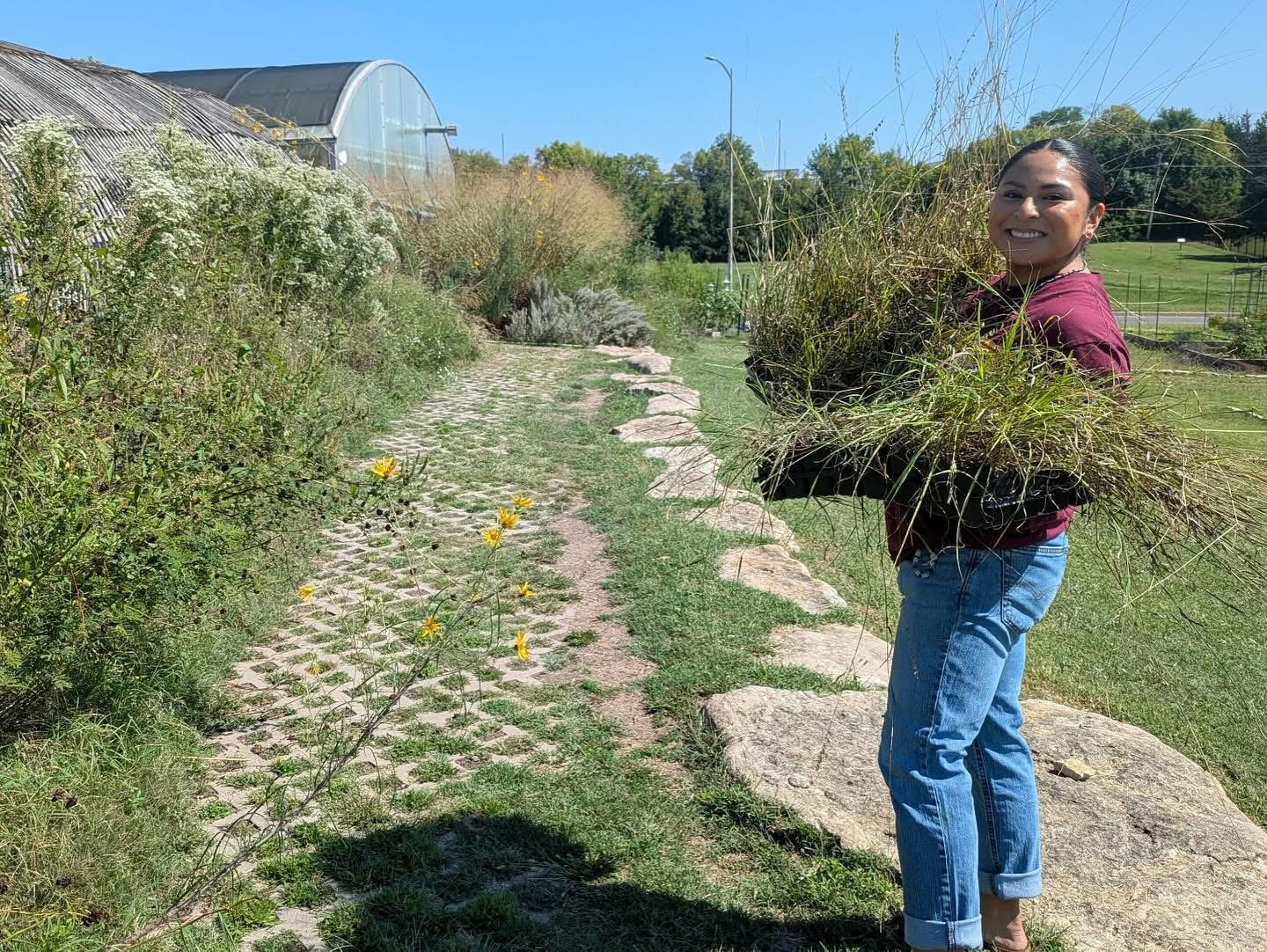
We came up with the idea of building raised garden beds near the dorms so students can easily access fresh foods and learn how to grow them themselves. Through support from the Haskell Greenhouse (funded through the USDA Equity Grant), we started building.
Last year was our first year doing this project and it was a learning experience as with many community-based projects, it comes with trial and error. However, that process taught us a lot about what works, what doesn’t, and how to build something more sustainable moving forward. This year, we’re continuing this work with stronger systems, more involvement, and a clearer vision.
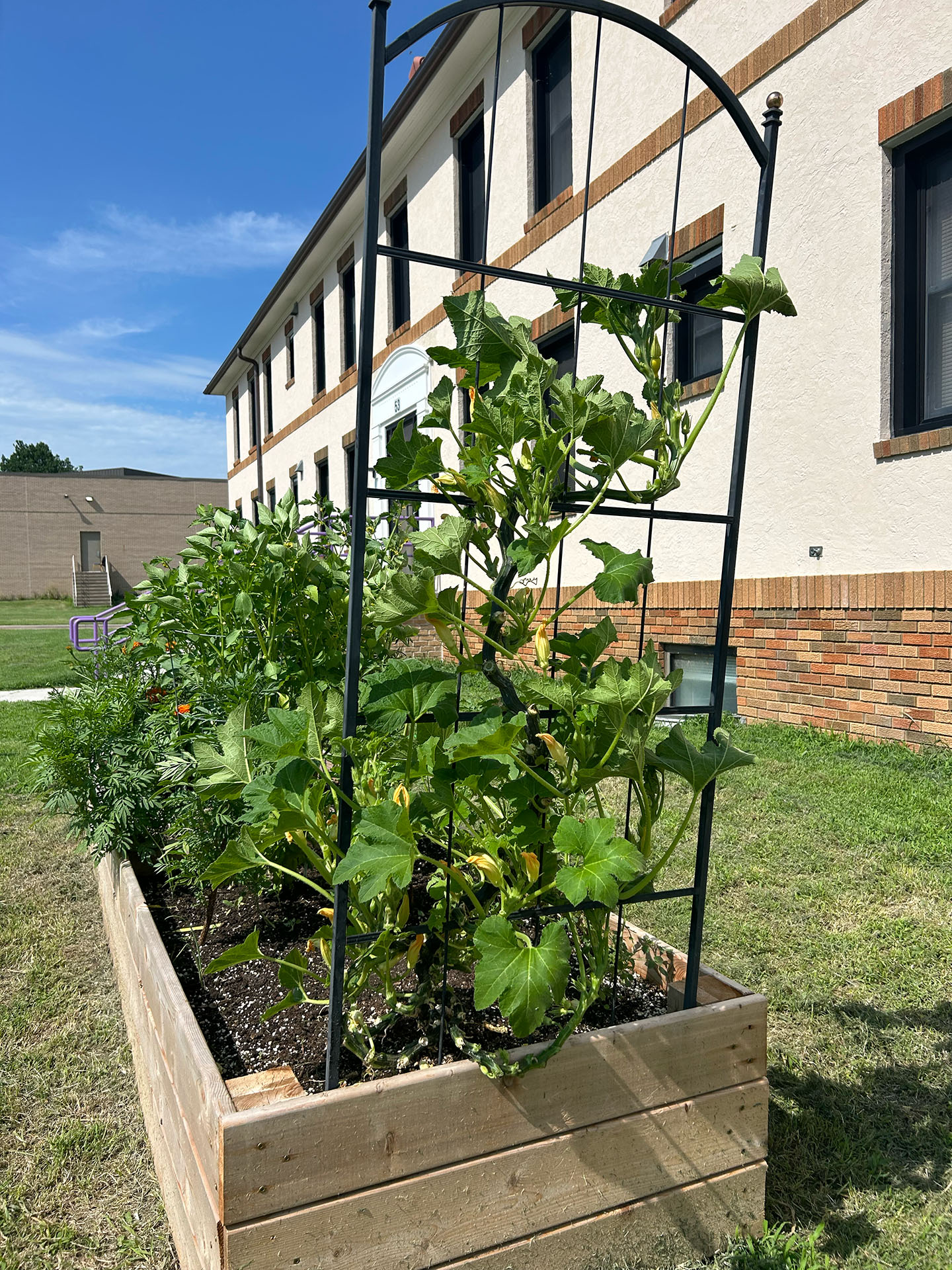
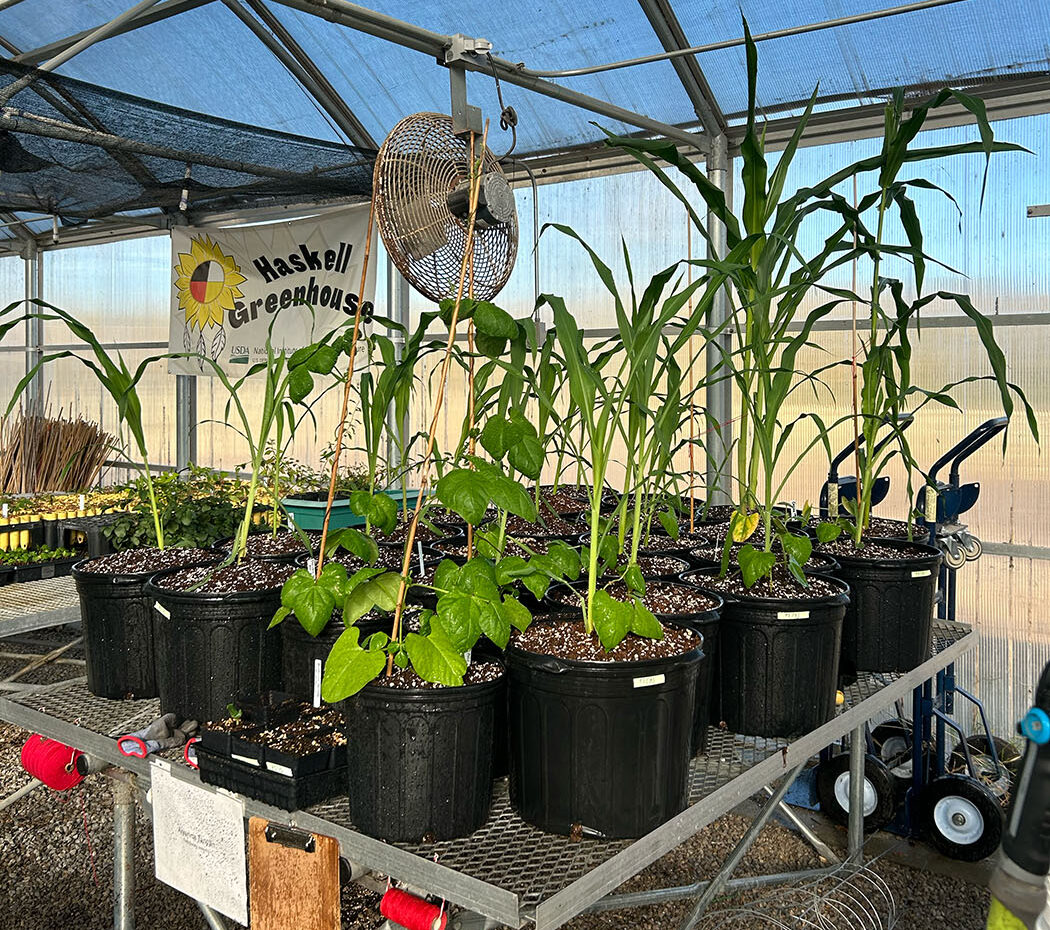
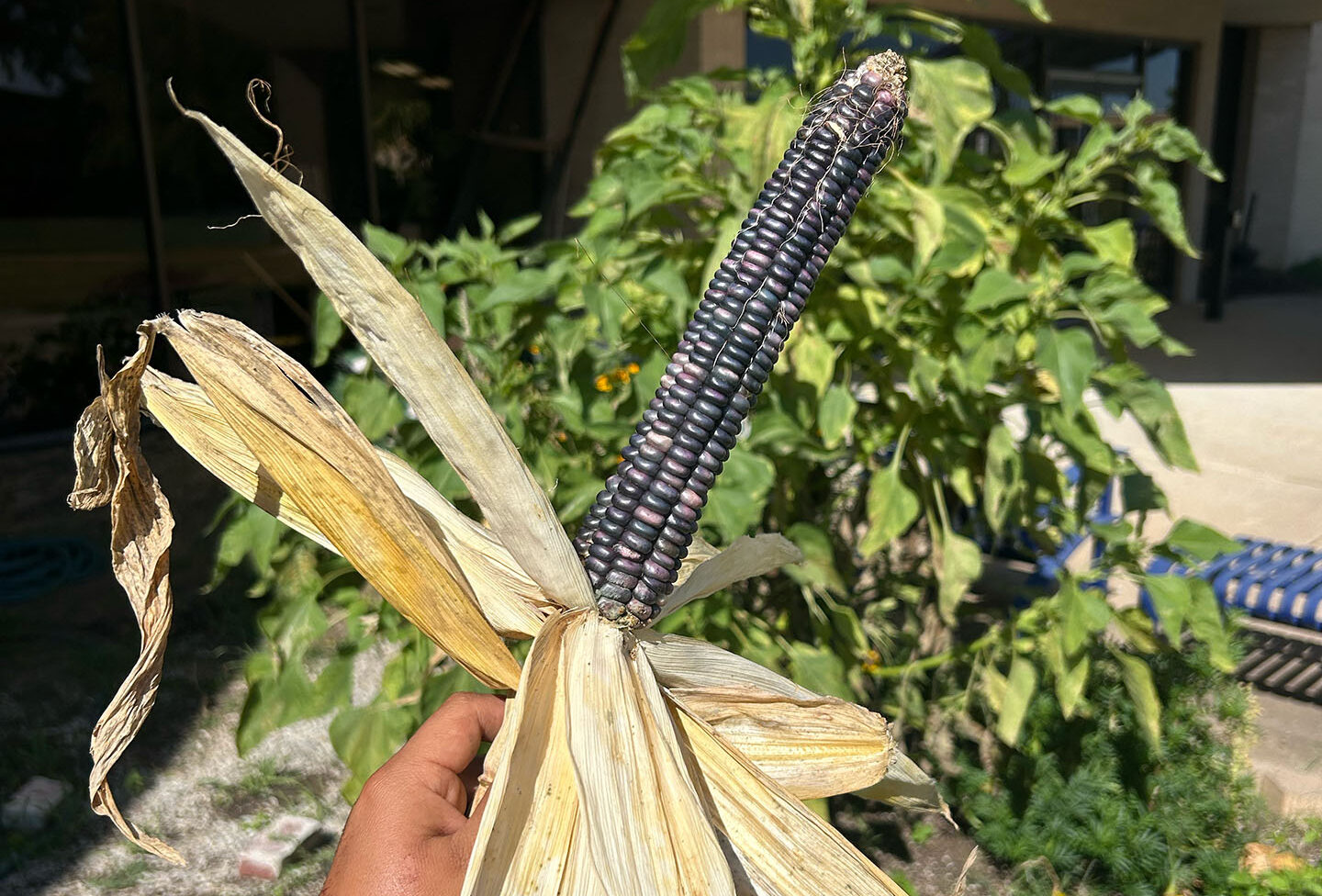
Everyone at the Haskell Greenhouse wants to help others learn, value, and view these spaces as places of teaching. I know they have taught me so much about responsibility and our relationship with the environment. Through these projects, we’re helping students reconnect with the land and understand the importance of food sovereignty for Indigenous communities. This work is ongoing, and we’re still learning. Every seed planted, and every workday shared brings us one step closer to a more sustainable and connected future.
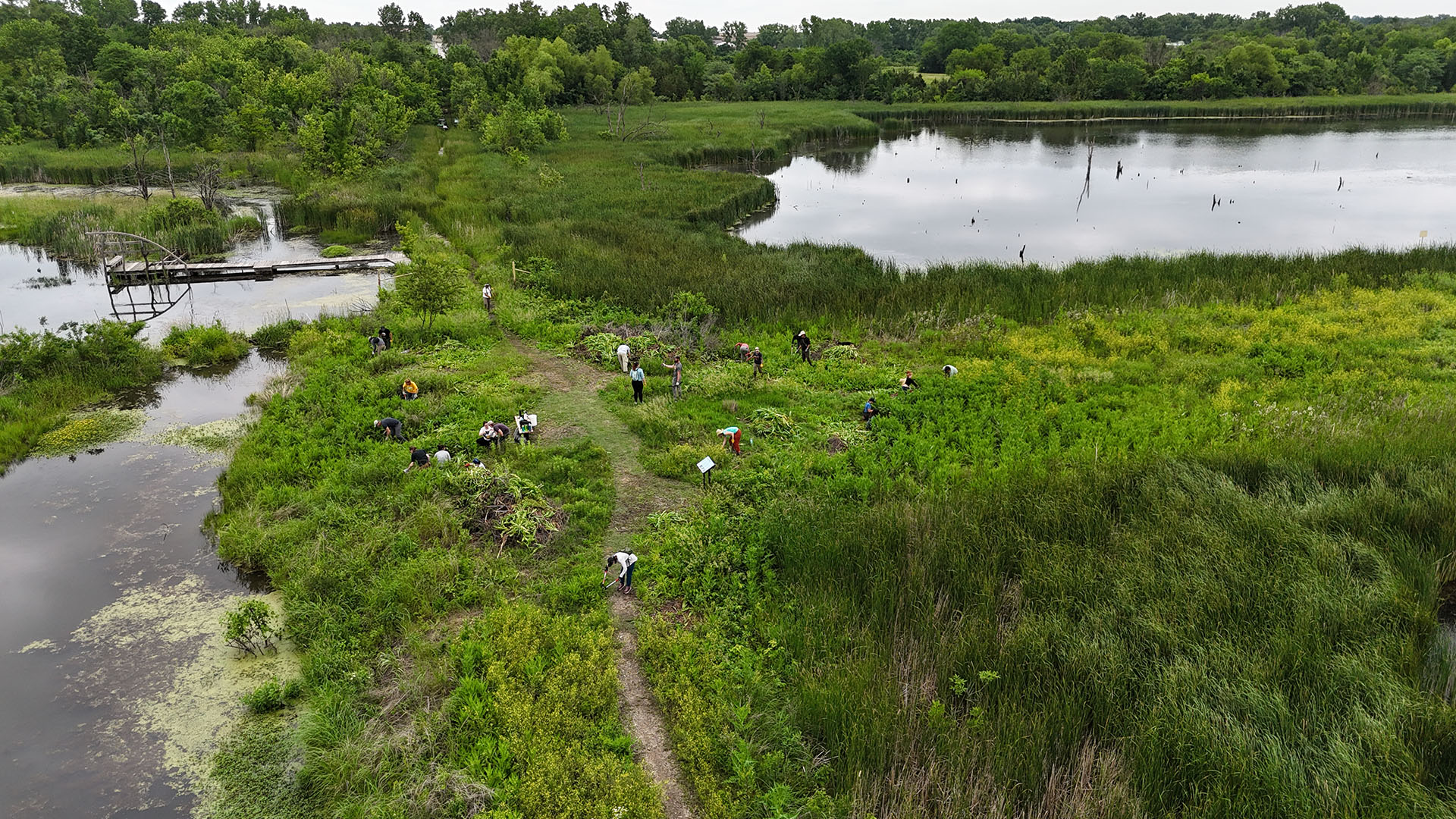
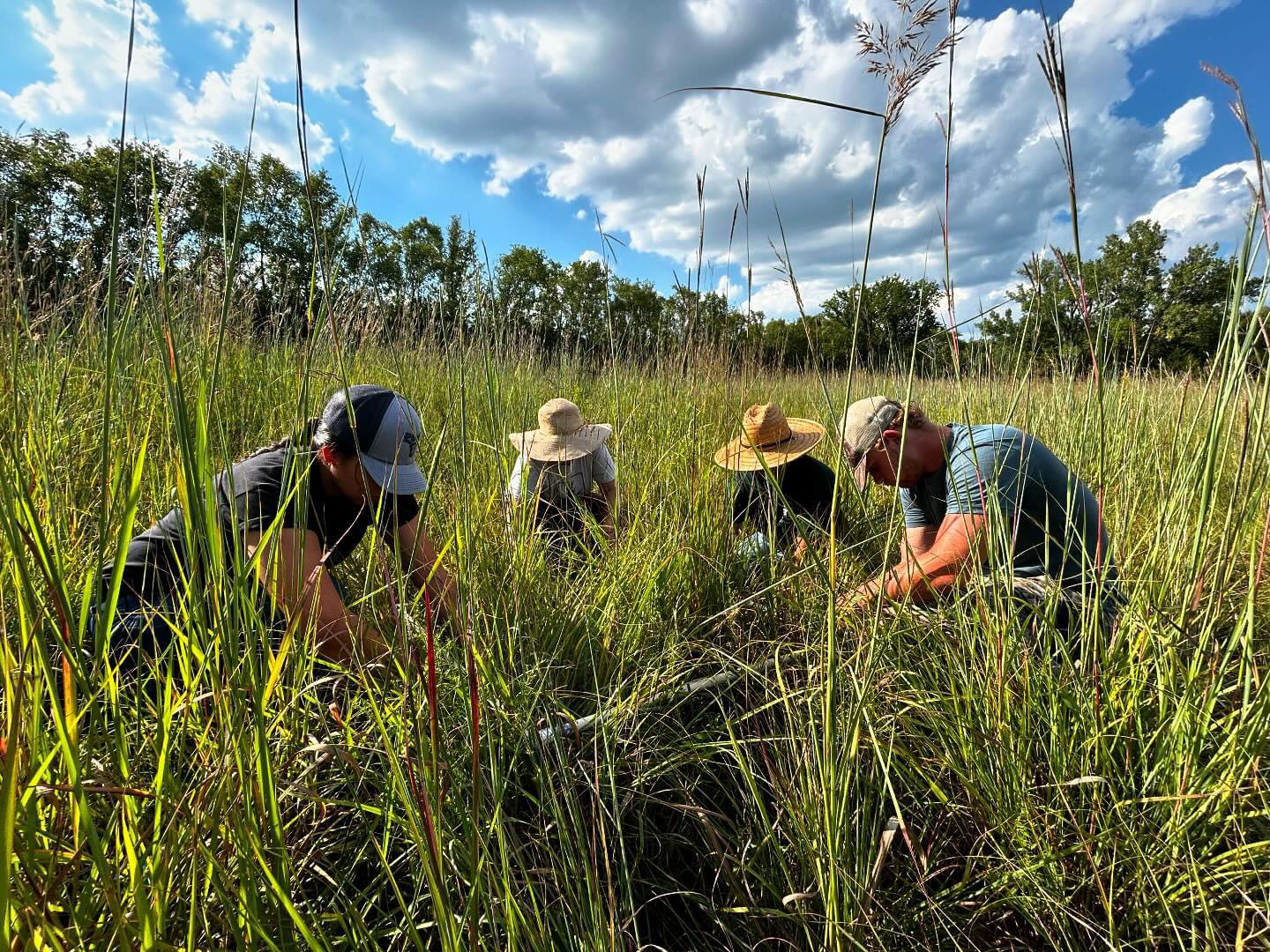
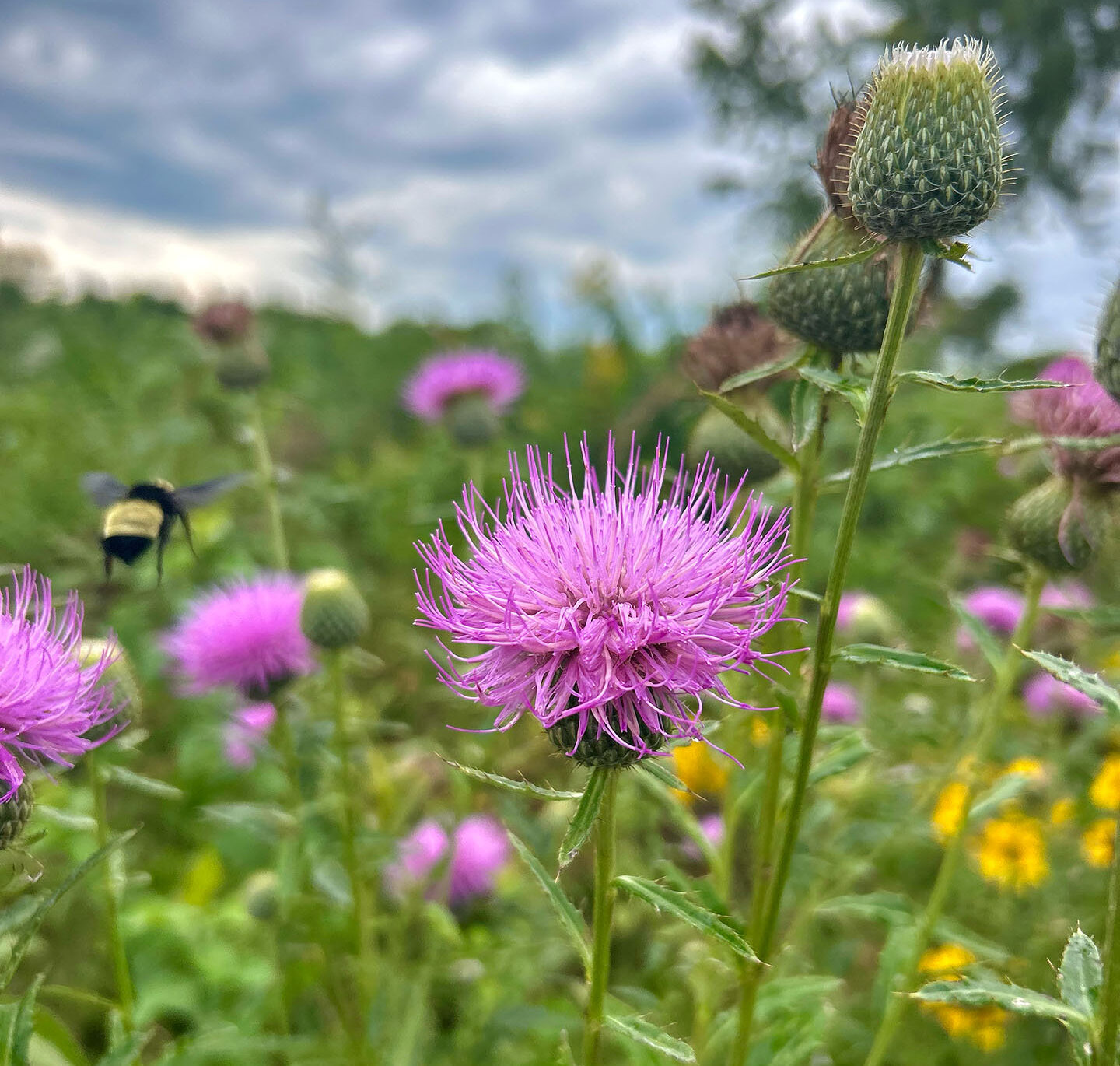
In Caring for Our Kin: Stories of Indigenous Environmental Stewardship, the College Fund shares the stories of Indigenous environmental leaders who are centering kinship and relational knowledge to build healthy ecological systems. These stories remind us that caring for the Earth means caring for one another—and that Indigenous knowledge systems continue to offer guidance, resilience, and hope for the future.
Learn more about our Environmental Stewardship Program.
Ekvnv Vcayecet. Mvto!
(Take care of the Earth/Land. Thank you)
More Blogs
Flooding Update – June 17, 2011
We still need your help. The flooding crisis is far from over and as the waters recede, they are leaving behind devastation to our students and staff. For others, it is wait and see if their efforts, literally, hold up the Missouri River.
Friday, June 10 Flooding Updates
The rain, plus heavy snowpack beginning to melt in the Rocky Mountains, has the Army Corps of Engineers increasing water releases through the six Missouri River dams to get rid of water as quickly as possible as flooding continues.
Emergency Flood Relief and Updates
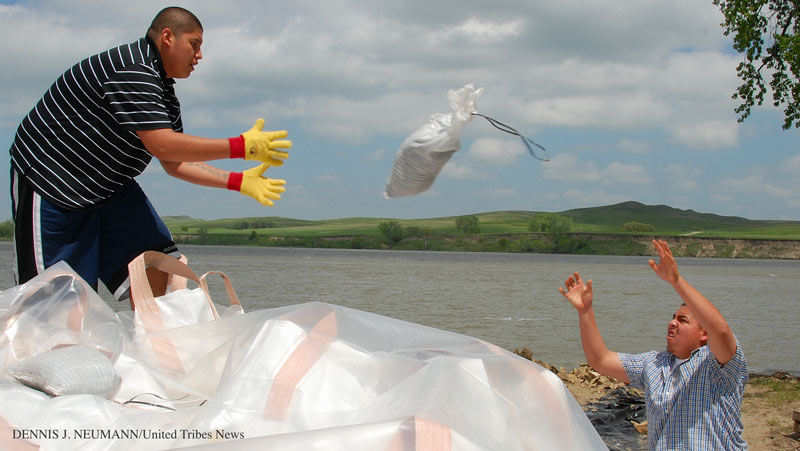
Anthony Walker (Winnebago Tribe of Nebraska) is on the receiving end of a sandbag pass from Kyle Leaf (Cheyenne River Tribe). Both are students in a Criminal Justice class from United Tribes Technical College that volunteered Thursday afternoon at a home north of Mandan along the river.
Majority of North Dakota on Flood Alert
Red Cross officials said today that sandbags are in place in Bismarck and the sourrounds and now the people are waiting for the waters to rise while hoping the levees and dikes hold. “We are in a holding pattern,” said Melanie Moen, Emergency Services Director of the Red Cross for the Bismarck area.
Tribal College Communities Battle Flooding
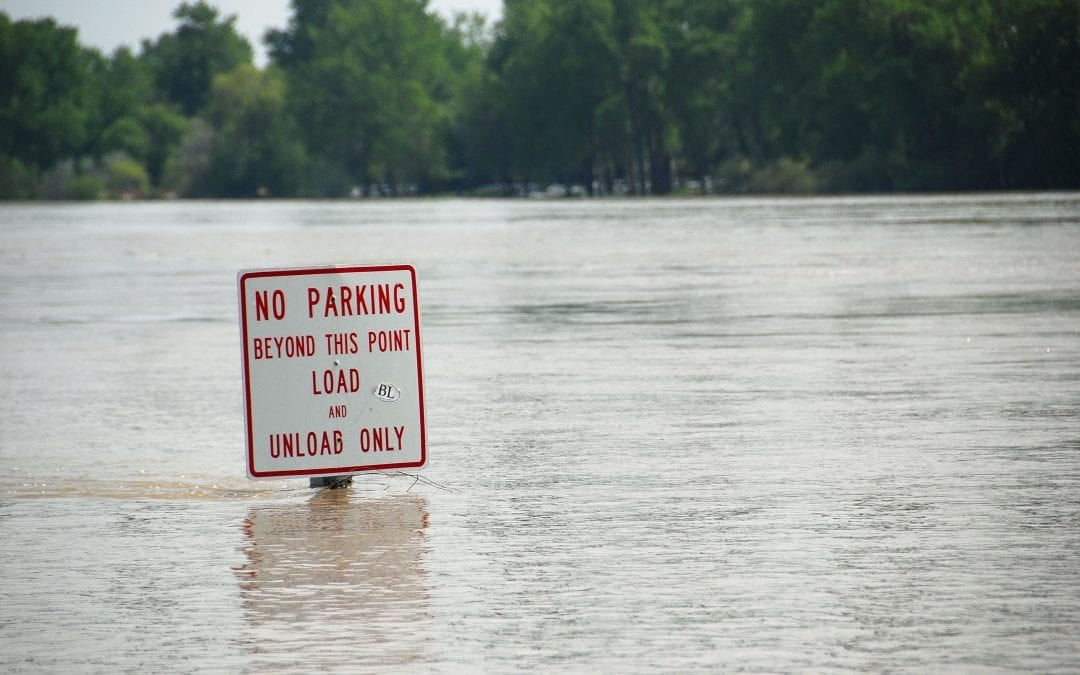
Thanks to your assistance to the American Indian College Fund’s Flood Emergency Fund, our tribal college communities impacted by rising waters along the Missouri River and its tributaries can cope better. Sioux City, Nebraska, home to Nebraska Indian College, is the latest tribal college community to deal with the devastation caused by flood waters.
The CIGNA Foundation Grants $29,000 to American Indian College Fund for Native Scholarships
The CIGNA Foundation has granted $29,000 to the American Indian College Fund (the Fund) to support Native scholarships through the Tribal Scholars Healthcare Program. The gift will provide scholarships to Native students studying at select tribal colleges and universities and mainstream institutions.
Your Help Still Needed for Flood Relief!
Thanks to your support, the American Indian College Fund is raising money for immediate relief for flood victims in Montana and North Dakota for food, clothing, potable water, medicines, and more. But the need and the situation worsens. As of Sunday, 300 families were staying in shelters on or near the Crow Reservation in eastern Montana, with many more preferring to stay with family members, with as many as 30 people sharing a home, says Jana Sweeney for the Red Cross on the scene.
American Indian College Fund Receives Grant from Hilton Worldwide for Scholarships
The American Indian College Fund received a grant from Hilton Worldwide to support the Hilton Worldwide Tribal College Hospitality Scholarship Program for the 2011-12 academic year. Hilton Worldwide, a renowned global leader in the hotel and hospitality industry, will provide scholarships for students studying hospitality or business at Blackfeet Community College, Mont.; Lac Courte Oreilles Ojibwa Community College, Minn.; or Southwestern Indian Polytechnic Institute, N.M.
Flood Update: Montana, North Dakota Still Under State of Emergency
States of emergency have been declared for the state of Montana and 21 counties in North Dakota and two Indian reservations, including Barnes, Benson, Burleigh, Cass, Emmons, Eddy, Grand Forks, Mercer, McLean, Morton, Nelson, Oliver, Pembina, Ramsey, Ransom, Richland, Sioux, Towner, Traill, Walsh and Ward Counties and the reservations of the Spirit Lake Nation and Standing Rock Sioux Tribe.
Flood Waters Heading to Nebraska, May Impact Tribal College
The people of South Sioux City, Nebraska are preparing for flooding. The U.S. Corps of Engineers estimates about half of the city of 12,000 people will be underwater by June 14 as the Missouri River rises another eight feet to peak flows, with the flood expected to last about 60 days. People in the area yesterday were packing and moving items while others made and placed sandbags along the Missouri River.