
Planting the Seeds of Cultural Sustainability
April 22, 2026 | Student Ambassador Aiyanna Tanyan’s (Seminole Nation of Oklahoma) work to reclaim food sovereignty
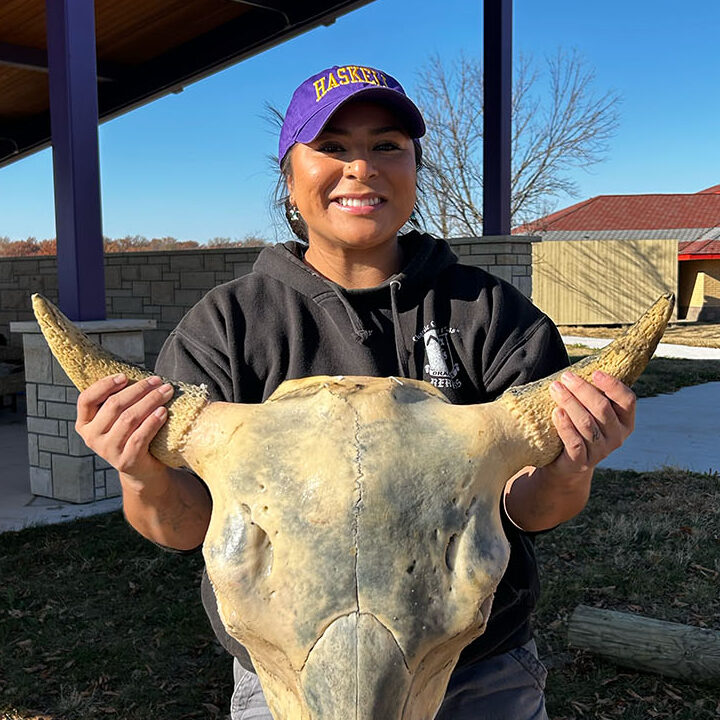
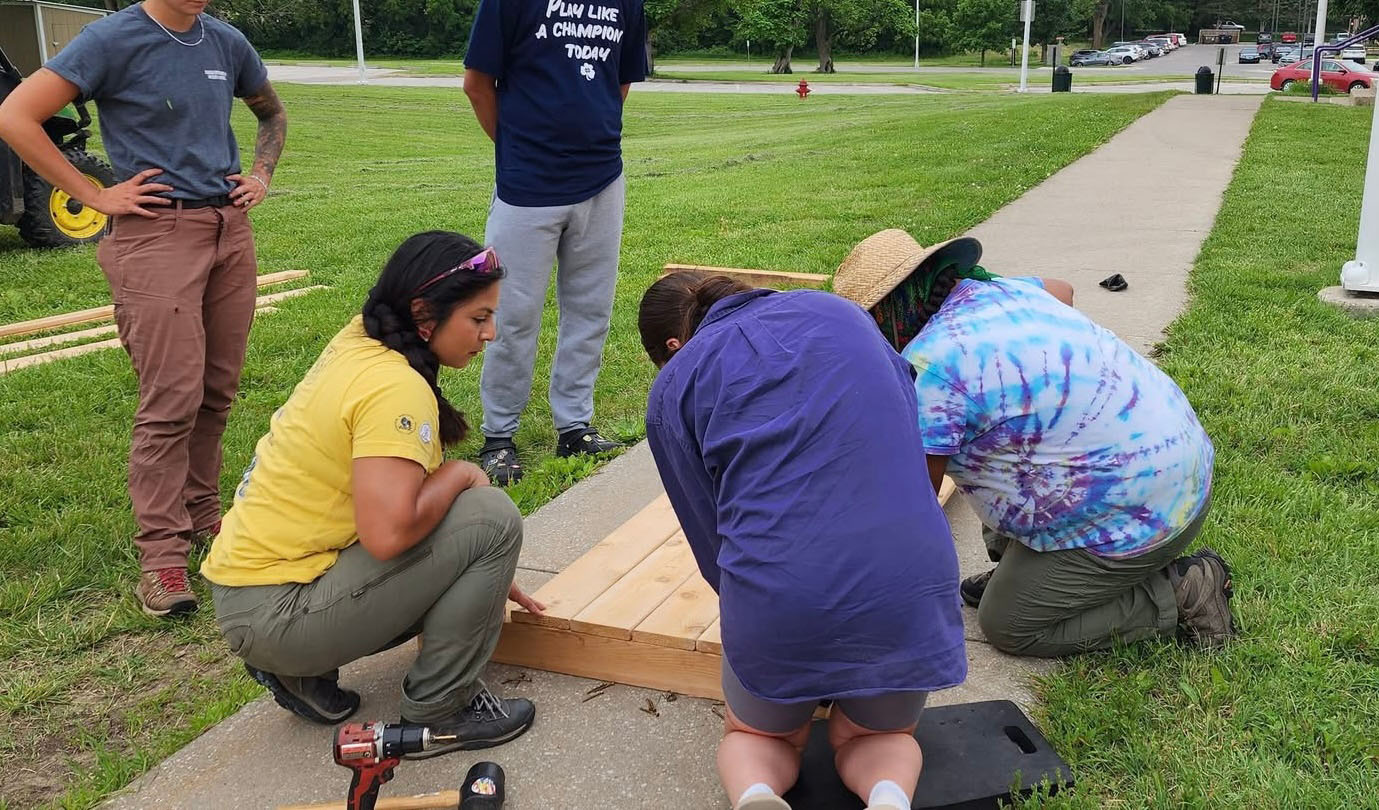
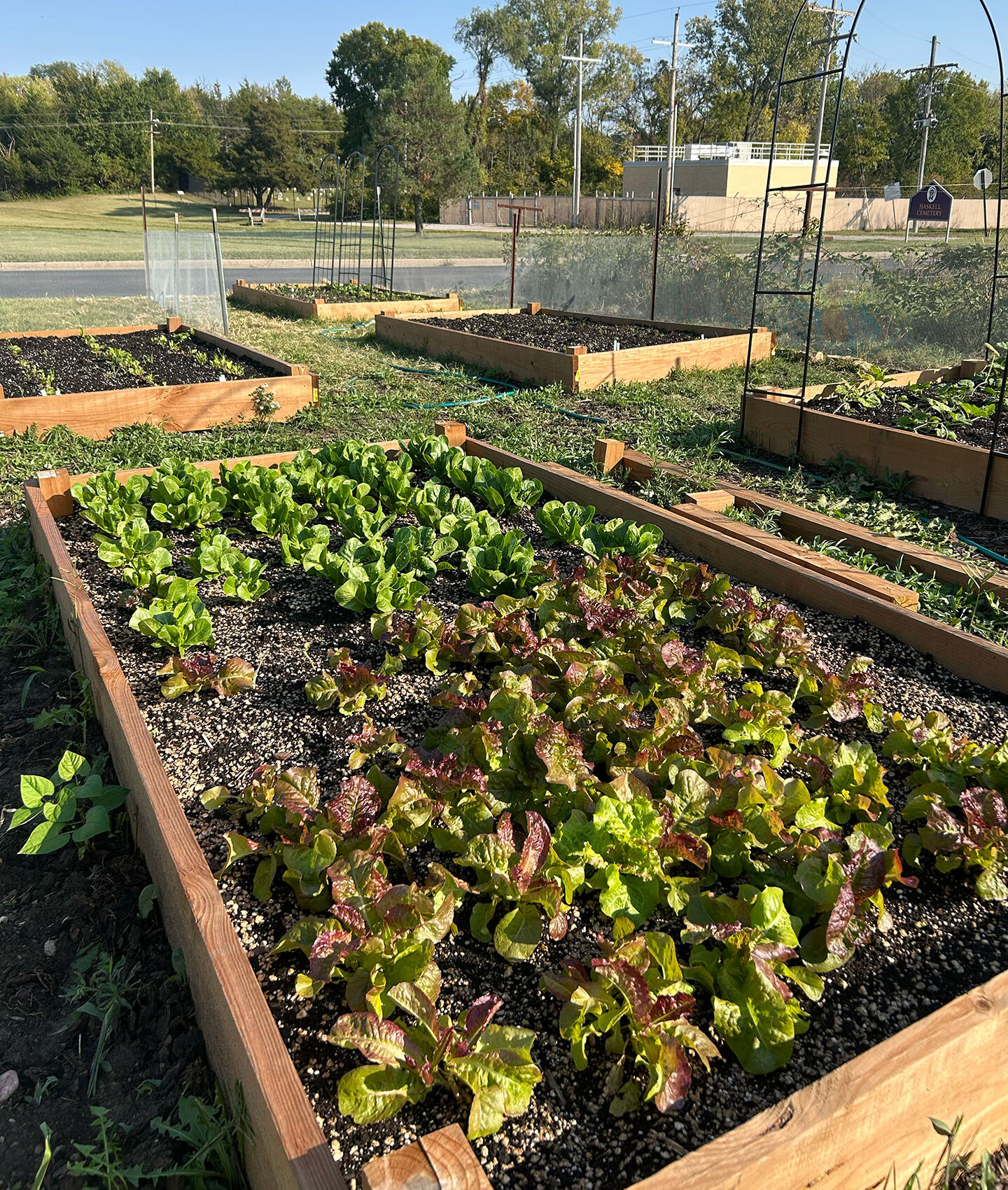
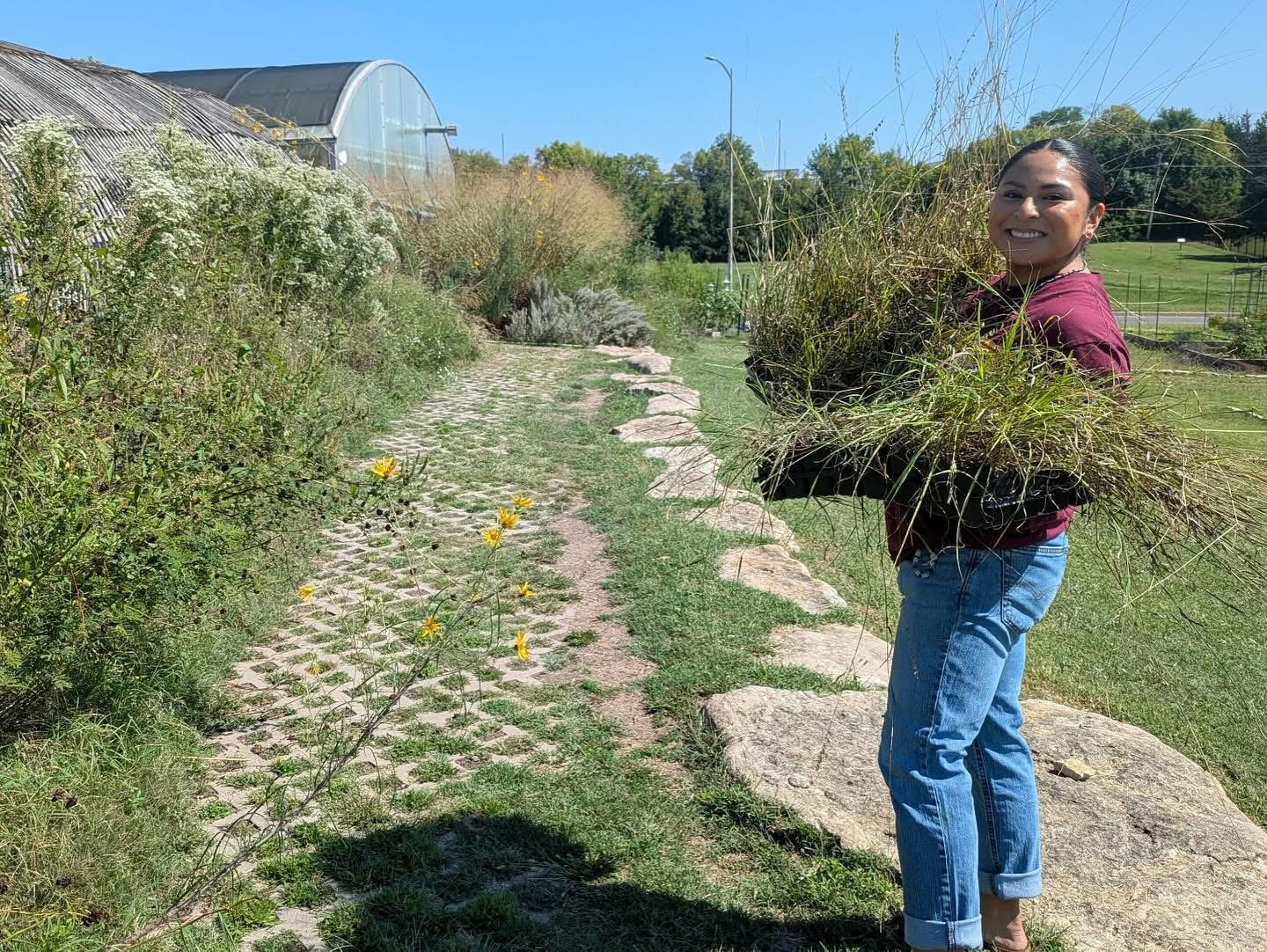
We came up with the idea of building raised garden beds near the dorms so students can easily access fresh foods and learn how to grow them themselves. Through support from the Haskell Greenhouse (funded through the USDA Equity Grant), we started building.
Last year was our first year doing this project and it was a learning experience as with many community-based projects, it comes with trial and error. However, that process taught us a lot about what works, what doesn’t, and how to build something more sustainable moving forward. This year, we’re continuing this work with stronger systems, more involvement, and a clearer vision.
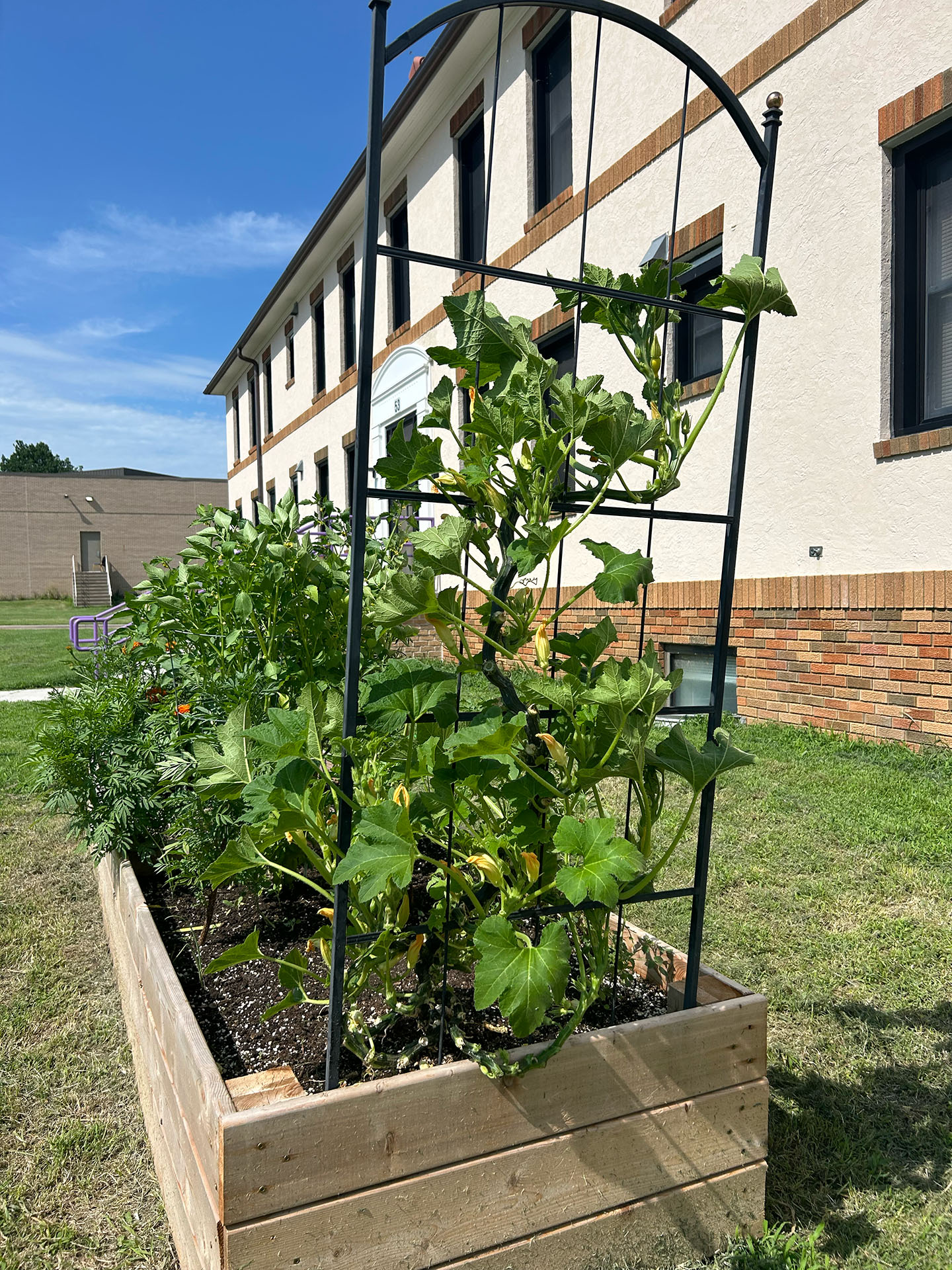
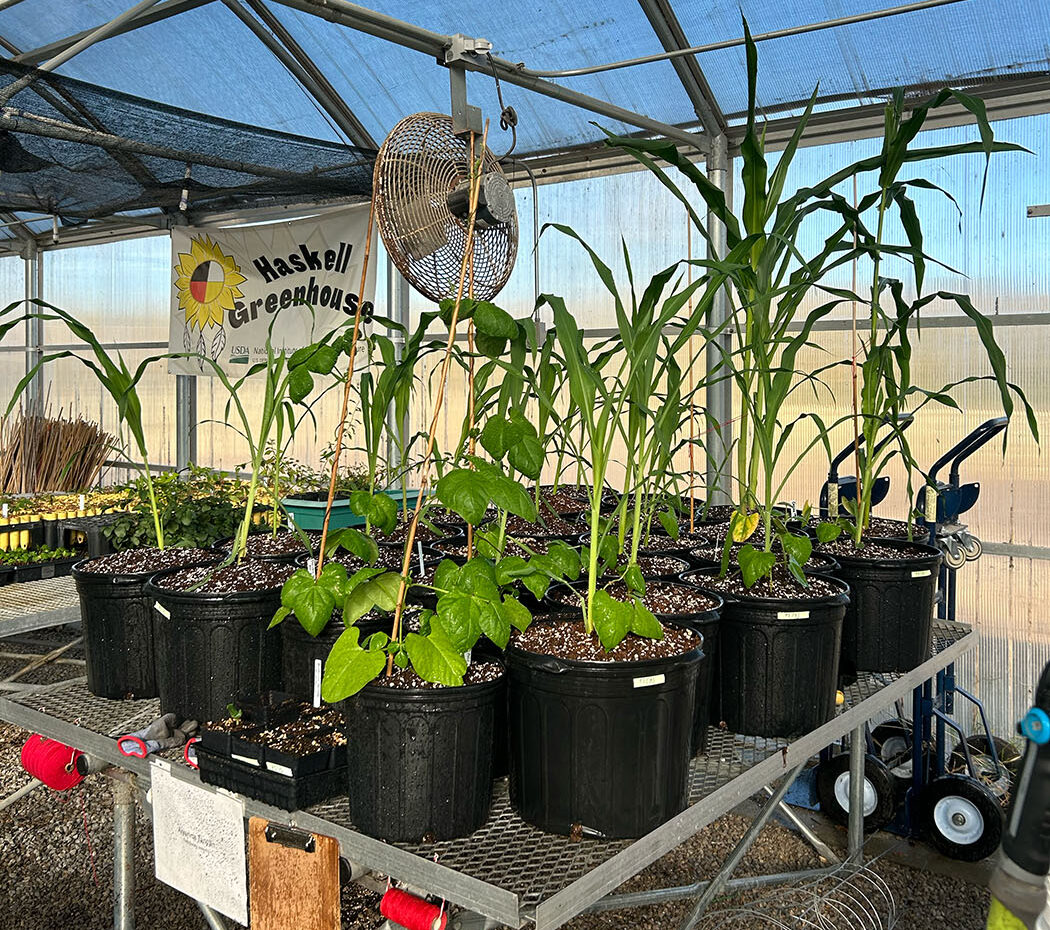
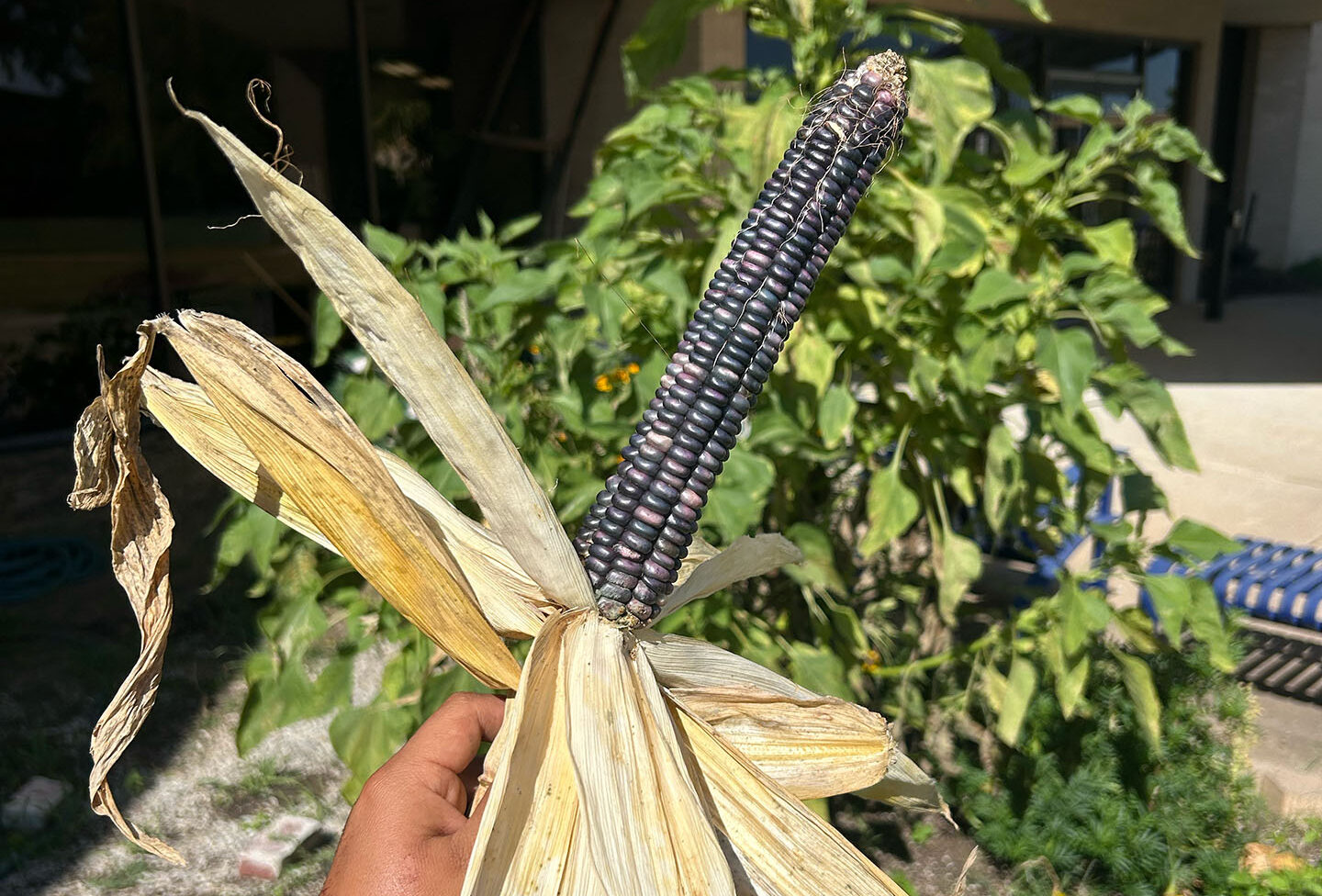
Everyone at the Haskell Greenhouse wants to help others learn, value, and view these spaces as places of teaching. I know they have taught me so much about responsibility and our relationship with the environment. Through these projects, we’re helping students reconnect with the land and understand the importance of food sovereignty for Indigenous communities. This work is ongoing, and we’re still learning. Every seed planted, and every workday shared brings us one step closer to a more sustainable and connected future.
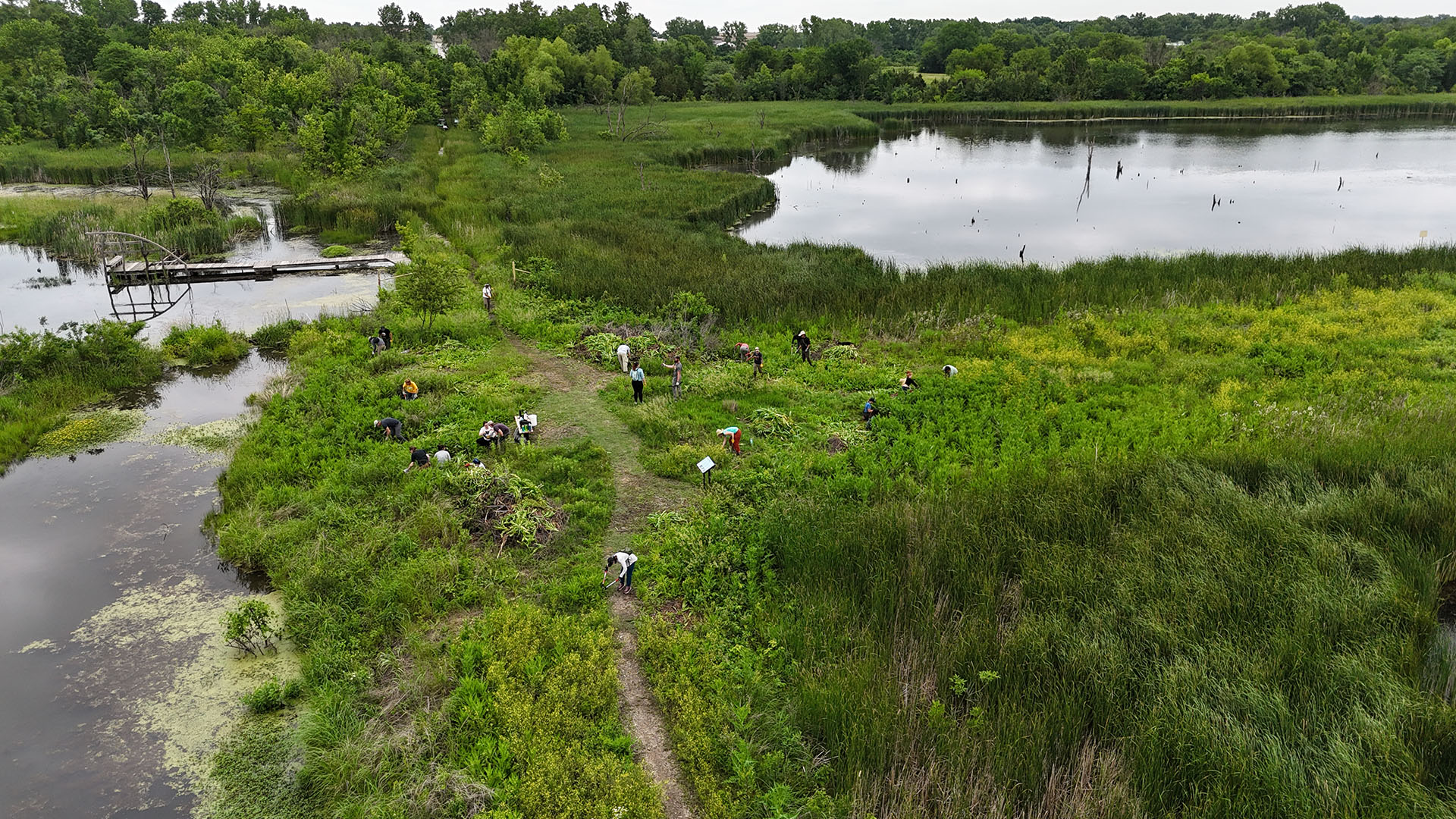
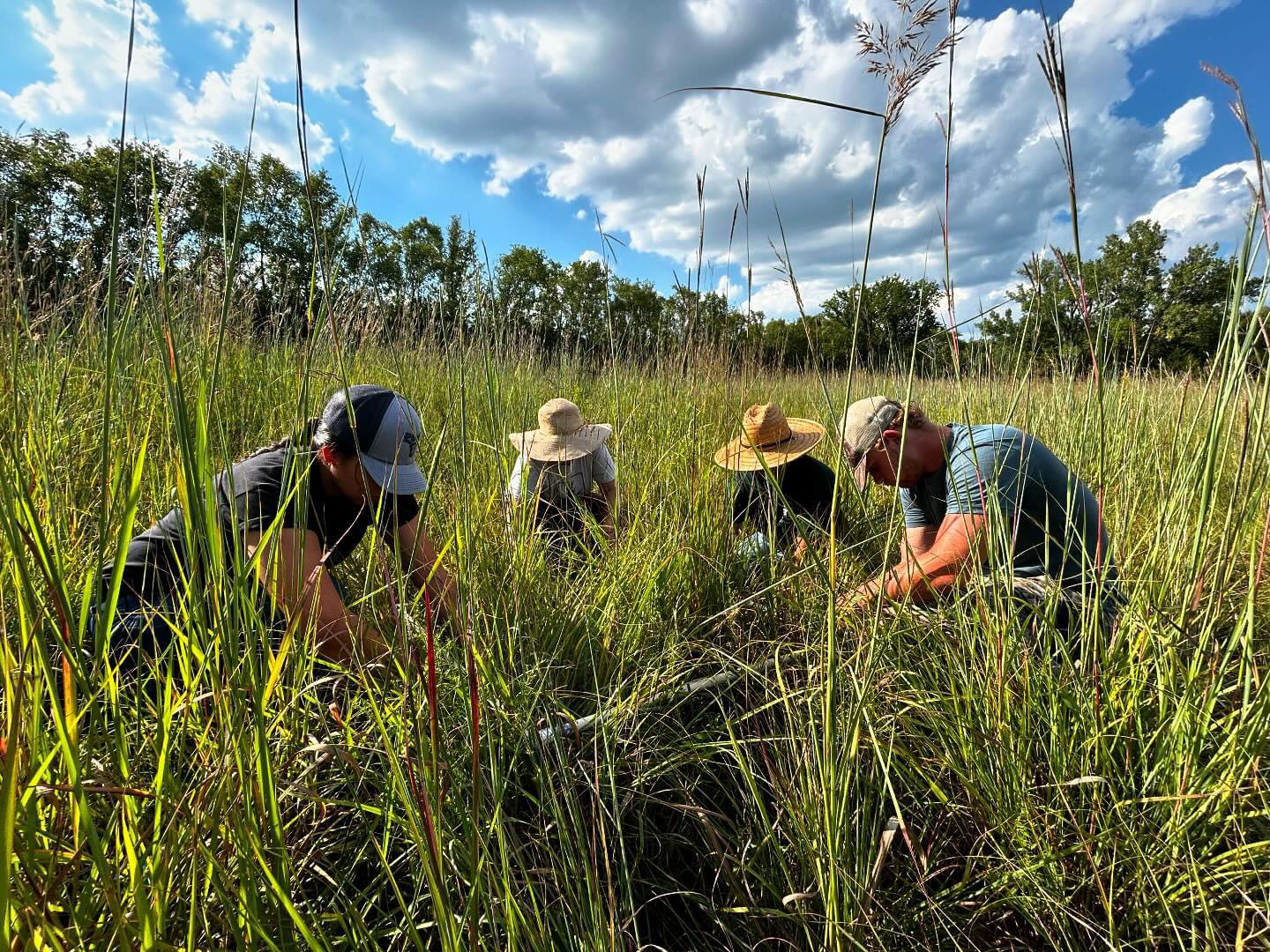
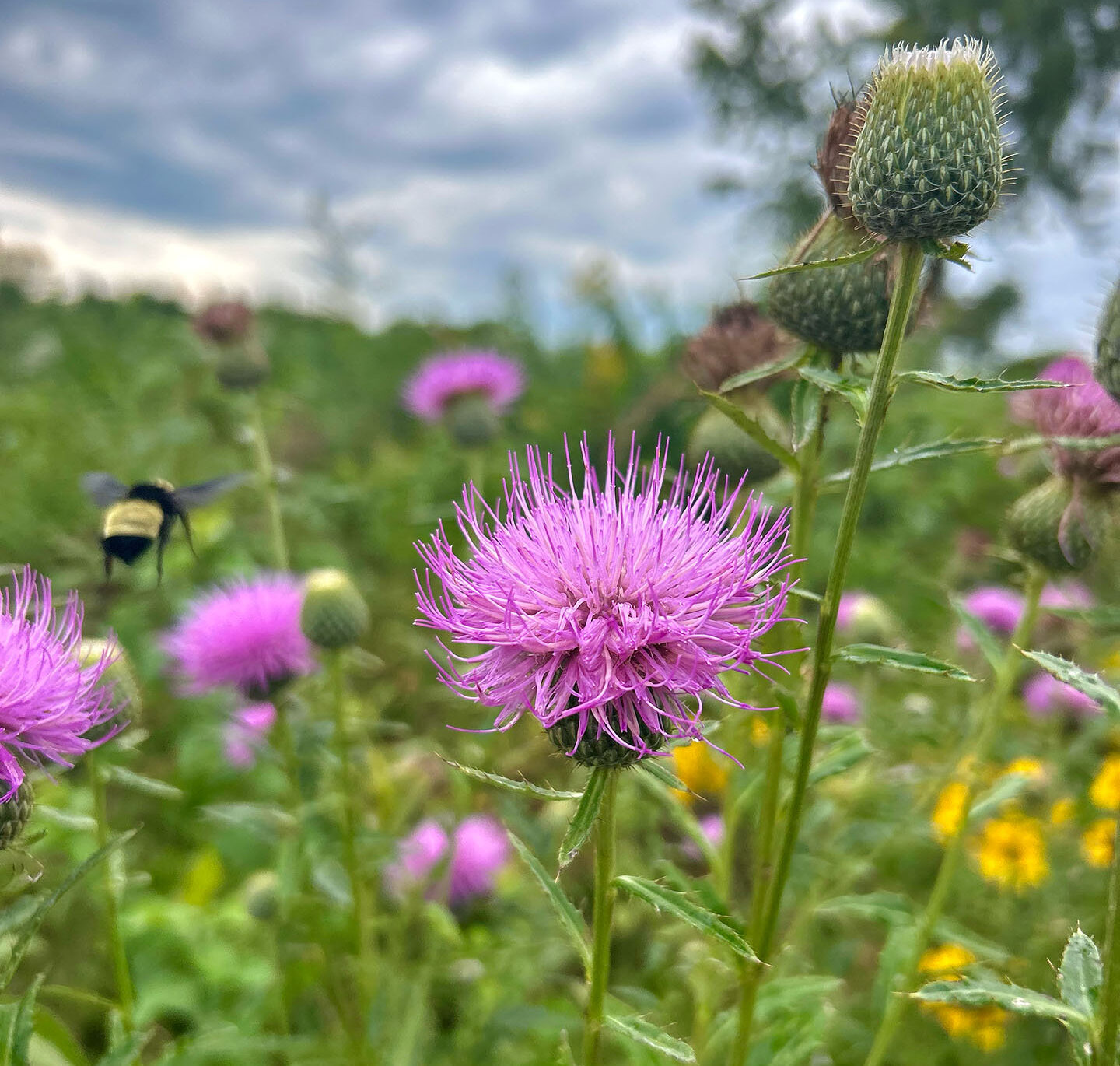
In Caring for Our Kin: Stories of Indigenous Environmental Stewardship, the College Fund shares the stories of Indigenous environmental leaders who are centering kinship and relational knowledge to build healthy ecological systems. These stories remind us that caring for the Earth means caring for one another—and that Indigenous knowledge systems continue to offer guidance, resilience, and hope for the future.
Learn more about our Environmental Stewardship Program.
Ekvnv Vcayecet. Mvto!
(Take care of the Earth/Land. Thank you)
More Blogs
An Urgent Message About the Flooding from Rick Williams
Please watch this urgent message from the American Indian College Fund President Richard B. Williams about the need for emergency relief to support tribal colleges, students, and tribal college communities during the epic flooding that has created disaster conditions.
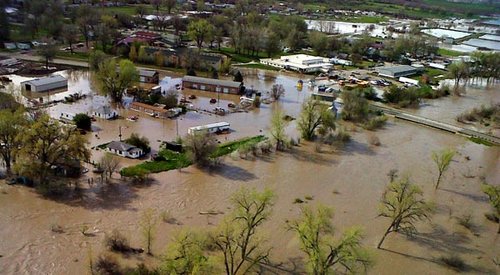
Flooding Disaster in Montana and North Dakota Impacts Tribal Colleges
Hundreds of American Indians have been displaced from their homes across Montana and North Dakota. Little Big Horn College in Eastern Montana, which serves the Crow Nation, and United Tribes Technical College in Bismarck, North Dakota are serving their hard-hit communities as the command centers for the disaster, providing shelter, food, and clothing to those in need.
The Hershey Company Grants $22,000 for Native student scholarships
The Hershey Company granted $22,000 to the American Indian College Fund (the Fund) for Native student scholarships. The gift will provide scholarships to Native or Native descendant students studying towards a degree in math, technology, science, engineering, and/or business, with preference given to students studying at colleges or universities in Pennsylvania, Tennessee, and Virginia.
Congratulations to Our American Indian Graduates!
Graduation time is upon us. All of us at the American Indian College Fund want to wish all of our graduating students the best in their new and hard-won future! As one donor, Joanne (Cherokee-Choctaw) of Utah, said, “How proud I am of the graduates–and the others struggling on through.
Two Spirit Endowment Honors Memory of Fred C. Martinez
Fred C. Martinez, a young Navajo man, was brutally murdered after deciding he didn’t want to choose between being a boy or a girl. Fred self-identified as a gay male, but also expressed the feminine aspect of his personality in his dress and self-presentation. In Navajo culture, this concept is known as nádleehí.
American Indian College Fund Honors David Kennedy in Portland, Oregon
On April 28th, many of the Fund’s long time donors, the Fund’s board of trustees, a contingent of Wieden + Kennedy employees, and prominent figures from Portland’s Native community came together to show David Kennedy their appreciation for his 20 years of rigorous support of the American Indian College Fund.
International Game Technology Awards $25,000 to The Fund for Native Scholarships
International Game Technology (NYSE: IGT), headquartered in Nevada, granted $25,000 to the American Indian College Fund (the Fund) to support Native scholarships. The gift will provide scholarships to Native students studying at 36 tribal colleges and universities across the United States.
Native student intern bloggers sought for summer!
Are you a Native student working at an internship this summer? What: You will be paid $10 per blog entry during the summer (5 entries per week at $50). The entries must be a minimum of three paragraphs and relevant to what you are learning on your internship.
The Coca-Cola Foundation and The Fund Honor 36 Coca-Cola First Generation Scholarship Winners
The Coca Cola Foundation and the American Indian College Fund honored 36 American Indian scholarship recipients at its 2010-11 Coca-Cola First Generation Scholarship banquet at the American Indian Higher Education Consortium Student Conference in Bismarck, North Dakota.
Fund Announces Tribal College President and 33 Tribal College Students of the Year
The American Indian College Fund honored 33 American Indian scholarship recipients at its 2010-11 Student of the Year reception at the American Indian Higher Education Consortium Student Conference in Bismarck, North Dakota.