
Planting the Seeds of Cultural Sustainability
April 22, 2026 | Student Ambassador Aiyanna Tanyan’s (Seminole Nation of Oklahoma) work to reclaim food sovereignty
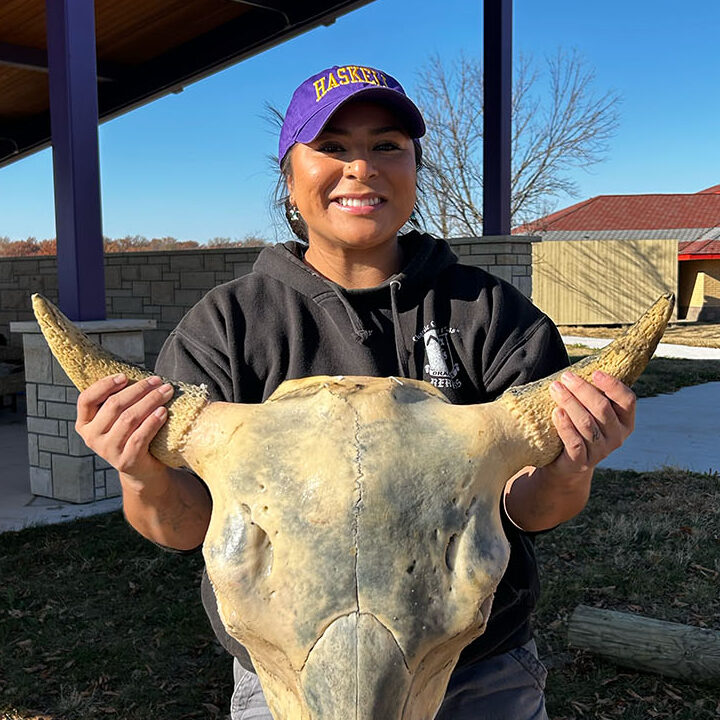
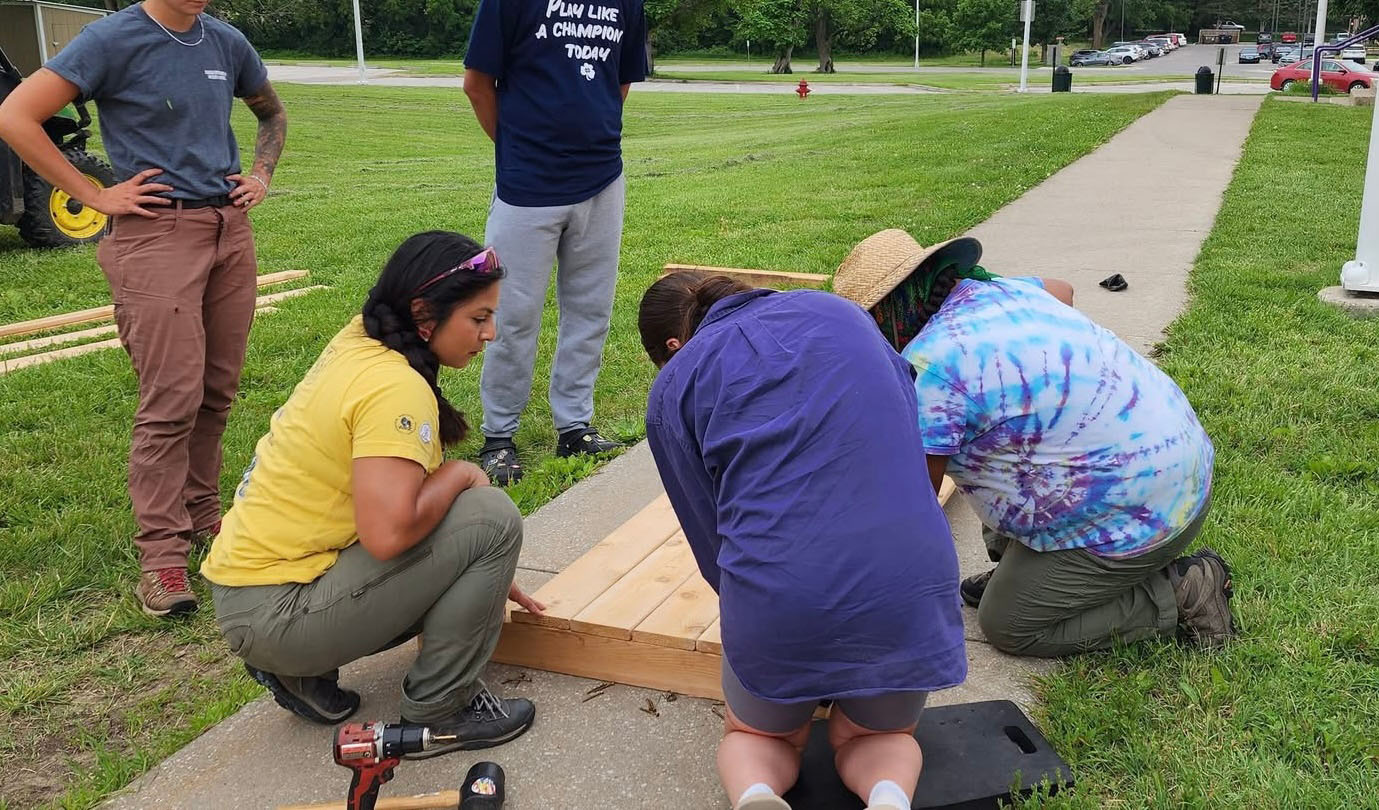
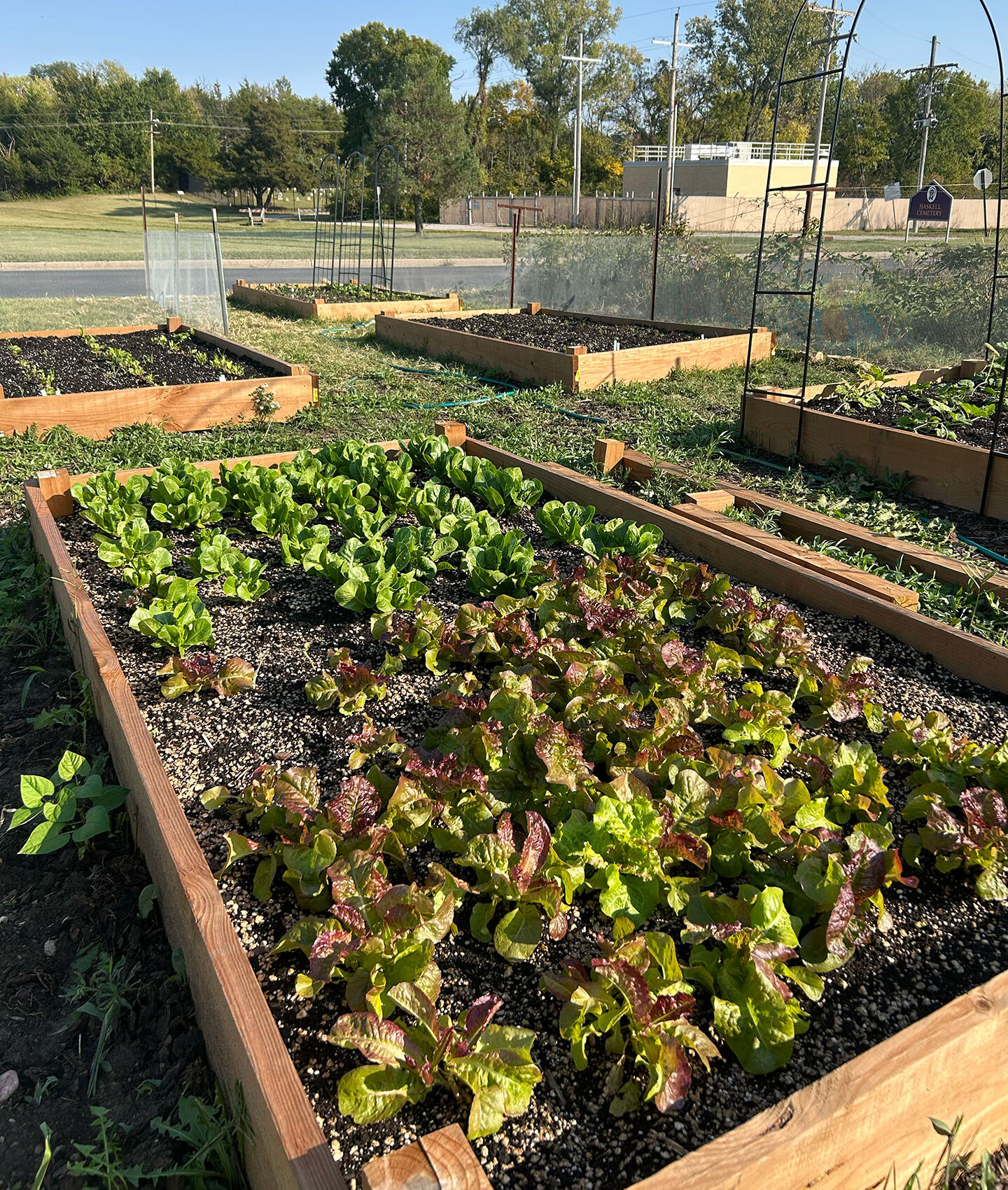
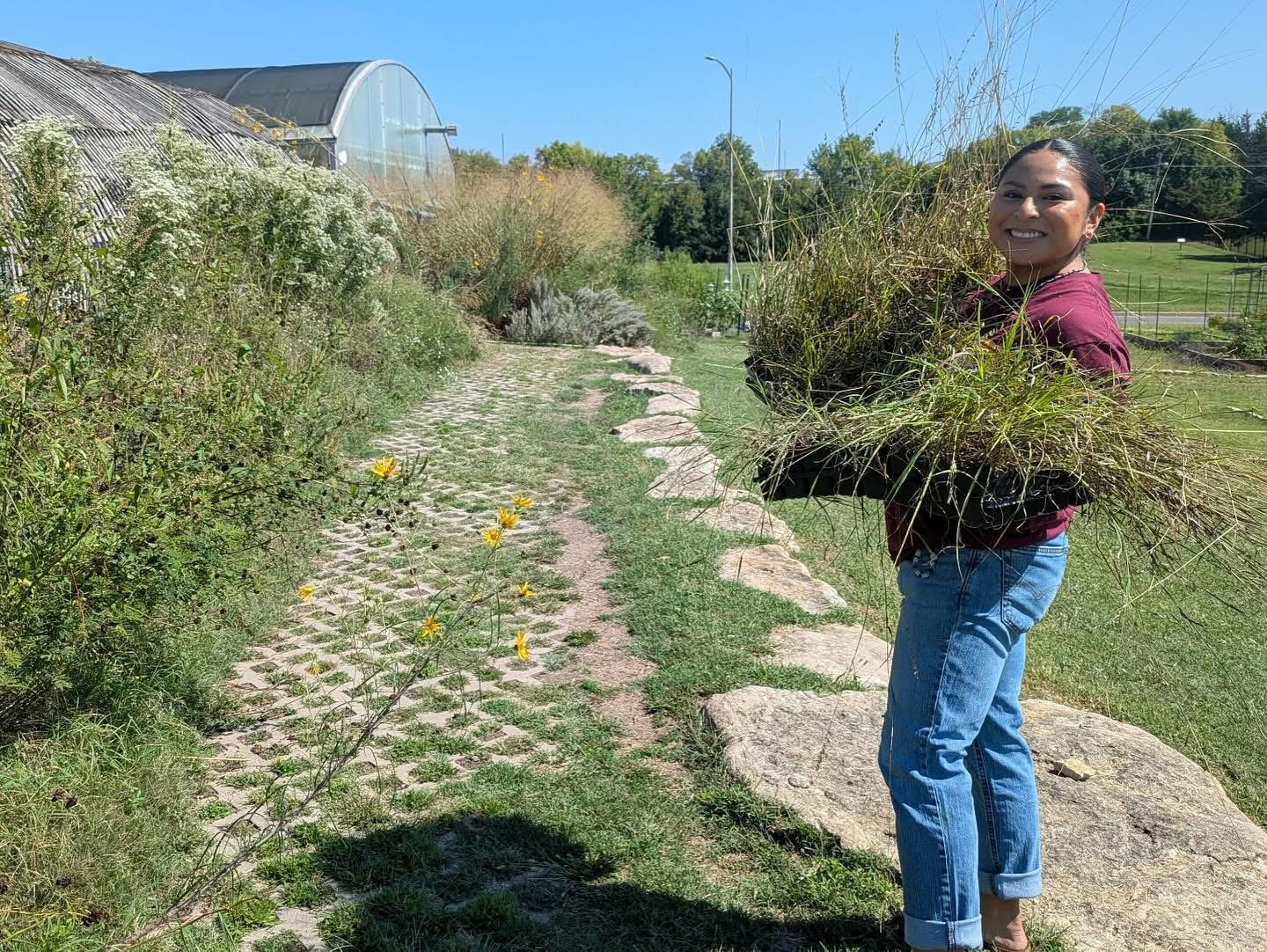
We came up with the idea of building raised garden beds near the dorms so students can easily access fresh foods and learn how to grow them themselves. Through support from the Haskell Greenhouse (funded through the USDA Equity Grant), we started building.
Last year was our first year doing this project and it was a learning experience as with many community-based projects, it comes with trial and error. However, that process taught us a lot about what works, what doesn’t, and how to build something more sustainable moving forward. This year, we’re continuing this work with stronger systems, more involvement, and a clearer vision.
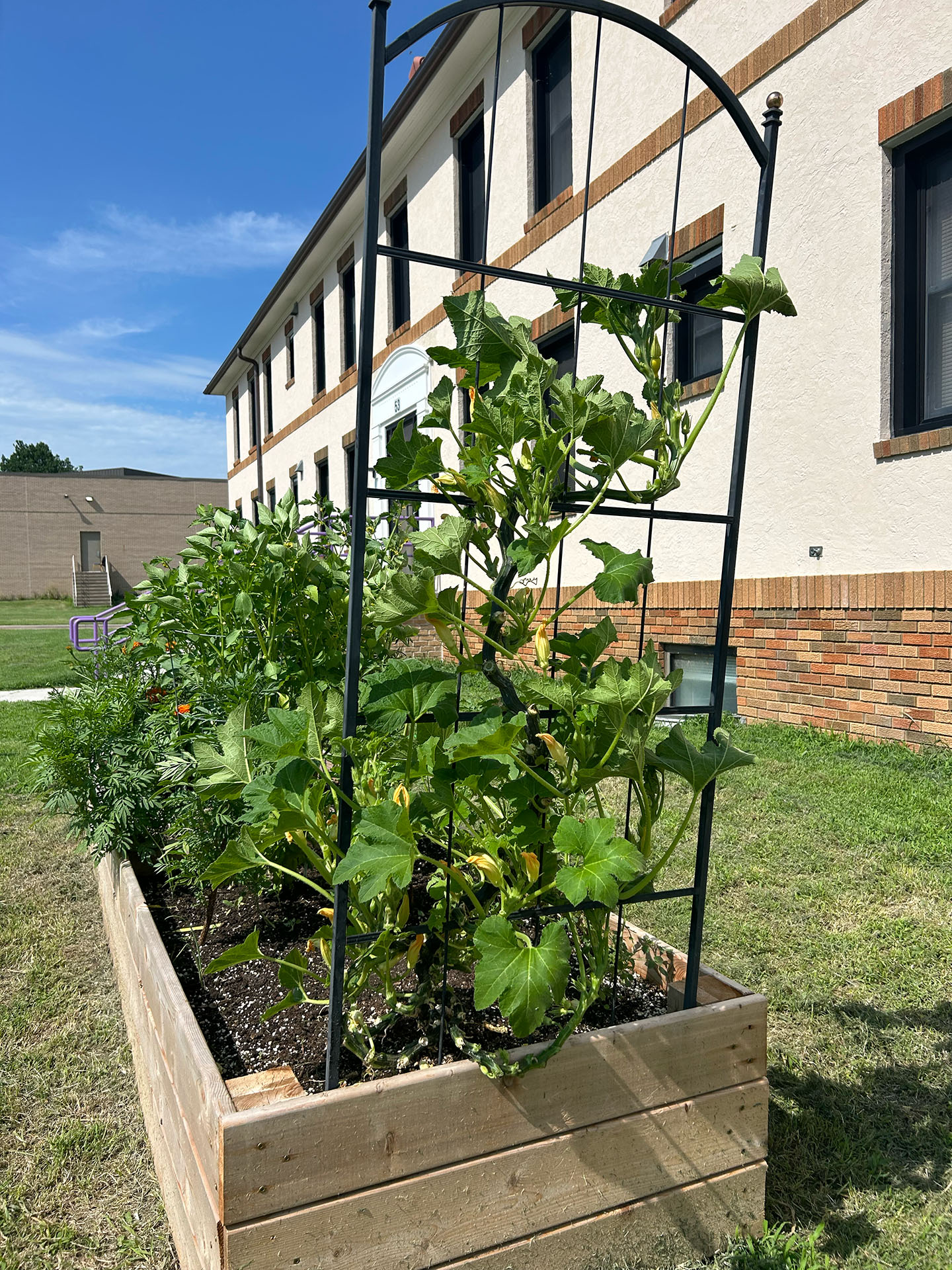
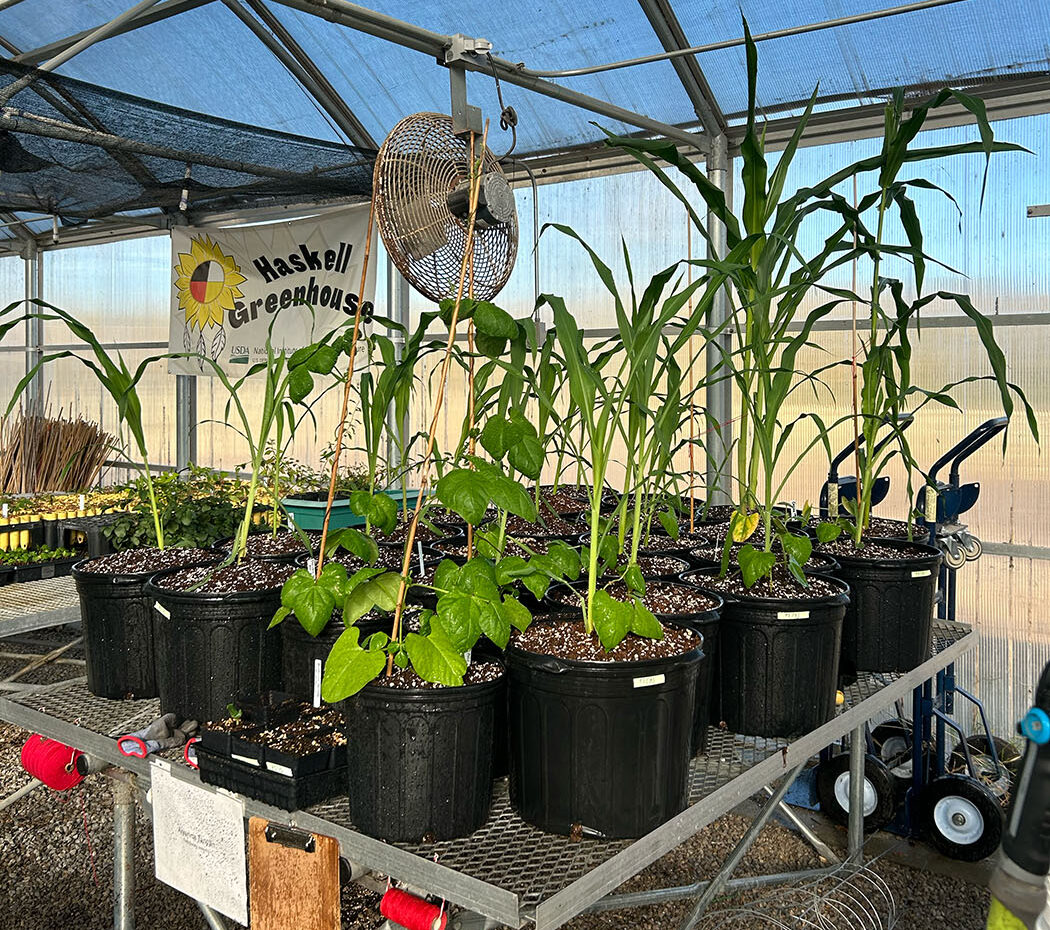
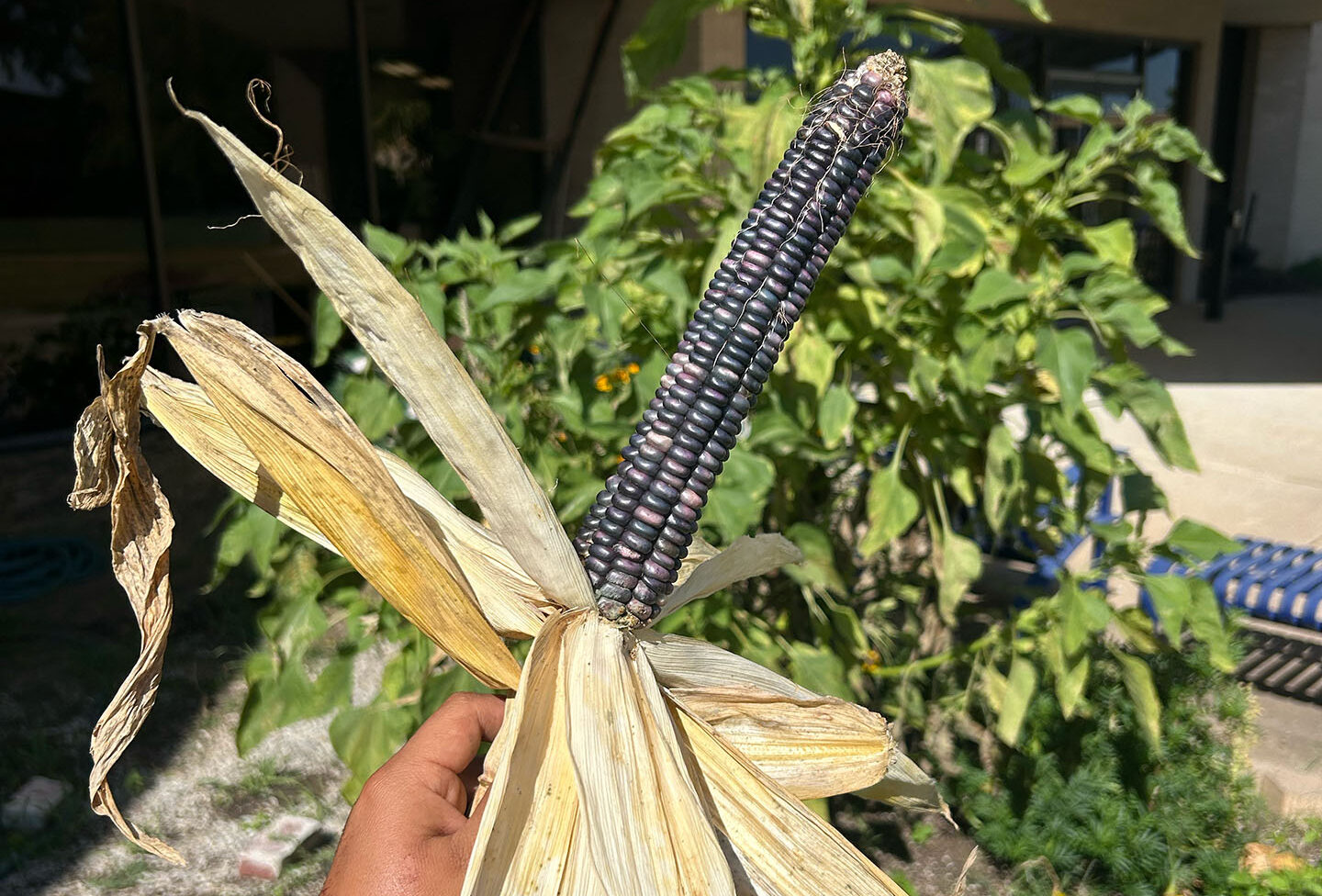
Everyone at the Haskell Greenhouse wants to help others learn, value, and view these spaces as places of teaching. I know they have taught me so much about responsibility and our relationship with the environment. Through these projects, we’re helping students reconnect with the land and understand the importance of food sovereignty for Indigenous communities. This work is ongoing, and we’re still learning. Every seed planted, and every workday shared brings us one step closer to a more sustainable and connected future.
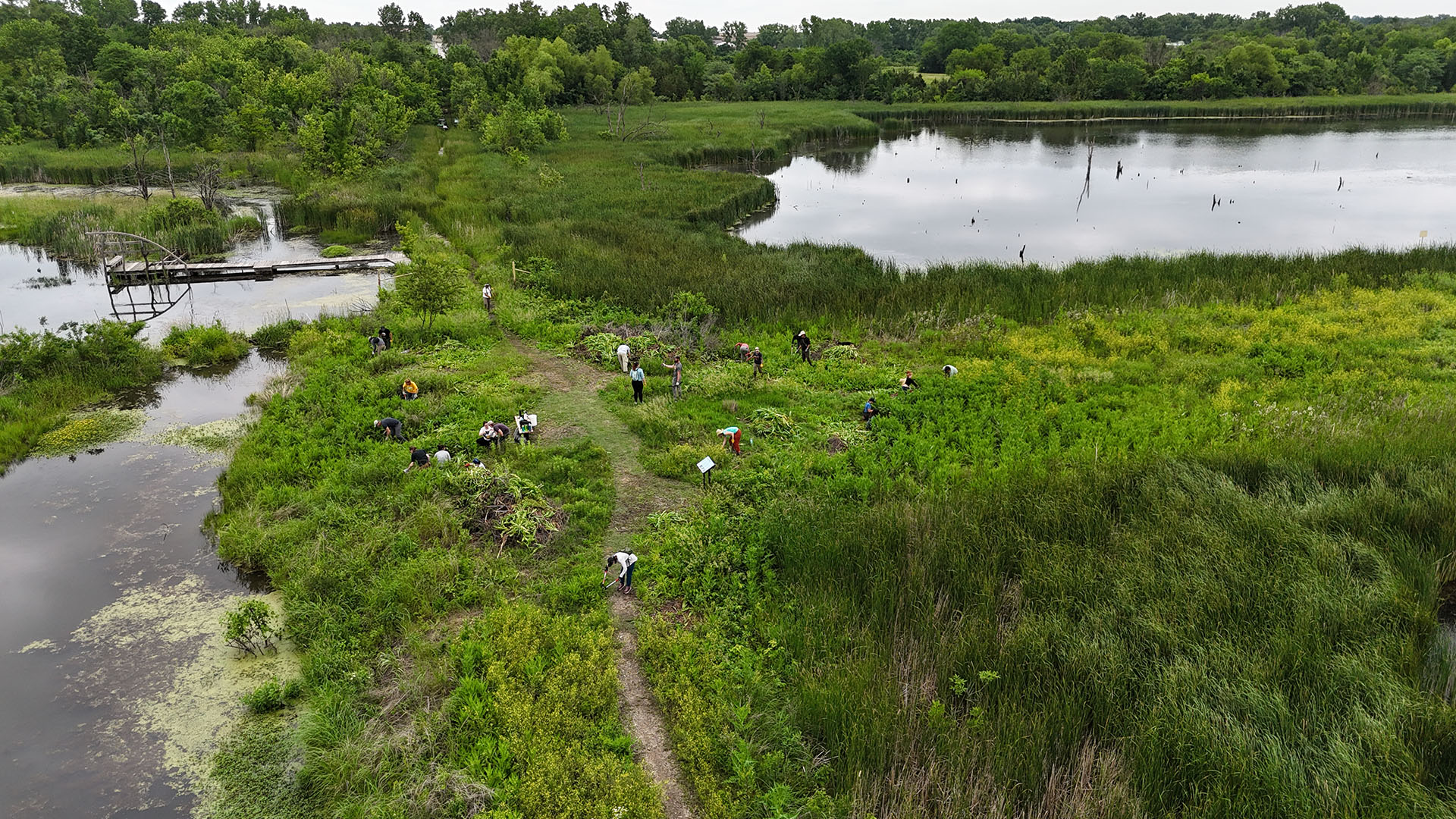
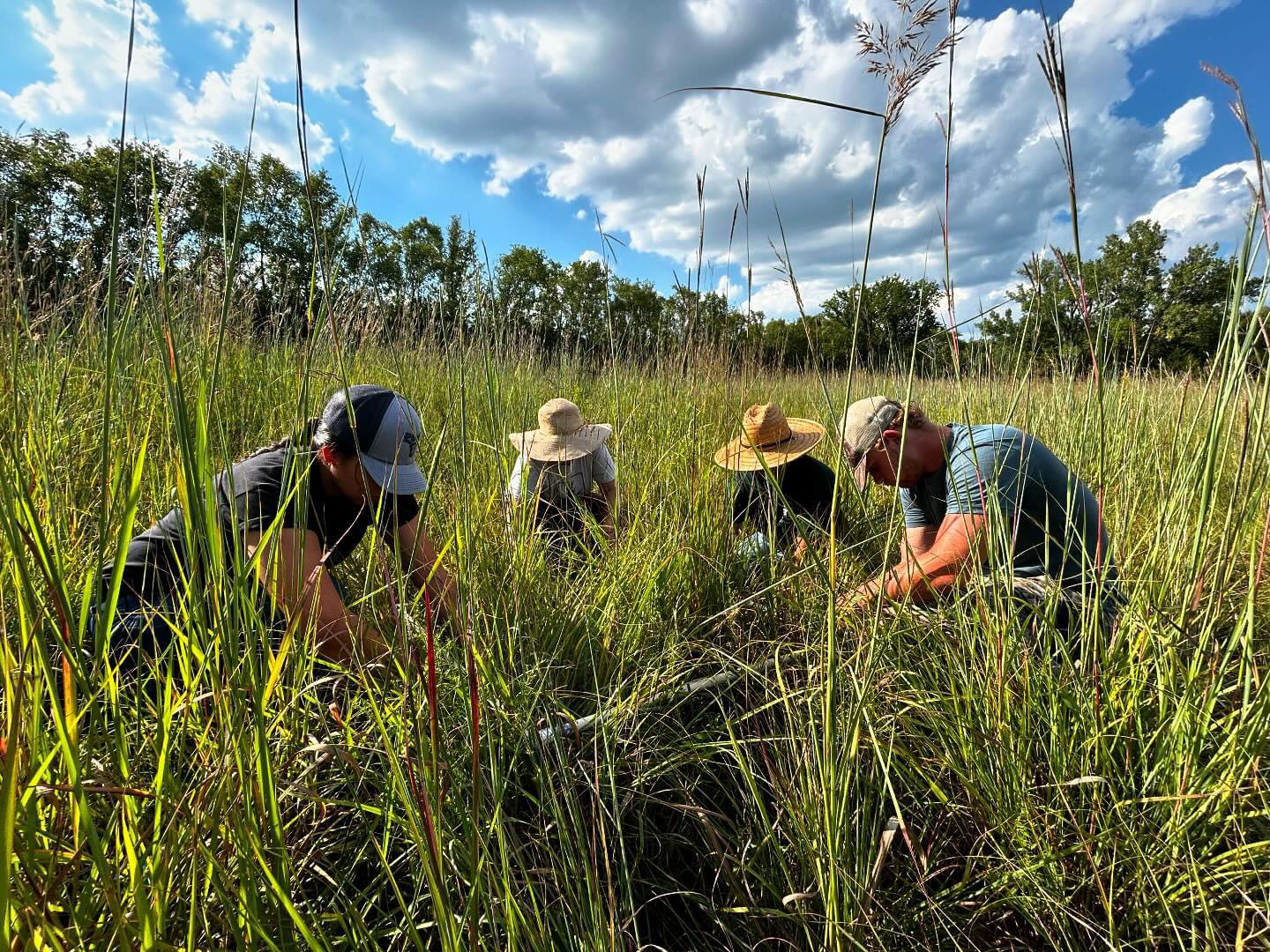
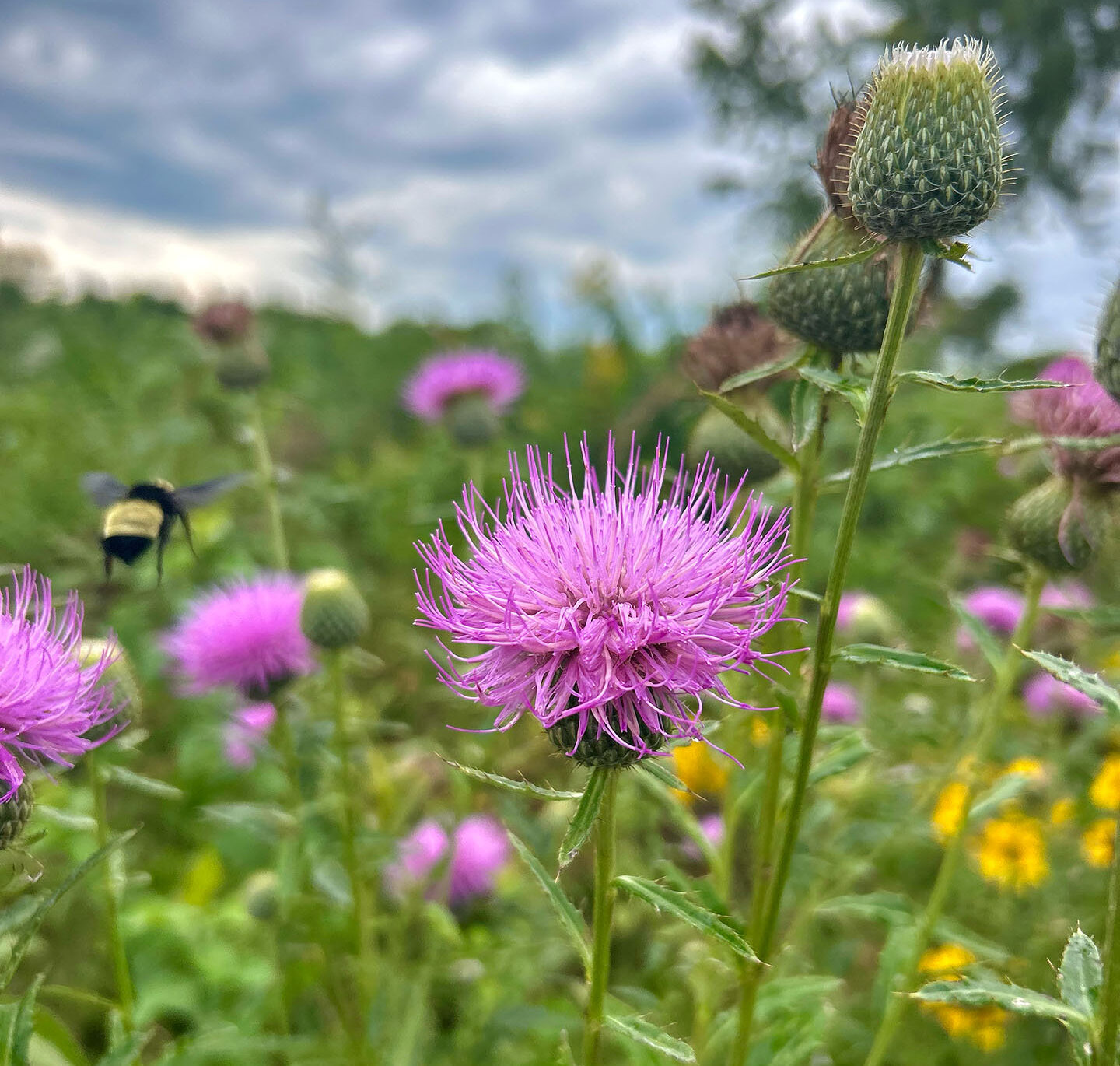
In Caring for Our Kin: Stories of Indigenous Environmental Stewardship, the College Fund shares the stories of Indigenous environmental leaders who are centering kinship and relational knowledge to build healthy ecological systems. These stories remind us that caring for the Earth means caring for one another—and that Indigenous knowledge systems continue to offer guidance, resilience, and hope for the future.
Learn more about our Environmental Stewardship Program.
Ekvnv Vcayecet. Mvto!
(Take care of the Earth/Land. Thank you)
More Blogs
Sitting Bull College Lassos the Wind
Sitting Bull College (SBC) has initiated a one-semester long, 16-credit certificate program to meet the growing need in North Dakota for skilled workers in the wind energy field. Located on the windy Great Plains of southern North Dakota, SBC is perfectly situated, according to Dr. Koreen Ressler, vice president of academics.
Young Boy Plays Santa for Native Education
Typically at this time of year, little boys and girls are penning their letters to Santa Claus about the things they hope to discover under the Christmas tree. But Samuel, a young boy from New York State, is different. Instead of hoping to receive, he is giving to those in need.
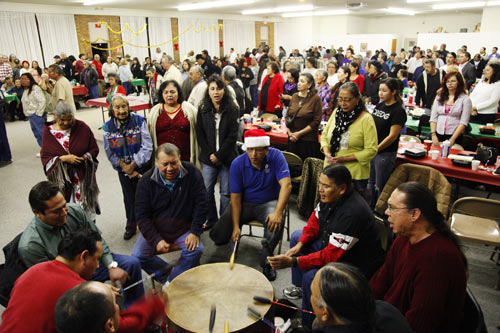
2010 American Indian Elders Dinner A Success
The Fund served up a feast for Native elders, including roast buffalo, green beans, mashed potatoes, fry bread, and posole. Traditional Native entertainment included Native flute, drumming and singing, and a special appearance by Santa Claus, who distributed goodie bags and hams to the crowd. Drawings were also held for a variety of door prizes.
The Agua Fund Grants $10,000 to American Indian College Fund
The American Indian College Fund (the Fund) received a $10,000 grant from the Agua Fund for scholarships for students who are members of Ute tribes pursuing an education at tribal colleges and universities.
APS Foundation Grants $100,000 for Arizona Public Service Navajo Scholars Program
The American Indian College Fund received a grant of $100,000 from the APS Foundation, the charitable giving arm of Arizona Public Service, a leading producer of electric power in the southwest.
Kalliopeia Foundation Grants American Indian College Fund $80,000
The Kalliopeia Foundation has announced it is granting the American Indian College Fund $80,000 over a period of two years, with $30,000 for scholarships each year plus $10,000 for operating support per year. A supporter of the Fund since 2004, the foundation has focused on providing scholarships for tribal college students pursuing a teaching degree with the intent to serve as American Indian language instructors.
The Castle Rock Foundation Grants $34,000 for Student of the Year Program
The Denver-based Castle Rock Foundation has announced it will renew a pledge of $34,000 for the 2011 American Indian College Fund Student of the Year award. Under the program, one outstanding student from each of the accredited 33 tribal colleges and universities in the United States will receive a $1,000 scholarship check for tuition, fees, room and board, books or other educational needs.
The Jana Foundation Grants $10,000 to American Indian College Fund
The American Indian College Fund received a $10,000 grant from the New York-based Jana Foundation for scholarships for American Indian students pursuing an education at tribal colleges and universities.
Cobell Settlement Passes Congress
The American Indian College Fund is delighted at the news that Congress passed Cobell settlement, and about the creation of the $60 million Indian Education Scholarship Holding Fund. By including this provision in the settlement, the Plaintiffs in the case have reinforced the value of education in Indian Country while providing hope for a better future for many American Indian people.
The L.P. Brown Foundation Grants the American Indian College Fund $15,000 for Scholarships
The L.P. Brown Foundation has granted the American Indian College Fund $15,000 for scholarships. The grant will support qualified American Indian students who show academic achievement and involvement in their communities by providing financial resources to encourage them to complete a college degree. With an education, students can build a better life for themselves, their families, and make valuable contributions to their communities and nation.