
Planting the Seeds of Cultural Sustainability
April 22, 2026 | Student Ambassador Aiyanna Tanyan’s (Seminole Nation of Oklahoma) work to reclaim food sovereignty
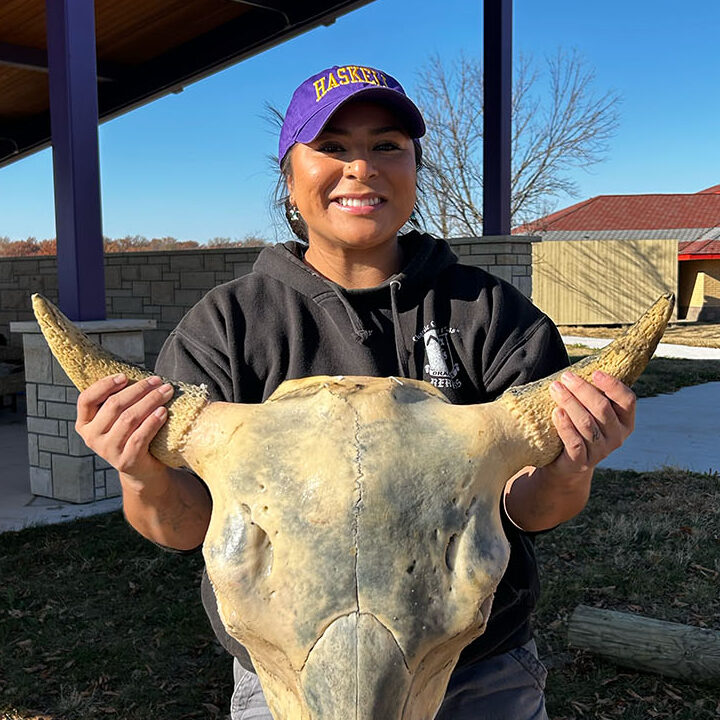
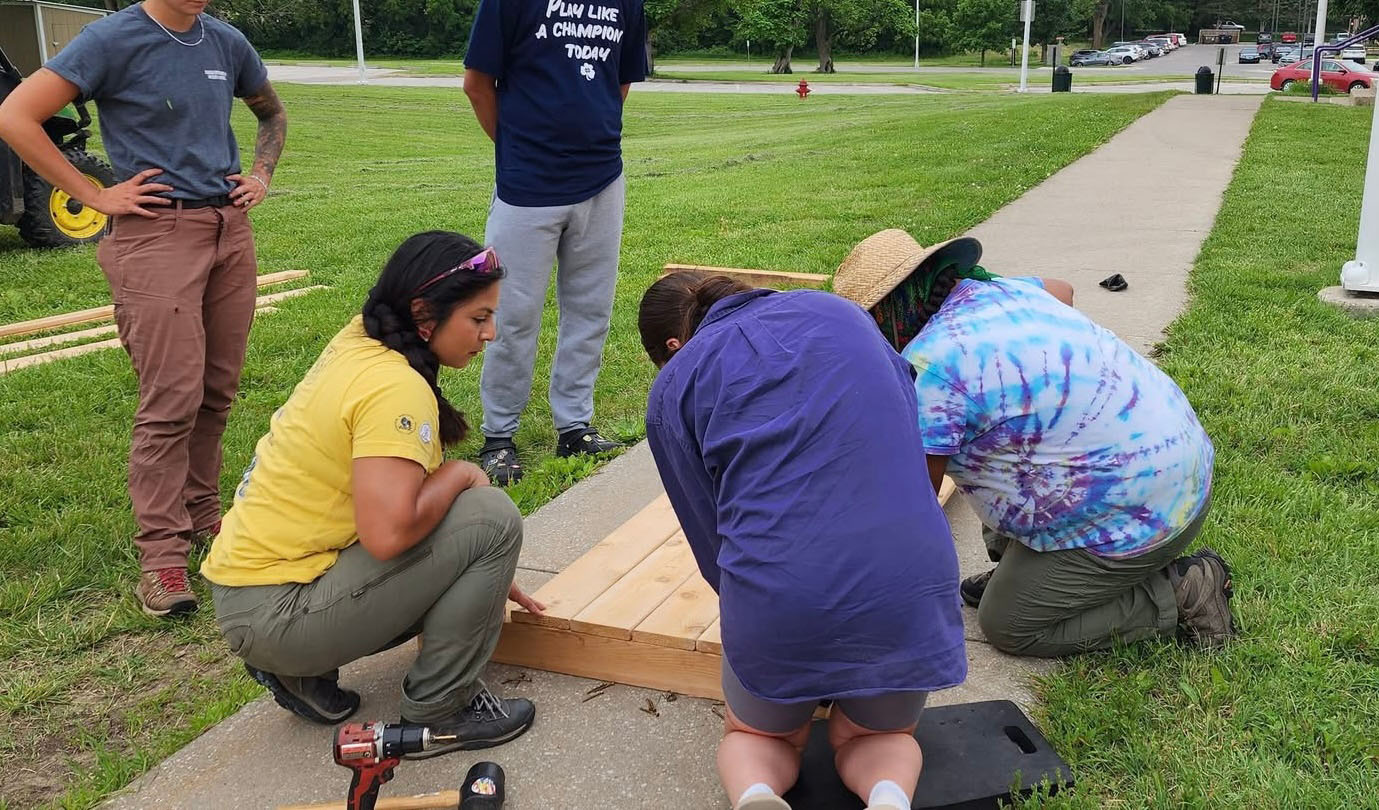
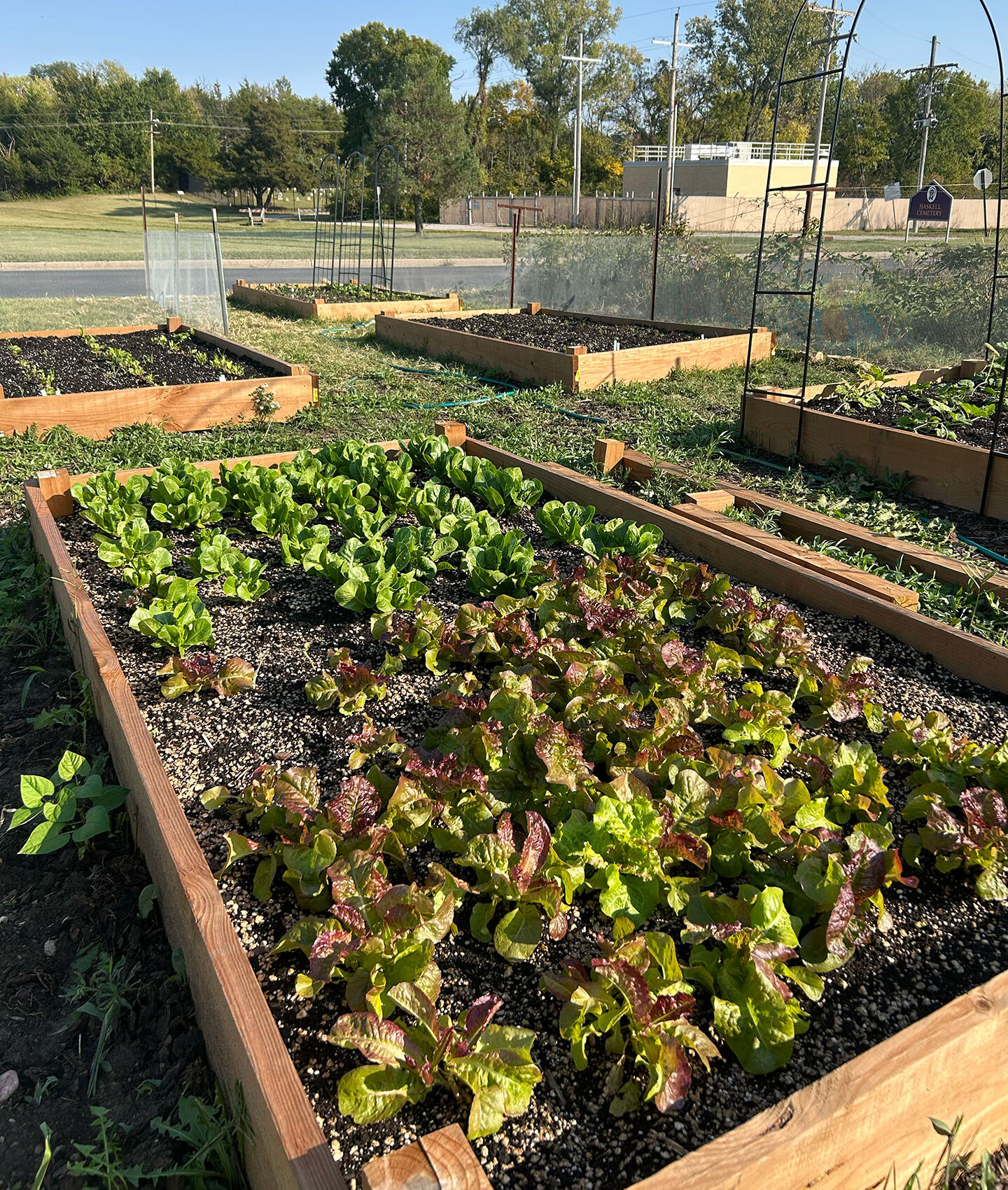
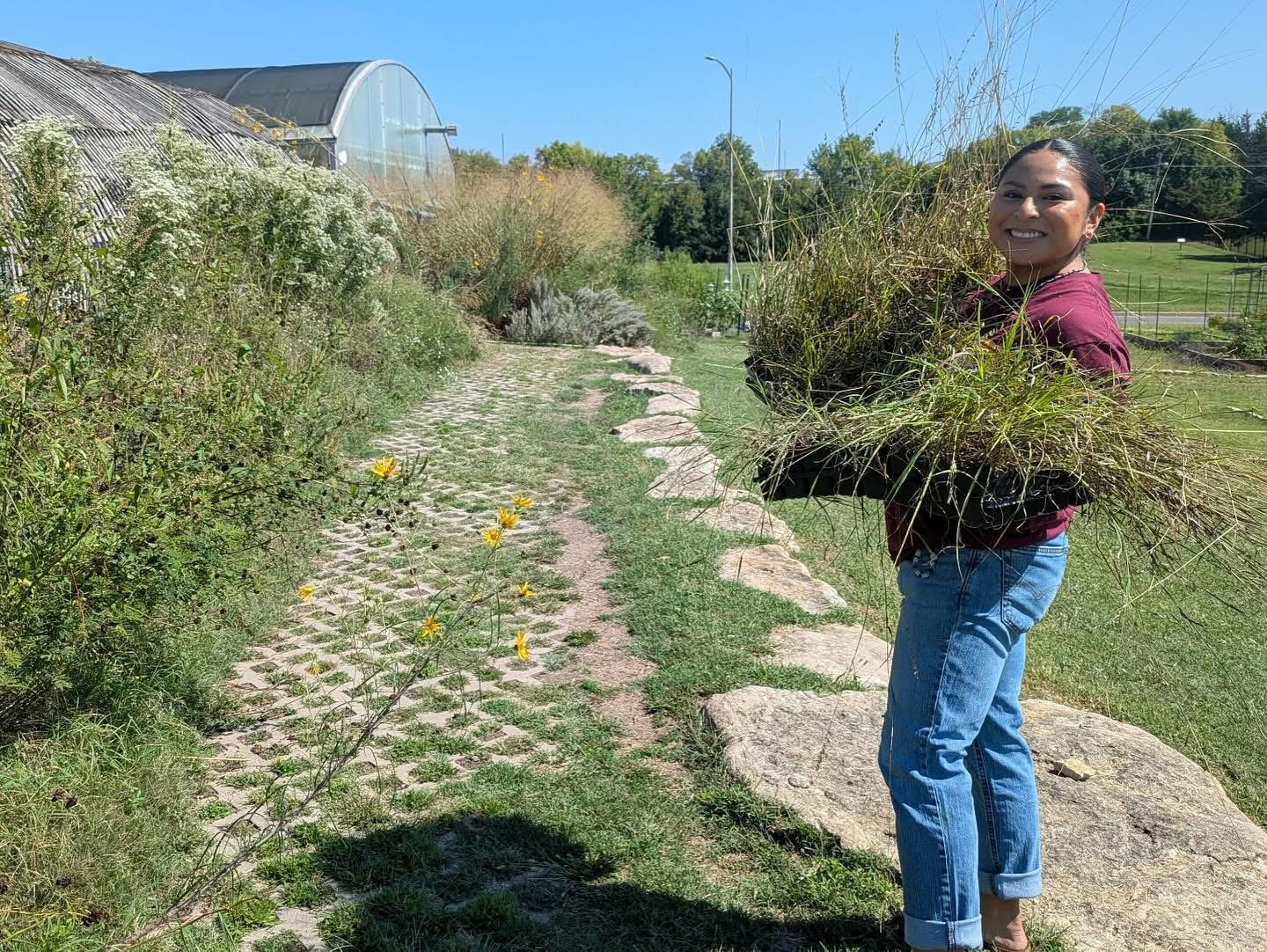
We came up with the idea of building raised garden beds near the dorms so students can easily access fresh foods and learn how to grow them themselves. Through support from the Haskell Greenhouse (funded through the USDA Equity Grant), we started building.
Last year was our first year doing this project and it was a learning experience as with many community-based projects, it comes with trial and error. However, that process taught us a lot about what works, what doesn’t, and how to build something more sustainable moving forward. This year, we’re continuing this work with stronger systems, more involvement, and a clearer vision.
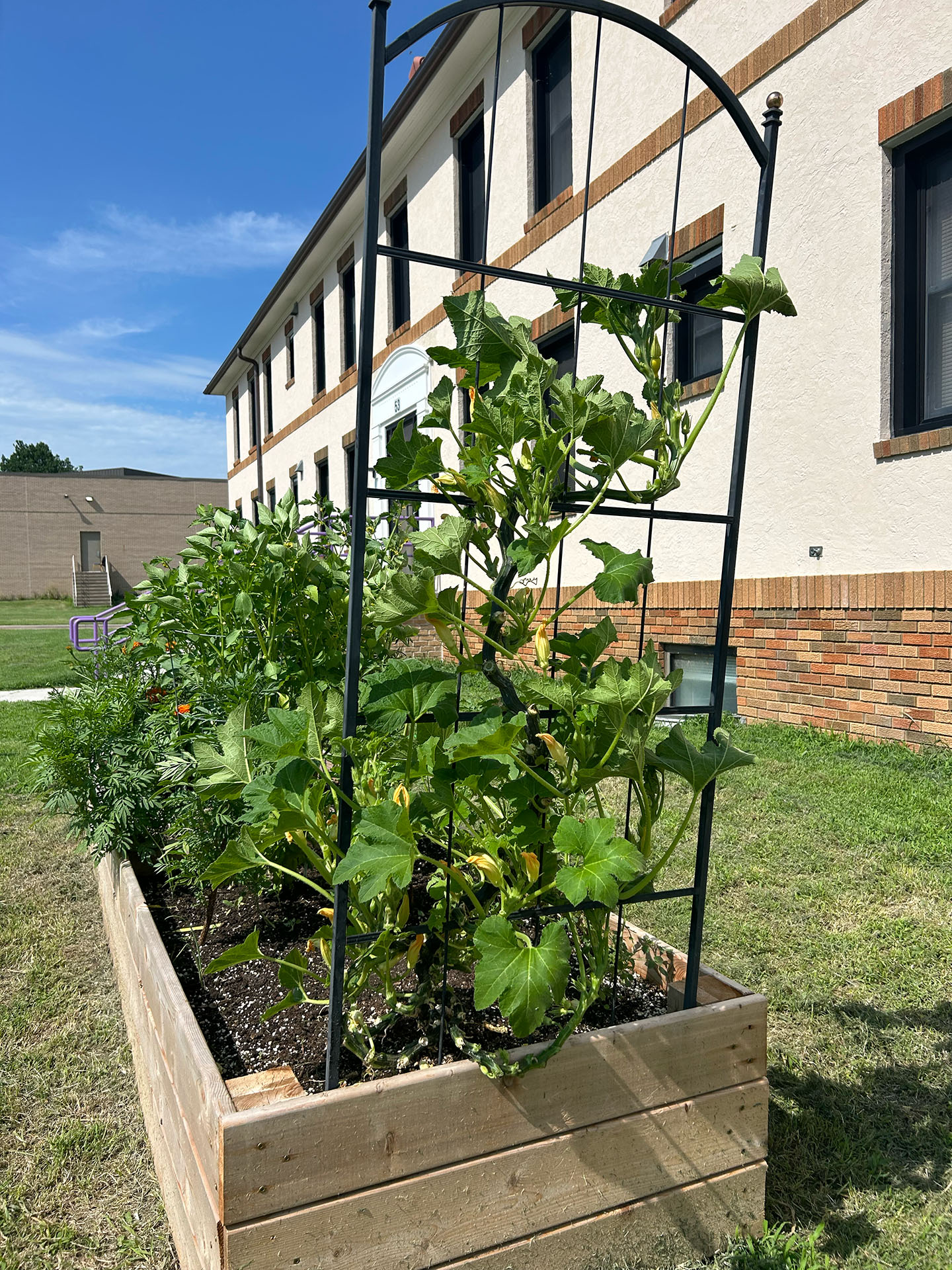
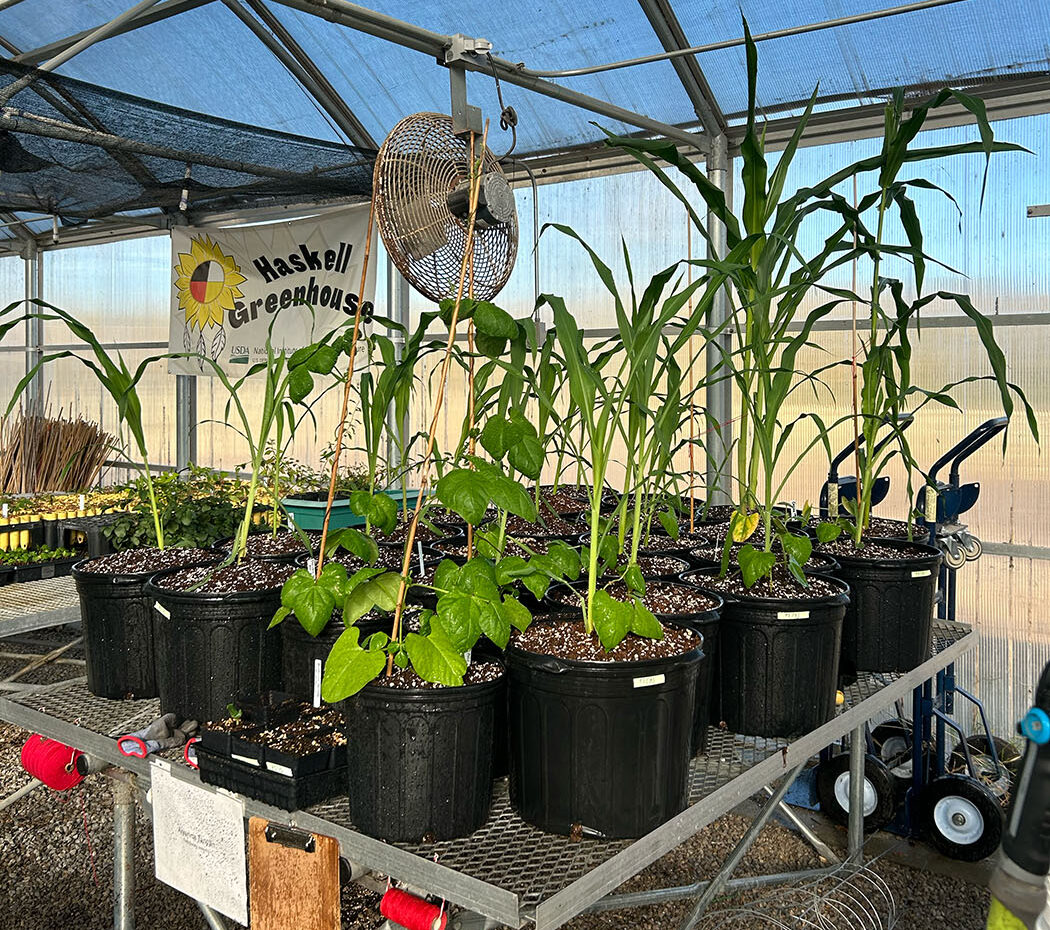
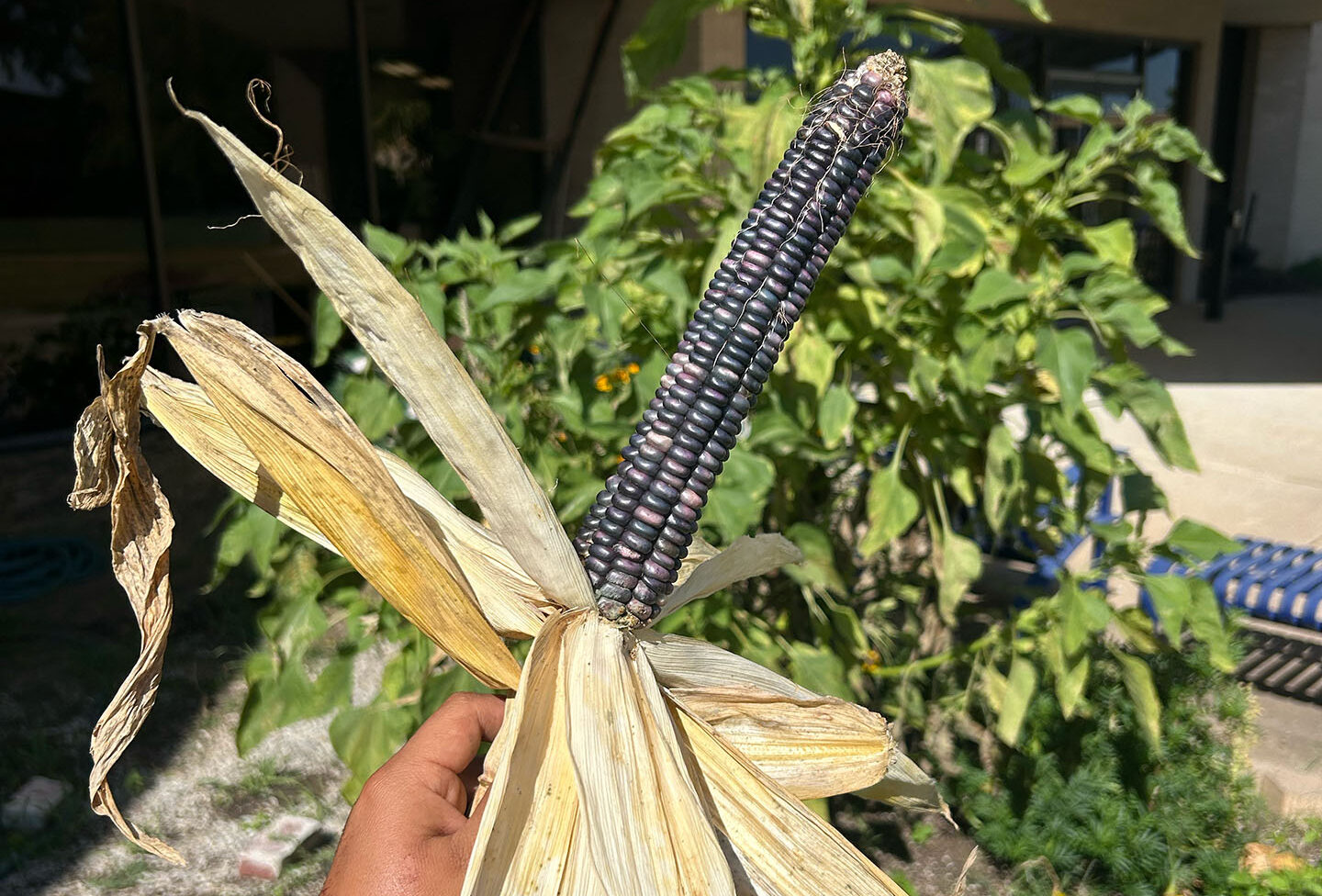
Everyone at the Haskell Greenhouse wants to help others learn, value, and view these spaces as places of teaching. I know they have taught me so much about responsibility and our relationship with the environment. Through these projects, we’re helping students reconnect with the land and understand the importance of food sovereignty for Indigenous communities. This work is ongoing, and we’re still learning. Every seed planted, and every workday shared brings us one step closer to a more sustainable and connected future.
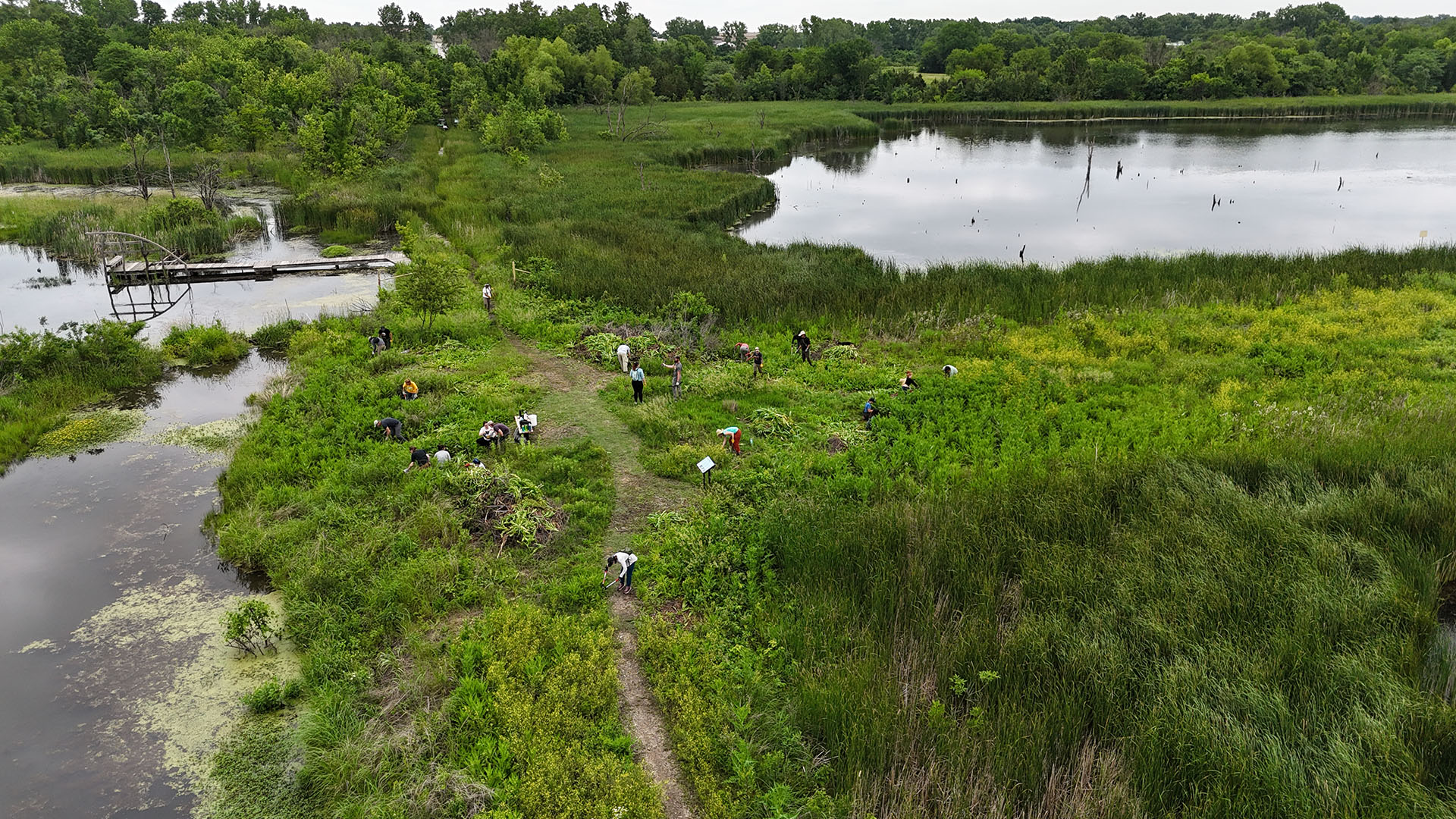
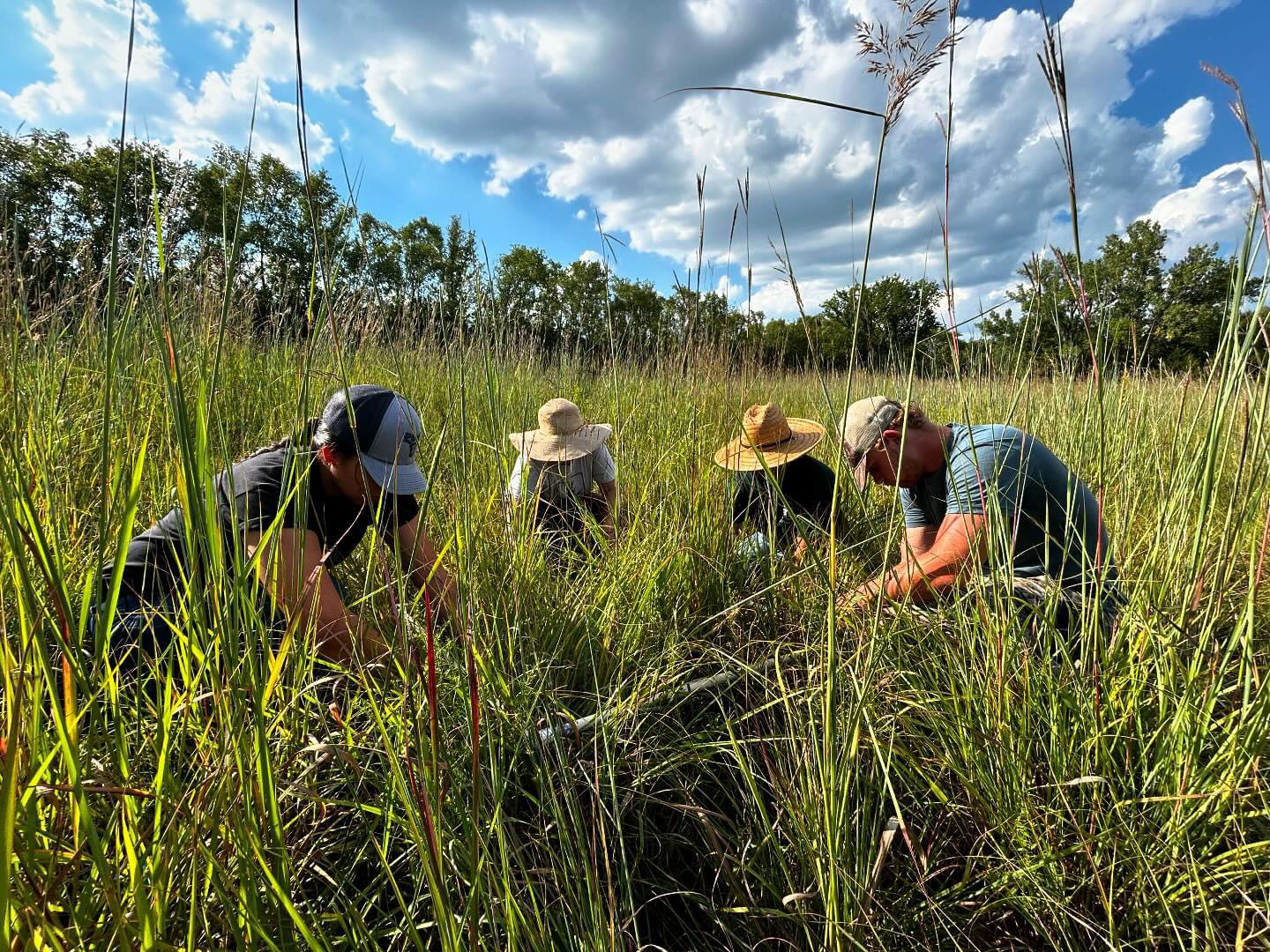
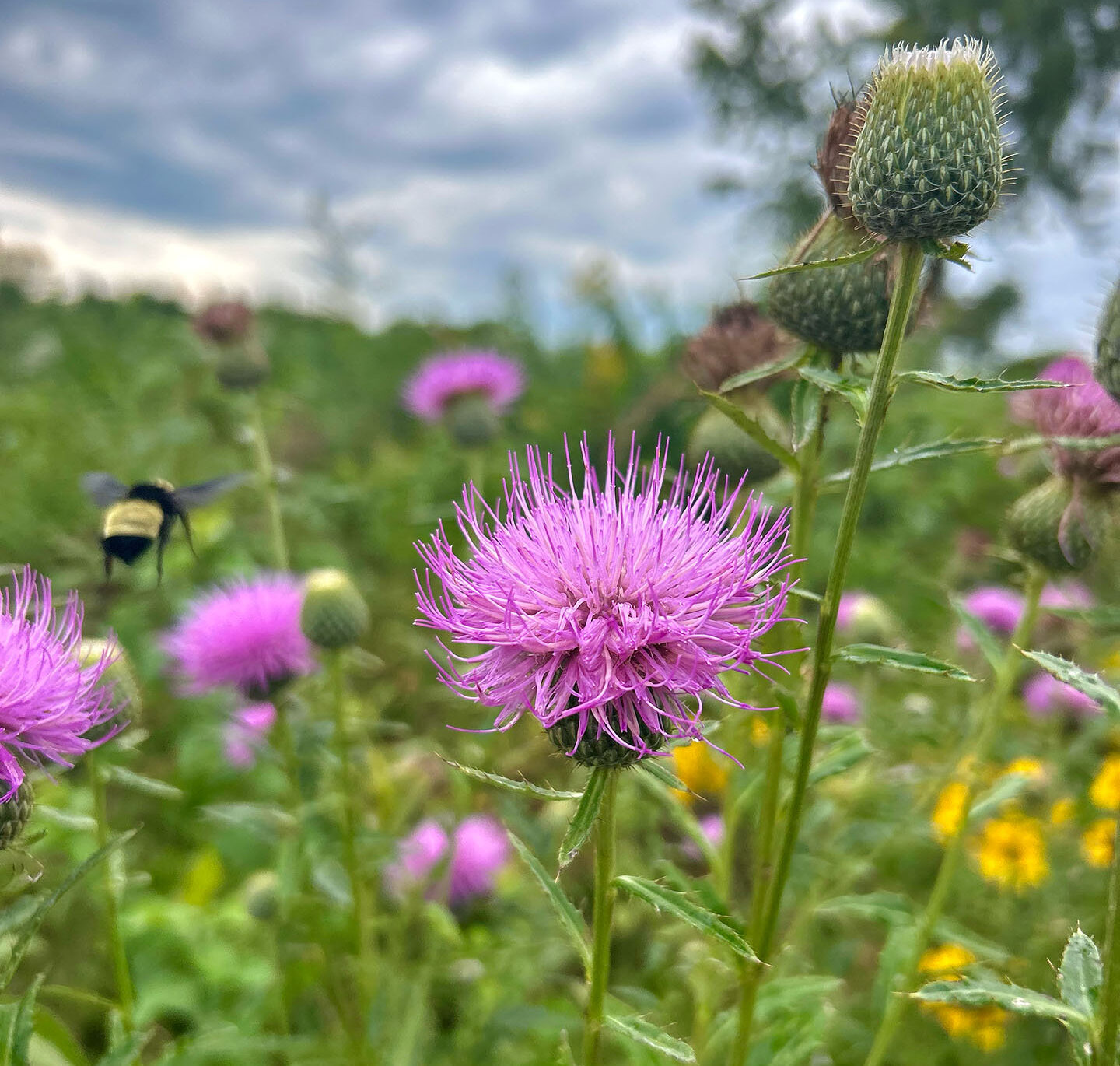
In Caring for Our Kin: Stories of Indigenous Environmental Stewardship, the College Fund shares the stories of Indigenous environmental leaders who are centering kinship and relational knowledge to build healthy ecological systems. These stories remind us that caring for the Earth means caring for one another—and that Indigenous knowledge systems continue to offer guidance, resilience, and hope for the future.
Learn more about our Environmental Stewardship Program.
Ekvnv Vcayecet. Mvto!
(Take care of the Earth/Land. Thank you)
More Blogs

American Indian College Fund Names Embrey Family Foundation Women’s Leadership Project Scholars
The Dallas, Texas-based Embrey Family Foundation has awarded the American Indian College Fund a $1 million grant over a four-year period for a Native women’s leadership program.
The project provides 20 scholarships and leadership training for American Indian women pursuing their bachelor’s degrees. As part of the leadership training, participants will attend annual retreats to develop skills and gain networking opportunities.
Meet an American Indian College Fund Scholar
Attending the American Indian College Fund’s Flame of Hope Gala this October 14 in Denver, Colorado at the Seawall Grand Ballroom at the Denver Center for the Performing Arts helps us raise money for student scholarships. But the gala also confers a benefit to attendees. In addition to a gourmet meal and first-class entertainment from Big Head Todd and the Monsters this year, the Flame of Hope Gala presents you with the opportunity to meet several of our tribal college students.
Vote Now to Help the American Indian College Fund Win Funding!
Please help the American Indian College Fund to win funding from American Express through Members Project®.
Newmont Mining Corporation Continues Scholarship Program with $10,000 Grant
The Denver, Colorado-based Newmont Mining Corporation granted $10,000 to the American Indian College Fund to continue the Newmont Mining Corporation Tribal Scholars Program for the 2010-11 academic year. This program will provide scholarship support to American Indian students from Colorado and/or members of historically affiliated Colorado tribes. Recipients must be attending either a mainstream university located in Colorado or at one of the nation’s 33 tribal colleges and universities.
San Manuel Band of Serrano Mission Indians Provides Multi-Purpose Gift of $120,000
The American Indian College Fund received a $120,000 grant from the Highland, California-based San Manuel Band of Serrano Mission Indians. The grant will be divided to support three major initiatives: $50,000 will support the San Manuel Band of Serrano Mission Indians Tribal College Scholarship Program; $50,000 will go towards the Sovereign Nations Scholarship Fund Endowment, which provides scholarships to Native American students in perpetuity; and $20,000 will support this year’s Flame of Hope Gala, which benefits Native student scholarships and raises awareness about the nation’s 33 tribal colleges and universities.
The Women’s Self Worth Foundation Pledges $250,000 for Women’s Scholarships
The Women’s Self Worth Foundation has pledged $250,000 to the American Indian College Fund over the period of four years for 14 scholarships to benefit American Indian women attending college. He goal of the grant is to empower American Indian women by providing scholarship support to ensure women obtain higher education.
Welcome Mellon Fellows!
The American Indian College Fund welcomes our new Andrew W. Mellon Foundation Faculty Research Program and Andrew W. Mellon Foundation Tribal College Faculty Career Enhancement Program fellows to Denver, Colorado. Both graduated and new fellowship participants are gathered to exchange research, information, and vital knowledge, building the intellectual capacity of our tribal colleges and Indian Country itself.
Travelers Foundation Grants $35,000 to American Indian College Fund
The American Indian College Fund was awarded a $35,000 grant by the Travelers Foundation, the charitable arm of The Travelers Companies, Inc, to renew its longstanding commitment to empower American Indian students to achieve academic and professional success. The Travelers Foundation Tribal College Scholarship Program will continue to provide much-needed scholarship support to American Indian students
A Message to Our Students for the New School Year
Many of our tribal college students are back in school or are preparing to go back now. We at the American Indian College Fund would like to wish you the best of luck in the new school year. You are on a sacred journey of acquiring knowledge–about your people, your culture, and the wider world.
Sysco Corporation Donates $10,000 to American Indian College Fund for Scholarship Program
Sysco Corporation, a global leader in selling, marketing and distributing food products, donated $10,000 to the American Indian College Fund to support the Sysco Corporation Tribal College Scholarship Program.