
Planting the Seeds of Cultural Sustainability
April 22, 2026 | Student Ambassador Aiyanna Tanyan’s (Seminole Nation of Oklahoma) work to reclaim food sovereignty
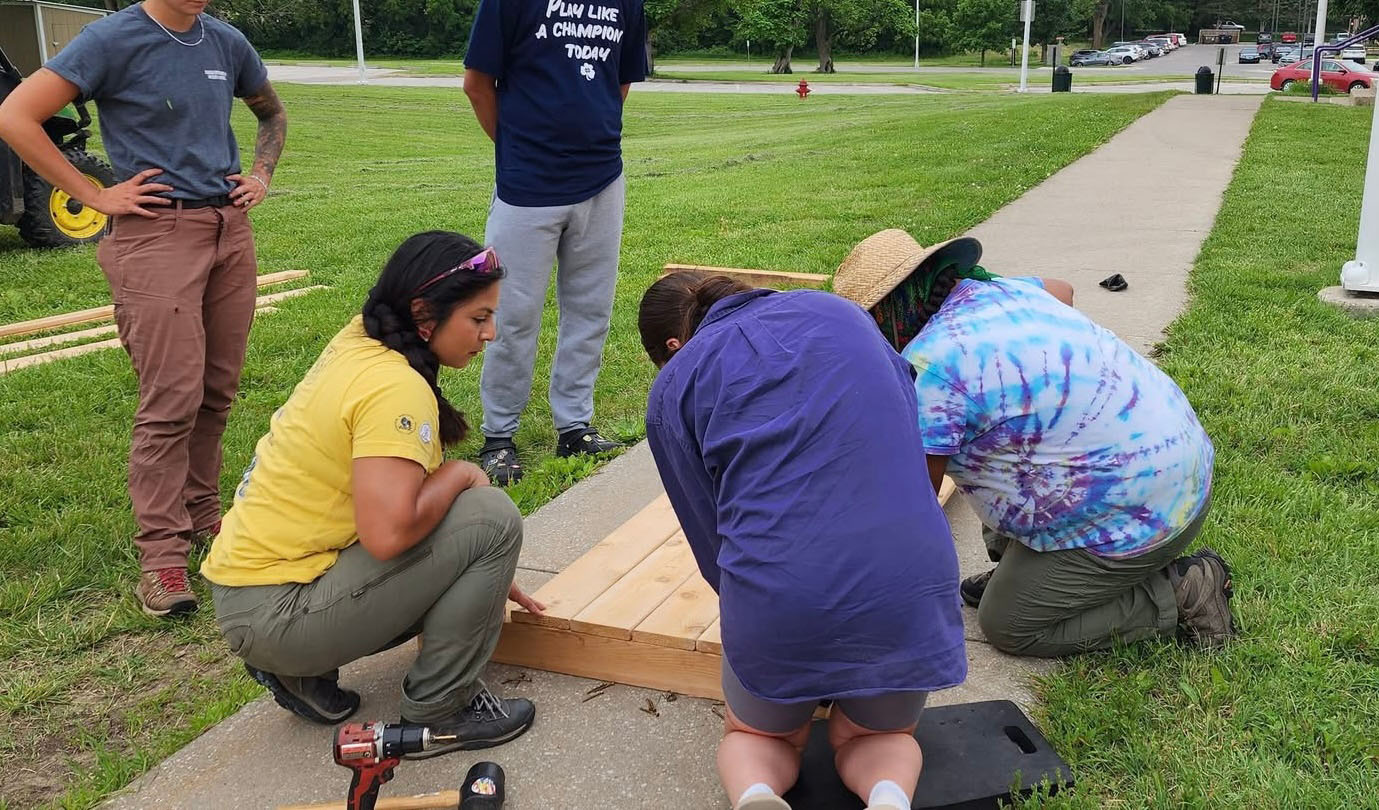
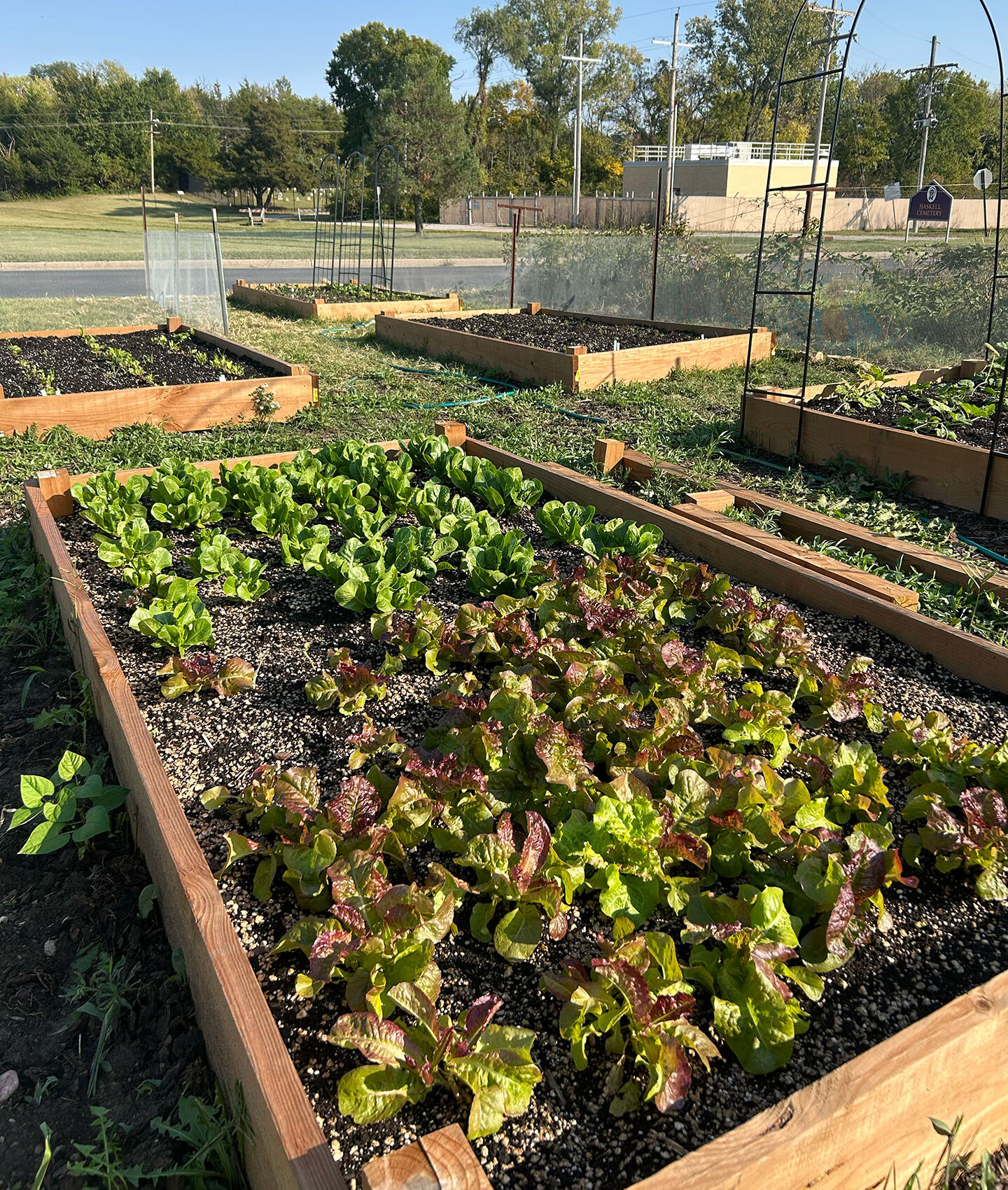
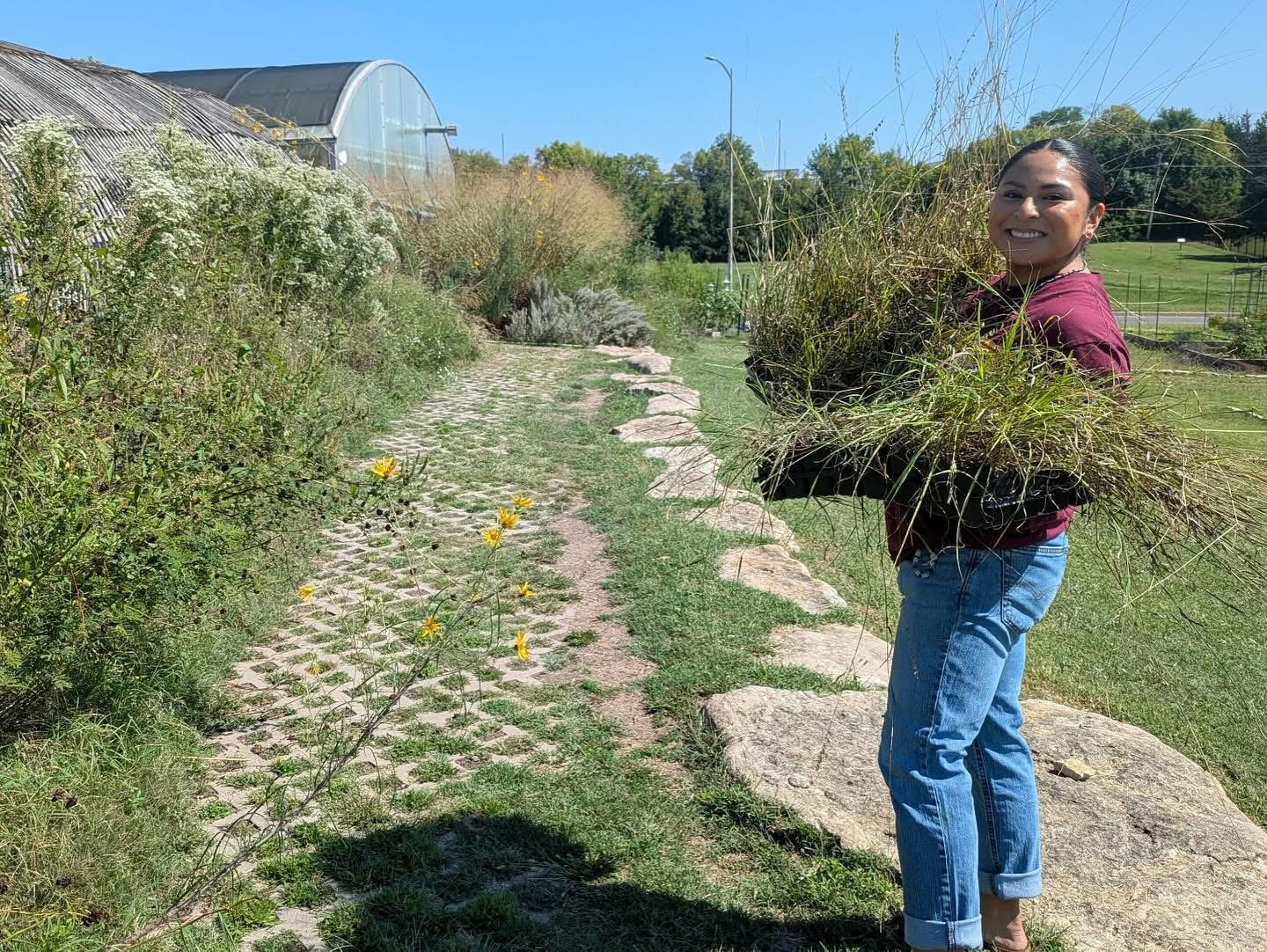
We came up with the idea of building raised garden beds near the dorms so students can easily access fresh foods and learn how to grow them themselves. Through support from the Haskell Greenhouse (funded through the USDA Equity Grant), we started building.
Last year was our first year doing this project and it was a learning experience as with many community-based projects, it comes with trial and error. However, that process taught us a lot about what works, what doesn’t, and how to build something more sustainable moving forward. This year, we’re continuing this work with stronger systems, more involvement, and a clearer vision.
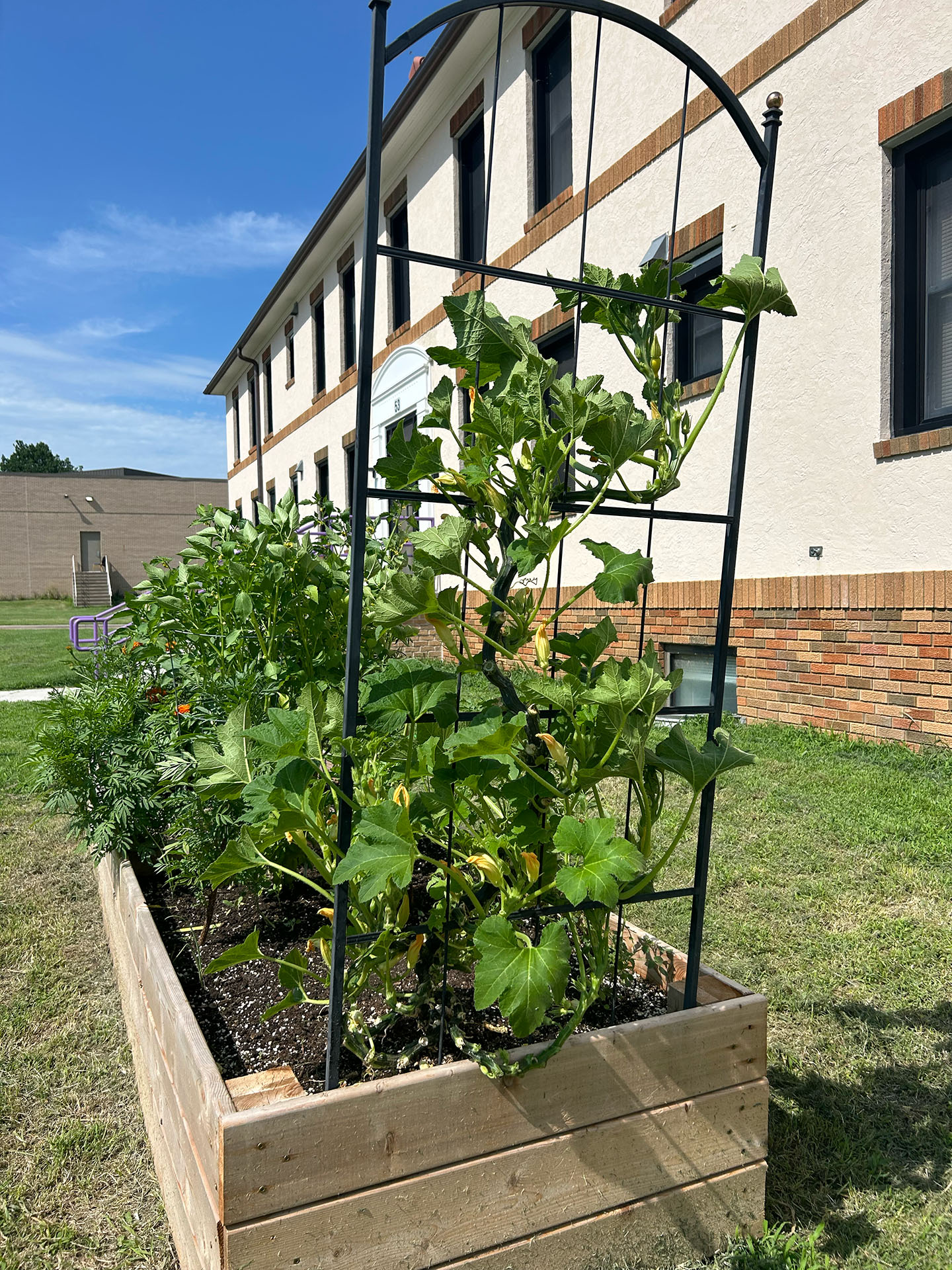
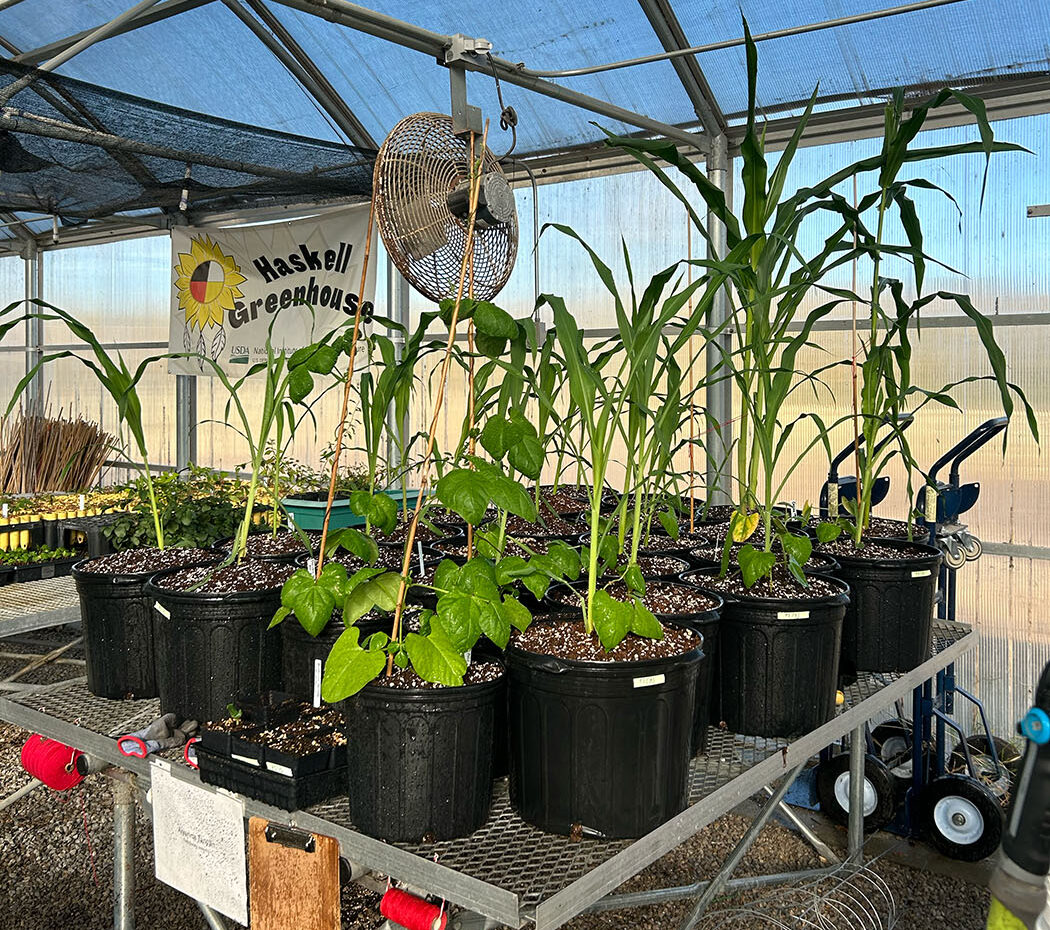
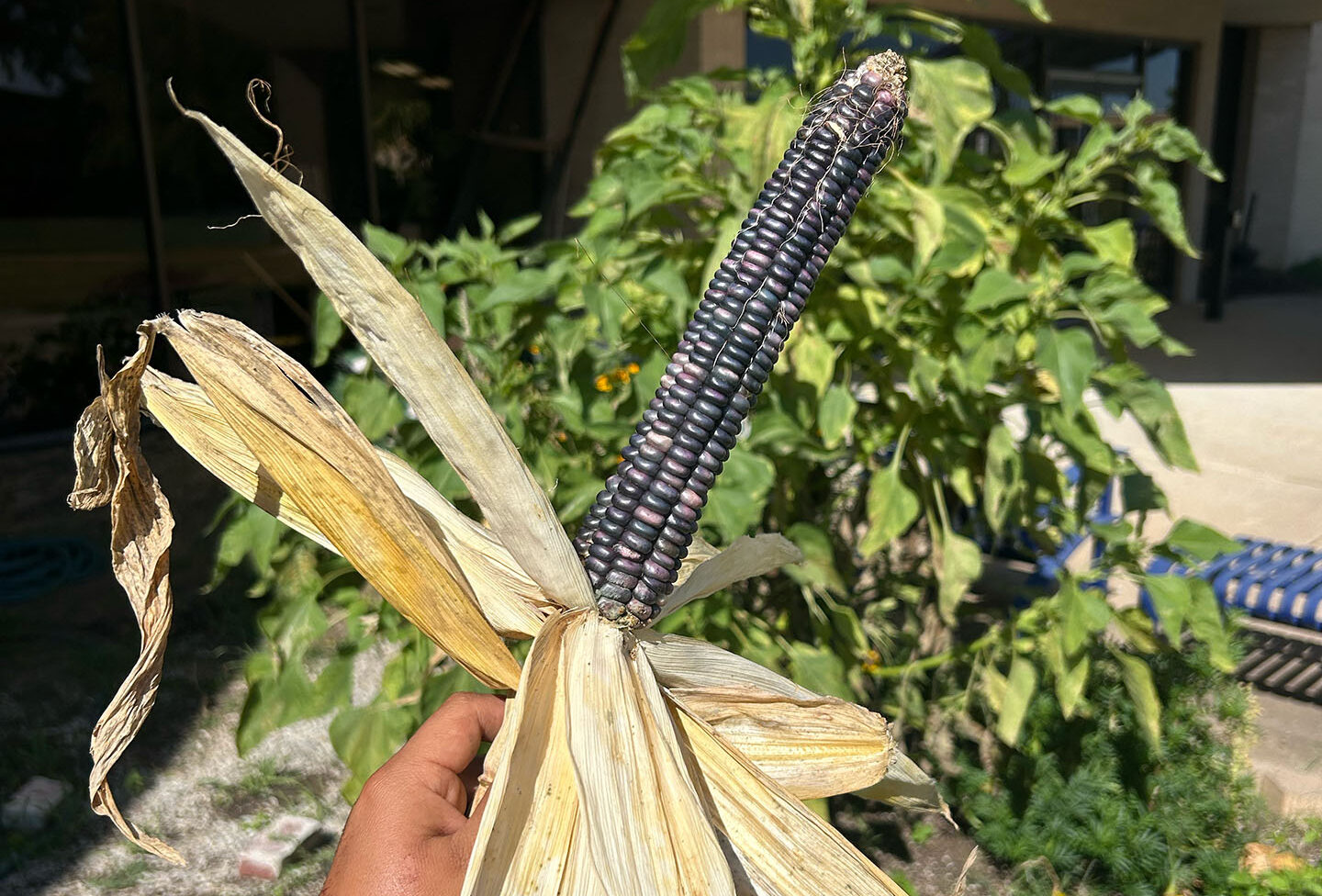
Everyone at the Haskell Greenhouse wants to help others learn, value, and view these spaces as places of teaching. I know they have taught me so much about responsibility and our relationship with the environment. Through these projects, we’re helping students reconnect with the land and understand the importance of food sovereignty for Indigenous communities. This work is ongoing, and we’re still learning. Every seed planted, and every workday shared brings us one step closer to a more sustainable and connected future.
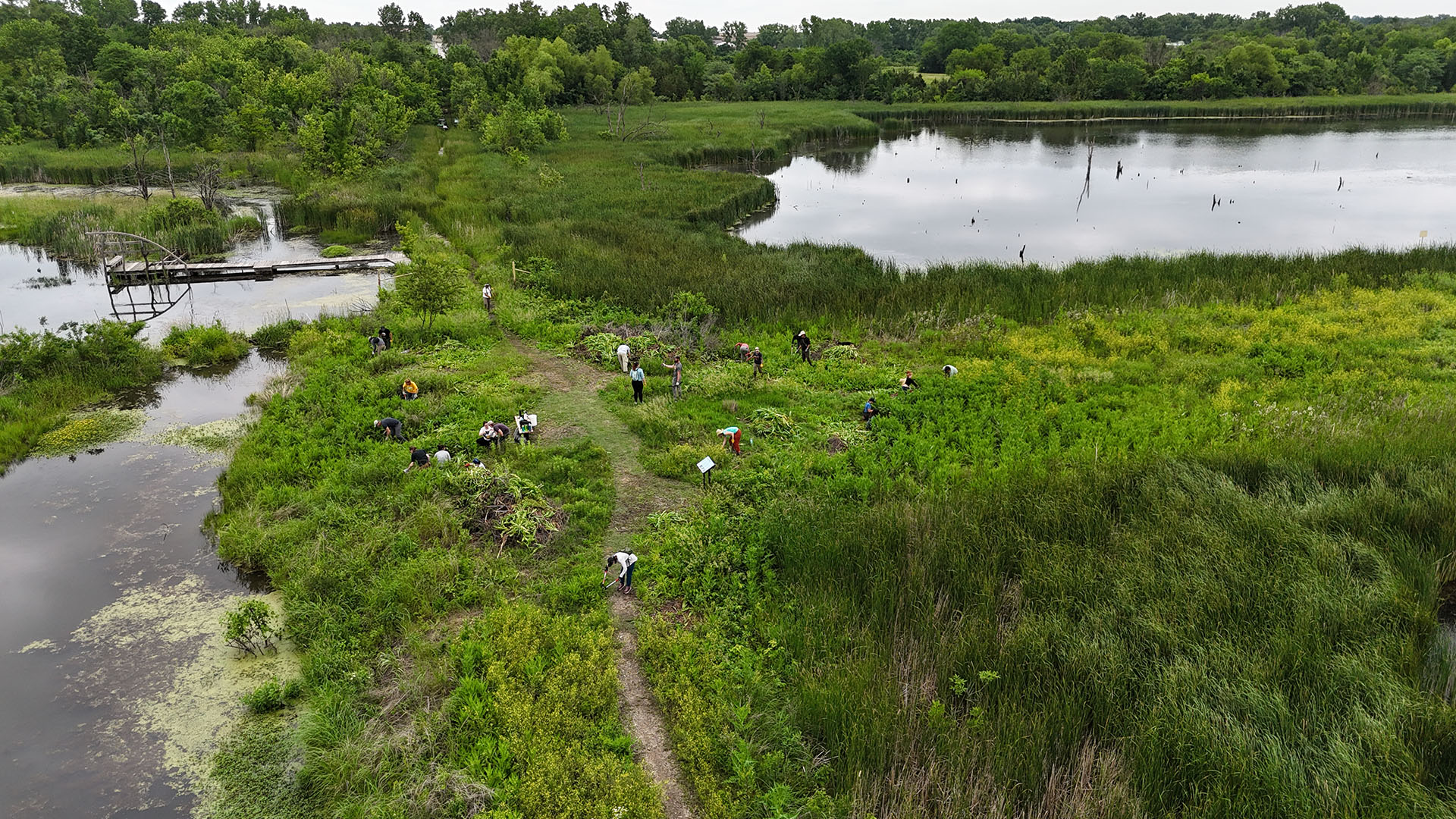
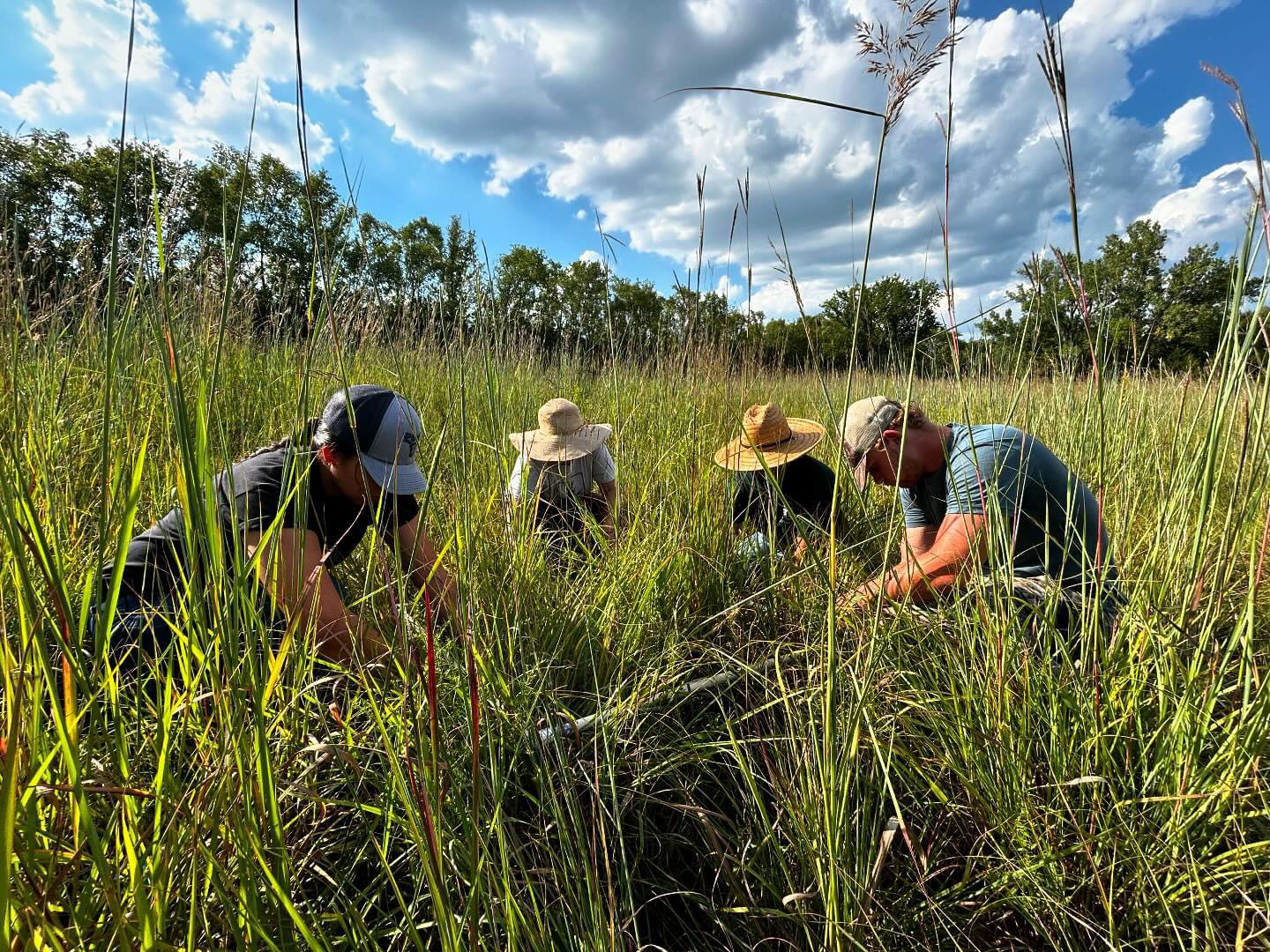
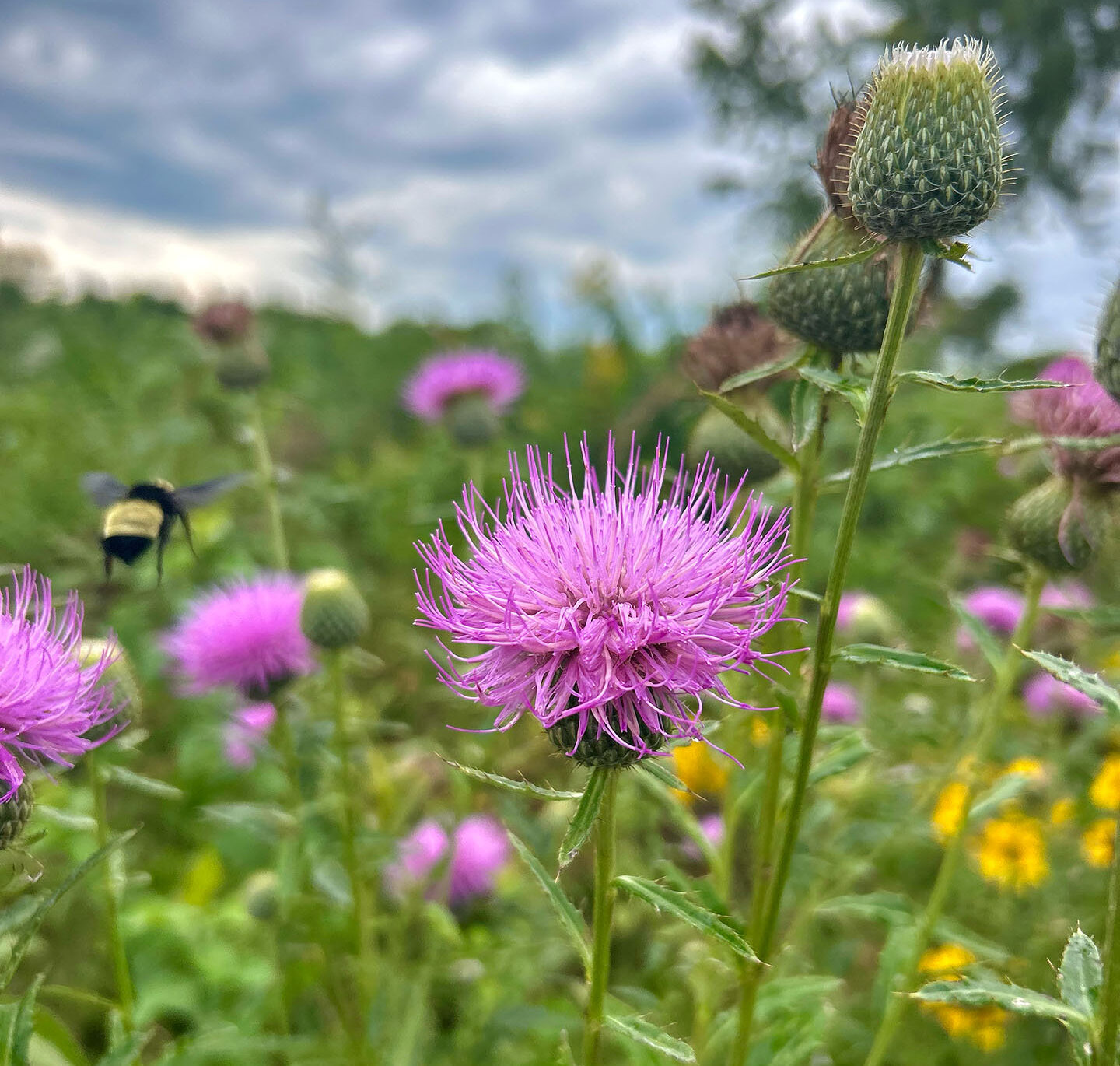
In Caring for Our Kin: Stories of Indigenous Environmental Stewardship, the College Fund shares the stories of Indigenous environmental leaders who are centering kinship and relational knowledge to build healthy ecological systems. These stories remind us that caring for the Earth means caring for one another—and that Indigenous knowledge systems continue to offer guidance, resilience, and hope for the future.
Learn more about our Environmental Stewardship Program.
Ekvnv Vcayecet. Mvto!
(Take care of the Earth/Land. Thank you)
More Blogs
Xcel Energy Foundation Grants $6,000 to American Indian College Fund
The American Indian College Fund recently received a $6,000 grant from the Minneapolis-based Xcel Energy Foundation. The Xcel Energy Foundation Tribal College Scholarship Program will provide scholarships to Native American students pursuing degrees in science, technology, engineering, and mathematics (STEM). The recipients must attend one of the three tribal colleges in Minnesota
On the Road Again-South Dakota
Be sure to watch our blog this week as Jonas Greene and Jaime Aguilar set out for South Dakota to visit tribal colleges, interview students, and learn about their projects, passions, challenges and joys.
Spirit of Sovereignty Foundation Awards $50,000 to The Fund to Continue Scholarship Program
The Spirit of Sovereignty Foundation, the charitable arm of the National Indian Gaming Association (NIGA), recently granted $50,000 to the American Indian College Fund (the Fund) to support the Spirit of Sovereignty Scholarship Program. Established in 2008, this program awards scholarships to Native American students attending our nation’s tribal colleges and universities (TCUs). This most recent gift is an installment of a total contribution of $150,000 which provided a $2,000 scholarship to a student at each of the TCUs for both the fall 2009 and spring 2010 semesters.
United Health Foundation Donates $50,000 to American Indian College Fund
For the third year in a row, the United Health Foundation has given $50,000 to the American Indian College Fund (the Fund) to continue providing access to higher education for American Indian students who are committed to improving the health of their communities.
Meet Julia Jones, Eclipse Star and American Indian College Fund Supporter
Julia Jones (Mississippi Choctaw), a professional actress, appears in Eclipse, the third installment film of the wildly successful Twilight series. Jones plays the part of the only female werewolf in this modern-day gothic series combining supernatural creatures and impossible love. Julia is a supporter of the American Indian College Fund, and took time out of her hectic acting and promotion schedule to meet with the Fund in Los Angeles to share why she is passionate about supporting and promoting American Indian education.
American Indian College Fund Earns Charity Navigator’s Four-Star Rating
Charity Navigator, the nation’s top charity evaluation system, has awarded the Denver-based American Indian College Fund (the Fund) a coveted four-star rating for sound fiscal management. The Fund has raised money for scholarships for American Indian college students from across the nation for 21 years, while also supporting the nation’s 33 tribal colleges and universities.
Forest County Potawatomi Community Foundation Donates $20,000 to The Fund for Scholarships
The Forest County Potawatomi Community Foundation of Milwaukee, Wisconsin granted the American Indian College Fund (the Fund) $20,000. One half of the grant will establish the Forest County Potawatomi Community Foundation Tribal College Scholarship Program, which will assist students pursuing degrees at the nation’s tribal colleges and universities.
General Mills Foundation Donates $60,000 to American Indian College Fund
The American Indian College Fund (the Fund) has received a generous donation from the General Mills Foundation to continue their support of higher education for Native students. The $60,000 grant will continue the General Mills Foundation Tribal College Scholarship Program and will provide scholarships to students attending tribal colleges in Minnesota and New Mexico.
The Paul and Edith Babson Foundation Renews $10,000 Grant to The Fund for Nebraska Students
The Paul and Edith Babson Foundation renewed a $10,000 grant to provide Native student scholarships through the American Indian College Fund. The grant will support qualified American Indian students by providing financial resources to students studying business or entrepreneurial fields at Nebraska Indian Community College.
Arriving at the College of Menominee Nation
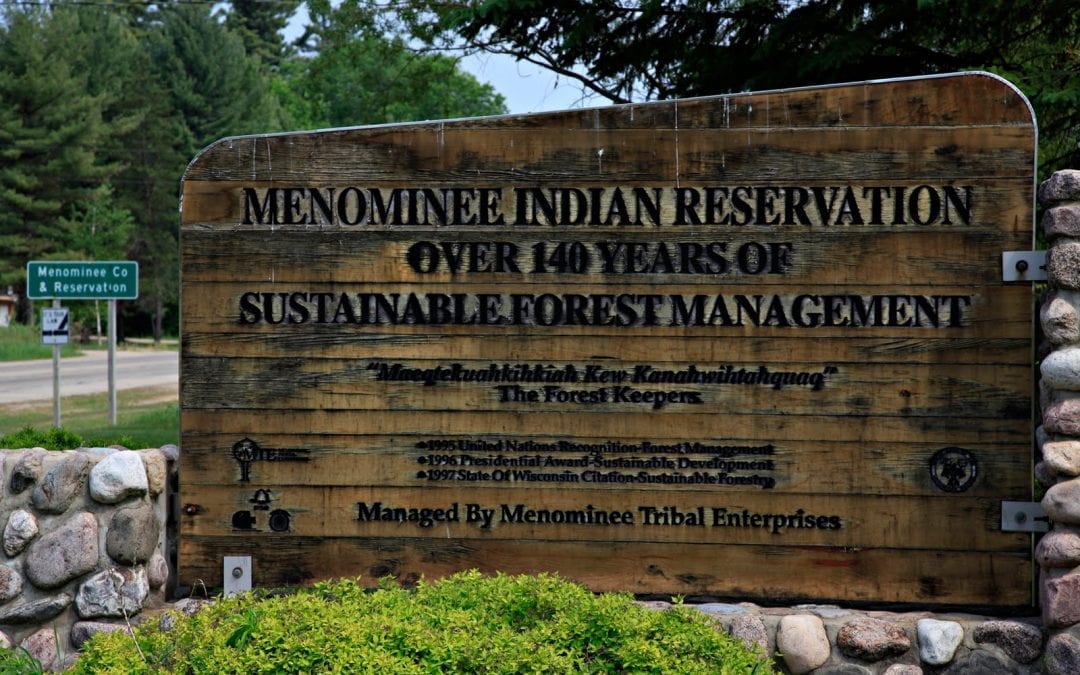
We arrived in Wisconsin on this fifth and penultimate leg of our trip to an unseasonably hot and humid climate of Green Bay, then to the thicket of the Menominee Nation. Making our way through the forest, we arrived at the College of Menominee Nation (CMN) in Keshena to meet our our subjects for this project. They were gathered on the steamy afternoon planting their sustainable, permaculture garden under the blue water tower on campus at the entrance to the Menominee Nation Reservation.