“The victory at the Little Bighorn reflects the enduring strength, courage, and leadership of our ancestors. Their commitment to protecting their people and preserving their way of life serves as a guiding example for us today. Tribal Colleges and Universities (TCUs) continue that work by providing culturally grounded education that strengthens our communities and prepares future leaders.” Interim President of Sisseton Wahpeton College, Dr. Julie Buckman’s, words elevate and reframe what many might consider a tragic event in United States history, if they know of it at all.
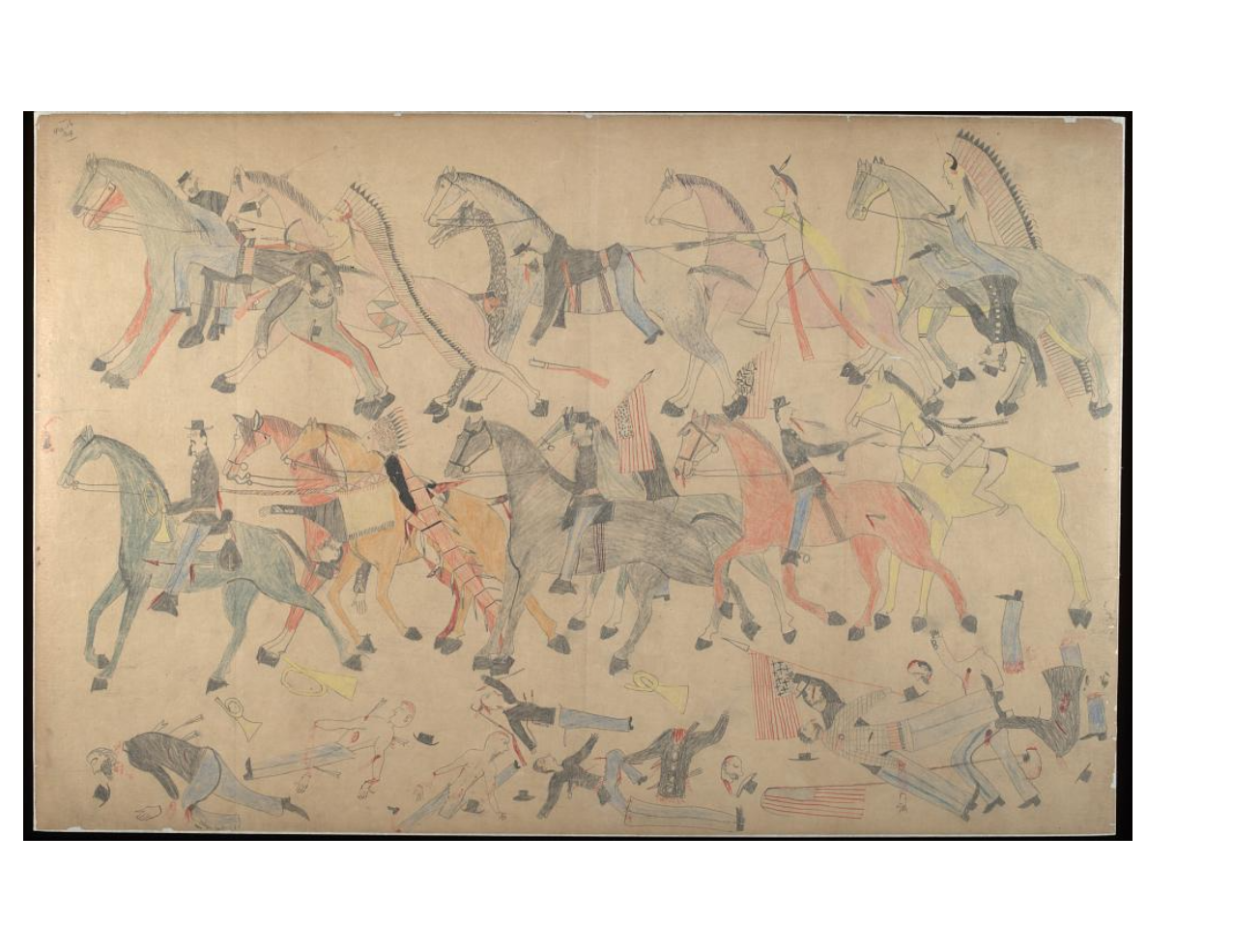
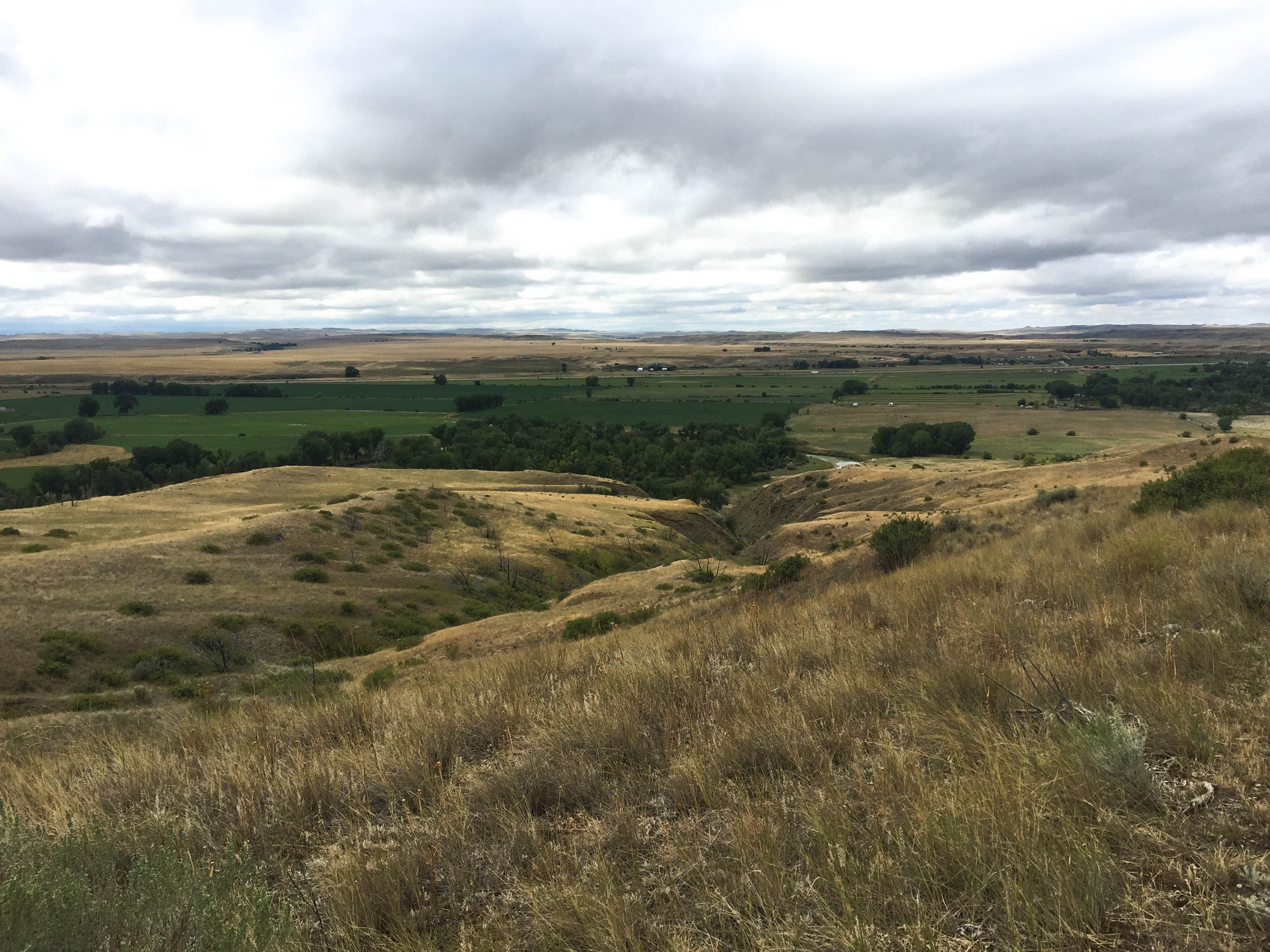
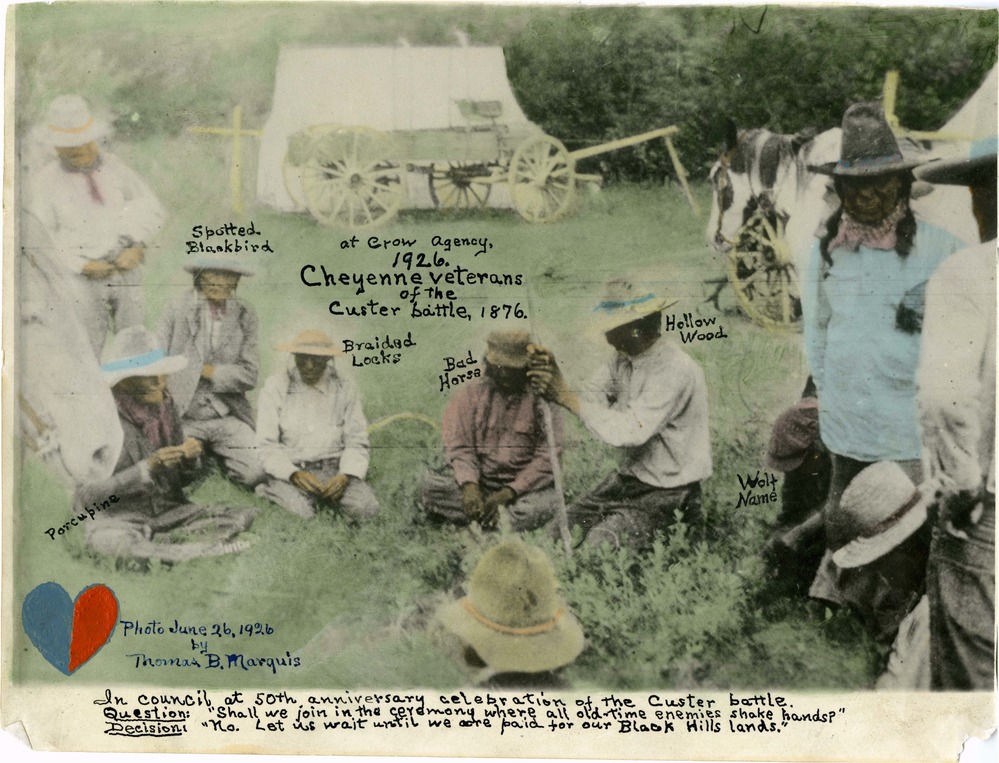
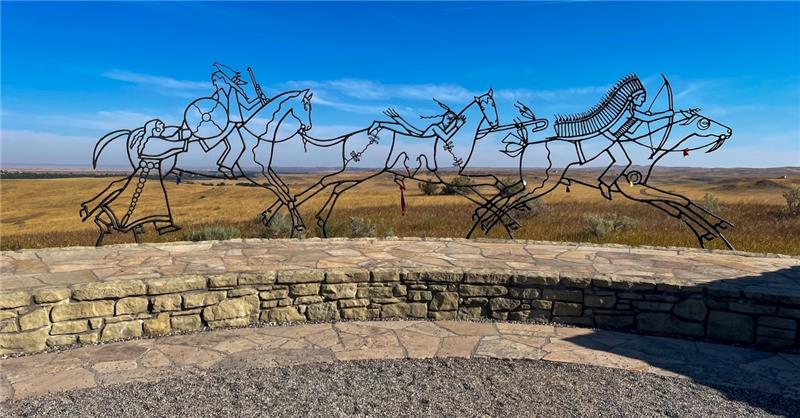
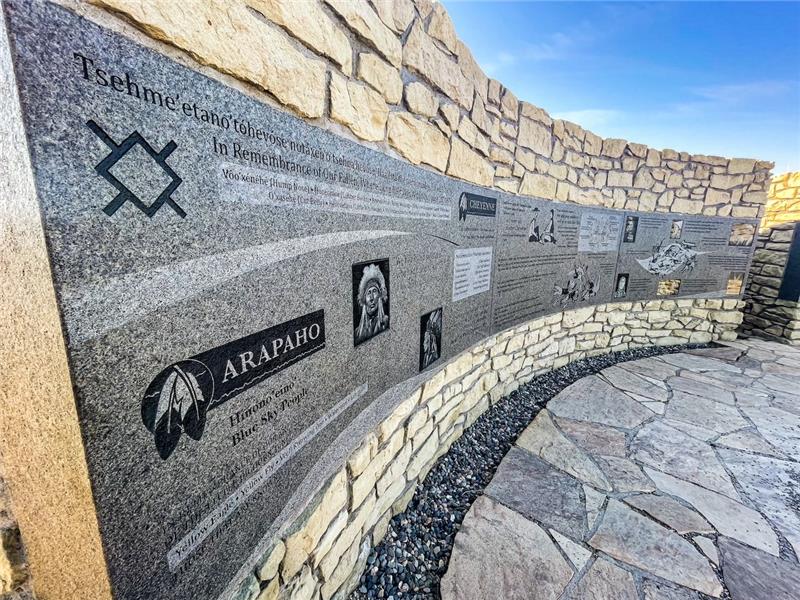
The Battle of the Little Bighorn, also known as Custer’s Last Stand, saw the Lakota, Cheyenne, and Arapaho peoples unite to defeat Lieutenant Colonel George Armstrong Custer and the 7th Cavalry on June 25, 1876. While many Americans mourn Custer and his men, far fewer have acknowledged the atrocities the man with a checkered military career and his men carried out against Native nations.
In 1867, the government convicted Custer of desertion and mistreatment of soldiers, who he abused for their own desertion attempts, and suspended his rank and pay for a year. His brutal assaults against Native peoples redeemed him in his superiors’ eyes, gaining the U.S. its first substantial victory in the Indian Wars. Charging into poorly scouted camps and targeting Native women, children, and the elderly was said to be a key strategy for Custer. His success with the Battle of the Washita was in fact a massacre of a peaceful village located on reservation land that was flying a white flag. This battle alone saw Custer’s cavalry claim the lives of 103 innocent Cheyenne, mostly women and children.
Knowing these facts, perhaps it becomes easier to understand why many Native people, especially those nations who participated in the battle, consider June 25 Victory Day. They do not celebrate the demise of more than 200 men, but rather Native nations’ successful resistance against eradication from an outside aggressor.
Even as Tribes were being forcefully relocated, starved, and otherwise pushed towards extermination, on that day, warriors protected their peoples and their land, giving all Native nations hope and the strength to persist.
Perhaps too, that day represents resisting the limited views and narratives of their oppressors, which paint the Native peoples as the villains and erased the heroic acts of Indigenous women. For example, contemporary accounts state a woman warrior of the Cheyenne, Buffalo Calf Road Woman, struck the fatal blow to Custer.
Today the fight for Native values and rights has moved from the battlefield to Congress, courtrooms, and the ballot box, where Native people must still continuously battle to be seen and heard.
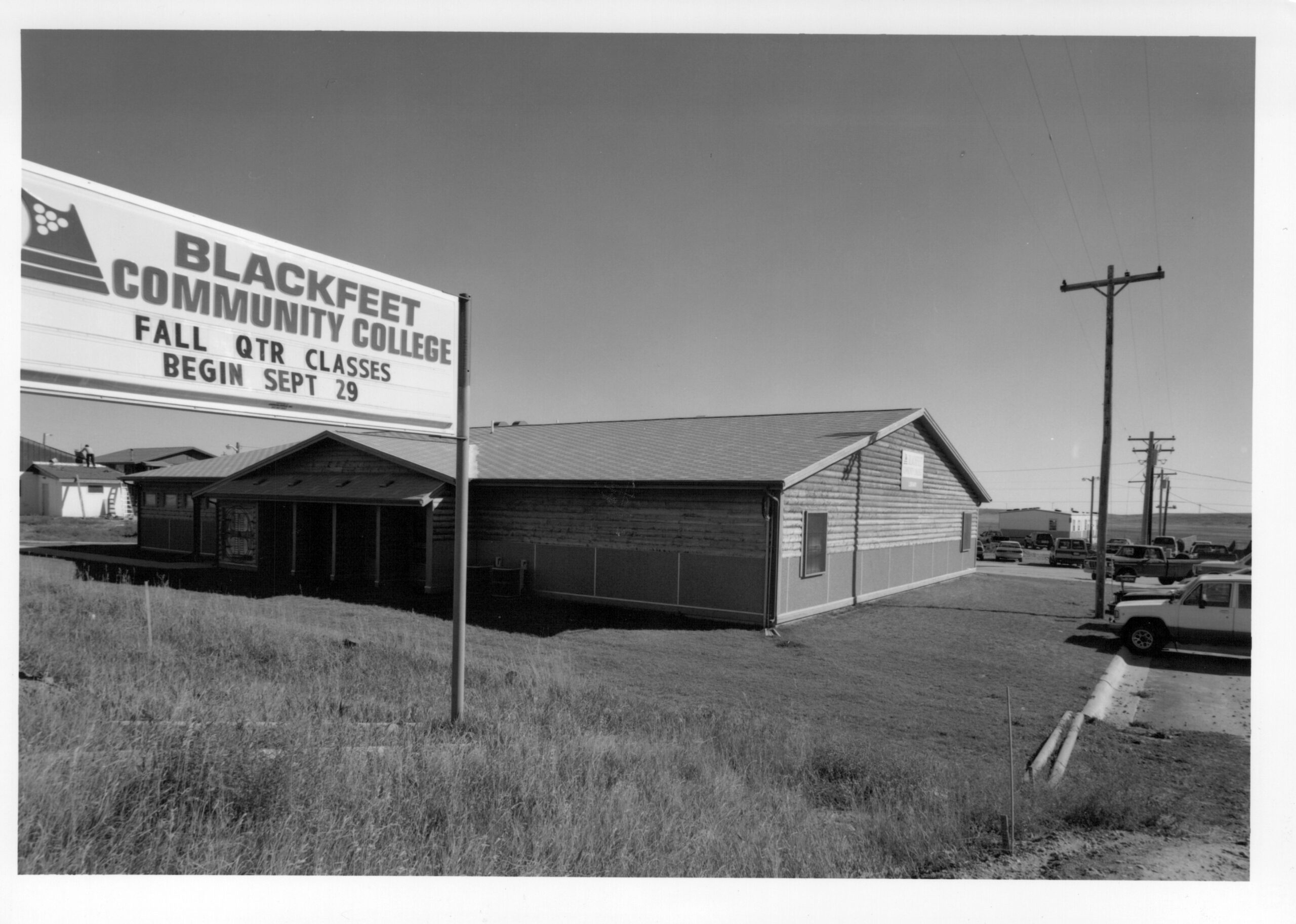
Dr. Brad Hall, President of Blackfeet Community College, explains, “TCUs stand as modern expressions of those enduring victories, reflecting the adaptability, perseverance, and wisdom that have enabled tribal nations to thrive across centuries of change. Once described as walking in two worlds, today, we braid our histories, values, and futures together. TCUs empower students to achieve personal and professional success while strengthening the health, prosperity, and sovereignty of our communities. Every student who enrolls, every graduate who crosses the stage, and every community professional who serves their people represents another victory, not only for themselves, but for all of Indian Country.”
Those Native graduates represent victories over the horrors of the residential school system, forced adoptions outside of one’s Tribe, the Termination Era, and so many other government aggressions. Their dedication to their peoples keeps the hope and battle for better alive that started at Little Bighorn. And the defeat of an enemy bent on their eradication continues to inspire them on each Victory Day and every day in between.
“My ancestors fought in that battle. My ancestors fought the 7th cavalry and won. I am here now, fighting for justice for our people BECAUSE of that victory. I am a proud Hunkpapa Winyan. I am descended from warriors that refused to capitulate. I carry that strength now, in modern times, and I inherited their fight. While our battles are no longer fought on prairie, the battle continues to be fought in courtrooms, in the legislature and for the land, our Mother. This victory lets us know we won before; we can do it again. When Nations come together, as they did at the Battle of Little Bighorn, imagine what 575 tribal nations coming together to battle a common enemy can accomplish,” said American Indian College Fund Student Ambassador, Memory Dawn Long Chase.
We will keep dreaming of what such a victory would look like alongside our faculty, staff, and students.