Indigenous Literacy Story Series
The Indigenous Literacy Story Series seeks to shift perceptions of literacy and education in tribal nation communities, provide evidence of literacy success and innovation in tribal nation communities, establish the College Fund as a resource and leader in literacy resources, and encourage innovation and collaboration within TCUs, across TCUs, and between Native inservice teachers.
This story series features guest writers from the College Fund, TCUs, and Native educators in the field.

Indigenous Literacy is:
A means of expressing and sustaining connection, culture, and sovereignty.
The ability to communicate (tell stories, speak, write, create, teach, or demonstrate) and comprehend (listen, read, sense, interpret, view, learn, or practice).
A starting point for Native people to co-create their environment in ways that are grounded in – and sustaining of – Indigenous cultures, languages, and ways of knowing.
Relational and intergenerational, supporting kinship with each other, ancestors, and the land.
Essential to thriving Indigenous communities.
Featured Stories
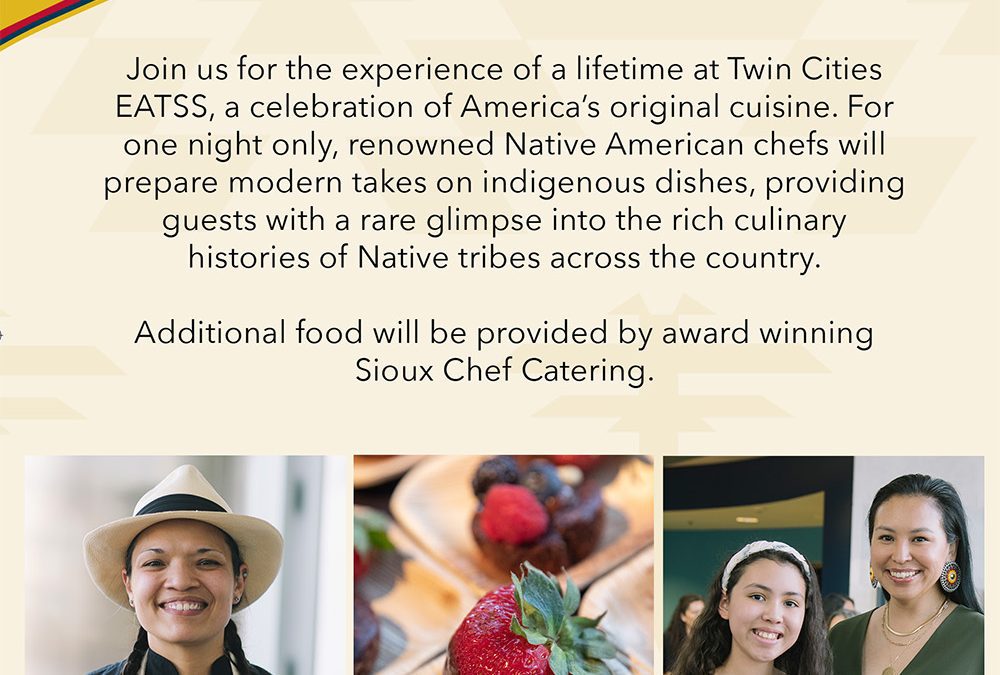
American Indian College Fund to Host Twin Cities Food Event Featuring Five Indigenous Celebrity Chefs
American Indian College Fund to Host Twin Cities Food Event Featuring Five Indigenous Celebrity Chefs November 10 EATSS Event to Benefit Native American College Students October 31, 2022, Denver, Colo.-- Can you imagine a world without chocolate, blueberries, or...
Back-to-School
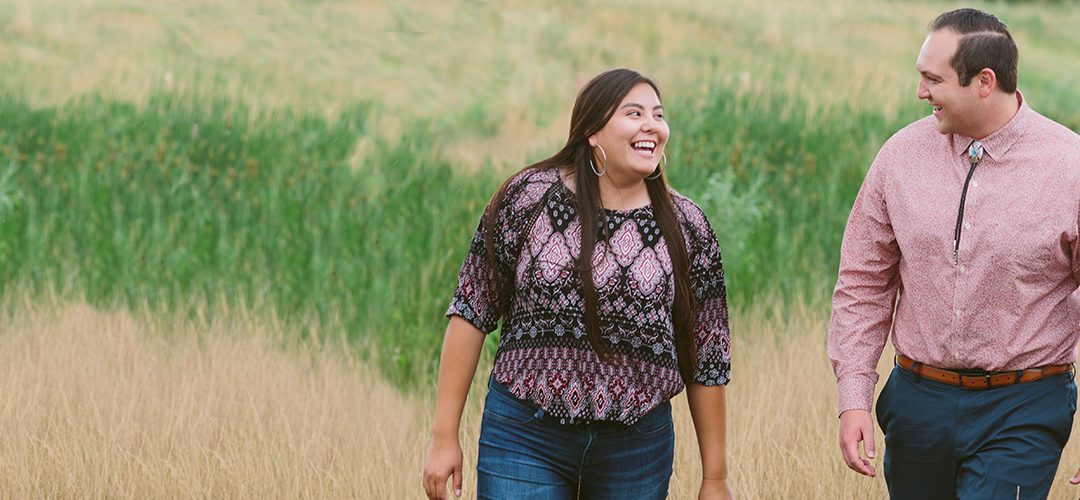
Cheryl Crazy Bull, CEO and President of the American Indian College Fund shares how important tribal colleges and universities (TCUs) are and how critical it is for mainstream institutions to have support readily available for Native students.

Culture is Not a Costume
A guest post from Heidi K. Brandow (Diné, Kanaka Maoli), Communications Manager at First Peoples Fund. As the fall season conjures memories of vivid colors, pumpkin-spiced lattes, and celebrations such as Halloween, we ask the public to refrain from participating in racist and inaccurate portrayals of Indigenous people through “Native American” themed costumes. These practices in no way honor Indigenous people but rather reinforce false narratives and dehumanize Indigenous people into caricatures.
Join the American Indian College Fund in Support of the Indian Child Welfare Act: Vital to Native Culture, Identity, and Sovereignty
On November 9, the United States Supreme Court will hear oral arguments of Haaland v. Brackeen, the case concerning the constitutionality of the Indian Child Welfare Act (ICWA). The stakes are high. The Supreme Court’s decision will ultimately determine whether the 44-year-old law that ensures Native children have the legal right to remain connected to their familial network, culture, and community will remain intact.
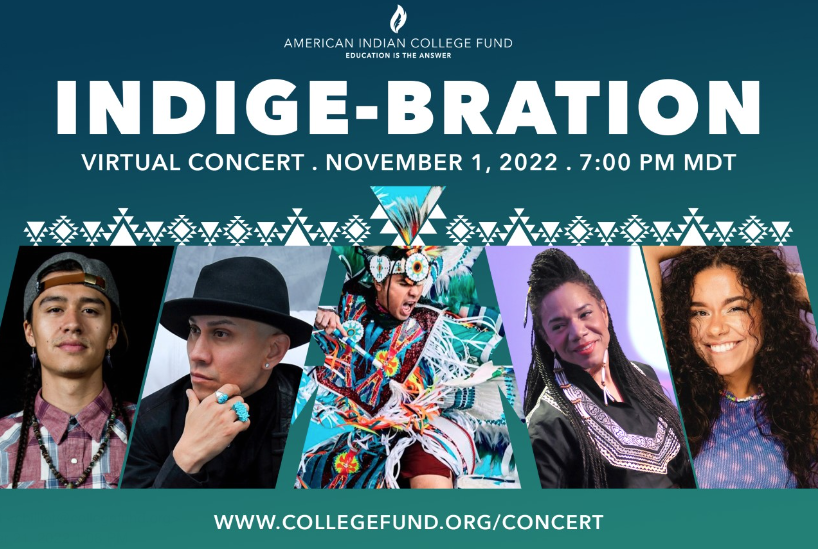
Media Alert: Top Performers Join Forces with American Indian College Fund for Free Virtual Native American Heritage Month Concert
Media Alert: Top Performers Join Forces with American Indian College Fund for Free Virtual Native American Heritage Month Concert A Celebration of Indigenous Peoples, History, and Cultures on November 1st Denver, Colo.—October 19, 2022– Mark your calendars! The...
Returning to School Takes Courage: Akiiwaande’s Story
Saginaw Chippewa Tribal College’s high school equivalency (HSE) program recognizes that one of the Seven Grandfather Teachings, Aakwa’ode’ewin (bravery), is displayed momentously by its HSE students. This is the story of one those students, Akiiwaande.

Professional Learning Community Supports Graduating Students
Author: Kim Owen, Graduation Coach Co-Author: Nahrin Aziz, Project Director For the past academic year, eight graduates-to-be and Northwest Indian College’s (NWIC) Graduation Coach, Kim Owen, met once a month to provide support toward successful course completion and...
Indigenous Peoples’ Day is Every Day
Monday marks Indigenous Peoples’ Day, thanks to the tireless work of Indigenous advocates and allies who have worked to secure its recognition by municipalities, states, and the nation (although still not a federal holiday, Indigenous Peoples’ Day is a federally recognized holiday). Native Peoples were always here—at the time of contact—and now, thanks to the tenacity and resilience of our ancestors and the advocacy of our people today. When we celebrate Native heritage, cultures, traditions, and people today, we remember our ancestors’ many sacrifices and soberly reflect on the impact colonialism had on our people and our ways of living.
American Indian College Fund Selects 2022-23 Indigenous Visionaries
Empowered Indigenous women lead positive change in their communities. Through the Indigenous Visionaries Program the American Indian College Fund supports the development of women leaders across Tribal communities where tribal colleges and universities are located.
American Indian College Fund Invests in Tribal College Faculty Development
Faculty are essential to creating a thriving academic and cultural environment at tribal colleges and universities (TCUs). They teach and advise students, develop culturally relevant curricula, and take on administrative duties. Yet faculty often are unable to learn from one another or foster relationships in the research arena to focus on research activities and further learning for themselves.