
Planting the Seeds of Cultural Sustainability
April 22, 2026 | Student Ambassador Aiyanna Tanyan’s (Seminole Nation of Oklahoma) work to reclaim food sovereignty
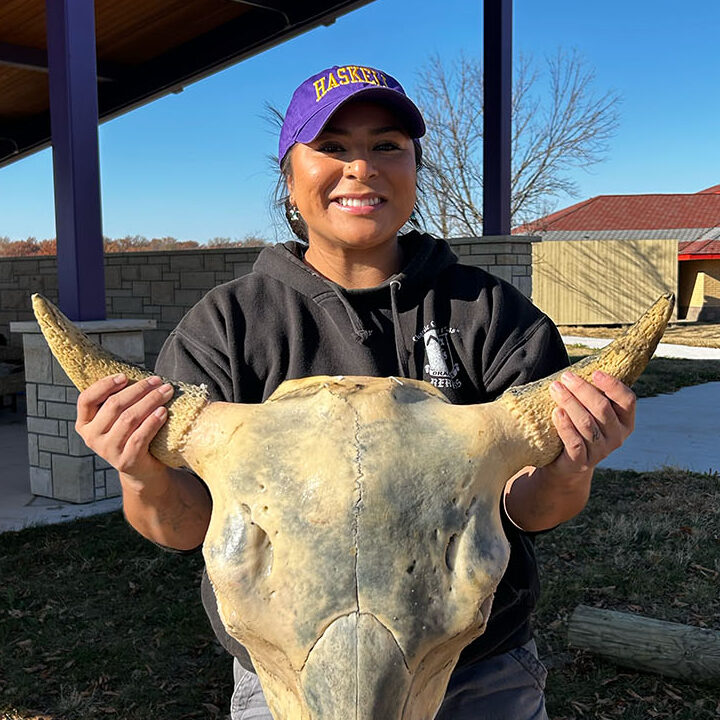
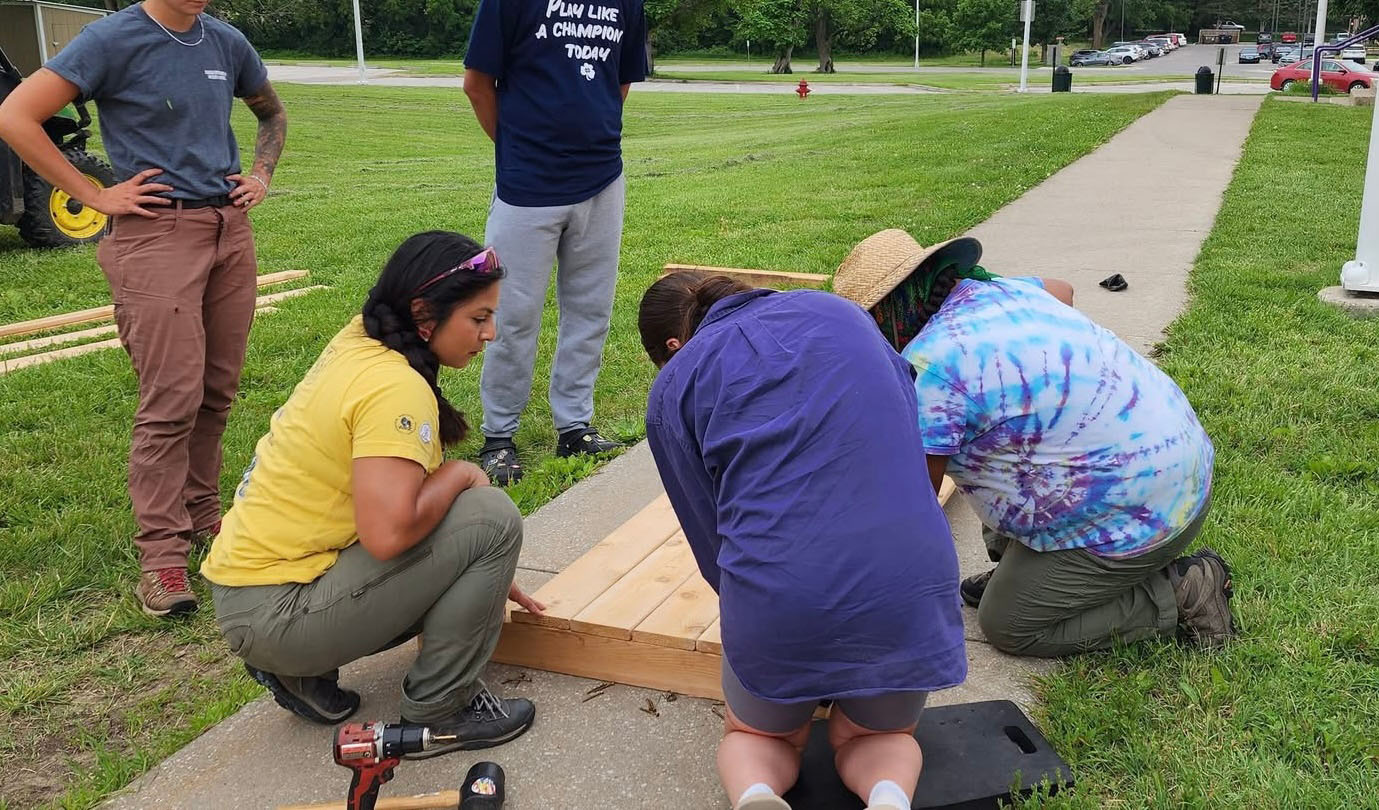
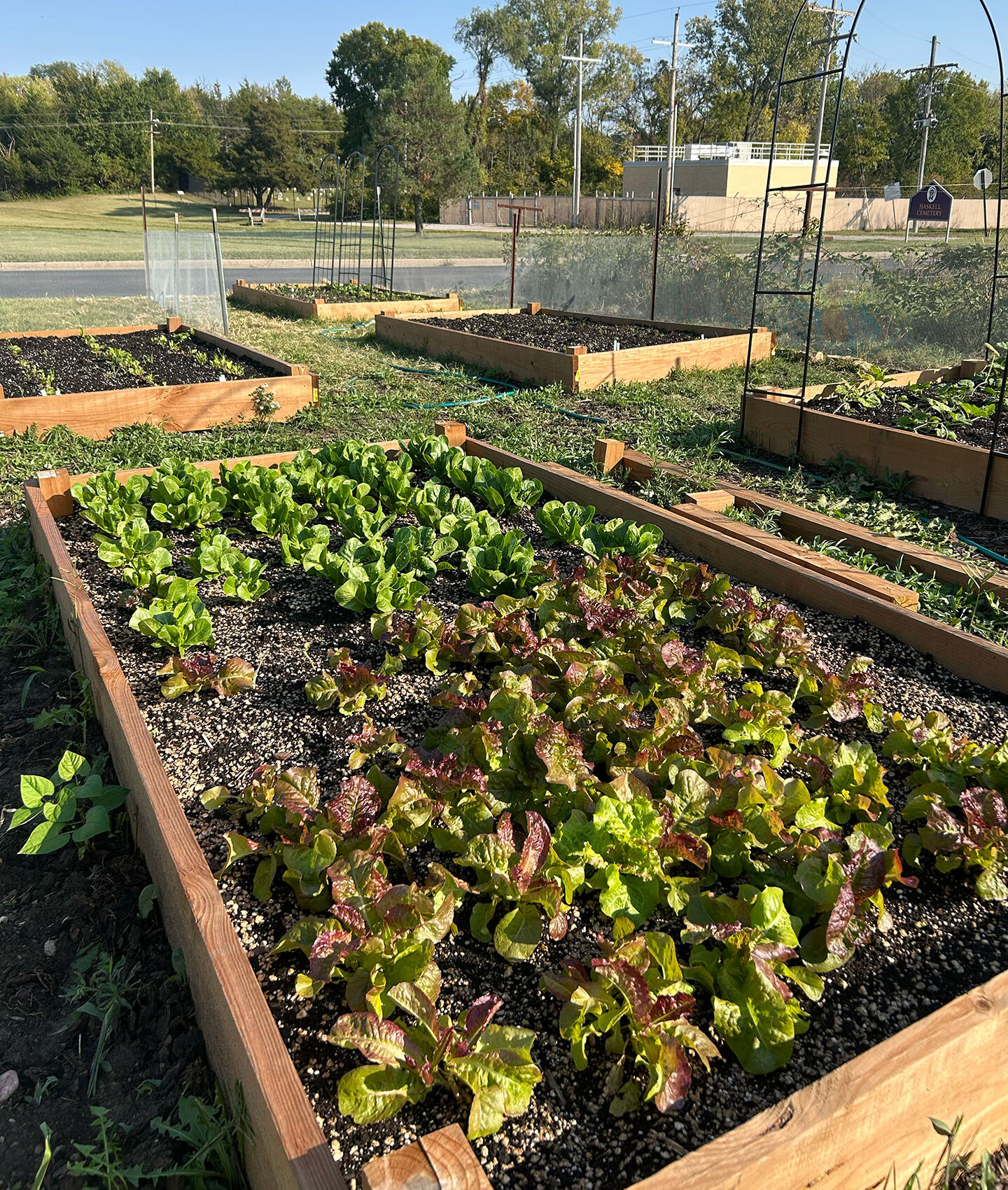
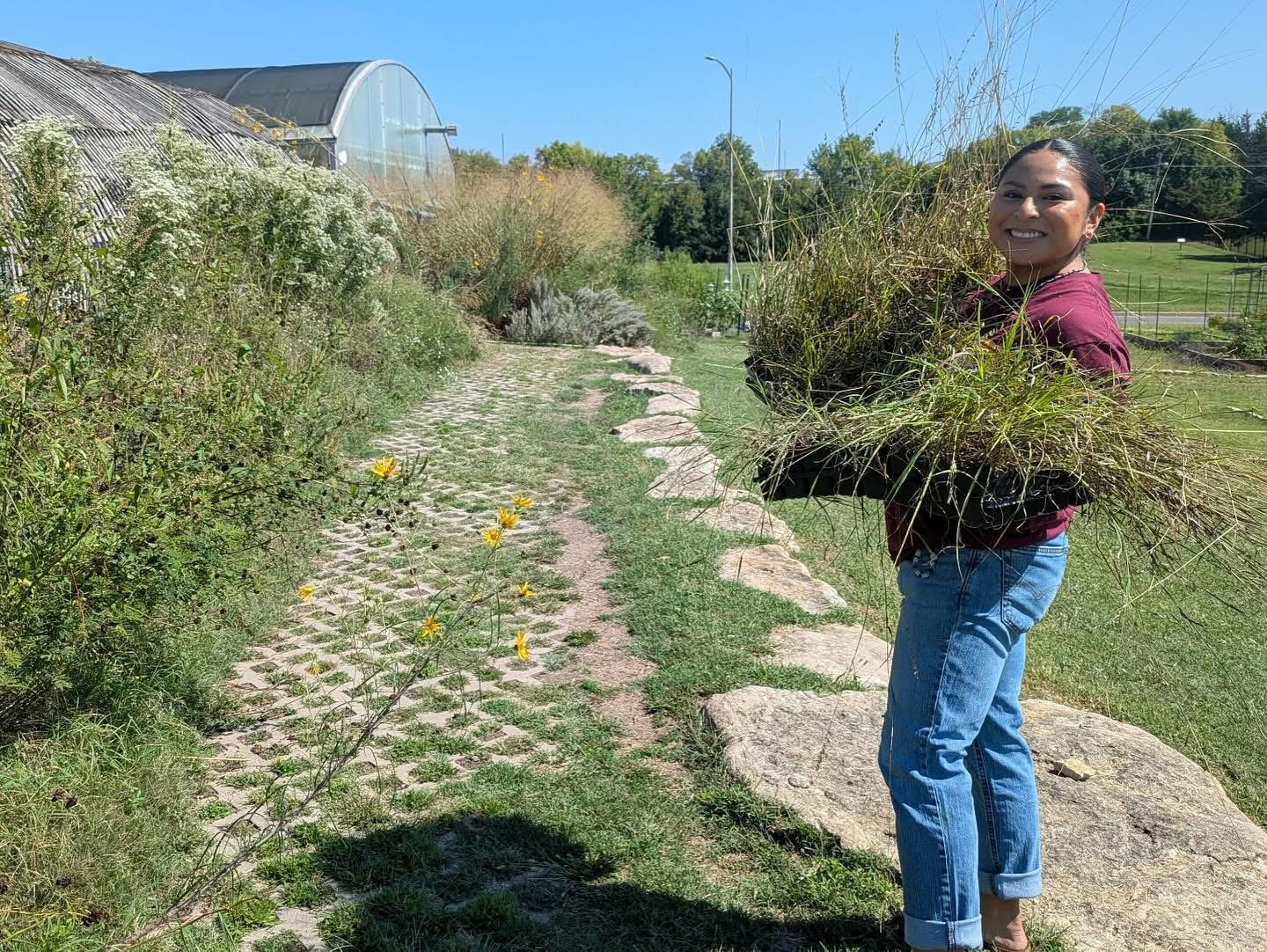
We came up with the idea of building raised garden beds near the dorms so students can easily access fresh foods and learn how to grow them themselves. Through support from the Haskell Greenhouse (funded through the USDA Equity Grant), we started building.
Last year was our first year doing this project and it was a learning experience as with many community-based projects, it comes with trial and error. However, that process taught us a lot about what works, what doesn’t, and how to build something more sustainable moving forward. This year, we’re continuing this work with stronger systems, more involvement, and a clearer vision.
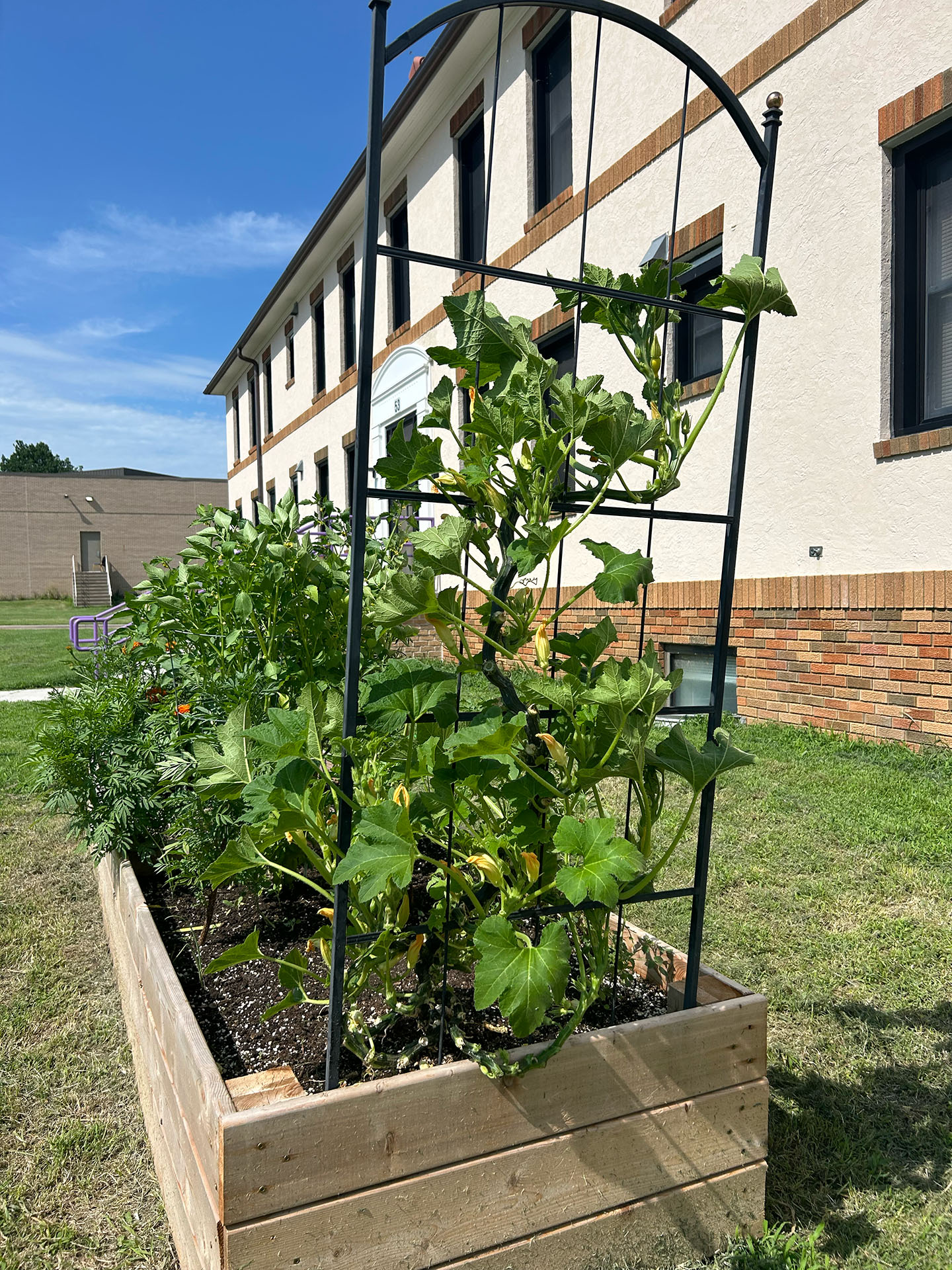
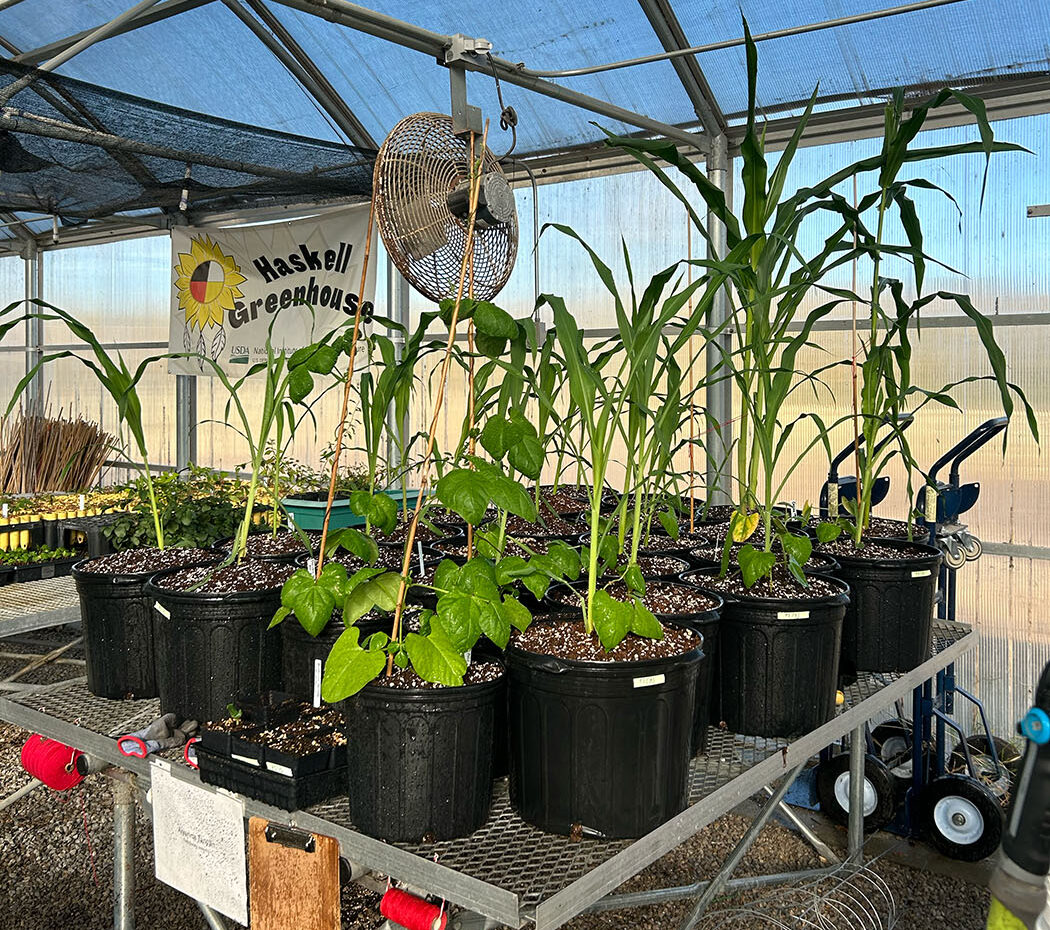
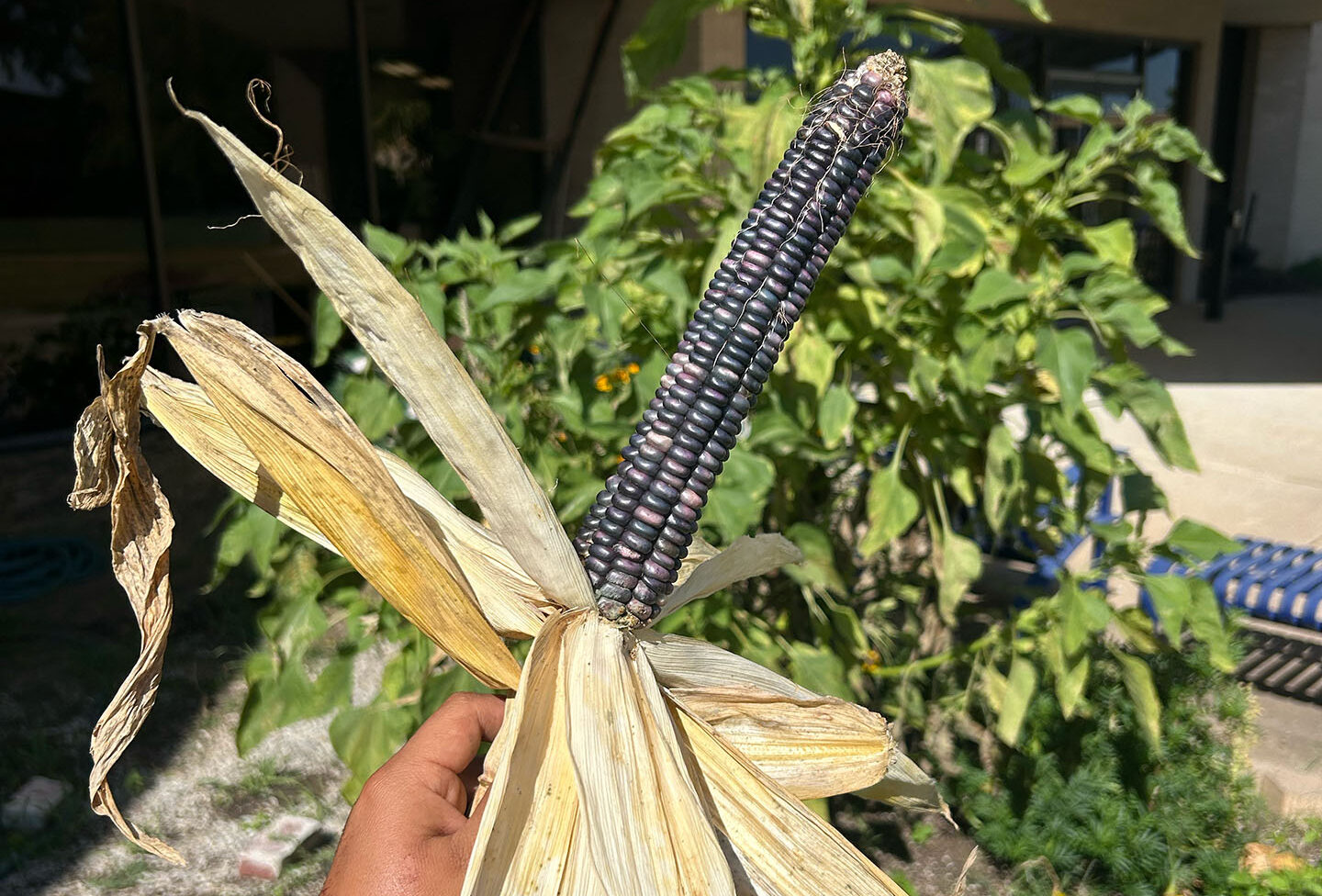
Everyone at the Haskell Greenhouse wants to help others learn, value, and view these spaces as places of teaching. I know they have taught me so much about responsibility and our relationship with the environment. Through these projects, we’re helping students reconnect with the land and understand the importance of food sovereignty for Indigenous communities. This work is ongoing, and we’re still learning. Every seed planted, and every workday shared brings us one step closer to a more sustainable and connected future.
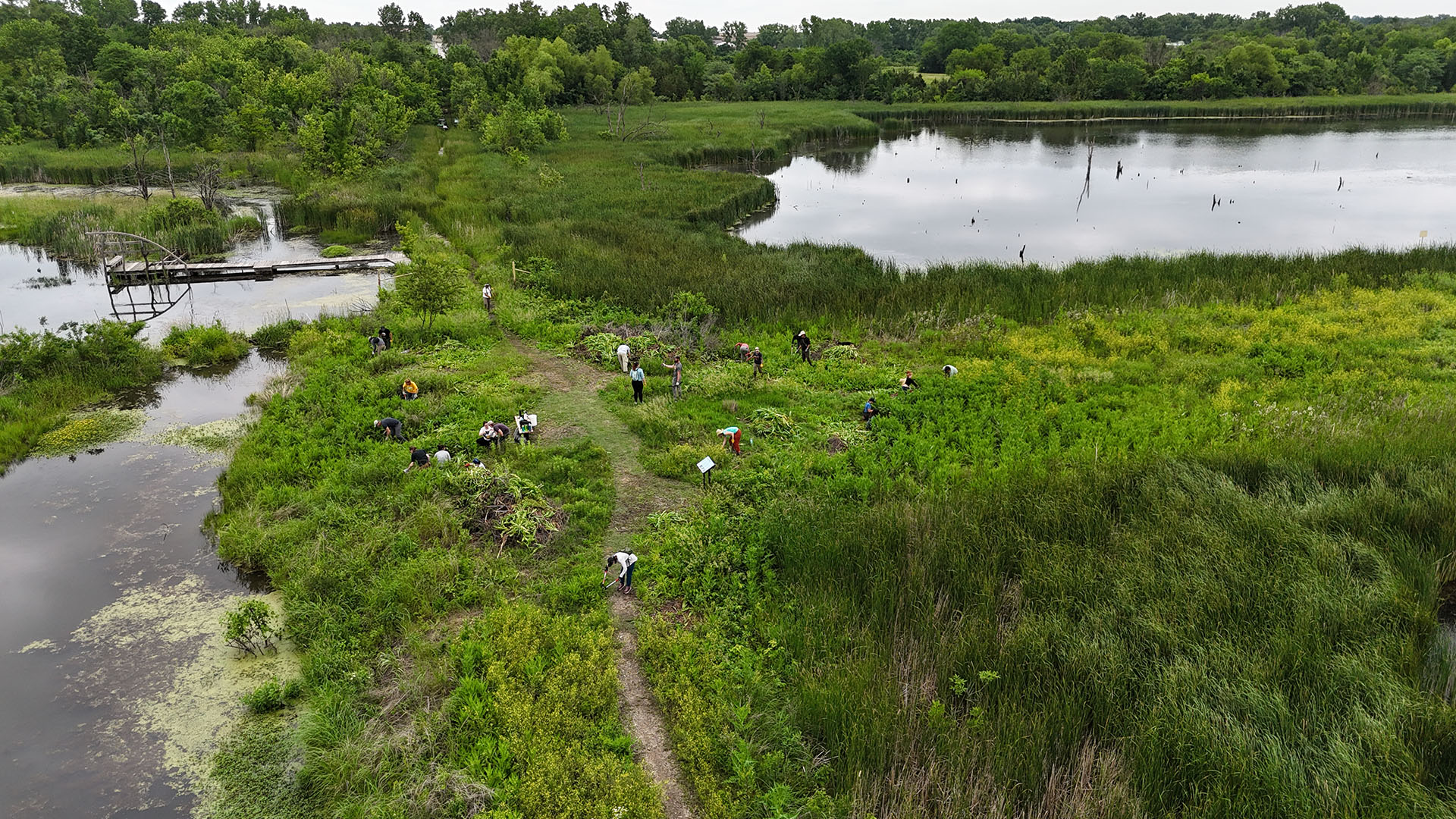
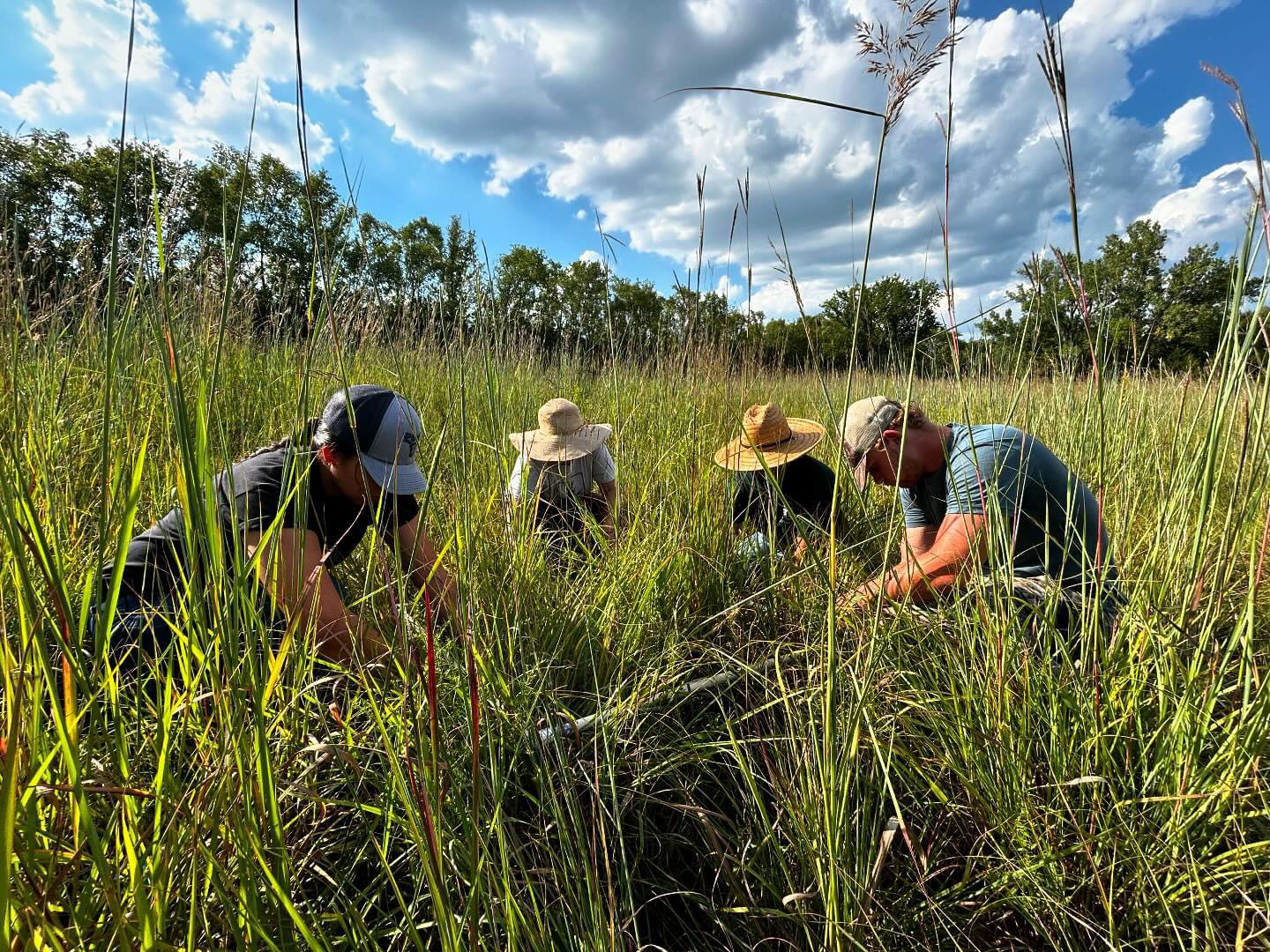
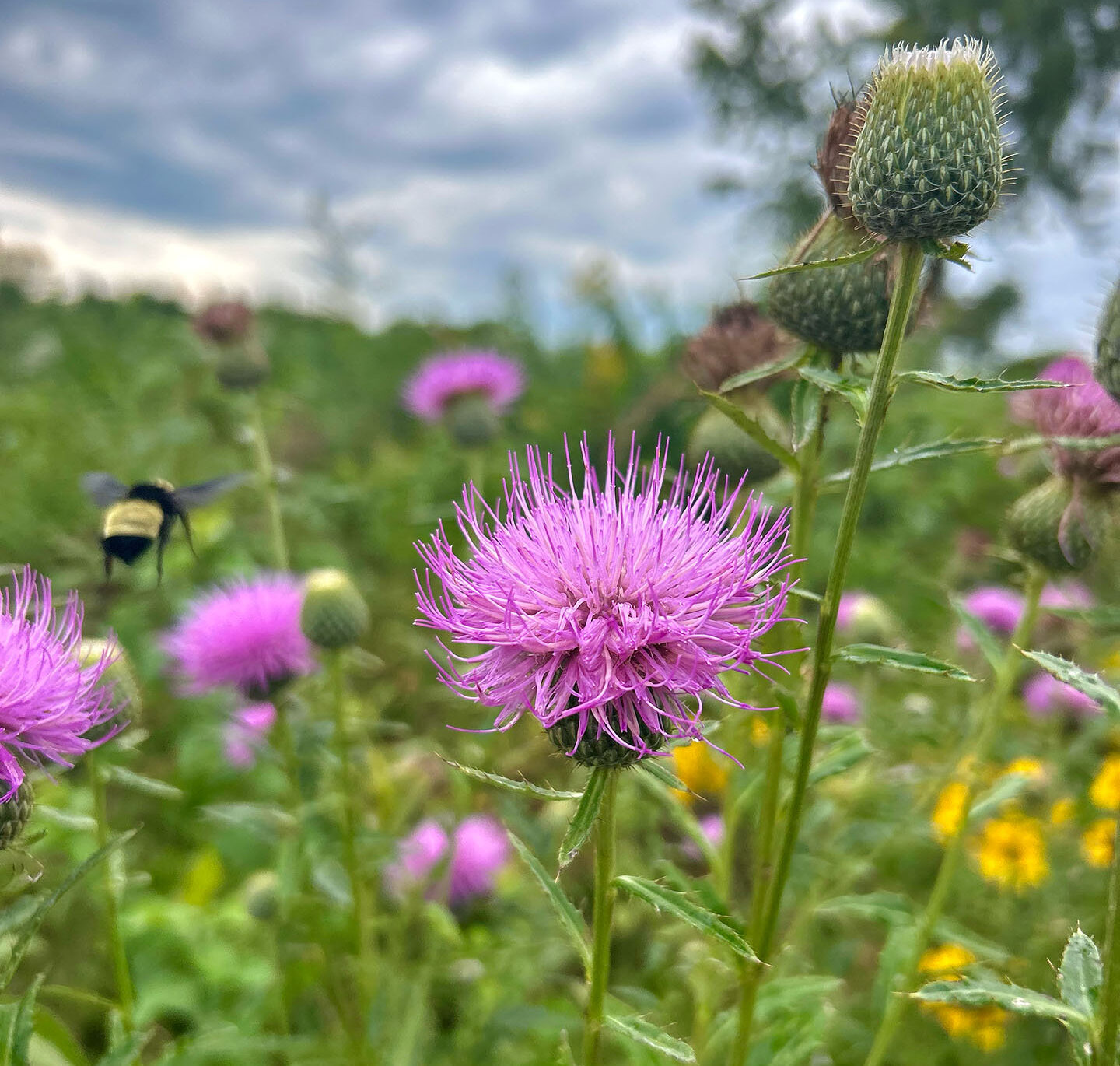
In Caring for Our Kin: Stories of Indigenous Environmental Stewardship, the College Fund shares the stories of Indigenous environmental leaders who are centering kinship and relational knowledge to build healthy ecological systems. These stories remind us that caring for the Earth means caring for one another—and that Indigenous knowledge systems continue to offer guidance, resilience, and hope for the future.
Learn more about our Environmental Stewardship Program.
Ekvnv Vcayecet. Mvto!
(Take care of the Earth/Land. Thank you)
More Blogs
Student Blogger, Ulrick talks about C.H.A.N.G.E.
Making a connection to your culture can be a struggle to the say least, but once you find it it can be be one of the most fulfilling things of your life. I know this because it's a path I have begun and will continue to follow. Although it might not be for everyone,...
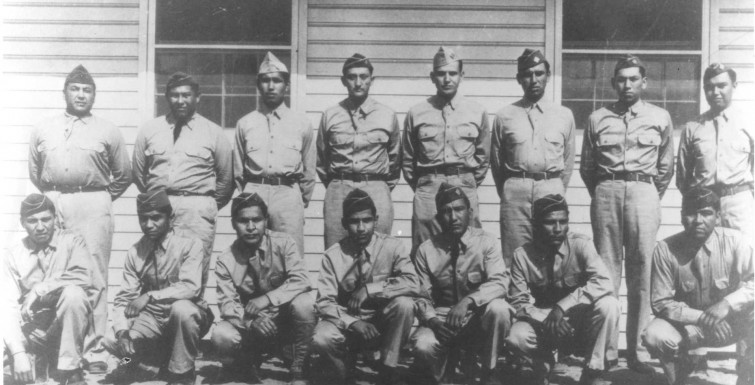
Code Talkers Preserving Freedoms by Preserving Languages
Today, we pay tribute to those who’ve made the ultimate sacrifice to protect the freedoms we all enjoy. Memorial Day is also a very important holiday for American Indians, as throughout history Indian warriors have fought to ensure the survival of their tribes,...
Teacher of the Next Generation
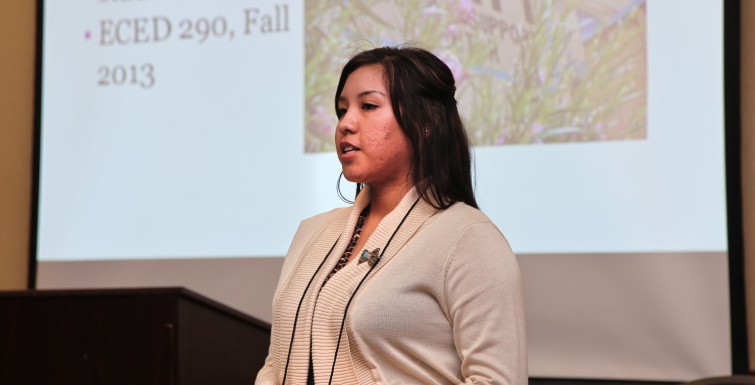
Hello my name is Sasha Toribio. I am from Zia Pueblo, located in Zia, New Mexico. I attend Southwestern Indian Polytechnic Institute (SIPI) and for a year and a half I have been studying within the early childhood program. During my fall trimester of 2013 I enrolled...
W.K. Kellogg Foundation Grants $500,000 to Strengthen Family Engagement
W.K. Kellogg Foundation Grants $500,000 to American Indian College Fund to Strengthen Family Engagement in Native American Communities
Cheryl Crazy Bull to Speak at the Association of Community College Trustees Leadership Congress
The Association of Community College Trustees (ACCT) today announced that Cheryl Crazy Bull, president and CEO of the American Indian College Fund, will be a featured keynote speaker at the 45th Annual Community College Leadership Congress, which will take place at the Hyatt Regency Chicago this October 22 – 25, 2014.
The College Fund to Support Environmental Science and Sustainability Programs
American Indian College Fund to Support Environmental Science and Sustainability Programs, Fellowships, and Internships
The Coca-Cola Foundation and American Indian College Fund Honor 36 First-Generation Scholars
The Coca Cola Foundation and the American Indian College Fund honored 36 American Indian scholarship recipients at its 2013-14 Coca-Cola First Generation Scholarship banquet at the American Indian Higher Education Consortium Student Conference in Billings, Montana.
Thirty-four Students Honored at American Indian College Fund Student of the Year Awards
The American Indian College Fund (the College Fund) honored 34 American Indian scholarship recipients at its 2013-14 Student of the Year reception at the American Indian Higher Education Consortium Student Conference in Billings, Montana. The program, sponsored by the Adolph Coors Foundation, awarded each honoree a $1,000 scholarship.

Wakanyeja Early Childhood Education Initiative Goes International
The Wakanyeja Early Childhood Education (ECE) Initiative celebrates another milestone; the project story has gone (or flown) international! Starting April 2 through May 2014, the Switchback Gallery in the Gippsland Centre for Art and Design, in Churchill, Australia,...
SIPI President Named Tribal College Honoree of the Year
TCU President Dr. Sherry Allison of Southwestern Indian Polytechnic Institute (SIPI) Named American Indian College Fund Tribal College Honoree of the Year.