
Planting the Seeds of Cultural Sustainability
April 22, 2026 | Student Ambassador Aiyanna Tanyan’s (Seminole Nation of Oklahoma) work to reclaim food sovereignty
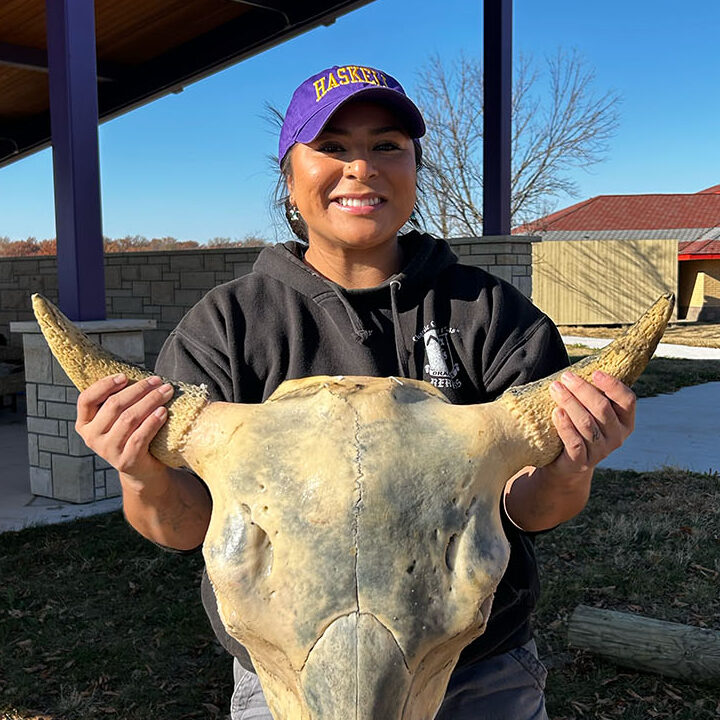
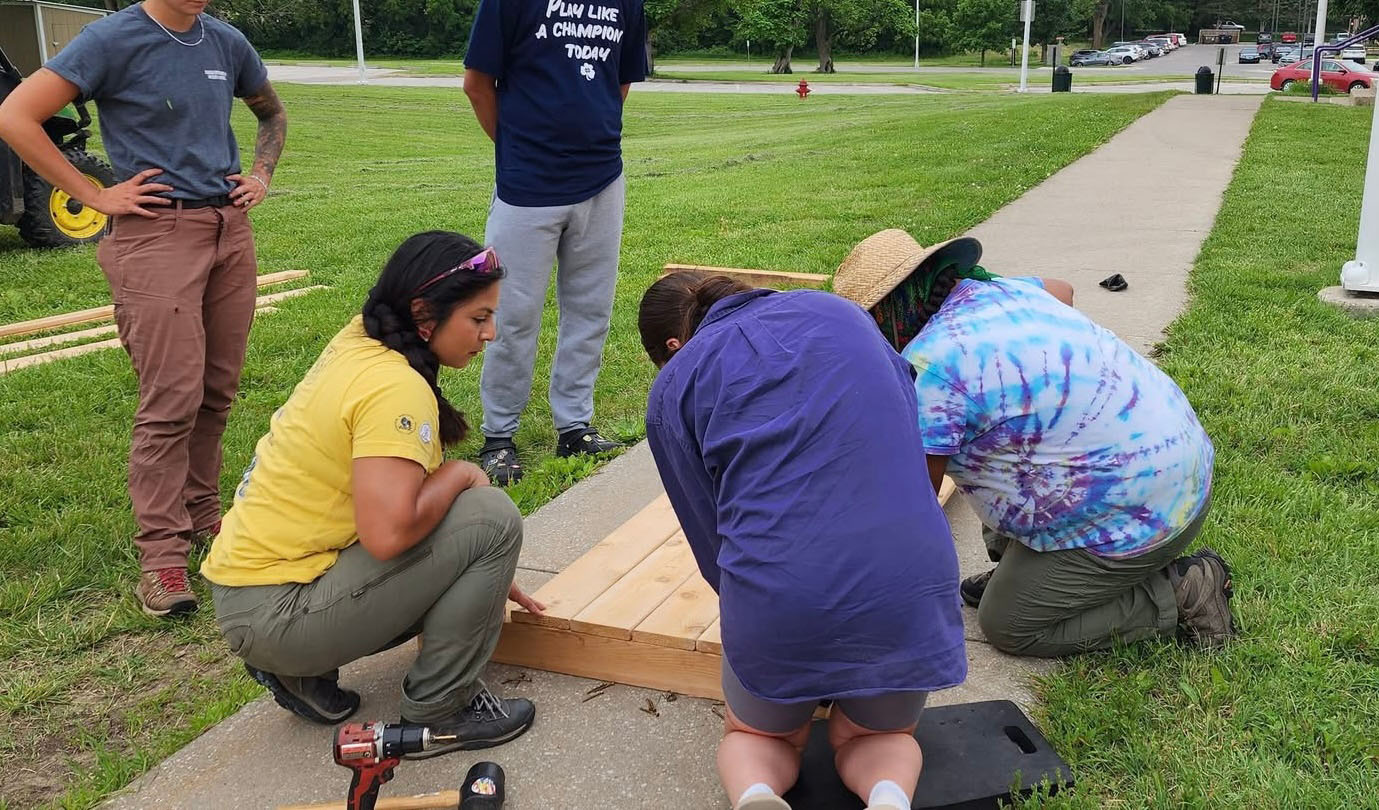
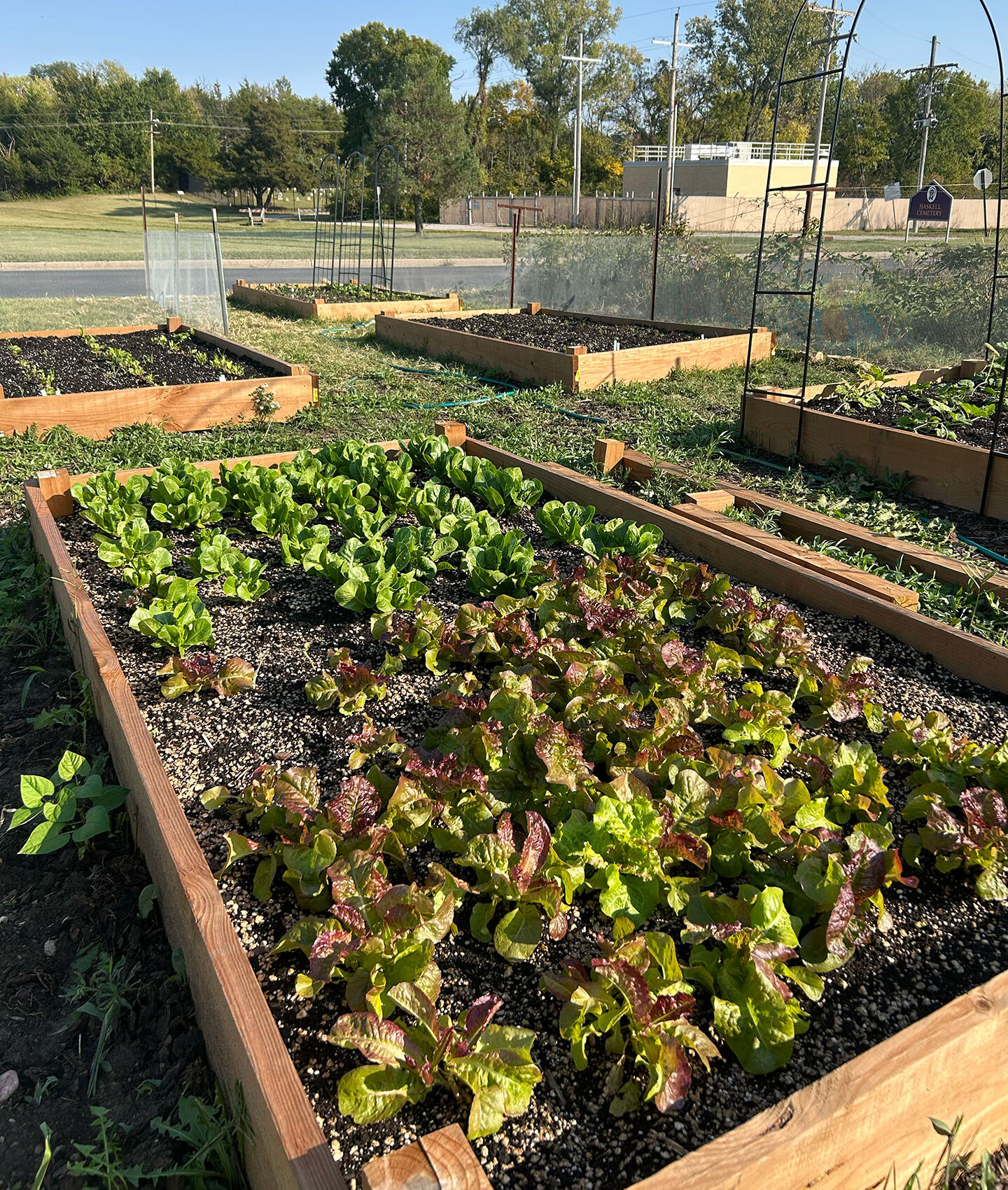
We came up with the idea of building raised garden beds near the dorms so students can easily access fresh foods and learn how to grow them themselves. Through support from the Haskell Greenhouse (funded through the USDA Equity Grant), we started building.
Last year was our first year doing this project and it was a learning experience as with many community-based projects, it comes with trial and error. However, that process taught us a lot about what works, what doesn’t, and how to build something more sustainable moving forward. This year, we’re continuing this work with stronger systems, more involvement, and a clearer vision.
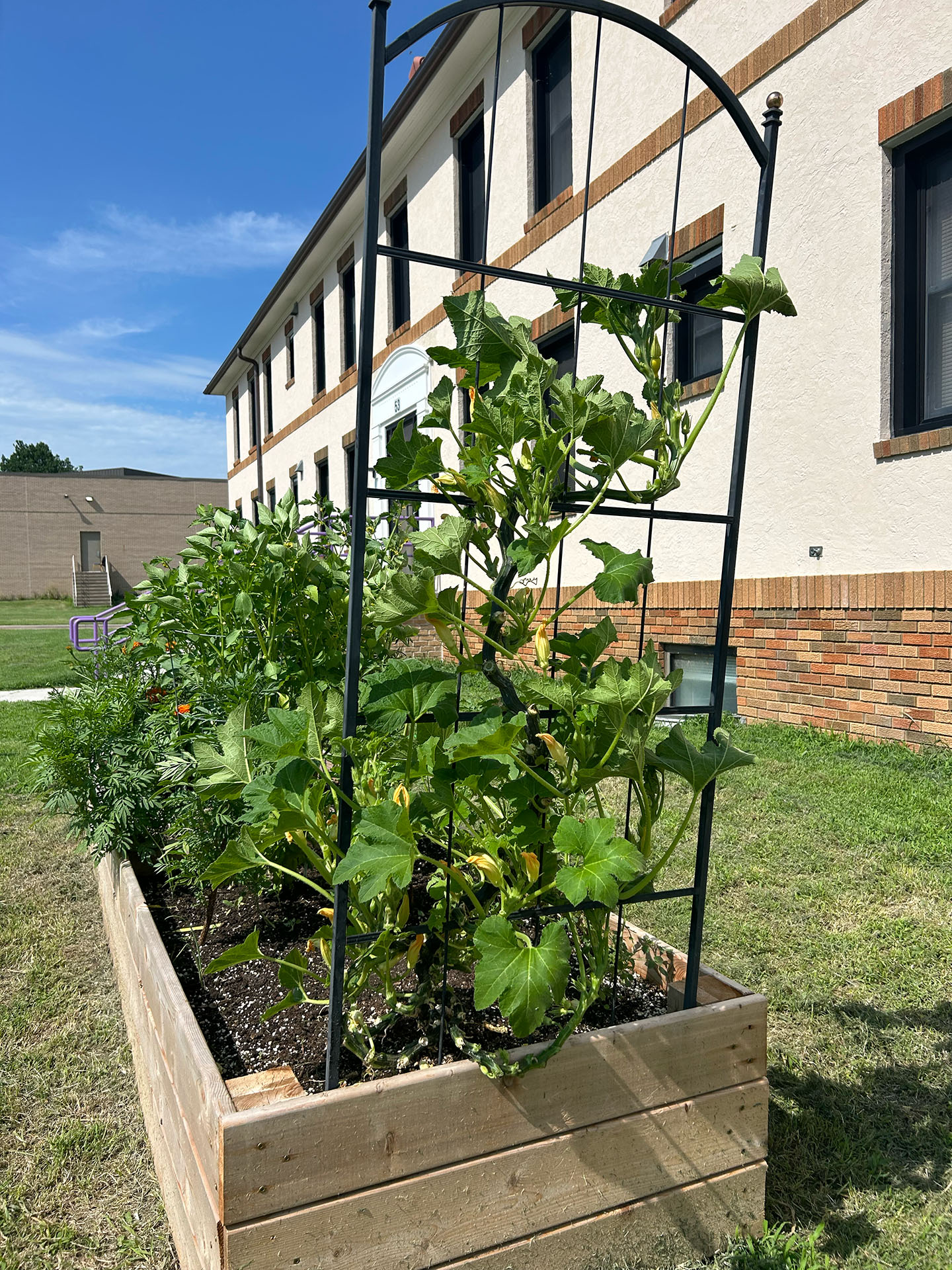
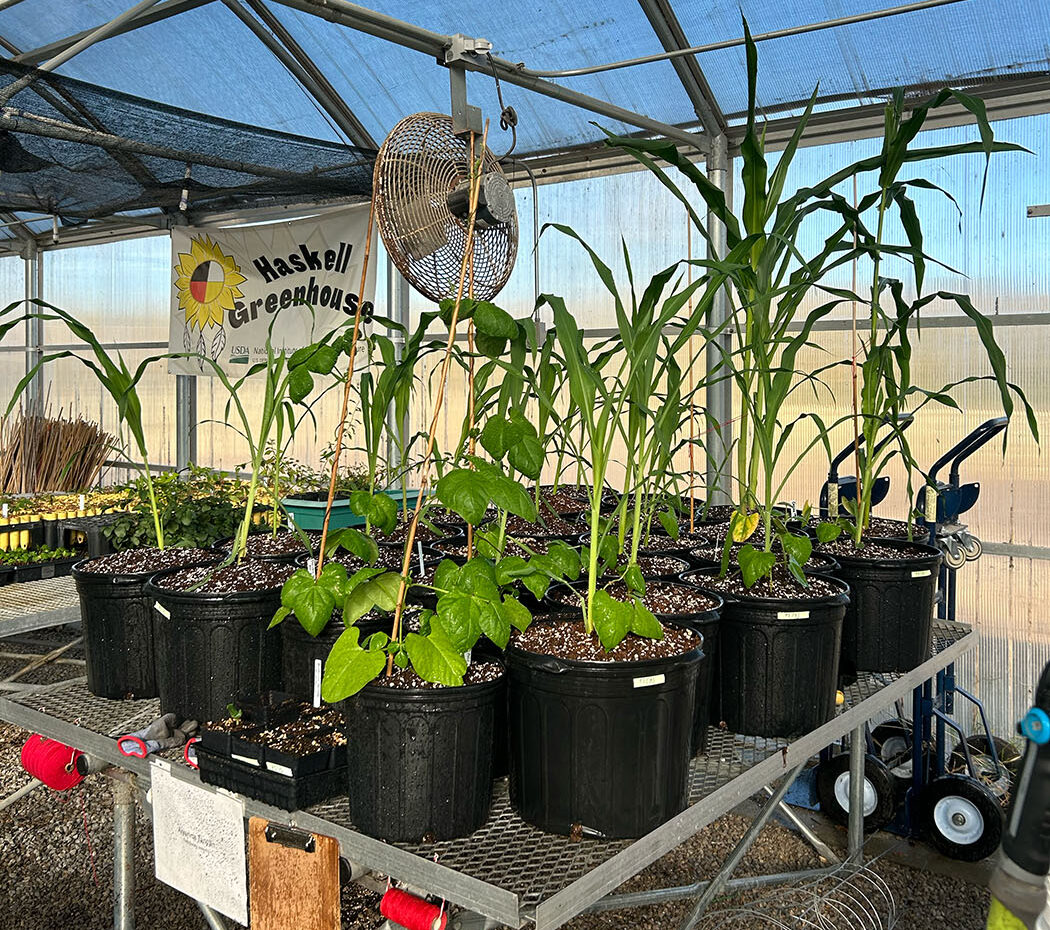
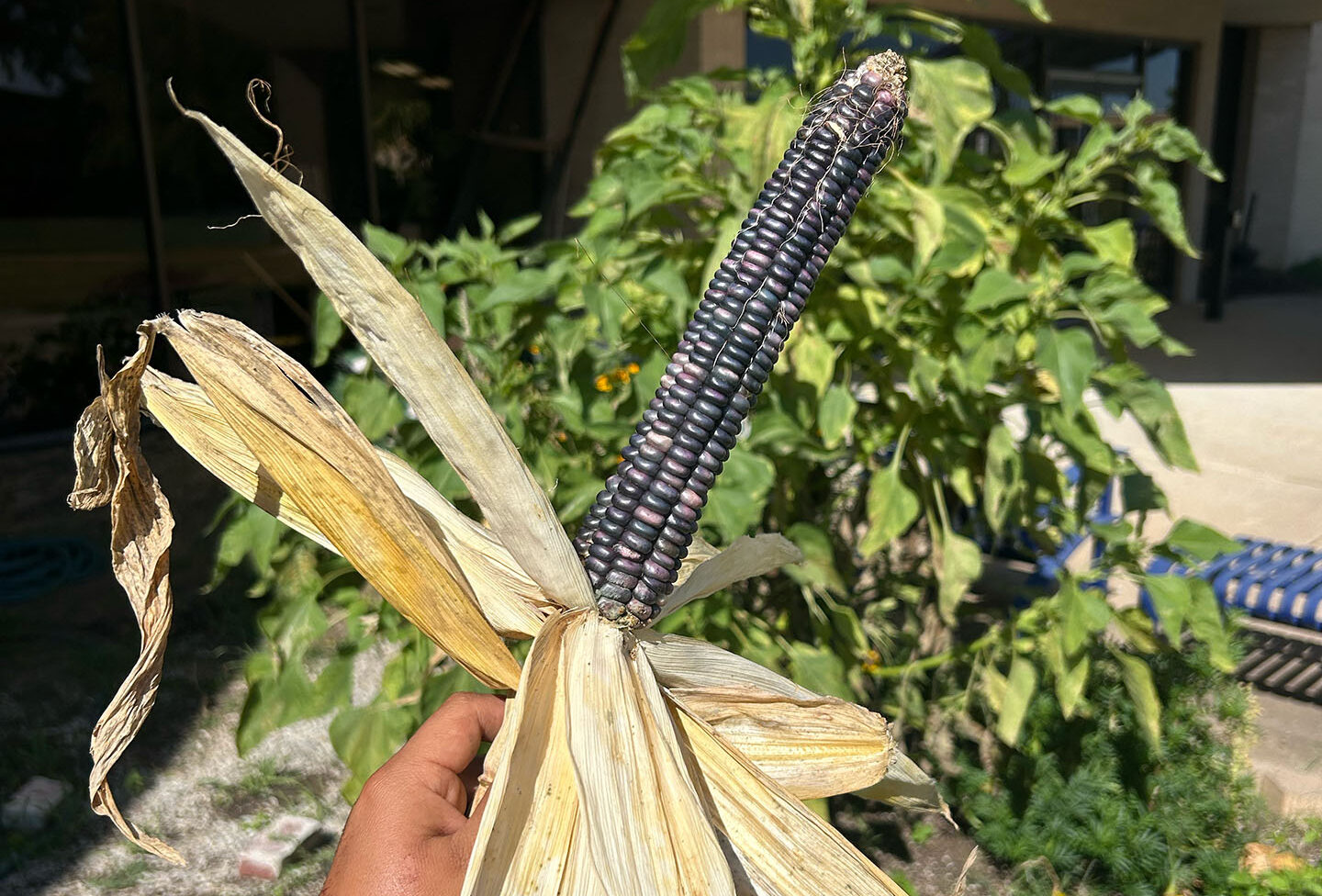
Everyone at the Haskell Greenhouse wants to help others learn, value, and view these spaces as places of teaching. I know they have taught me so much about responsibility and our relationship with the environment. Through these projects, we’re helping students reconnect with the land and understand the importance of food sovereignty for Indigenous communities. This work is ongoing, and we’re still learning. Every seed planted, and every workday shared brings us one step closer to a more sustainable and connected future.
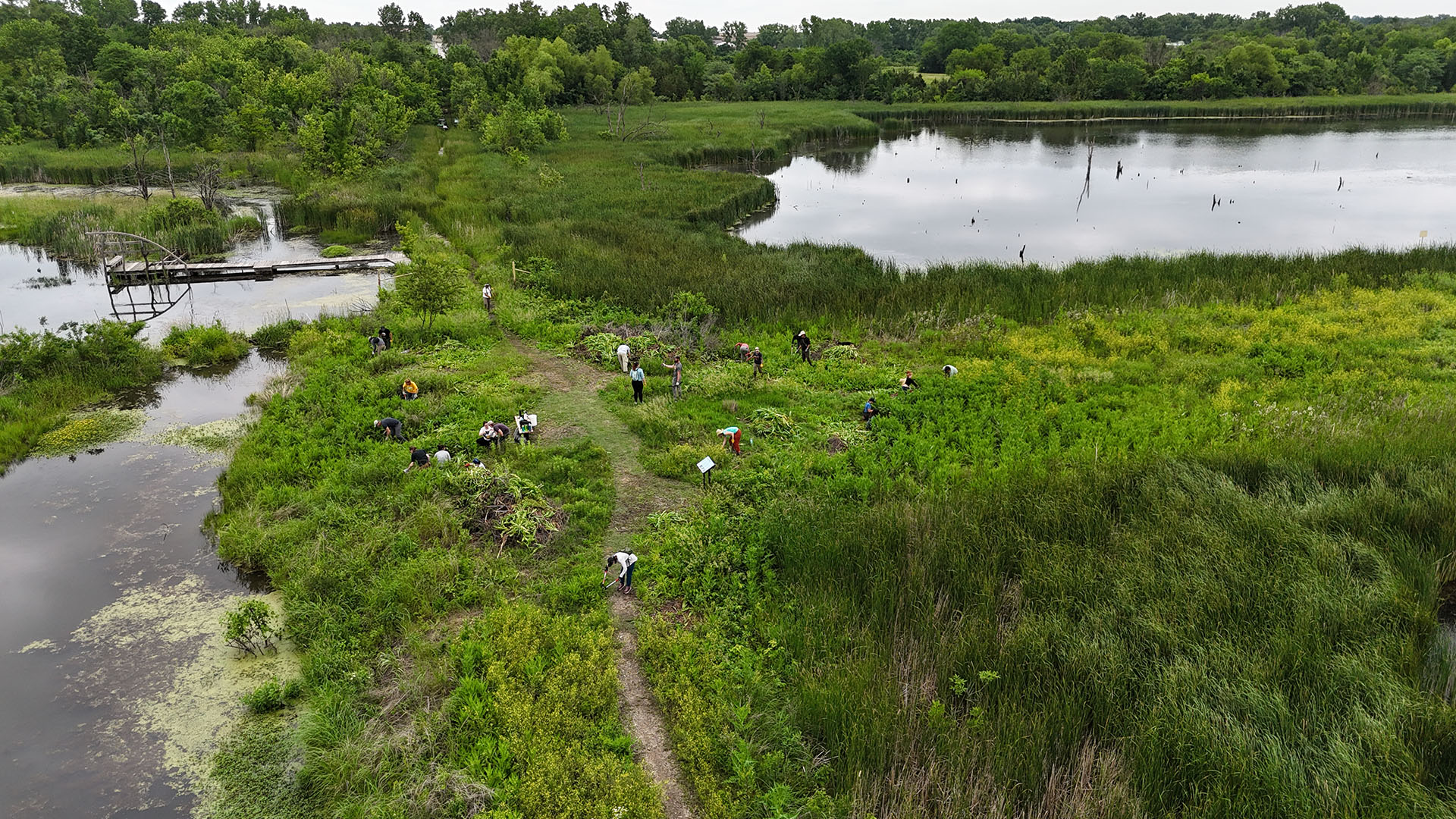
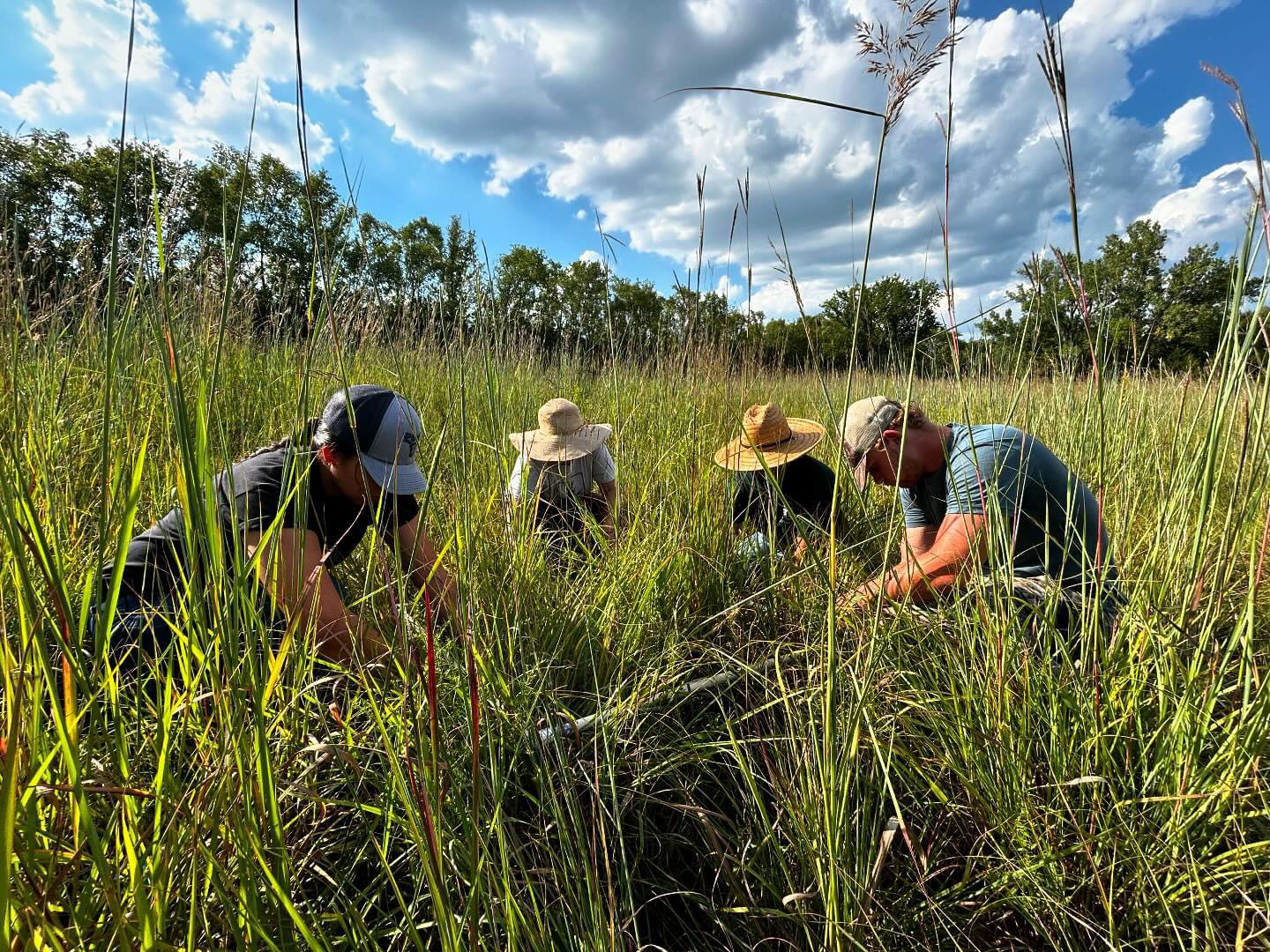
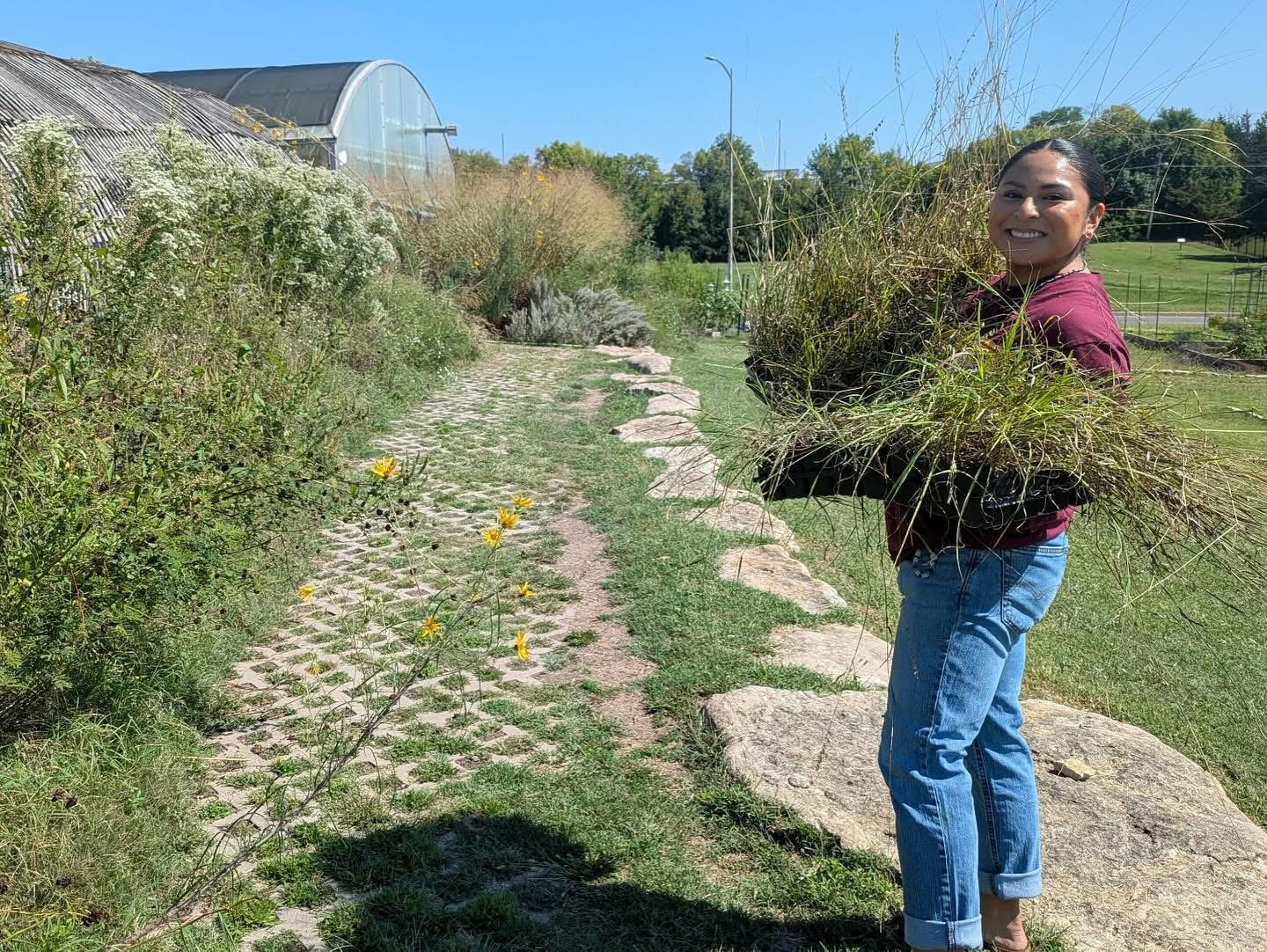
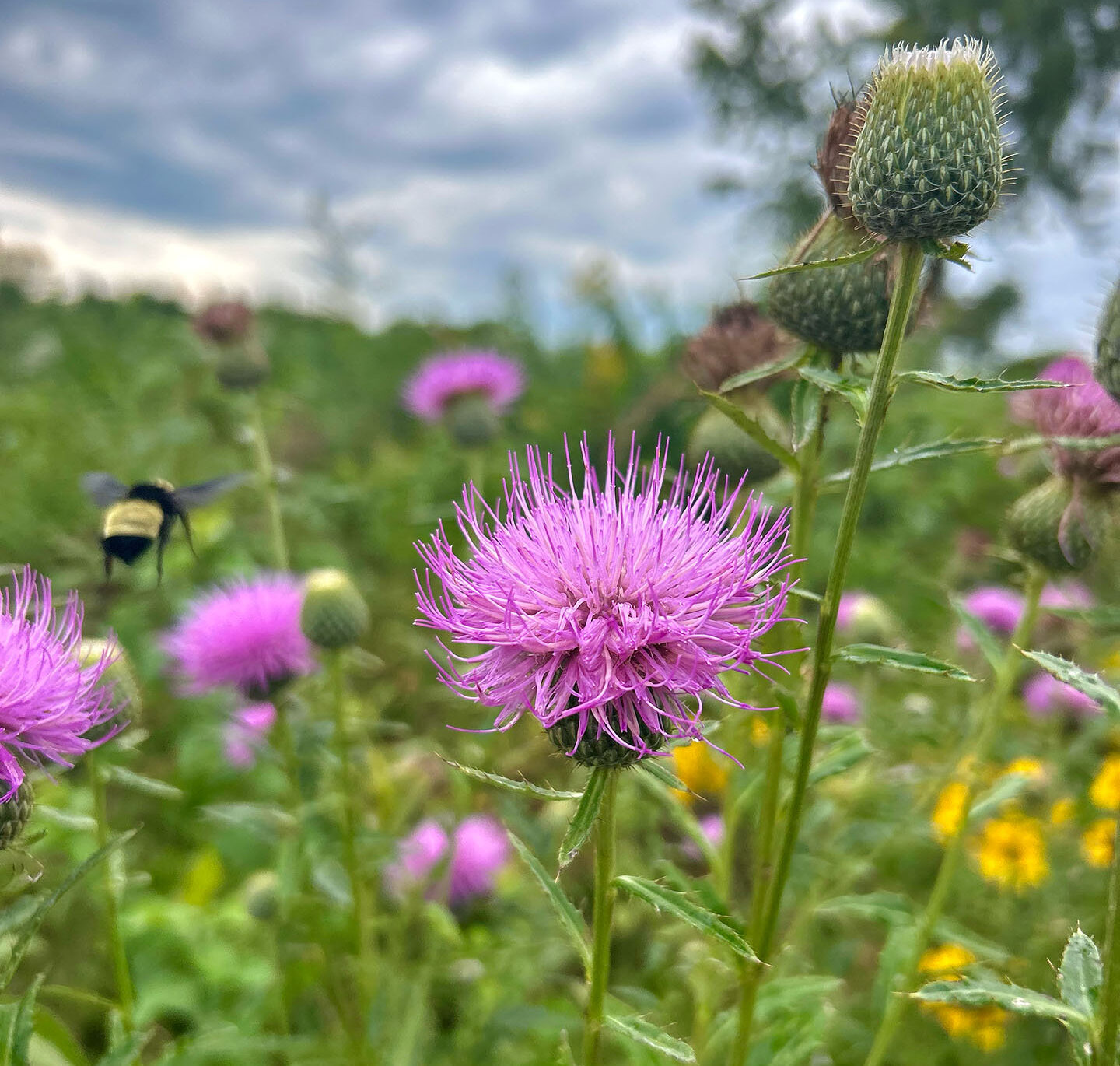
In Caring for Our Kin: Stories of Indigenous Environmental Stewardship, the College Fund shares the stories of Indigenous environmental leaders who are centering kinship and relational knowledge to build healthy ecological systems. These stories remind us that caring for the Earth means caring for one another—and that Indigenous knowledge systems continue to offer guidance, resilience, and hope for the future.
Learn more about our Environmental Stewardship Program.
Ekvnv Vcayecet. Mvto!
(Take care of the Earth/Land. Thank you)
More Blogs
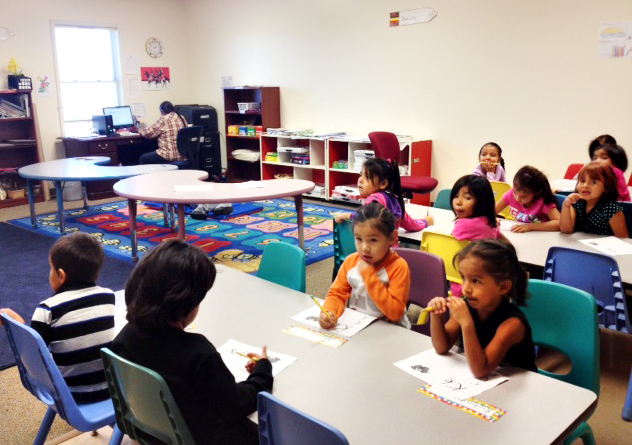
President Crazy Bull Visits South Dakota
On Monday October 1st, my husband Alex Prue and I enjoyed a beautiful drive from the He Sapa (Black Hills) down through the Maka Sice (Badlands) across vast prairies and valleys of fall gold cottonwoods and red sumac into the homelands of the Oglala. We visited Oglala Lakota College’s (OLC) main campus at Kyle.
Passion for Our People and Business Principles Make Successful Partnership
Bruce DeBoskey, a Colorado-based philanthropic adviser for the DeBoskey Group, noted in a recent article in The Denver Post that although the trend in philanthropy has been to make it become more strategic and effective. The Fund has rigorously employed systems to help our donors to transparently see how we invest their dollars in our communities, and how those dollars help our students, tribal colleges, and our Native communities.

Meet Dwight, Our Student Speaker for the Flame of Hope Gala!
Every year the American Indian College Fund’s Flame of Hope Gala affords our supporters a chance to meet our students and hear how you help make a difference in their lives. We’d like to introduce you to this year’s student speaker, Dwight Carlson (Navajo), an environmental science major, two-time U.S. Forest Service student intern, firefighter, All-American cross country runner, and bull rider. Dwight is an amazing young man whose potential might not have been met without the chance to earn a college education.
Target Donates $20,000 to American Indian College Fund to Continue Scholarship Program
For more than 10 years, the Target Corporation has been helping Native American students pursue a college education at tribal colleges and universities. Target has renewed its commitment with a grant of $20,000 to the American Indian College Fund to continue the Target Tribal College Scholarship Program for the 2012-13 academic year.
Santa Fe Natural Tobacco Company Foundation Gives $60,000 for Scholarships
The Santa Fe Natural Tobacco Company Foundation awarded $60,000 to the American Indian College Fund (the Fund) for the Achieving the Dream Scholarship Program. The program assists Native students who are single parents and/or in the first year of an associate’s degree program, attending Diné College, Navajo Technical College, Sisseton Wahpeton College, Sinte Gleska University, or Oglala Lakota College. Preference is given to past Achieving the Dream Scholars. Each scholar receives a $4,000 scholarship split between fall and spring semesters.
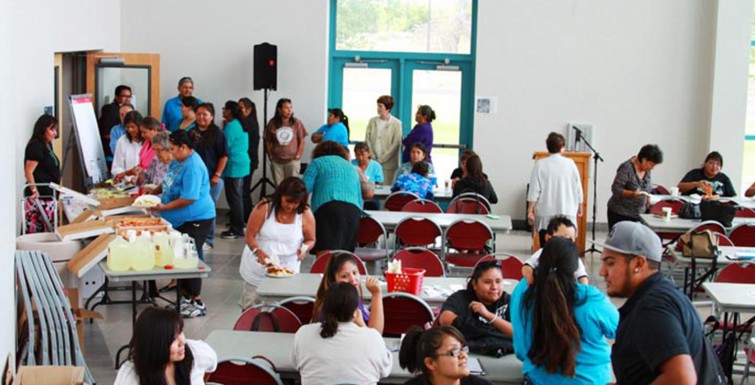
Tribal College Hosts Early Childhood Teacher Education Kick-Off
Southwestern Indian Polytechnic Institute (SIPI), one of the four grantees of the Wakanyeja “Sacred Little Ones” grant initiative funded by the American Indian College Fund and the W.K. Kellogg Foundation, held the first Early Childhood Teacher Education Kick-Off on September 5, 2012.
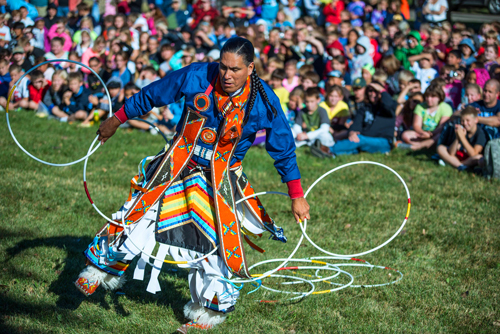
‘Champions’ earn honors at United Tribes Technical College
An estimated crowd of 6,000 jammed into and around the darkened dance arena to see fire-lit knives spun-about and tossed into the night sky by members of the powwow’s featured cultural group. The Tafiti Samoan Fire Knife Dancers wowed the audience with their flaming machetes. The group was led by cultural ambassador Kap Te’O Tafti, of the Polynesian Cultural Center, Laie, Hawaii.
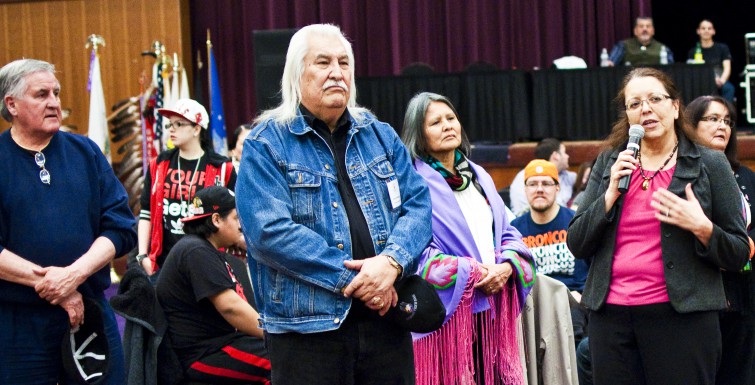
President Crazy Bull Reflects On Her First Week at the Fund
American Indian College Fund President and CEO Cheryl Crazy Bull writes a blog titled The Native Ways. Check out her reflections about her first week at the American Indian College Fund, the role of tribal colleges, Indians in urban settings, and much more!
Education as a Tool to Eliminate Poverty
An interesting article about how education helps eradicate poverty, and why the federal government should make it a priority.
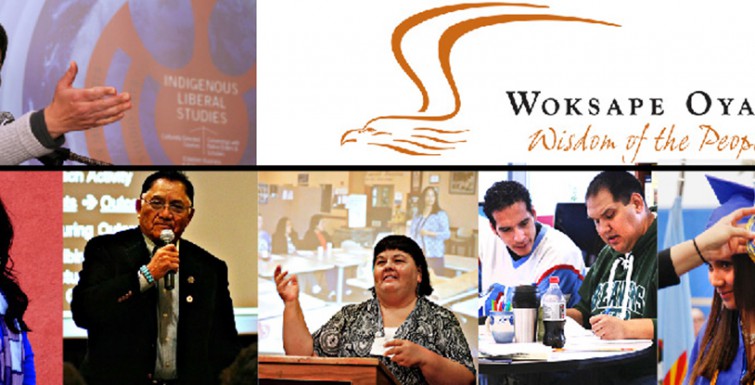
Woksape Oyate Projects Draws to a Close
After five years of building intellectual capital across Indian Country, the American Indian College Fund’s Woksape Oyate $17.5 million dollar project, meaning Wisdom of the People and funded by the Lilly Endowment, is drawing to a close.