
Planting the Seeds of Cultural Sustainability
April 22, 2026 | Student Ambassador Aiyanna Tanyan’s (Seminole Nation of Oklahoma) work to reclaim food sovereignty
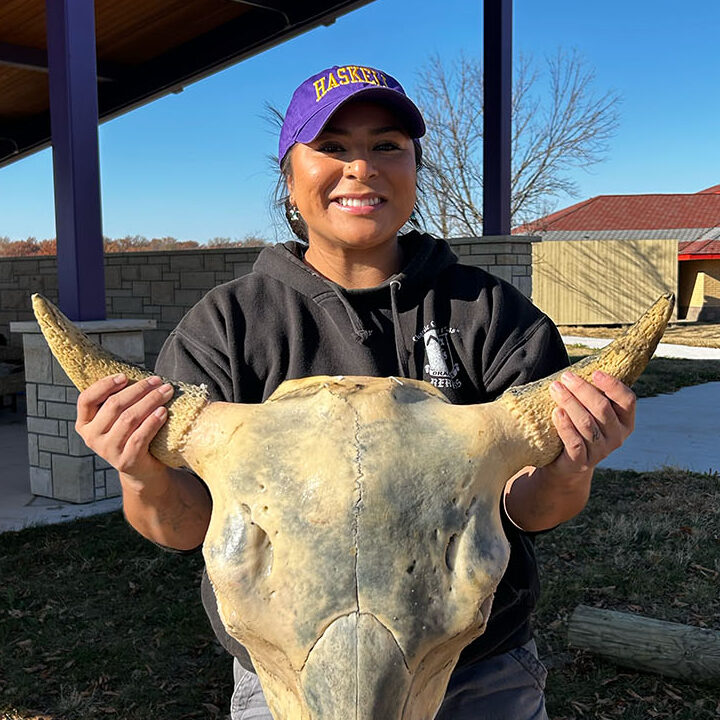
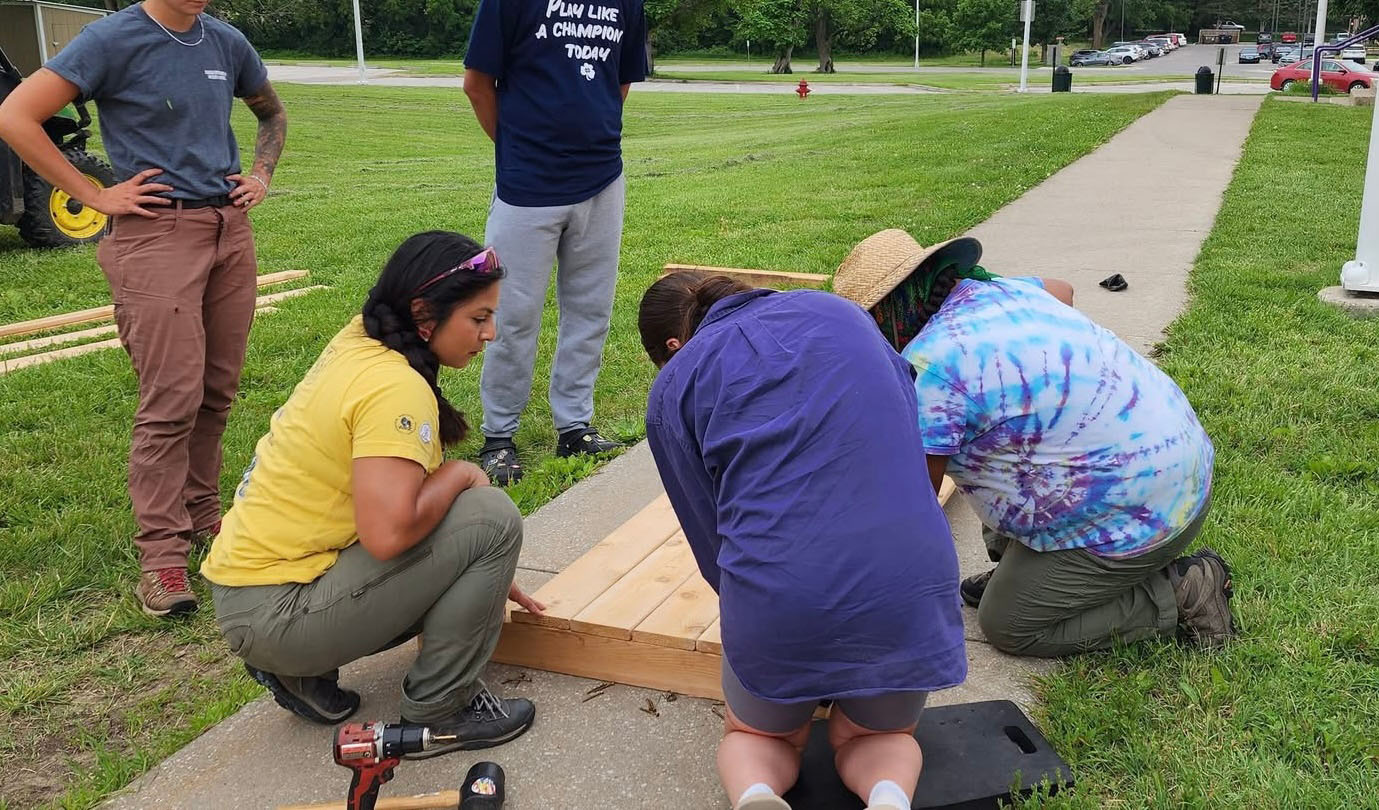
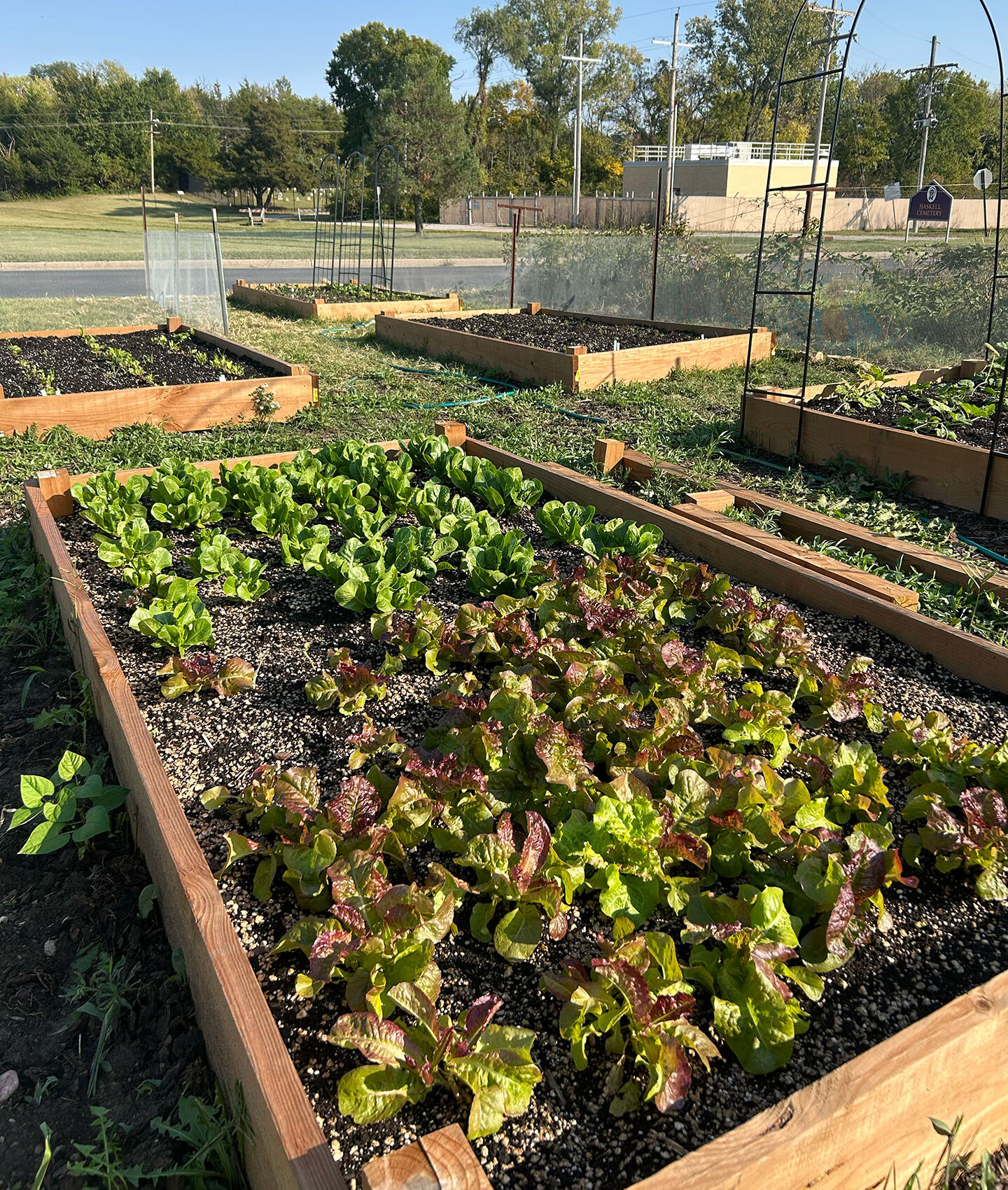
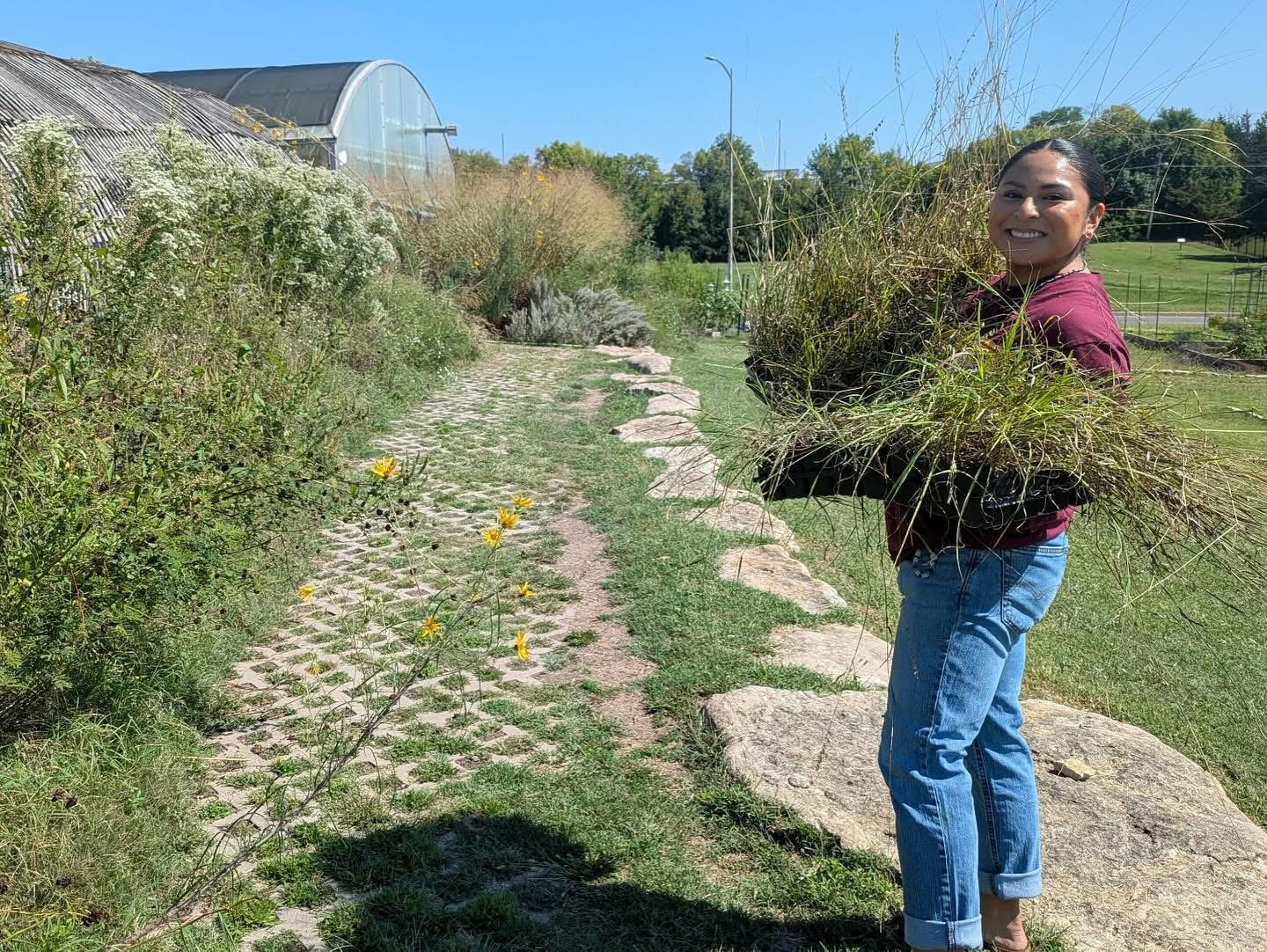
We came up with the idea of building raised garden beds near the dorms so students can easily access fresh foods and learn how to grow them themselves. Through support from the Haskell Greenhouse (funded through the USDA Equity Grant), we started building.
Last year was our first year doing this project and it was a learning experience as with many community-based projects, it comes with trial and error. However, that process taught us a lot about what works, what doesn’t, and how to build something more sustainable moving forward. This year, we’re continuing this work with stronger systems, more involvement, and a clearer vision.
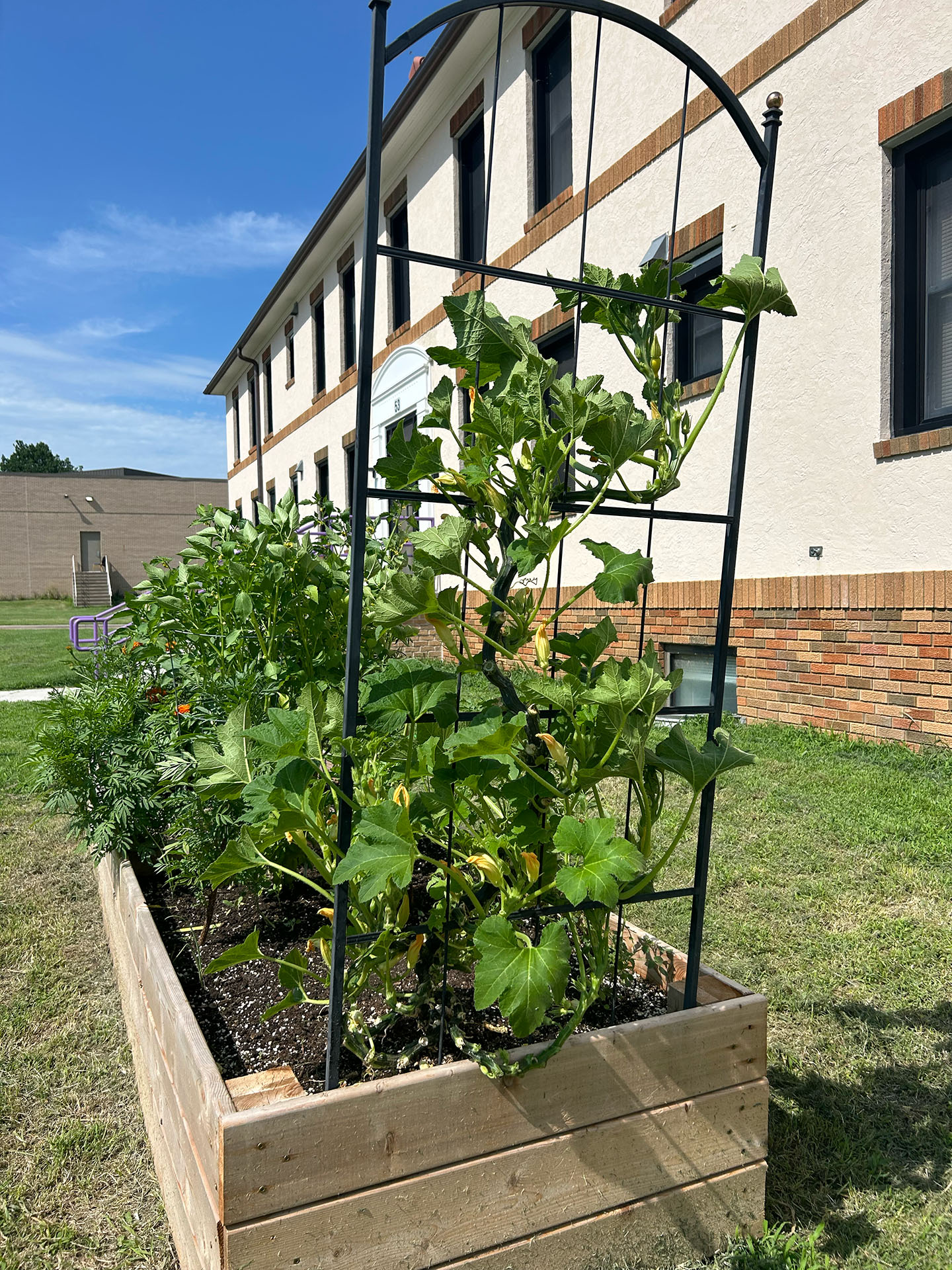
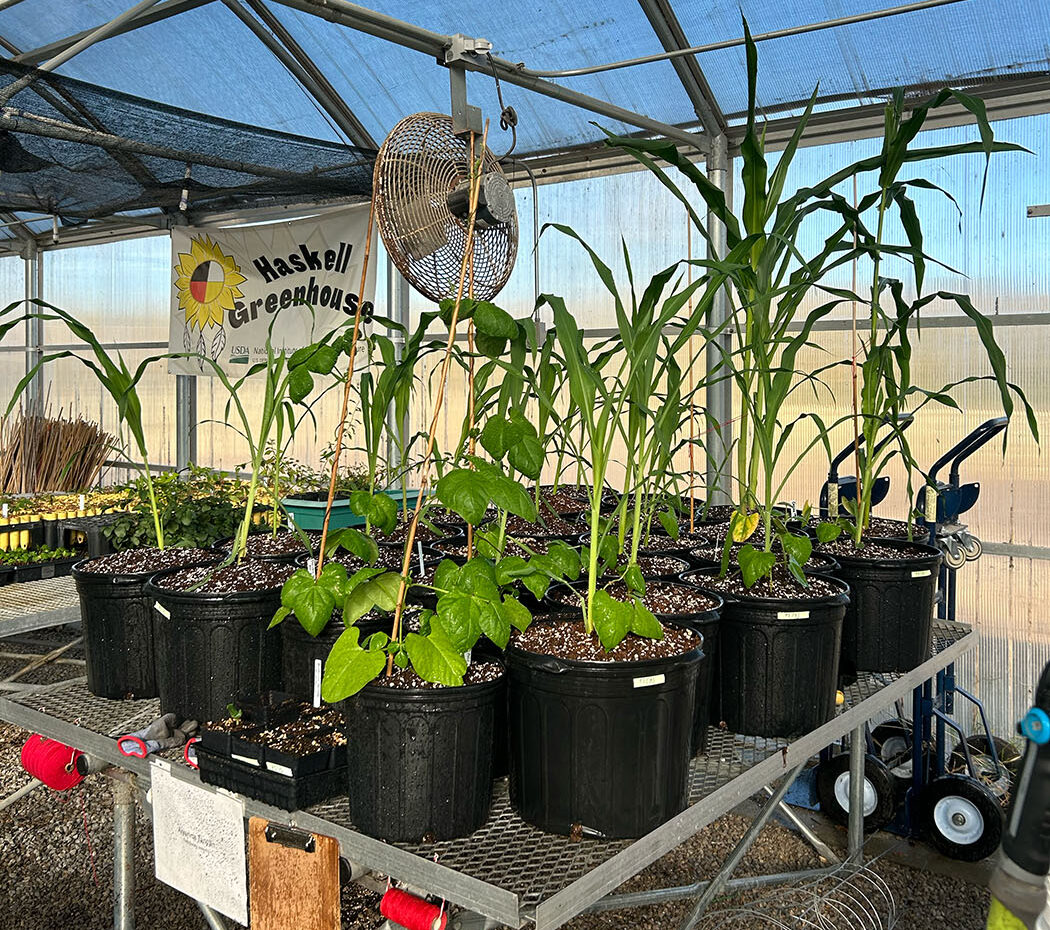
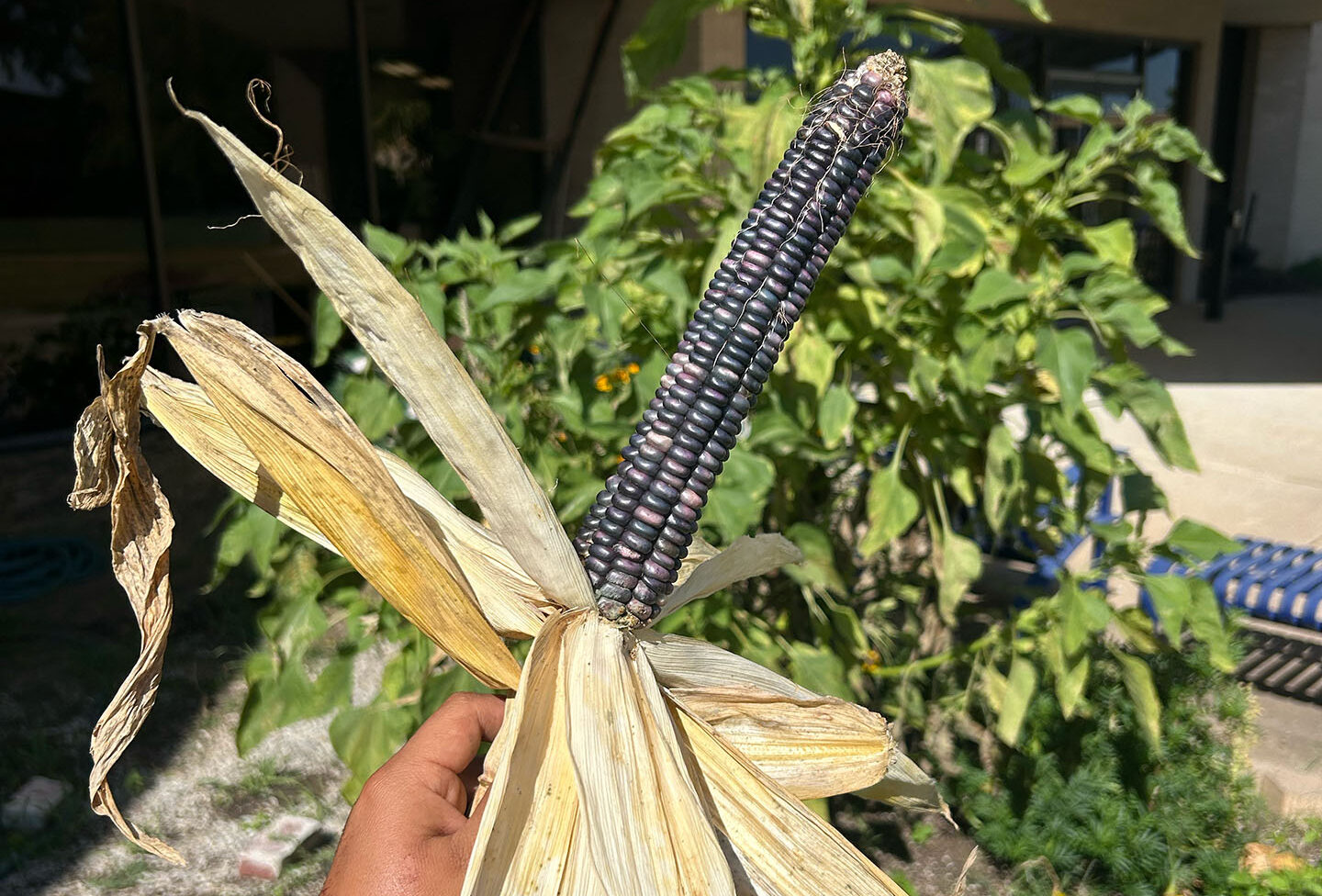
Everyone at the Haskell Greenhouse wants to help others learn, value, and view these spaces as places of teaching. I know they have taught me so much about responsibility and our relationship with the environment. Through these projects, we’re helping students reconnect with the land and understand the importance of food sovereignty for Indigenous communities. This work is ongoing, and we’re still learning. Every seed planted, and every workday shared brings us one step closer to a more sustainable and connected future.
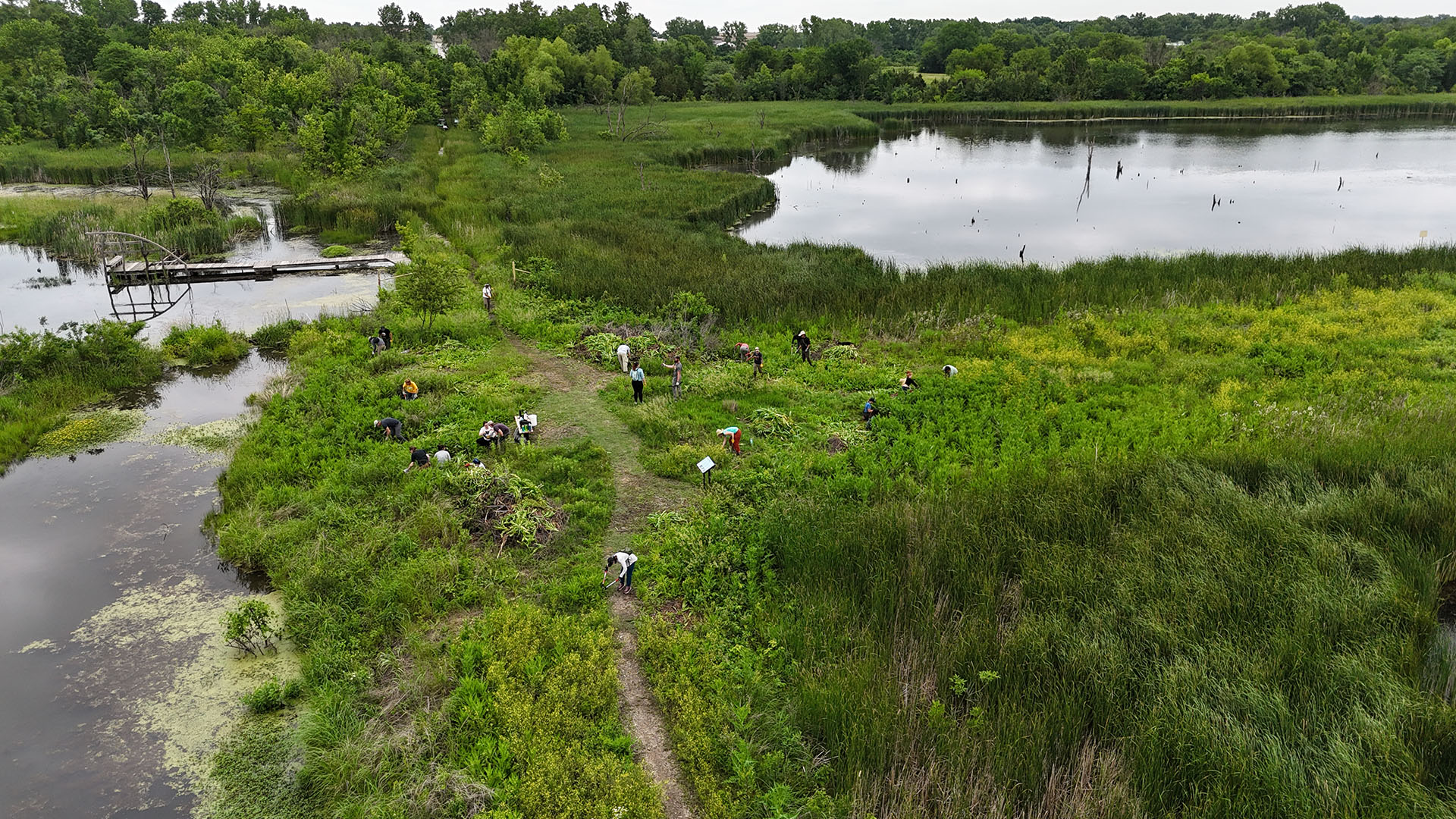
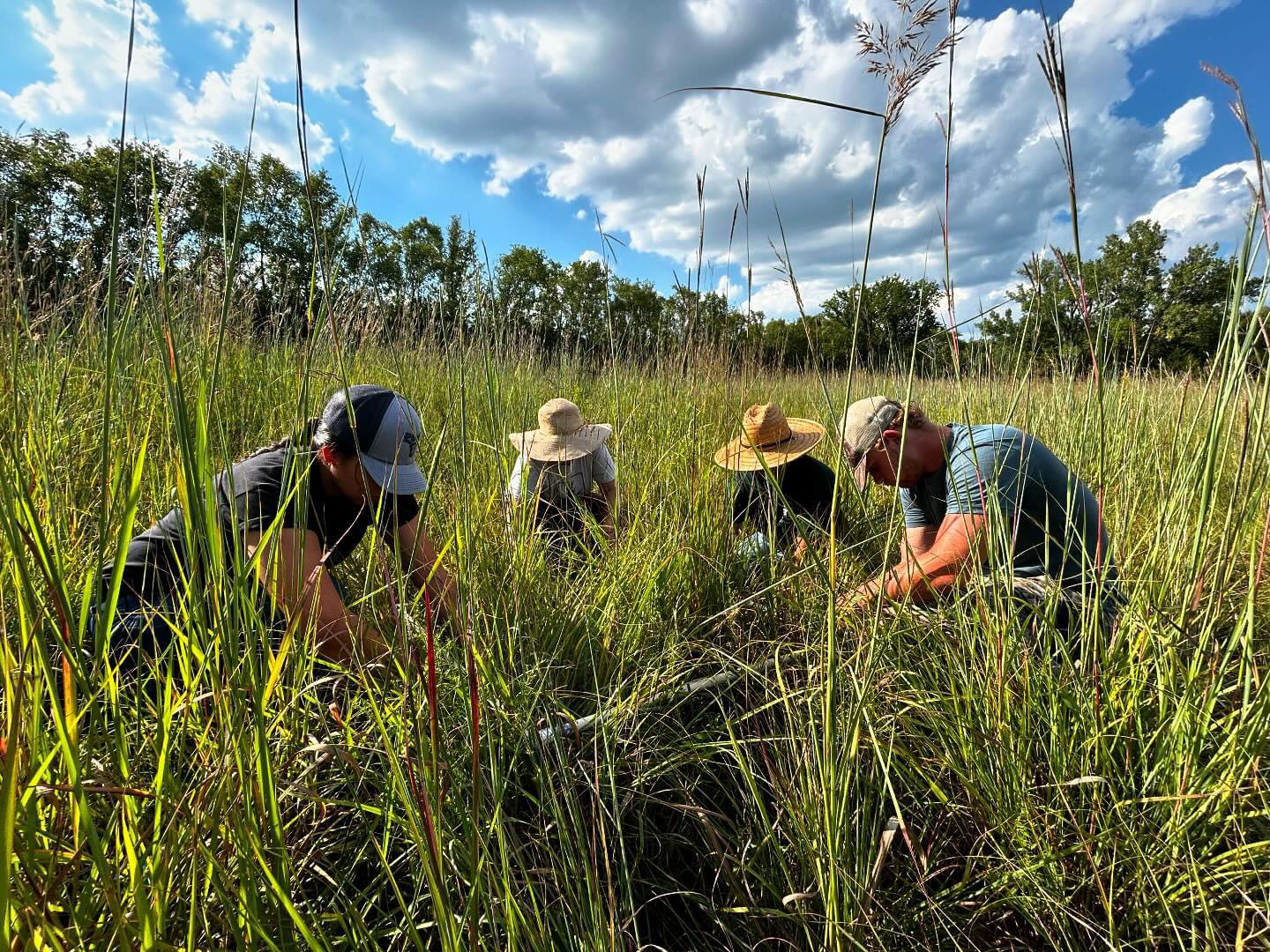
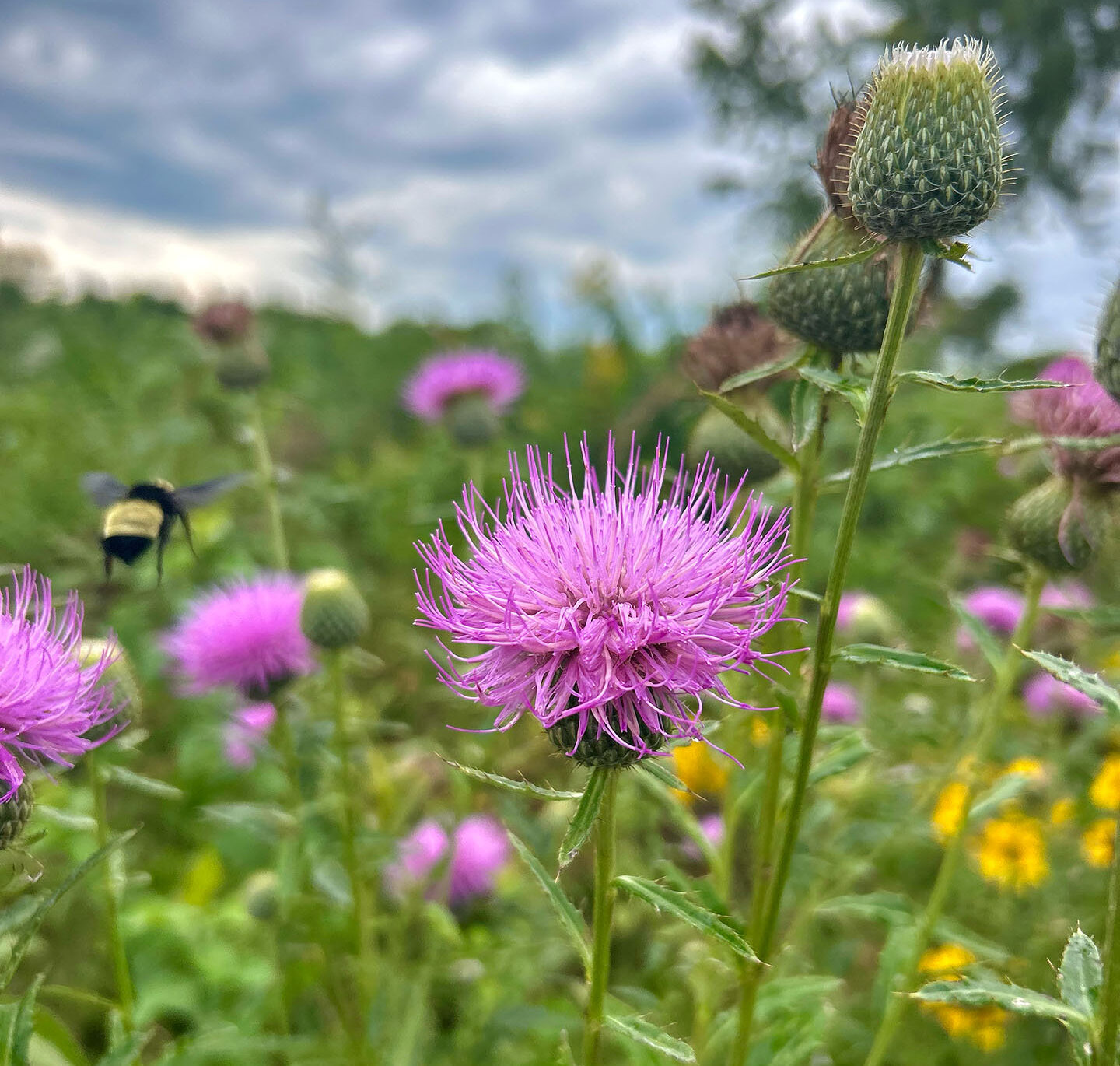
In Caring for Our Kin: Stories of Indigenous Environmental Stewardship, the College Fund shares the stories of Indigenous environmental leaders who are centering kinship and relational knowledge to build healthy ecological systems. These stories remind us that caring for the Earth means caring for one another—and that Indigenous knowledge systems continue to offer guidance, resilience, and hope for the future.
Learn more about our Environmental Stewardship Program.
Ekvnv Vcayecet. Mvto!
(Take care of the Earth/Land. Thank you)
More Blogs
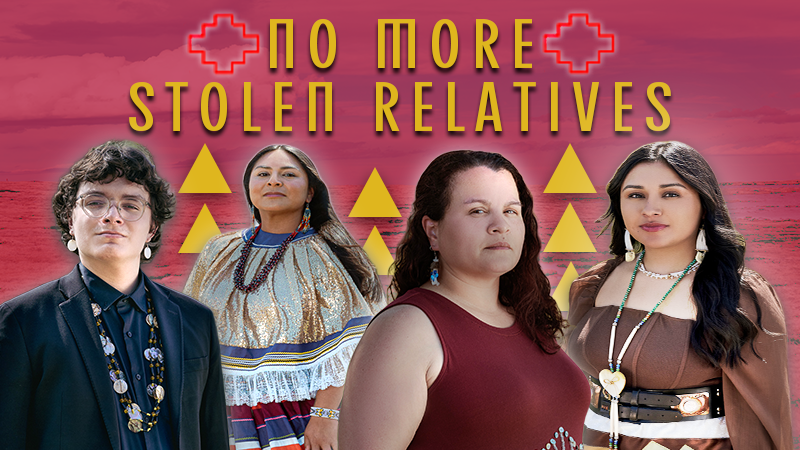
Hanging a Red Dress for Christmas: MMIP, Native Higher Education, and Hope for a Better New Year
The epidemic of Missing and Murdered Indigenous People (MMIP) in the United States that has existed for years continues unabated. And while Native students deal with the same end of semester pressures and holiday stresses as other students, they’re more likely to also be living in a state of fear or mourning for a relative who may never make it home.
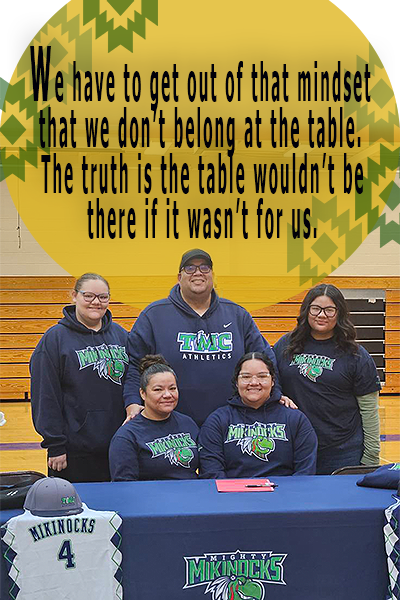
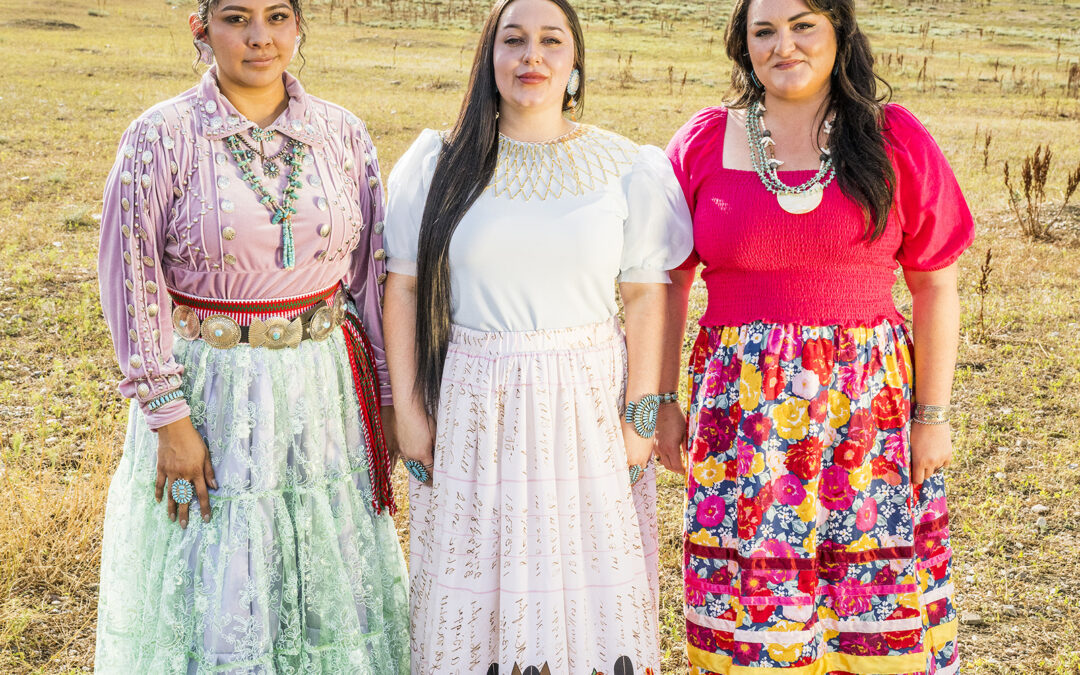
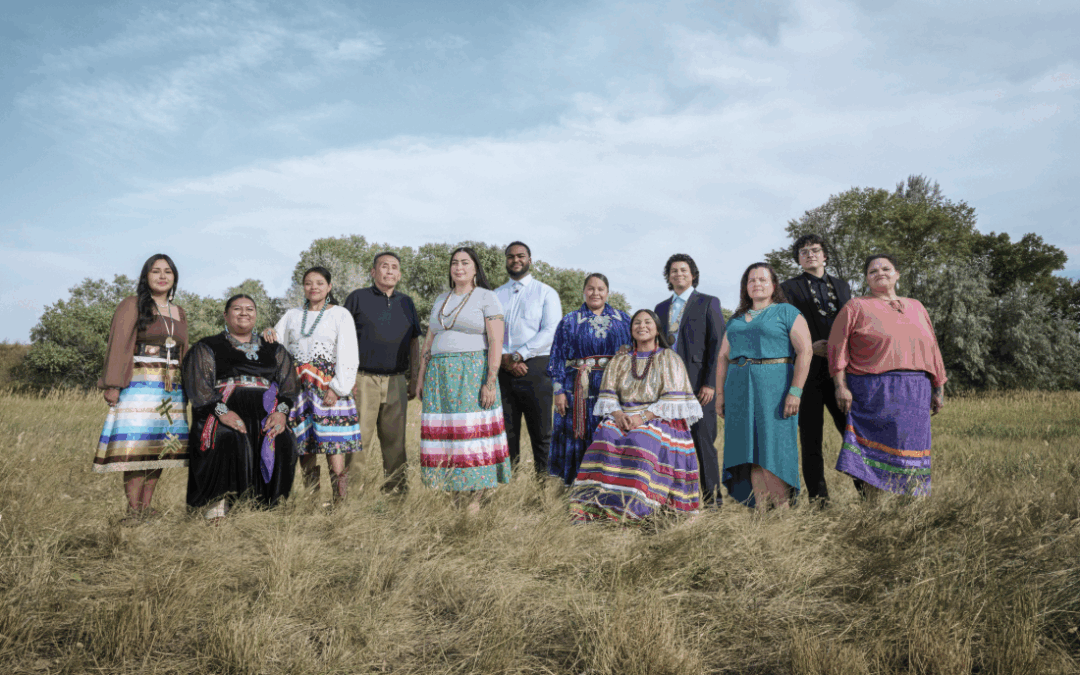
American Indian College Fund Celebrates 2025-26 Student Ambassador Cohort
The American Indian College Fund (the College Fund) named 12 student ambassadors for 2025-26 to represent its values and mission of providing Native students with access to an affordable, culturally based higher education to revitalize Native communities and cultures.


American Indian College Fund and Pendleton Woolen Mills Student Blanket Design Contest Opens November 15
Starting November 15, the American Indian College Fund and Pendleton Woolen Mills, the international lifestyle brand headquartered in Portland, Oregon, are accepting submissions for sixth annual Tribal College Blanket Design Contest. American Indian and Alaska Native students attending a tribal college or university are eligible to submit up to two designs.
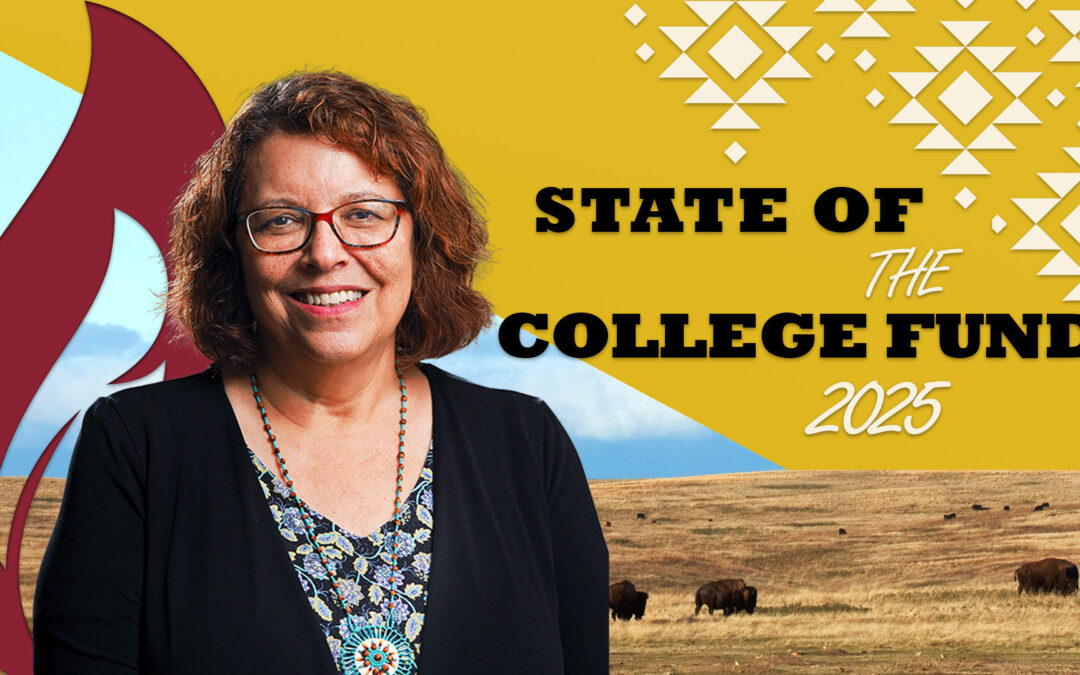
2025 State of the American Indian College Fund Released for Native American Heritage Month
Every year, the American Indian College Fund releases a State of the College Fund address, delivered by its President and CEO, Cheryl Crazy Bull (Sicangu Lakota). This year President Crazy Bull addresses the importance of the College Fund’s continued mission and the tribal colleges and universities’ in growing Native people and communities in the wake of national discussions about higher education.
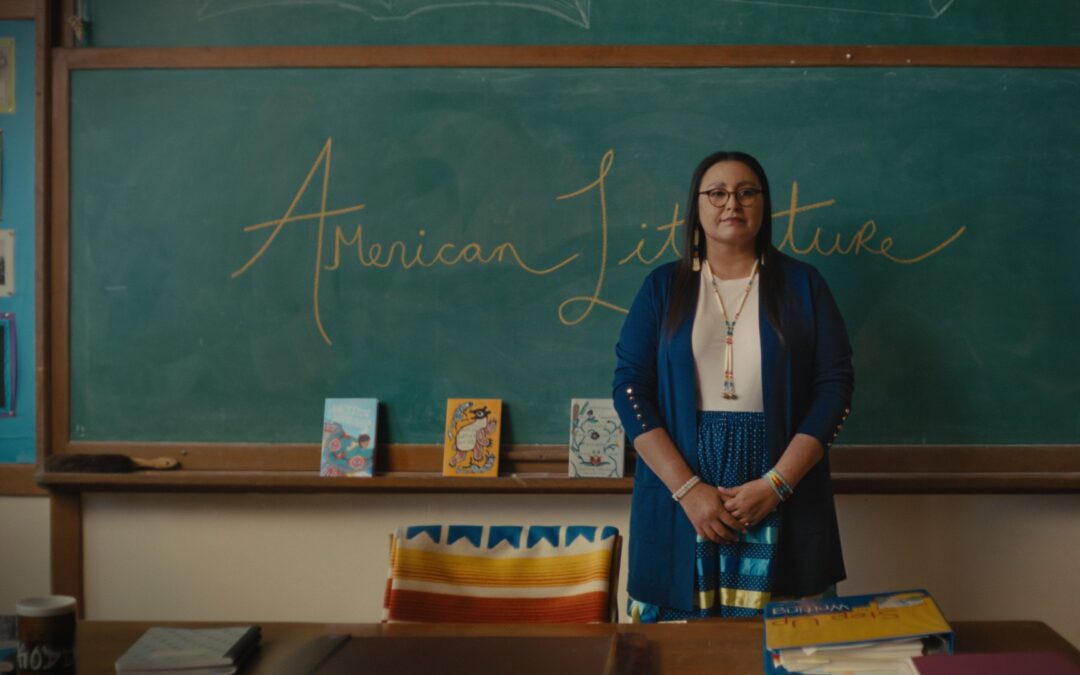
American Indian College Fund launches new campaign in honor of Native American Heritage Month
American Indian College Fund launches new campaign in honor of Native American Heritage Month Denver, Colo., November 10, 2025 — In recognition of Native American Heritage Month, the American Indian College Fund has launched a new campaign, You Can Do Something, to...
American Indian College Fund Host Free Online Tribal College and University Fair
American Indian College Fund Host Free Online Tribal College and University Fair Four-Day Event Will Connect TCUs with Native Students Interested in Pursuing Higher Education Denver, Colo., November 6, 2025—The American Indian College Fund will host its sixth annual...
