
Planting the Seeds of Cultural Sustainability
April 22, 2026 | Student Ambassador Aiyanna Tanyan’s (Seminole Nation of Oklahoma) work to reclaim food sovereignty
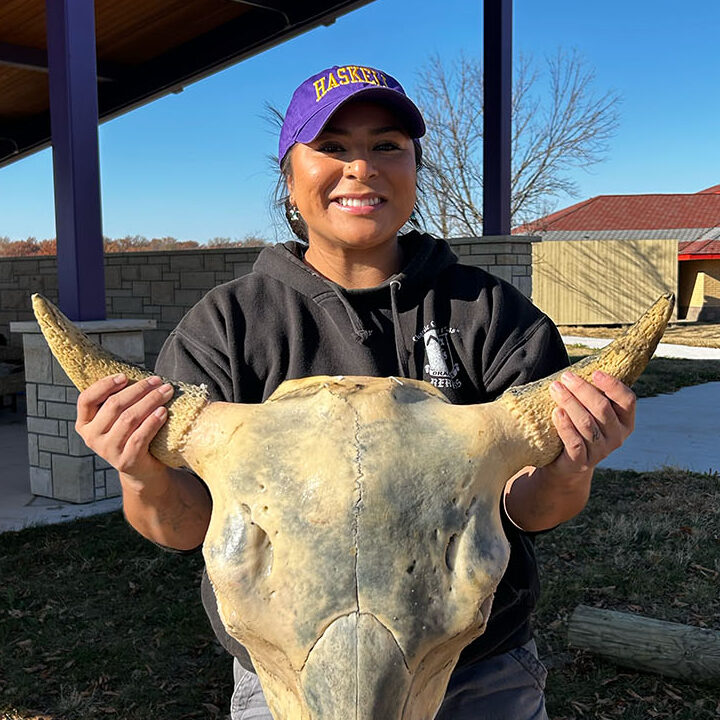
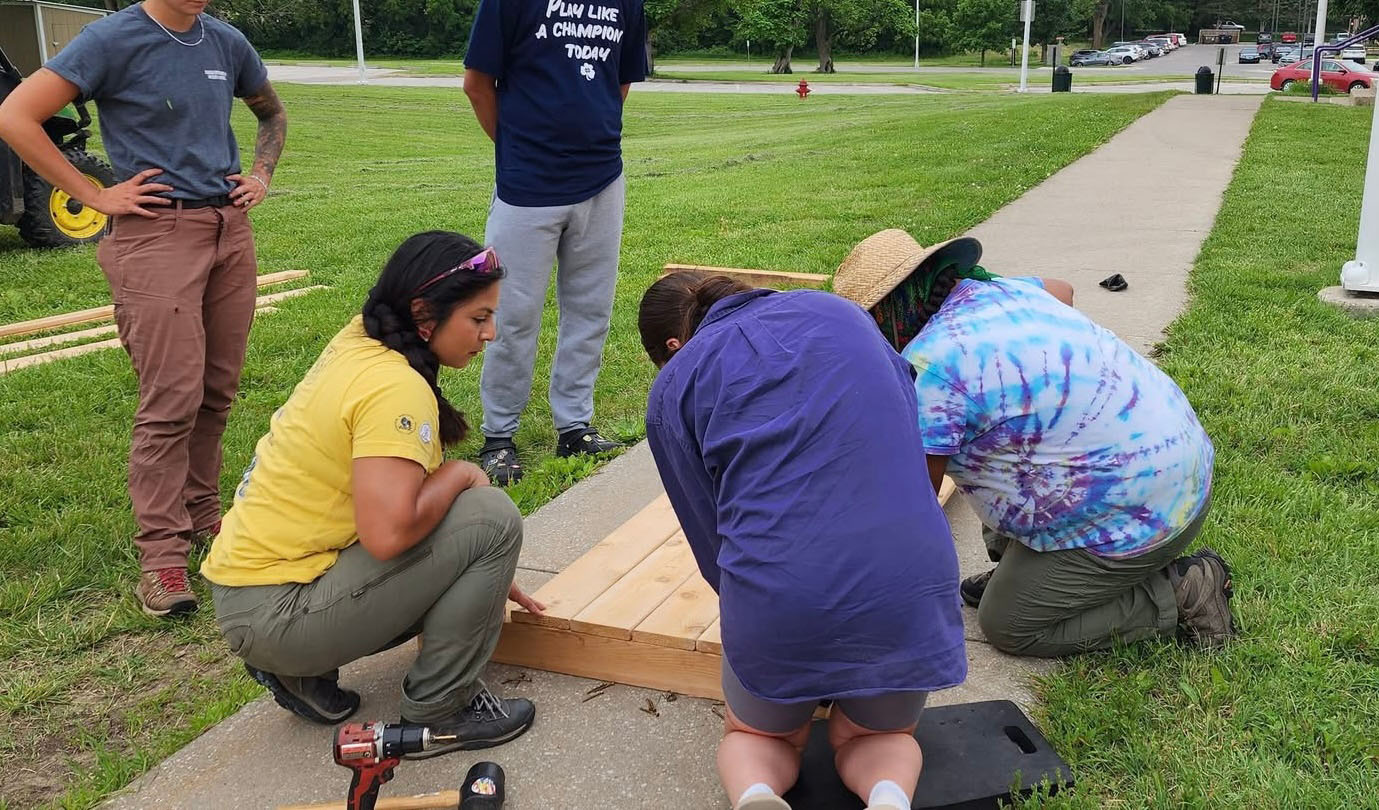
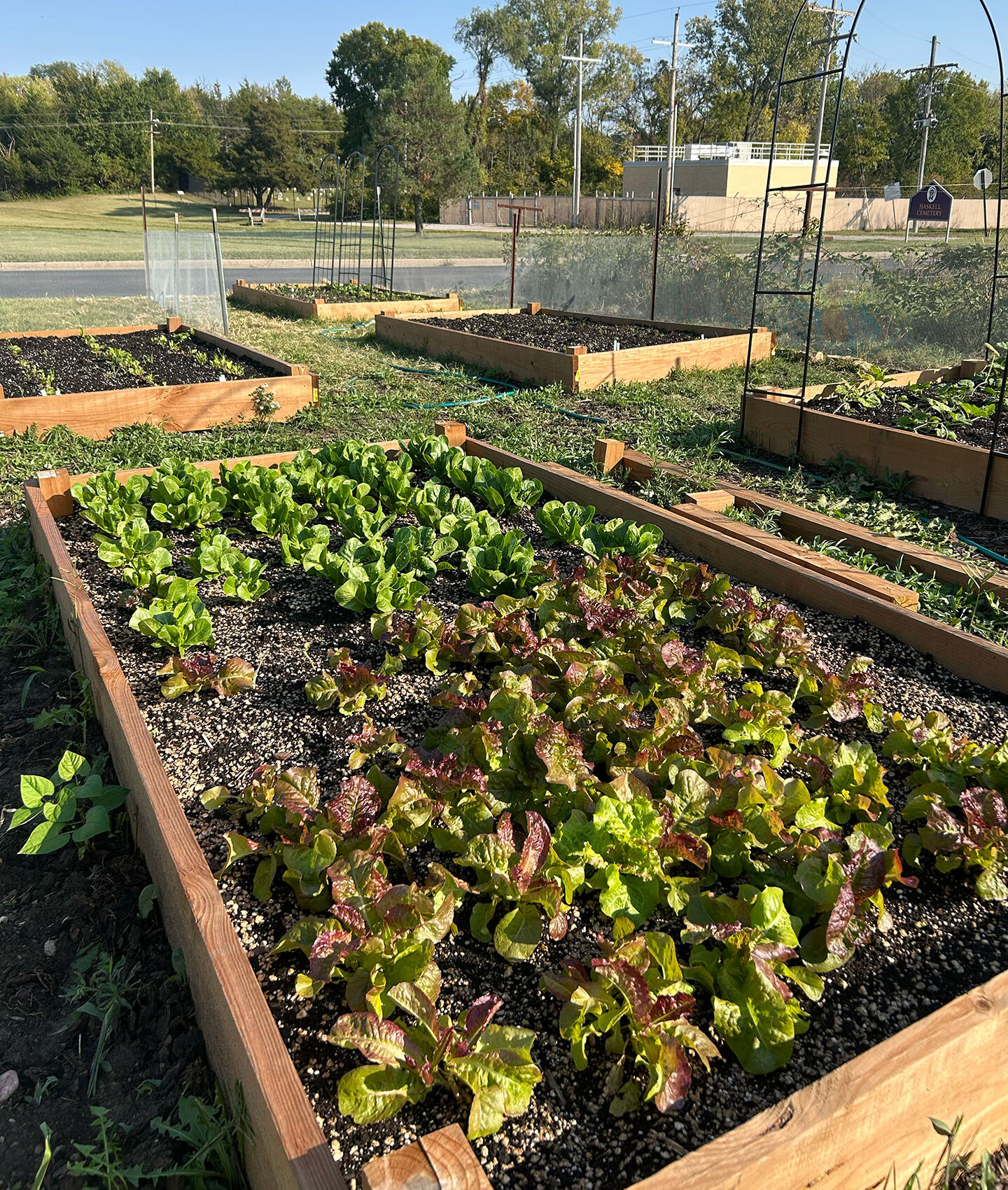
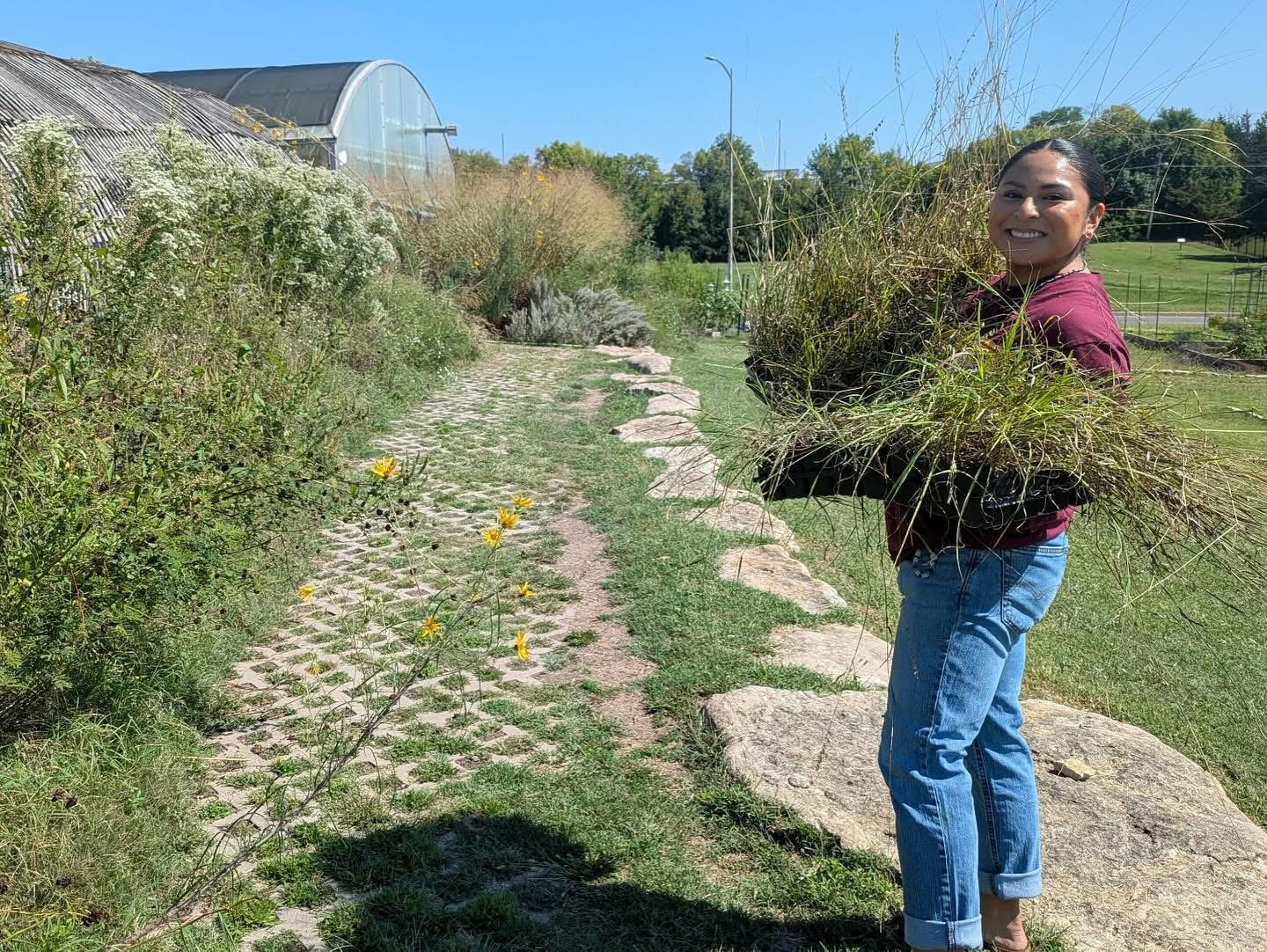
We came up with the idea of building raised garden beds near the dorms so students can easily access fresh foods and learn how to grow them themselves. Through support from the Haskell Greenhouse (funded through the USDA Equity Grant), we started building.
Last year was our first year doing this project and it was a learning experience as with many community-based projects, it comes with trial and error. However, that process taught us a lot about what works, what doesn’t, and how to build something more sustainable moving forward. This year, we’re continuing this work with stronger systems, more involvement, and a clearer vision.
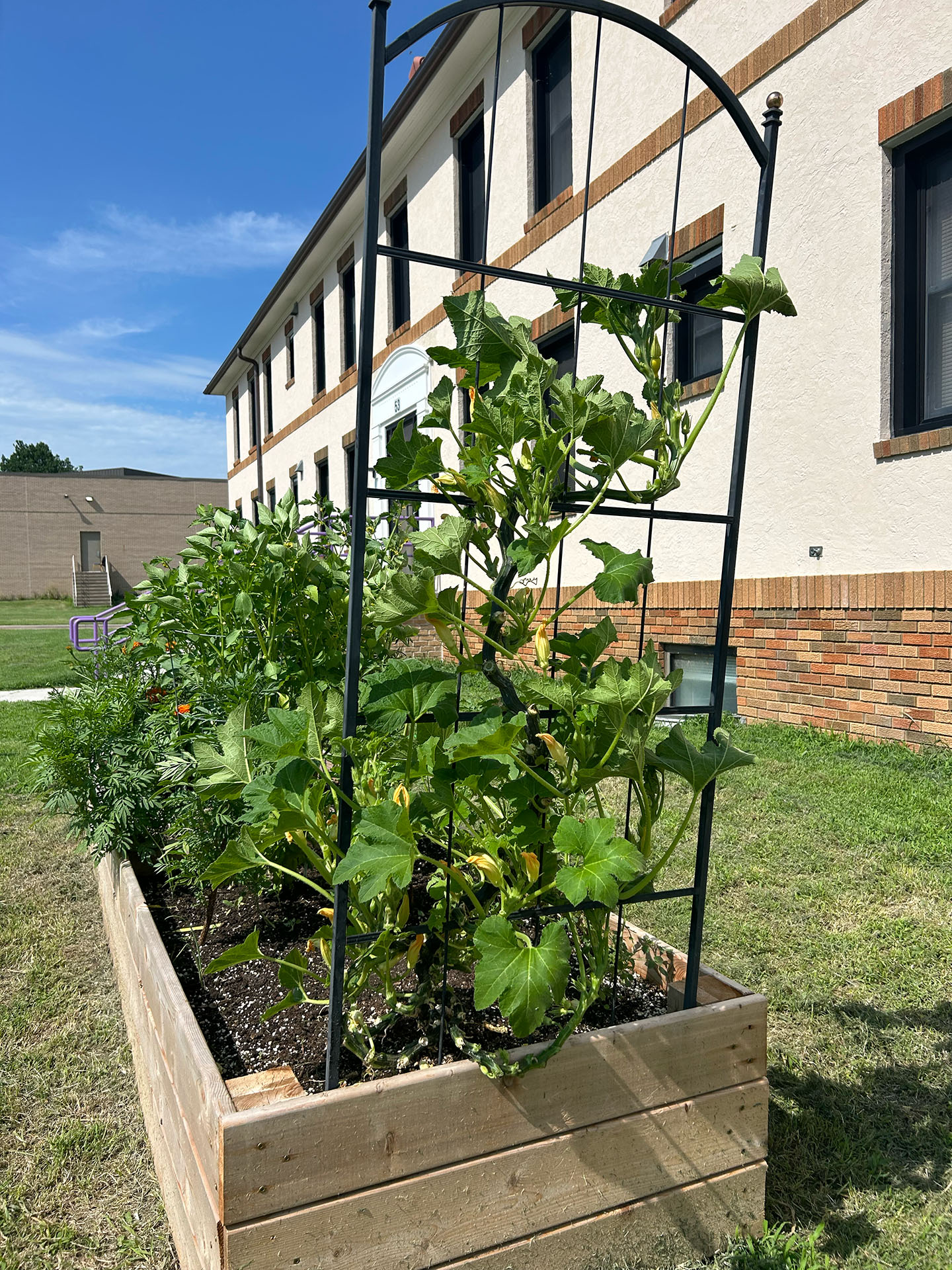
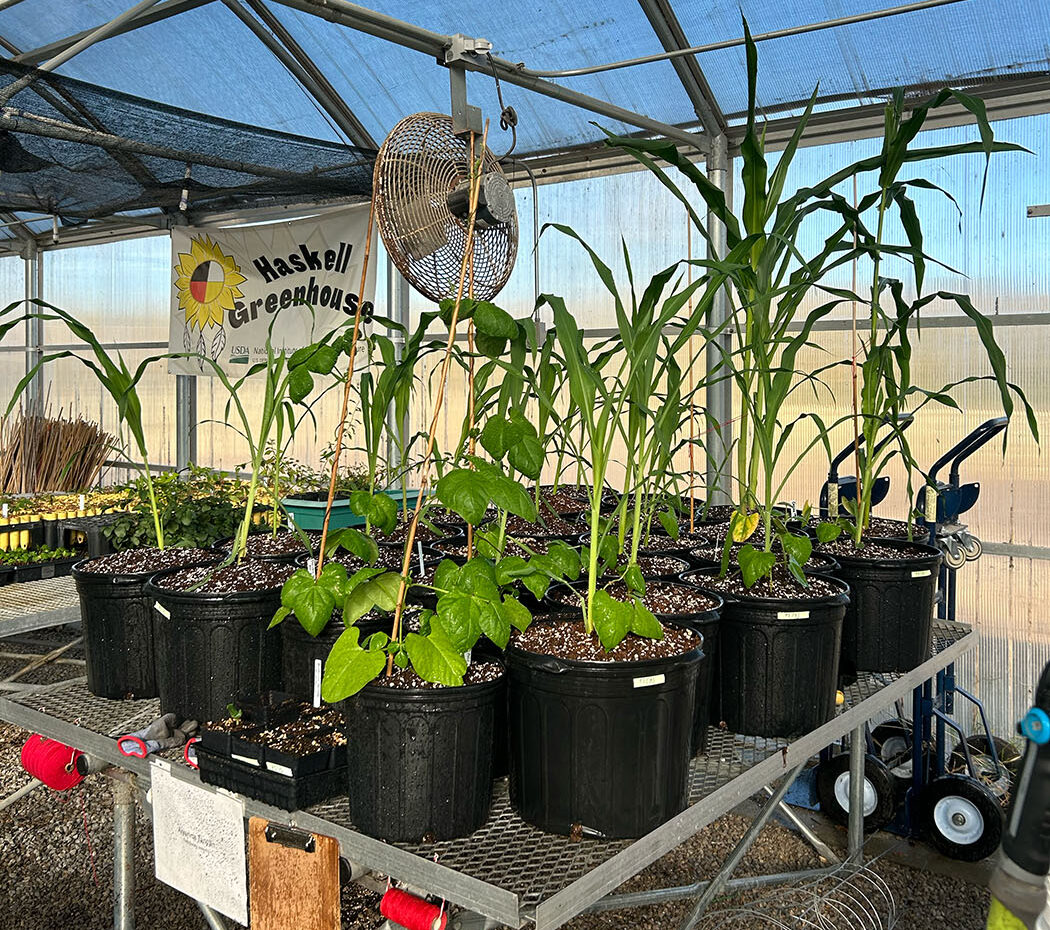
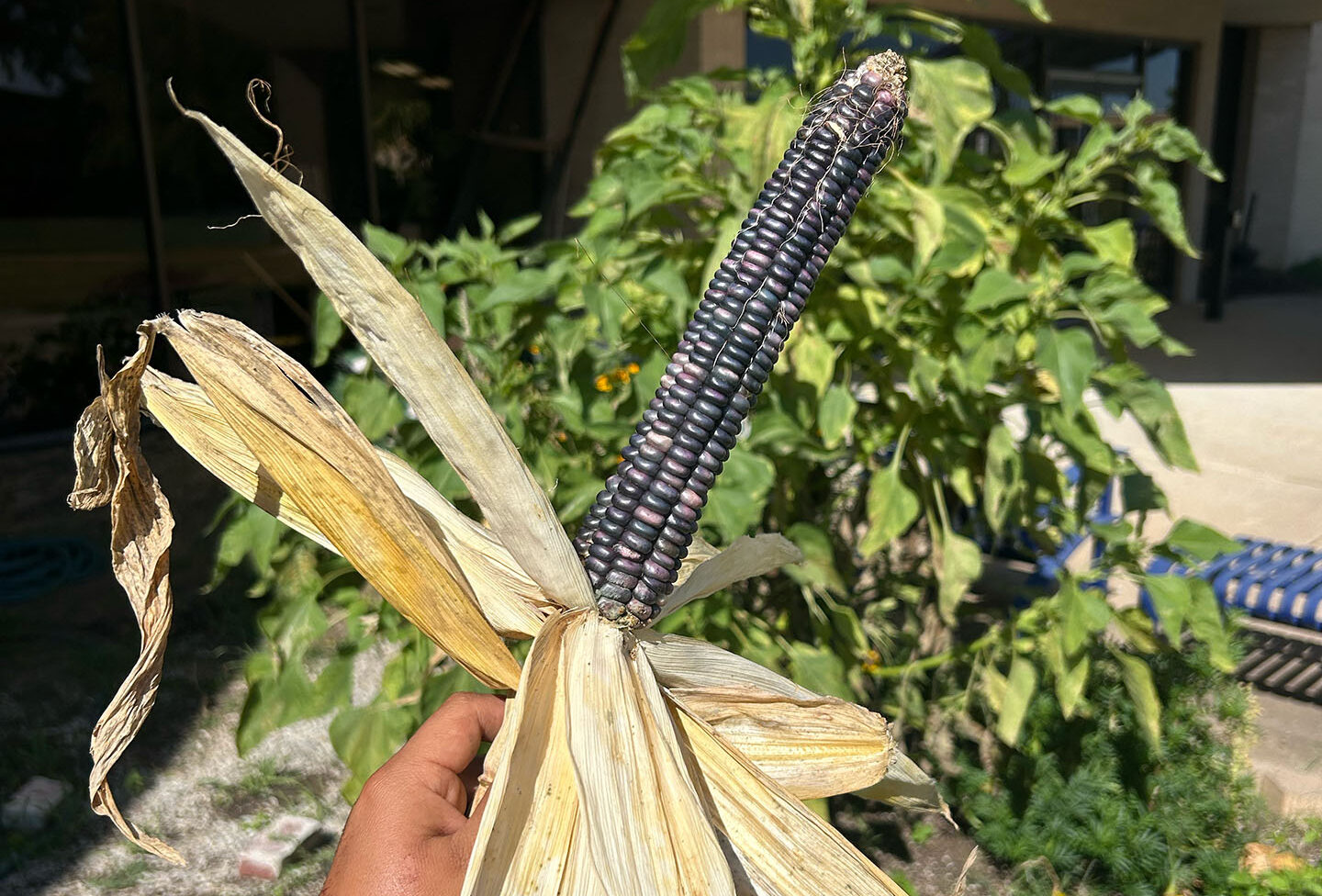
Everyone at the Haskell Greenhouse wants to help others learn, value, and view these spaces as places of teaching. I know they have taught me so much about responsibility and our relationship with the environment. Through these projects, we’re helping students reconnect with the land and understand the importance of food sovereignty for Indigenous communities. This work is ongoing, and we’re still learning. Every seed planted, and every workday shared brings us one step closer to a more sustainable and connected future.
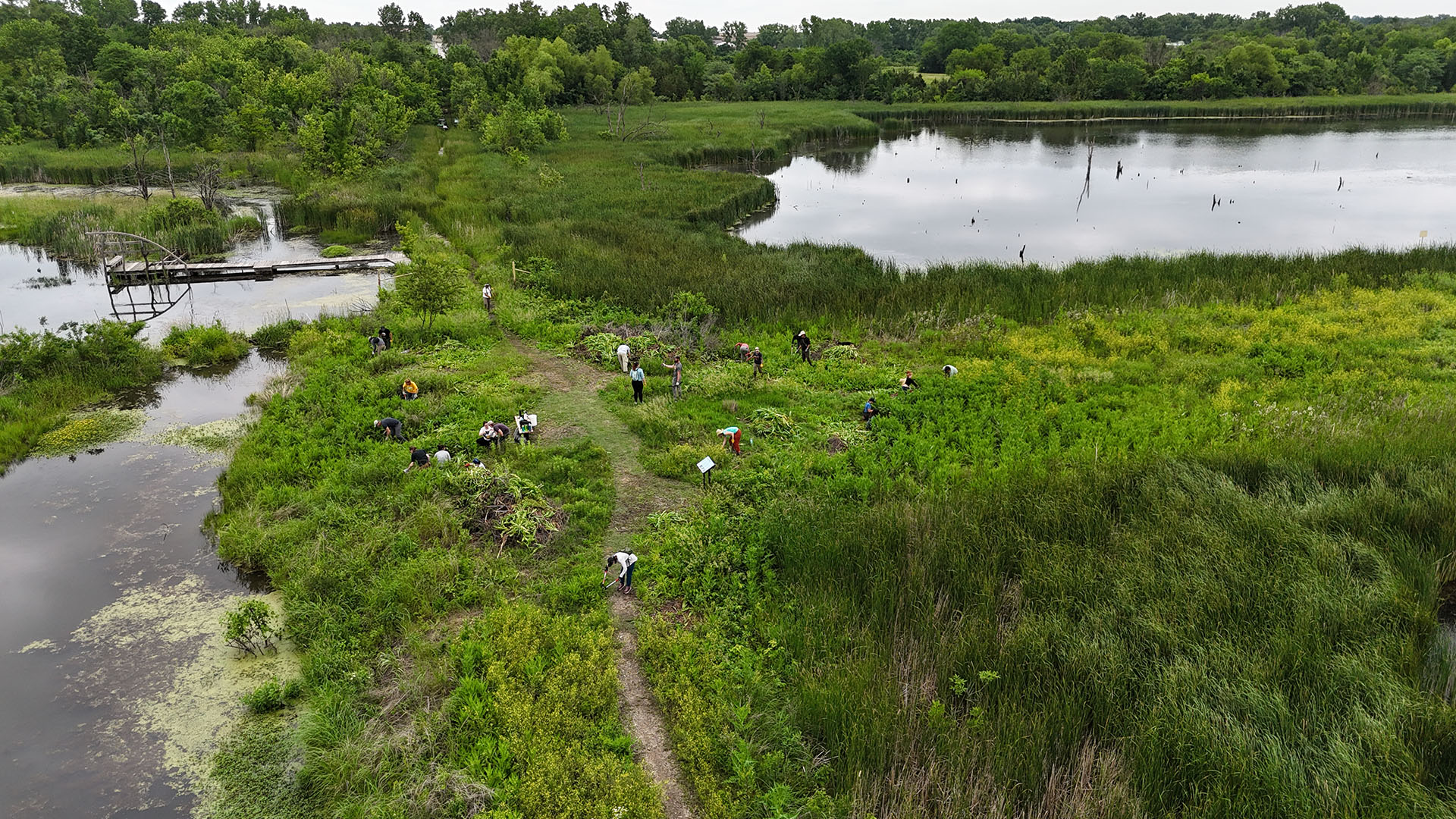
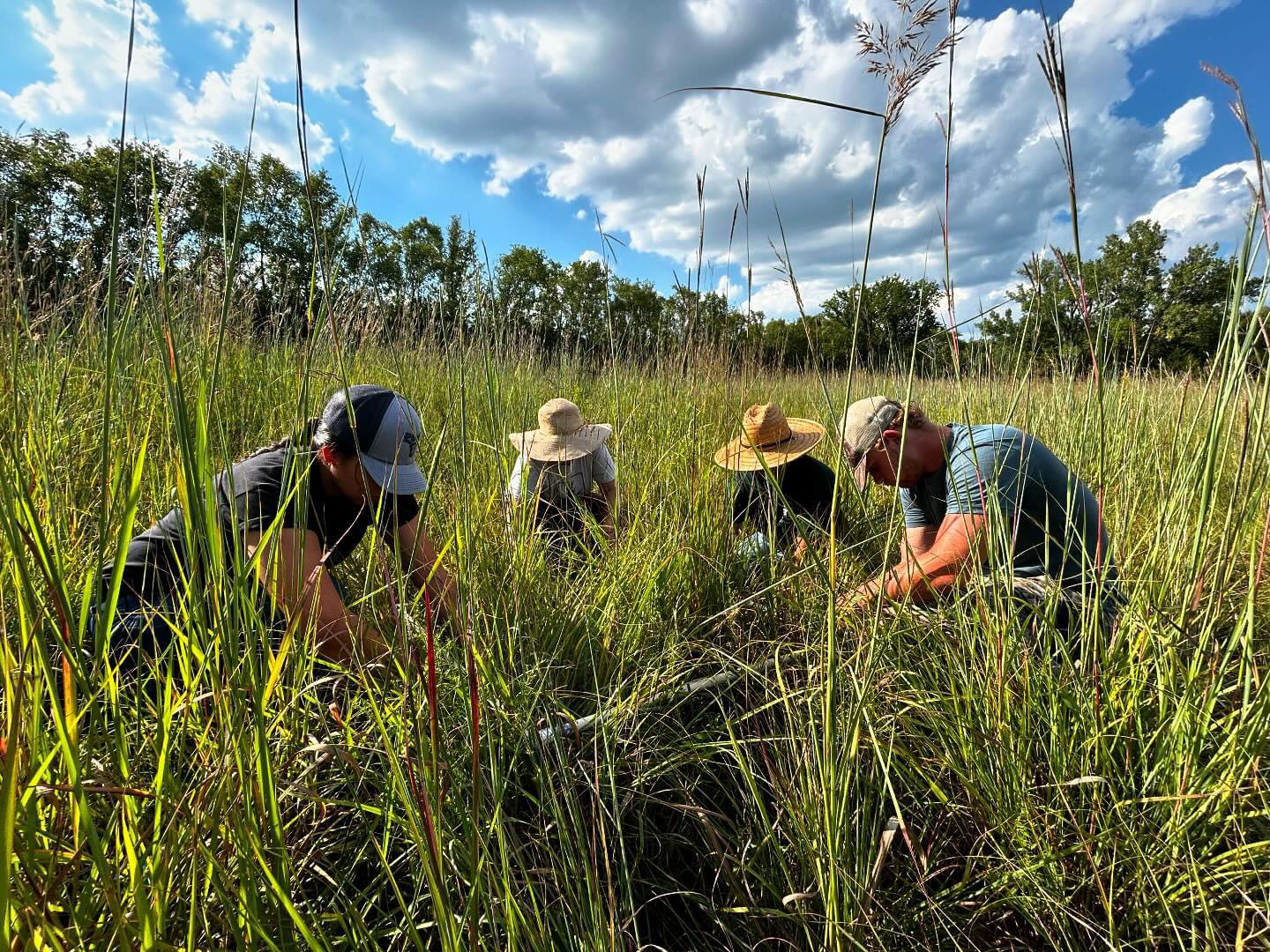
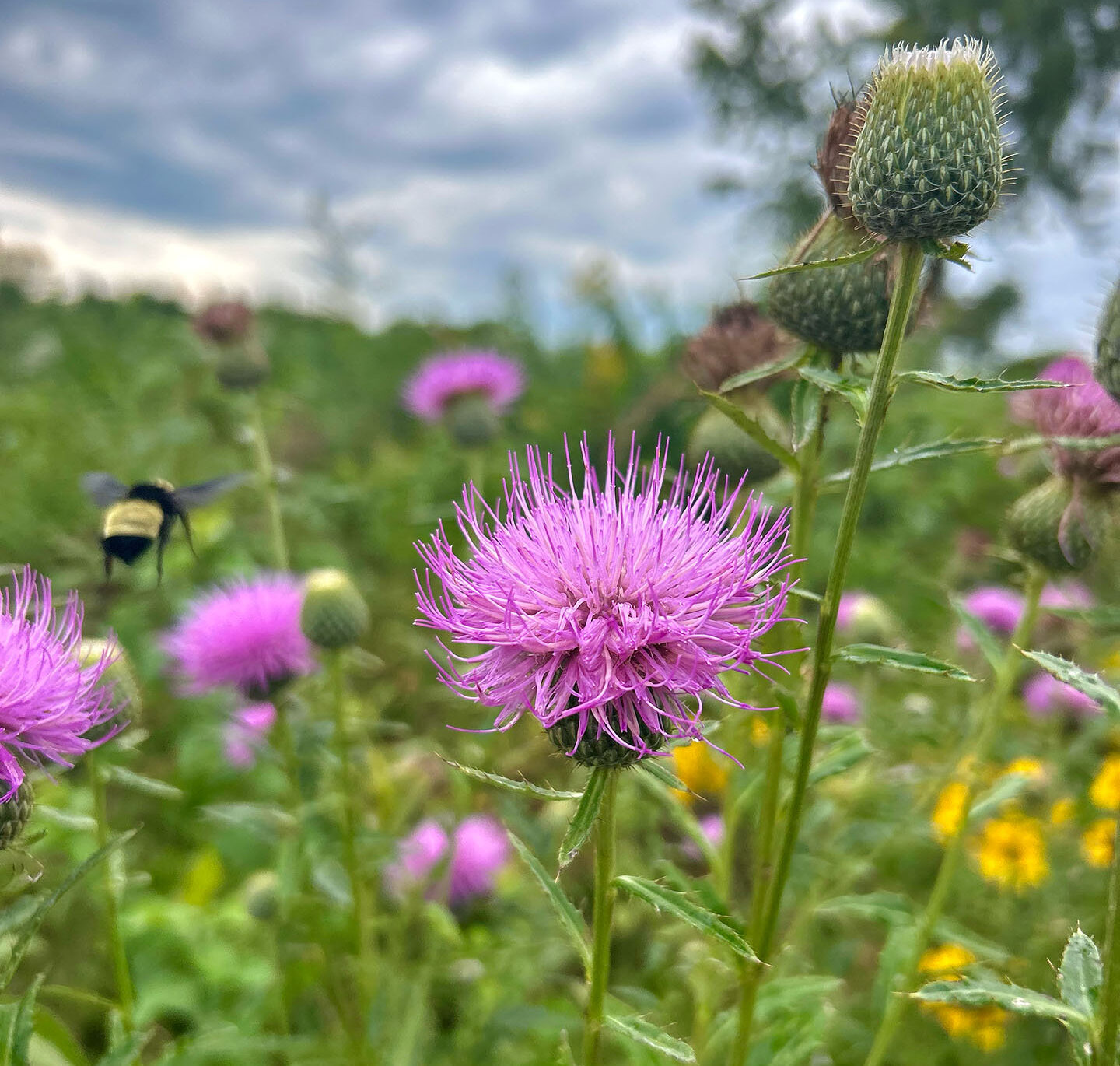
In Caring for Our Kin: Stories of Indigenous Environmental Stewardship, the College Fund shares the stories of Indigenous environmental leaders who are centering kinship and relational knowledge to build healthy ecological systems. These stories remind us that caring for the Earth means caring for one another—and that Indigenous knowledge systems continue to offer guidance, resilience, and hope for the future.
Learn more about our Environmental Stewardship Program.
Ekvnv Vcayecet. Mvto!
(Take care of the Earth/Land. Thank you)
More Blogs
American Indian College Fund Meets Colorado Community
The American Indian College Fund welcomed more than 200 business people and community members to the Colorado History Museum Thursday, June 4 to learn more about American Indian college students’ needs and the tribal college movement. They saw Native dances, heard Native musicians perform, and enjoyed crafts, a silent auction, and refreshments.
New Think Indian Television Spot Released
To continue the theme of our Think Indian public service print media announcements, our pro bono advertising partner, Wieden+Kennedy, has graciously donated its time and creative genius to create an animated television spot. The spot celebrates American Indian ways of thinking and how tribal colleges preserve both that and Native cultures.
Dan Wieden, Co-Founder & Chief Executive Officer of Wieden+Kennedy, Presented with CLIO Lifetime Achievement Award
The CLIO Awards are one of the world’s most recognized international advertising and design competitions honoring creative excellence and innovation in the industry. As the president and CEO of the Fund, I was proud to watch as Dan Wieden, Co-Founder and Chief Executive Officer of Wieden+Kennedy (W+K), the American Indian College Fund’s pro bono ad agency, was presented with the Lifetime Achievement Award on May 13 during the 50th Anniversary CLIO Awards in Las Vegas.
Why I Work at the American Indian College Fund
In Italy there is saying, la dolce vita, which means “the sweet life.” For Italians this means food, friendship, laughter, and love. But in 1900, my Italian great-grandfather, who was 19 years old, stepped on board the Stella Bruz and headed for America in search of the sweet life that had eluded him in Calabria, Italy, which had been his home for his 19 years.
Congratulations to 2009 Graduates
A heartfelt congratulations to all of our TCU graduates from all of us at the American Indian College Fund. You have worked hard for this day, and you and your families have reason to be proud.
Portrait of a Desert Tribal College
This past weekend the board of directors of the American Indian College Fund had the opportunity to travel to Sells, Arizona, where we met with students and teachers at Tohono O’oodham Community College (TOCC).
How Do You “Think Indian”?
I received a letter over the weekend asking me how “To think Indian is to cure diabetes with sacred food and hoops.” The writer said surely “Indian thinking” doesn’t believe that Type I Diabetes, where the person has no or little insulin, can be cured with sacred foods and hoops!
American Indian Higher Education Consortium Meeting
As always, it is invigorating attending the American Indian Higher Education Consortium meeting. The tribal college presidents, professors, staff members, and students come together from across the country, reaffirming their commitment to American Indian education, tradition, culture, and beliefs, while ensuring that entire communities move forward through higher education.
See You at the Denver March Powwow
For those of our supporters in Colorado and ur friends coming in from across Indian Country, we are looking forward to seeing you at the Denver March Powwow this week at the Denver Coliseum.
New York Times columnist is “Thinking Indian”
In the Sunday edition of The New York Times, Thomas L. Friedman shows how he is “thinking Indian.” He postulates that the economic crisis of 2008 may represent something more fundamental than a recession, and perhaps it was the Earth and the market’s way of telling our world that we cannot continue with the cycle of consumption that was not sustainable.