
Planting the Seeds of Cultural Sustainability
April 22, 2026 | Student Ambassador Aiyanna Tanyan’s (Seminole Nation of Oklahoma) work to reclaim food sovereignty
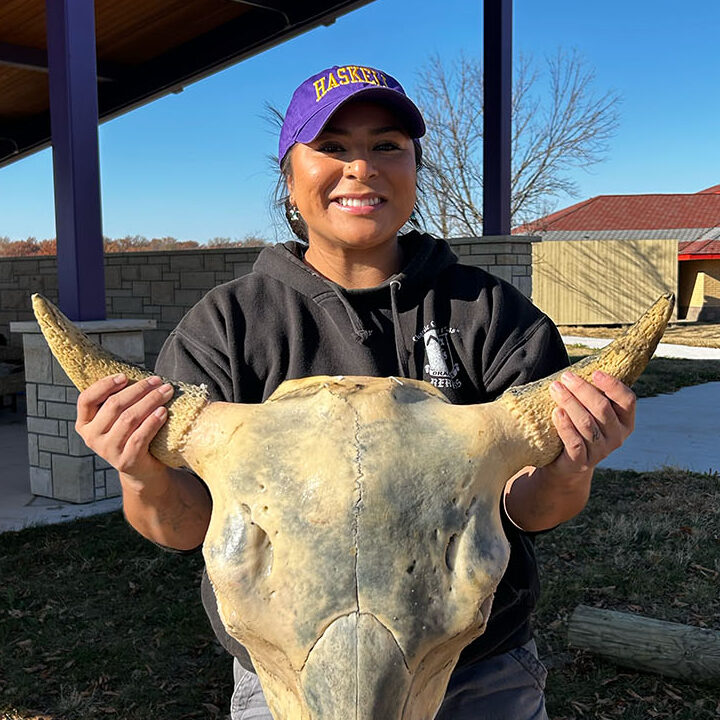
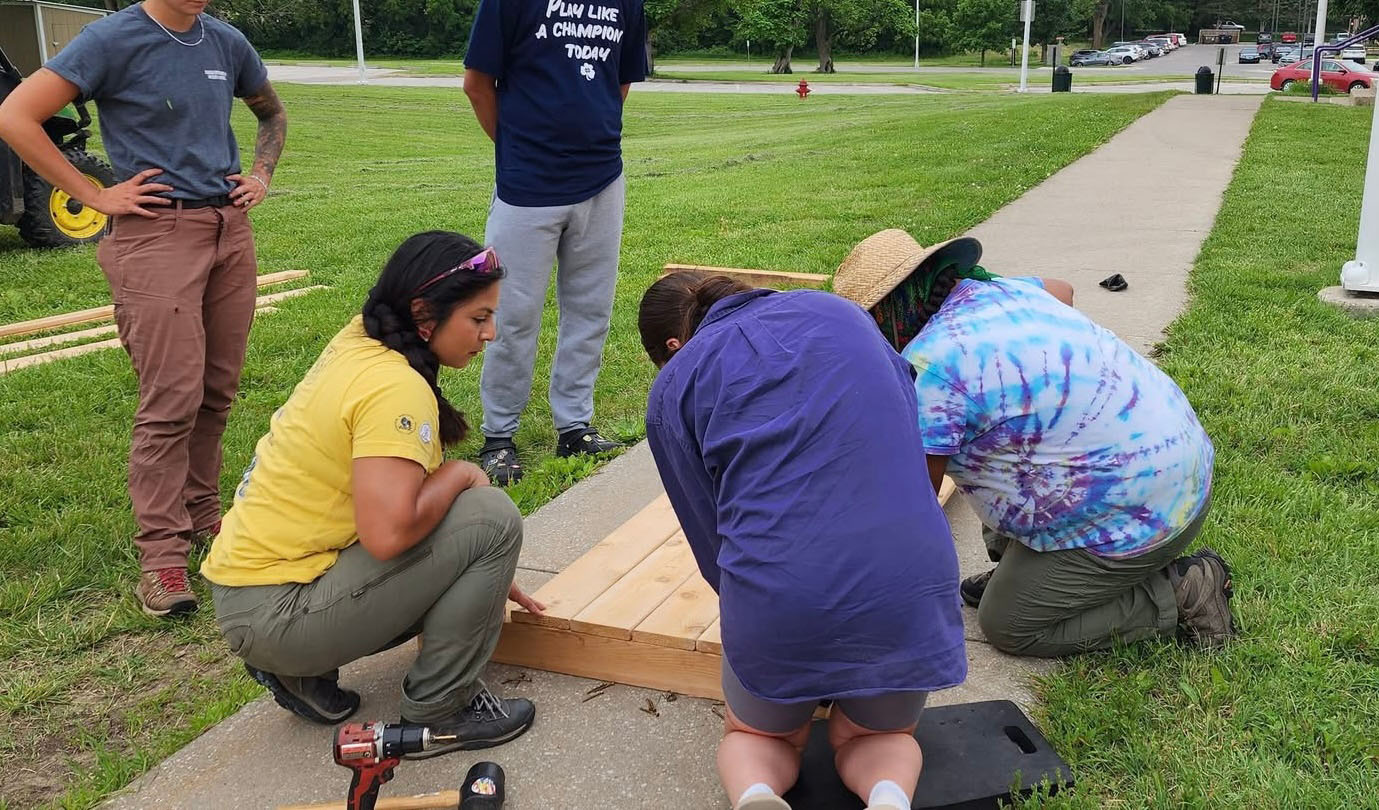
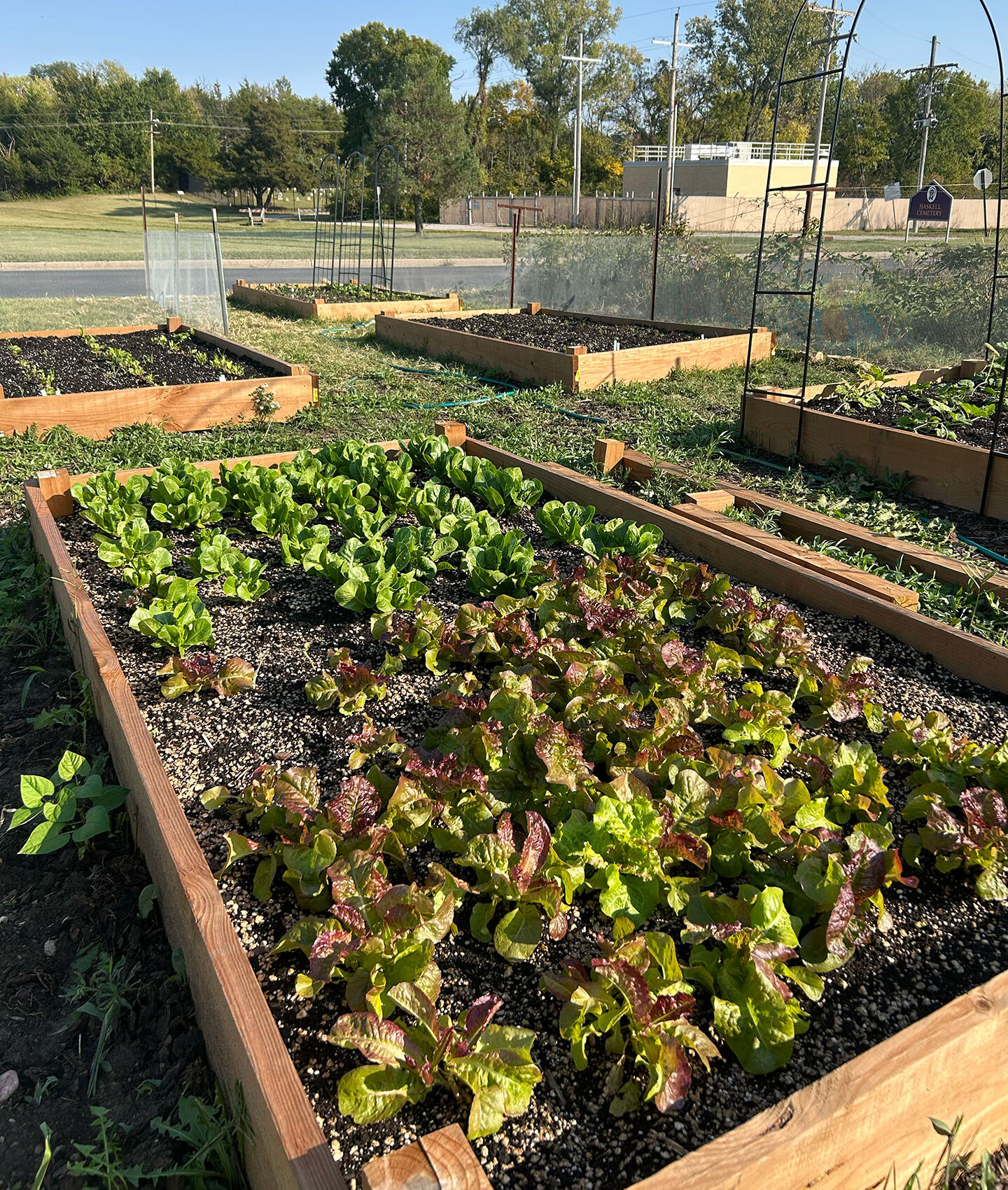
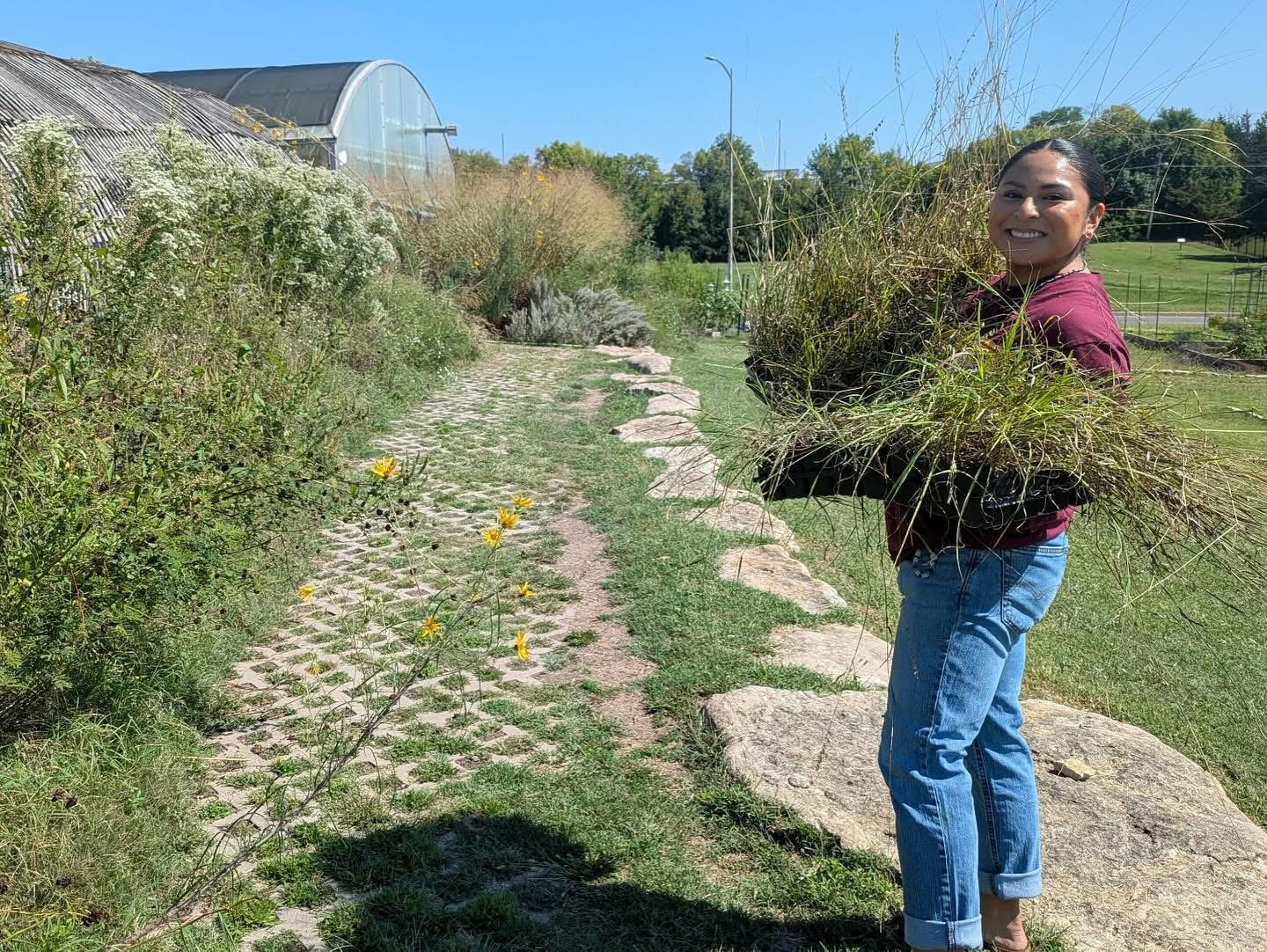
We came up with the idea of building raised garden beds near the dorms so students can easily access fresh foods and learn how to grow them themselves. Through support from the Haskell Greenhouse (funded through the USDA Equity Grant), we started building.
Last year was our first year doing this project and it was a learning experience as with many community-based projects, it comes with trial and error. However, that process taught us a lot about what works, what doesn’t, and how to build something more sustainable moving forward. This year, we’re continuing this work with stronger systems, more involvement, and a clearer vision.
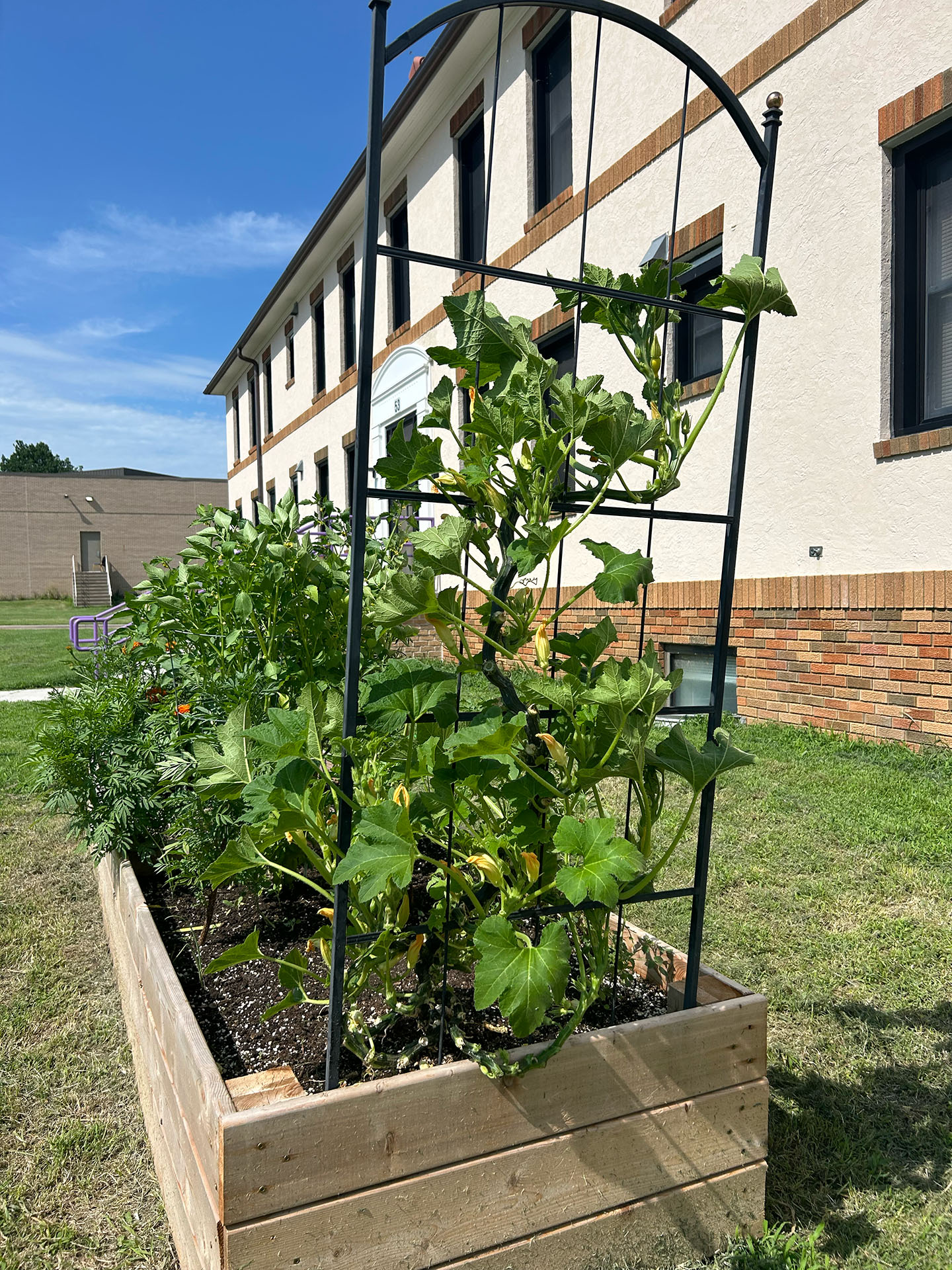
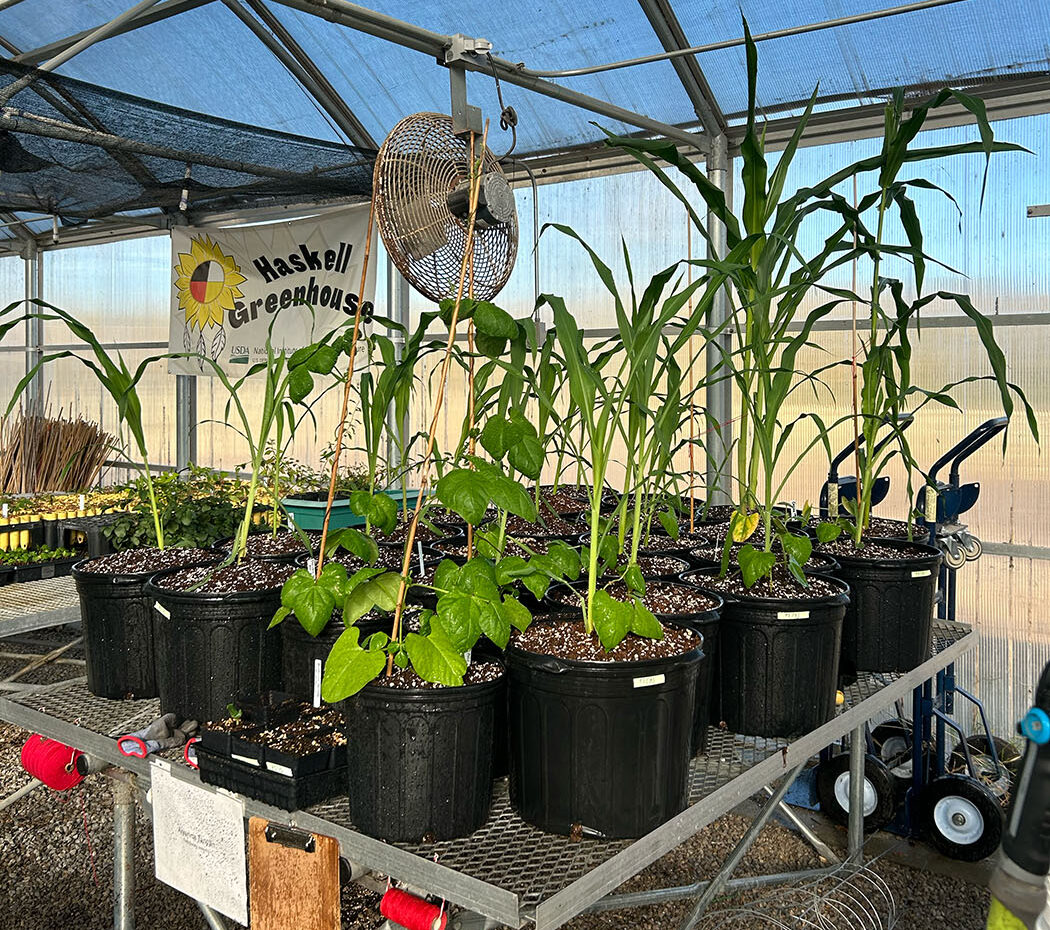
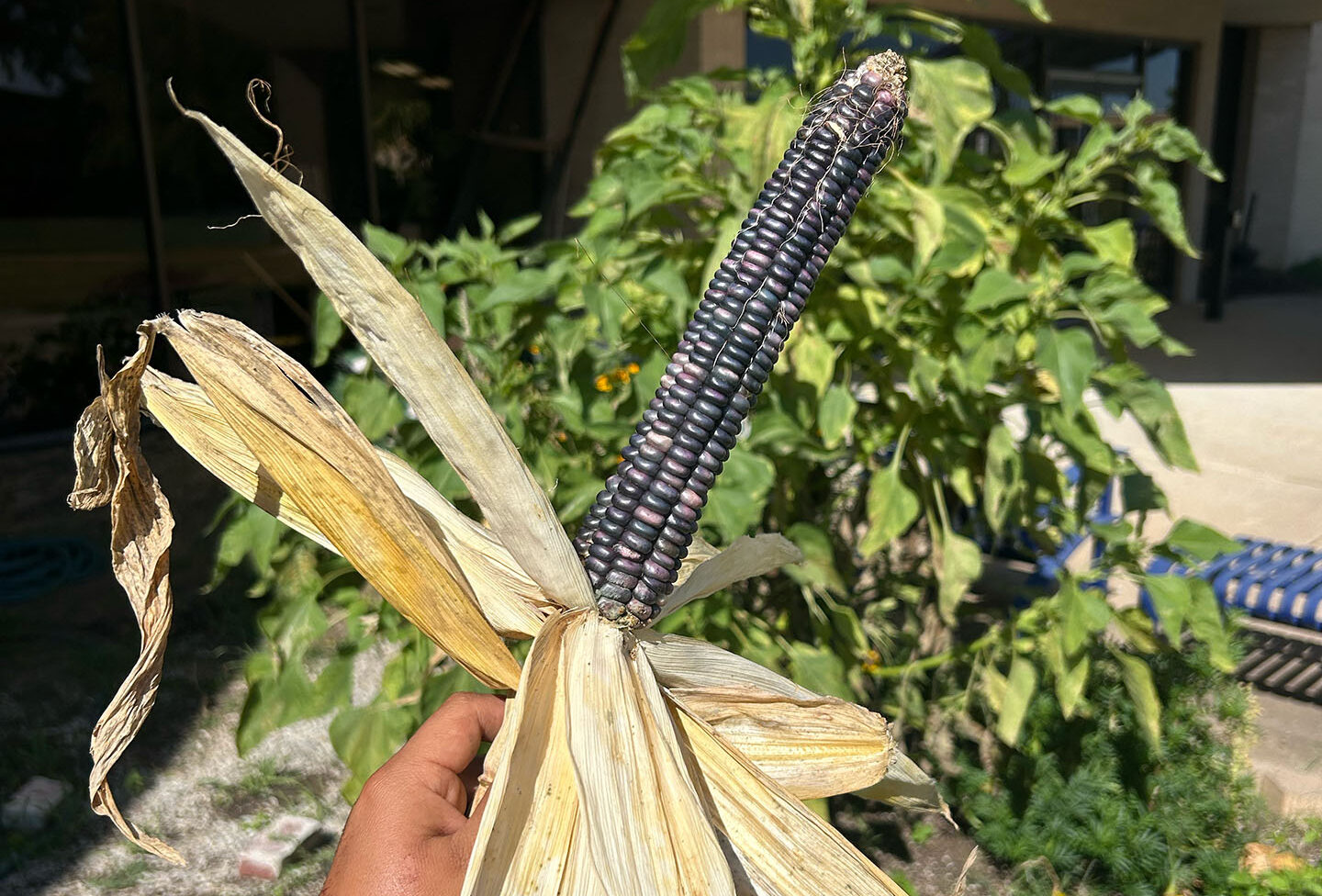
Everyone at the Haskell Greenhouse wants to help others learn, value, and view these spaces as places of teaching. I know they have taught me so much about responsibility and our relationship with the environment. Through these projects, we’re helping students reconnect with the land and understand the importance of food sovereignty for Indigenous communities. This work is ongoing, and we’re still learning. Every seed planted, and every workday shared brings us one step closer to a more sustainable and connected future.
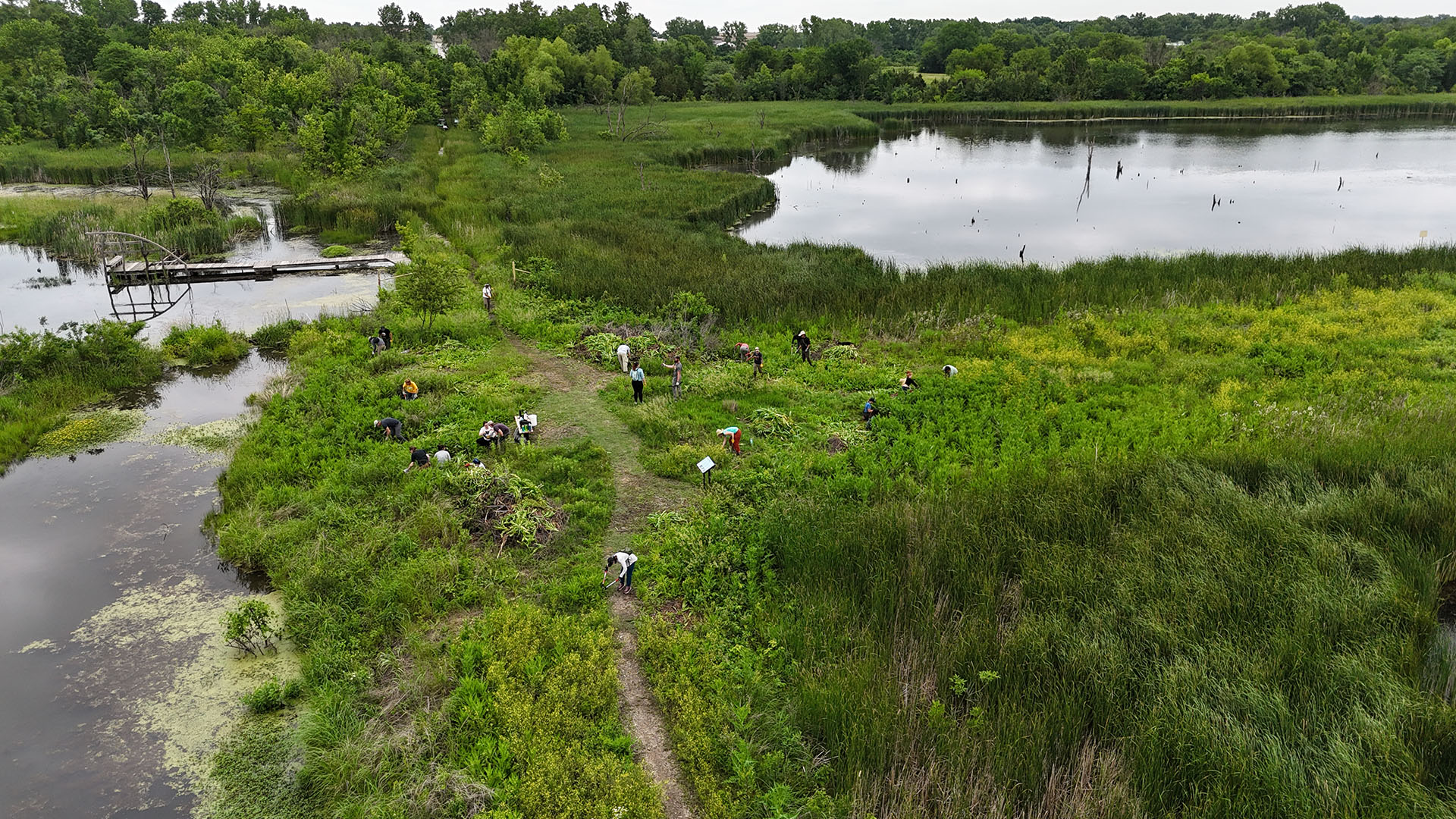
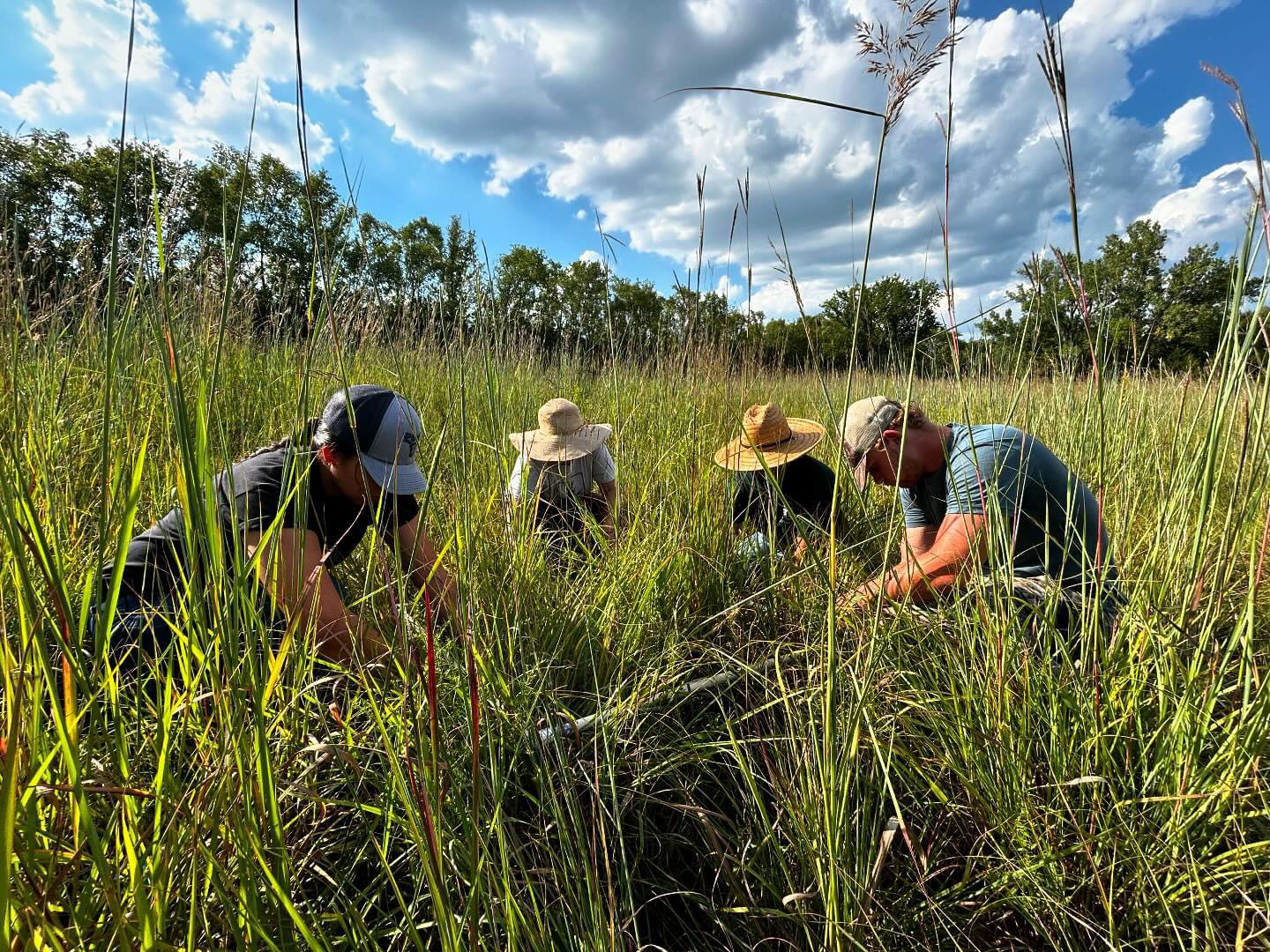
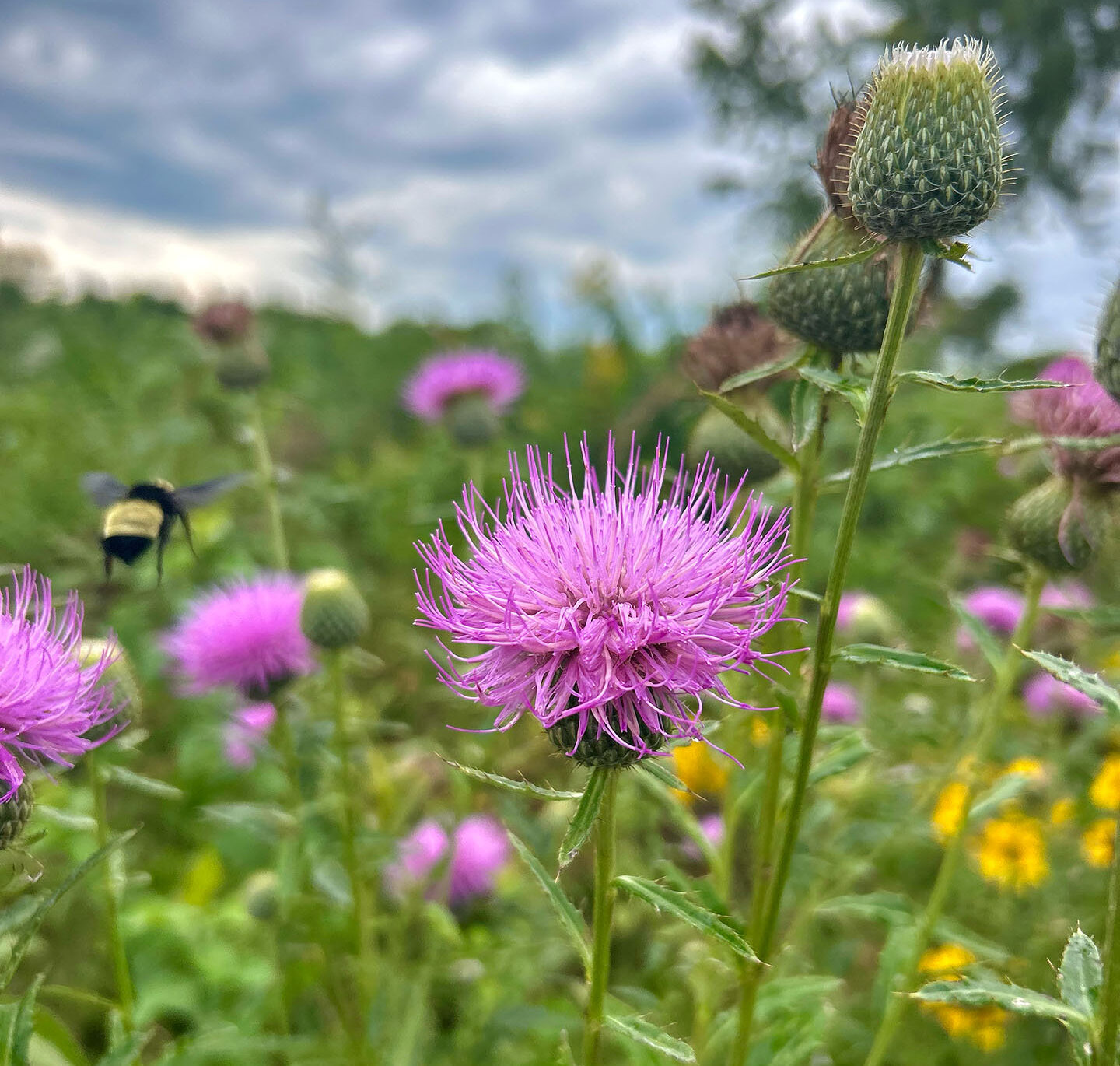
In Caring for Our Kin: Stories of Indigenous Environmental Stewardship, the College Fund shares the stories of Indigenous environmental leaders who are centering kinship and relational knowledge to build healthy ecological systems. These stories remind us that caring for the Earth means caring for one another—and that Indigenous knowledge systems continue to offer guidance, resilience, and hope for the future.
Learn more about our Environmental Stewardship Program.
Ekvnv Vcayecet. Mvto!
(Take care of the Earth/Land. Thank you)
More Blogs
Want to help a child in Indian Country? Educate his parents.
Consider the facts: the average tribal college student is a 27-year-old single mother of three, and is often the first in her family to attend college. By ensuring that these young mothers attend college, they are assured of greater earning potential, helping them to better support their children and to give them better lives.
Help Tribal Colleges Get Federal Appropriations
In August 2008 former President George W. Bush signed Congress the Higher Education Reauthorization and College Opportunity Act of 2008 into law. The reauthorization will help more students attend tribal colleges across the country and will include funding for tribal colleges across the United States. It also authorizes an annual increase from $6,000 to $8,000 for each student attending a tribal college.
Moving Forward In a Bleak Economy
Despite the bleak economic indicators, including a high jobs loss report at the end of January, there is reason to be optimistic about American Indian education and the Fund. Our supporters are some of the most loyal and devoted people in the country. Even when times are tough, they give something. Our students and the Fund are blessed to be able to count on our corporate, foundation, and individual supporters.
When Old Friends Go On…
I was personally saddened when my friend and former tribal college resident and veteran of the tribal college movement, Sky Houser, passed on on January 29, 2009. Sky died at a hospice facility near his sister’s home in Oklahoma City, Oklahoma at age 65. At the time of his death, he was the special projects officer for the Scott Bordeaux Leadership Institute at Sinte Gleska University.
Think Indian public service advertisement campaign launches
The Fund is rolling out a new public service announcement campaign titled THINK INDIAN. The campaign tells the story of how America’s 32 accredited tribal colleges and American Indian students are combining traditional Native solutions with modern knowledge to solve contemporary problems.
Gracism or Post-Racial Society?
Over the years, it has become less politically correct for people to be openly racist (although American Indians still suffer from open racism.) As a result, racism has gone underground—and people are graceful and pleasant to one’s face, while continuing to hold onto their racist attitudes and behaviors behind one’s back. Hence, I coined the term gracist.
Wondering How to Apply for College Scholarships?
Debra Reed of the American Indian College Fund will be discussing how to prepare for scholarships on Native America Calling Friday, January 16, from 11a.m.-noon MST.
The Fund Marks its 20th Anniversary
The Fund was created in 1989 by the tribal colleges and universities and private partners to raise scholarship funds and funding for America’s tribal colleges. The first tribal college was Diné College, founded as Navajo Community College, in 1968. Today there are 32 accredited tribal colleges and universities, which serve college students and provide much-needed services to American Indian communities.
Happy Holidays!
Waniyetu ki lecunhan wicozani luha na iyokipiya yaunkte. -Lakota Greeting – Translation: May the beauty of this season bring you peace, health and happiness.
In Memory of Deborah Yarlott
On Friday evening, Dec. 19, Dr. David Yarlott’s beautiful wife, Deborah, passed on. We are heartbroken to have lost such a kind, loving, and generous person.