
Planting the Seeds of Cultural Sustainability
April 22, 2026 | Student Ambassador Aiyanna Tanyan’s (Seminole Nation of Oklahoma) work to reclaim food sovereignty
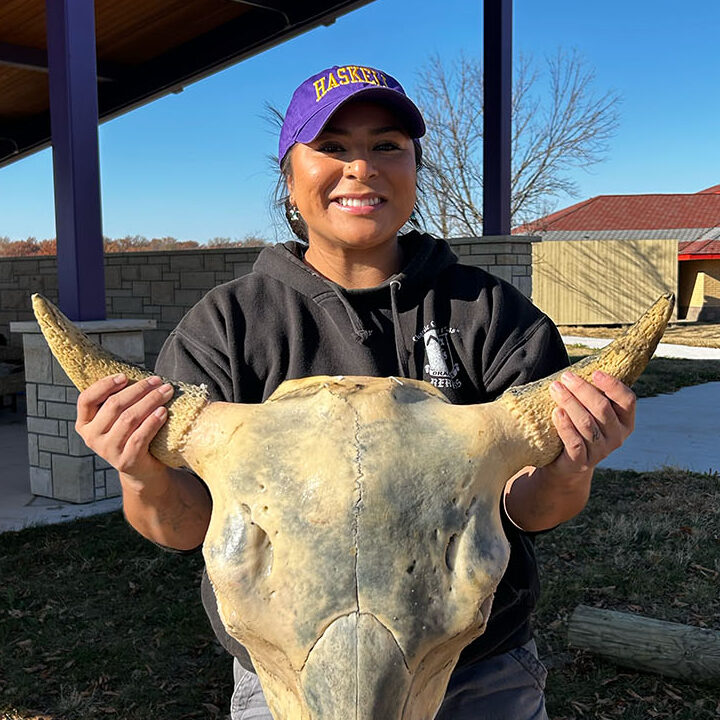
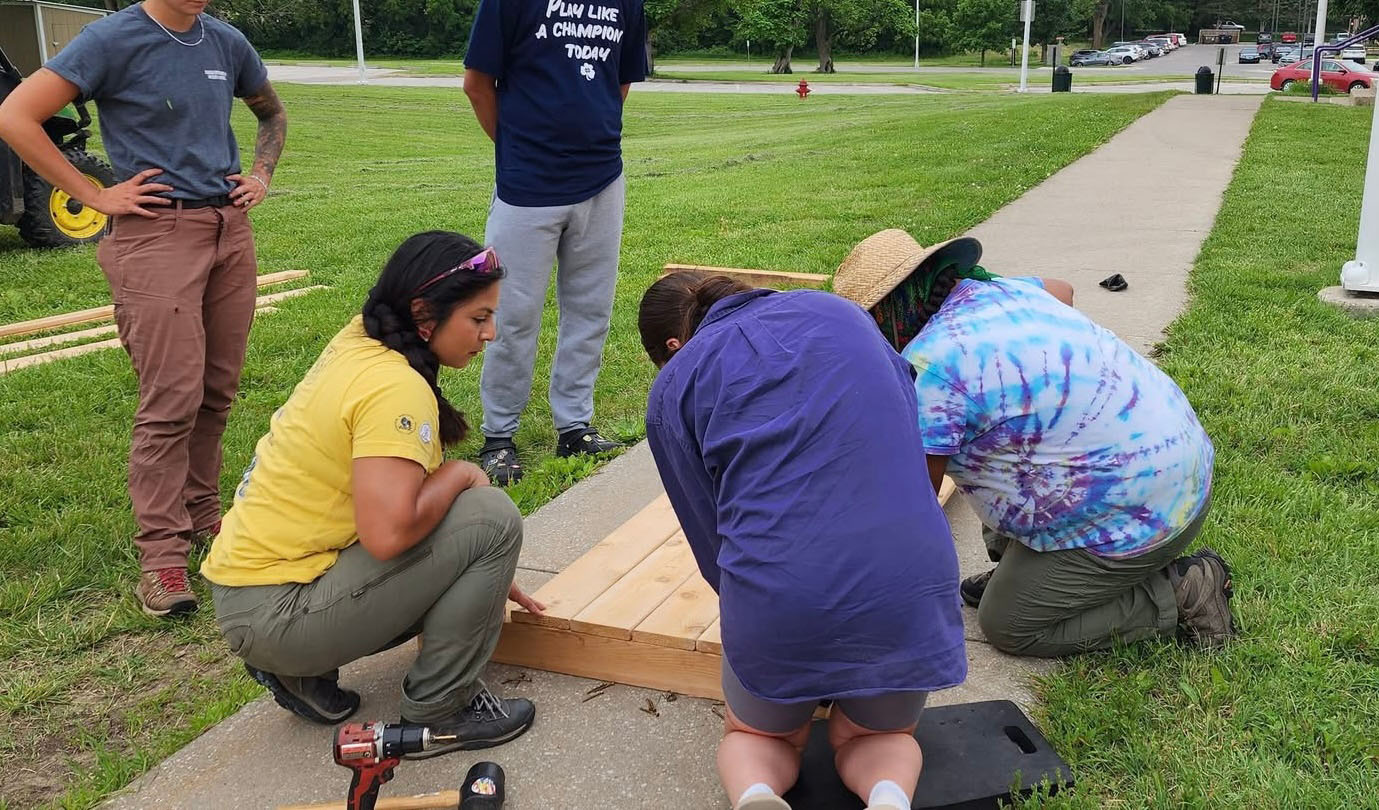
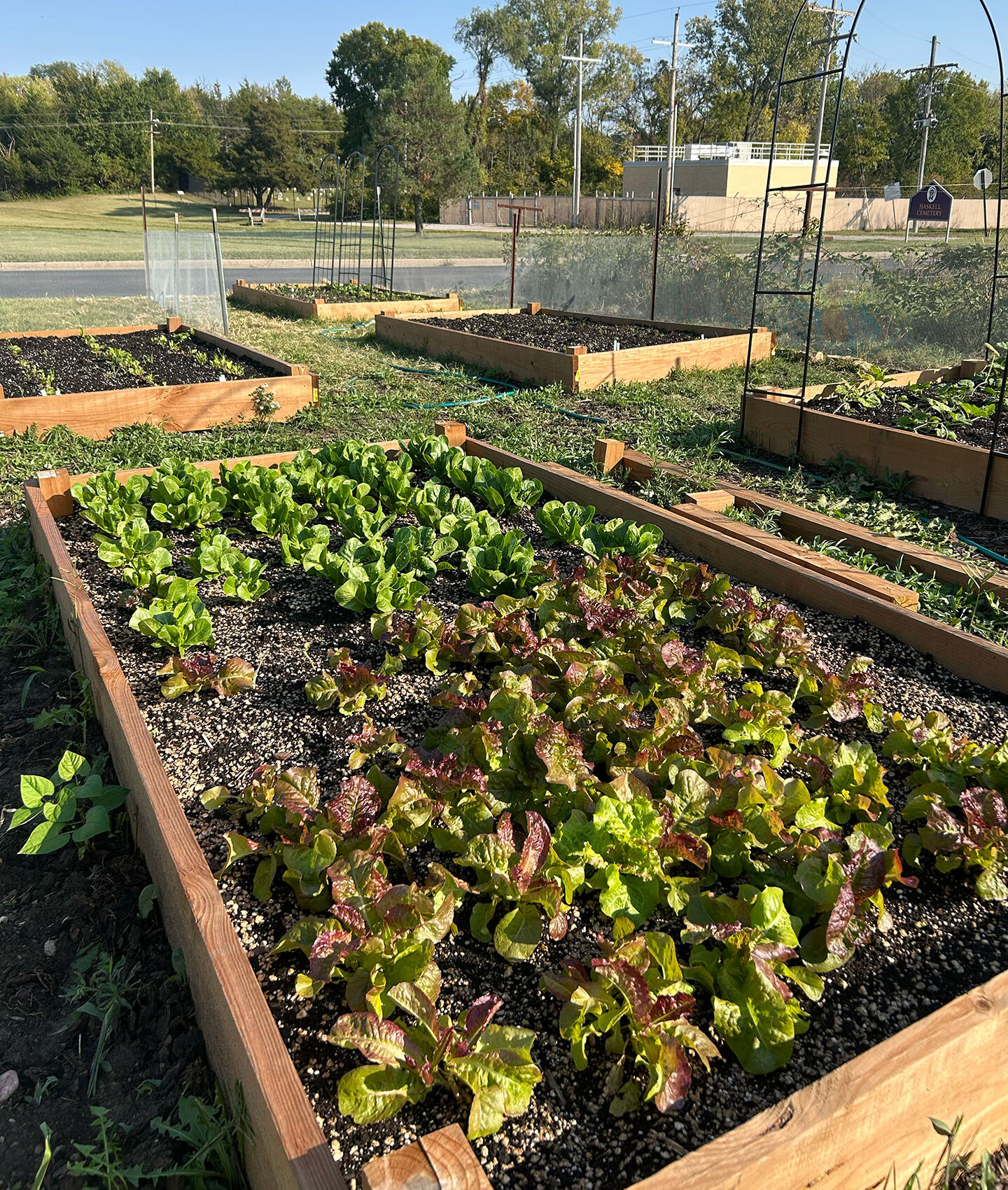
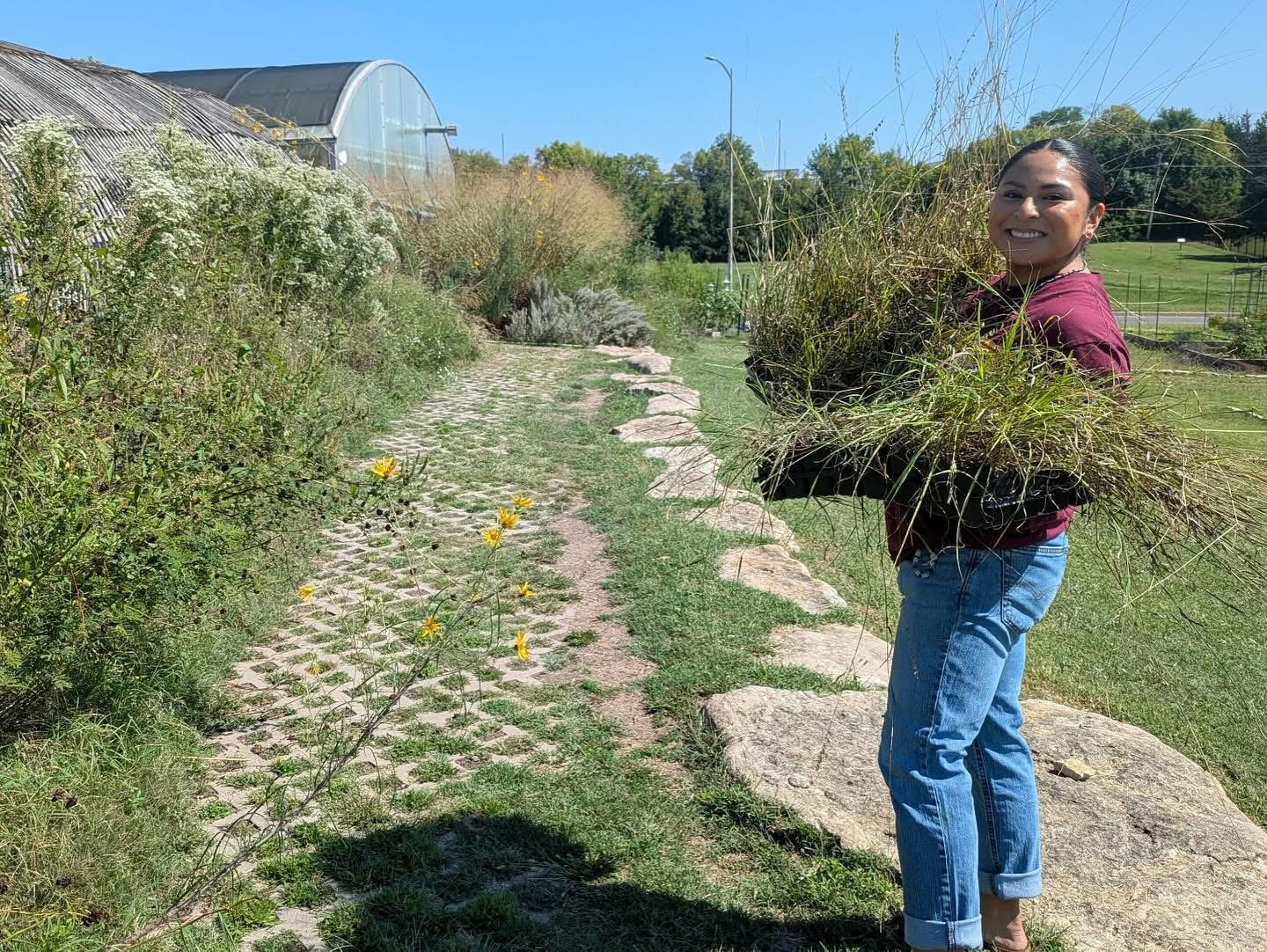
We came up with the idea of building raised garden beds near the dorms so students can easily access fresh foods and learn how to grow them themselves. Through support from the Haskell Greenhouse (funded through the USDA Equity Grant), we started building.
Last year was our first year doing this project and it was a learning experience as with many community-based projects, it comes with trial and error. However, that process taught us a lot about what works, what doesn’t, and how to build something more sustainable moving forward. This year, we’re continuing this work with stronger systems, more involvement, and a clearer vision.
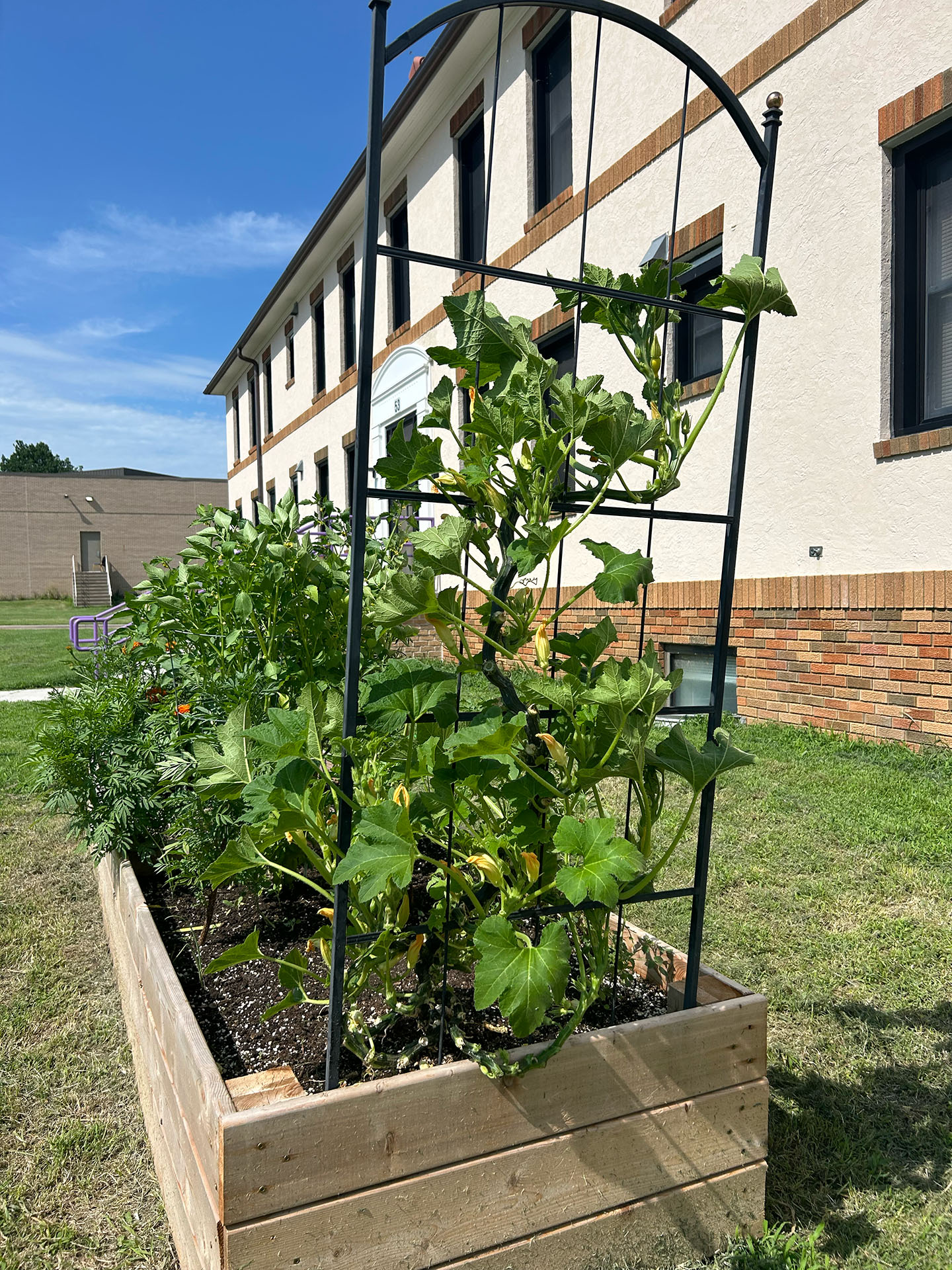
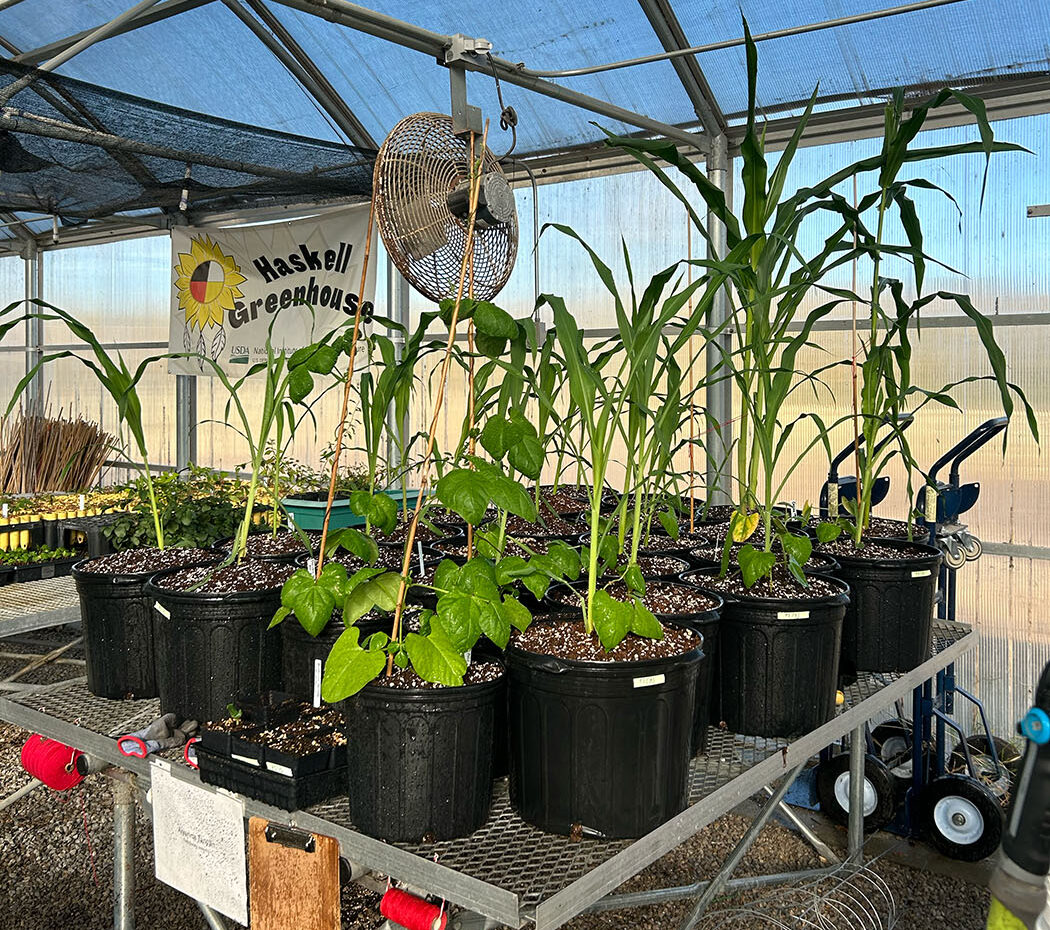
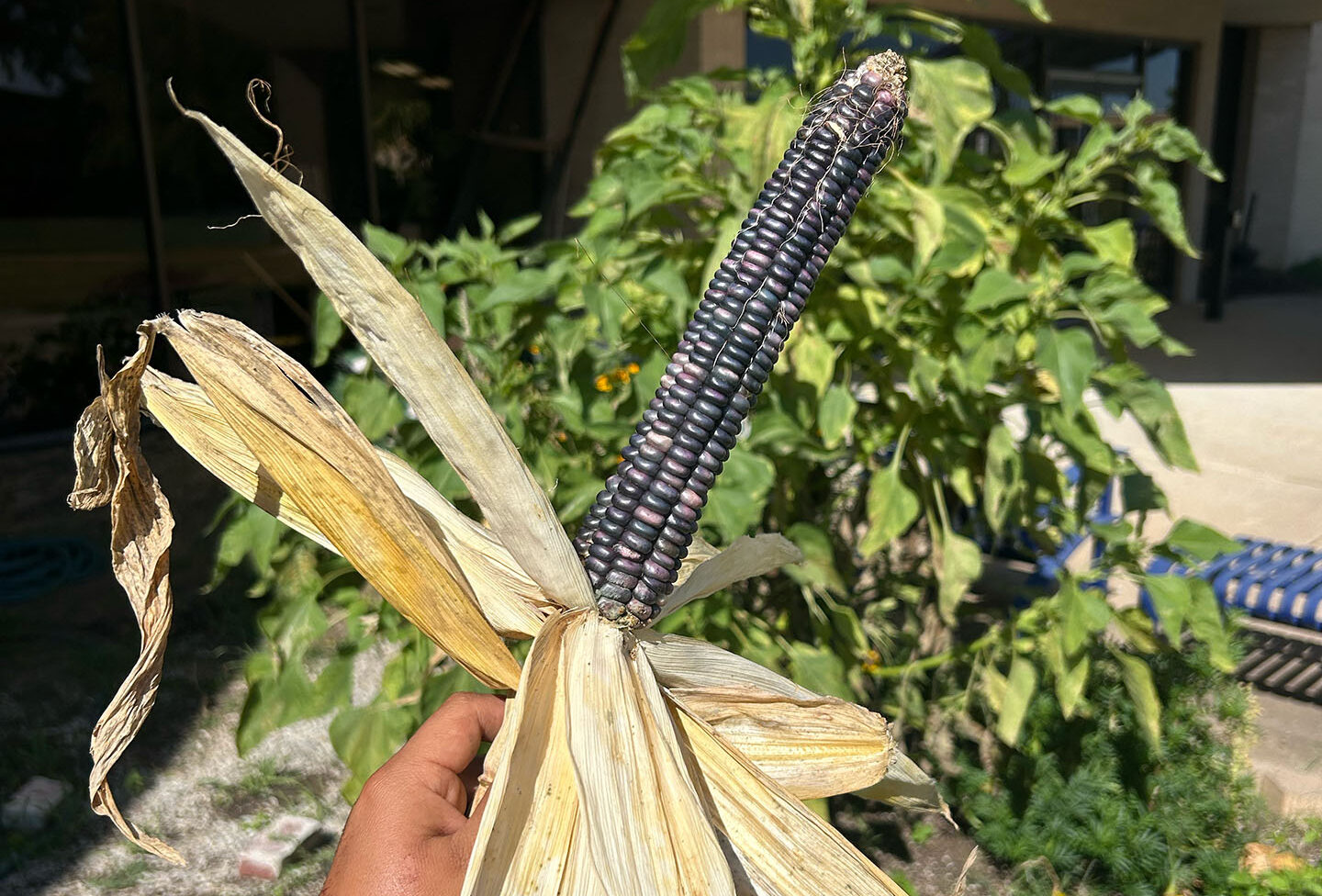
Everyone at the Haskell Greenhouse wants to help others learn, value, and view these spaces as places of teaching. I know they have taught me so much about responsibility and our relationship with the environment. Through these projects, we’re helping students reconnect with the land and understand the importance of food sovereignty for Indigenous communities. This work is ongoing, and we’re still learning. Every seed planted, and every workday shared brings us one step closer to a more sustainable and connected future.
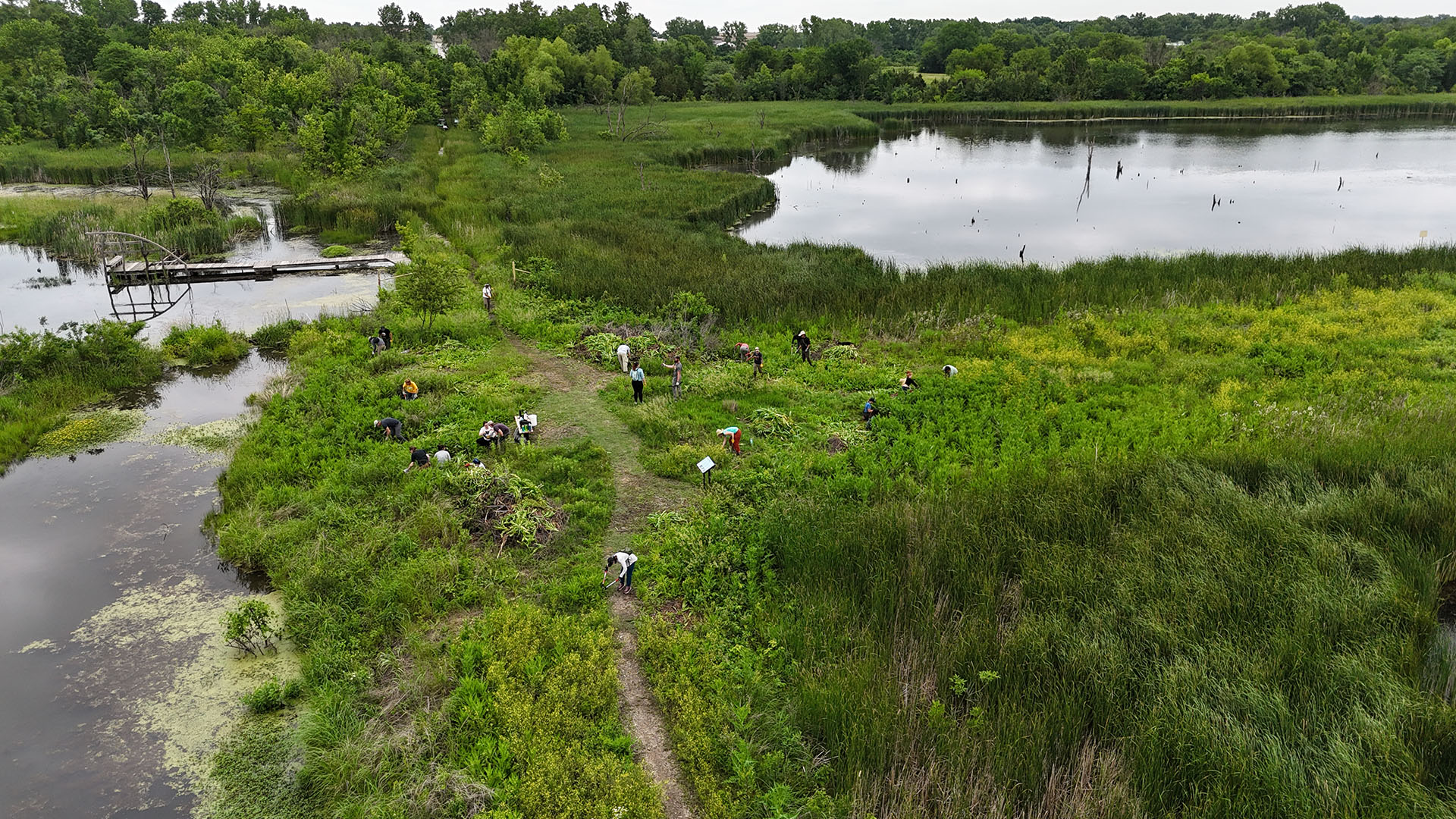
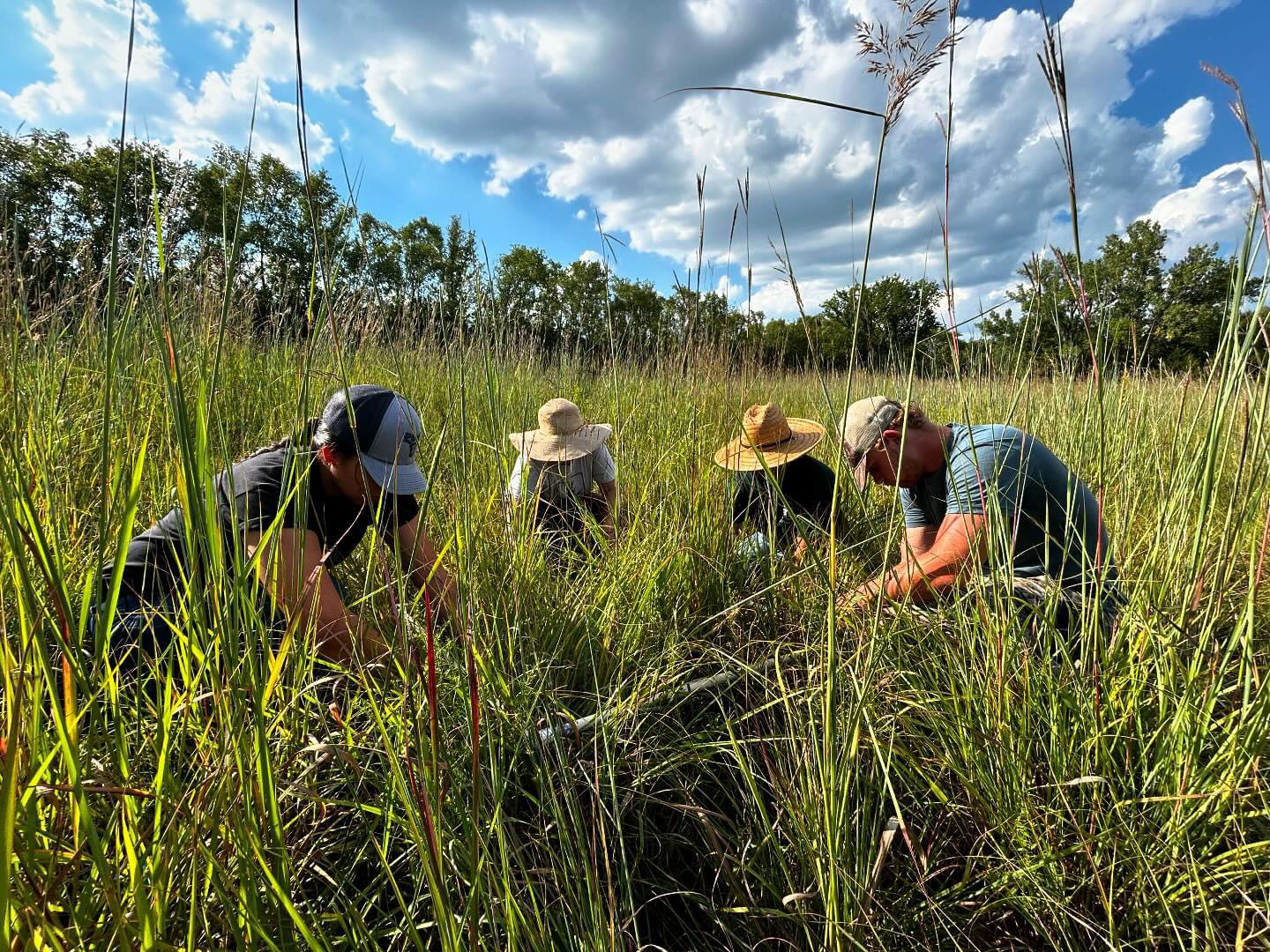
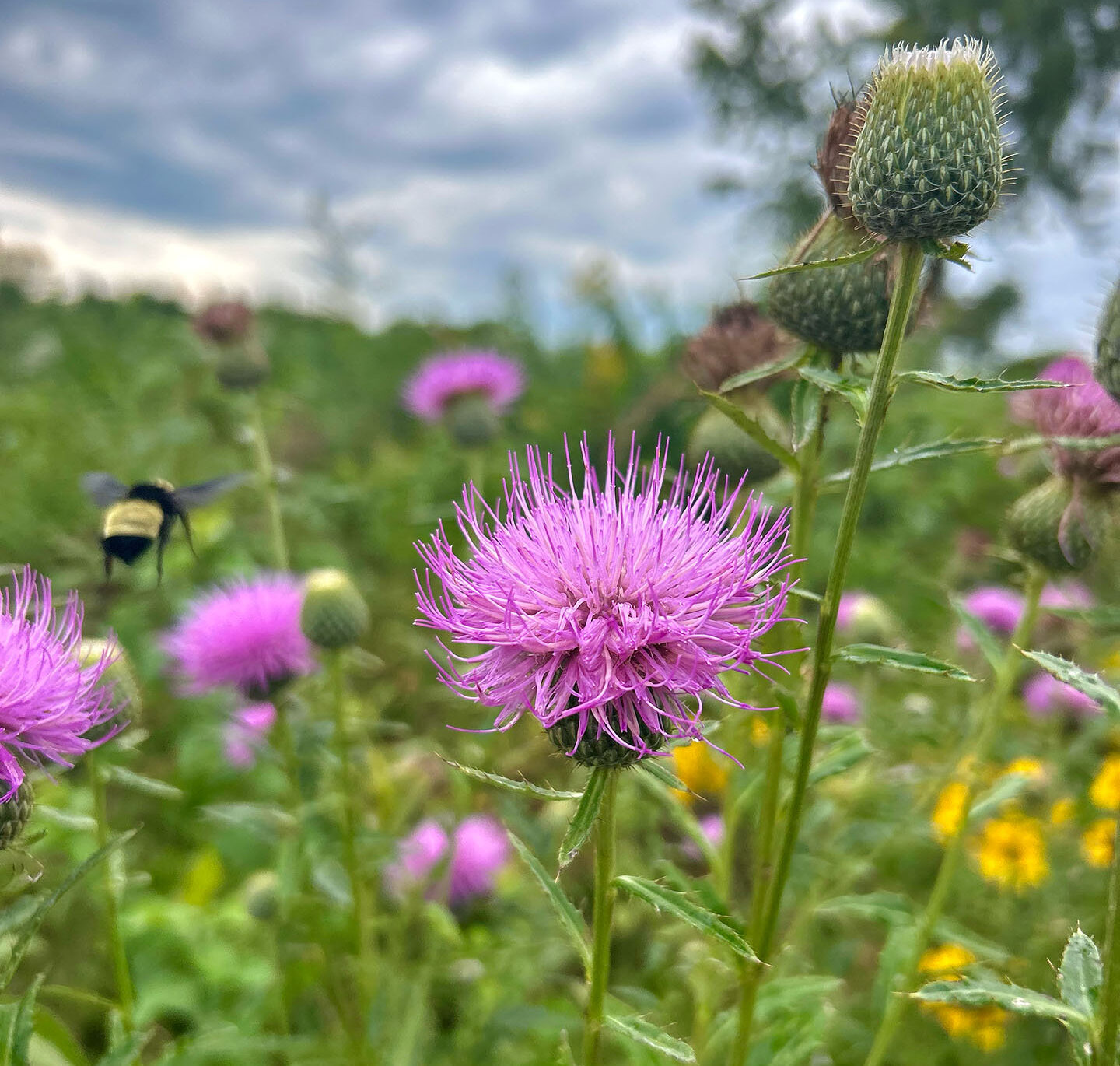
In Caring for Our Kin: Stories of Indigenous Environmental Stewardship, the College Fund shares the stories of Indigenous environmental leaders who are centering kinship and relational knowledge to build healthy ecological systems. These stories remind us that caring for the Earth means caring for one another—and that Indigenous knowledge systems continue to offer guidance, resilience, and hope for the future.
Learn more about our Environmental Stewardship Program.
Ekvnv Vcayecet. Mvto!
(Take care of the Earth/Land. Thank you)
More Blogs

Red Lake Nation College Celebrates Grand Opening of Minneapolis Site, Pioneering Tribal College Presence in U.S. Cities
Congratulations to Red Lake Nation College as they announce the opening of the first tribal college or university in a major U.S. city. Learn why offering Indigenous culture-based higher education in metropolitan spaces is important.

American Indian College Fund Develops Transfer Data Guidebook for TCUs
The American Indian College Fund (College Fund) has published a “Transfer Data Guidebook for Tribal Colleges and Universities.” The guidebook is the culmination of three years of research conducted under a $625,000 grant from the Educational Credit Management Corporation, which examined the transfer landscape of the seven Montana tribal colleges and universities (TCUs) to improve student achievement by creating a cohesive transfer system.
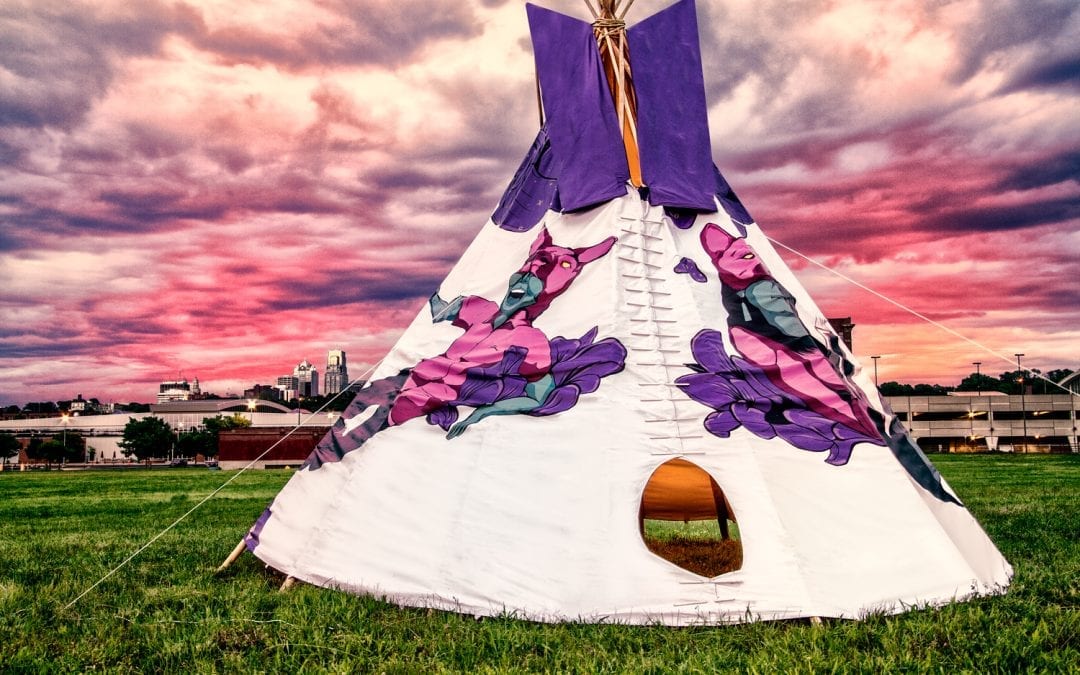
American Indian College Fund Partners with Margaret A. Cargill Philanthropies to Enhance Native Arts Programs
The American Indian College Fund (College Fund) announced new efforts to enhance Native arts curriculum development programs at six tribal colleges and universities (TCUs). Each of the participating TCUs will receive $100,000 to enrich their curricula by integrating Indigenous education values and incorporate Native knowledge, language, and cultural practices. The project will also help to expand institutional capacity, developing or revising academic courses, minors, and certificate and degree programs.
Honoring Native Voices, Cultures, Histories, and Ancestors on International Museum Day
Did you know there are federal laws regarding what museums can keep in their collections when it comes to Native peoples? The American Indian College Fund believes elevating the visibility of contemporary Native artists and their voices is integral to telling our stories. It is just as important for Native people to be represented respectfully and accurately through the arts in museums and other institutions.
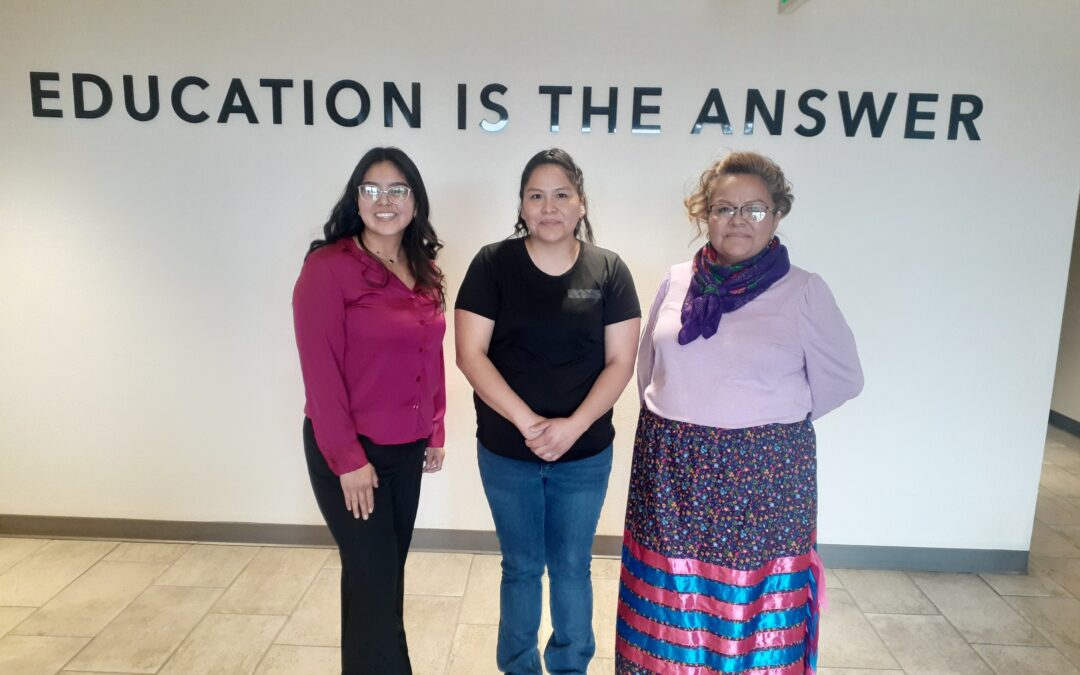
May and Stanley Smith Charitable Trust Partners with American Indian College Fund to Support Native Student Veterans
The American Indian College Fund (College Fund) has received a $50,000 grant from the May and Stanley Smith Charitable Trust to implement a six-month fellowship focused on empowering Native student veterans to success. The Naabaahii Ółta’í (Student Warrior): Native Student Veterans Peer-to-Peer Program is a mentorship opportunity that builds relationships between veterans based upon their shared experiences.
American Indian College Fund Launches “Make Native Voices Heard” Voting Campaign
Native Americans are more impacted by the law than any other group in the United States. Native students in higher education, or seeking a higher education, in particular are impacted by federal and state laws impacting funding for education, such as Pell Grants, student loans, and federal funding for tribal colleges and universities (TCUs), 70% of which comes from federal sources.
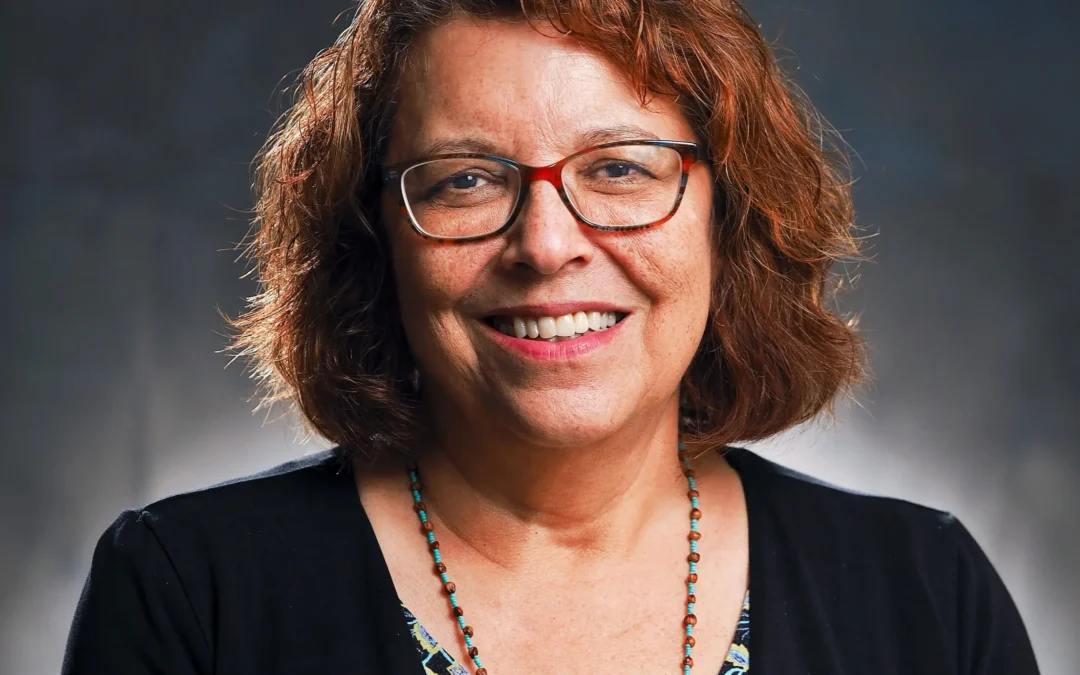
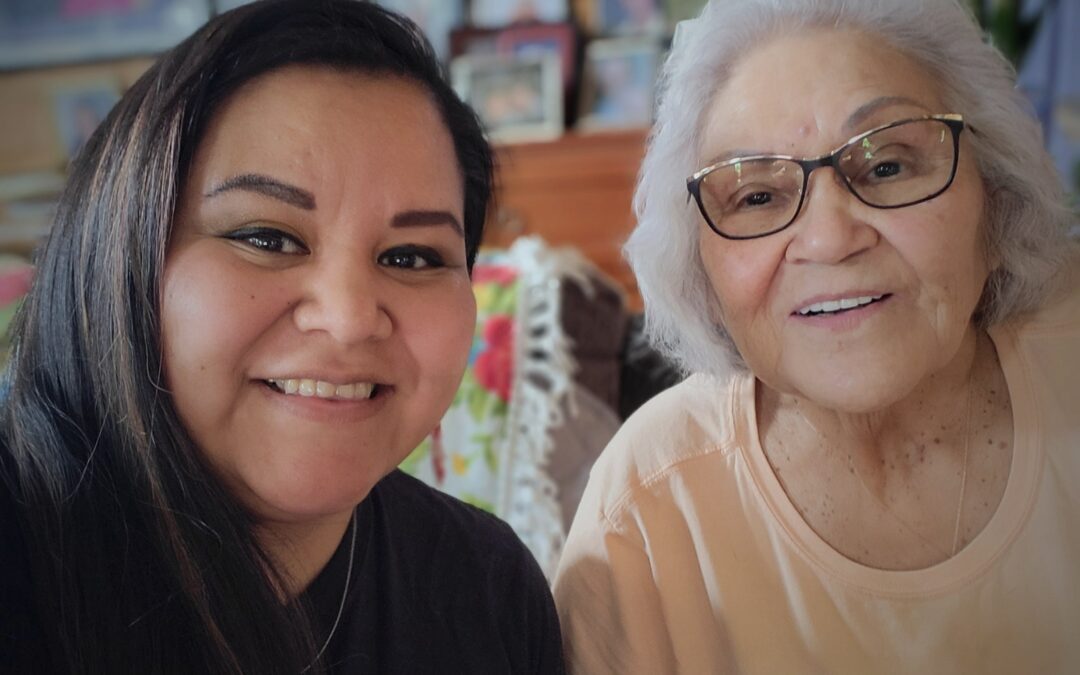

Circle of Hope Spring 2024
The Spring 2024 Newsletter brought to you by the American Indian College Fund.
