
Planting the Seeds of Cultural Sustainability
April 22, 2026 | Student Ambassador Aiyanna Tanyan’s (Seminole Nation of Oklahoma) work to reclaim food sovereignty
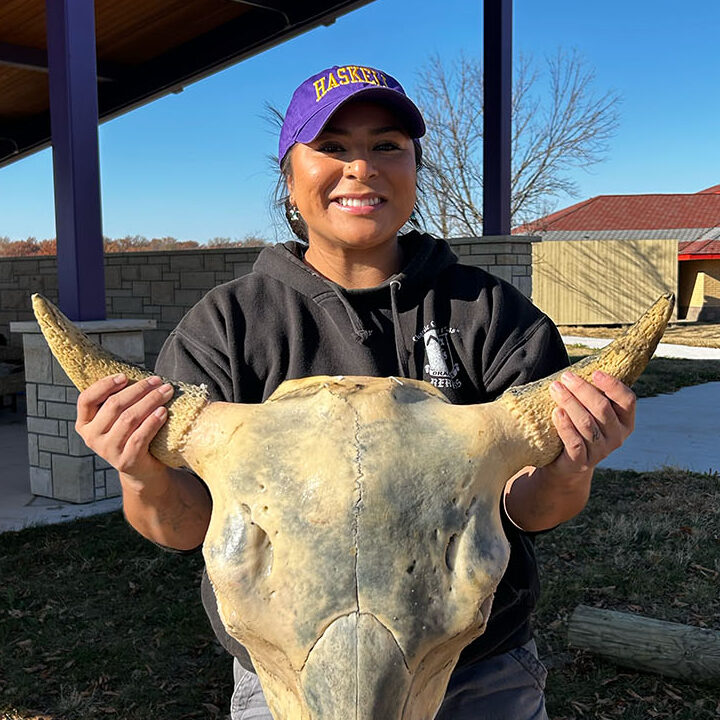
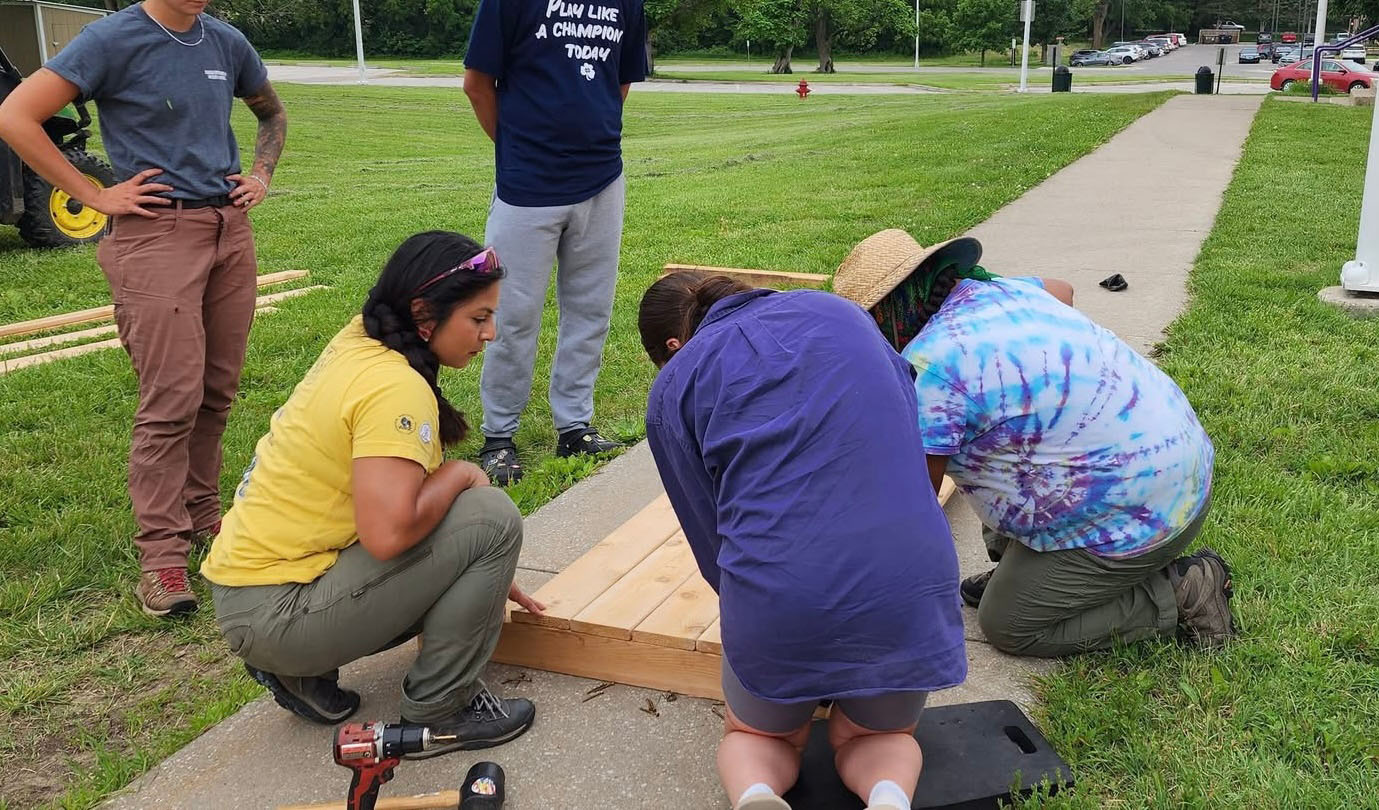
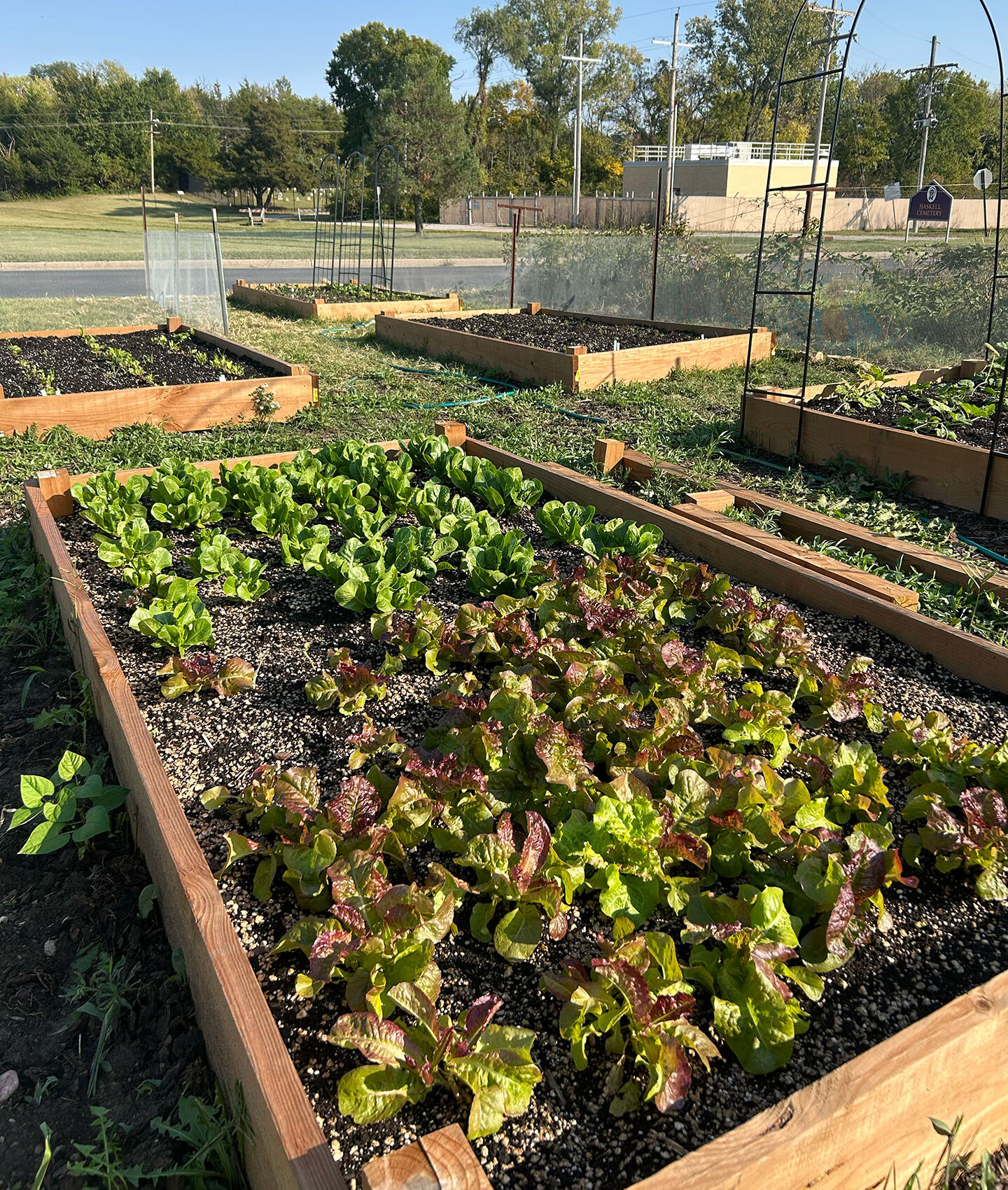
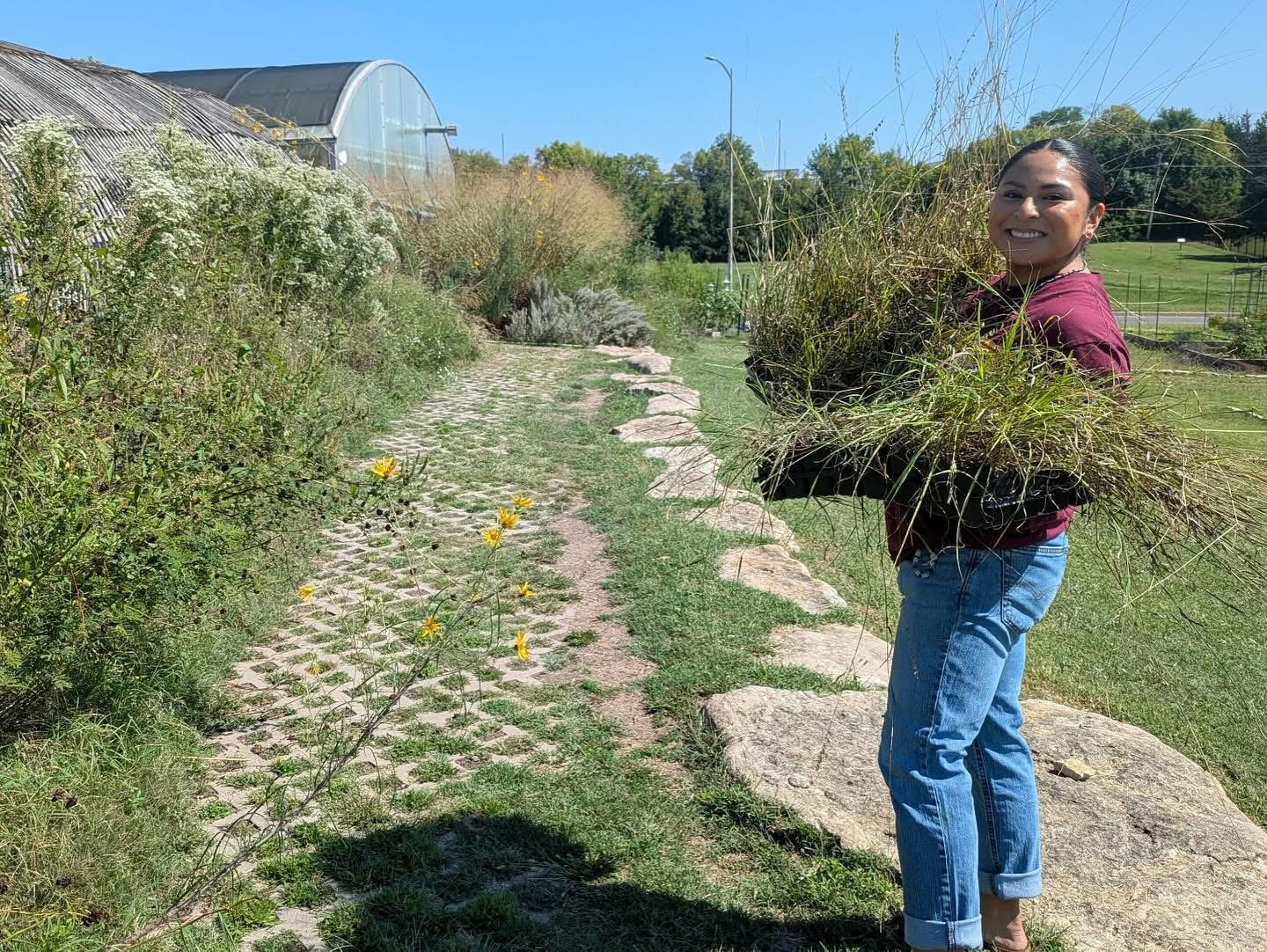
We came up with the idea of building raised garden beds near the dorms so students can easily access fresh foods and learn how to grow them themselves. Through support from the Haskell Greenhouse (funded through the USDA Equity Grant), we started building.
Last year was our first year doing this project and it was a learning experience as with many community-based projects, it comes with trial and error. However, that process taught us a lot about what works, what doesn’t, and how to build something more sustainable moving forward. This year, we’re continuing this work with stronger systems, more involvement, and a clearer vision.
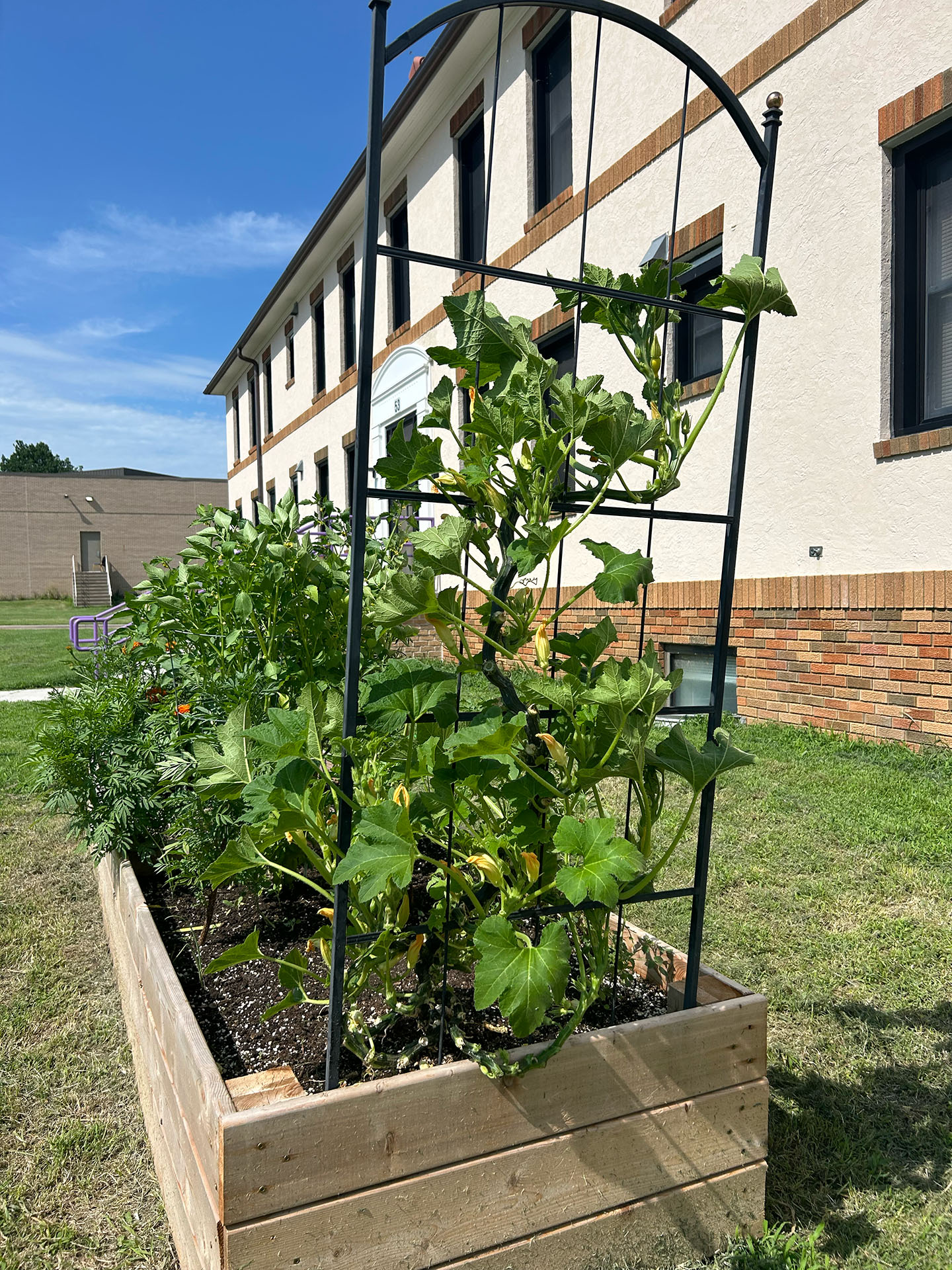
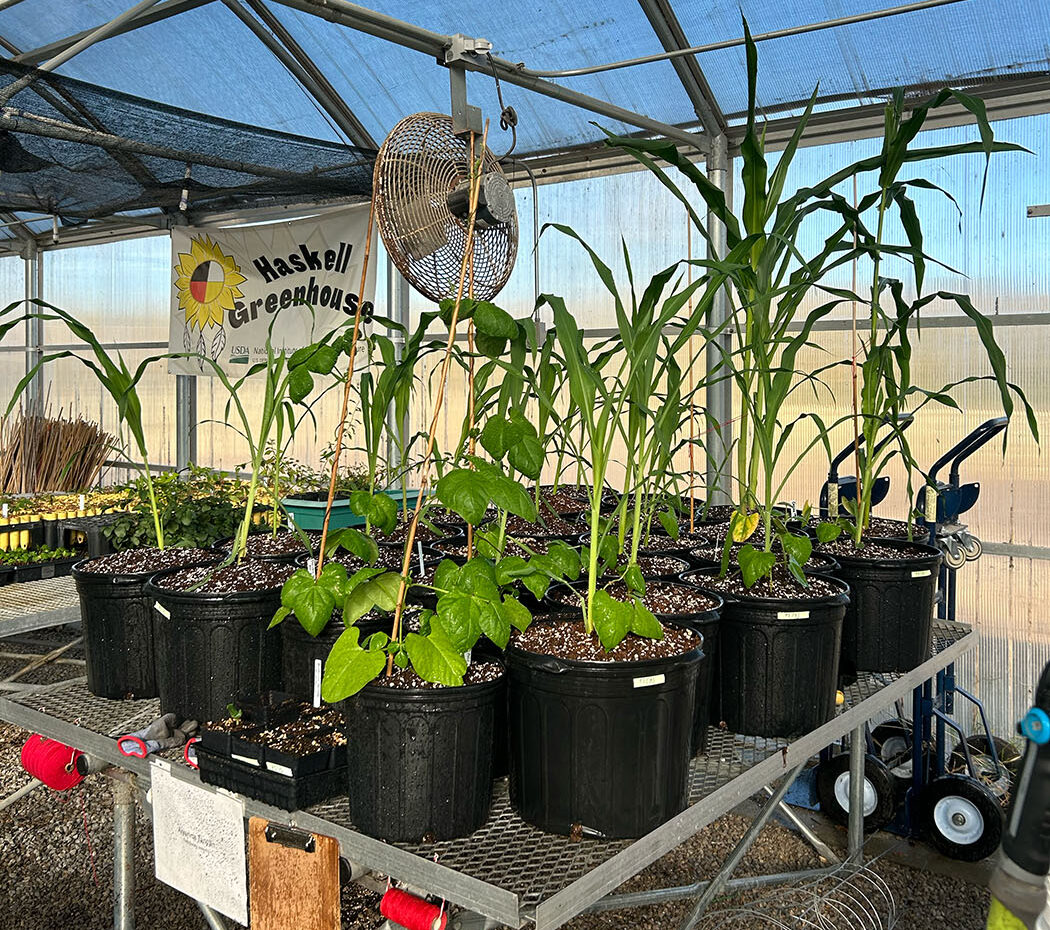
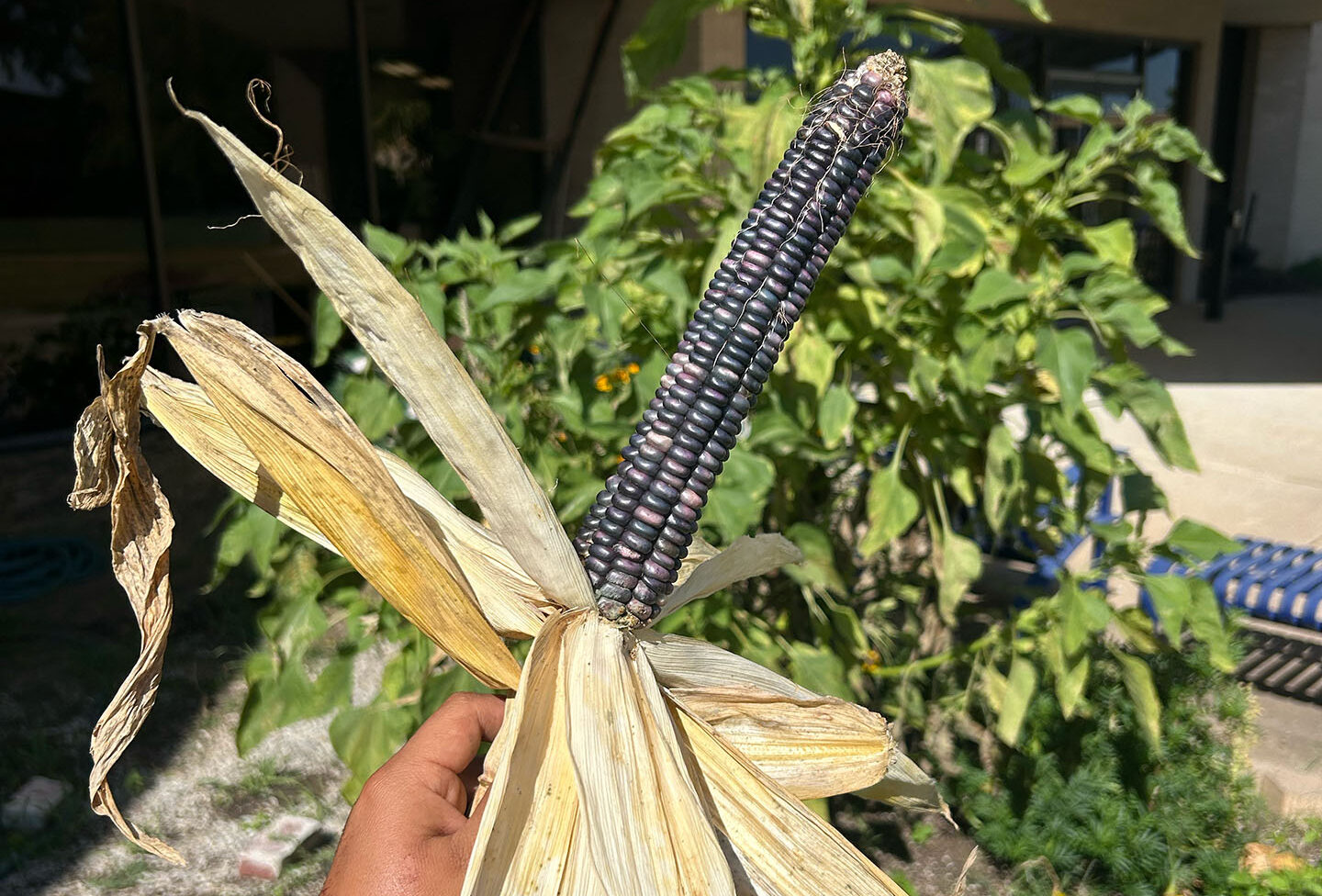
Everyone at the Haskell Greenhouse wants to help others learn, value, and view these spaces as places of teaching. I know they have taught me so much about responsibility and our relationship with the environment. Through these projects, we’re helping students reconnect with the land and understand the importance of food sovereignty for Indigenous communities. This work is ongoing, and we’re still learning. Every seed planted, and every workday shared brings us one step closer to a more sustainable and connected future.
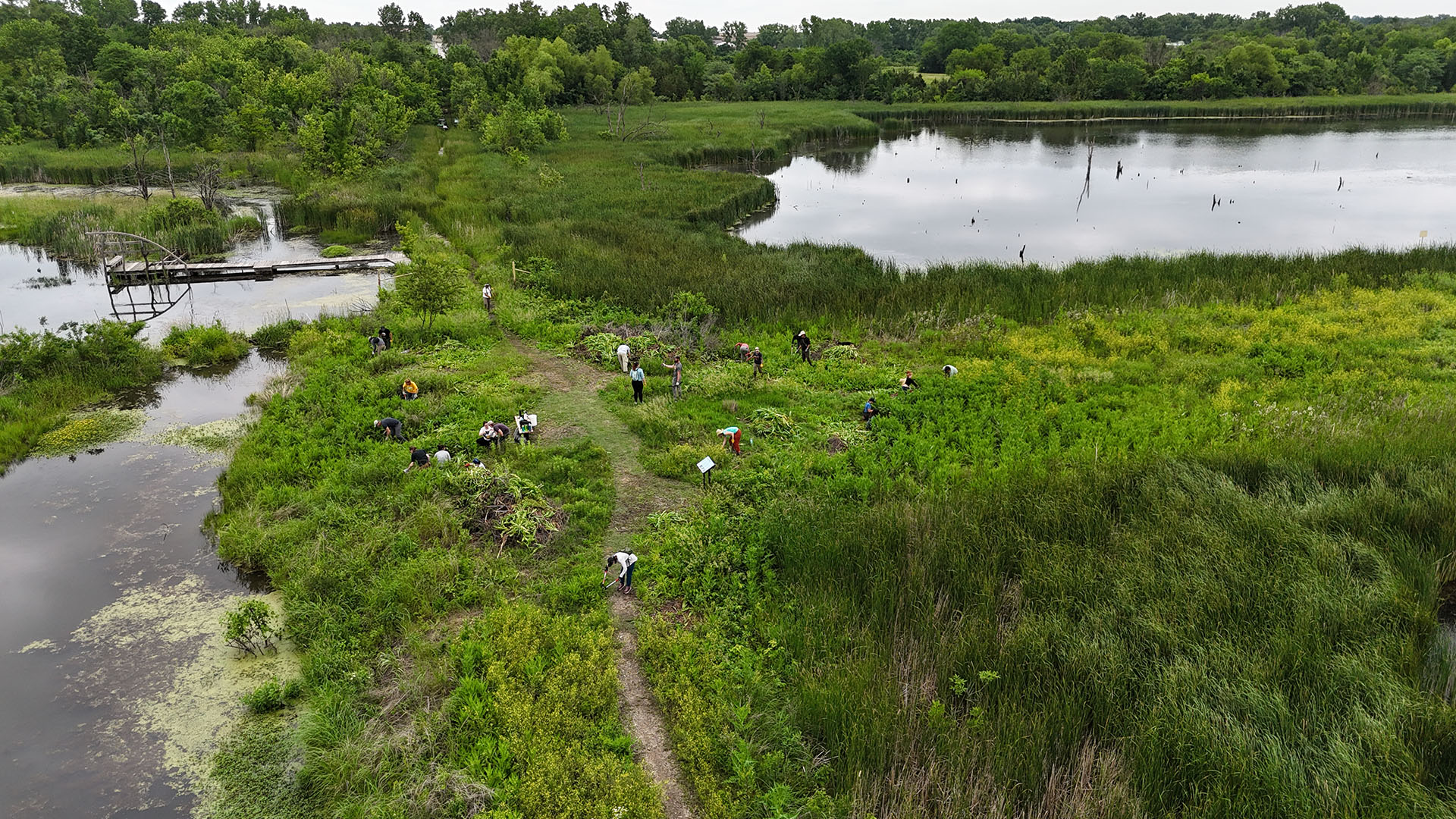
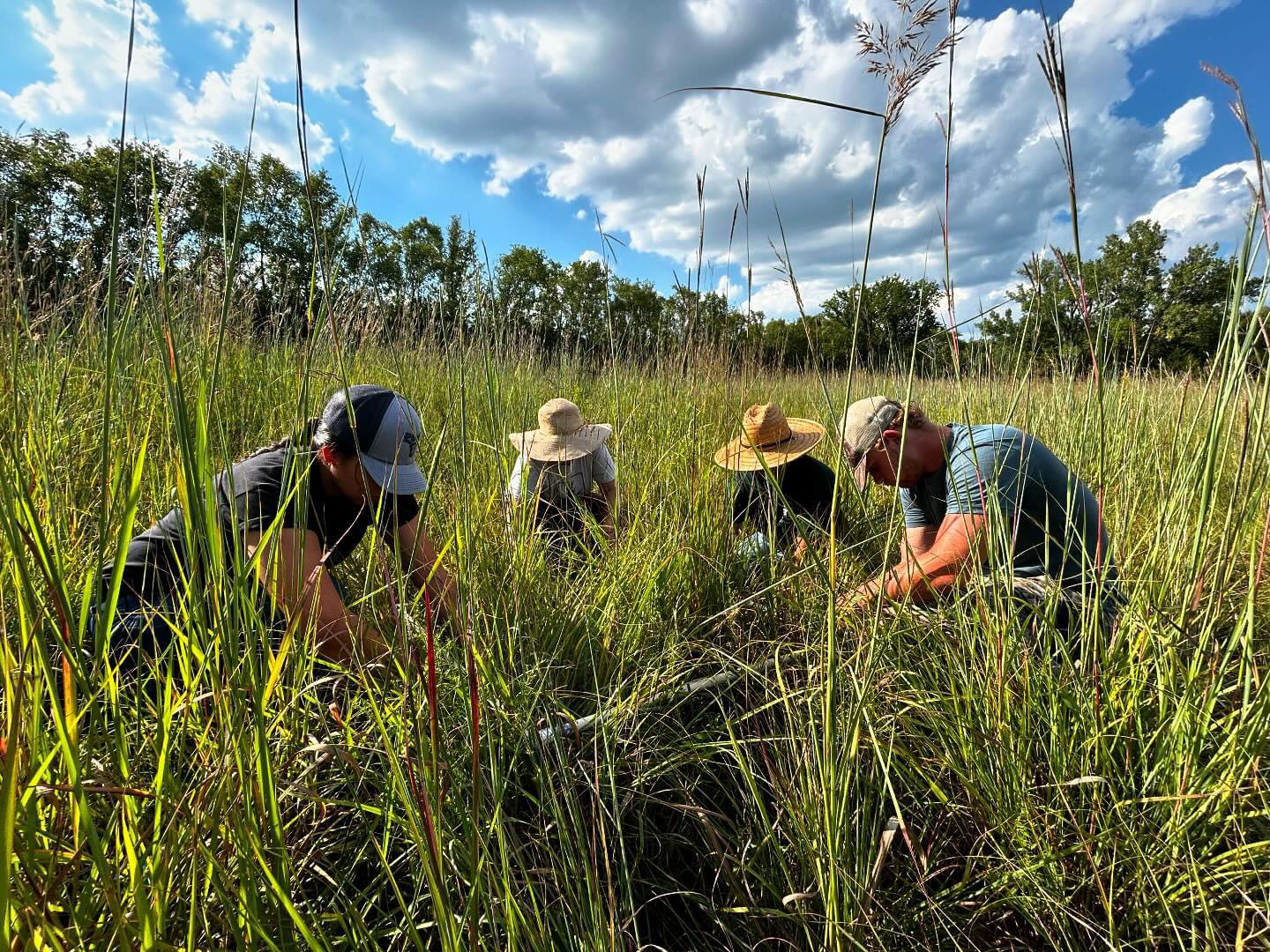
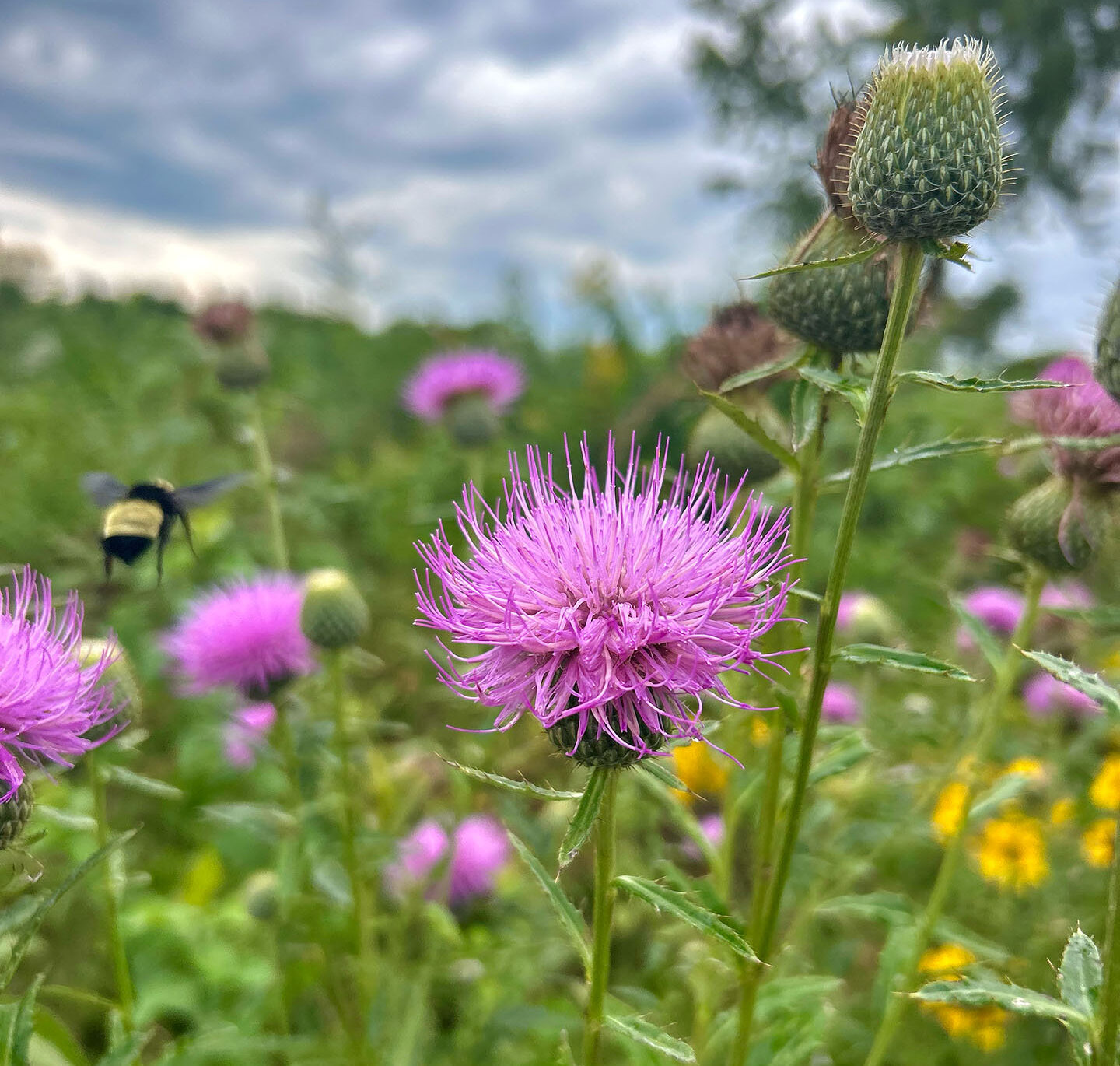
In Caring for Our Kin: Stories of Indigenous Environmental Stewardship, the College Fund shares the stories of Indigenous environmental leaders who are centering kinship and relational knowledge to build healthy ecological systems. These stories remind us that caring for the Earth means caring for one another—and that Indigenous knowledge systems continue to offer guidance, resilience, and hope for the future.
Learn more about our Environmental Stewardship Program.
Ekvnv Vcayecet. Mvto!
(Take care of the Earth/Land. Thank you)
More Blogs
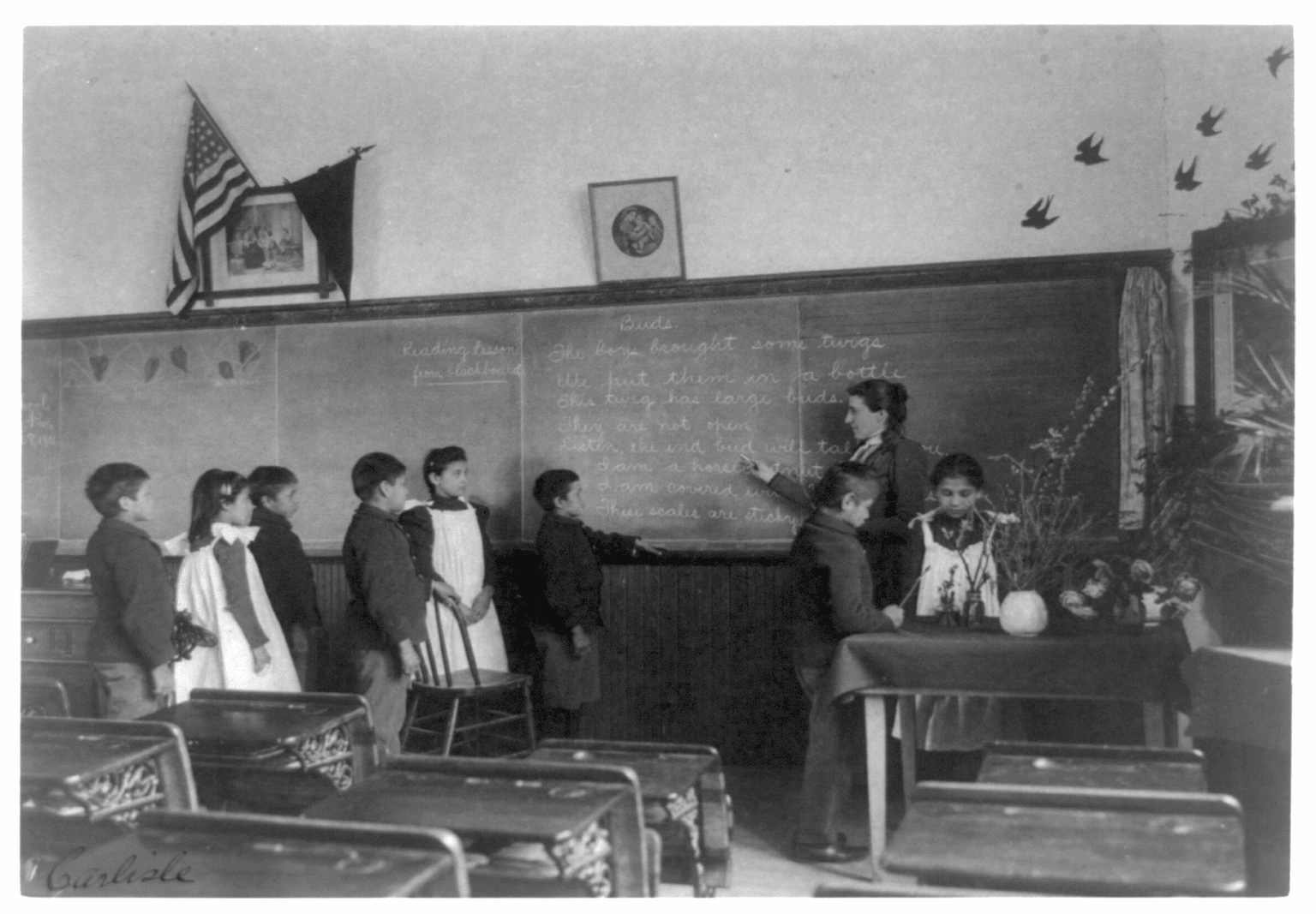
American Indian College Fund Launches Boarding School Descendant Scholarship for 2021-22
American Indian College Fund Launches Boarding School Descendant Scholarship for 2021-22 $60,000 Grant from National Native American Boarding School Healing Coalition Funds Twenty Native Scholarships for 2021-22 Denver, Colo.—October 26, 2021– The American Indian...
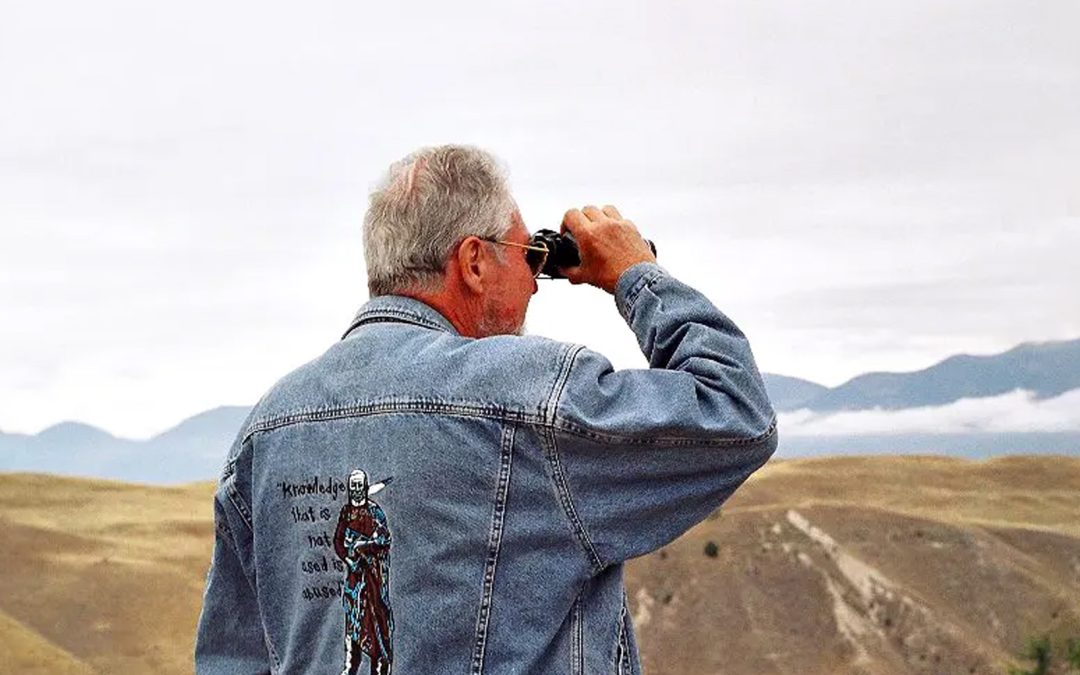
American Indian College Fund Mourns David Kennedy
We were saddened to learn the news that David Kennedy, the co-founder of international ad agency Wieden+Kennedy, the College Fund’s partner for more than 30 years, passed away Sunday, October 10. Kennedy was instrumental in the creation of the College Fund’s current national visibility campaign.

American Indian College Fund Receives $5.315 Million to Support Indigenous Early Childhood Education
Denver, Colo.—October 6, 2021– The American Indian College Fund’s Indigenous Early Childhood Education program is poised to continue its work at tribal colleges and universities over the next four years thanks to a $5,315,000 grant from the Bezos Family Foundation.
3 Native American women head to college in the pandemic. Will they get a sophomore year?
Reporter Charlotte West, with contributing writer Arlo Iron Cloud (Oglala Lakota), look at the myriad ways the pandemic impacted three Native women, along with its wider impact on Native American students. The College Fund worked to share data and trends and Cheryl Crazy Bull also spoke to Ms. West for the story, which explores college access, food and housing insecurity, illness in Native communities, resulting mental health challenges due to grief and loss, and more.
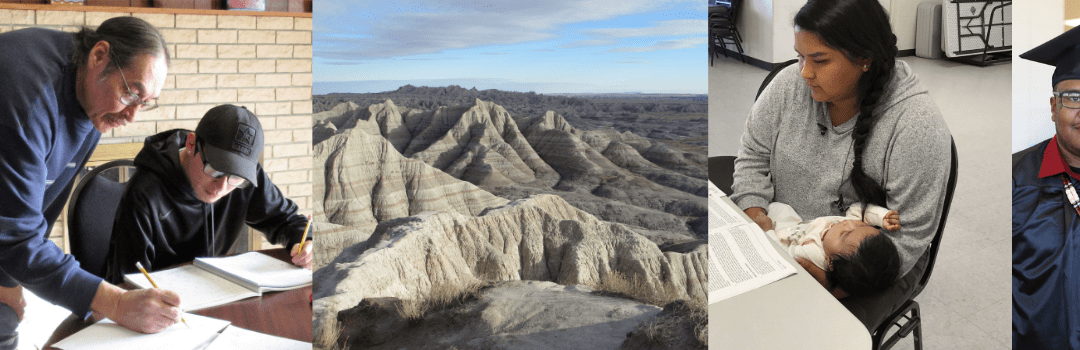
Dollar General Literacy Foundation Grants $300,000 to American Indian College Fund for High School Equivalency Programs at Tribal Colleges
Denver, Colo.—September 29, 2021– The Dollar General Literacy Foundation is continuing its work with the American Indian College Fund to increase the number of Native American high school graduates through the award of $300,000 for the Native Students Stepping Forward: Dollar General High School Equivalency Completion program.
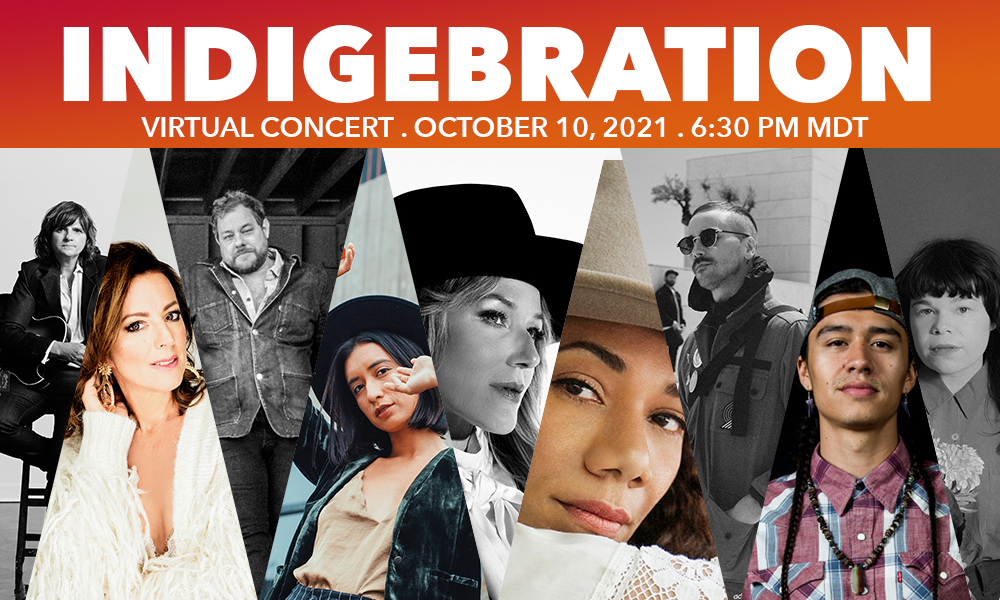
Top Performers Join Forces with American Indian College Fund for Free Online Indigenous Peoples Day Concert
Denver, Colo.—September 27, 2021– Mark your calendars! The American Indian College Fund is hosting a free streaming concert to celebrate Indigenous Peoples Day on Sunday, October 10, 2021, at 6:30 p.m. MDT. The event will feature performances by Native entertainers and artists allied with Native causes from across the nation.
Let’s Call It What It Is
American Indian College Fund | 2021 e-Newsletter | Volume 21, Issue 3 | Circle of Hope
Help Raise Native Voices on Indigenous Peoples’ Day: Join Our Indige-Bration Concert
This year to mark Indigenous Peoples’ Day the American Indian College Fund will host a live, online concert celebration, Indige-Bration of and for Indigenous peoples, featuring the music of entertainers from across the nation.

Learning From a Distance: Utilizing Online Resources in GED Programming
Oglala Lakota College utilizes online resources in its GED program, to provide ease of learning for students like Dawson Pearson.

Carrie: Internships Provide Career Learning Experience
Carrie, an American Indian College Fund Full Circle Scholar, graduated from the Institute of American Indian Arts graduate with a bachelor’s degree in fine arts in cinematic arts and technology and was enrolled in San Diego State University’s Film and Media program...
