
Planting the Seeds of Cultural Sustainability
April 22, 2026 | Student Ambassador Aiyanna Tanyan’s (Seminole Nation of Oklahoma) work to reclaim food sovereignty
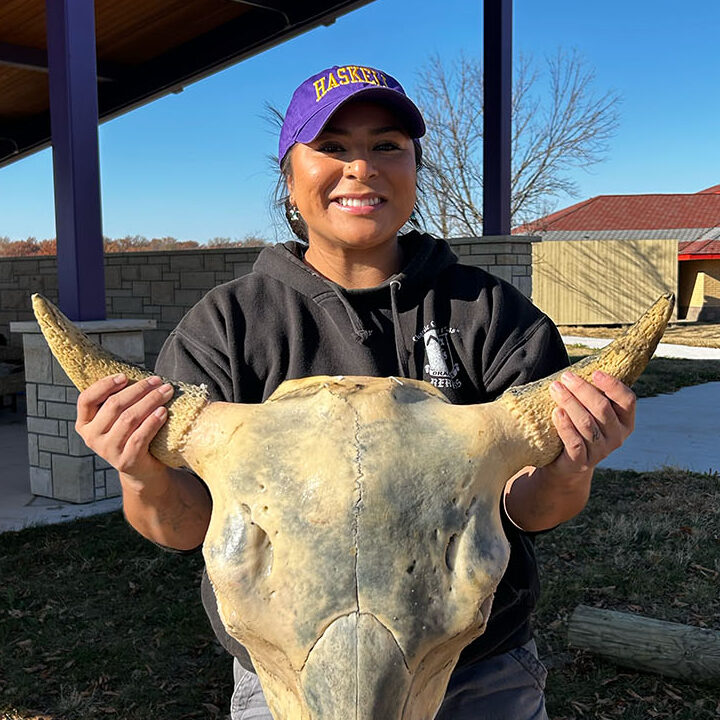
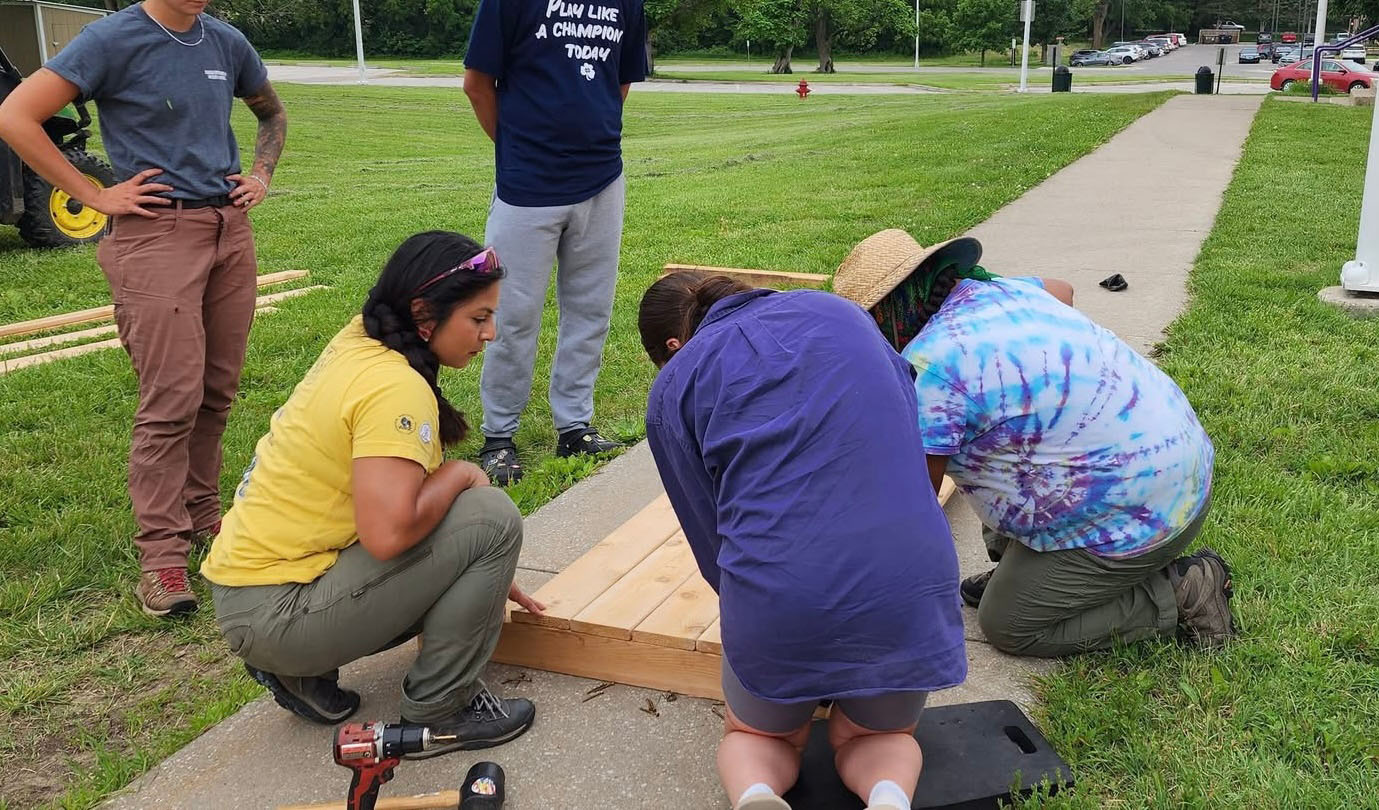
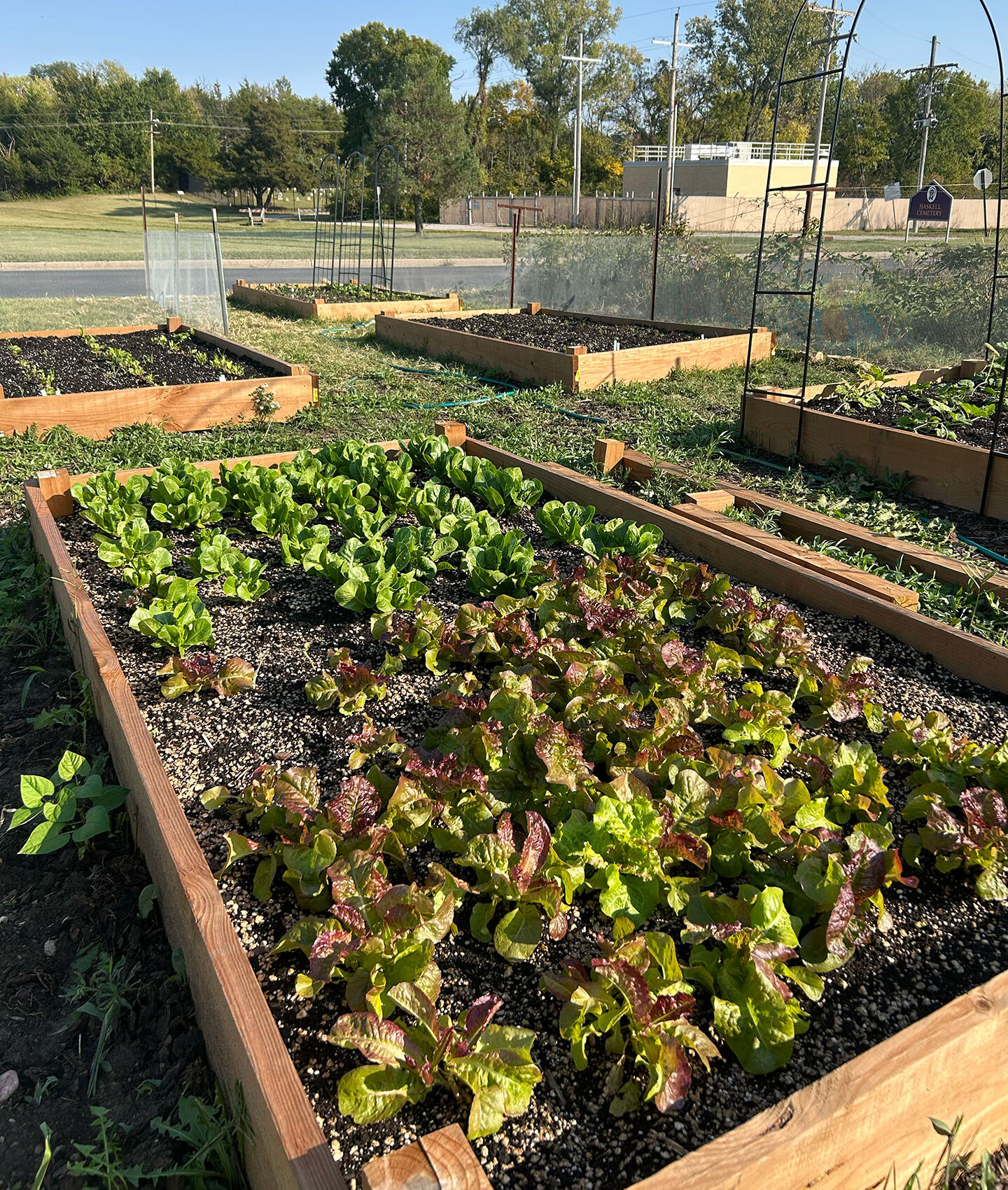
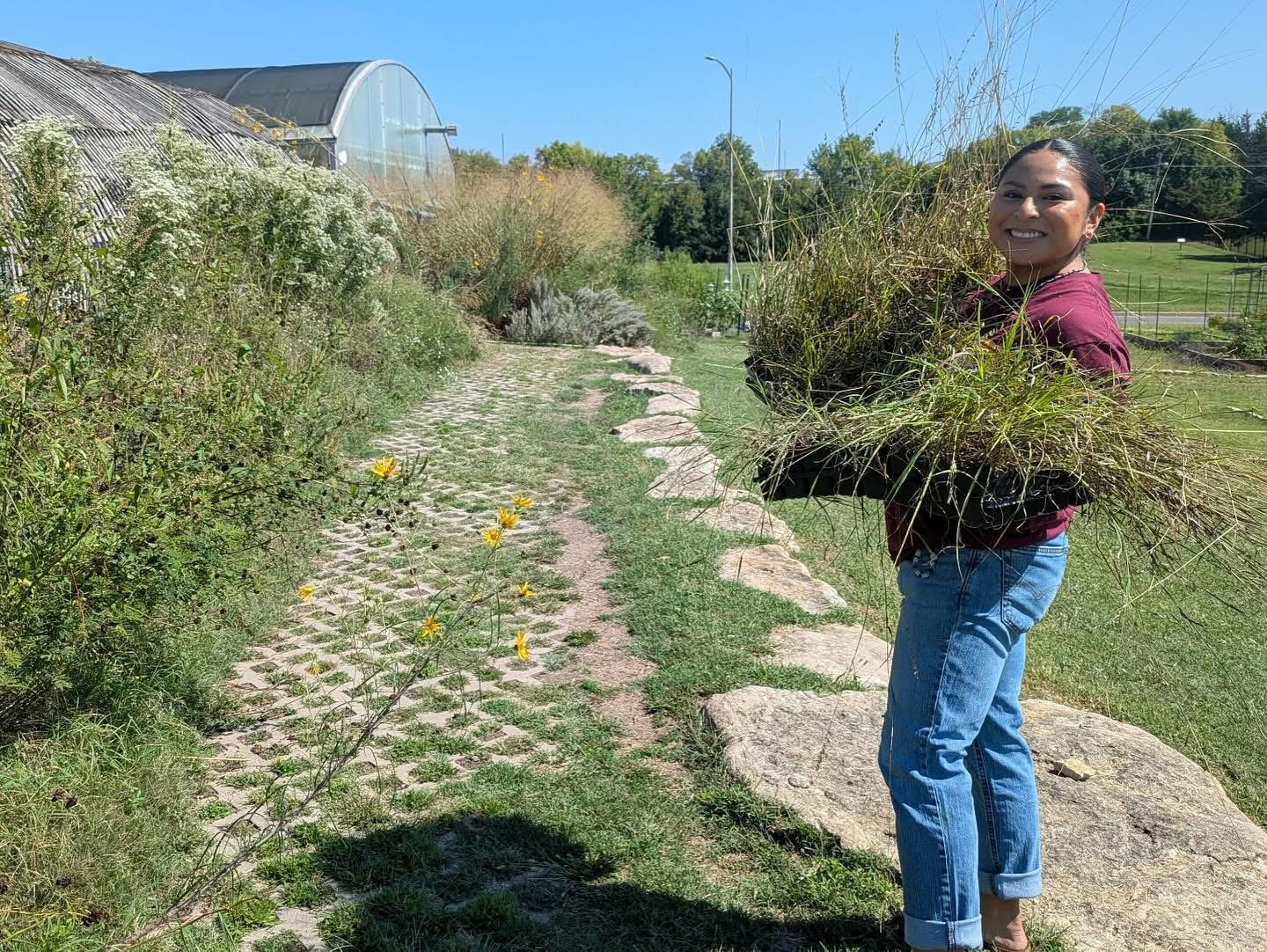
We came up with the idea of building raised garden beds near the dorms so students can easily access fresh foods and learn how to grow them themselves. Through support from the Haskell Greenhouse (funded through the USDA Equity Grant), we started building.
Last year was our first year doing this project and it was a learning experience as with many community-based projects, it comes with trial and error. However, that process taught us a lot about what works, what doesn’t, and how to build something more sustainable moving forward. This year, we’re continuing this work with stronger systems, more involvement, and a clearer vision.
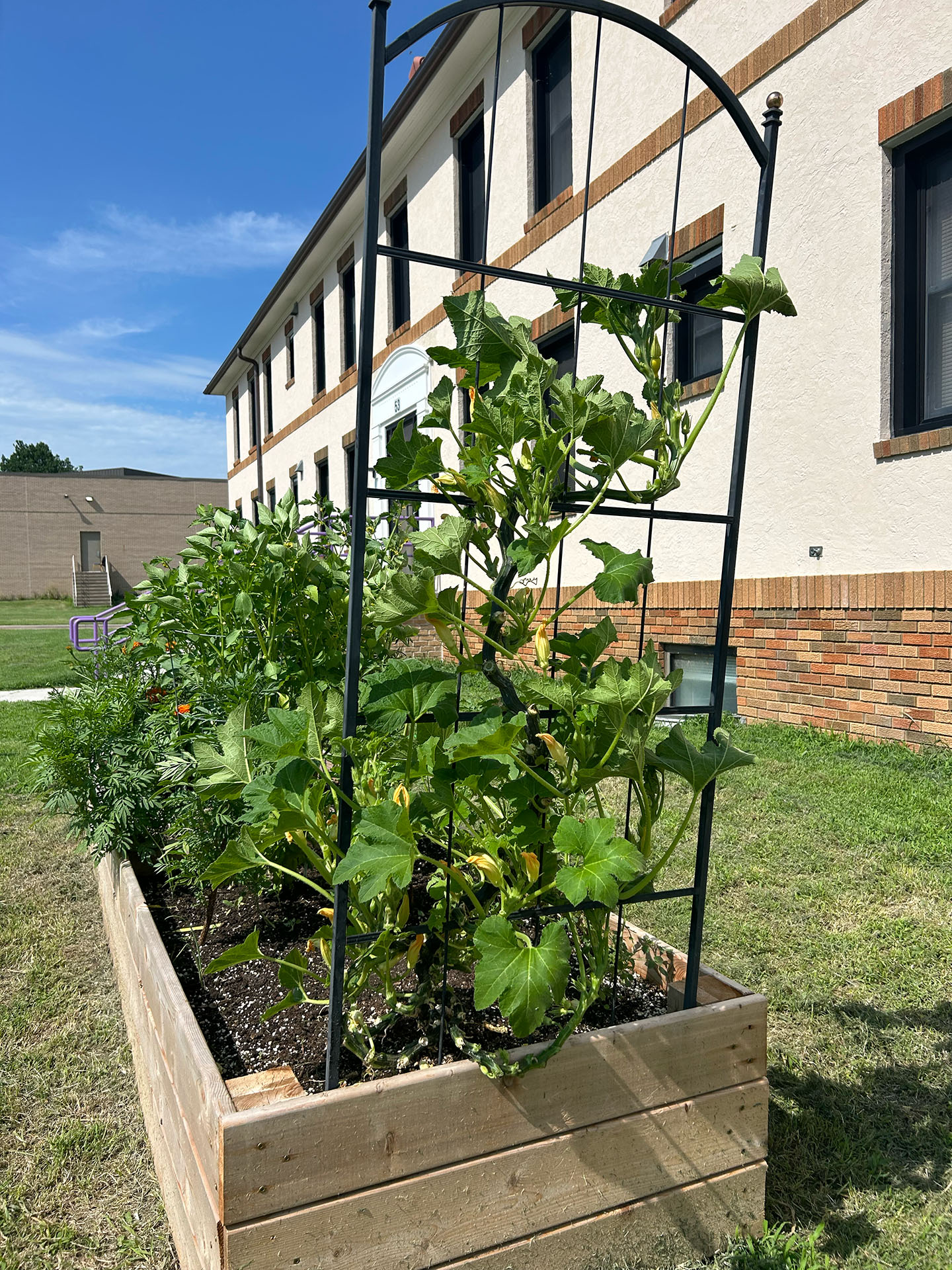
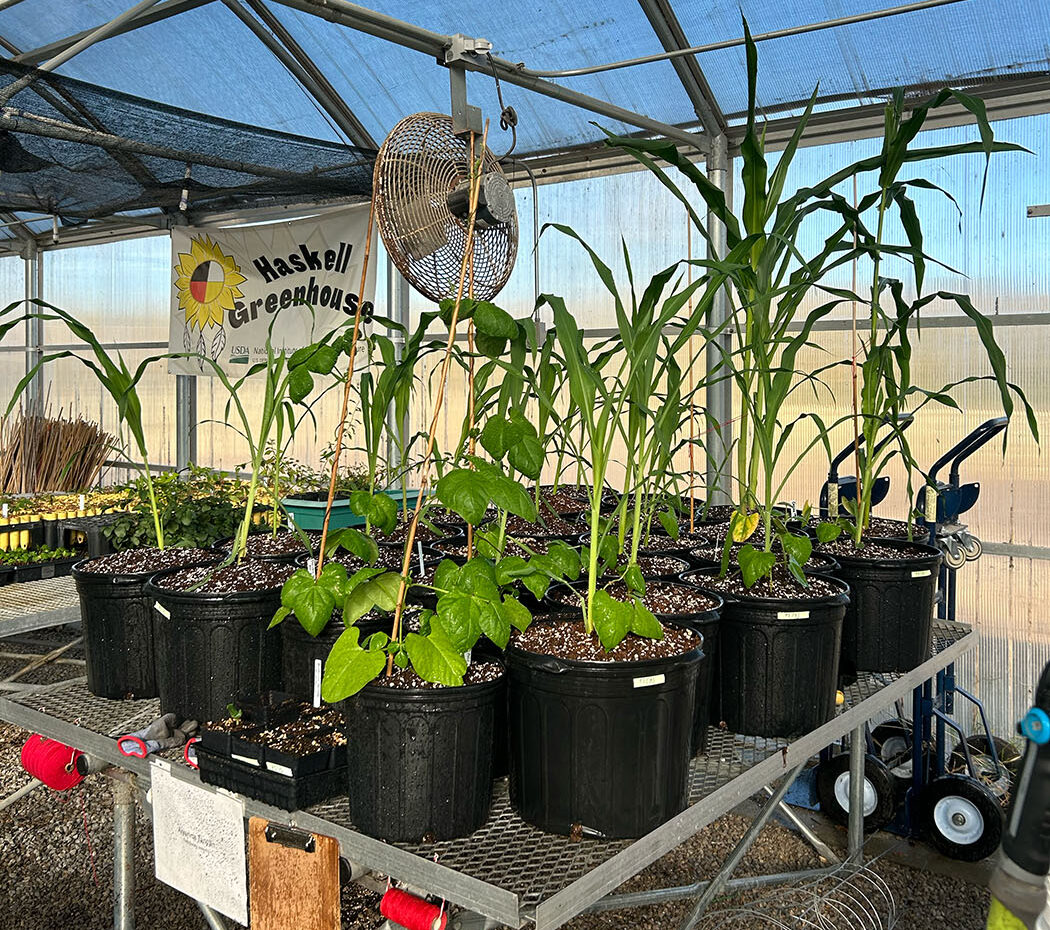
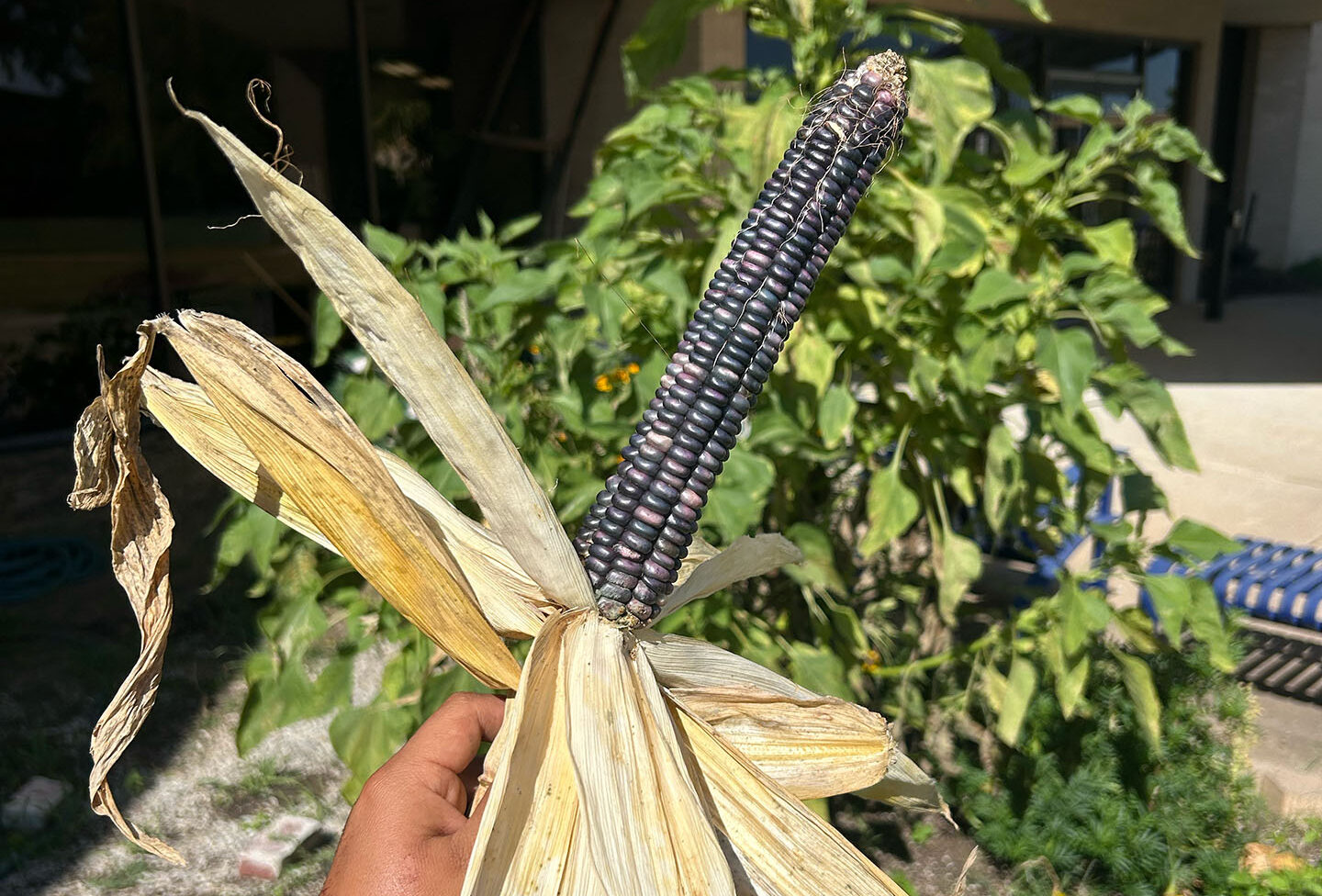
Everyone at the Haskell Greenhouse wants to help others learn, value, and view these spaces as places of teaching. I know they have taught me so much about responsibility and our relationship with the environment. Through these projects, we’re helping students reconnect with the land and understand the importance of food sovereignty for Indigenous communities. This work is ongoing, and we’re still learning. Every seed planted, and every workday shared brings us one step closer to a more sustainable and connected future.
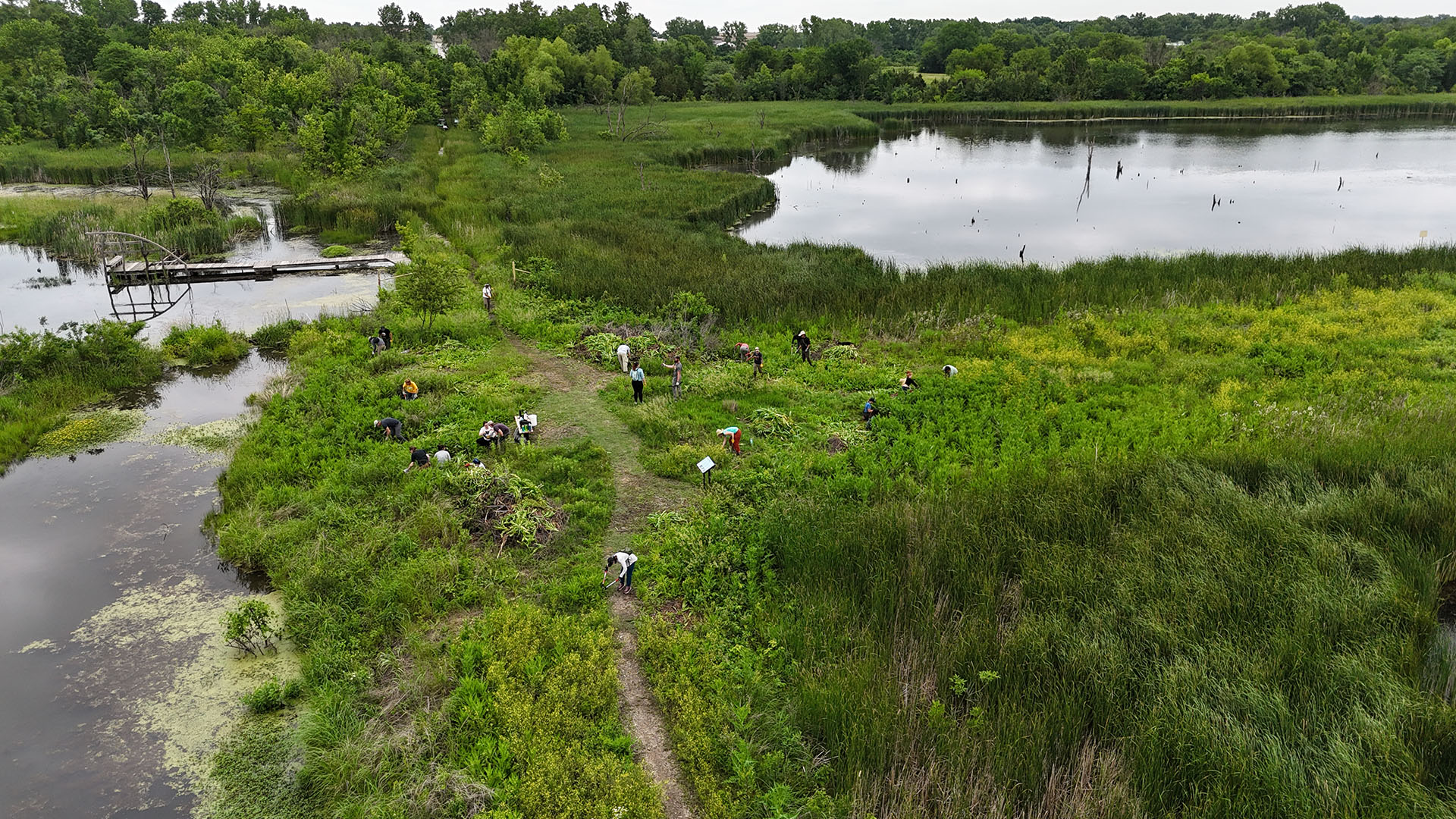
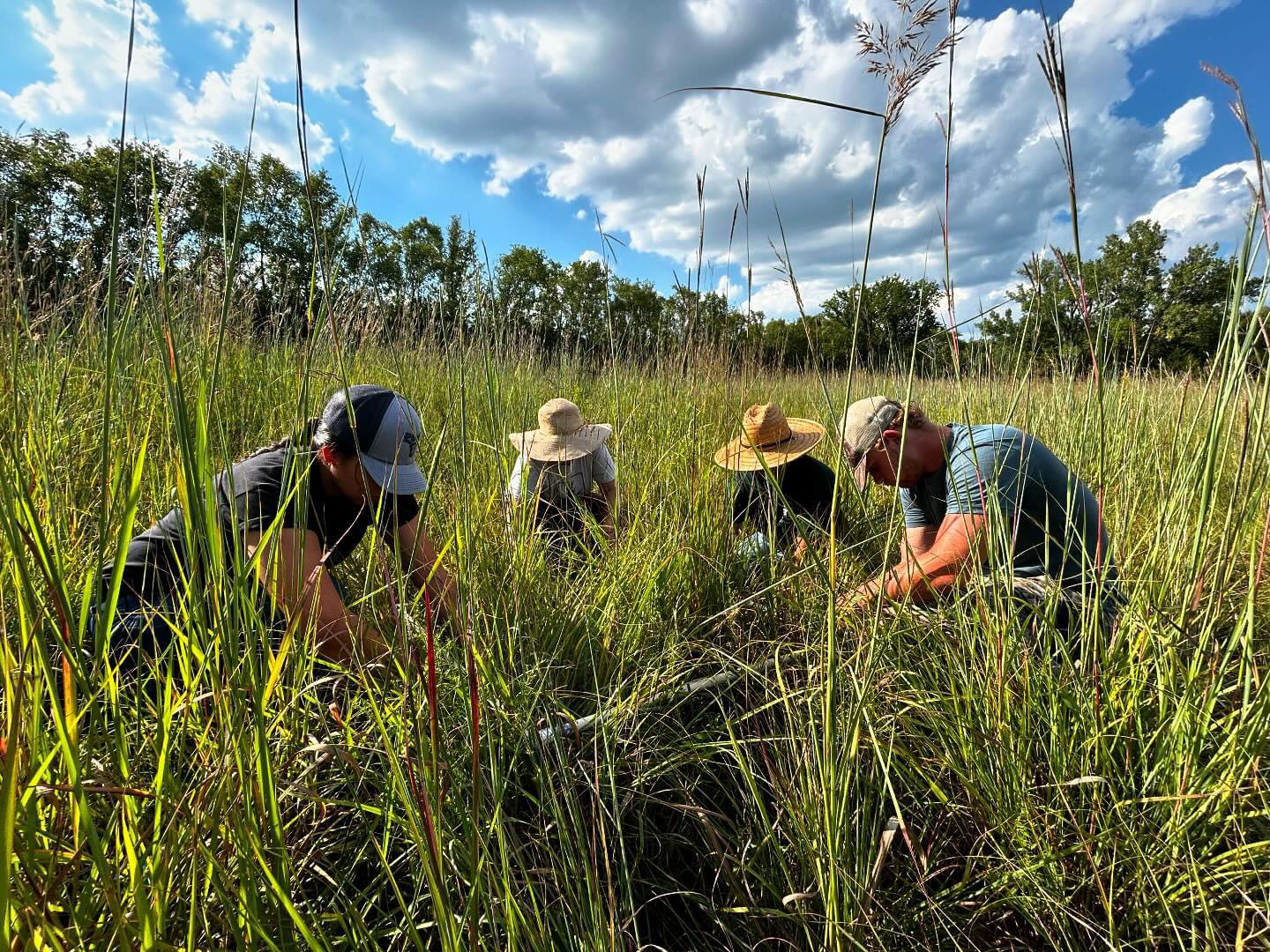
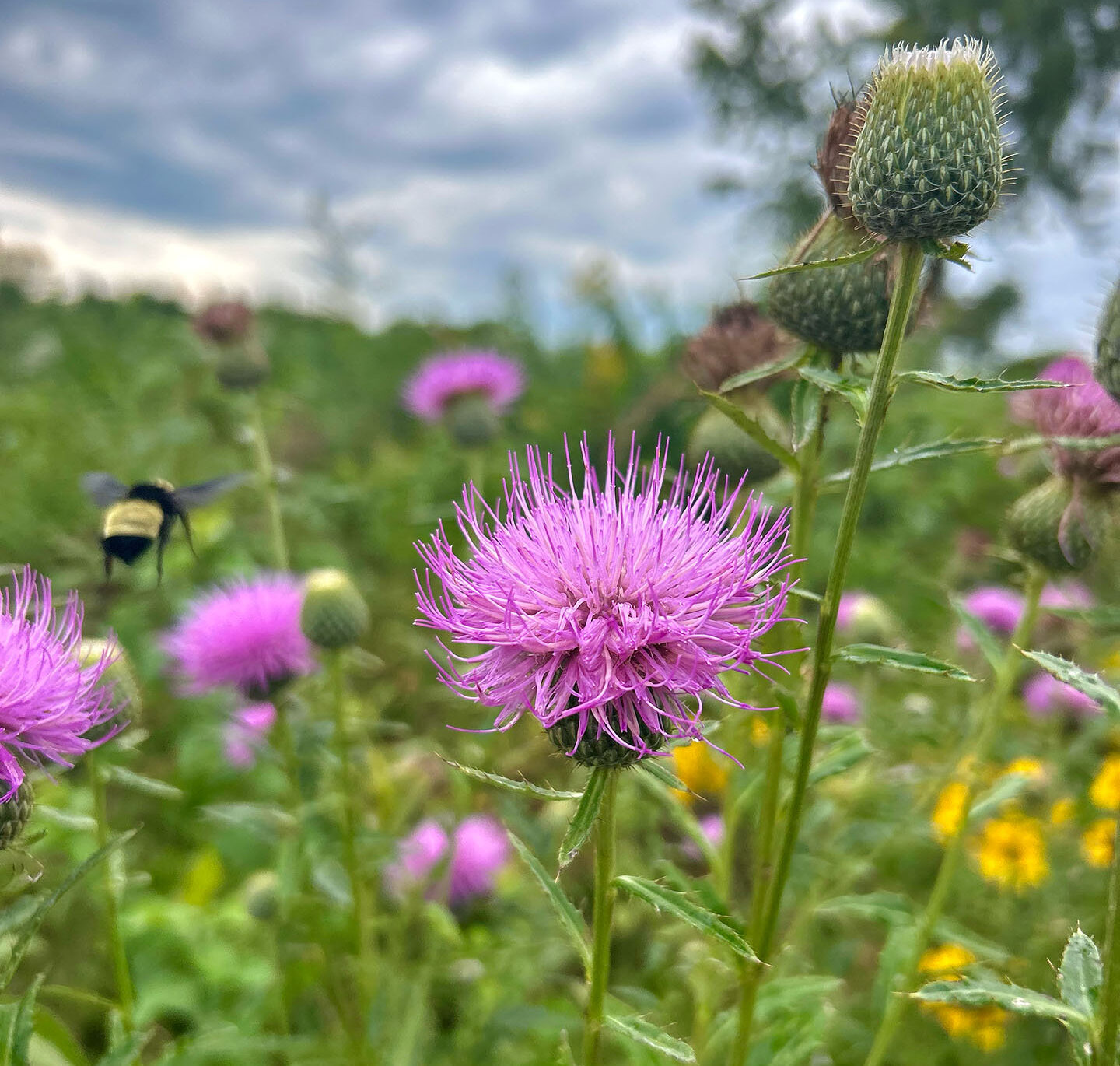
In Caring for Our Kin: Stories of Indigenous Environmental Stewardship, the College Fund shares the stories of Indigenous environmental leaders who are centering kinship and relational knowledge to build healthy ecological systems. These stories remind us that caring for the Earth means caring for one another—and that Indigenous knowledge systems continue to offer guidance, resilience, and hope for the future.
Learn more about our Environmental Stewardship Program.
Ekvnv Vcayecet. Mvto!
(Take care of the Earth/Land. Thank you)
More Blogs
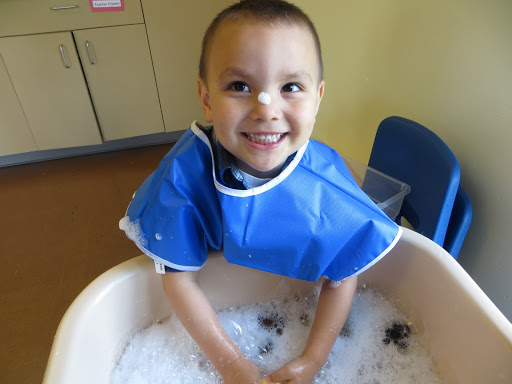
Spring Is Here and So Are We: NWIC Preschoolers Learn to Explore!
Do you hear those sounds? They are the sounds of birds, bugs, and children playing! It is spring, and we are fully experiencing the new season at Northwest Indian College’s Early Learning Center.
Free Webinar June 3 on College Fund’s College-Going Guidebook for Native Students
Education professionals working with Native American high school students can attend a free webinar on Monday, June 3 at 2 p.m. EDT, introducing Native Pathways: A College-Going Guidebook, a new, culturally relevant

Free Webinar June 3 on College Fund’s College-Going Student Guidebook
Education professionals working with Native American high school students can attend a free webinar on Monday, June 3 at 2 p.m. EDT, introducing Native Pathways: A College-Going Guidebook, a new, culturally relevant
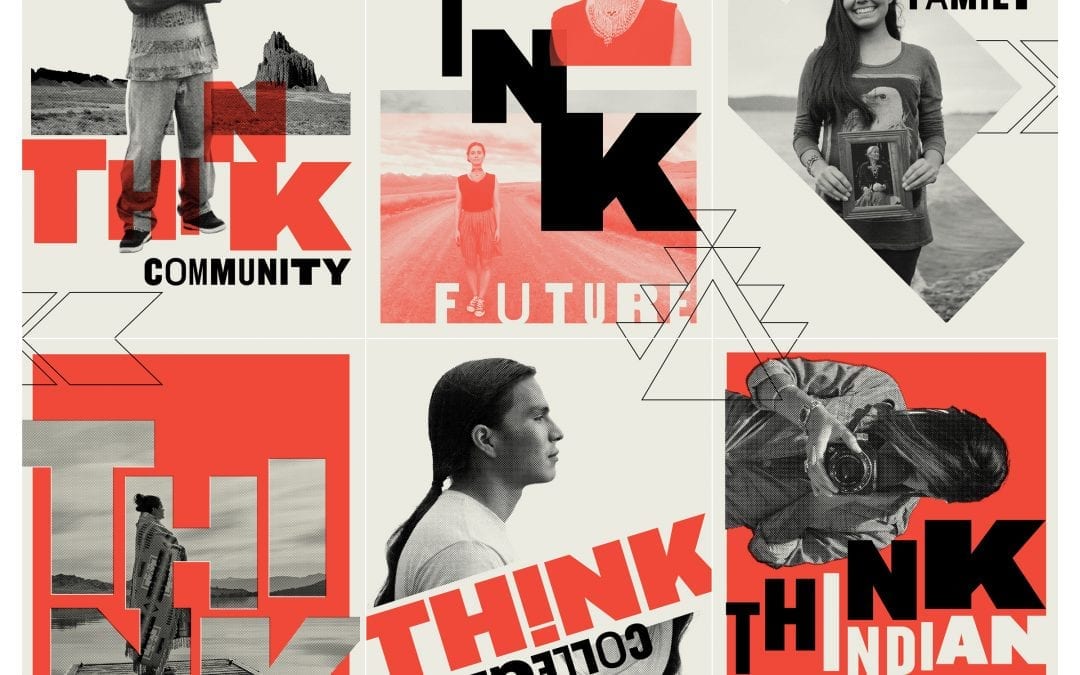
Longtime College Fund Ad Agency Wieden+Kennedy Wins Webby Agency of Year Award
The Agency of the Year Award recognizes the most successful agency across all Webby categories including Advertising, Media & PR, Websites, Apps, Mobile, and Voice, Video, Social, Podcasts, and Games.
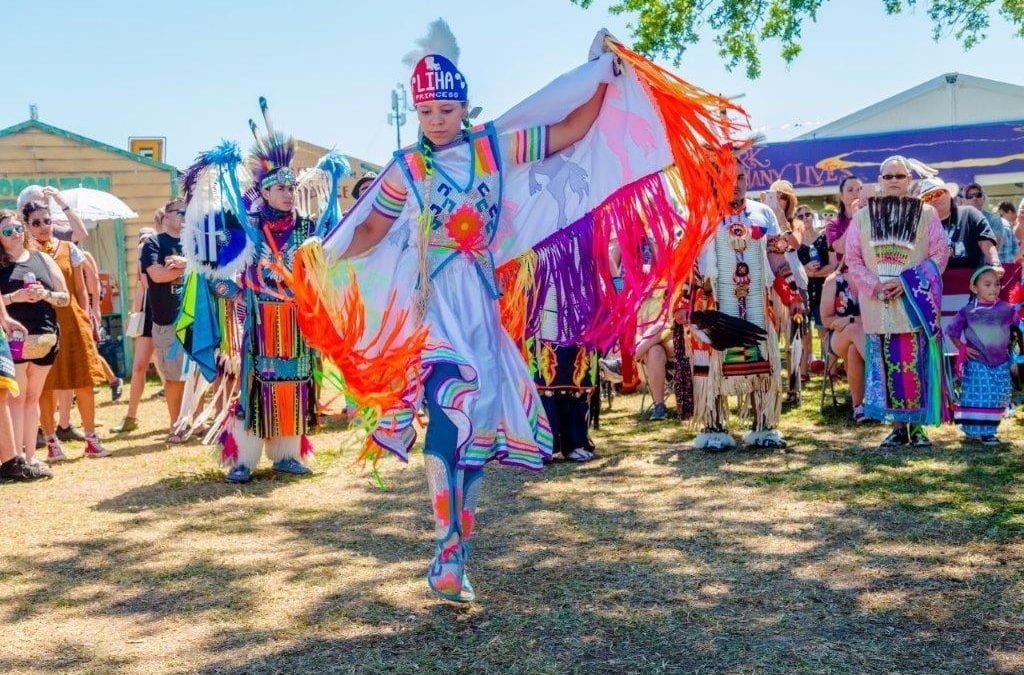
Entergy Supports College Fund with Scholarships for Fifth Year
Sometimes Americans forget that with more than 500 federally recognized American Indian tribes in the United States, there are tribes located in the eastern portion of the United States, too.
Entergy Supports College Fund with Scholarships for Fifth Year
Sometimes Americans forget that with more than 500 federally recognized American Indian tribes in the United States, there are tribes located in the eastern portion of the United States, too.
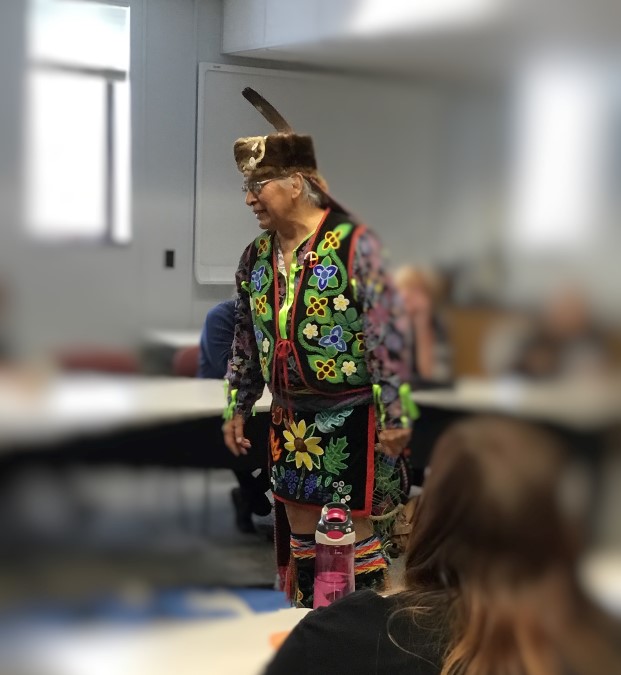
Experiencing Math through Art: Weaving Connections with a Lac Courte Oreilles Elder
The day started like a day at most professional development workshops. We made copies of handouts, placed pencils within reach for participants, and tried to predict the participant turnout.
American Indian College Fund Awards More Than $17K of “Think Indian” Grants to Support the Vibrancy of Native American Students Nationwide
The American Indian College Fund’s “Think Indian” Community Awareness program awarded seven non-profit, accredited colleges and universities with $2,500 grants to promote the vibrancy of Native American students, scholarship and communities.

American Indian College Fund Named a 2019 Top Colorado Workplace
The American Indian College Fund was awarded a Top Workplaces 2019 honor by The Denver Post. Located just north of downtown Denver, Colorado, this education non-profit serving Native American college students for 30 years was ranked number 32 of 65 of Denver’s top small companies.
American Indian College Fund Named a 2019 Colorado Top Workplace
The American Indian College Fund was awarded a Top Workplaces 2019 honor by The Denver Post. Located just north of downtown Denver, Colorado, this education non-profit serving Native American college students for 30 years was ranked number 32 of 65 of Denver’s top small companies.
