
Planting the Seeds of Cultural Sustainability
April 22, 2026 | Student Ambassador Aiyanna Tanyan’s (Seminole Nation of Oklahoma) work to reclaim food sovereignty
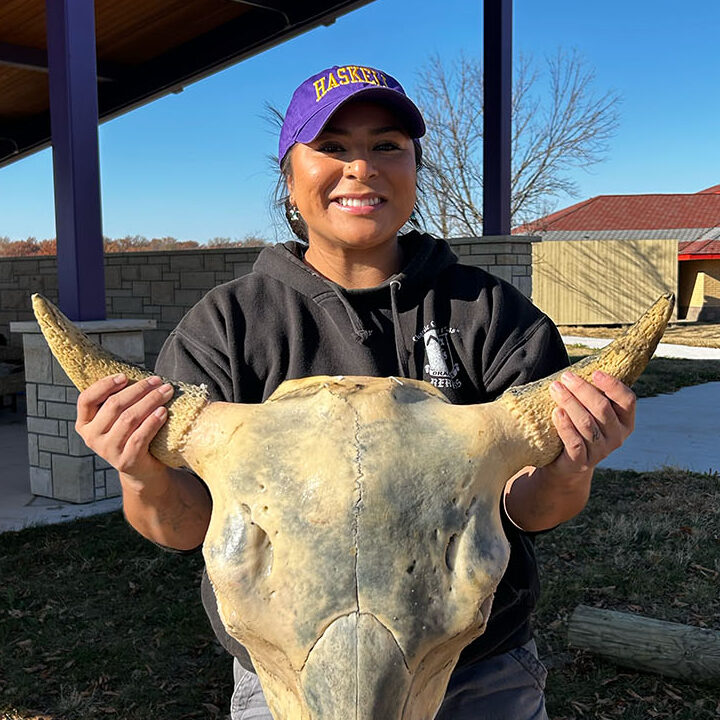
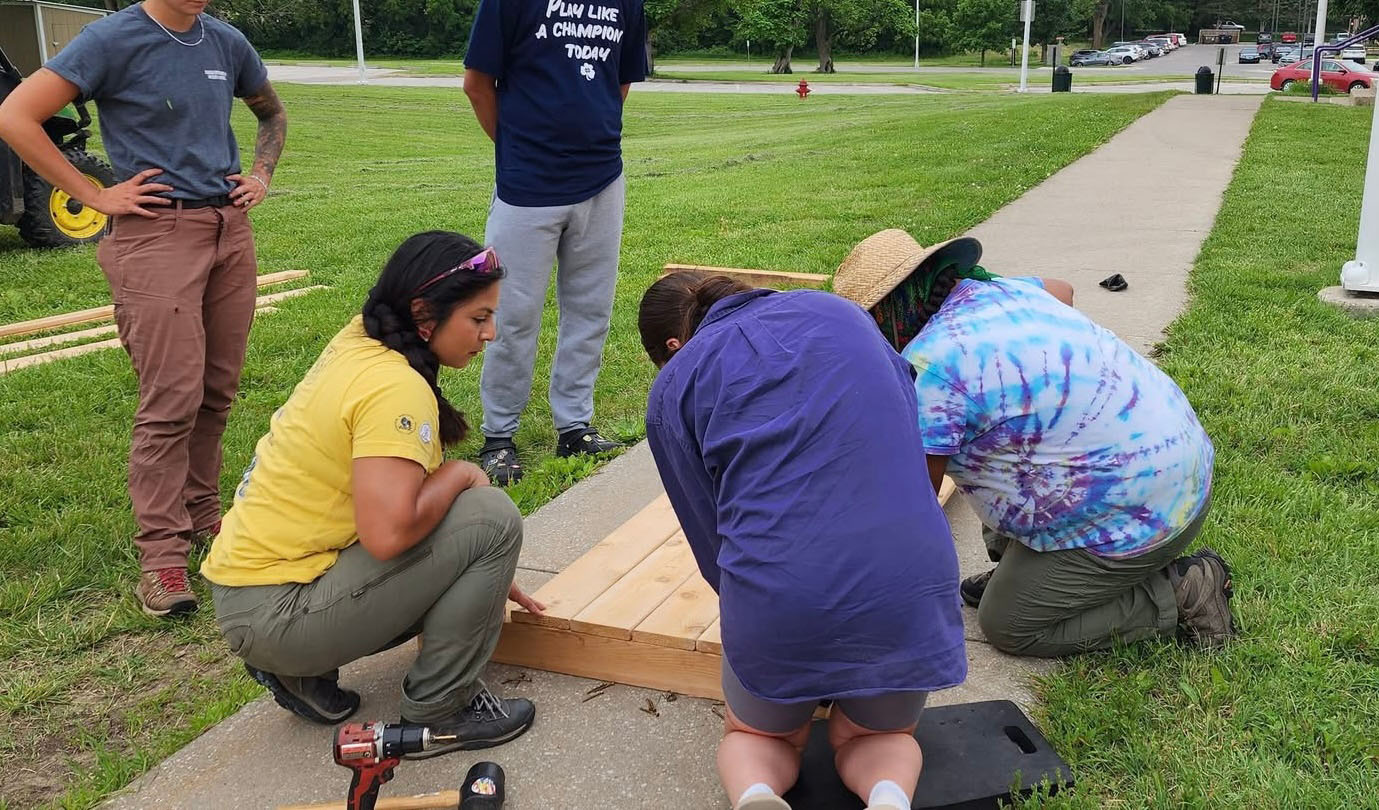
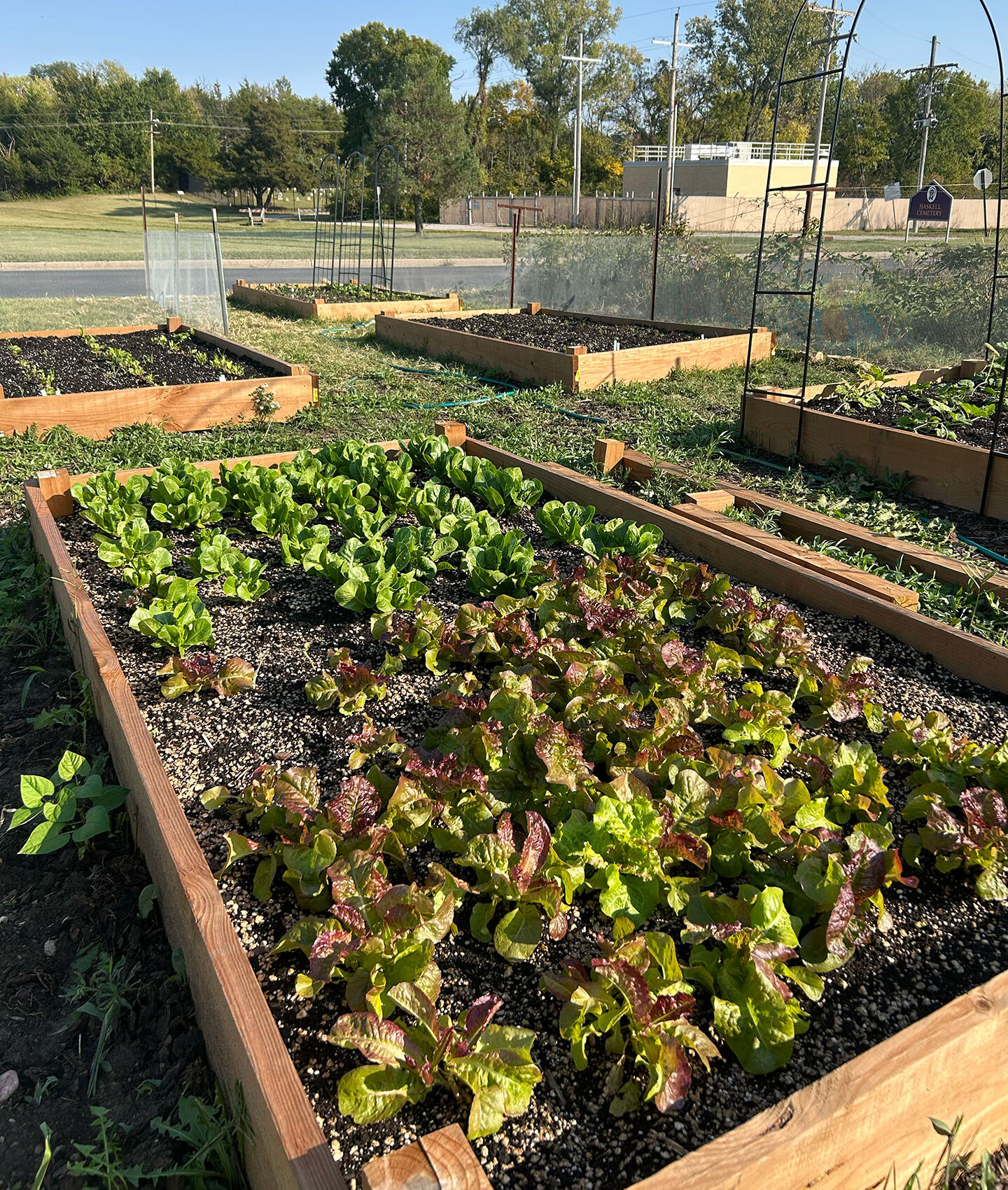
We came up with the idea of building raised garden beds near the dorms so students can easily access fresh foods and learn how to grow them themselves. Through support from the Haskell Greenhouse (funded through the USDA Equity Grant), we started building.
Last year was our first year doing this project and it was a learning experience as with many community-based projects, it comes with trial and error. However, that process taught us a lot about what works, what doesn’t, and how to build something more sustainable moving forward. This year, we’re continuing this work with stronger systems, more involvement, and a clearer vision.
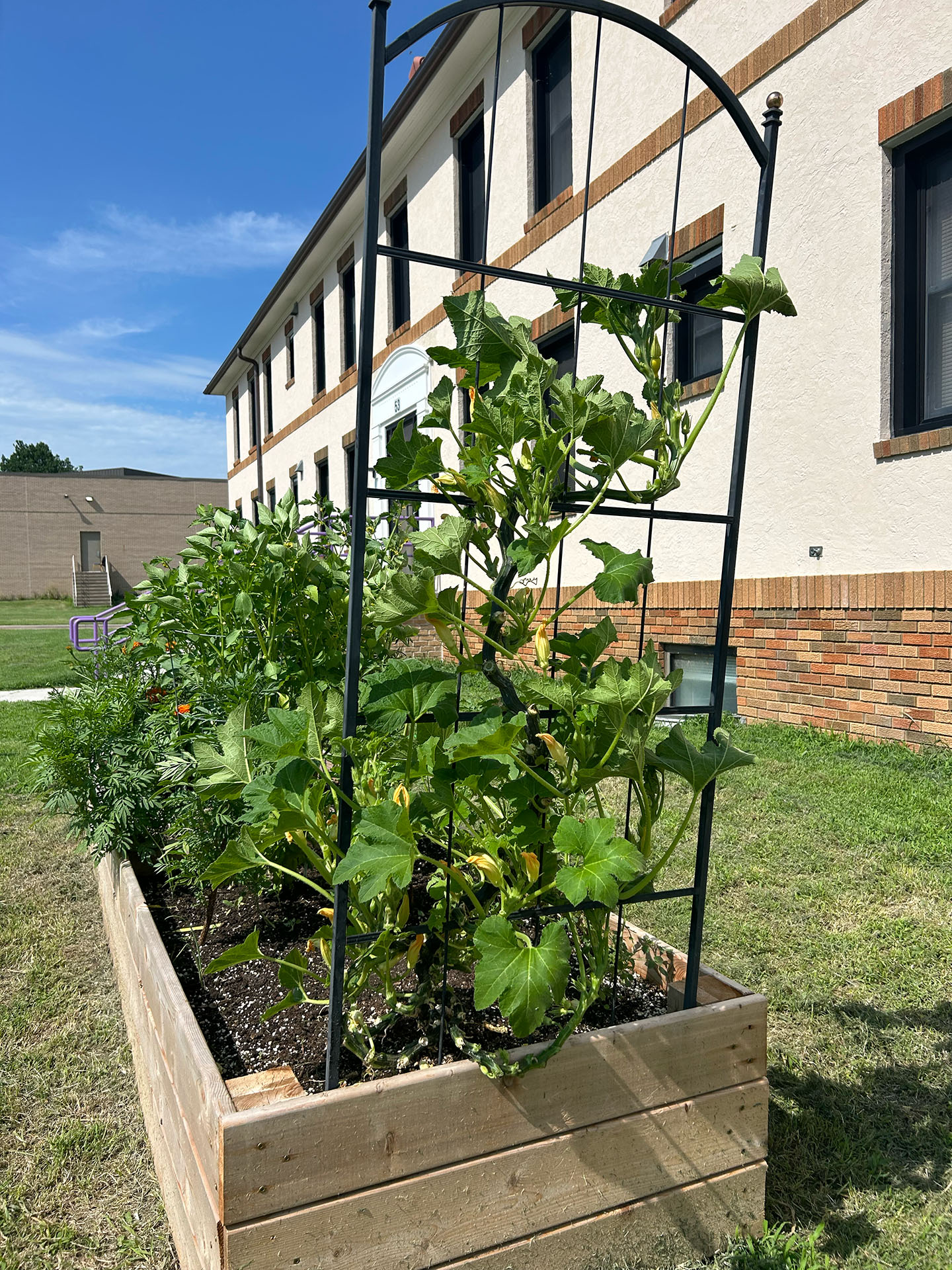
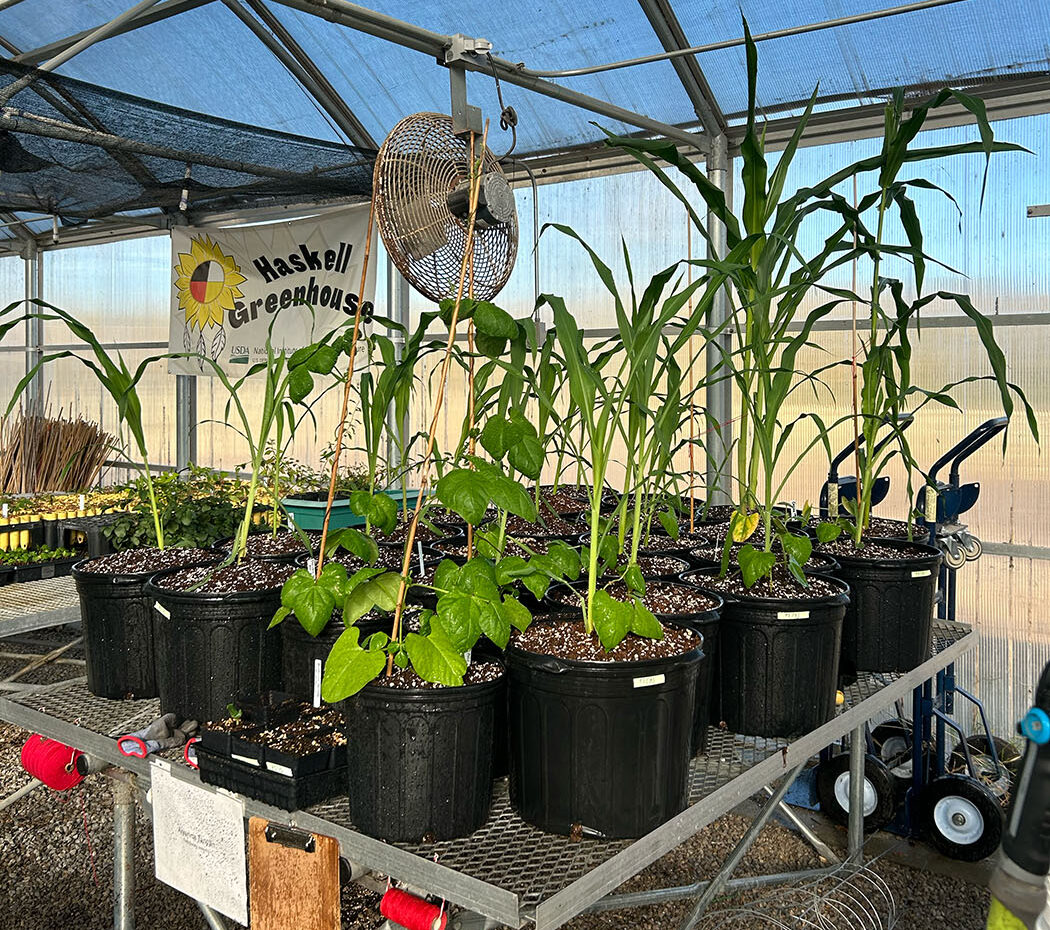
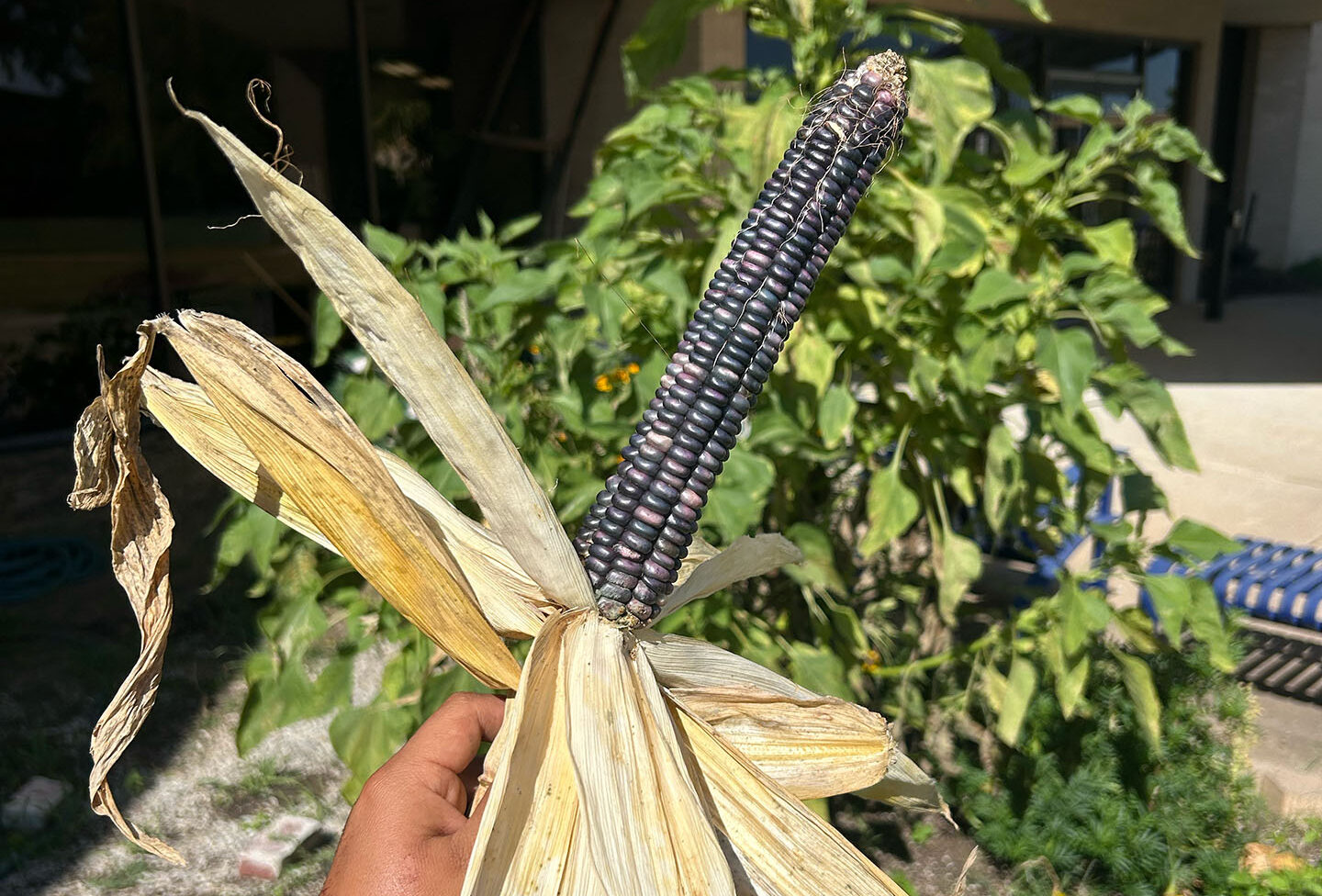
Everyone at the Haskell Greenhouse wants to help others learn, value, and view these spaces as places of teaching. I know they have taught me so much about responsibility and our relationship with the environment. Through these projects, we’re helping students reconnect with the land and understand the importance of food sovereignty for Indigenous communities. This work is ongoing, and we’re still learning. Every seed planted, and every workday shared brings us one step closer to a more sustainable and connected future.
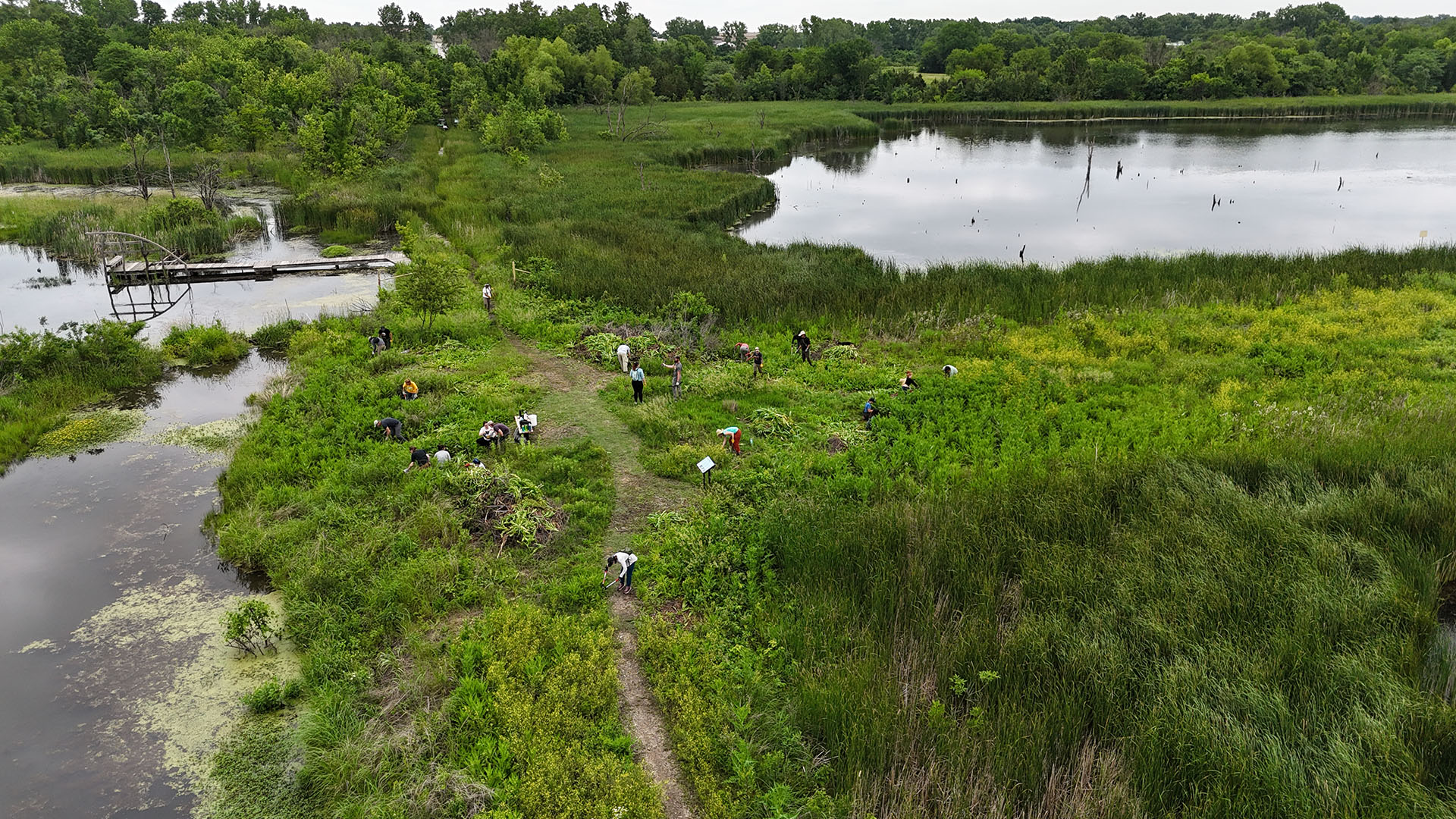
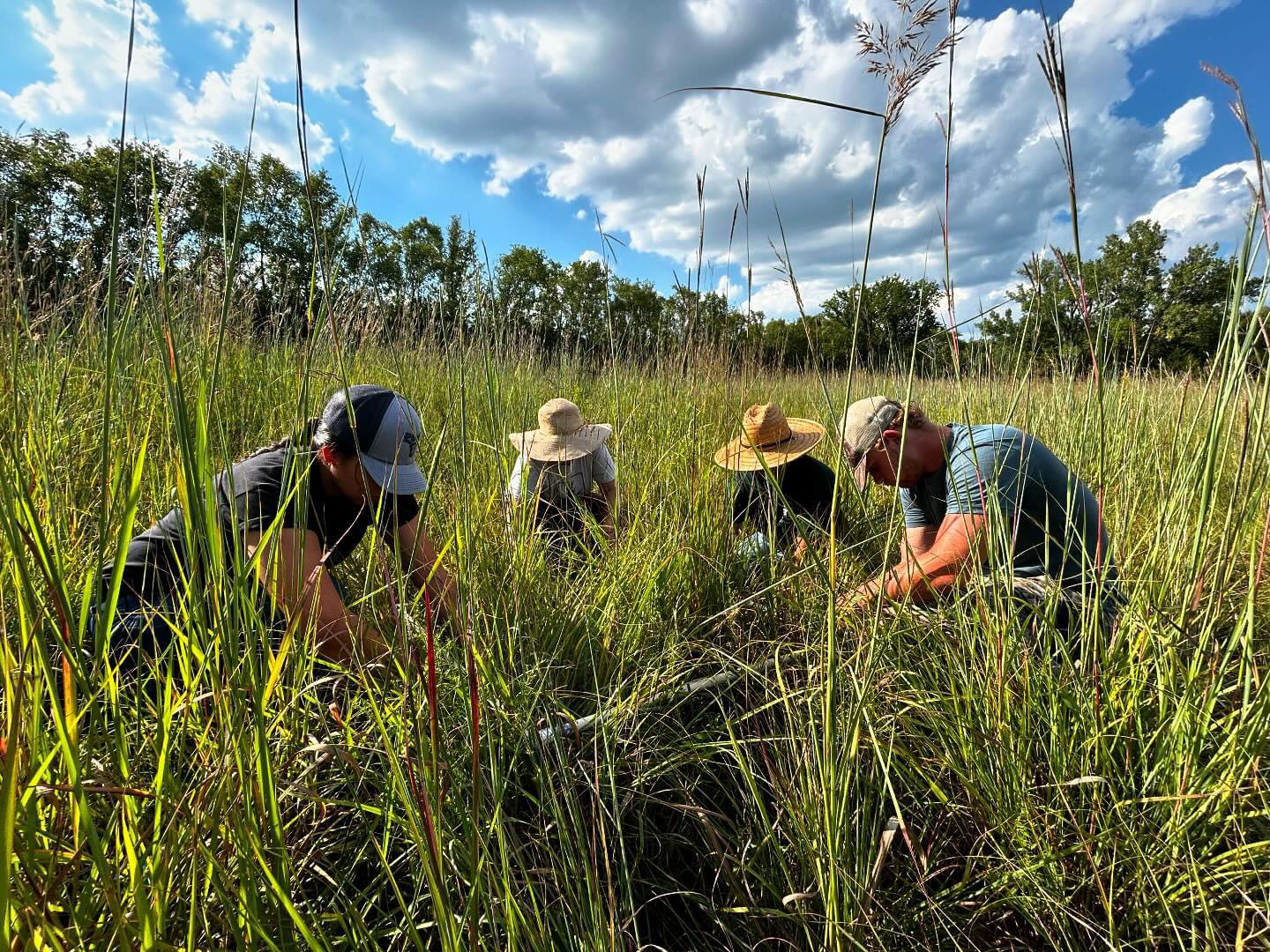
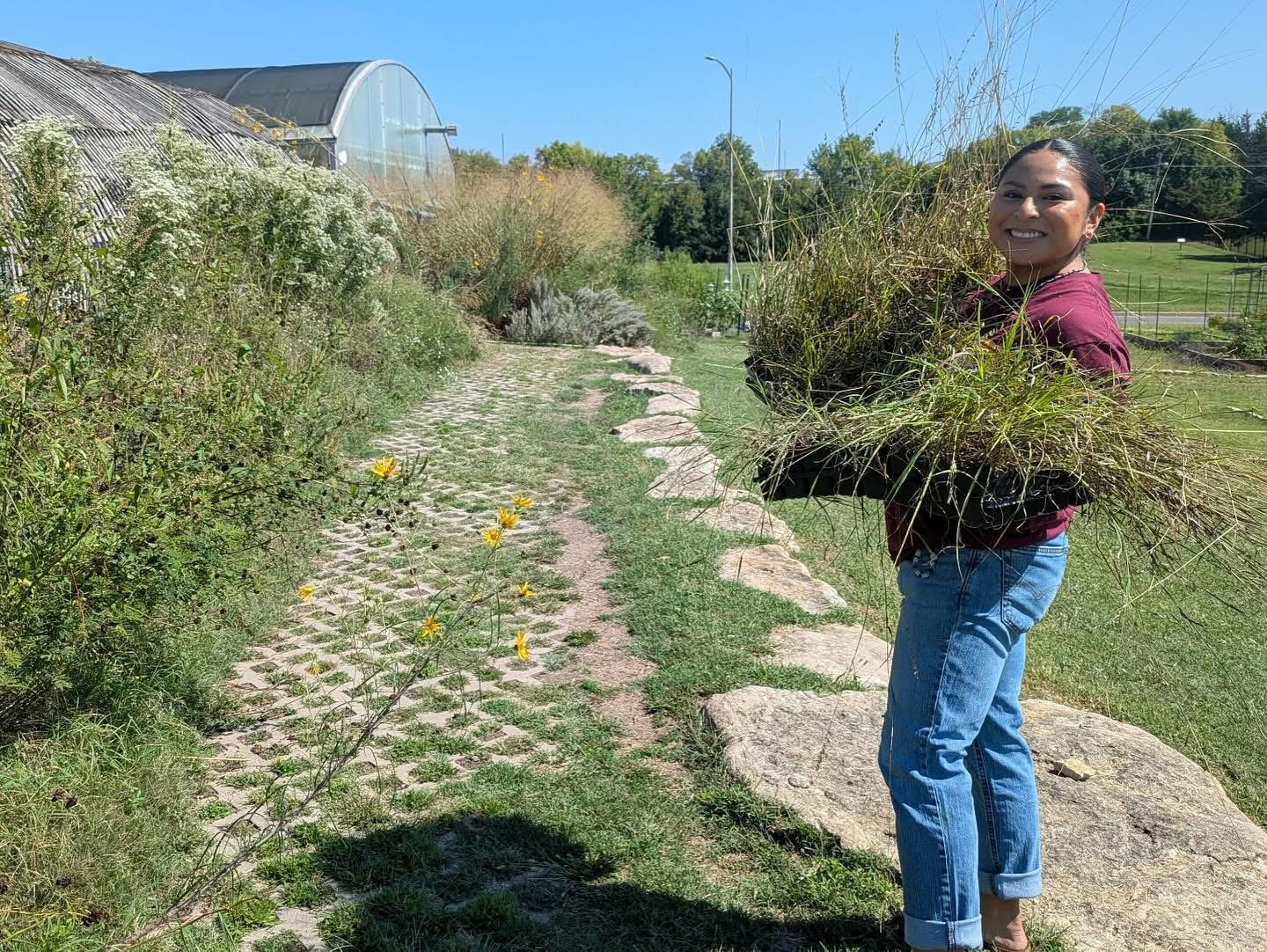
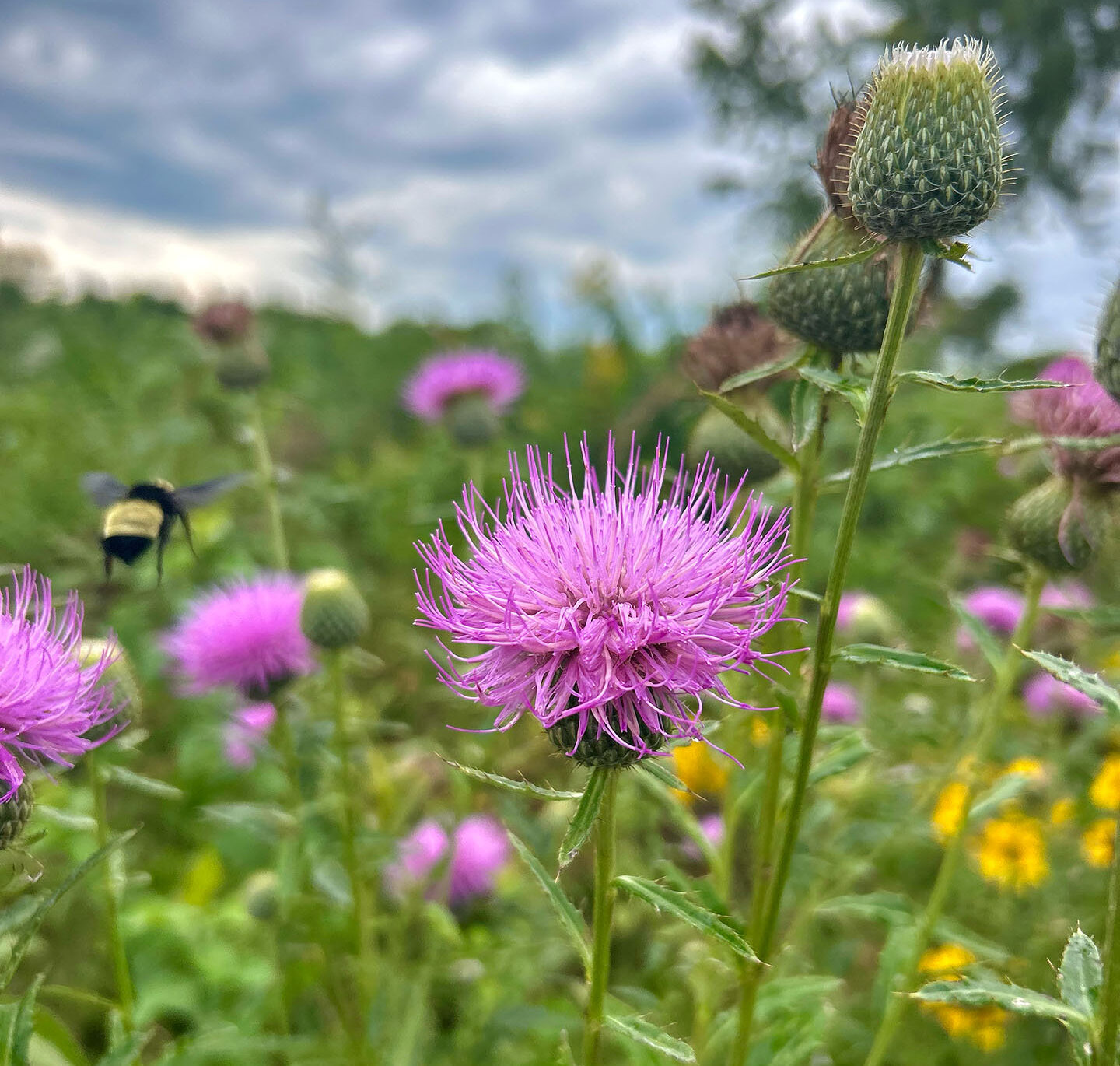
In Caring for Our Kin: Stories of Indigenous Environmental Stewardship, the College Fund shares the stories of Indigenous environmental leaders who are centering kinship and relational knowledge to build healthy ecological systems. These stories remind us that caring for the Earth means caring for one another—and that Indigenous knowledge systems continue to offer guidance, resilience, and hope for the future.
Learn more about our Environmental Stewardship Program.
Ekvnv Vcayecet. Mvto!
(Take care of the Earth/Land. Thank you)
More Blogs

A Night of Indigenous Culture, Art, and Music in New York City on April 30
On April 30, New Yorkers will experience an unforgettable evening celebrating Indigenous culture with the American Indian College Fund. Enjoy a meal prepared by top Native chefs and performances of traditional songs and contemporary Indigenous dance all while supporting the higher education journeys of Native students.





American Indian College Fund Launches National Campaign in Recognition of Tribal College Faculty
The American Indian College Fund (College Fund) has launched “Because of You,” a national campaign to recognize and honor the more than 1,600 tribal college and university (TCU) faculty.

Native Voices Matter in Primaries and Midterms. REGISTER NOW!
The American Indian College Fund is encouraging American Indians and Alaska Natives to ensure they are registered to vote for the upcoming mid-term elections and beyond so they can share their voices at the polls and weigh in on issues such as federal funding for tribal colleges and universities, Native eligibility for the Supplemental Nutrition Assistance Program, green energy spending on tribal lands, and immigration.