
Planting the Seeds of Cultural Sustainability
April 22, 2026 | Student Ambassador Aiyanna Tanyan’s (Seminole Nation of Oklahoma) work to reclaim food sovereignty
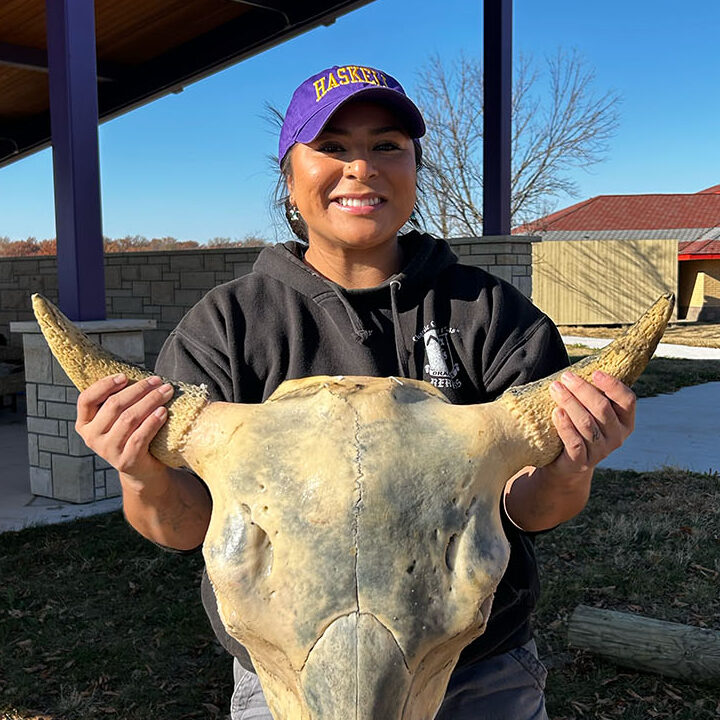
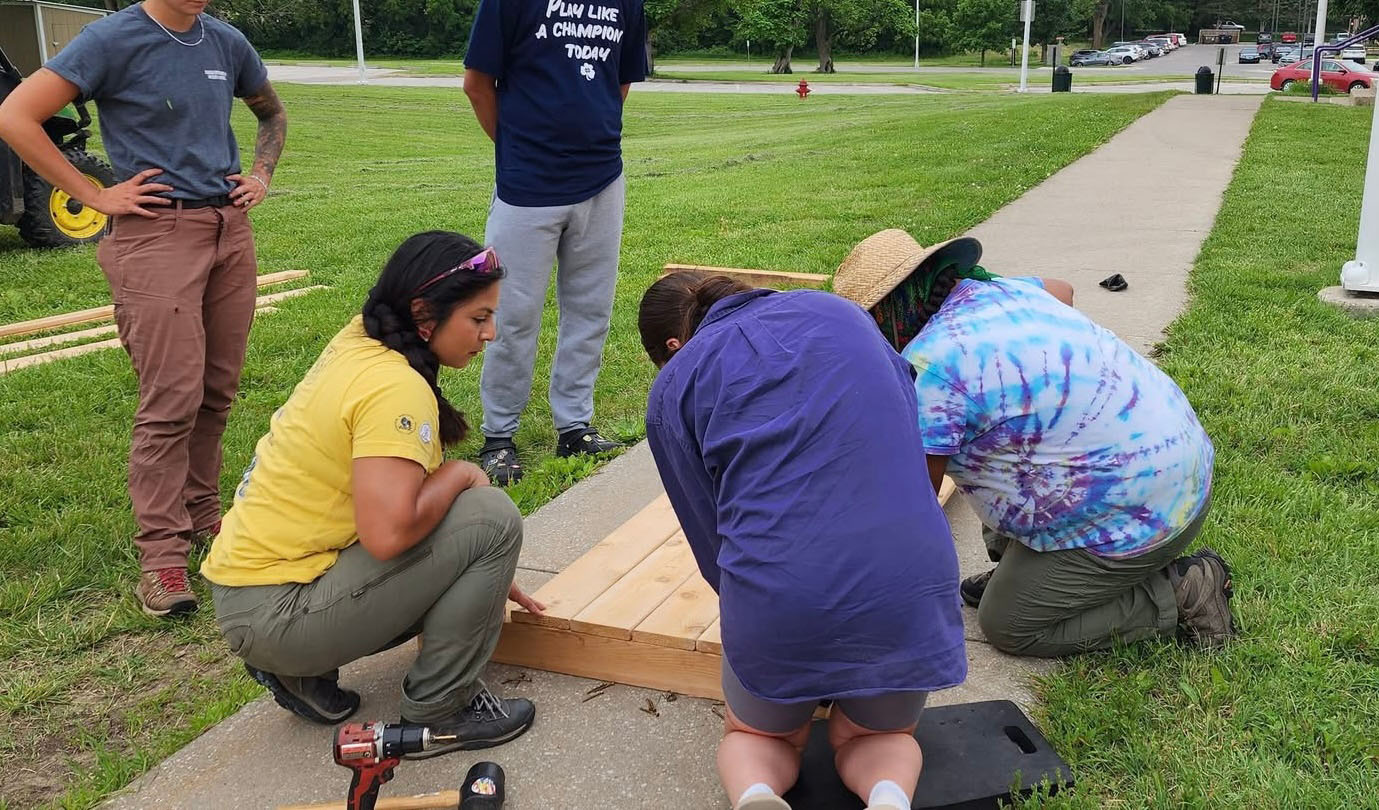
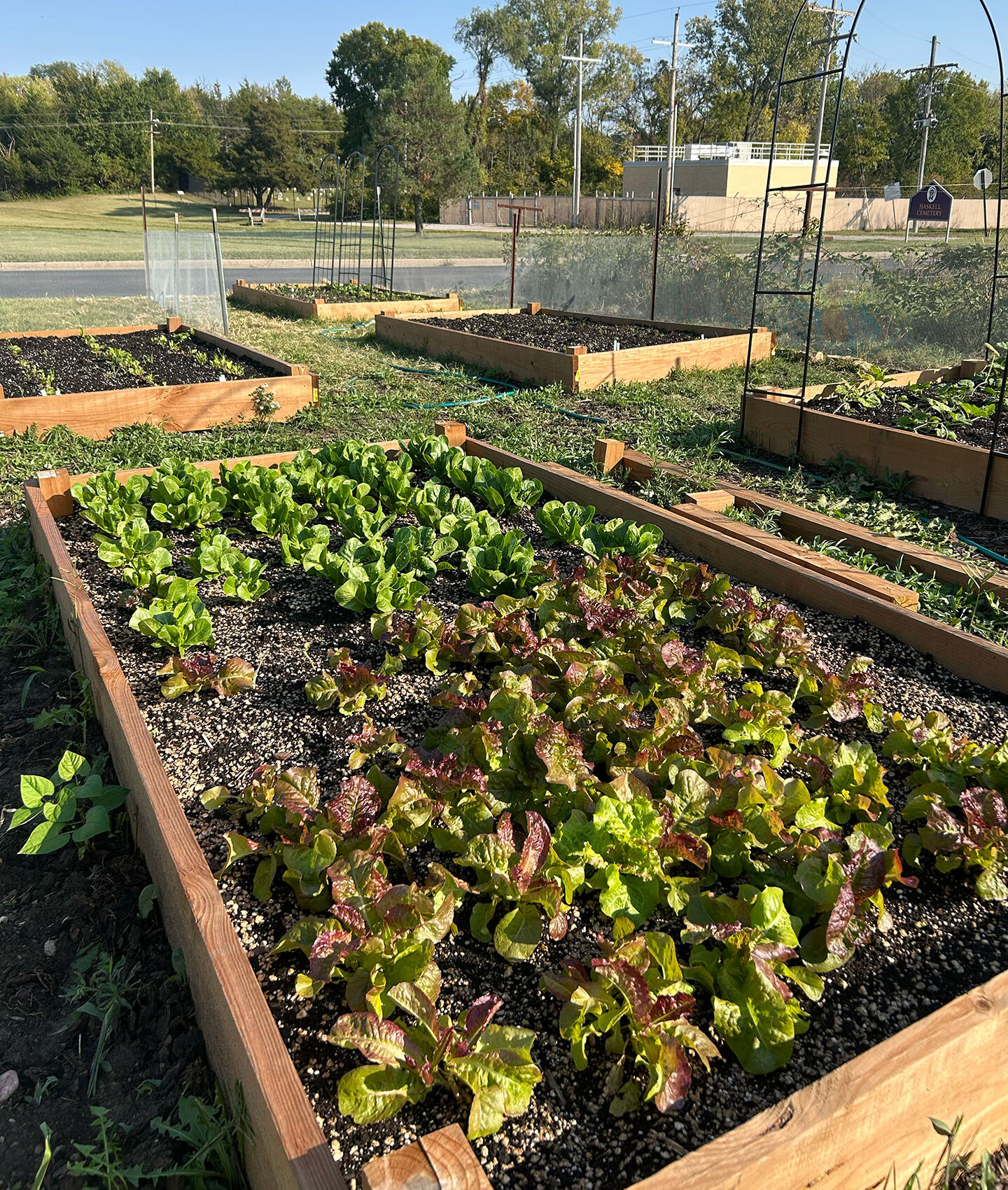
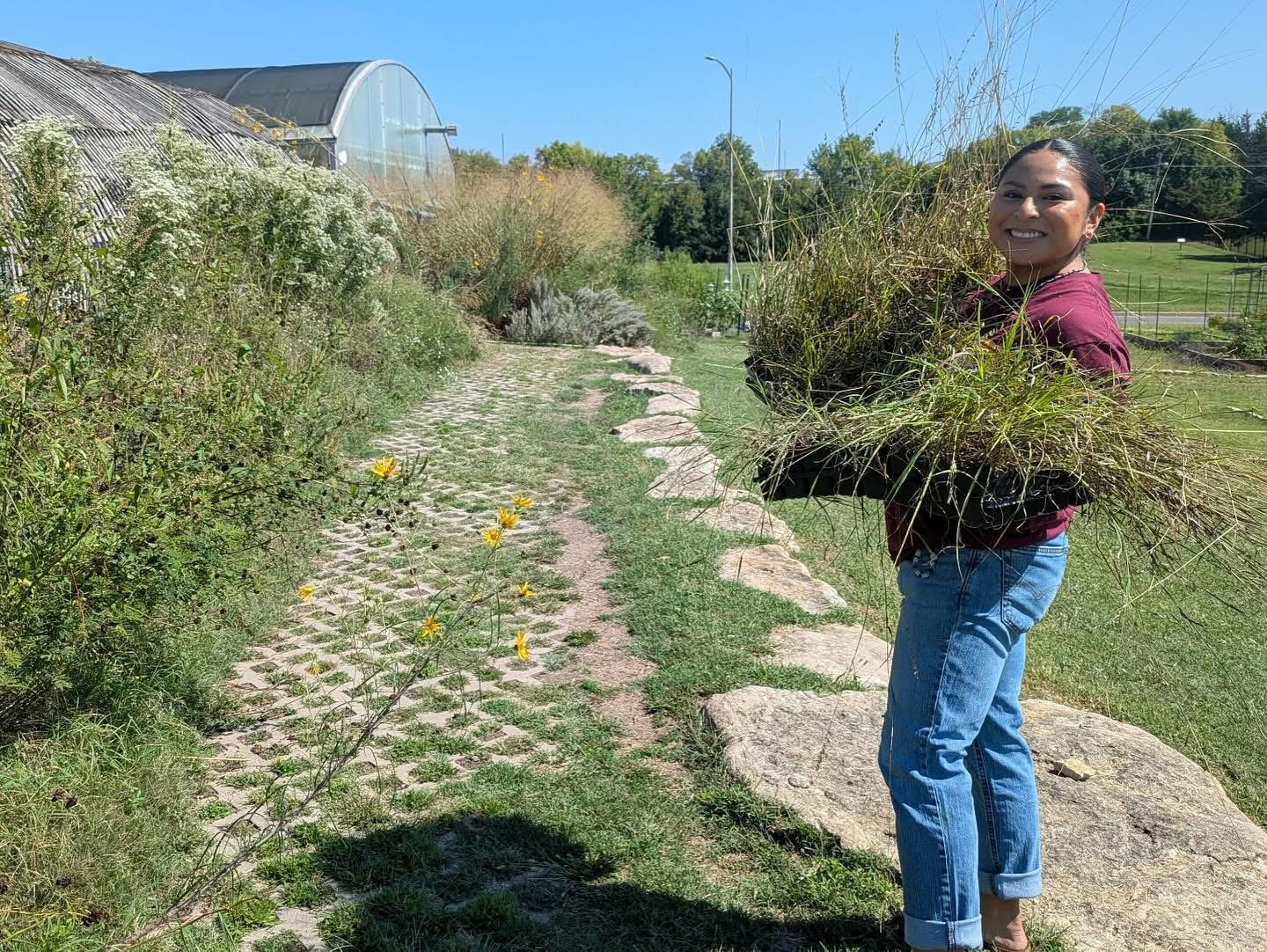
We came up with the idea of building raised garden beds near the dorms so students can easily access fresh foods and learn how to grow them themselves. Through support from the Haskell Greenhouse (funded through the USDA Equity Grant), we started building.
Last year was our first year doing this project and it was a learning experience as with many community-based projects, it comes with trial and error. However, that process taught us a lot about what works, what doesn’t, and how to build something more sustainable moving forward. This year, we’re continuing this work with stronger systems, more involvement, and a clearer vision.
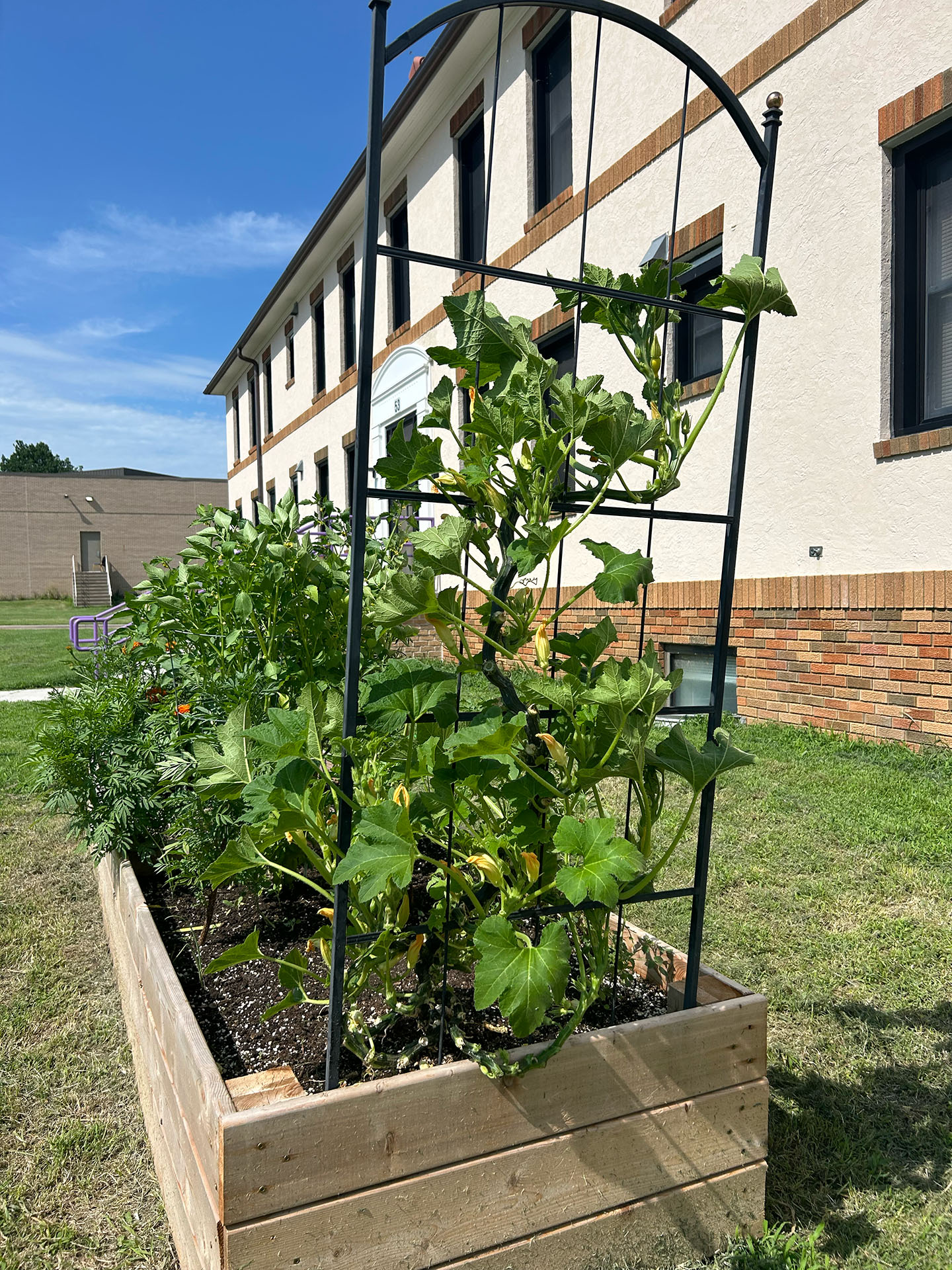
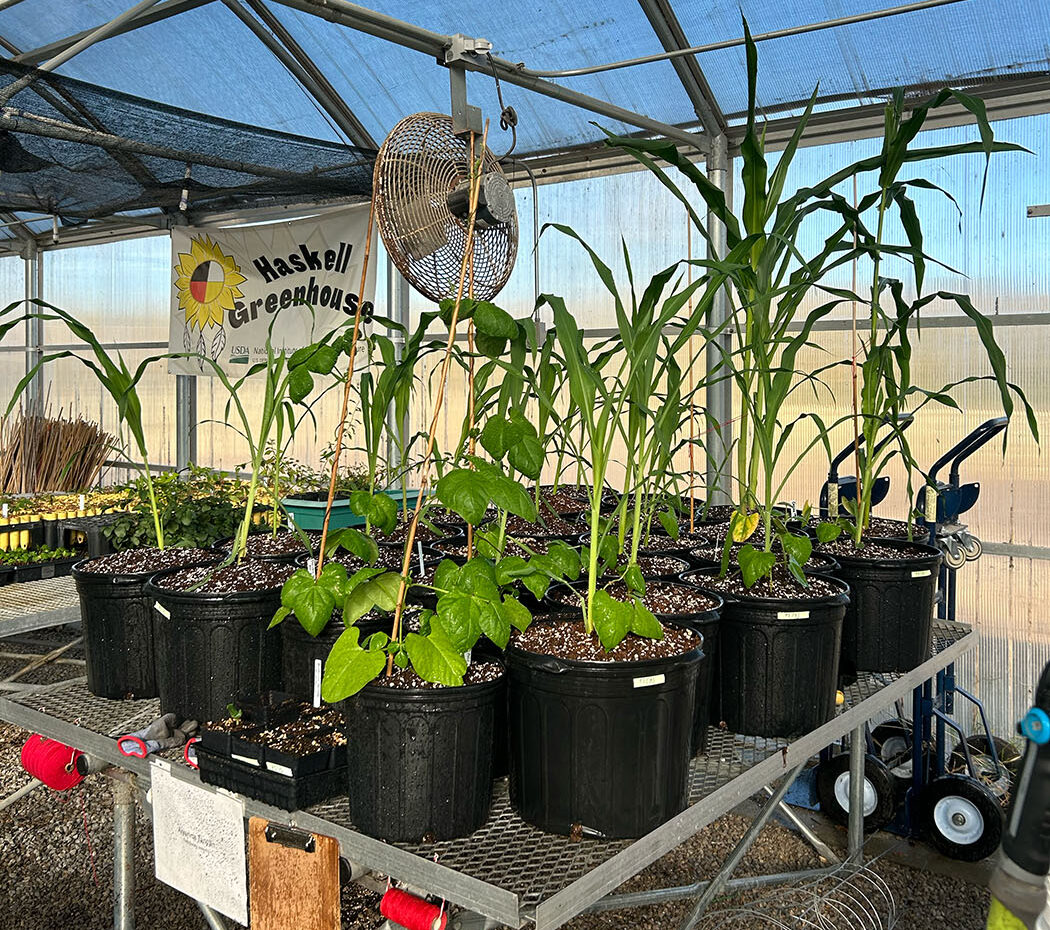
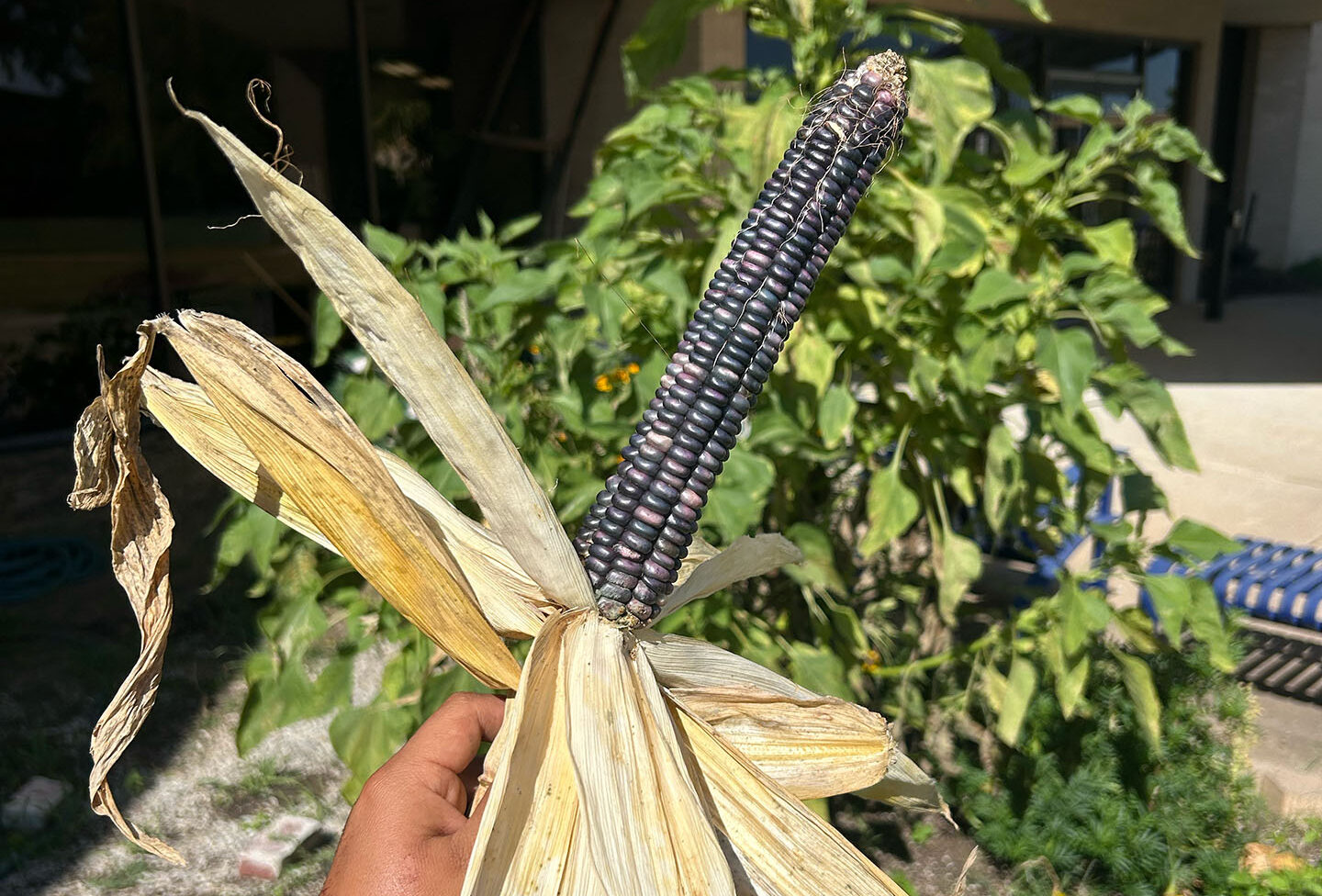
Everyone at the Haskell Greenhouse wants to help others learn, value, and view these spaces as places of teaching. I know they have taught me so much about responsibility and our relationship with the environment. Through these projects, we’re helping students reconnect with the land and understand the importance of food sovereignty for Indigenous communities. This work is ongoing, and we’re still learning. Every seed planted, and every workday shared brings us one step closer to a more sustainable and connected future.
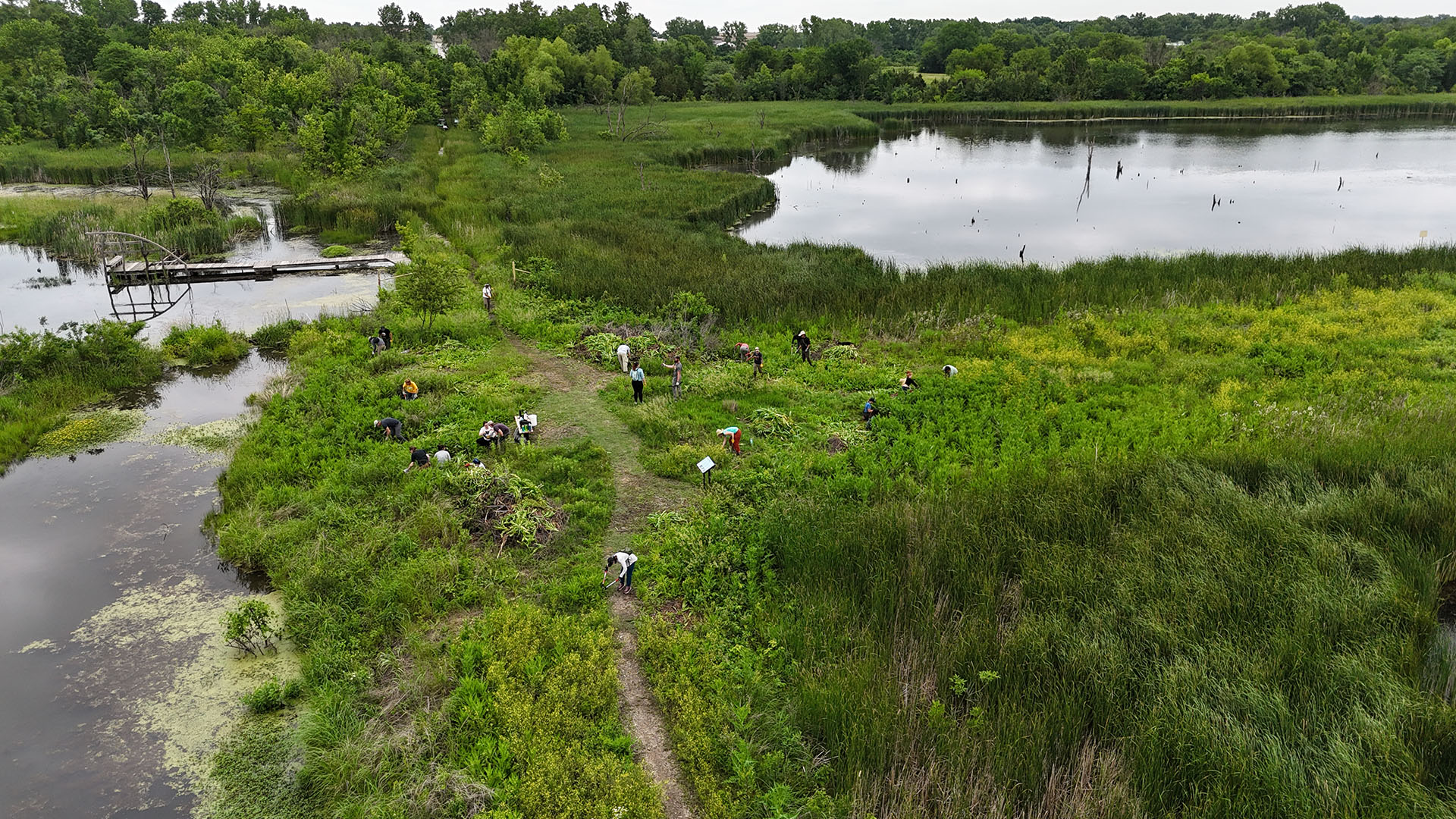
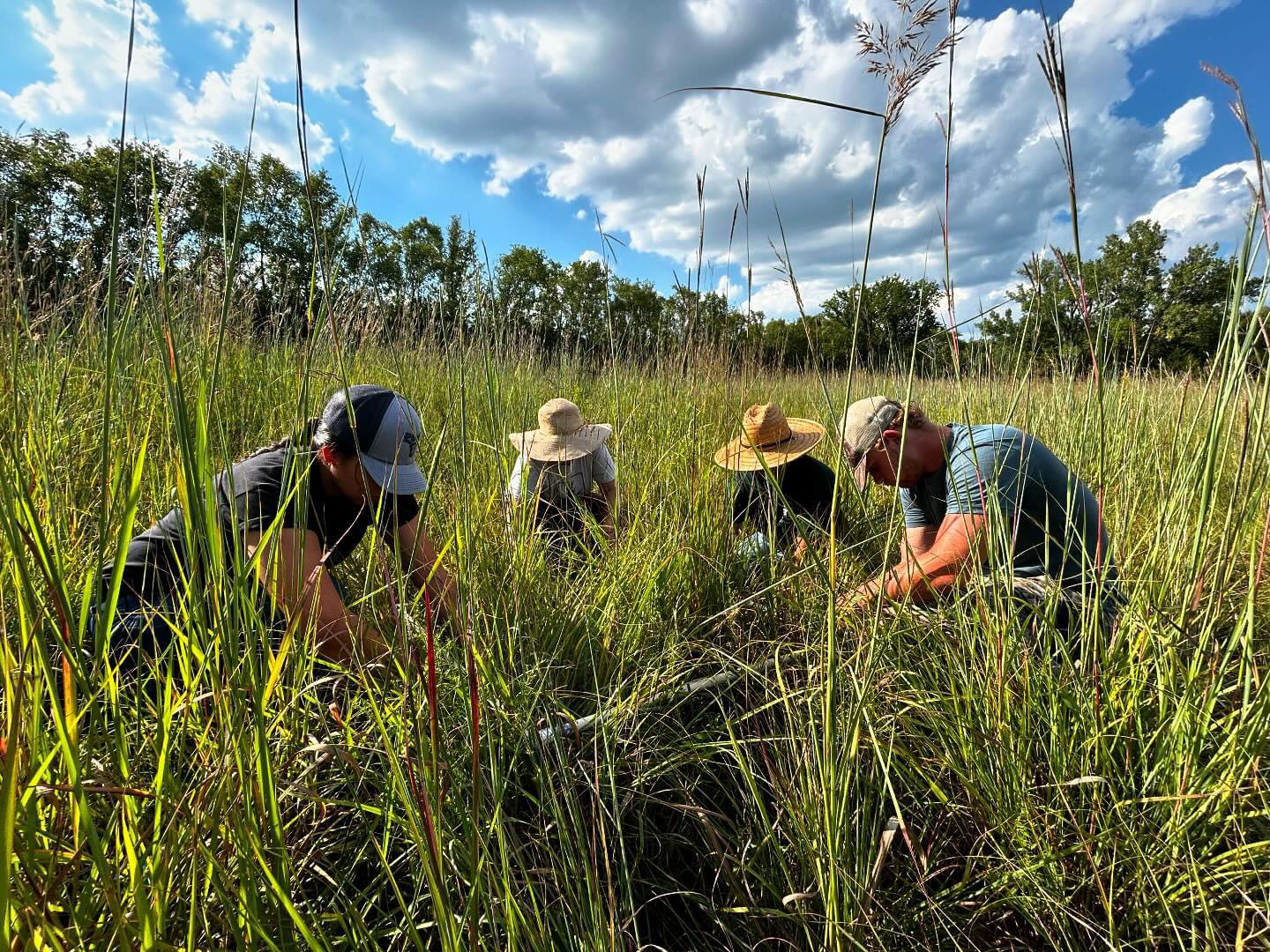
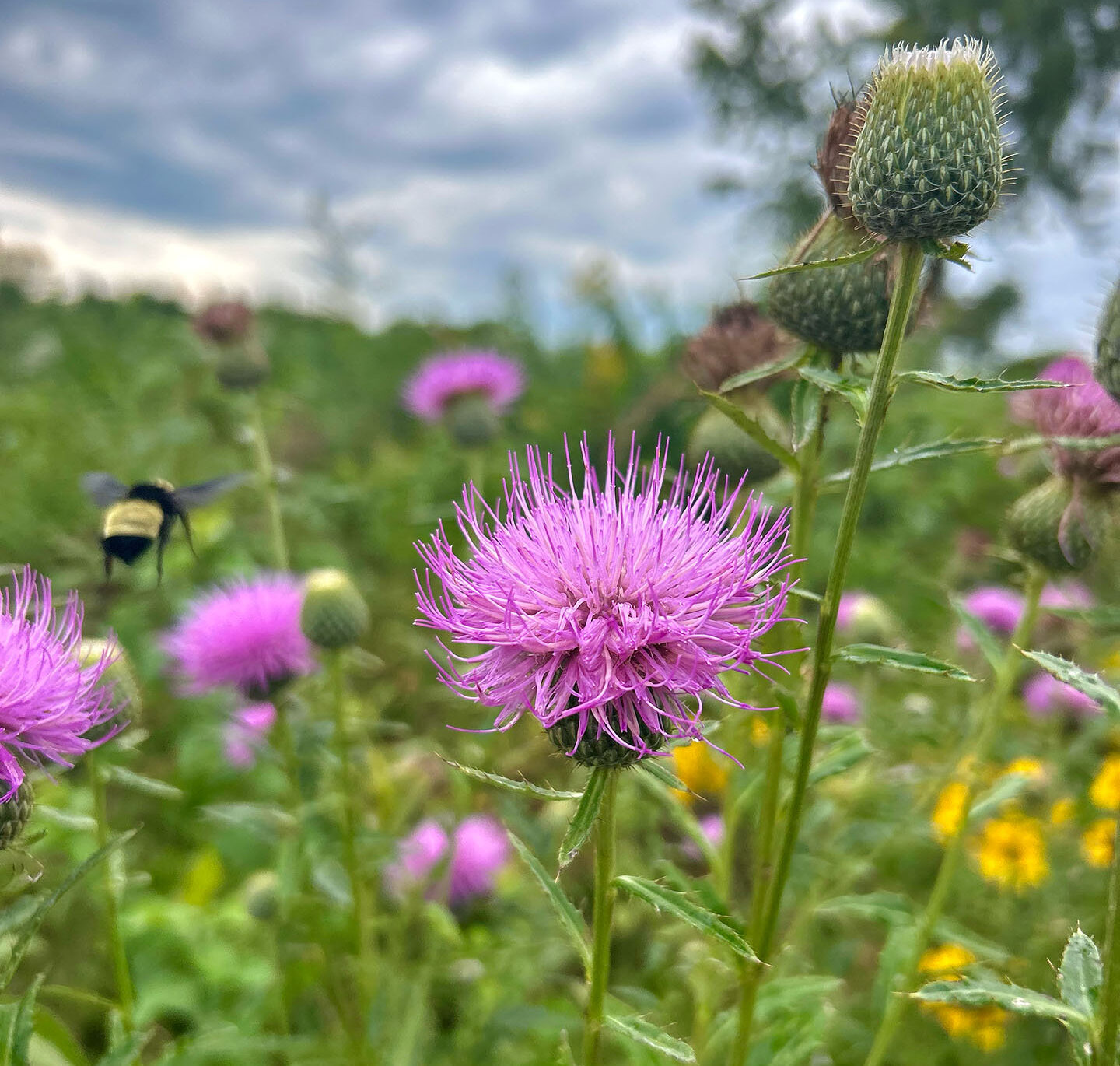
In Caring for Our Kin: Stories of Indigenous Environmental Stewardship, the College Fund shares the stories of Indigenous environmental leaders who are centering kinship and relational knowledge to build healthy ecological systems. These stories remind us that caring for the Earth means caring for one another—and that Indigenous knowledge systems continue to offer guidance, resilience, and hope for the future.
Learn more about our Environmental Stewardship Program.
Ekvnv Vcayecet. Mvto!
(Take care of the Earth/Land. Thank you)
More Blogs
Student Success — Managing Your Time as Student
Failing to manage your time effectively can lead to stress, which is detrimental to your health and the well-being of those around you. By using effective time management to balance work, school, and family life, you will be better equipped for the road ahead as a student and beyond.

Money Management — Making Common Cents
When tasked with the responsibility of clothing and feeding family, paying bills, keeping the car fueled and running, and paying for an education, you may feel overwhelmed. You are not alone. Understanding credit and debt management allows you to make fiscally responsible decisions. Financial literacy ranges from understanding how a checking account works to understanding your credit score.
2017-19 Native Pathways to College Bridge Program Grantees
In the spring of 2017, the College Fund awarded four tribal college and university grantees $50,000 each for two consecutive years to implement a year-round program to increase the college readiness and college-going-environments for American Indian and Alaska Native high school sophomores, juniors and seniors preparing for a higher education.
Career Advice — How to Develop a Career Plan
Work is part of life. A career is a more substantial way of thinking about your employment path. That is not to say your early jobs working at a fast food restaurant or a convenient store will not play out into your future plans, but if you make conscious choices about next steps you may be more aware of what you are learning while at them. And, if you take the time to think more intentionally about your career and work, you are more likely to enjoy it.

Career Advice — Professional Etiquette
Professional etiquette is not just knowing what to discuss during a business dinner or how to address colleagues; it is a way of presenting yourself in such a way that you will be taken seriously. You must be aware of how your actions, small or large, impact others’ opinions of you. Understand and practice appropriate behavior to impress others that may lead into promotions and, possibly, a job.
Career Advice — Recommendation Letters
You will often be asked to provide professional letters of recommendation or a list of people to be contacted in the future by the prospective employer. These individuals should be able to testify to your skills, achievements, character, and more.
Career Advice — Interviewing Tips
The interview is your opportunity to show a potential employer how great it would be to have you on their team. Use these tips and resources to create a successful experience.
Remember the interview is the employer’s opportunity to assess your fit for a position and the organization as a whole.
Career Advice — Thank You Letters
Writing a thank-you letter after a job interview will help you stand out from other candidates. Use the following guidelines to confirm your interest in the position after your interview:
Career Advice — Résumés and Cover Letters
Why Create a Résumé? You must create a résumé to apply for a job. This document is crucial to landing an interview (and should be perfect before sending to a potential employer).
Student Success — Giving Back
Black Elk said, “Everything the power of the world does is done in a circle.” Your education is part of that circle. As your vision of the future unfolds, we hope you will share what you have learned with others.
